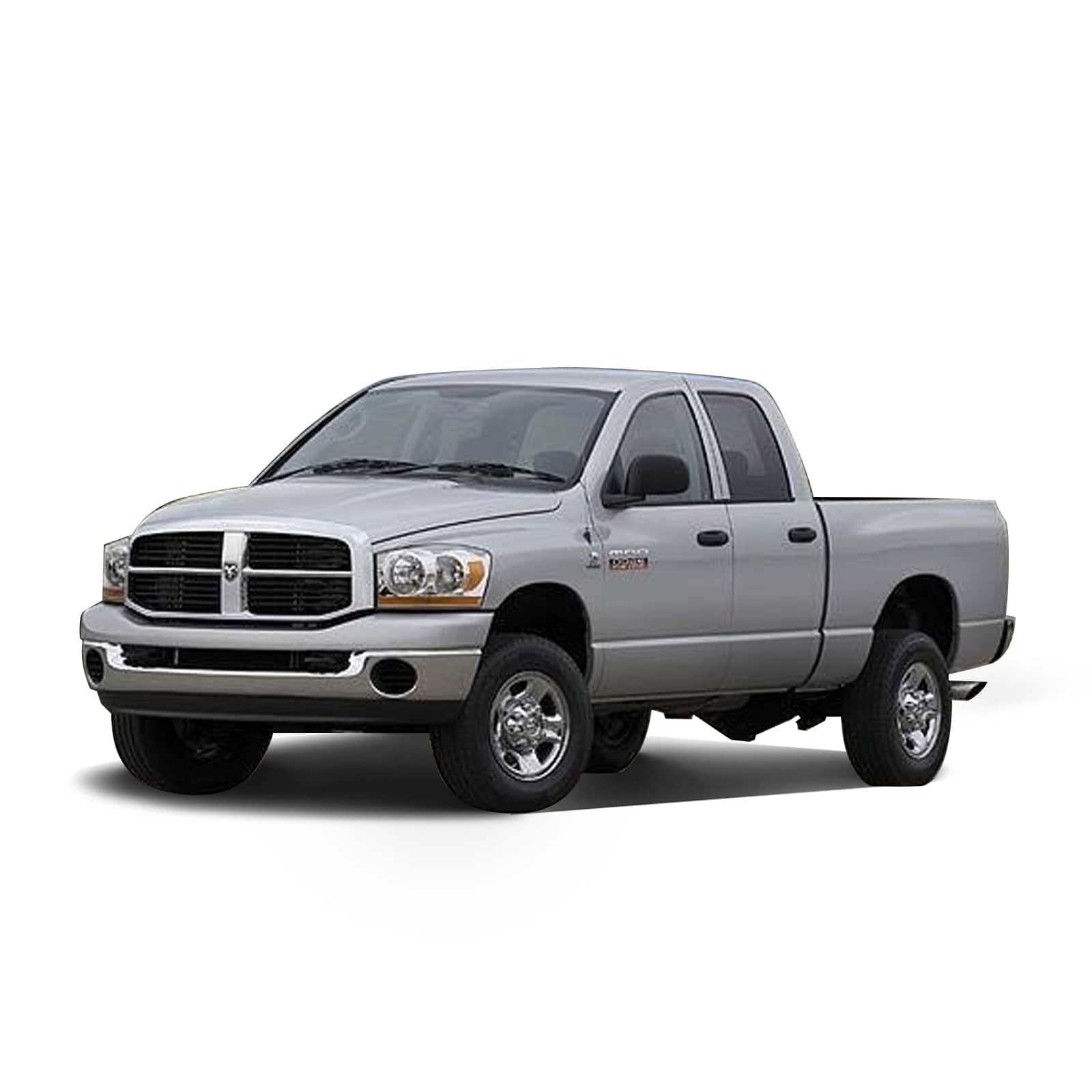
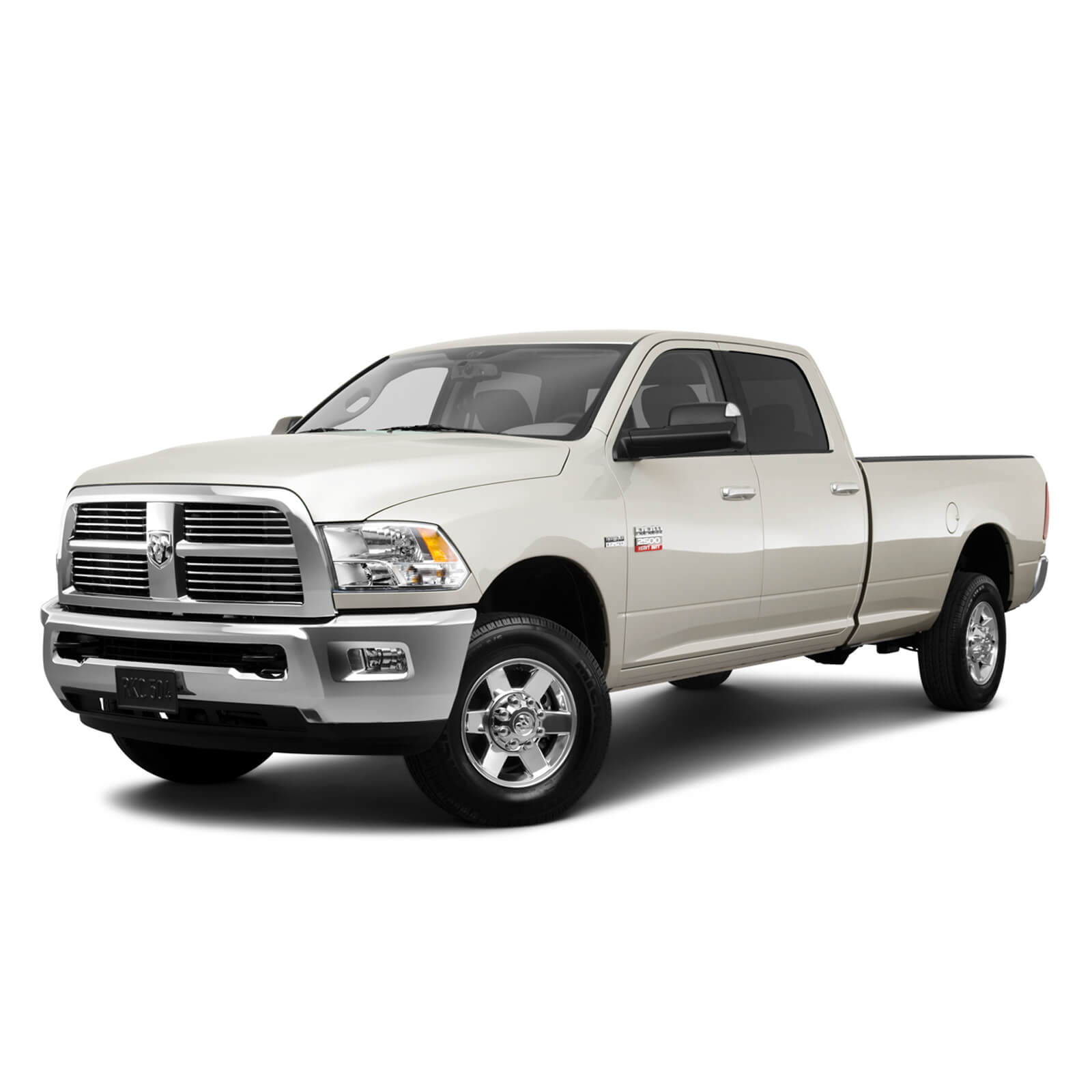
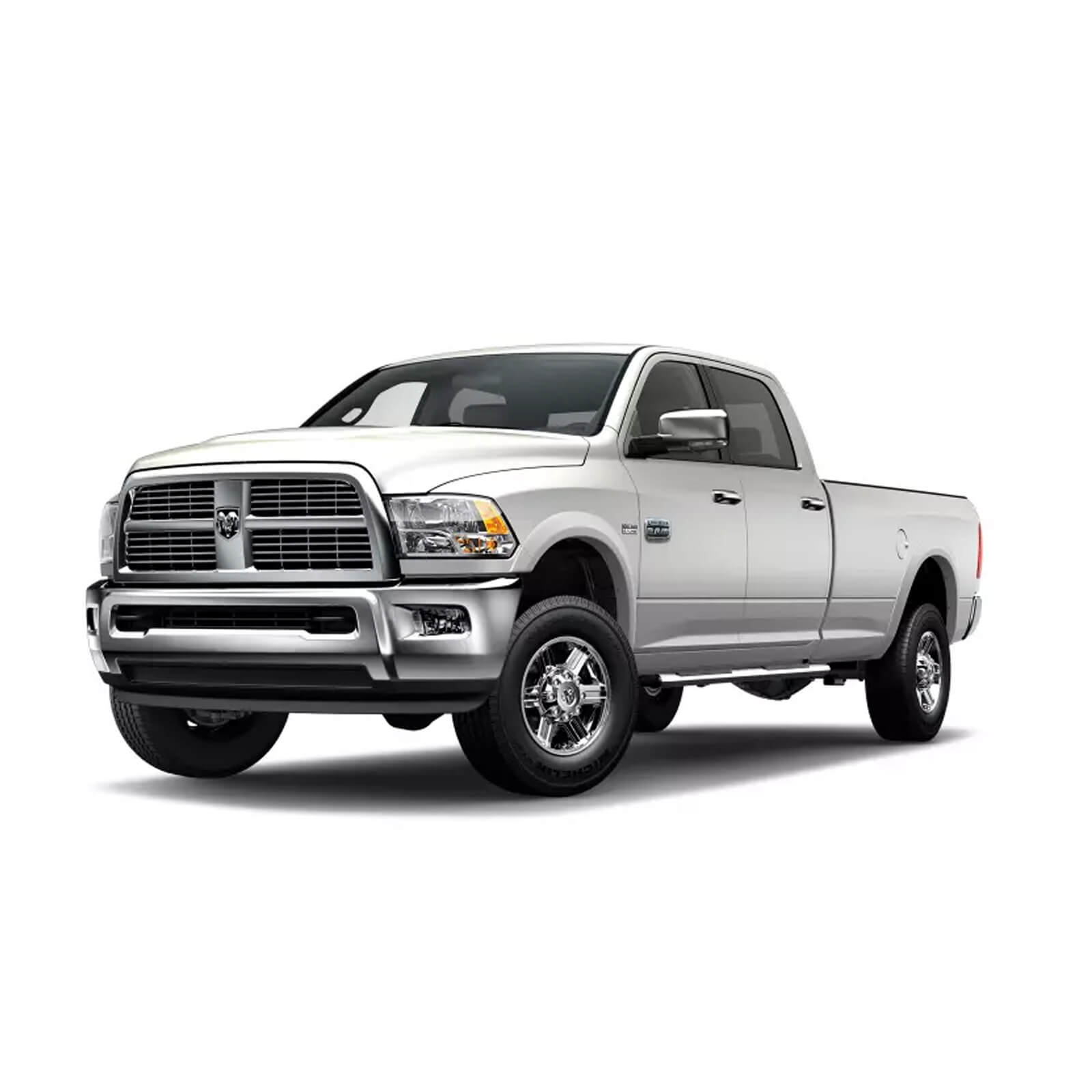
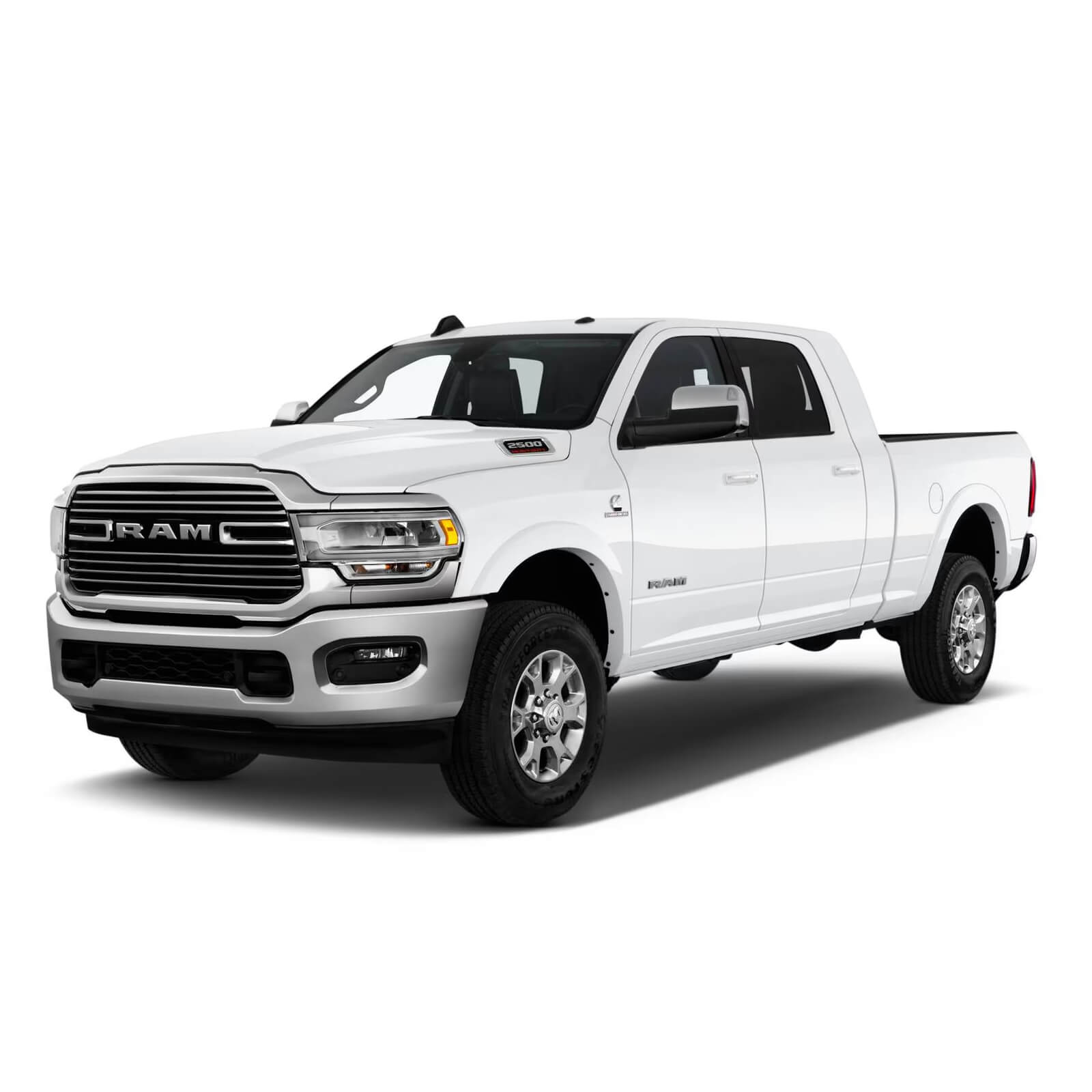
The 6.7L Cummins has powered Ram heavy-duty trucks since mid-2007 and remains one of the best-known diesel platforms for towing, hauling, and long-term durability. On this page, you can shop 6.7 Cummins parts and performance upgrades by year range, vehicle fitment, and product category for Ram 2500, 3500, 4500, and 5500 applications. With free shipping and a 45-day return policy included, get the lowest price now!
 Check if this fits your vehicle
 Shopping for your {{ item.vehicle.year }} {{ item.vehicle.make }} {{ item.vehicle.model }} {{ item.vehicle.submodel }} {{ item.vehicle.engine }} {{ item.vehicle.trim }}
If This Fit Your {{ item.vehicle.make }} {{ item.vehicle.model }}
Shopping for your {{ item.vehicle.year }} {{ item.vehicle.make }} {{ item.vehicle.model }} {{ item.vehicle.submodel }} {{ item.vehicle.engine }} {{ item.vehicle.trim }}
If This Fit Your {{ item.vehicle.make }} {{ item.vehicle.model }}
 Doesn't fit {{ item.vehicle.year }} {{ item.vehicle.make }} {{ item.vehicle.model }} {{ item.vehicle.submodel }} {{ item.vehicle.engine }} {{ item.vehicle.trim }}
Universal Fit
Doesn't fit {{ item.vehicle.year }} {{ item.vehicle.make }} {{ item.vehicle.model }} {{ item.vehicle.submodel }} {{ item.vehicle.engine }} {{ item.vehicle.trim }}
Universal Fit
The 6.7L Cummins inline-6 turbo diesel has been the backbone of Ram Heavy Duty trucks since 2007. Developed from the legendary 5.9L 12-valve and 24-valve platforms, the 6.7L was designed to meet stricter emissions standards while delivering more power, torque, and durability.
Quick Tip: Always verify your truck’s year, model, and engine configuration before ordering delete kits or performance upgrades.
The 2007.5–2009 6.7L Cummins introduced advanced emissions controls: EGR, DPF, and VGT. While powerful, these early systems are prone to specific issues that delete kits can resolve.
| Problem | Solution |
| DPF Clogging | Regeneration / cleaning / replacement / DPF delete |
| Turbocharger Issues (bearing wear → whining noise; oil seal leak → blue smoke; VGT carbon buildup) | OE replacement or upgraded ball-bearing turbo |
| Intake Heater Bolt Failure (P2609 / P0452 codes) | Intake heater delete plate |
| Head Gasket Failure | OE gasket + high-strength head studs |
| Oil Dilution | DPF delete |
| EGR Cooler Failure | OE replacement or EGR delete kit |
This generation retained the emissions setup of the 3rd gen but with improved tuning and reliability. No DEF system is present on these models, making them simpler to modify.
| Problem | Solution |
| DPF Clogging | Regeneration / cleaning / replacement / DPF delete |
| EGR Cooler Failure | OE replacement or EGR delete kit |
| Turbocharger VGT Carbon Buildup | Cleaning or OE replacement |
| Oil Dilution | DPF delete |
The 2013–2018 6.7L Cummins introduced the Selective Catalytic Reduction (SCR) system, requiring Diesel Exhaust Fluid (DEF) to meet stricter EPA emissions standards. While more efficient, this added complexity and potential failure points.
| Problem | Solution |
| DPF / SCR System Failures | DPF delete |
| EGR Valve Carbon Buildup | EGR delete kit |
| DEF System Sensor Failures | DEF system delete |
| Oil Dilution from Regeneration | DPF delete |
The fifth-generation 6.7L Cummins is the most powerful factory diesel offered by Ram. It was the first among the Big Three (Ford, GM, Ram) to surpass 1,000 lb-ft of torque. While the engine itself is robust, the emissions systems remain a common source of frustration for owners seeking maximum reliability and performance.
| Problem | Solution |
| DPF / SCR System Failures | DPF delete (removes both DPF and SCR) |
| EGR Cooler Leaks | OE replacement or EGR delete kit |
| DEF System Issues (sensor failure, crystallized fluid) | DEF system delete (often included with DPF delete kits) |
| Turbocharger VGT Carbon Buildup | Cleaning or OE replacement |
| Generation | Years | Engine | Horsepower | Torque | Key Feature |
| 3rd Gen | 2007.5–2009 | 6.7L Cummins | 350 hp | 650 lb-ft | Early emissions hardware (EGR / DPF / VGT) |
| 4th Gen (Pre-DEF) | 2010–2012 | 6.7L Cummins | Up to 350 hp | Up to 800 lb-ft | No DEF / SCR system |
| 4th Gen (With DEF) | 2013–2018 | 6.7L Cummins | Up to 385 hp | Up to 850 lb-ft | Added DEF / SCR on later 4th Gen trucks |
| 5th Gen | 2019–2024 | 6.7L Cummins | Up to 400 hp* | Up to 1,000 lb-ft* | Standard-output and high-output variants available |
Whether you are maintaining a work truck or upgrading a tow rig, shopping by product category can save time and reduce fitment mistakes. Browse 6.7 Cummins parts by year and category to find components that match your exact Ram application. Not sure which upgrade fits your needs? Use this comparison to find the right direction.
| Category | Best For | Key Features |
|---|---|---|
| Cummins Tuner | Adjustable power, no hardware removal |
|
| Cummins DPF Delete | Tired of regen cycles, oil dilution, clogging |
|
| Cummins EGR Delete | EGR cooler leaks, carbon buildup, intake clogging |
|
| Cummins CCV Delete | Keep intake, turbo, intercooler clean |
|
| Cummins All-in-One Delete Kit | Complete emissions-free setup |
|
| Upgrade Type | Hardware Changes | Tuning Required? | Estimated Gains | Primary Benefits |
|---|---|---|---|---|
| EGR Delete Kit | Removes the Exhaust Gas Recirculation system. | Yes | +15–20 HP | Lowers intake temperatures and helps reduce carbon buildup. |
| DPF Delete Pipe | Replaces the restrictive Diesel Particulate Filter. | Yes | +25–40 HP | Reduces exhaust backpressure and improves turbo efficiency. |
| CCV Reroute Kit | Redirects Crankcase Ventilation vapors away from the intake. | No | Reliability Boost | Keeps turbo and intercooler cleaner by reducing oil contamination. |
| Full Delete Kit | Complete removal of DPF, SCR, and EGR systems. | Required | +60–150 HP | Maximizes airflow, improves towing performance, and reduces exhaust temperatures. |
Note: Emissions-related modifications may not be legal for on-road use in certain regions. Always check local regulations before purchasing or installing these components.
After optimizing your 6.7L Cummins Turbo Diesel with performance upgrades, regular maintenance becomes even more critical to ensuring long-term reliability. Below are the recommended service intervals for modified trucks:
Oil & Filter Change: Every 5,000–7,500 miles. High-performance tuning can increase soot loading; using high-quality synthetic oil is essential to protect the engine's bottom end.
Fuel Filter Replacement: Every 15,000 miles. The Cummins high-pressure common rail system is sensitive to contaminants. Always use a high-efficiency (3-micron) filter.
CCV System Check: If you have installed a CCV Reroute, inspect the hoses and catch can every 15,000 miles to ensure zero blockages.
VGT Turbo Inspection: Every 20,000–25,000 miles, inspect turbocharger oil lines and blades for play, especially if the truck is frequently used for "Hot-Shot" hauling or heavy towing.
Exhaust Leak Check: Inspect your DPF delete pipe and EGR block-off plates every 10,000 miles. Heat cycles can occasionally loosen clamps or bolts.
ECU Diagnostics: After any initial tuning or hardware upgrade, perform a system scan after the first 500–1,000 miles to ensure no "ghost codes" (like P003A or U010C) are affecting performance.
System Synergy Warning: For 2007.5 and newer models, removing emissions hardware (DPF/EGR) without a matching Tuner will trigger "Limp Mode" and diagnostic trouble codes. Always ensure your hardware and software upgrades are installed as a synchronized package.
Intake Safety (Early 6.7L Models): Owners of 2007.5–2012 models should regularly inspect the Intake Heater Bolt. This bolt is notorious for vibrating loose and falling into the intake, which can cause catastrophic engine failure. Many owners opt for an intake heater delete plate as a preventative measure.
Not always. Some parts may fit both models, while others vary depending on the truck series, drivetrain, and intended application. Always check the product fitment details before ordering.
Start with your truck’s model, year, and engine setup. Then choose parts based on your needs, such as towing, general maintenance, airflow support, or performance upgrades. Confirm fitment before placing your order.
If you're unsure, you can use the vehicle adapter at the top of our page. Add your year, make, and model, and you'll get all compatible products, avoiding mistakes.
Delete kits that remove emissions components (DPF, EGR, SCR) are intended for off-road, racing, and competition use only. Use on public roads may violate federal and state emissions regulations. Please check local laws before purchasing.
Fuel-economy results vary widely depending on tuning, driving habits, towing load, terrain, and supporting parts. Some owners report efficiency changes, but results are not uniform.
For optimal results, ECU tuning is recommended after installing DPF or EGR delete kits to prevent check engine lights and fully unlock performance gains. Some kits include tuning, while others are sold separately.