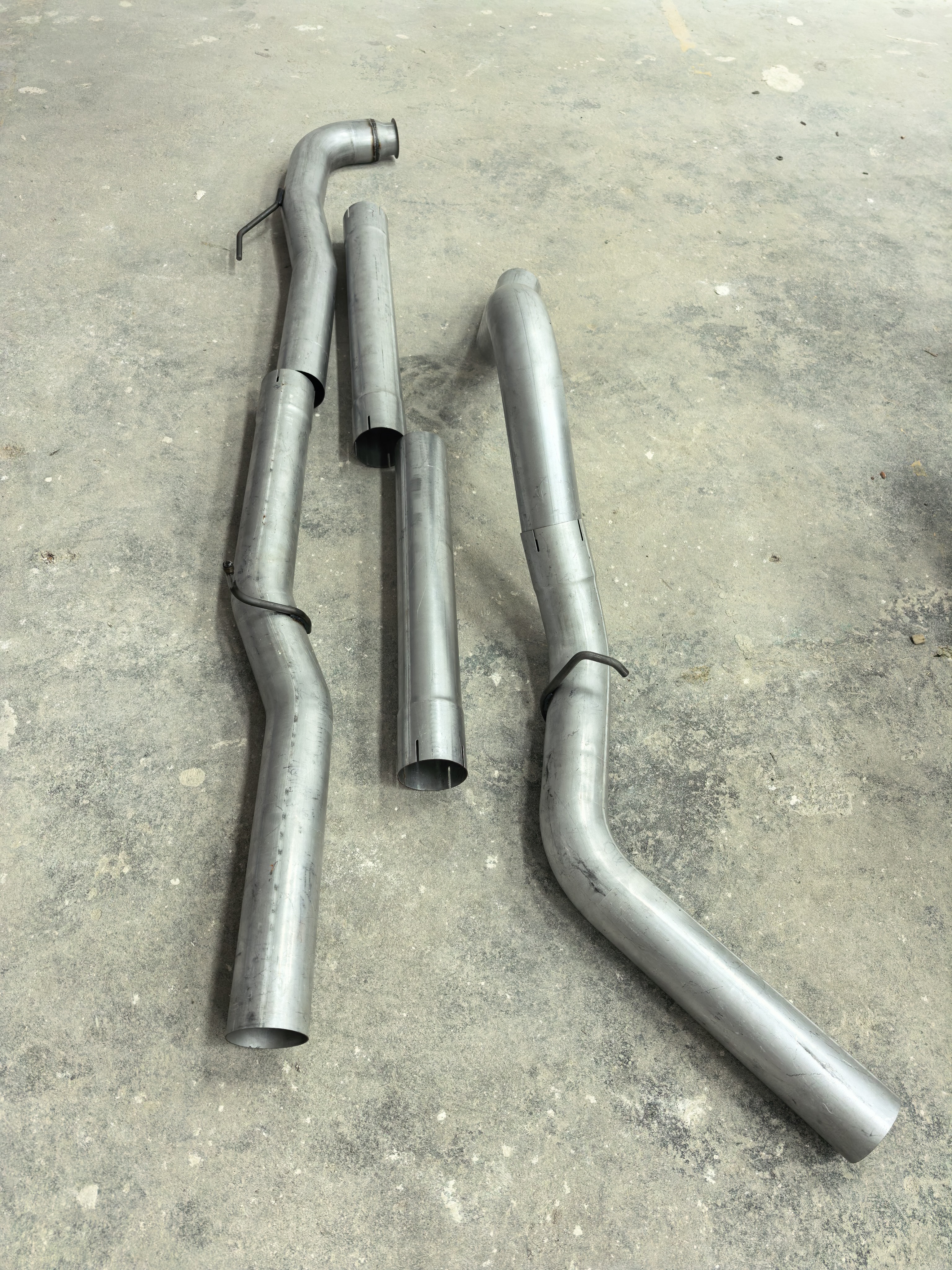
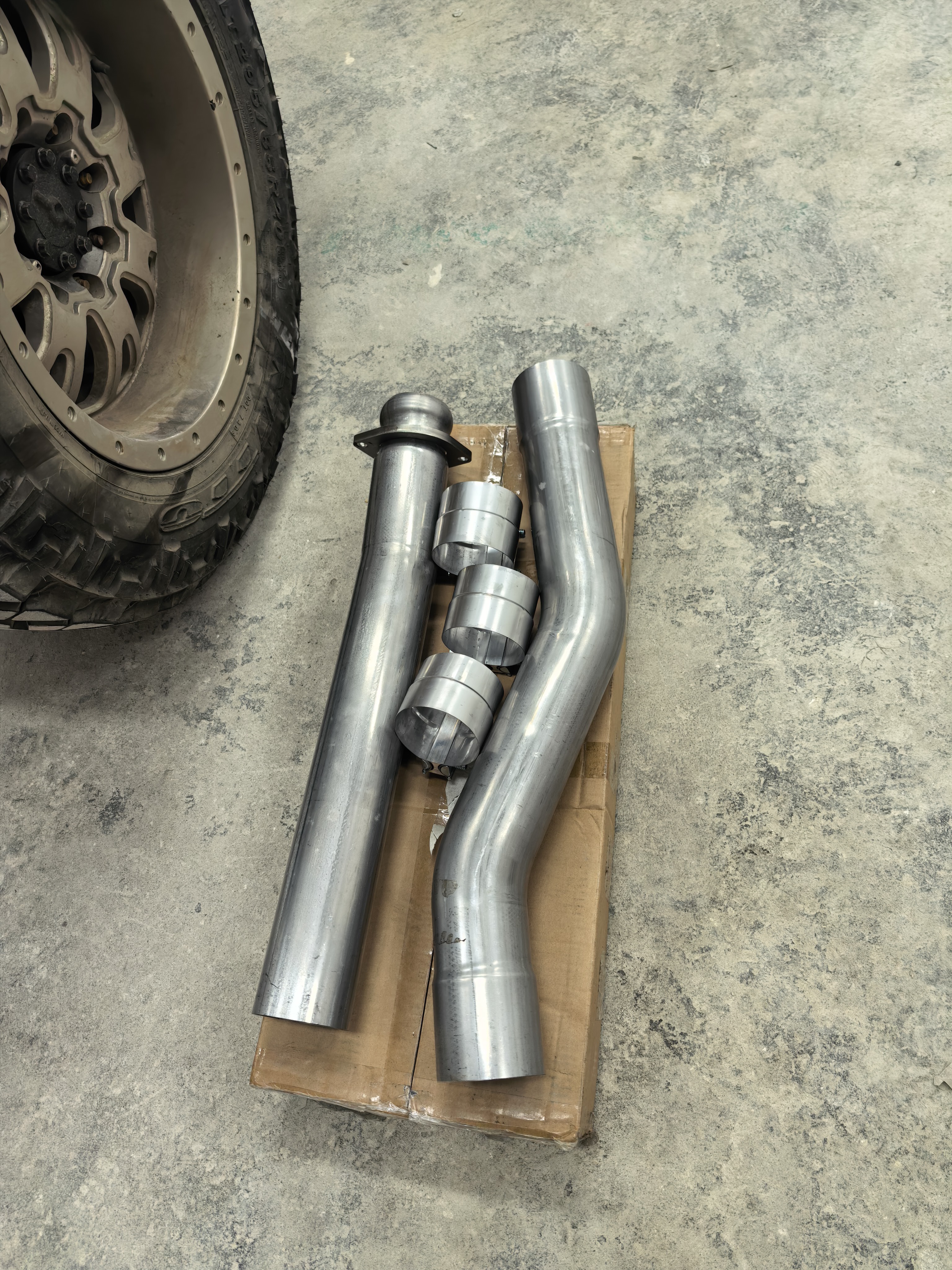
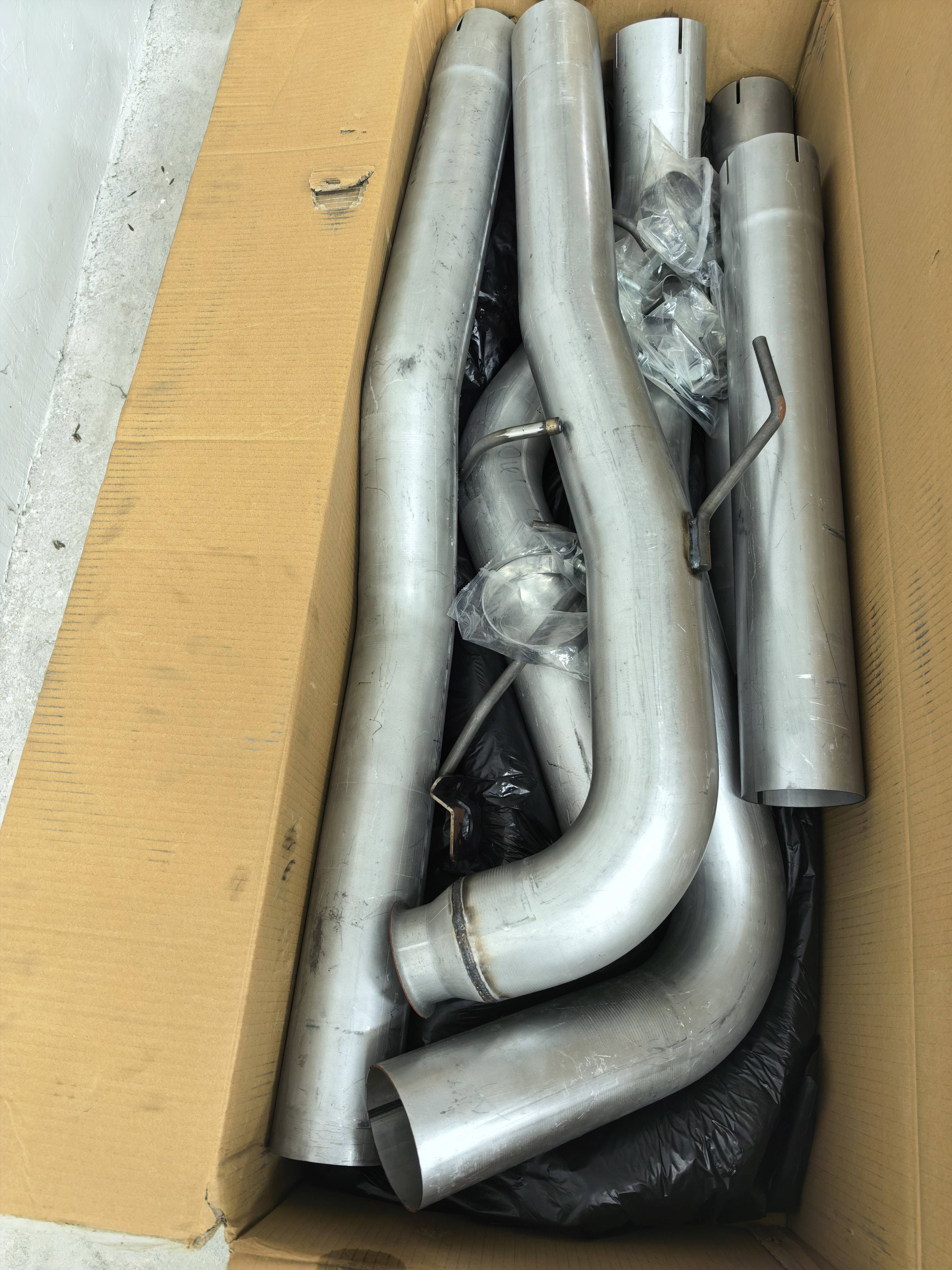
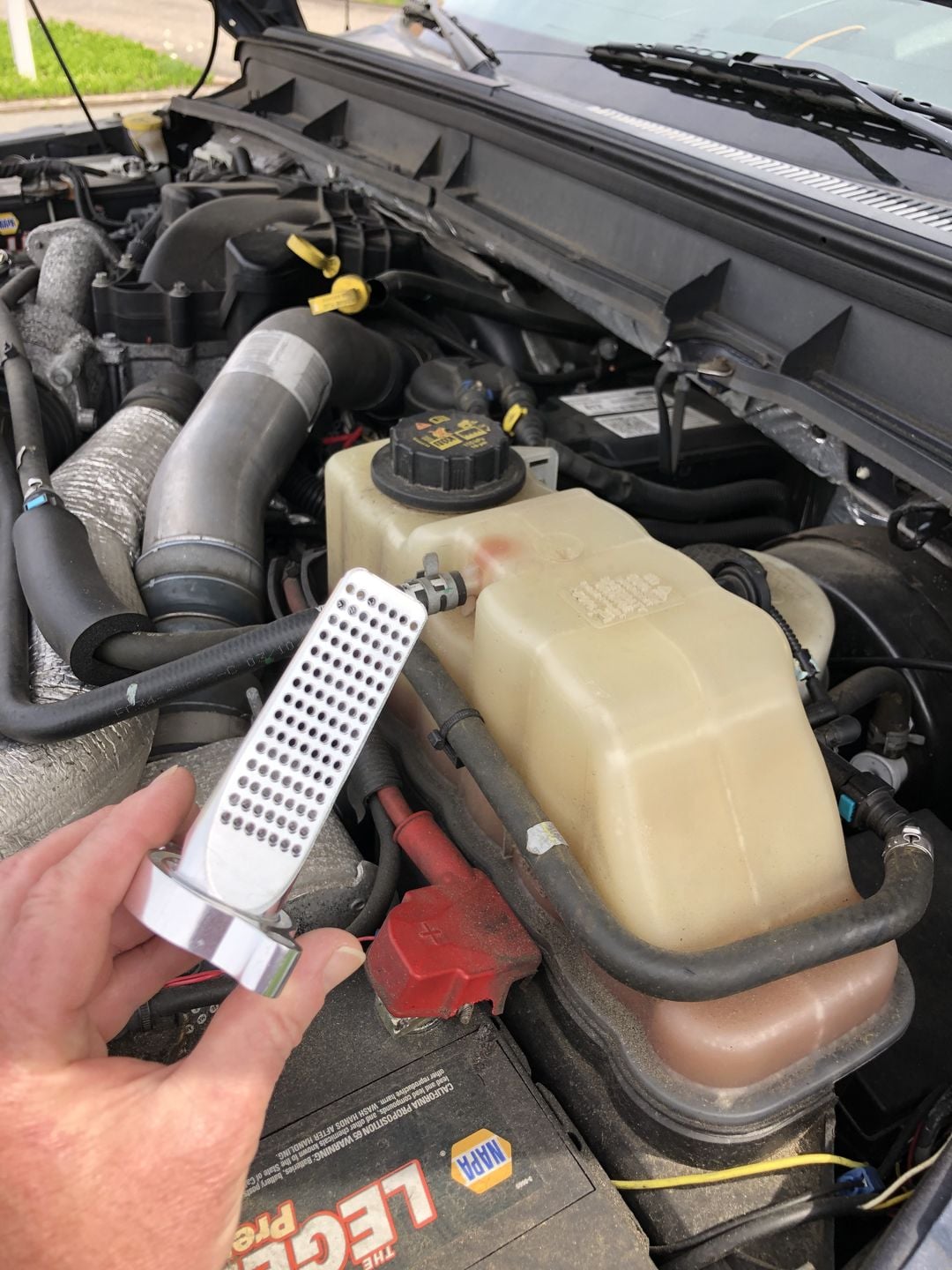
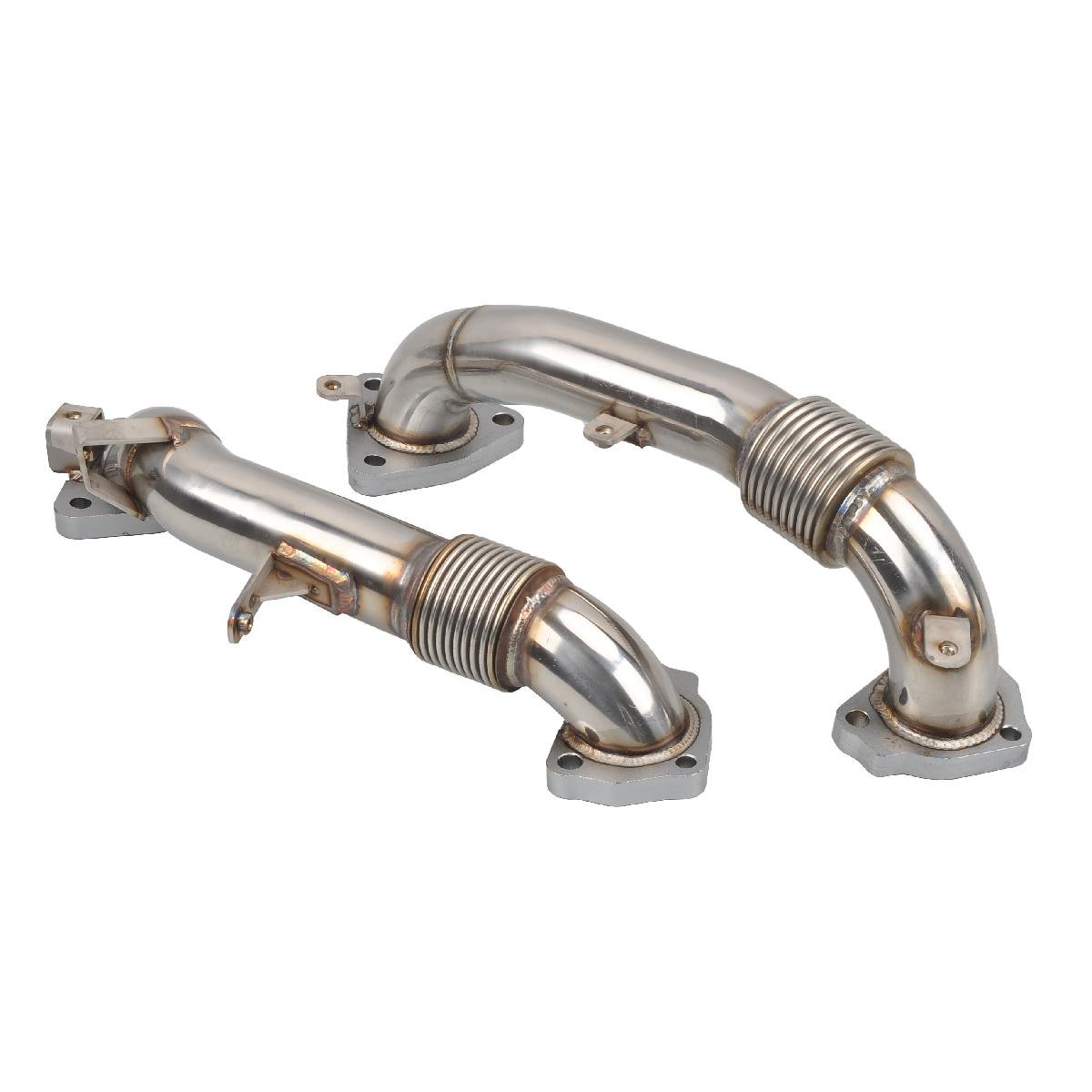
Looking for the right diesel performance parts for your next build? This category page brings together SuncentAuto’s core diesel performance upgrades for exhaust and emission control, including DPF delete pipes, EGR delete kits, diesel all-in-one kits, CCV/PCV reroute kits, tuners, downpipes, intercooler pipe kits, exhaust manifolds & headers, and exhaust cutouts. Shop now and enjoy free shipping within the US, a 10% discount for new users, and a 45-day return policy!


Diesel truck owners typically only consider upgrading their exhaust and emission control systems when the original factory exhaust system no longer meets their performance needs. Original factory exhaust and emission components are designed primarily for compliance and noise control, not performance. Therefore, many owners begin looking for diesel engine performance upgrades that improve exhaust flow, reduce back pressure, and enhance load response.
This page aims to compile the most common diesel engine upgrade options. Instead of searching for products one by one, you can browse by category, engine series, and year to find parts suitable for your truck and stage of modification. Ideal for diesel truck owners who are purchasing Powerstroke, Cummins, Duramax, and EcoDiesel application parts more systematically.
Browse diesel performance parts by category to find the right upgrade path for your truck. Whether you are planning a full build or starting with a single exhaust-side upgrade, shopping by category makes it easier to compare components and choose parts that fit your goals.
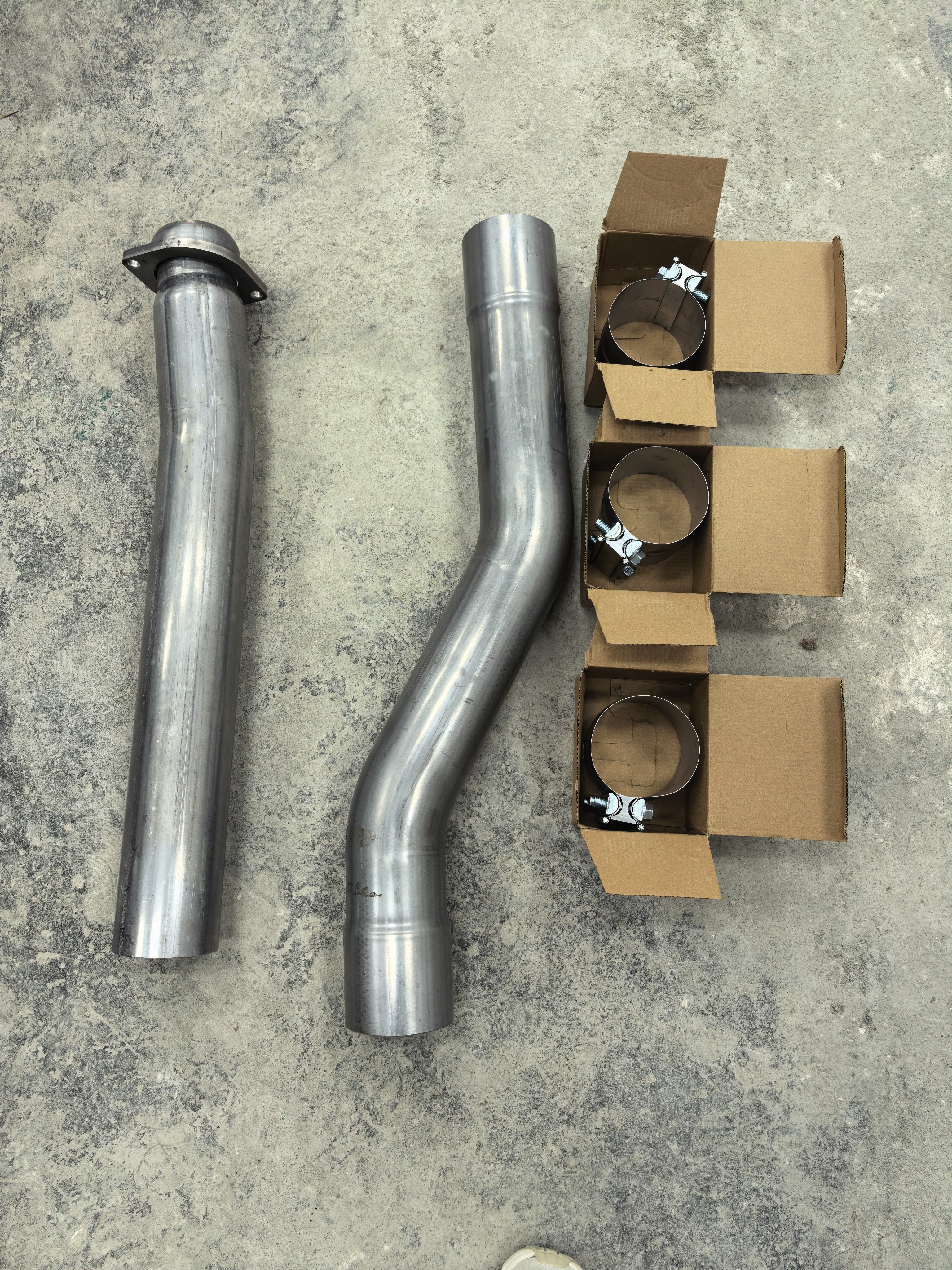
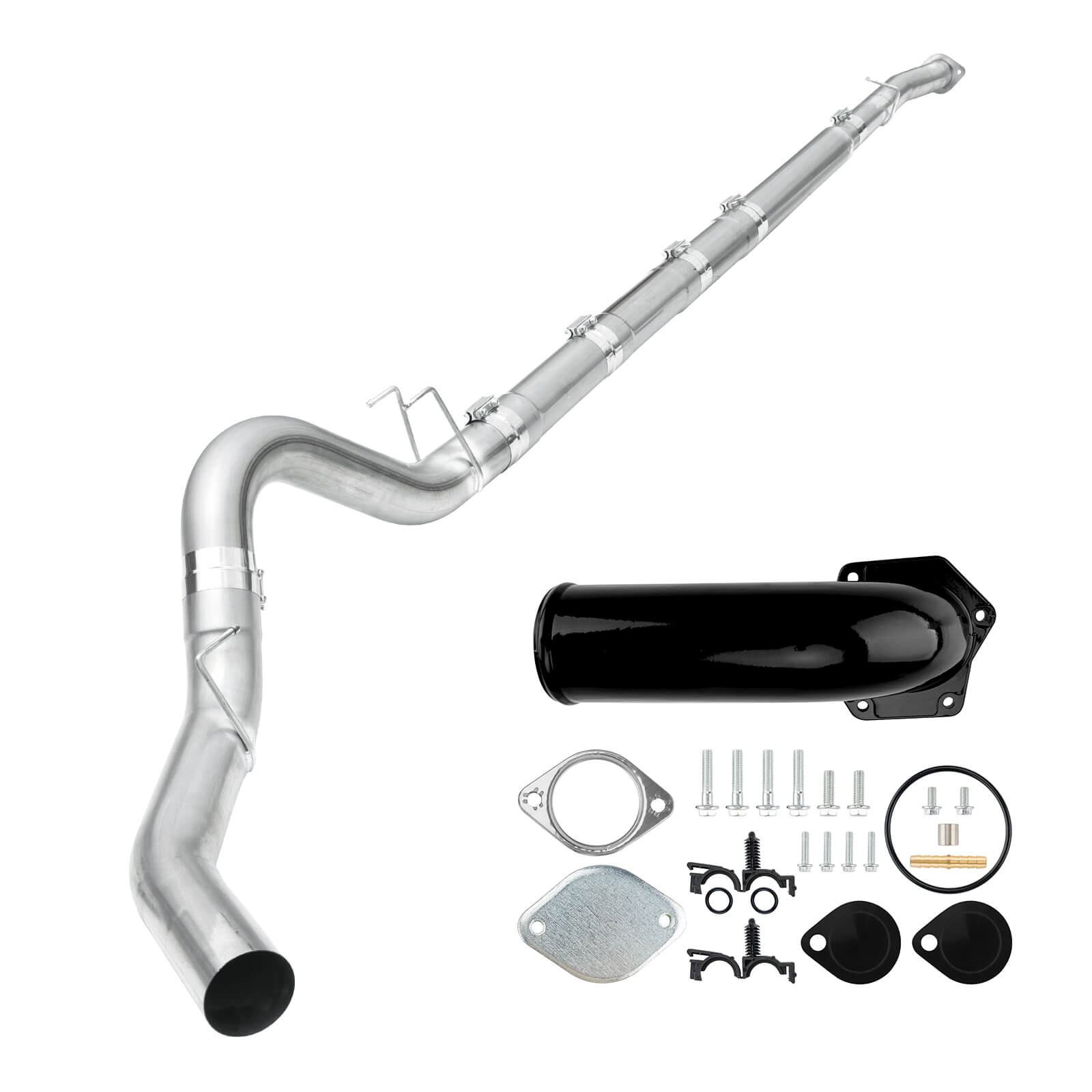
Over time, the original DPF may become clogged, leading to performance degradation and even causing the vehicle to enter limp mode. A DPF delete kit replaces the restrictive sections with unobstructed tubing, thus avoiding shop repairs for DPF-related issues.
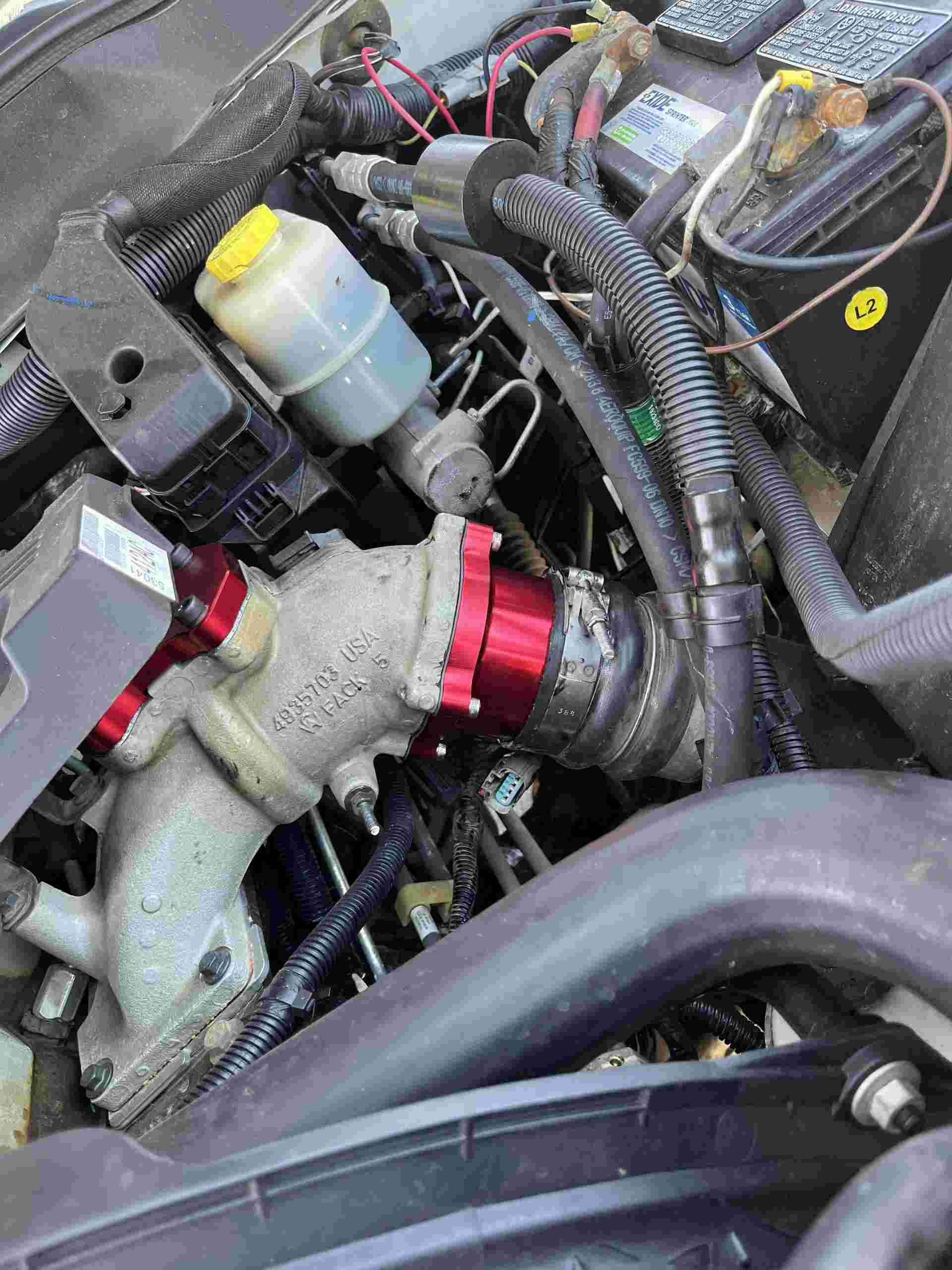
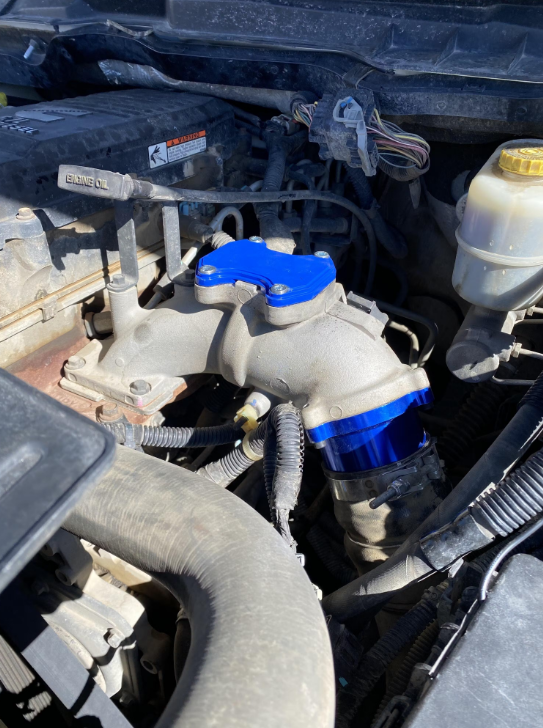
To meet emissions regulations, the factory-installed EGR system (Exhaust Gas Recirculation) redirects hot exhaust gas back into the intake manifold. This can lead to carbon buildup, intake manifold blockage, reduced airflow, and increased cylinder temperature. Upgrading to an EGR delete kit ensures the engine only draws in fresh, cool air, thereby reducing operating temperature, extending engine life, and facilitating maintenance.
The original CCV/PCV system directs oily crankcase exhaust gases back into the intake manifold or turbocharger inlet, causing the system to become sludge-covered, reducing cooling efficiency and damaging seals.
A reroute kit can expel these exhaust gases from the intake path—typically into an oil separator or vented into the atmosphere (suitable for off-road applications). This keeps the intercooler clean, improves turbocharger efficiency, and prevents carbon buildup that can cause power loss. It's a simple and low-cost upgrade that protects your entire intake system.
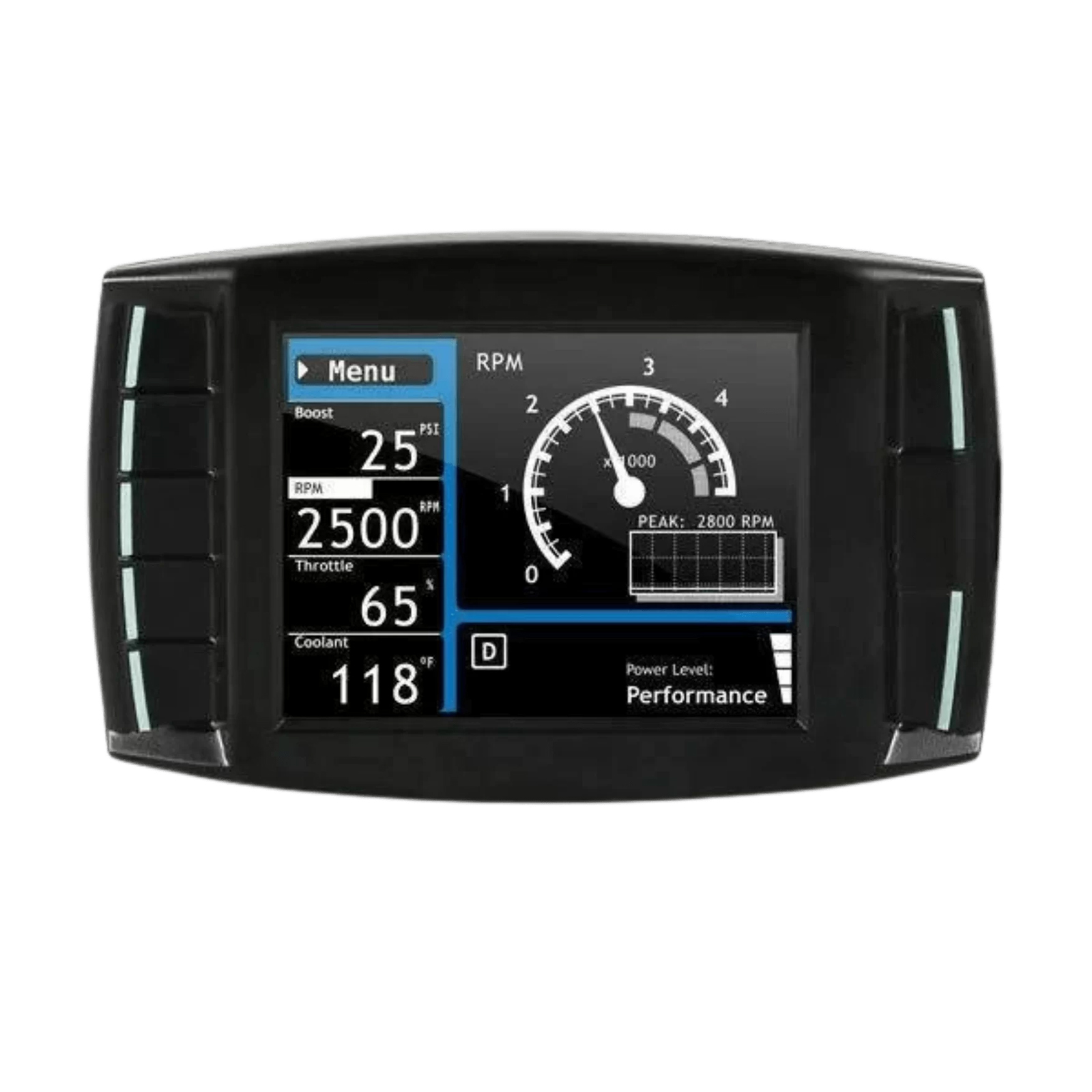
The factory engine prioritizes emissions compliance over power output, retaining torque management limits. After hardware upgrades, such as removing the DPF, without corresponding tuning, the vehicle may display warning codes, illuminate warning lights, or even enter "limp mode," resulting in power loss. A tuner provides the necessary calibration support to ensure vehicle compatibility, driving performance, and overall system operation after hardware upgrades (if applicable).
Diesel all-in-one kits combine key upgrade components into one package for a more complete build path. These kits are ideal for buyers who want to reduce guesswork, save time during product selection, and purchase matched components together.
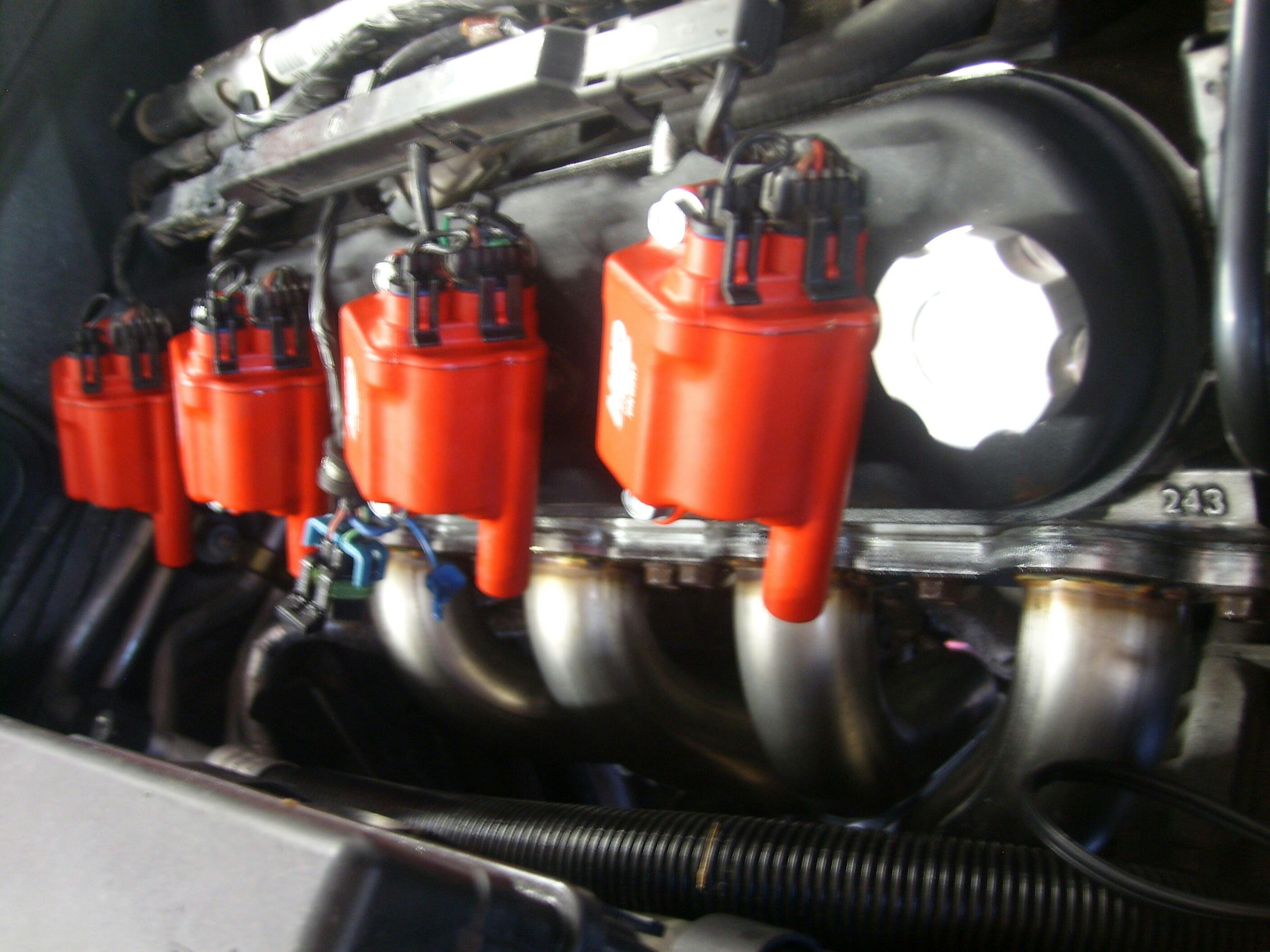
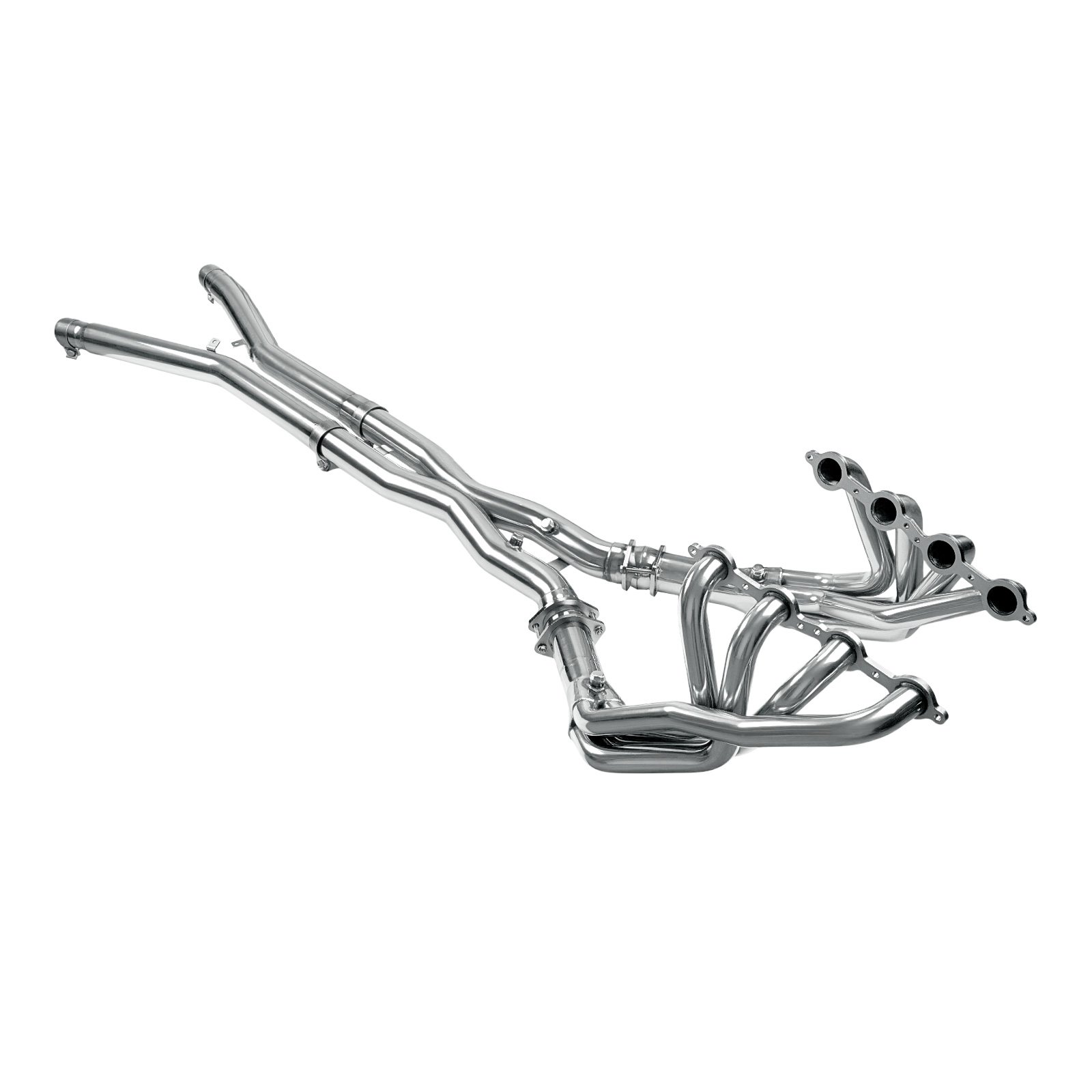
The original factory exhaust manifolds are cast, resulting in a rough internal surface, narrow passages, and resistance at bends. On older trucks, these are prone to cracking, warping, and gasket leaks, leading to obstructed exhaust flow at the cylinder head.
Upgrading to SuncentAuto's high-performance exhaust manifolds or headers, on the other hand, features smoother airflow, larger diameter passages, and the more robust T-409 stainless steel. They reduce back pressure at the source, lower exhaust temperatures, improve turbocharger response, and lay a solid foundation for any downstream exhaust upgrades—resulting in more power, less heat, and longer turbocharger life.
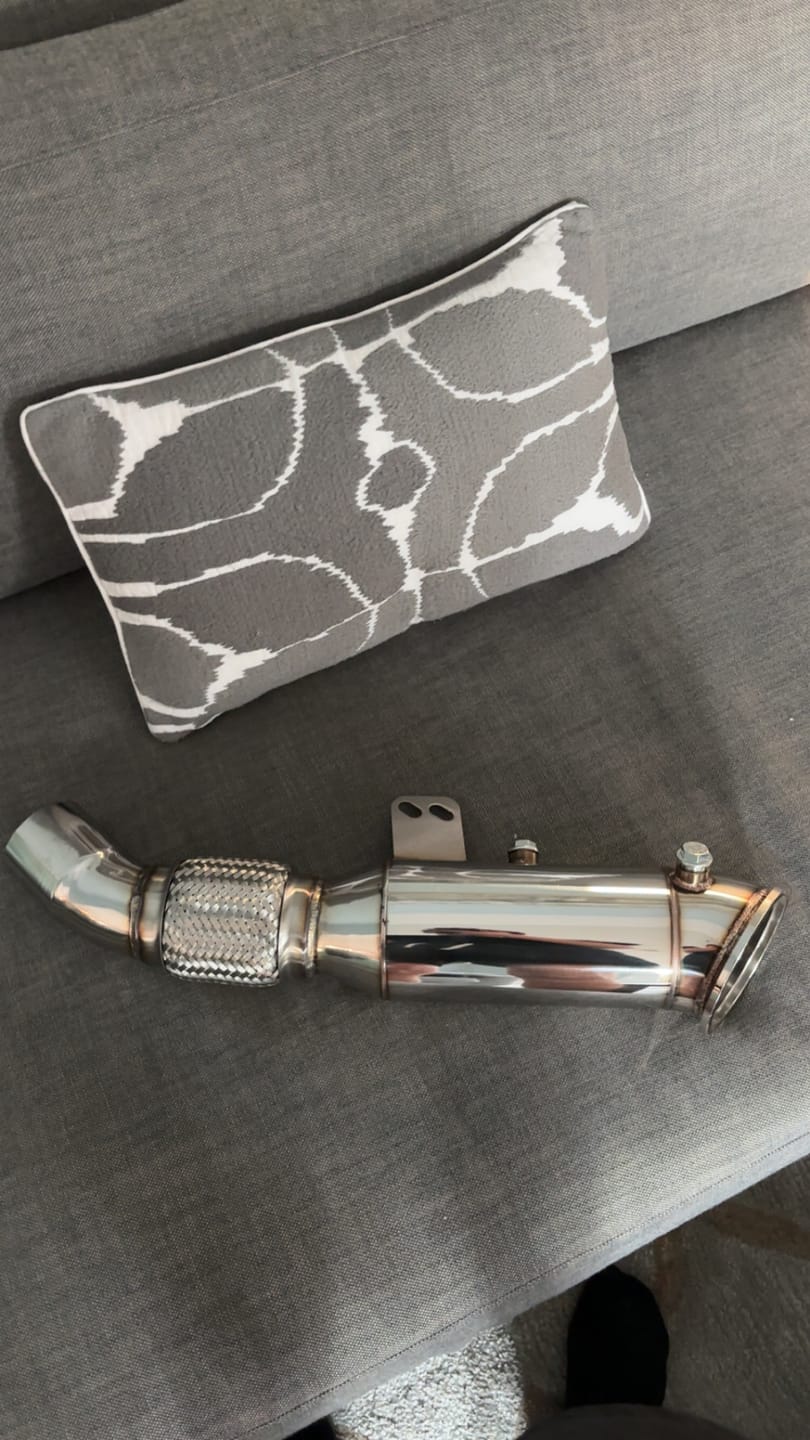
The factory downpipe typically include a catalytic converter for environmental reasons and often employ flattening, reduction, or necking techniques. This leads to exhaust energy retention and increased back pressure, one of the biggest bottlenecks in factory diesel exhaust systems.
Aftermarket downpipes feature smooth, large-diameter bends, and some even remove the catalytic converter. This eliminates exhaust resistance, allowing the turbocharger to respond more quickly, reducing exhaust temperature, and increasing exhaust flow across the entire RPM range. It's a highly effective and relatively low-cost upgrade that can enhance the performance of all other exhaust modifications.
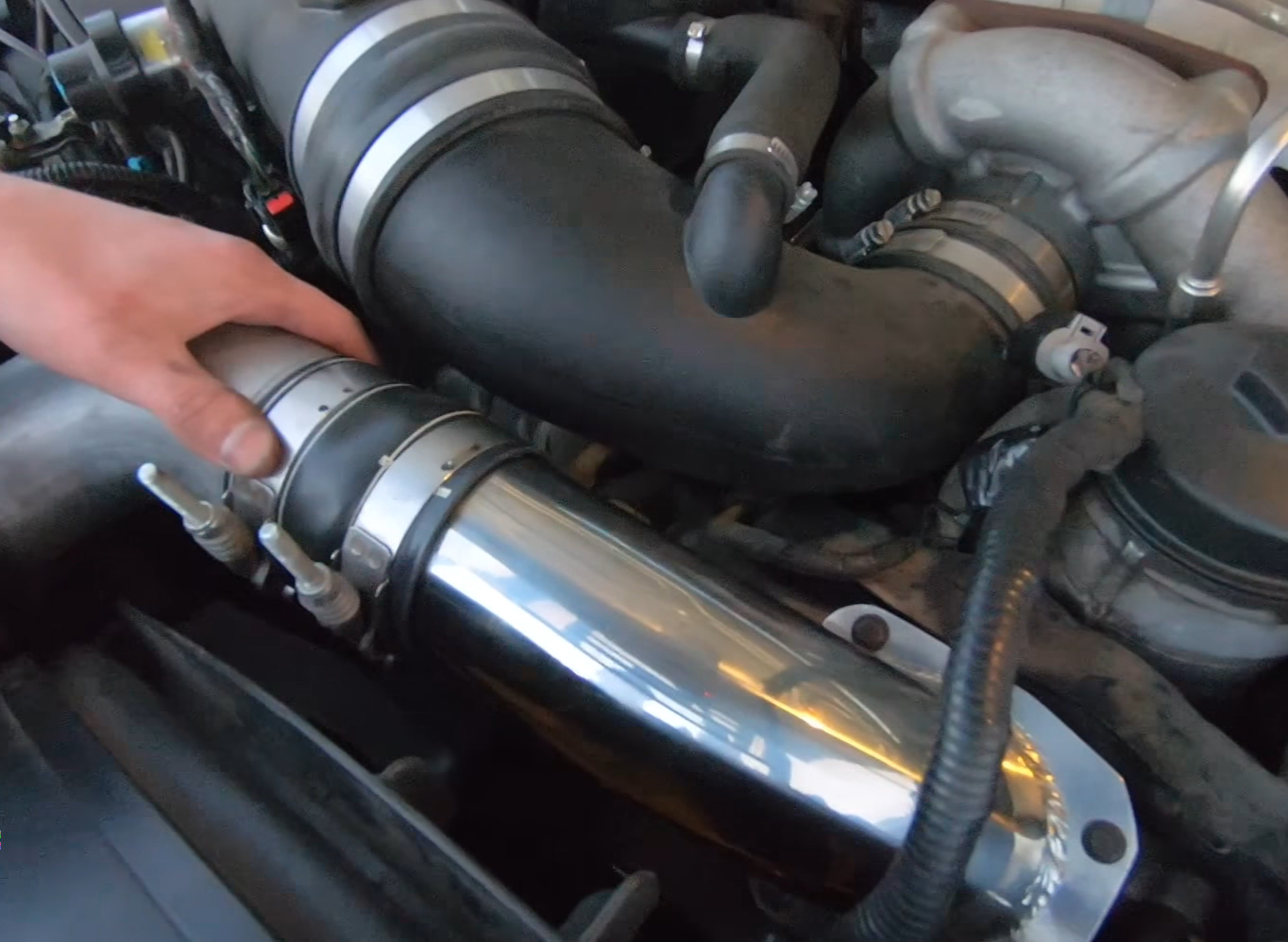
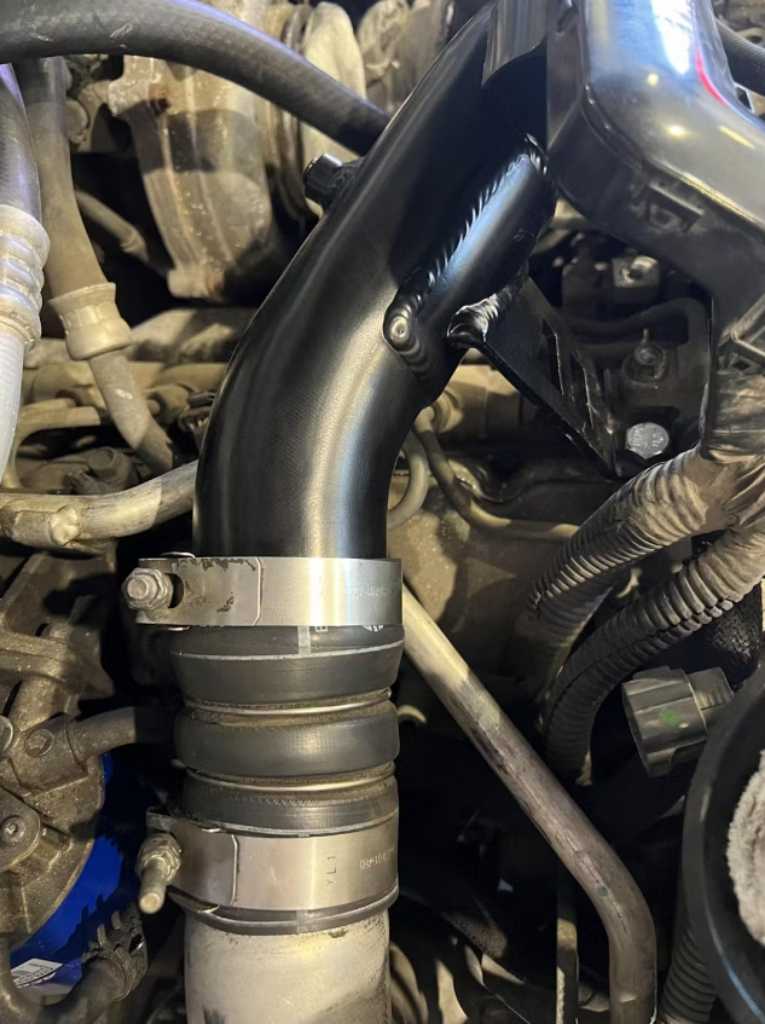
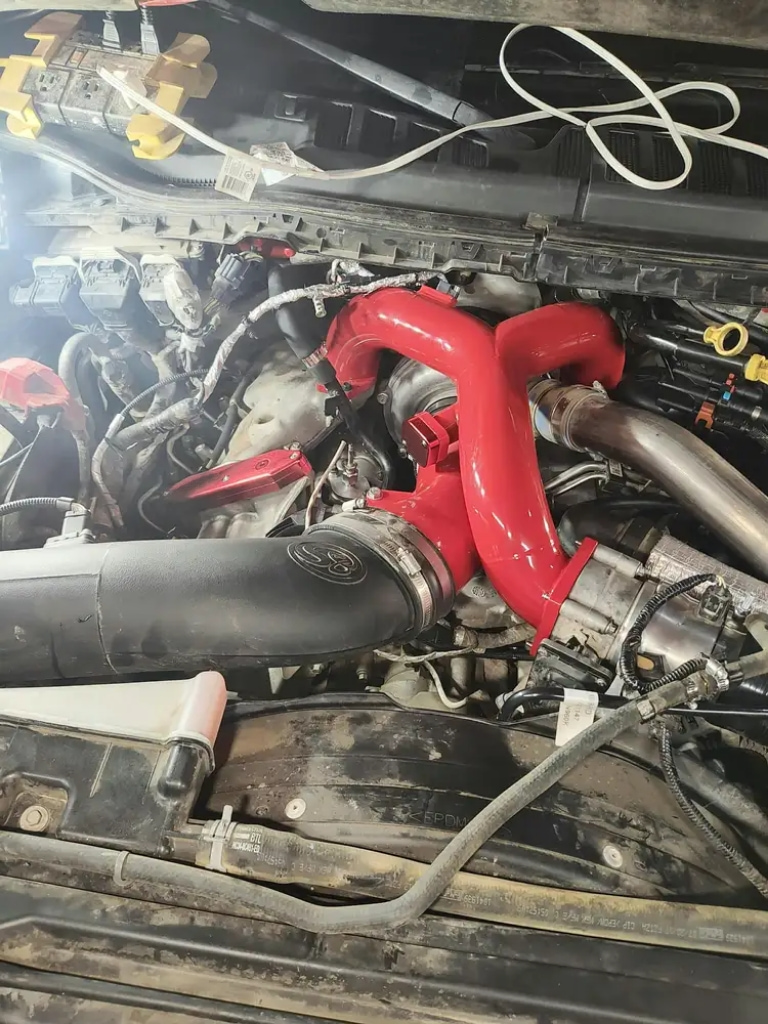
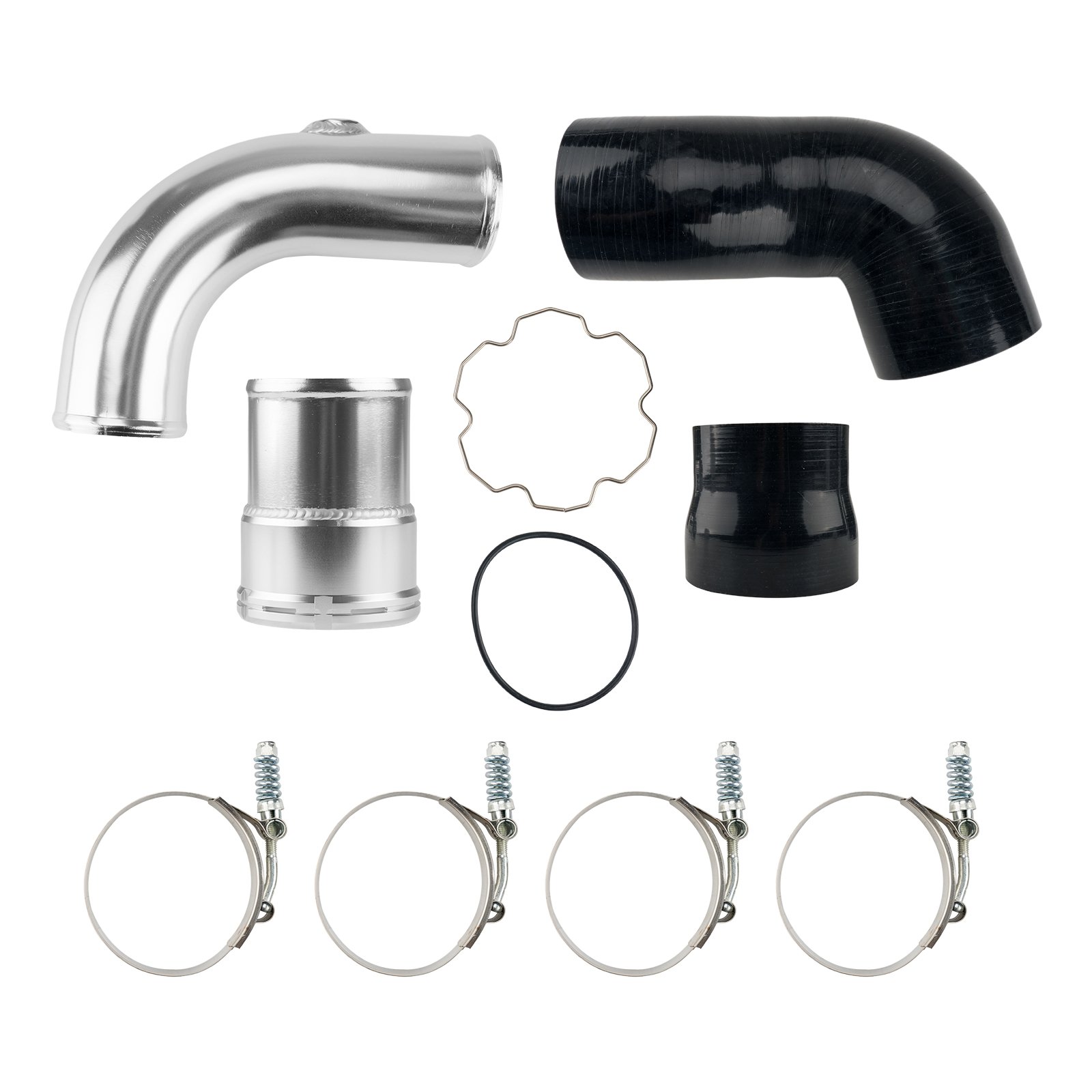
Original factory intercooler piping is typically made of plastic or rubber, which is highly susceptible to bursting or collapsing under high boost pressure, and may even cause boost leaks at the joints, resulting in power loss. Upgrading to high-pressure resistant aluminum or stainless steel piping ensures stable intake pressure even under heavy towing loads, making every push you feel real. It is ideal for modified trucks or high-load modifications that require more reliable airflow support.
Exhaust cutouts give drivers more control over exhaust sound and overall system character. They are typically chosen by buyers who want a more aggressive exhaust note on demand as part of a custom setup.
Ford Powerstroke diesel engines hold a prestigious position in the truck industry, but different years' models exhibit drastically different characteristics. The 6.0L platform from 2003-2007, while boasting an enchanting signature sound, suffered from fatal flaws: insufficient tension in the factory cylinder head bolts and a prone-to-cracking EGR cooler. The subsequent 6.4L (2008-2010), despite its powerful twin-turbo engine, faced piston cracking and oil dilution issues caused by DPF regeneration. Extending its lifespan was typically recommended by removing the DPF and upgrading the fuel filter system. The current 6.7L platform (2011-present) has become the industry benchmark. Aside from early 2011-2014 models exhibiting issues with fragile turbocharger bearings and the risk of CP4 high-pressure fuel pump failure, later models have performed almost flawlessly. Adding a CP4 disaster prevention kit and an EZ Lynk tuner is currently the most popular performance upgrade path.
The 6.7L Cummins has always been a popular platform in the diesel truck market, most notably for its high low-end torque, strong towing performance, and mature aftermarket support. Overall, its reputation is quite good, but there are significant differences between different years.
Early models (2007.5–2009) were more often mentioned by owners regarding early emissions policies, DPF regeneration, and VGT-related issues.
However, with the fifth-generation Ram 6.7L Cummins from 2019 onwards, many users focus on the risks associated with the CP4 high-pressure pump.
For models from 2007.5–2012, DPF clogging, frequent regeneration, and VGT actuator or turbocharger-related issues are the most typical concerns.
The biggest characteristic of the Duramax platform is its very clear generational distinctions. Many users, when looking for parts, don't filter by year first, but rather directly by codes like LB7, LLY, LBZ, LMM, LML, and L5P, because the differences between generations in hardware layout, fuel system, emissions system, and modification focus are significant.
Regarding common issues, the most well-known pain point for the LB7 is the fuel injector; for the LLY, high temperature and overheating issues are more frequently mentioned; the LMM is often associated with emissions system problems; and one of the most common and concerning issues with the LML platform is CP4.2 high-pressure pump failure. As for the L5P, its overall reputation is relatively more stable. While it may have minor issues depending on the year and usage scenario, it doesn't have the particularly typical, single, high-frequency pain points of previous generations.
The 3.0L EcoDiesel differs from traditional heavy-duty diesel platforms like the Powerstroke, Cummins, and Duramax. Its appeal to users lies in the diesel torque performance and fuel economy offered on a light-duty platform. The period from 2014 to 2016 is typically a crucial early stage for users to focus on. Issues frequently mentioned during these years include low oil pressure-related malfunctions, EGR cooler problems, and emissions regeneration-related anomalies.
Choosing the right diesel upgrade option depends on the features you want your truck to achieve. Below are our recommended best upgrade options based on your goals.
| Buyer Type / Goal | Best Upgrade Types |
|---|---|
| First-time diesel performance buyer | DPF delete pipe, tuner, fitment-specific kit |
| Towing / hauling owner | DPF delete pipe, intercooler pipe kit, tuner |
| Owner building in stages | DPF delete pipe, EGR delete kit, tuner |
| Buyer who wants a more complete package | All-in-one kit |
| Owner focused on airflow and exhaust flow | DPF delete pipe, downpipe, manifolds / headers |
| Owner upgrading worn factory components | Exhaust manifolds, headers, intercooler pipe kit |
| Buyer who wants tuning support with hardware changes | Tuner, platform-specific delete-related components |
| Owner who wants a cleaner supporting setup | EGR delete kit, CCV / PCV reroute kit |
| Buyer who wants stronger sound and style | Exhaust cutouts, downpipe, exhaust-side upgrades |
SuncentAuto's compatibility check tool helps customers narrow down their parts selection by application before ordering. This means you can reduce the time spent comparing incompatible products and lower the risk of buying the wrong parts.
SuncentAuto supports major diesel platforms including Powerstroke, Cummins, Duramax, and EcoDiesel. For buyers, this means less fragmented searching and easier finding of suitable performance parts within a unified categorization system.
Many product pages include installation guides and related setup information. This allows buyers to better understand the specifics of the upgrade before purchasing and helps reduce uncertainty in project planning.
SuncentAuto offers practical and effective policies to support buyers: a 45-day return policy, free shipping on all orders within the US, and genuine customer reviews, giving you peace of mind when shopping.
For many DPF-related or EGR-related hardware changes, a compatible tuning solution is required. Without proper calibration support, the truck may experience warning lights, fault codes, reduced power, or drivability issues. Always confirm tuning requirements before ordering.
Always verify your truck’s year, engine, cab style, chassis type, and suspension configuration before purchase. Details such as Cab & Chassis vs. Pickup and air suspension vs. standard suspension can affect compatibility.
Many diesel exhaust upgrades are made from T409 stainless steel, which offers strong heat resistance and improved corrosion resistance compared with many OEM-style aluminized pipes. Material quality matters for trucks used in towing, daily driving, or long-term ownership.
Many emissions-related parts are intended for competition or off-road use only. Depending on your location, these modifications may affect legal compliance, inspections, or warranty-related matters. Always review local regulations and product-use limitations before purchasing.
Diesel performance parts are aftermarket components designed to improve airflow, exhaust efficiency, tuning compatibility, or overall system performance. In this category, that includes products such as DPF delete pipes, EGR delete kits, tuners, downpipes, intercooler pipe kits, and CCV reroute kits.
In many cases, yes. If the upgrade affects emissions-related hardware, proper tuning is typically required to avoid the check engine lights, fault codes, reduced power, or drivability problems.
Start by selecting your engine platform and year range, then use the fitment checker to verify compatibility. Once fitment is confirmed, choose parts based on your goal, such as exhaust flow, towing performance, tuning support, or a more complete build package.
For towing-focused setups, buyers often start with parts that improve exhaust flow, reduce back pressure, and support stronger response under load. Common choices include a DPF delete pipe, intercooler pipe kit, and the correct tuner for the application.
T409 stainless steel is commonly used in diesel exhaust upgrades because it offers better heat resistance and corrosion resistance than many OEM-style aluminized pipes. It is a practical material choice for trucks used in real working conditions.
That depends on your location and the product type. Many emissions delete components are sold for competition or off-road use only, so buyers should always review legal, inspection, and warranty considerations before purchase.