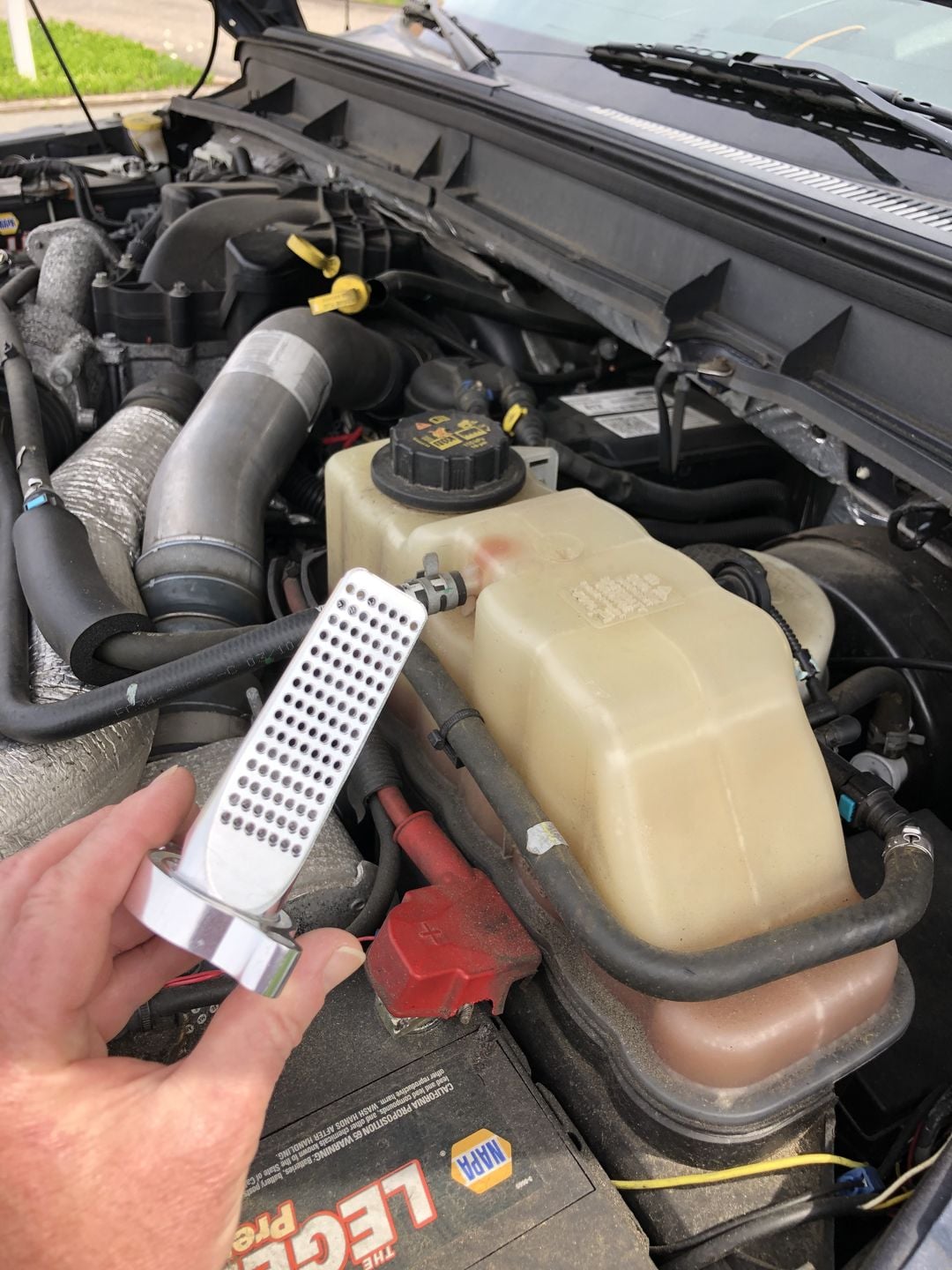
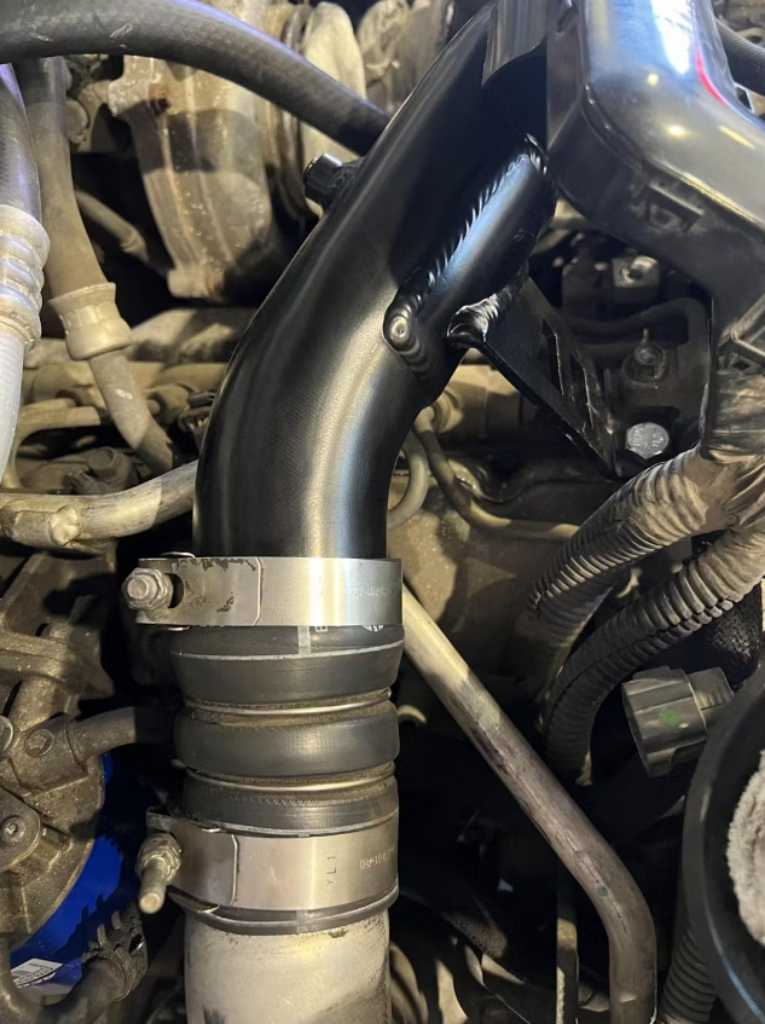
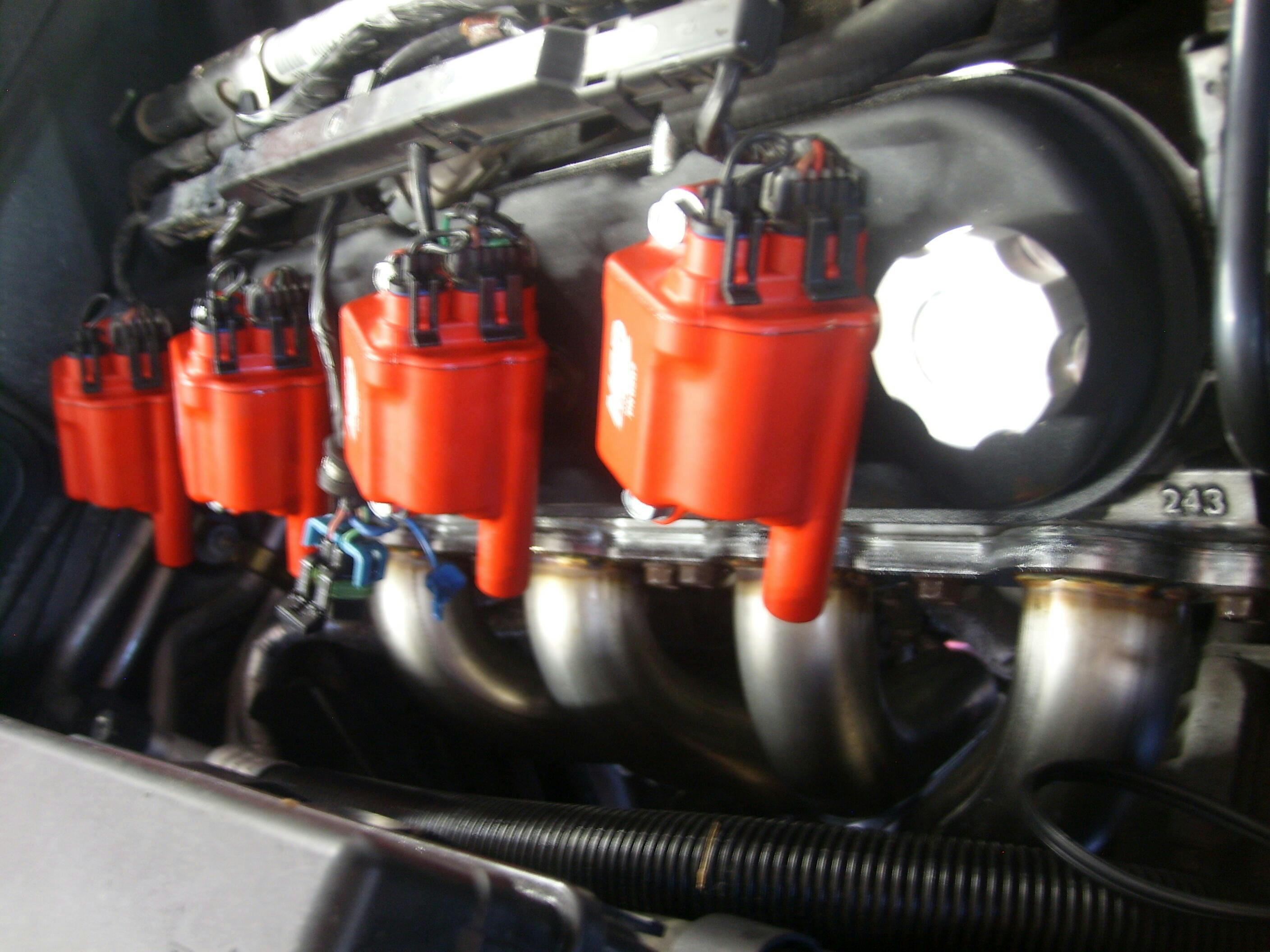
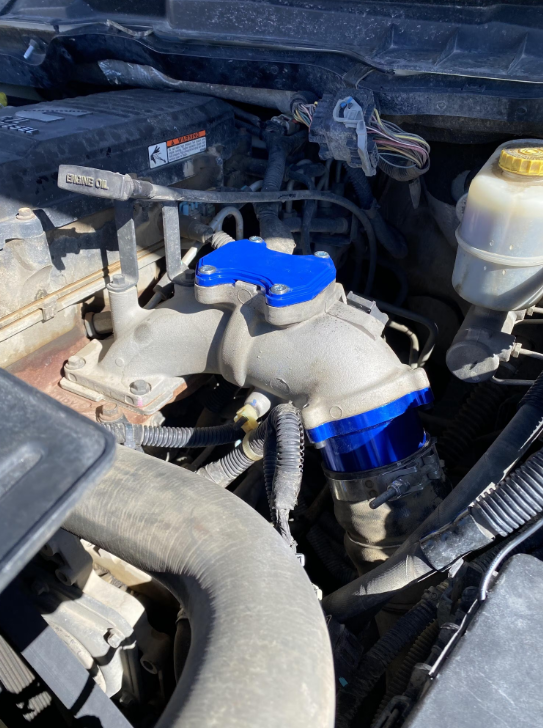
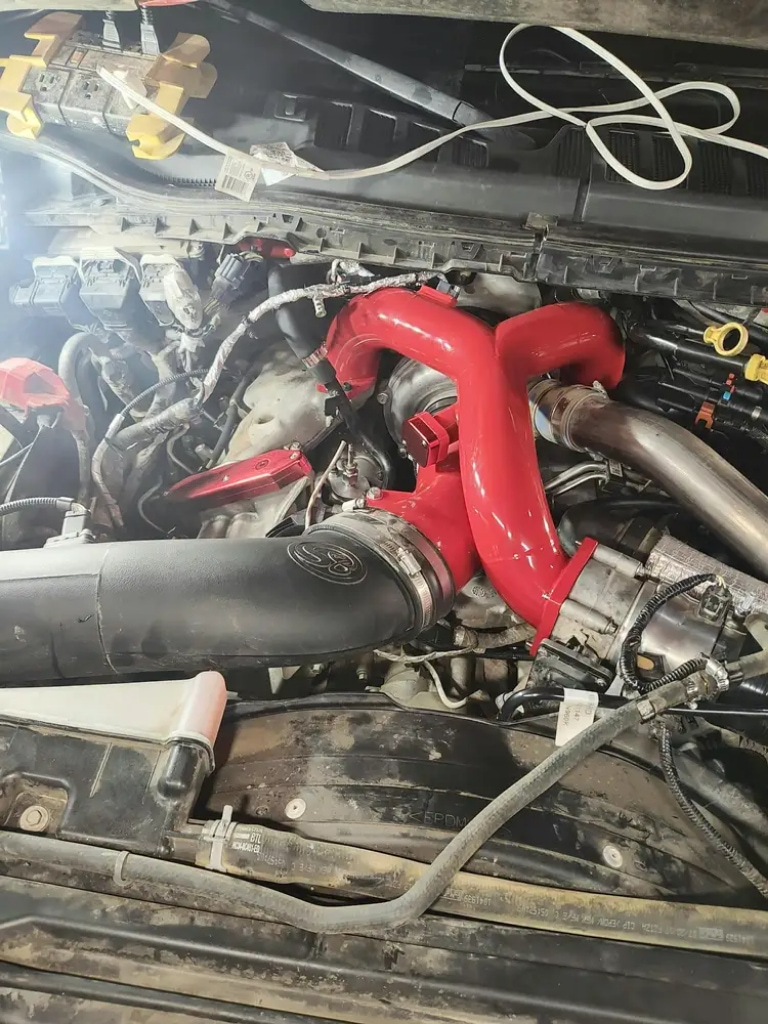
SuncentAuto specializes in high-end all-in-one diesel delete kits for diesel trucks, including engines from Ford Powerstroke, Dodge Cummins, and GMC Duramax. Our full delete kit integrates EGR removal, DPF removal, and ECU tuning into a convenient package. You don't need to buy each kit separately; you get everything you need for complete emissions removal in one package. This saves time, ensures compatibility, and simplifies installation.
Use the vehicle selector or choose your truck platform below to find a matched setup instead of mixing parts from different generations.


A diesel delete kit—often searched for by builders as a comprehensive DEF delete kit—is a set of components designed to replace or modify parts of a diesel vehicle's emissions and exhaust system, such as the DPF, EGR, and DEF/SCR systems.
All-in-one diesel delete kits can range from mechanical-only packages to more complete bundles that combine exhaust, EGR hardware, tuning, and supporting components. The right configuration depends on the truck, model year, existing modifications, and whether compatible tuning is already in place.
The exact combination depends on the truck, model year, and selected product configuration. A complete kit may combine several of the following components, while trucks that are already partially modified may only need selected parts.
DPF delete kit : Replaces the original DPF section with a freer-flowing exhaust section on compatible applications.
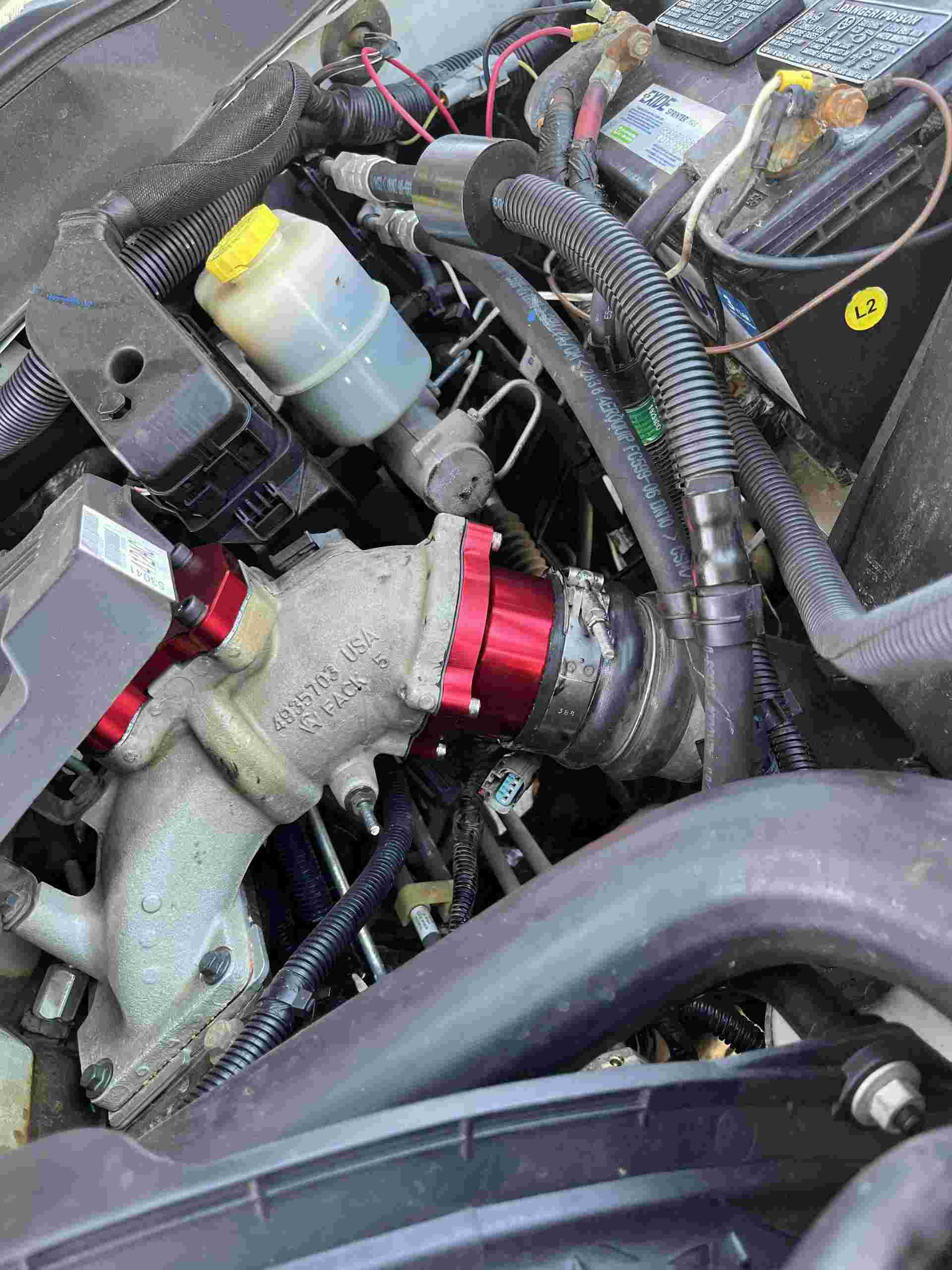
EGR delete kit : Includes application-specific block-off, cooler-related, and coolant-routing hardware depending on the engine.
Tuner : Provides compatible calibration support on selected applications and configurations.
Optional CCV Reroute Add-on: Some complete builds can also be paired with a CCV delete/reroute system to change how crankcase vapors are routed away from the intake tract.
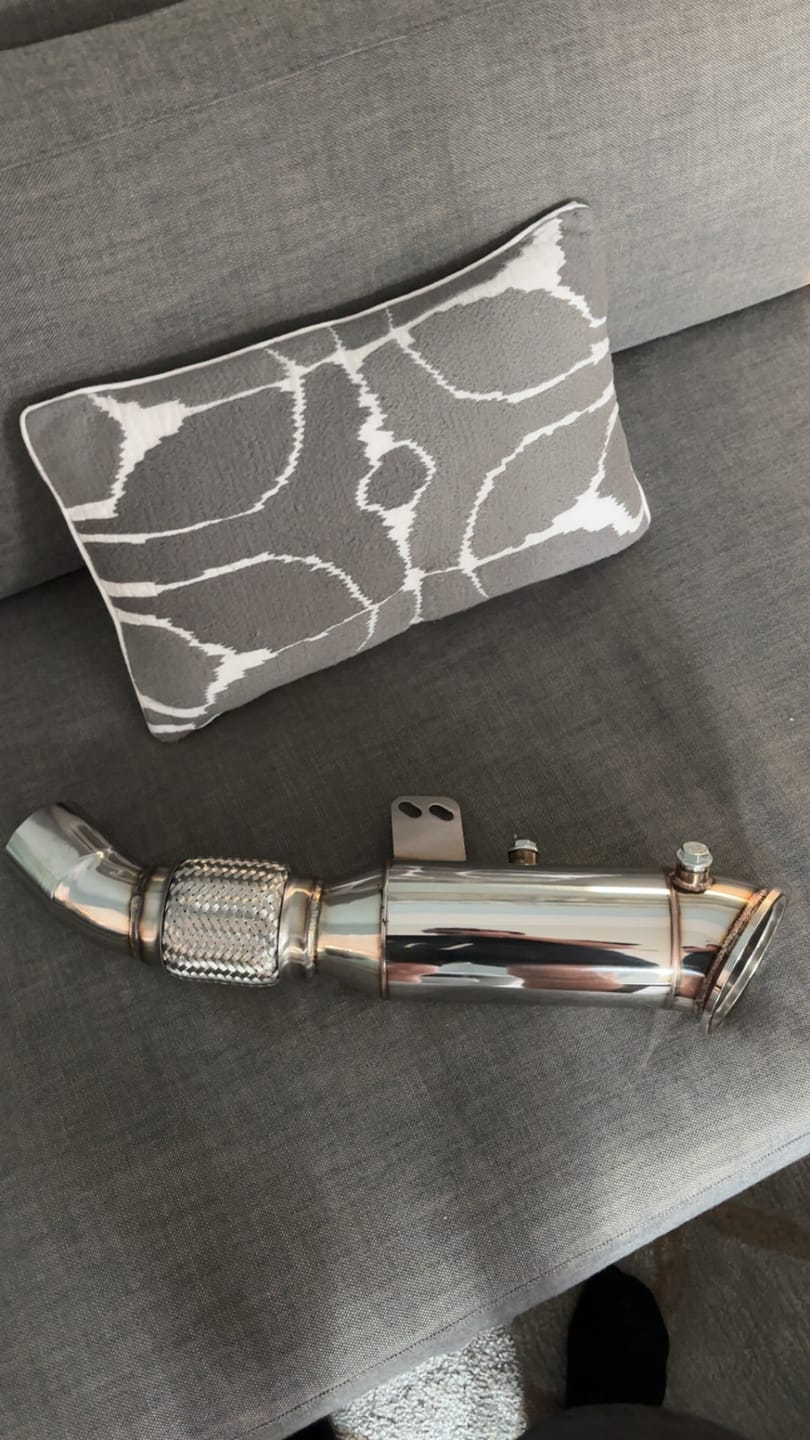
Optional Downpipe Add-on: Selected diesel builds can be paired with an upgraded downpipe to replace the factory turbo-to-exhaust section.
Performance changes vary by engine, model year, tune level, vehicle condition, transmission setup, and supporting modifications. Rather than focusing on one horsepower figure, consider how the complete combination affects exhaust restriction, turbo response, emissions-system operation, and maintenance needs.
Improved turbo response: Reduced exhaust restriction can help the turbo respond more quickly, especially when paired with a compatible calibration.
No DPF regeneration cycles: On applications where the DPF is no longer part of the modified system, active regeneration is no longer part of that configuration.
Less EGR-related carbon buildup: Changing EGR flow prevents exhaust soot from being recirculated through the intake in the same way as the original configuration.
Reduced emissions-system maintenance: Components removed from the modified setup are no longer part of their original service and troubleshooting cycle.
Potential fuel-economy improvement: Some trucks may see better fuel economy, particularly if they previously experienced frequent regeneration. Results vary by vehicle, load, calibration, tire size, gearing, and driving conditions.
Area | Modified Setup | Stock Setup |
|---|---|---|
Emissions-System Maintenance | Components no longer present in the modified system are removed from their original maintenance and troubleshooting cycle. | DPF, EGR, DEF/SCR, sensors, and related factory systems remain part of vehicle maintenance. |
Installation | May require exhaust work, engine-bay hardware changes, and compatible electronic or calibration support depending on the application. | Retains the factory-installed configuration. |
Legal Status | Emissions-system modifications may be restricted for public-road use. See our 2026 Diesel Delete Legality Guide for current considerations. | Factory emissions configuration is designed for applicable public-road emissions requirements. |
Warranty Impact | Modifications may affect manufacturer warranty coverage. See What Does It Mean to Delete a Diesel Truck? for additional considerations. | Keeping the factory configuration generally avoids modification-related warranty concerns. |
Resale | Resale can depend heavily on modification history, tuning, original parts, inspection requirements, and the expectations of the next buyer. | Usually appeals to a broader general vehicle market. |
Diesel delete kit fitment is highly platform-specific. Exhaust layouts, emissions systems, tuning requirements, and supporting hardware can change significantly between engine families and model years.
Start with your diesel platform below, then compare the complete packages and configurations designed for that engine family.
Built for Ford Super Duty applications using 6.0L, 6.4L, and 6.7L Powerstroke engines.
Designed primarily for Ram 2500 and Ram 3500 applications using the 6.7L Cummins.
Built for Chevrolet Silverado HD and GMC Sierra HD diesel applications.
Selected kits are available for 3.0L EcoDiesel applications.
Diesel delete kits are available in both tuner-equipped and no-tuner configurations. The right choice depends on what is already installed on the truck, whether compatible tuning is already available, and how much of the complete mechanical and electronic setup you need in one package.
A diesel delete kit with tuner combines the main mechanical components with a supported programming device or tuning solution. A delete kit without tuner is intended for owners who already have compatible calibration or plan to handle tuning separately.
Configuration | Typical Components | Best For |
|---|---|---|
Diesel Delete Without Tuner | DPF/exhaust components + EGR hardware DPF/exhaust + EGR + optional CCV, up-pipe, downpipe, or other supporting hardware | Trucks that already have compatible tuning and mainly need the mechanical side completed. |
Mini Maxx V1 Delete Kit | DPF/exhaust + EGR + Mini Maxx V1 | Supported applications where a Mini Maxx V1 tuner is available as part of the package. |
Mini Maxx V2 Delete Kit | DPF/exhaust + EGR + Mini Maxx V2 | Supported trucks using a Mini Maxx V2 tuner configuration. |
EZ Lynk Delete Kit | DPF/exhaust + EGR + EZ Lynk device + compatible tune files | Owners using an EZ Lynk-based tuning setup with supported remote or file-based calibration. |
EZ Lynk Kit With Additional Electronic Support | DPF/exhaust + EGR + EZ Lynk + tune files + required unlock, bypass, or model-specific electronic hardware | Later-model applications that require additional electronic access or programming support beyond the tuner device itself. |
Both V1 and V2 configurations fall under the broader Mini Maxx delete kit category. Mini Maxx, EZ Lynk, and other tuner-equipped packages can all be considered a diesel delete kit with tuner, but the actual device, calibration, and supporting hardware vary by application.
If your truck is already tuned, a diesel delete kit no tuner configuration can avoid paying for a second programming device. If tuning has not yet been arranged, compare the available tuner-equipped packages before choosing the mechanical components.
Browse diesel tuner options to compare available devices and supported configurations.
The physical tuner and the calibration required for your truck are not always the same thing. Before ordering a tuner-equipped kit, check whether the selected configuration includes the programming device, required tune files or credits, and any activation, unlock, bypass, or programming service needed for the exact application.
Start with the exact year, make, model, engine, and vehicle configuration. Also check whether the truck is a pickup or Cab & Chassis model, since exhaust and chassis fitment can differ even within the same engine family.
A complete diesel delete kit usually makes the most sense when the truck is still close to stock and several major components are part of the same build. If your truck already has a compatible tuner, exhaust, EGR hardware, CCV system, or custom calibration, buying only the missing components can avoid duplicate parts and unnecessary cost.
Do not rely on the product title or main image alone. One product page may offer a no-tuner configuration, a Mini Maxx package, an EZ Lynk package, or several different exhaust and EGR combinations.
Check the exact selected variant for DPF/exhaust components, EGR hardware, tuner, tune files, CCV parts, clamps, gaskets, and other supporting hardware before comparing prices or placing the order.
Check what has already been changed on the truck. Previous exhaust work, tuning, EGR modifications, turbo upgrades, transmission tuning, or other hardware can change which kit configuration makes sense and whether additional parts are required.
Make sure the tuner, calibration, programming service, unlock device, bypass cable, or other electronic accessory required by the selected configuration is compatible with the exact vehicle.
These requirements can vary substantially by engine generation and model year, so use the Powerstroke, Cummins, Duramax, or EcoDiesel collection for more platform-specific guidance.
Look beyond the advertised kit price. Consider supporting hardware, tuning, replacement clamps or gaskets, tools, shipping timing, and professional labor if needed. Rusted, lifted, high-mileage, or previously modified trucks may require additional installation time or replacement hardware.
For a broader project-cost breakdown, see how much does it cost to delete a diesel truck.
High-Quality Materials: Kits use durable materials selected for exhaust and engine-bay operating conditions.
Rigorous Quality Control Testing: Components are checked for fitment, construction, and application requirements.
Free Shipping and Returns: Eligible orders receive fast shipping and return support.
Compatibility Support: Vehicle-specific options and fitment information help reduce the risk of ordering the wrong configuration.
Online Customer Support: Support is available to help with product selection, fitment, and order-related questions.
Free Installation Guides: Vehicle-specific manuals and instructions are available for supported products.
New customers can enjoy a 10% discount now: Use promo code SANEW at checkout for an exclusive discount.
Installation difficulty depends on the truck and the components included. A simple exhaust installation can be much less involved than a build that also includes engine-bay hardware, tuning, or model-specific electronic requirements.
Before taking the truck apart: Verify that every required pipe, clamp, gasket, piece of engine-bay hardware, tuner, calibration file, and electronic accessory is ready. If the truck is a daily driver or work vehicle, do not plan the installation around the arrival of the largest exhaust box alone.
Always use the dedicated installation manual for your exact vehicle and product configuration.
Park the vehicle on a level surface and allow the engine and exhaust system to cool completely.
Disconnect the negative battery terminal before working around electrical connectors, sensors, or engine components.
Wear safety glasses, work gloves, and closed-toe shoes.
If the vehicle must be raised, support it securely with properly rated jack stands and never work underneath a vehicle supported only by a floor jack.
Verify the complete order: Match the received components to the selected product configuration before disassembling the truck.
Follow the vehicle-specific instructions: Remove only the factory components covered by the applicable product and installation guide.
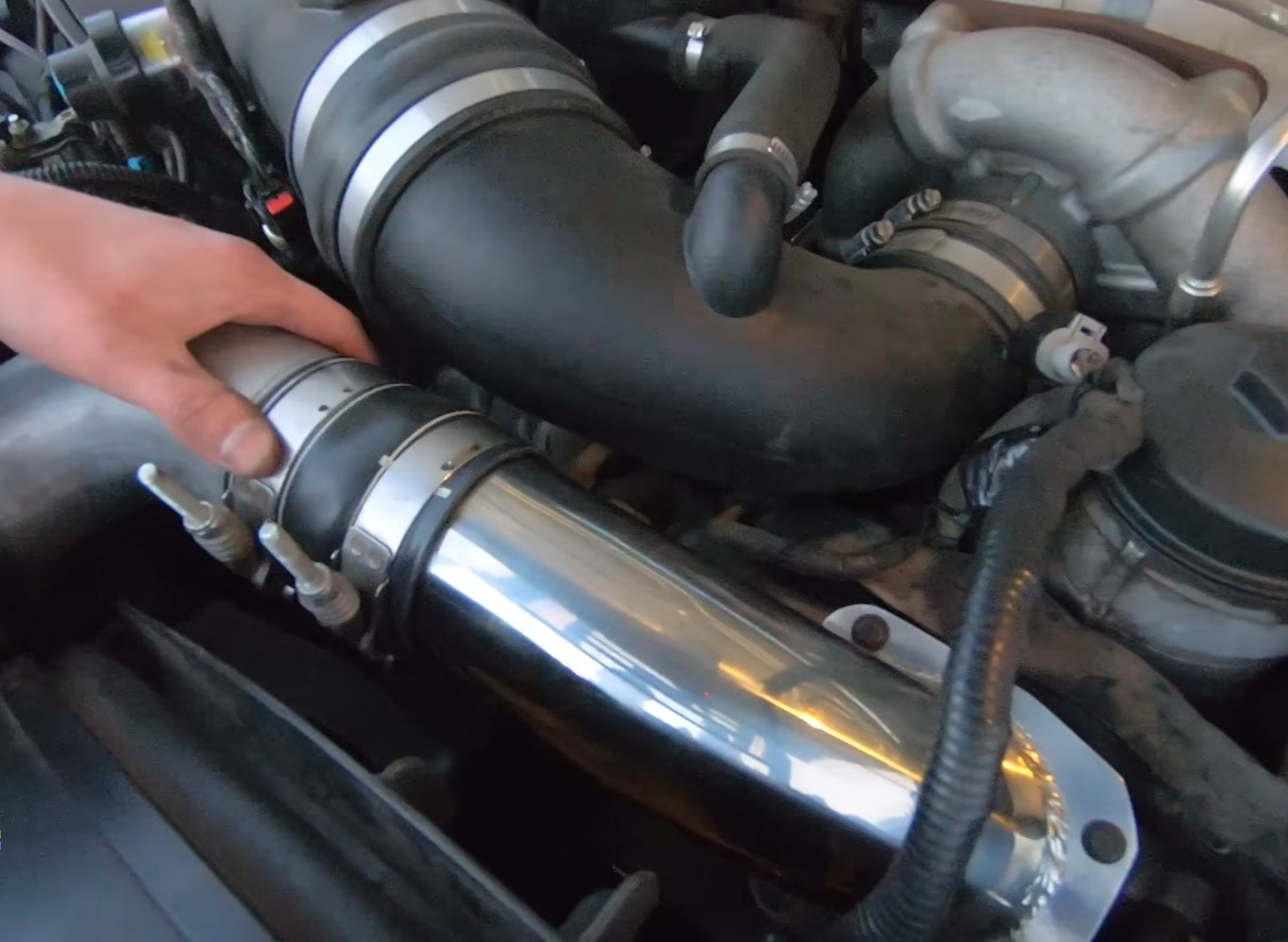
Install the replacement hardware: Fit the supplied exhaust, engine-bay hardware, clamps, gaskets, and other included components according to the product instructions.
Secure and inspect all connections: Follow the required torque specifications and verify exhaust clearances, hangers, clamps, hoses, and electrical connections.
Complete the applicable electronic setup: Where required, follow the instructions supplied with the compatible tuning or electronic hardware.
Inspect the completed installation: Check for leaks, abnormal noises, loose connections, warning lights, or other issues before regular use.
Installation time varies widely. A simple exhaust or race-pipe installation may take around 1–4 hours, while more involved EGR-related work can add approximately 2–6 hours depending on engine-bay access. A complete multi-component installation may require 4–10 hours or more on complex applications.
Recheck clamps, bolts, exhaust clearances, electrical connections, hoses, and fluid levels where applicable. After the first few heat cycles, inspect exhaust connections again for looseness or leaks.
If warning lights, diagnostic trouble codes, leaks, or drivability problems appear, verify the installation and configuration before regular use.
Legality depends on the region, vehicle, and intended use. Removing, bypassing, or disabling emissions equipment may violate federal, state, or local requirements when the vehicle is operated on public roads.
Cost depends on the engine, included components, tuner requirements, and installation labor. A simple exhaust configuration costs considerably less than a complete package with EGR hardware, tuning, and model-specific electronic accessories.
See our detailed guide on how much it costs to delete a diesel truck for a broader breakdown.
Experienced DIY owners may be able to install selected exhaust and hardware configurations with the proper tools and instructions. Complete builds involving EGR systems, difficult exhaust access, tuning, or late-model electronic requirements may be better handled by an experienced professional.
The best diesel engine delete kit depends on your engine, intended use, and whether you want a complete or partial removal.
It depends on the engine, model year, hardware being changed, and whether the truck already has a compatible calibration. Some customers already have tuning in place, while others need a tuner or additional electronic hardware as part of the complete package.
No. The 2026 EPA changes affect how certain DEF quality issues can be monitored and repaired; they do not authorize emissions-system removal on public-road vehicles. Read our 2026 EPA DEF sensor update for details.