 Contents
Contents
- What Does It Mean to Delete a Diesel Truck?
- Why Diesel Delete Quotes Vary So Much
- Table 1: GMC / Chevrolet Duramax Cost by Model Year
- Table 2: Ford Powerstroke Cost by Model Year
- Table 3: RAM Cummins Cost by Model Year
- Table 4: Diesel Shop Labor Rates in the U.S. and Canada
- Table 5: Total Parts-and-Labor Cost by Platform
- Table 6: DIY vs. Independent Shop vs. Local Specialist
- Hidden Costs Most Quotes Leave Out
- How to Compare Quotes Without Getting Fooled by a Starting Price
- Choosing a Complete Diesel Delete Kit
- Warranty, Resale, and Returning to Stock
- Frequently Asked Questions
- Summary
Last updated: August 2026. This guide reflects current budget ranges for older and late-model Powerstroke, Cummins, and Duramax trucks, including the higher ECM/ECU service costs found on newer platforms.
How much does it cost to delete a diesel truck? For budgeting purposes, parts and tuning can run from about $500 on an older platform to $6,500 or more on a late-model truck with a locked ECM. With shop labor, a realistic installed total ranges from roughly $900 to $9,500+. Most pre-2020 Powerstroke, Cummins, and Duramax builds fall well below the top end; newer L5P Duramax and 2022+ Cummins trucks are the platforms most likely to require expensive ECM unlocking, swapping, or bench services.
Under the federal Clean Air Act, tampering with required emissions controls and manufacturing, selling, or installing devices intended to defeat those controls is prohibited. An “off-road use only” label does not automatically make a modification legal. Check federal, state, provincial, and local requirements before purchasing or modifying any emissions-related equipment.

What Does It Mean to Delete a Diesel Truck?
In diesel-truck terminology, a “delete” generally refers to removing or bypassing some or all of the factory emissions equipment and updating the truck’s calibration to match the hardware changes. A complete diesel delete kit may include EGR hardware, a DPF/DEF exhaust section, a compatible tuner, tune files, and—on newer trucks—an ECM unlock, exchange ECM, or security-gateway bypass.
The exact parts depend heavily on the engine and model year. An older truck may need relatively basic hardware and tuning, while a newer L5P Duramax or 2022+ Cummins can require electronic services that cost more than the exhaust hardware itself. For a broader explanation of the terminology and systems involved, see what deleting a truck means.

What May Be Included in the Price?
- EGR delete kit: Depending on the truck, this may include block-off plates, cooler-removal hardware, coolant reroute parts, intake elbows, gaskets, and application-specific brackets. The EGR delete overview explains the system in more detail.
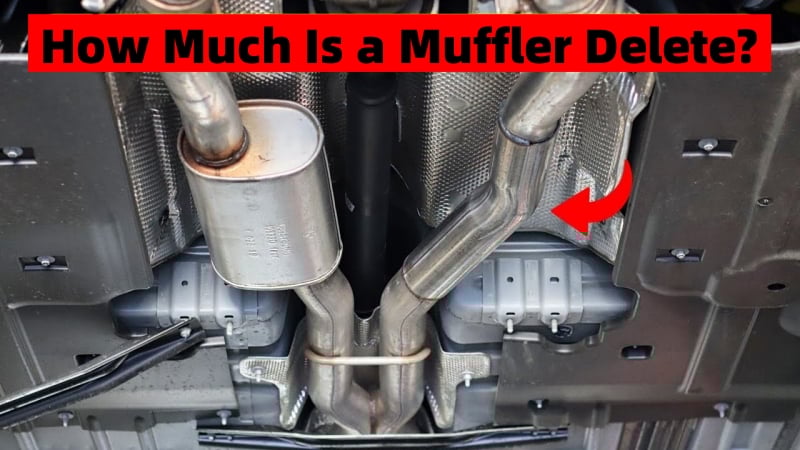
- DPF/DEF delete kit: This may be a replacement pipe, race pipe, downpipe-back section, or full turbo-back exhaust. A basic replacement section and a larger stainless exhaust are different products, so compare the actual configuration rather than the product name alone. Learn more about DPF delete on trucks.
- Tuner or flashing interface: The handheld device, cloud-connected interface, or software platform must support the truck’s model year, ECM strategy, and hardware setup. The separate guide explains whether tuning is necessary after a DPF delete.
- Calibration files and licenses: Some packages include the required tune, while others are device-only or tunes-only listings. Additional power levels, transmission tuning, credits, or extended support may cost extra.
- ECM/ECU and security services: Late-model trucks may need a bench unlock, send-in service, exchange ECM, security-gateway bypass, or CAN-BUS hardware. These services are one of the biggest reasons newer trucks cost more.
- Installation supplies and fees: Clamps, gaskets, coolant, penetrating oil, replacement fasteners, taxes, shipping, and diagnostic time may not be included in the advertised package price.
Owners commonly start comparing prices after repeated regeneration problems, EGR or DEF faults, expensive repair estimates, or while planning a dedicated off-road performance build. Reported changes in power, fuel economy, exhaust temperature, and reliability vary by truck, tune, load, driving habits, and the condition of the original equipment, so those outcomes are not included in the cost estimates below.
Why Diesel Delete Quotes Vary So Much
Model year matters more than the badge on the grille. A 2008 truck with a mature tuning platform may use straightforward bolt-on hardware and an OBD-II flash. A late-model truck may require encrypted ECM work, an exchange module, special communication hardware, and vehicle-specific files before the physical parts are even considered.
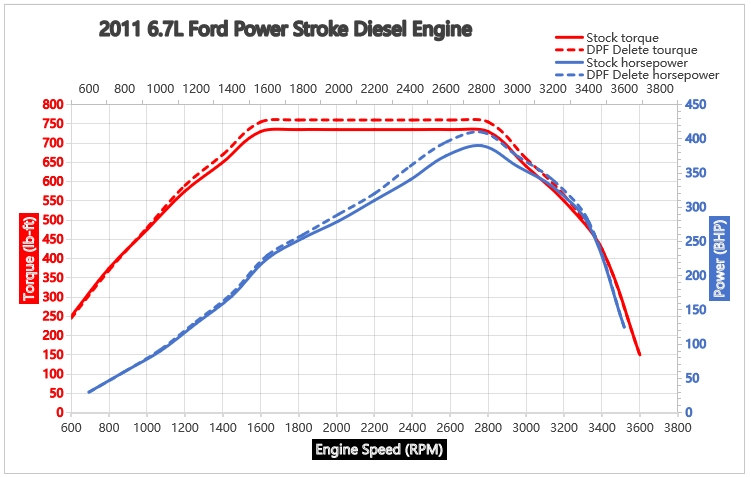
Truck condition also changes the bill. Rust-belt fasteners, a seized downpipe clamp, broken exhaust bolts, or a cab-and-chassis exhaust layout can turn a half-day job into a full-day project. Finally, compare package contents carefully: a low hardware-only price should never be compared with a package that includes a tuner, custom files, ECM service, and support.
Table 1: GMC / Chevrolet Duramax Cost by Model Year
| Duramax Engine and Model Years | EGR Hardware | DPF/DEF Exhaust Hardware | Tuner, Tune and ECM Services | Estimated DIY Total |
|---|---|---|---|---|
| 2001–2004 6.6L LB7 | N/A — no factory EGR | $150–$300 for an optional straight-through exhaust | $500–$750 | $650–$1,050 |
| 2004.5–2005 6.6L LLY | $45–$110 | N/A — no factory DPF | $600–$850 | $645–$960 |
| 2006–2007.5 6.6L LBZ | $55–$200 | N/A — no factory DPF | $650–$1,000 | $705–$1,200 |
| 2007.5–2010 6.6L LMM | $75–$220 | $250–$500 | $650–$1,000 | $975–$1,720 |
| 2011–2016 6.6L LML | $80–$200 | $250–$500 | $750–$1,100 | $1,080–$1,800 |
| 2017–2026 6.6L L5P | $300–$750 | $600–$1,600 | $1,600–$4,300+ | $2,500–$6,500+ |
For an LB7, the $650 starting point assumes an entry-level programmer plus a basic straight-through exhaust section; keeping the factory exhaust can reduce the initial parts bill. L5P budgets vary more because some advertised prices cover hardware only, while others include calibration and ECM services. For a deeper late-model breakdown, see the dedicated guide to L5P delete cost.
Table 2: Ford Powerstroke Cost by Model Year
| Powerstroke Engine and Model Years | EGR Hardware | DPF/DEF Exhaust Hardware | Tuner, Tune and ECU Services | Estimated DIY Total |
|---|---|---|---|---|
| 2003–2007 6.0L | $50–$150 | N/A — no factory DPF | $450–$750 | $500–$900 |
| 2008–2010 6.4L | $85–$200 | $220–$450 | $650–$1,000 | $955–$1,650 |
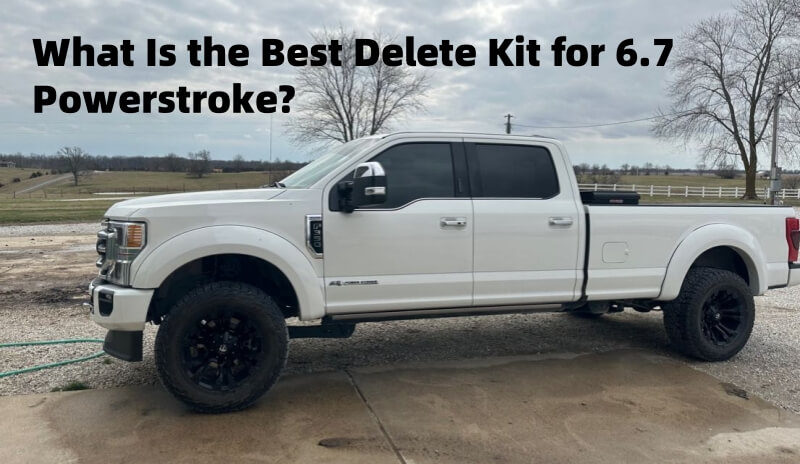
| 2011–2016 6.7L | $90–$180 | $280–$550 | $750–$1,100 | $1,120–$1,830 |
| 2017–2019 6.7L | $100–$200 | $300–$600 | $800–$1,200 | $1,200–$2,000 |
| 2020–2022 6.7L | $120–$250 | $350–$700 | $1,100–$1,850 | $1,570–$2,800 |
| 2023–2026 6.7L | $150–$350 | $400–$850 | $950–$2,300 | $1,500–$3,500 |
On late-model Powerstroke trucks, a base package can remain relatively affordable when the setup uses standard hardware and a basic calibration. Premium custom files, SOTF, TCM tuning, and high-end exhaust options can raise the final price substantially. The separate 6.7 Powerstroke delete cost guide covers that platform in more detail.
Table 3: RAM Cummins Cost by Model Year
| Cummins Engine and Model Years | EGR Hardware | DPF/DEF Exhaust Hardware | Tuner, Tune and ECM/SGW Services | Estimated DIY Total |
|---|---|---|---|---|
| 2007.5–2009 6.7L | $50–$125 | $220–$420 | $700–$1,000 | $970–$1,545 |
| 2010–2012 6.7L | $60–$140 | $230–$450 | $700–$1,000 | $990–$1,590 |
| 2013–2018 6.7L | $75–$160 | $250–$500 | $750–$1,100 | $1,075–$1,760 |
| 2019–2021 6.7L | $110–$220 | $320–$650 | $1,000–$1,800 | $1,430–$2,670 |
| 2022–2024 6.7L | $150–$300 | $350–$750 | $3,500–$4,450 | $4,000–$5,500 |
| 2025–2026 6.7L | $180–$350 | $400–$850 | $3,900–$5,300+ | $4,500–$6,500+ |
On 2022–2024 Cummins trucks, ECM-related service is often the largest single line item. Complete packages with an ECM swap or equivalent service can approach $5,000 before optional upgrades. Pricing for 2025–2026 trucks is less standardized, so confirm the exact model, ECM strategy, and included services before ordering. See the model-specific guide for a fuller 6.7 Cummins delete cost breakdown.
Table 4: Diesel Shop Labor Rates in the U.S. and Canada
| Market | Typical Posted Labor Rate | Common Billable Time | Estimated Labor Budget | What Changes the Quote |
|---|---|---|---|---|
| High-cost U.S. metro or specialty diesel shop | $175–$225+ per hour | 4–10 hours | $700–$2,250+ | Higher overhead, specialty diagnostics, limited shop availability, and complex late-model work |
| Typical U.S. independent diesel shop | $125–$175 per hour | 4–8 hours | $500–$1,400 | Truck condition, exact scope, technician familiarity, and whether programming is billed separately |
| Rural or agricultural U.S. market | $100–$145 per hour | 4–8 hours | $400–$1,160 | Lower overhead may reduce labor, but specialized ECM capability may be harder to find |
| Canadian professional diesel shop | CAD $115–$170 per hour | 4–10 hours | CAD $460–$1,700 about USD $325–$1,210 | Exchange rate, provincial tax, tuner support, and travel or return-service logistics |
| Lower-cost Canadian rural market | CAD $90–$125 per hour | 4–8 hours | CAD $360–$1,000 about USD $255–$710 | Lower posted rates do not guarantee that the shop supports every model or ECM |
Currency note: The Canadian-dollar examples use a recent planning rate of approximately CAD $1 = USD $0.71. Exchange rates change daily. These labor ranges are budgeting references for comparable diesel exhaust, hardware, diagnostic, and tuning work; they do not imply that every listed type of shop will perform emissions-related modifications.
Table 5: Total Parts-and-Labor Cost by Platform
| Platform and Model Years | DIY Parts and Tuning | Lower-Cost Shop Total | Typical Specialist Total | High-Cost or Complex Total |
|---|---|---|---|---|
| Duramax 2001–2010 LB7 / LLY / LBZ / LMM | $645–$1,720 | $1,050–$2,900 | $1,300–$3,300 | $1,500–$4,000 |
| Duramax 2011–2016 LML | $1,080–$1,800 | $1,500–$3,000 | $1,700–$3,500 | $1,800–$4,100 |
| Duramax 2017–2019 L5P | $2,500–$4,500 | $3,100–$5,900 | $3,500–$6,500 | $5,000–$8,500 |
| Duramax 2020–2023 L5P / L5D | $2,800–$6,500 | $3,400–$7,900 | $4,000–$8,500 | $5,000–$9,500+ |
| Duramax 2024–2026 L5P / L5D | $3,800–$5,800+ | $4,500–$7,300+ | $5,000–$8,000+ | $6,000–$9,500+ |
| Powerstroke 2003–2010 6.0L / 6.4L | $500–$1,650 | $900–$2,600 | $1,200–$3,000 | $1,500–$3,800 |
| Powerstroke 2011–2019 6.7L | $1,120–$2,000 | $1,600–$3,200 | $1,900–$3,700 | $2,200–$4,500 |
| Powerstroke 2020–2022 6.7L | $1,570–$2,800 | $2,100–$4,000 | $2,400–$4,500 | $3,000–$5,300 |
| Powerstroke 2023–2026 6.7L | $1,500–$3,500 | $2,100–$4,700 | $2,500–$5,200 | $3,000–$6,000 |
| Cummins 2007.5–2018 6.7L | $970–$1,760 | $1,400–$2,900 | $1,700–$3,400 | $2,000–$4,000 |
| Cummins 2019–2021 6.7L | $1,430–$2,670 | $2,000–$3,900 | $2,300–$4,500 | $2,800–$5,200 |
| Cummins 2022–2024 6.7L | $4,000–$5,500 | $4,800–$6,800 | $5,200–$7,500 | $6,000–$8,500+ |
| Cummins 2025–2026 6.7L | $4,500–$6,500+ | $5,500–$8,000+ | $6,000–$8,800+ | $6,800–$10,000+ |
These are out-the-door planning ranges, not guaranteed shop quotes. Sales tax, oversized exhaust shipping, ECM shipping and insurance, additional tune credits, towing after a failed flash, broken hardware, and factory-restoration costs may be outside the quoted total.
Table 6: DIY vs. Independent Shop vs. Local Specialist
| Approach | Best Fit | Parts Budget | Labor and Extra Costs | Estimated Total | Main Tradeoffs |
|---|---|---|---|---|---|
| DIY installation | Owners with safe lifting equipment, the correct tools, and experience with exhaust work and module flashing | $500–$6,500+ | $0 labor; allow $100–$1,000+ for tools, fluids, fasteners, shipping, and unexpected repairs | $600–$7,500+ | Lowest labor cost, but you carry the risk of broken bolts, incomplete flashing, a locked module, or a non-running truck |
| Lower-cost independent or cross-region shop | Owners willing to travel and verify the shop’s exact platform and tuner experience in advance | $500–$6,500+ | About $400–$1,200, plus travel, tax, lodging, and possible return trips | $1,000–$8,200+ | Can reduce labor cost, but warranty support and return service become more difficult |
| Local diesel specialist | Owners who value one-point responsibility for parts, programming, diagnostics, test driving, and follow-up | $500–$6,500+ | About $700–$2,500+; complex late-model work can exceed this range | $1,200–$9,800+ | Higher price, but the shop is better positioned to diagnose fitment or calibration problems after installation |
Pricing note: These ranges are based on advertised prices from more than 10 online sellers, published labor rates from more than 10 North American diesel shops, and owner-reported quotes from more than 20 platform discussions. Use them as planning ranges and confirm the current package contents and final price before ordering.
Hidden Costs Most Quotes Leave Out
The kit price is only useful when you know what is missing. Before setting your budget, check for these common add-ons:
- Sales tax and oversized exhaust shipping
- ECM send-in shipping, insurance, core charges, or exchange deposits
- Separate tune files, licenses, credits, transmission tuning, or extended support
- Security-gateway bypass cables, CAN-BUS plugs, or application-specific harnesses
- Coolant, clamps, gaskets, sensor plugs, and replacement fasteners
- Rust removal, broken-bolt extraction, cutting, welding, or exhaust fitment corrections
- Diagnostic time before and after programming
- Towing or module recovery after a failed flash
- Storing or replacing the original emissions hardware if the truck later needs to return to stock
How to Compare Quotes Without Getting Fooled by a Starting Price
Ask for an itemized quote and confirm whether each line is included. A complete quote should identify the exact exhaust section, EGR hardware, tuning platform, tune-file support period, ECM service, labor hours, shop rate, consumables, and taxes. If a seller lists a low “from” price, build the same configuration you actually need before comparing it with another package.
Fitment also needs to be exact. Confirm the model year, engine code, pickup versus Cab & Chassis, transmission, single-rear-wheel versus dually layout, exhaust diameter, and whether the ECM or security gateway requires additional hardware. The cheapest wrong kit is usually the most expensive option after return shipping and downtime.
Choosing a Complete Diesel Delete Kit
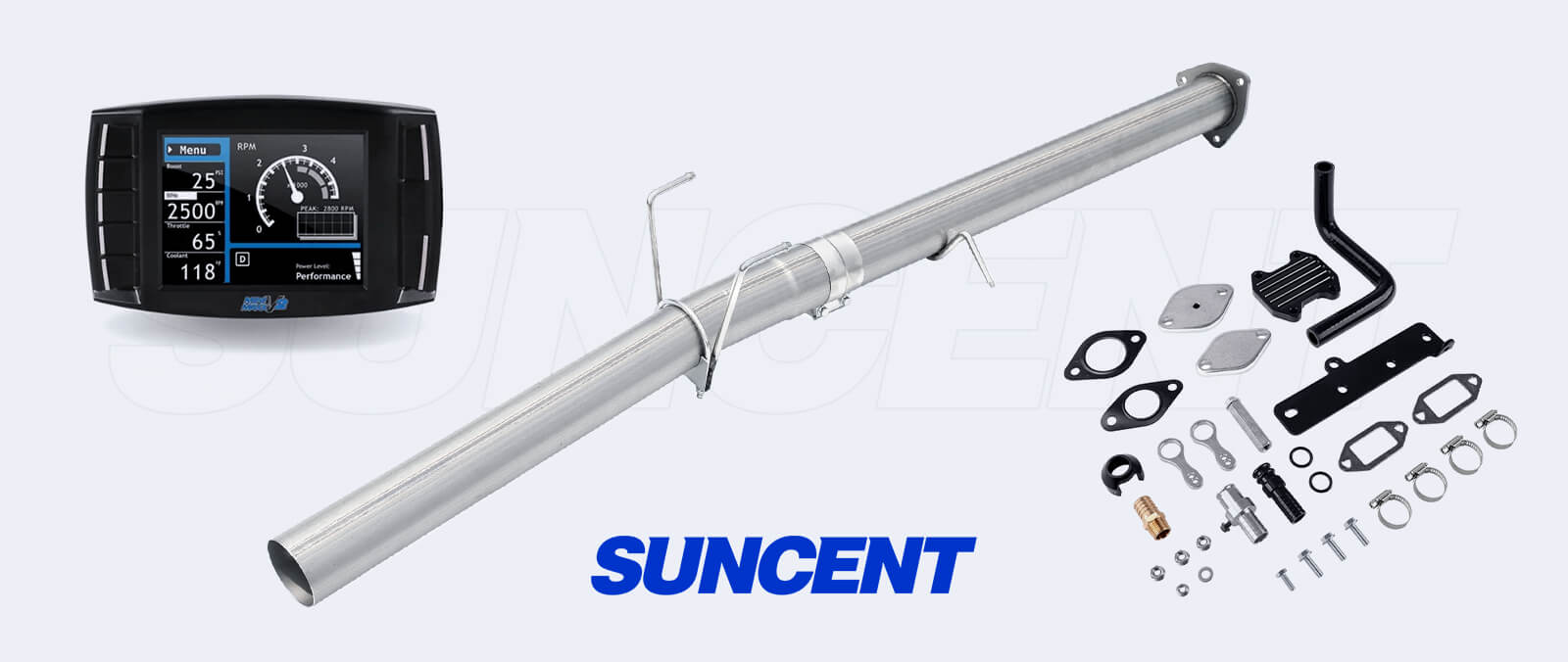
Once you know your real budget, compare complete-package contents rather than the headline price. SuncentAuto’s all-in-one diesel delete kits group matched exhaust hardware, EGR components, and available tuning options by platform. Some packages are hardware-only, while others include a tuner or additional electronics, so review the product’s included-parts list and fitment notes before ordering.
What to Check Before You Buy
- Exact fitment: Match the year, engine, chassis configuration, transmission, and exhaust layout.
- Package scope: Verify whether the listing includes the pipe, EGR hardware, tuner, tune files, ECM service, and required communication hardware.
- Material and finish: Compare pipe diameter, muffler option, stainless grade, flange design, weld quality, and included clamps.
- Support terms: Confirm the tune-support period, return policy, shipping terms, and what happens if the truck will not accept the calibration.
- Final checkout cost: Compare the configured cart total—not the lowest advertised option.
Owners comparing separate systems can also review the broader diesel exhaust and emissions-control parts selection. For product fitment questions, contact SuncentAuto with the truck’s full year, make, model, engine, and configuration before ordering.
Warranty, Resale, and Returning to Stock
The legal requirements are covered in the notice at the top of this guide. For more detail, review the current guide to diesel delete legality and check the rules that apply where the truck is registered and operated.
Warranty coverage is not always an all-or-nothing issue. The FTC explains that using an aftermarket part does not automatically cancel every unrelated warranty item. However, coverage may be denied when a manufacturer or dealer can show that a modification or incorrect installation caused the damage. Emissions-related claims and dealer support are especially likely to be affected, so review the written warranty before making changes.
A modified truck is not automatically worth less. In private-party sales, some diesel enthusiasts may prefer a truck that already has the exact hardware and tuning they planned to buy, since it can save them the cost and time of doing the work themselves. Other buyers, dealers, lenders, or trade-in departments may discount or decline a truck that cannot pass local inspection or be registered in its current configuration. Market value depends on the quality of the parts and tuning, installation records, local rules, and whether the original components are included.
Keep every removed factory component and document the work whenever practical. Returning a truck to stock can cost several thousand dollars if the original DPF, SCR, EGR hardware, sensors, tanks, wiring, or factory calibration are missing or damaged.
Frequently Asked Questions
Summary
A realistic 2026 diesel delete budget starts around $500–$1,000 for certain older platforms and can exceed $6,500 before labor on late-model trucks that need advanced ECM work. The installed total is driven less by whether the truck says Ford, RAM, Chevrolet, or GMC and more by the exact model year, electronic architecture, package contents, shop rate, and condition of the truck.
Start with an itemized parts list, verify whether tuning and ECM services are included, and compare the configured checkout total rather than the lowest advertised price. To browse matched Powerstroke, Cummins, and Duramax combinations, visit SuncentAuto’s diesel delete kit category or contact the support team with your full vehicle details.