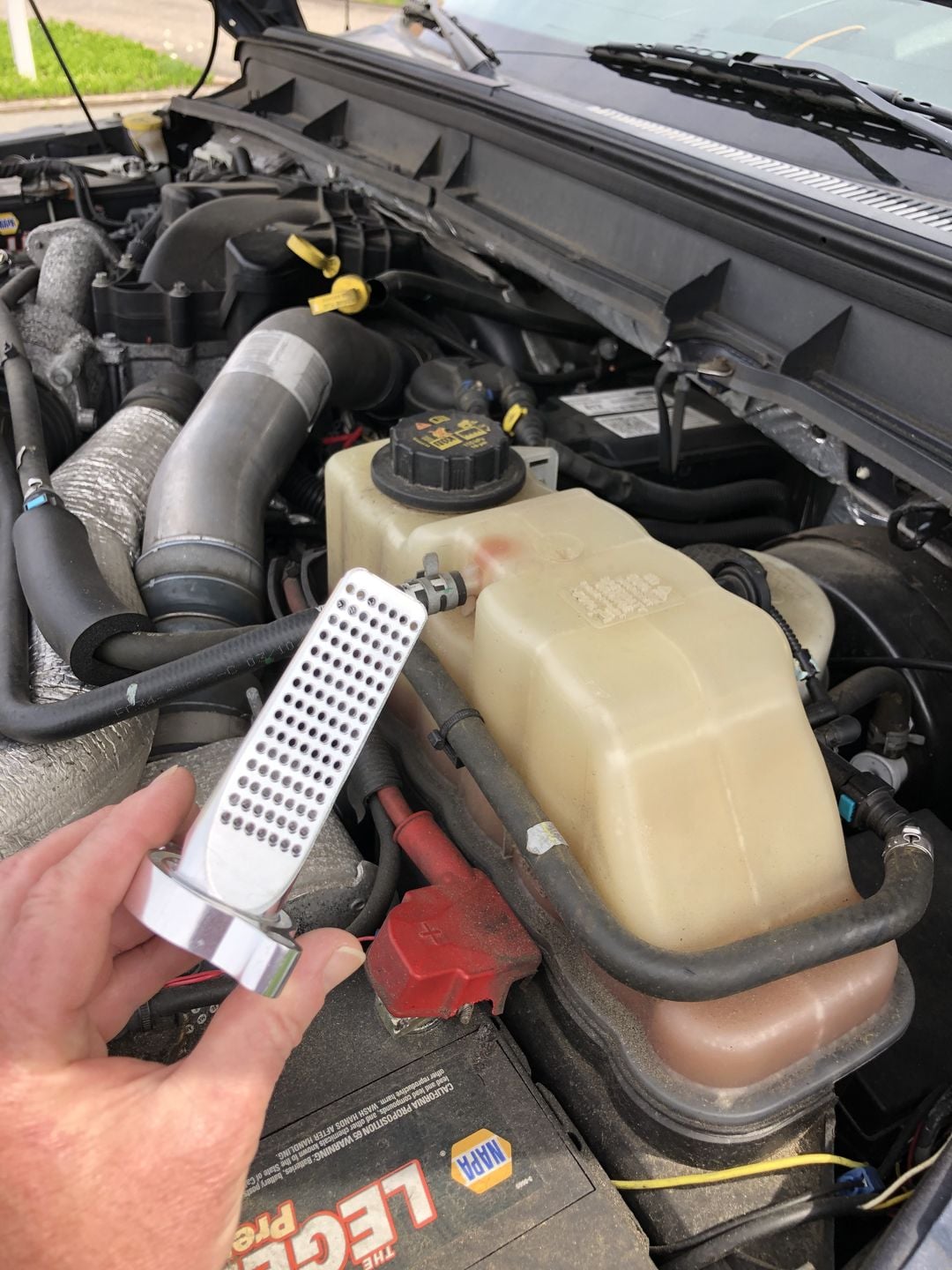
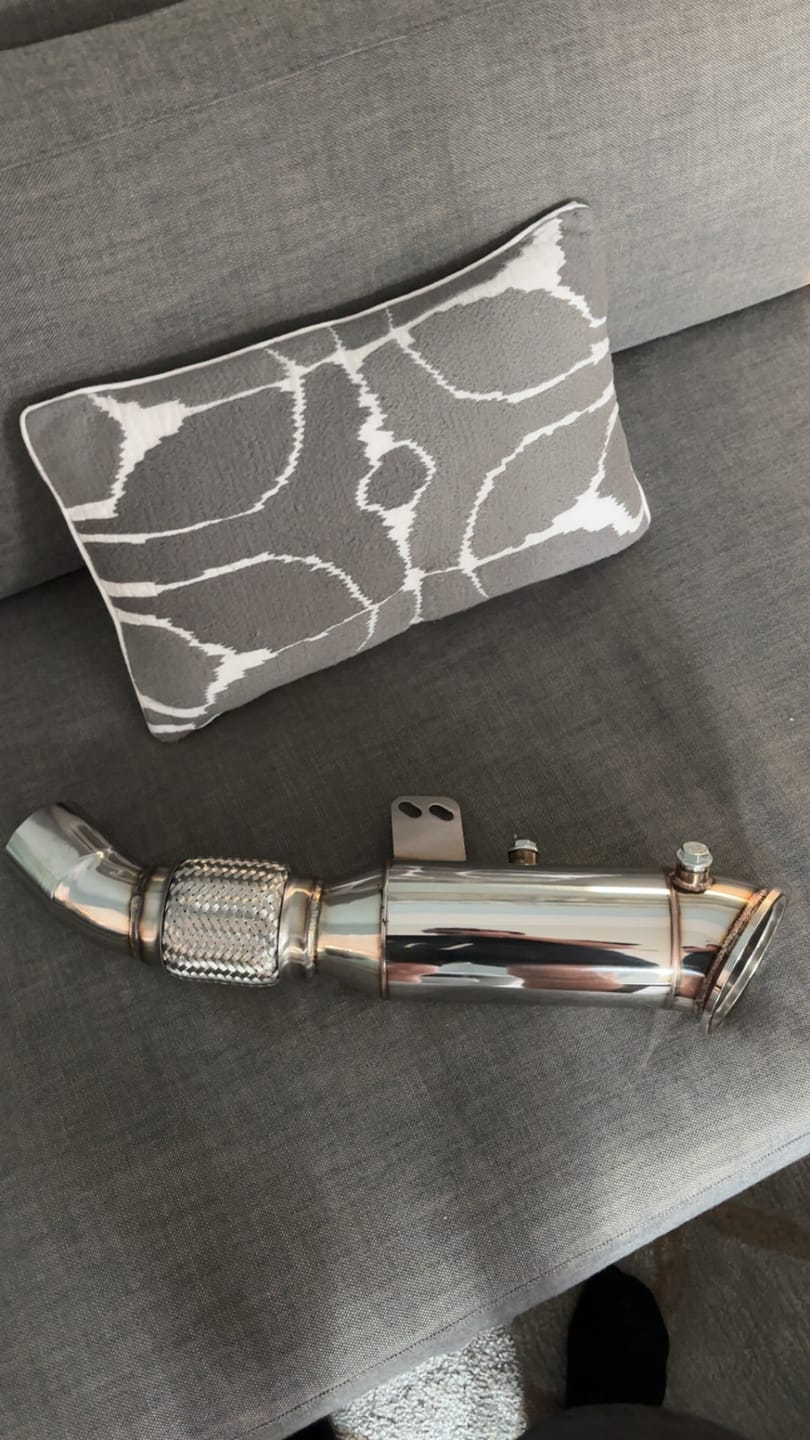
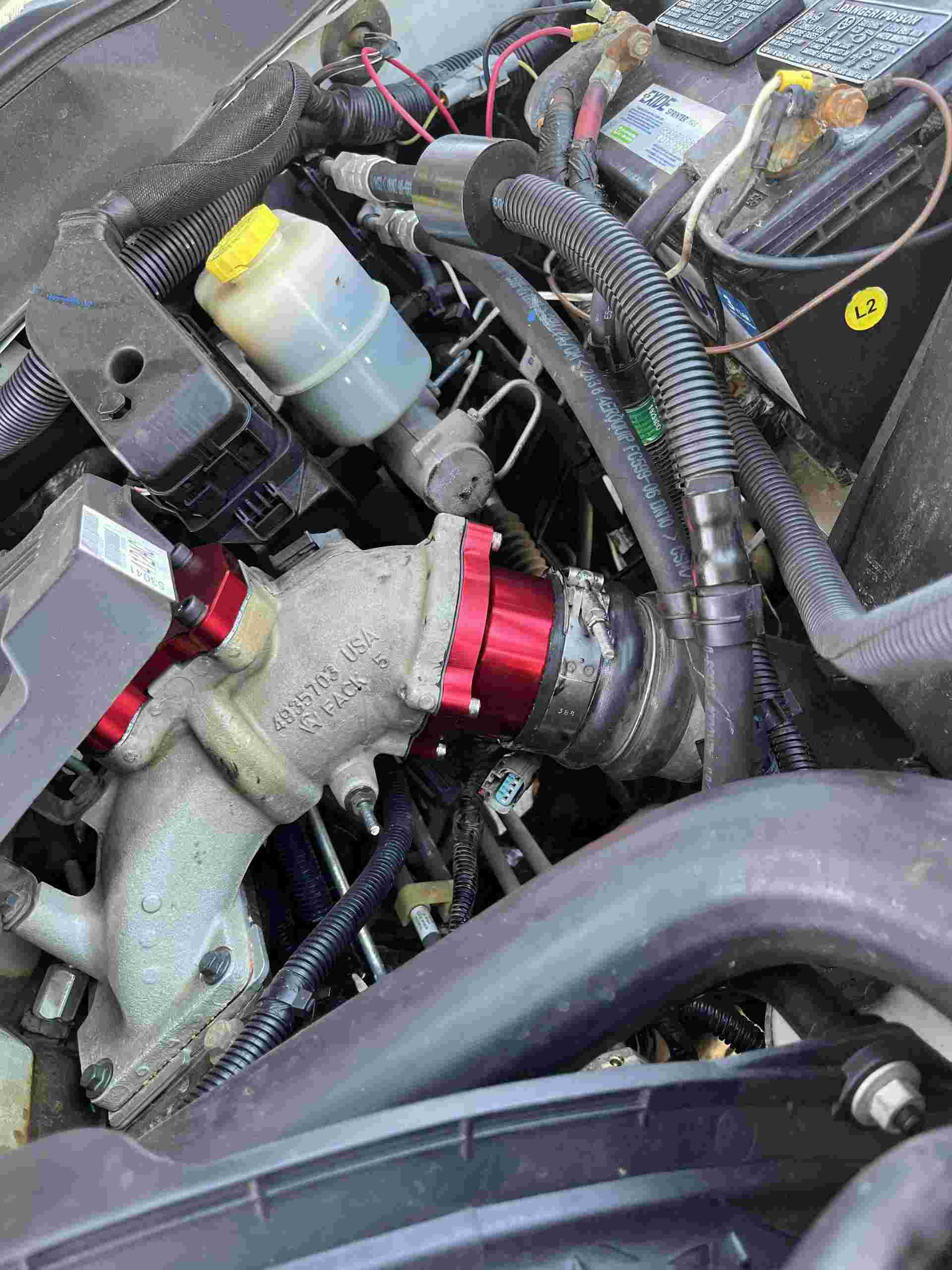
Still struggling with poor exhaust flow, frequent regeneration, and insufficient power? SuncentAuto's high-quality DPF delete pipes are compatible with popular diesel trucks equipped with Powerstroke, Cummins, Duramax, and EcoDiesel engines, and are specifically designed for off-road and track performance modifications. The complete piping system is made from corrosion-resistant stainless steel and replaces restrictive factory emissions/exhaust components to unlock the true potential of your diesel engine.
⚠️ Off-Road / Competition / Closed-Course Use Only.
Place your order and enjoy free shipping within the U.S., 45-day no-questions-asked returns and exchanges, plus after-sales support from our professional technical team! New customers can use coupon code SANEW to get 10% off their first order.


A DPF delete pipe replaces part of the factory diesel aftertreatment or exhaust system with a replacement exhaust section. Depending on the product, that may mean replacing only the DPF section, replacing the DPF and DOC/CAT section together, or replacing most of the exhaust behind the factory downpipe.
The important difference is not simply whether a product is called a DPF delete kit, race pipe, downpipe-back, or turbo-back. What matters is where the replacement system starts, which factory sections it replaces, where it ends, and which original exhaust components remain on the truck.
SuncentAuto offers DPF delete and replacement exhaust configurations for Powerstroke, Cummins, Duramax, and selected EcoDiesel applications. Start with the correct diesel platform, then compare pipe coverage, diameter, muffler configuration, chassis fitment, connection points, and tuning requirements.
DPF location, DOC/CAT layout, SCR hardware, exhaust connections, and chassis configuration vary between diesel platforms. The dedicated collections below handle engine- and model-year-specific fitment, while this page focuses on choosing the right exhaust configuration.
Diesel Platform | Common Pipe Options | What to Verify |
DPF race pipe, DPF & CAT delete, 4" and 5" downpipe-back | Engine generation, model year, exhaust layout, pickup/Cab & Chassis fitment, and connection style. | |
DPF race pipe, DPF & CAT delete, downpipe-back, turbo-back, muffler options | Model year, DEF/SCR generation, pickup vs. Cab & Chassis, exhaust length, and pipe diameter. | |
DPF & CAT delete, 4" and 5" downpipe-back, generation-specific exhaust systems | LMM/LML/L5P generation, model year, flange or clamp connection, Silverado/Sierra chassis, and exhaust configuration. |
Selected EcoDiesel delete pipes are also available for supported 3.0L applications.
Different pipe names describe different replacement boundaries. Two products may both be described as a DPF delete pipe while replacing very different parts of the factory exhaust, so compare what comes off the truck with what remains.
Pipe Type | What It Replaces | What Usually Remains | When It Makes Sense |
DPF Race Pipe | Factory DPF/filter section between its upstream and downstream exhaust connections. | Factory downpipe; a separate DOC/CAT if it sits outside the removed section; downstream muffler and tailpipe. | The rear exhaust, muffler, hangers, and tailpipe are still usable and only the DPF section needs replacement. |
DPF & CAT Delete Pipe | DPF plus the DOC/CAT section covered by the specific replacement pipe. | Factory downpipe and downstream muffler/tailpipe when they sit outside the replacement section. | Both the DPF and DOC/CAT are inside the section being replaced, but the rear exhaust does not need replacement. |
Downpipe-Back | Exhaust from the factory downpipe outlet rearward. Depending on the truck, this can include DOC/DPF/SCR sections, mid-pipe, muffler, and tailpipe. | Factory downpipe and turbo-to-downpipe connection. | The downstream exhaust is corroded, leaking, damaged, mismatched with previous aftermarket parts, or already being replaced as a larger 4"/5" system. |
Turbo-Back | Exhaust from the turbo outlet rearward, including the downpipe and downstream sections supplied with the system. | Little or none of the original post-turbo exhaust, depending on the product. | The project includes replacing the factory downpipe as well as the downstream exhaust. |
Product names alone do not always identify the replacement boundary. Compare the starting connection → replacement section → ending connection shown on the product page, because a DPF delete can involve different sections of the aftertreatment system depending on the vehicle and exhaust configuration.
The main difference between 4" and 5" systems is not simply which pipe is "bigger." Connection size, routing clearance, existing exhaust components, muffler choice, and sound all affect which diameter makes sense for the truck.
Diameter | Typical Characteristics | What to Check |
3.5" | Used on selected applications where factory routing or the original exhaust connection uses a smaller diameter. | Actual inlet/outlet size and how the pipe connects to the surrounding factory exhaust. |
4" | Common across race pipes and larger diesel exhaust systems, with a balance of packaging space and exhaust volume. | Factory connection size, existing aftermarket sections, chassis clearance, and required transition hardware. |
5" | Larger main tubing and generally a deeper exhaust tone, most commonly used in longer downstream exhaust systems. | Front transition, routing clearance, muffler choice, existing exhaust, and pickup vs. Cab & Chassis fitment. |
A 5" exhaust is not automatically the better choice. Match the diameter to the truck's connection points, available space, existing exhaust, and desired system layout.
The advertised size normally describes the main tubing, not every connection point. A factory downpipe outlet or flange may be smaller, so a 5" downpipe-back system can begin with a 4" connection and expand into 5" tubing farther downstream. A 4" system can use the same approach at a 3.5" factory connection.
Many SuncentAuto systems that retain the factory downpipe are designed around this type of transition. Depending on the product, it may be built into the front pipe or handled by a reducer. Exact flange type, clamp style, inlet diameter, reducer, and included hardware should still be confirmed on the individual product page.
Understanding where the downpipe sits in the diesel exhaust system also helps distinguish the factory connection point from the main 4" or 5" tubing farther downstream.
Muffler choice affects sound and highway comfort rather than how much of the exhaust is replaced. Depending on the application, the same general downpipe-back or larger exhaust configuration may be available with or without a muffler.
Configuration | What Changes | Better Match For |
With Muffler | Uses a muffler to reduce overall exhaust volume and control highway drone. | Daily driving, towing, longer highway trips, and owners who want a deeper exhaust tone without as much cabin resonance. |
Straight Pipe | Uses an uninterrupted exhaust section without a muffler in that part of the system. | Owners who prefer a louder, more direct exhaust note and accept more potential highway drone. |
Most wrong-pipe orders come from fitment and configuration differences rather than the basic 4" or 5" diameter. Engine size and model year alone are not always enough to identify the correct exhaust.
Pickup and Cab & Chassis versions of the same diesel platform can use different wheelbases, exhaust routing, pipe lengths, hanger locations, and aftertreatment layouts. A pipe listed for a pickup may therefore not fit a 3500/4500/5500 Cab & Chassis even when both trucks use the same engine.
Year, make, model, and engine: Confirm the exact application rather than relying only on engine displacement.
Pickup vs. Cab & Chassis: Check chassis type, wheelbase, and cab/bed configuration where specified.
Replacement boundary: Confirm whether you need a race pipe, DPF & CAT section, downpipe-back, or turbo-back system.
Existing exhaust: Identify any aftermarket 4" or 5" sections already installed and where they begin and end.
Connection style: Check flange, clamp, inlet diameter, reducer, and factory-downpipe connection details.
Muffler configuration: Decide whether lower highway drone or a louder straight-through exhaust is more important.
If fitment is unclear, prepare the VIN and vehicle information and contact SuncentAuto technical support before ordering.
Removing a monitored DPF or another aftertreatment component changes both the mechanical exhaust system and what the factory ECU expects to see. Compatible calibration is therefore generally required when monitored emissions hardware is physically removed.
Removing those components without matching calibration can result in warning lights, regeneration-related issues, torque limiting, or other abnormal operation—the same problems associated with an EGR or DPF delete without compatible tuning.
Comparison | DPF Delete Pipe | |
What's Included | DPF / selected replacement exhaust section | DPF/exhaust + EGR hardware + tuner |
Tuning | Usually sourced separately when the pipe removes monitored aftertreatment hardware | Required as part of the complete DPF + EGR + calibration solution |
Best For | The exhaust portion is being purchased separately, or the truck already has the other required hardware and compatible tuning. | Building the DPF, EGR, and tuning system together rather than sourcing the major components independently. |
A tuner device and the calibration itself are not always the same purchase. Depending on the truck, tune files, credits, gateway access, ECU unlocks, or other model-year-specific support may also be required. Available diesel tuner options should therefore be matched to the exact year and engine.
The distinction becomes clearer when deleting a diesel truck is viewed as a complete system: the pipe addresses the exhaust side, while a full setup also coordinates EGR hardware and calibration.
Material mainly affects corrosion resistance, expected service life, and cost. It should be considered after vehicle fitment, pipe configuration, and diameter have already been confirmed.
Material | Corrosion Resistance | Cost | Best Consideration |
Aluminized Steel | Basic | $ | Lower-cost builds used primarily in relatively dry environments. |
T409 Stainless | Higher | $$ | General long-term truck use where durability and price both matter. |
T304 Stainless | High | $$$ | Builds where corrosion resistance is a higher priority, including coastal or high-salt environments. |
SuncentAuto offers multiple DPF delete pipe and replacement exhaust configurations so you can match the replacement section to the truck instead of buying more exhaust than the project requires.
Platform-specific selection: Dedicated Powerstroke, Cummins, Duramax, and selected EcoDiesel collections make it easier to narrow fitment before choosing a pipe.
Multiple exhaust configurations: Race pipes, DPF & CAT delete sections, downpipe-back, turbo-back, 4"/5", muffler, and straight-through options are available where supported.
Free shipping within the U.S.: All orders receive free shipping within the U.S. with no minimum purchase.
2-year no-questions-asked returns: Eligible returns can be requested within 45 days according to the current return policy.
First-order discount: Use coupon code SANEW to get 10% off your first order.
Fitment support: SuncentAuto support can help verify vehicle fitment and pipe configuration before ordering.
More deals and discounts: Current promotions are available on the Deals & Coupons page.
DPF and other emissions-control modifications may be restricted for public-road vehicles. Buyers are responsible for confirming and complying with applicable local, state, and federal requirements for the vehicle and intended use.
Recent 2026 EPA changes affecting DEF sensors and derate behavior concern how DEF-system faults are detected and handled; they do not mean DPF, EGR, or SCR removal is broadly legal for public-road vehicles.
No, they operate on completely different principles. Gasoline vehicles are equipped with a Three-Way Catalytic Converter (TWC) designed to manage Carbon Monoxide (CO), Nitrogen Oxides (NOx), and Hydrocarbons (HC) all at once.
In contrast, diesel engines use a Diesel Oxidation Catalyst (DOC), which is a "Two-Way" system. The DOC's primary job is to oxidize the soluble organic fraction of particulate matter and gas-phase hydrocarbons. Unlike a gas car's converter, the DOC cannot trap soot—that is the job of the DPF (Diesel Particulate Filter)—and it cannot reduce NOx, which is handled further downstream by the SCR (Selective Catalytic Reduction) system. Understanding this distinction is key to choosing the right bypass pipe for your exhaust setup.
Most in-stock orders ship within 24 hours. Please refer to the product page for current inventory status and shipping policies. Tracking information will be provided after shipment.
Not necessarily. If the monitored emissions configuration remains the same and only downstream tubing changes, the tuning requirement can differ from a project that removes additional aftertreatment hardware. Confirm the existing calibration with the tuning provider before changing the system.