 Contents
Contents
If you own a 2017–2026 Chevrolet Silverado HD or GMC Sierra HD with a 6.6L L5P Duramax, the cost of a complete off-road setup can vary by several thousand dollars. A realistic DIY budget is about $2,500–$6,500+, while a professionally installed setup may run roughly $3,500–$8,500+, depending on the model year, exhaust configuration, tuning platform, ECM service, and local labor rate.
The biggest price difference is usually not the pipe or block-off hardware—it is the electronic side of the job. Later trucks may require a more involved ECM unlock, exchange module, CAN-bus solution, tune credits, or application-specific calibration. The breakdown below shows where the money goes and how the cost changes across the L5P model years.
What Is an L5P Delete Kit?
An L5P delete kit is a group of hardware and tuning components matched to the 6.6L L5P Duramax emissions system. Depending on the package and model year, it may address the factory EGR, DPF, DEF/SCR, and engine-control calibration. Package contents vary widely, so a low advertised price may cover only hardware or tuning rather than a complete setup.
Emissions-system tampering is prohibited for vehicles used on public roads under federal law and may also violate state or local requirements. Review the current diesel delete legality rules that apply to your vehicle and location before purchasing or installing emissions-related parts.
What Components Are Included?
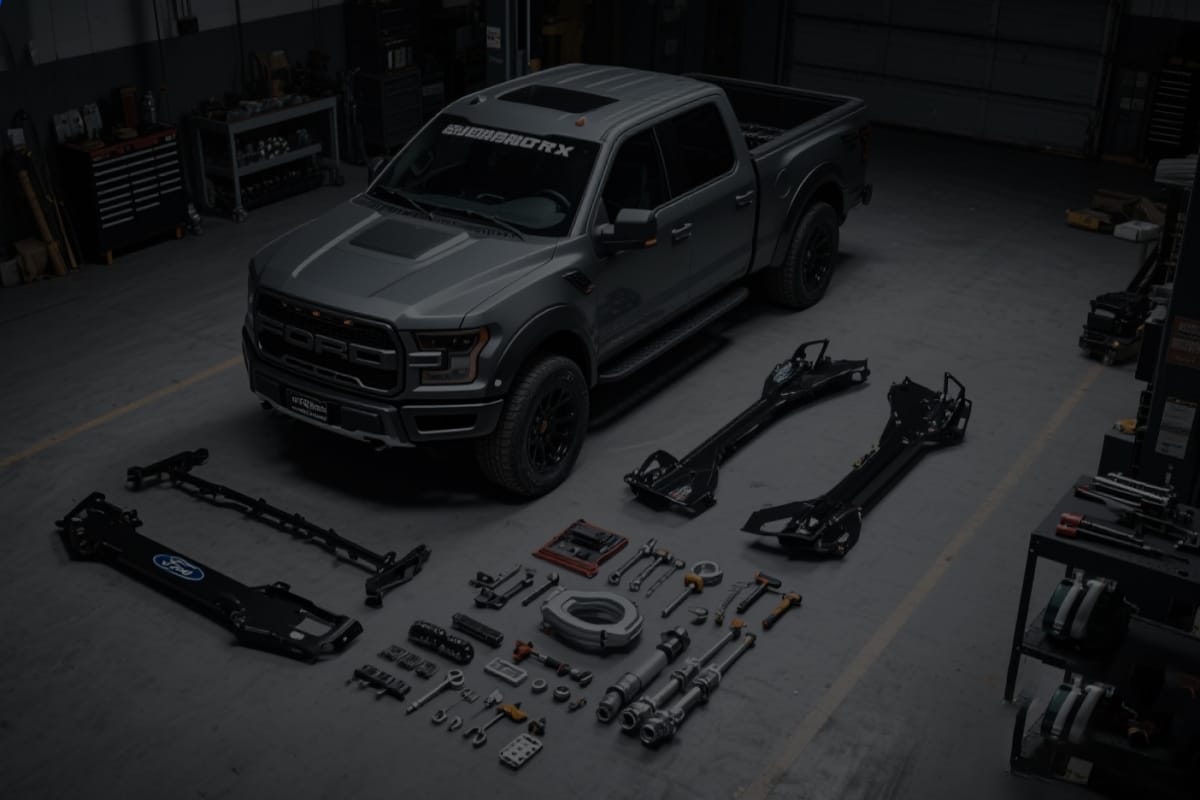
A complete L5P package may include the following:
- DPF/DEF exhaust hardware: A replacement pipe or downpipe-back exhaust selected for the truck's model year, wheelbase, cab configuration, and desired exhaust diameter. Owners comparing full exhaust options can also review this L5P 5-inch exhaust guide.
- EGR hardware: Block-off plates, coolant-routing parts, gaskets, and related hardware matched to the L5P layout. Detailed installation considerations are covered in the L5P EGR instructions.
- Tuner and tune files: The tuning platform and calibration must match the exact truck, ECM strategy, transmission, tire size, and hardware configuration.
- ECM or communication service: Depending on the year, the setup may require an unlock, exchange ECM, bench service, CAN-bus plug, tune credits, or additional security-related hardware.
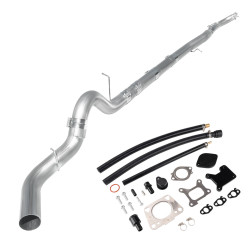
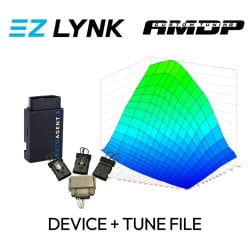
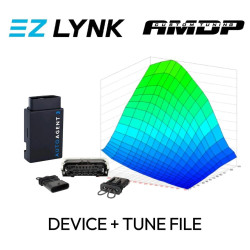
How Much Does It Cost to Delete an L5P Duramax?
The L5P delete cost depends heavily on model year. A 2017 or 2018 truck is usually closer to the lower end of the market, while later applications can require more expensive electronic services. The ranges below include the core hardware, tuning, and ECM-related services normally needed for a complete DIY package; taxes, shipping, optional TCM tuning, and labor may be additional.
| Model Years | EGR Hardware | DPF/DEF Exhaust Hardware | Tuner, Tuning & ECM Service | Estimated DIY Total | Typical Shop-Installed Total |
|---|---|---|---|---|---|
| 2017–2019 6.6L L5P | $300–$600 | $600–$1,200 | $1,600–$2,700 | $2,500–$4,500 | $3,500–$6,500 |
| 2020–2023 6.6L L5P/L5D | $350–$700 | $650–$1,500 | $1,800–$4,300 | $2,800–$6,500 | $4,000–$8,500 |
| 2024–2026 6.6L L5P/L5D | $400–$750 | $700–$1,600 | $2,700–$3,450+ | $3,800–$5,800+ | $5,000–$8,000+ |
These are budgeting ranges rather than guaranteed quotes. A basic advertised package may exclude an ECM service, custom tune files, TCM tuning, a full exhaust, or application-specific hardware. For broader Powerstroke, Cummins, and Duramax comparisons, see the diesel truck delete cost guide.
L5P Delete Cost Breakdown
When comparing quotes, separate the physical hardware from the electronic services. Two packages with similar-looking exhaust and EGR parts can have very different final prices if one includes the tuner, calibration, ECM work, and post-sale support while the other does not.
| Cost Category | Typical Range | What to Confirm |
|---|---|---|
| EGR Hardware | $300–$750 | Plates, brackets, coolant routing, gaskets, and exact model-year fitment |
| DPF/DEF Exhaust Hardware | $600–$1,600 | Delete pipe vs. full downpipe-back exhaust, diameter, muffler, wheelbase, and Cab & Chassis fitment |
| Tuner, Tune Files & ECM Service | $1,600–$4,300+ | Device ownership, tune duration, credits, ECM unlock or exchange, transmission support, and custom calibration |
| Professional Labor | $700–$2,250+ | Hourly rate, rust, broken fasteners, downpipe access, cooling-system work, flashing, diagnosis, and road-test time |
| Possible Additional Costs | Varies | Tax, oversized shipping, ECM shipping and insurance, TCM tuning, tune revisions, coolant, clamps, and return-to-stock parts |
1. L5P Hardware Costs
EGR and exhaust hardware typically accounts for about $900–$2,350 of the budget. A short replacement section generally costs less than a complete 4-inch or 5-inch downpipe-back exhaust. Material, weld quality, clamps, muffler choice, and fitment for pickups versus L5D Cab & Chassis trucks can all change the price.
2. Tuning and ECM Costs
The tuner, tune files, and ECM-related services are often the largest expense on an L5P. A quote may include only tunes, only a device, or a complete device-and-service package. Confirm whether the price includes the required ECM solution, tune credits, power levels, SOTF support, transmission tuning, and future tune revisions. A current L5P delete kit buying guide can help you compare package contents rather than relying on the starting price alone.
3. In-Shop Labor Costs
Professional labor commonly adds about $700–$2,250+. A straightforward truck with clean fasteners may be completed near the lower end, while corrosion, broken bolts, downpipe work, coolant-system service, programming issues, or repeat diagnosis can push the bill higher. Most complete jobs take roughly four to ten hours, but the actual billed time depends on the work included.
Factors That Affect the Cost to Delete an L5P Duramax
1. Truck Model Year and ECM Strategy
Model year is one of the biggest cost factors. The 2017–2019 trucks usually fall toward the lower end of the range, while 2020–2023 and 2024–2026 applications may use different ECM, communication, and tuning solutions. Owners of newer trucks should verify support by VIN and ECM strategy instead of assuming that an earlier L5P package will work.
2. Package Contents and Part Quality
A low starting price may cover only a pipe, an EGR kit, or tune files. Compare complete contents, material grade, welds, clamps, gaskets, coolant hardware, instructions, fitment support, and return terms. A well-matched package can cost more up front but may reduce the chance of missing parts or buying incompatible components.
3. Tuning Type and Support Period
Single-file calibrations generally cost less than packages with multiple power levels, SOTF capability, custom revisions, or long-term support. The correct tune also depends on tire size, transmission, turbo and injector configuration, pickup versus Cab & Chassis calibration, and whether the truck is otherwise stock.
4. Local Labor Rate and Truck Condition
Shop rates vary by region, and an experienced Duramax facility may charge more per hour than a general repair shop. The truck's condition matters just as much: northern-road corrosion, seized clamps, broken fasteners, and prior exhaust work can add several hours to the job.
5. Exhaust Configuration
A short replacement pipe costs less than a complete downpipe-back system. Moving from a basic pipe to a stainless 4-inch or 5-inch exhaust, adding a muffler, or fitting a long-wheelbase or Cab & Chassis truck can increase the parts and installation budget.
Is an L5P Delete Worth the Cost?
The answer depends on how the truck is used, the condition of the factory emissions system, local law, warranty status, and the total cost of the proposed setup. Potential performance or maintenance benefits should be weighed against the legal, inspection, warranty, resale, and return-to-stock consequences.
Potential Advantages
- Performance flexibility: A properly matched calibration and less restrictive exhaust configuration may change throttle response, torque delivery, and power. The actual result depends on the tune and truck setup.
- Fewer regeneration-related interruptions: Owners researching this work are often dealing with repeated regeneration problems or emissions-system fault codes. Fuel-economy changes vary and should not be treated as guaranteed MPG gains.
- Reduced exposure to certain emissions-system repairs: The truck would no longer rely on some factory components that can develop problems, including clogged filters or faulty EGR valves.
- Simplified off-road configuration: A complete, correctly matched hardware-and-tuning package can simplify an off-road build, but it does not guarantee longer engine life or eliminate unrelated mechanical failures.
Potential Disadvantages
- Legal and compliance risk: Federal law prohibits tampering with required emissions controls and the manufacture, sale, or installation of devices intended to defeat those controls. See the EPA's defeat-device enforcement guidance and applicable state requirements.
- Warranty and dealer-support concerns: A manufacturer or dealer may deny coverage for affected systems or damage linked to the modification. This does not necessarily cancel every unrelated warranty item automatically, but emissions and powertrain claims can become more difficult.
- Inspection and registration limits: A truck that does not meet the applicable emissions requirements may fail inspection or be ineligible for legal road registration in its current configuration.
- High upfront and return-to-stock costs: The initial project can cost several thousand dollars, and restoring factory DPF, SCR, DEF, EGR, sensors, and calibration later can be expensive.
Legal Alternatives for the L5P Engine
An emissions-system delete is not the only way to improve how an L5P Duramax performs or to reduce avoidable maintenance problems. Owners who drive primarily on public roads can consider emissions-compliant upgrades and preventive maintenance while retaining the factory DPF, EGR, DEF, and SCR systems.
- High-flow intake system: A properly designed intake may reduce inlet restriction and sharpen throttle response while retaining the factory emissions equipment.
- High-performance intercooler: A larger or more efficient intercooler can help manage intake-air temperature during towing, long grades, and sustained high-load driving.
- Emissions-compliant exhaust upgrades: A DPF-back or other approved exhaust can change sound and improve durability without removing the factory DPF, SCR, or DEF equipment. Confirm the exact part's approval and local requirements before installation.
- Preventive emissions-system maintenance: Address active fault codes early, maintain the DEF system, and consider professional DPF cleaning when appropriate. Cleaning or replacing a failing EGR valve may also be a better fit for a street-driven truck.
FAQs
Conclusion: Final Summary of L5P Delete Costs
For a 2017–2026 6.6L L5P Duramax, a realistic complete DIY budget is approximately $2,500–$6,500+. Professional installation can bring the total to about $3,500–$8,500+, with newer ECM strategies, premium exhaust systems, TCM tuning, and difficult labor pushing the price higher.
Compare packages by what they actually include—not just the advertised starting price. Confirm the exact year, VIN, pickup or Cab & Chassis configuration, exhaust system, tuner, tune files, ECM service, credits, and support before ordering. For street-driven trucks, the legal alternatives above may provide a better balance of performance, reliability, and compliance.