 Contents
Contents
The exhaust gas recirculation (EGR) valve, a component smaller than your smartphone, plays a big role. 2024 EPA data shows that 73% of modern engine failures are related to a neglected EGR system. Today, we’ll reveal some bad EGR valve symptoms to help you diagnose and fix the problem as soon as possible.
Quick Answer: The most common bad EGR valve symptoms are unstable idle, stalling at idle, poor engine performance, increased fuel consumption, strong fuel odor, increased emissions, a check engine light, and engine overheating. If the EGR valve is stuck open, idle problems and stalling are more common. If it is stuck closed, clogged, or not flowing properly, knocking, higher emissions, failed emissions testing, and higher combustion temperatures are more likely.
The key is not to guess from one symptom alone. A bad EGR valve, clogged EGR passage, faulty sensor, cracked vacuum line, or carbon-filled intake can create similar warning signs. Match the symptoms with OBD-II codes and a basic visual inspection before deciding whether to clean, replace, or delete the EGR system.
What Is an EGR Valve? Why Is It Important?
An EGR system (Exhaust Gas Recirculation) is a system that recirculates a portion of the engine's exhaust gases back into the intake manifold. This process lowers combustion temperatures and reduces the formation of nitrogen oxides (NOx), a harmful gas.
The EGR valve is a critical component in the EGR system, controlling the amount of exhaust gas reintroduced into the engine. It opens or closes as needed to regulate the flow of exhaust gases to the combustion chamber.
If there is a problem with the EGR valve, the exhaust gas cannot be recirculated, which will lead to an increase in pollutants and failure to meet emission standards. Plus, replacing the EGR valve is expensive.
Therefore, we have listed some common signs of a bad EGR valve so that you can check it carefully, because it is more economical and wiser to clean it than to replace it.
8 Common Symptoms of a Bad EGR Valve
The main symptoms and root causes of the 8 most common EGR valve failures are as follows:
Bad EGR Valve Symptoms at a Glance
If you only want a quick check, use this table first. It helps connect each symptom with the most likely EGR-related cause before you inspect the valve.
| Symptom | What It May Mean | Common EGR-Related Cause |
|---|---|---|
| Unstable idle | The engine runs unevenly at a stop or during cold starts | EGR valve stuck open or leaking exhaust gas into the intake |
| Stalling at idle | The engine may shut off when the vehicle is stationary | Too much exhaust gas entering the intake at the wrong time |
| Poor acceleration | The vehicle feels sluggish, weak, or slow to respond | Reduced combustion efficiency from incorrect EGR flow |
| Increased fuel consumption | The vehicle uses more fuel than usual | Incomplete combustion caused by a faulty EGR valve |
| Strong fuel odor | A pungent smell appears inside or outside the vehicle | Abnormal combustion or emissions caused by EGR malfunction |
| Increased emissions | The vehicle may fail an emissions test | Clogged, stuck, or poorly sealing EGR valve |
| Check engine light | The ECU stores an EGR-related fault code | P0400, P0401, P0402, P1404, or related EGR system codes |
| Engine overheating | Combustion temperature may rise in some cases | Bad EGR valve or clogged EGR cooler |
1. Unstable Engine Idle
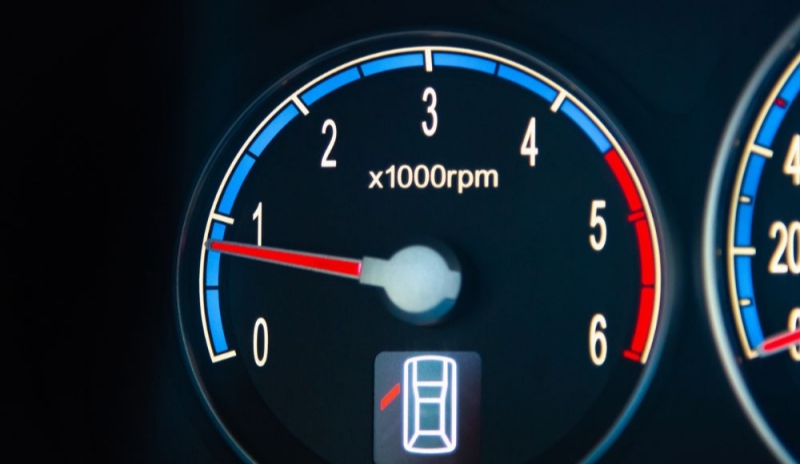
If your car's idle speed is erratic or fluctuates, especially when cold starting or stopping. For example, at a traffic light. Then this may be one of the signs of a bad EGR valve.
Cause: When the EGR valve remains open, too much exhaust gas enters the intake manifold, resulting in incomplete combustion. This situation can cause the engine to idle erratically.
2. Engine Stalls at Idle Speed
Similar to the first symptom, an EGR valve stuck open may also cause the engine to stall at idle speed. This is especially noticeable when the vehicle is stationary.
3. Poor Engine Performance
A faulty EGR valve can cause a noticeable drop in engine power. This is also a warning sign when you feel a lack of power and sluggishness when accelerating, especially when climbing a hill or overtaking.
Cause: When the EGR valve is stuck open, too much exhaust gas enters the intake system, reducing combustion efficiency. This can cause a noticeable drop in power and throttle response.
4. Increased Fuel Consumption
Reduced fuel efficiency is also one of the signs of faulty EGR valve. And it is similar to the previous cause. If the EGR valve is stuck open, more exhaust gas can enter the combustion chamber, causing incomplete combustion. This can result in reduced fuel efficiency. So if you notice a sudden increase in fuel consumption, the EGR system could be to blame.
5. Strong Fuel Odor
As mentioned at the beginning, the EGR system is to control the emission of nitrogen oxides. Nitrogen oxides emit a strong and noxious odor, and the smell is very pungent. So if you smell a distinct fuel odor inside or outside your vehicle, this could be a symptom of a bad EGR valve.

6. Increased Emissions
If the EGR valve is bad, the EGR system will not work properly, resulting in increased emissions. This may cause your vehicle to fail the emissions test.
Cause: If the EGR valve is clogged or not closed tightly, the high temperature of the engine cannot be reduced, resulting in excessive nitrogen oxide emissions.
7. Check Engine Light (CEL) Is on
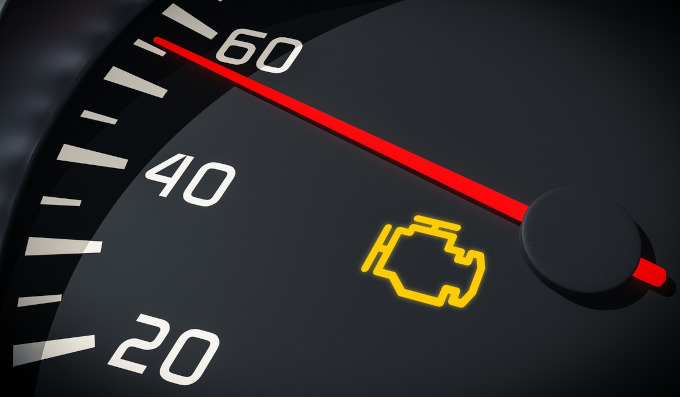
The engine management light (or "check engine" light) is a very obvious sign. It indicates that there is a problem related to EGR, most likely the EGR valve. If you use an OBD2 scanner to scan the fault code, you will be able to know the specific problem. Common EGR-related fault codes include:
- •P0400: EGR flow fault
- •P0401: Insufficient EGR flow detected
- •P0402: Excessive EGR flow detected
- •P1404: EGR valve actuator fault
8. Engine Overheating
In some cases, a bad EGR valve or clogged EGR cooler can cause combustion temperatures to rise, resulting in engine overheating.
Bad EGR Valve: Stuck Open vs Stuck Closed
A bad EGR valve does not always fail in the same way. Some valves stick open, some stick closed, and some become clogged with carbon. This is why bad EGR valve symptoms can feel different from one vehicle to another.
| Failure Type | What Happens | Common Symptoms |
|---|---|---|
| EGR valve stuck open | Too much exhaust gas enters the intake when the engine does not need it | Rough idle, unstable idle, stalling at idle, hard starting, poor low-speed performance |
| EGR valve stuck closed | Not enough exhaust gas is recirculated when needed | Engine knocking, pinging, higher combustion temperature, increased NOx emissions, failed emissions test |
| Clogged EGR valve or passage | Carbon blocks normal EGR flow | P0401 code, poor performance, repeated EGR faults, higher emissions |
| Electronic or sensor fault | The ECU cannot control or confirm the EGR valve position correctly | Check engine light, EGR actuator codes, intermittent symptoms, limp mode in some vehicles |
If you are searching for EGR stuck open symptoms, pay close attention to idle quality. A stuck-open valve often creates rough idle, stalling, hesitation, or hard starting because exhaust gas enters the intake when the engine needs a stable air-fuel mixture.
Can a Bad EGR Valve Cause a Misfire?
Yes, a bad EGR valve can cause a misfire. This is one of the reasons drivers may confuse an EGR problem with spark plugs, coils, injectors, vacuum leaks, or other engine issues.
When the valve is stuck open, too much exhaust gas can enter the intake and interfere with normal combustion. When the valve is stuck closed or clogged, combustion temperatures can rise, which may lead to knocking, pinging, or unstable combustion. Carbon deposits can also restrict airflow and affect the air-fuel mixture.
If you have a misfire together with rough idle, a check engine light, increased emissions, or EGR-related codes, the EGR system should be part of the diagnosis. Do not replace the EGR valve only because the engine misfires; check the plugs, coils, injectors, vacuum system, intake leaks, and EGR passages as well.
How to Diagnose EGR Valve Failure
How to tell if an EGR valve is bad? Here are the steps to determine if your EGR valve is bad.
- Check EGR valve plug for looseness and vacuum tube for cracks.
- Monitor EGR valve; visually inspect valve and passages for carbon deposits.
- Use OBD-II scanner: Check for error codes associated with EGR system malfunctions.
- Compare the code with the symptom. For example, rough idle and stalling often point to too much EGR flow, while knocking or failed emissions testing may point to insufficient EGR flow.
- Inspect the surrounding parts before replacing the valve. A clogged EGR passage, cracked hose, loose connector, faulty sensor, or carbon-filled intake can cause the same symptoms.
- If the valve is removed, check whether the pintle moves freely and whether heavy carbon buildup is blocking the valve seat or passage.
In short, how to tell if an EGR valve is bad comes down to three things: symptoms, fault codes, and inspection. If all three point to the EGR valve, cleaning or replacement is more reasonable. If only one symptom appears, diagnose further before buying parts.
Common Causes of EGR Valve Failure
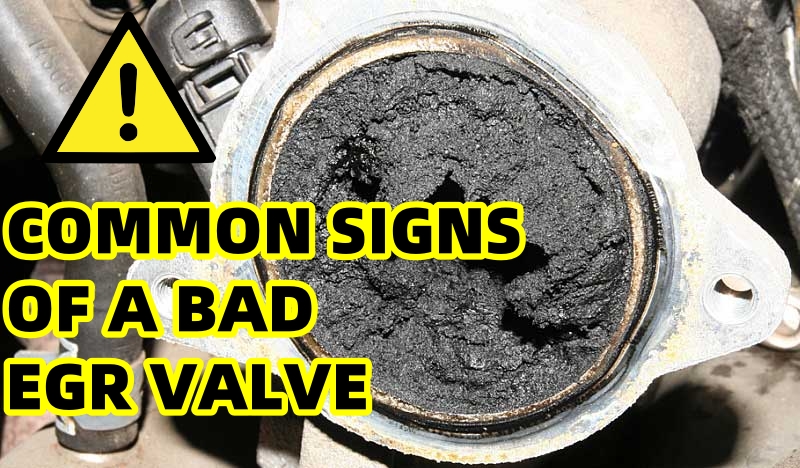
Most EGR valve problems do not happen overnight. They are usually caused by carbon buildup, heat, age, poor flow, sensor issues, or lack of maintenance. Diesel engines may see heavier soot buildup because exhaust soot and oil vapor can collect inside the intake system.
- Carbon deposits that keep the valve from opening or closing properly
- Clogged EGR passages that restrict normal exhaust gas flow
- Cracked vacuum hoses or faulty vacuum solenoids on older systems
- Damaged wiring, loose connectors, or electronic actuator failure
- EGR cooler clogging or related cooling issues on some diesel engines
- Short trips, long idle time, and low-speed driving that encourage carbon buildup
These causes matter because replacing the valve alone may not fix the problem. If the passage, cooler, wiring, sensor, or intake side is still restricted, the same EGR code or symptom may come back.
How to Solve Faulty EGR Valve
Once you understand bad EGR valve symptoms and how to diagnose an EGR valve problem, the next step is to determine the appropriate solution. Here are the three main solutions to fix a faulty EGR valve.
1. Cleaning and Repair (for Minor Carbon Deposits)
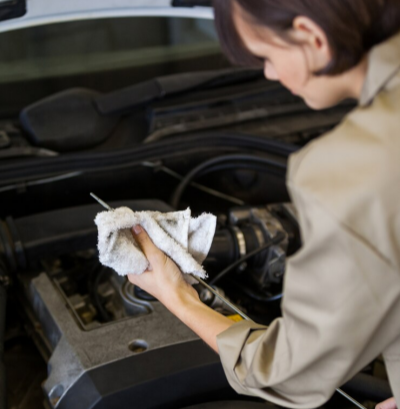
Carbon deposits can build up over time and prevent the EGR valve from opening and closing properly. If the EGR valve is clogged but still functioning properly, cleaning can restore its operation.
2. Replace the EGR Valve (Severe Damage or Fault)
If the EGR valve is still stuck open or closed after cleaning, you may need to replace the EGR valve. If there is severe damage or an electronic failure, replacement is the best option.
Before replacing parts, compare the full EGR valve replacement cost. If you plan to do the repair yourself, you can also review this guide on how to replace an EGR valve.
3. EGR System Delete (For Long-term Optimization)
Some owners choose to completely remove or disable the EGR system by using an EGR delete kit. This eliminates all problems associated with the EGR system. Moreover, it has many other advantages, such as not having to clean or replace the EGR valve as often, which can save a lot of money.
If you want to know more about the pros and cons of removing the EGR system, you can refer to this article: Pros and Cons of 6.7 Powerstroke EGR Removal. For a broader overview, read our EGR delete full overview.
Note: Before considering deleting EGR, check your local emissions regulations to avoid fines or inspection failures. You can also read is EGR delete legal before making a decision.