 Contents
- Quick Answer: What Is DPF Regeneration?
- How Does a Diesel DPF Regen Work?
- Types of DPF Regeneration
- How Long Does a Regen Take: Detailed Comparison
- What Does the DPF Regen Light Mean?
- Can You Keep Driving During a Regen?
- What If a Regen Does Not Complete or the DPF Warning Returns?
- Proactive DPF Maintenance Tips: How to Extend DPF Life
- Conclusion
- FAQs
When driving a diesel car, SUV, or heavy-duty truck, seeing "Regen In Progress" or a DPF warning light suddenly illuminating on the dashboard can make many owners anxious. Diesel vehicle owners often ask: What is DPF regeneration? How long does it take? Can I keep driving when the indicator light comes on? How can I avoid replacement costs of thousands of dollars?
This article breaks down the regeneration process of a diesel particulate filter (DPF) and explains common dashboard messages and diagnostic codes to help you determine how to respond in different situations and keep your vehicle operating at its best for power and fuel economy.
Quick Answer: What Is DPF Regeneration?
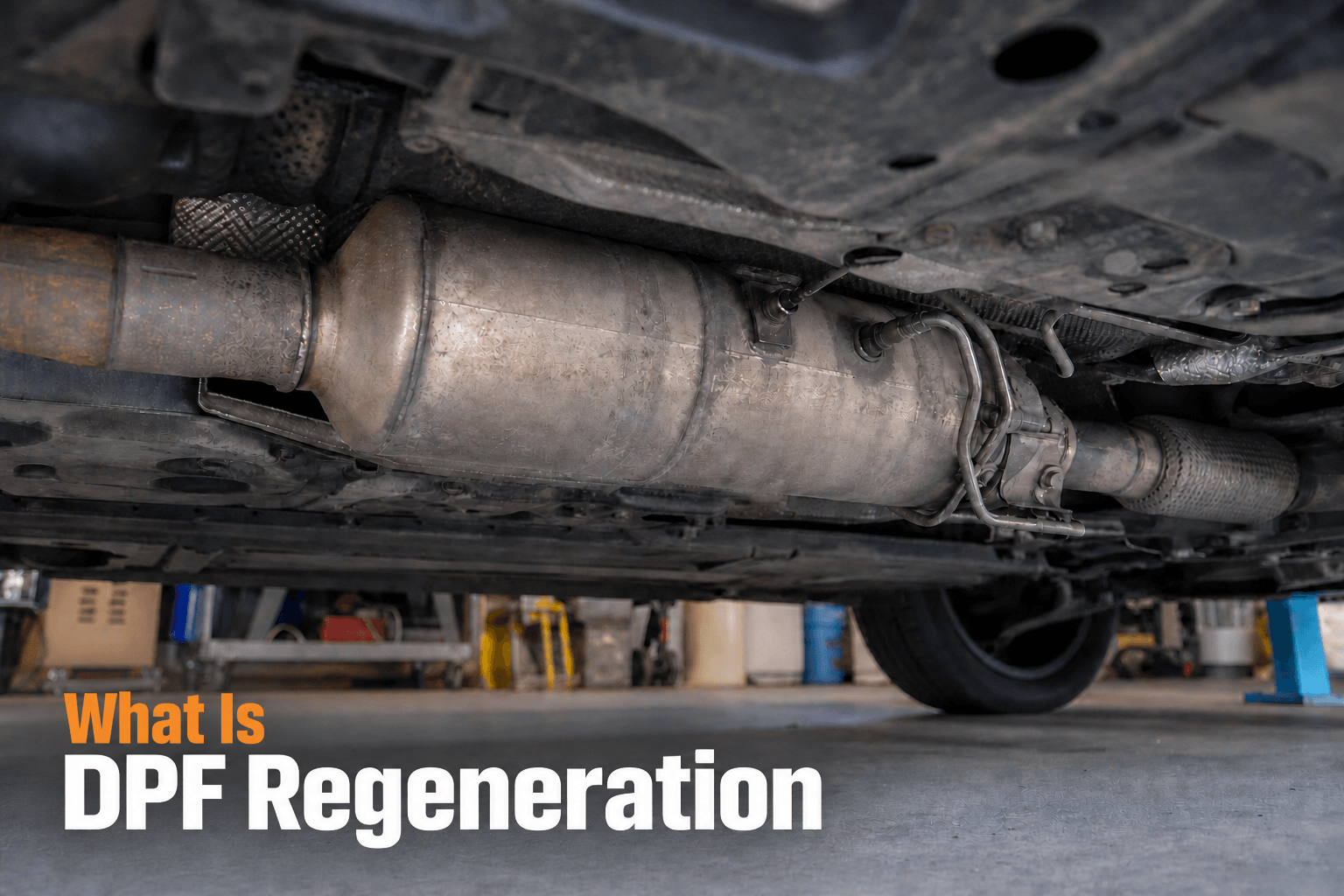
DPF Regeneration is the self-cleaning process in which a diesel engine's exhaust system uses extremely high temperatures (550°C–650°C) to automatically "burn off" and remove accumulated soot/carbon deposits inside the DPF filter.
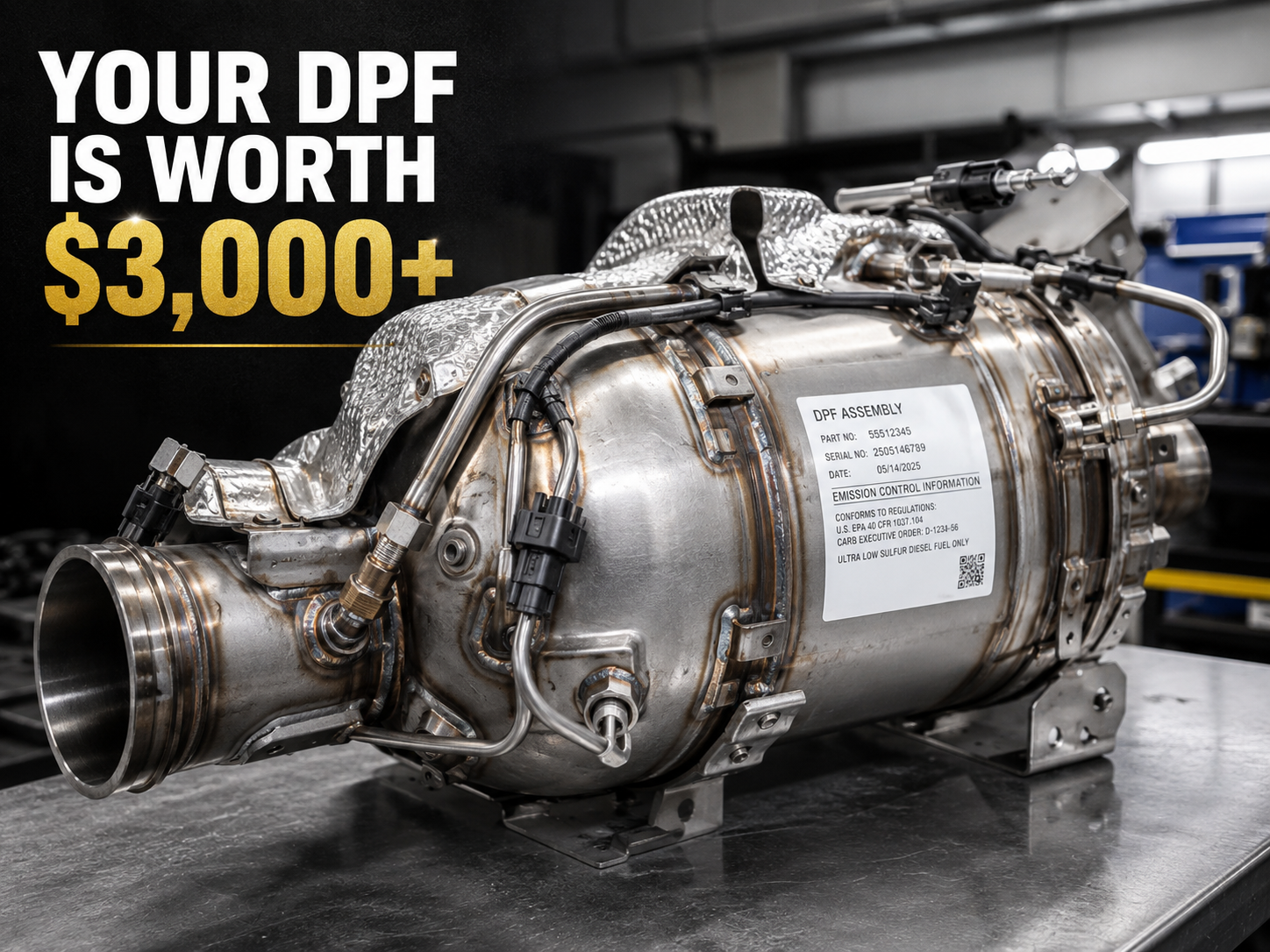
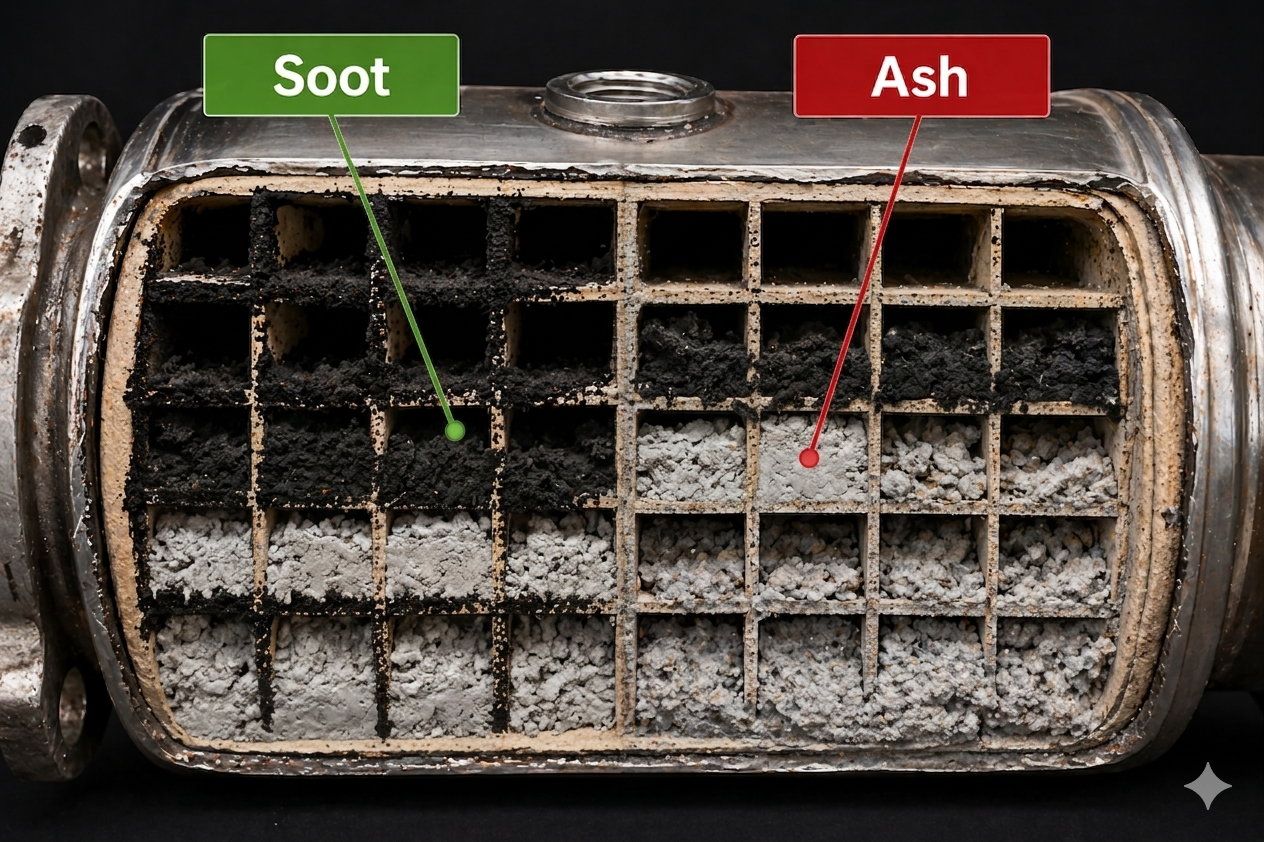
Simply put, a DPF is like a high-precision honeycomb metal/ceramic filter that traps the black smoke and particulates produced by diesel combustion. To prevent the filter from becoming completely clogged and causing the engine to stall, the system needs to perform periodic high-temperature self-cleaning. In automotive terms, this process is called "regen."
How Does a Diesel DPF Regen Work?
The Diesel Particulate Filter (DPF) is installed in the engine's exhaust system. Its internal structure contains hundreds of parallel small channels and can capture up to 85%–99% of incompletely burned carbon particles. The Engine Control Unit (ECU) uses the DPF Differential Pressure Sensor to monitor the pressure difference across the filter in real time. When it detects that the soot load in the DPF has reached a preset threshold (typically 45%–60%), it triggers the regeneration process.

Simplified Process
[Soot accumulation / increased backpressure] →
[ECU sensor detects 45%–60% restriction] →
[Post-injection raises temperature (EGT reaches 600°C+)] →
[Soot oxidizes into CO₂ and a very small amount of ash] →
[Backpressure returns to normal and the DPF flows freely again]
Detailed Process
1. Temperature increase: The ECU adjusts the fuel injection strategy and performs "post-injection" after the main fuel injection. Unburned diesel travels with the exhaust gas into the diesel oxidation catalyst (DOC), causing exhaust gas temperature (EGT) to rise sharply to 550°C–650°C or higher.
2. Soot combustion and cleaning: At extremely high temperatures, the deposited carbon particles react chemically with oxygen in the exhaust gas. They are oxidized and burned into a small amount of harmless carbon dioxide (CO₂) and a trace amount of noncombustible ash.
3. Restored flow: After cleaning is complete, exhaust backpressure returns to normal, and the engine's power output and fuel efficiency return to normal.
Types of DPF Regeneration
Based on the trigger conditions, vehicle state, and method of operation, DPF regeneration is generally divided into four types.
1. Passive Regeneration
Passive regeneration usually occurs when the exhaust temperature is high enough and requires no additional fuel or driver input. It may happen automatically during highway driving or extended driving under heavy load, such as while towing a heavy load. In these conditions, the engine’s exhaust temperature naturally reaches a sufficiently high level (approximately 350°C–500°C), allowing soot to oxidize gradually without the ECU injecting additional fuel.
2. Active Regeneration
Active regeneration is initiated by the aftertreatment system, which actively raises the DPF temperature so accumulated soot can be burned. When a vehicle is driven in low-speed stop-and-go city traffic for extended periods and the exhaust temperature is not high enough to trigger passive regeneration, the ECU may initiate post-injection or activate the engine exhaust brake to artificially raise exhaust temperature and force soot to burn off.
Characteristics: The dashboard may display “Regen In Progress.” During this time, engine idle speed may increase from 700 RPM to 1000–1200 RPM, the cooling fan may run at a high speed, and the exhaust may sound deeper and produce a hot smell.
3. Parked / Manual Regeneration
Parked regeneration takes place while the vehicle is stopped. When DPF soot levels are high and automatic regeneration has not succeeded, the vehicle will prompt the owner to stop in a safe area. After applying the parking brake, the owner can initiate parked regeneration by pressing the in-vehicle DPF Switch/Button. Exhaust temperatures may be very high during parked regeneration.
4. Forced OBD2 Regeneration
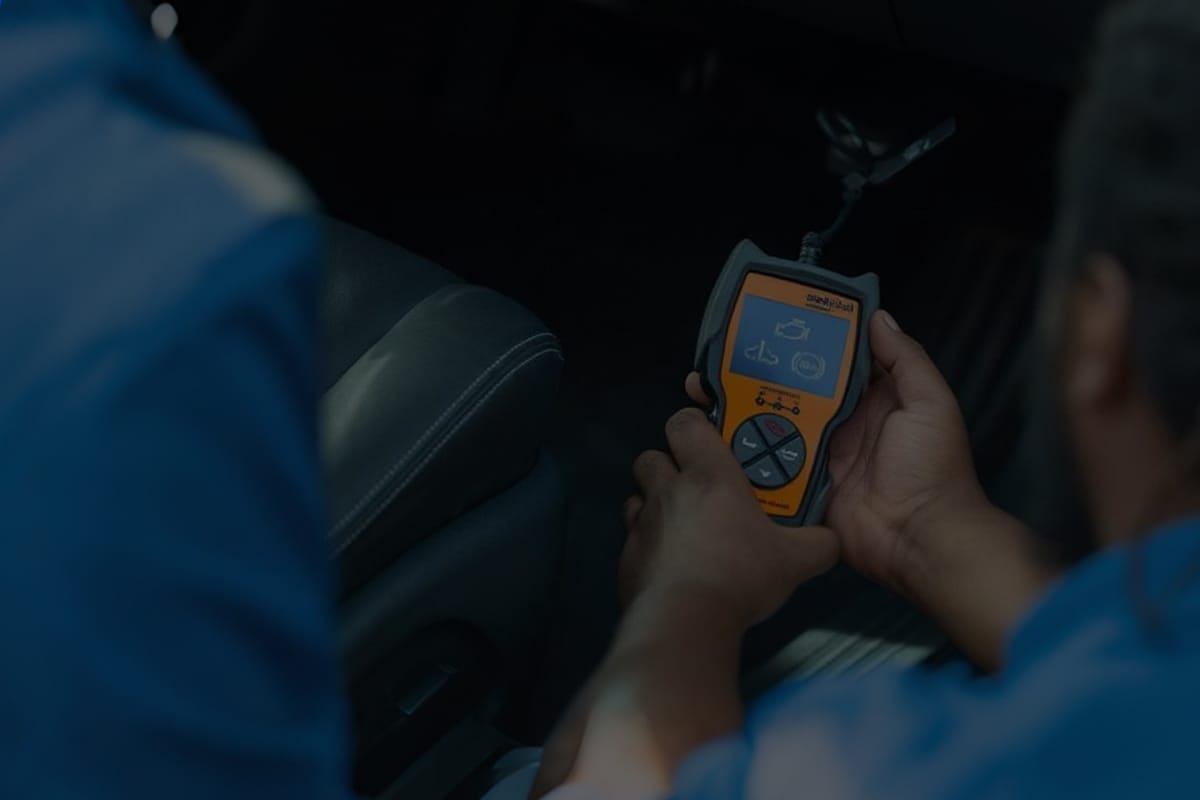
Forced regeneration usually refers to starting regeneration through a vehicle-supported service procedure or diagnostic device. When the DPF soot level is severely excessive (for example, above 80%) or the system has stored a fault code, the ECU will completely lock out automatic and button-initiated regeneration. At this point, a professional diagnostic tool (OBD2 Scanner for DPF Regeneration) must be connected to clear the fault code and issue a forced regeneration command. Forced regeneration may be part of a repair diagnostic procedure and is not a universal operation that owners can perform on every vehicle.
How Long Does a Regen Take: Detailed Comparison
The time required for DPF regeneration depends on the type of regeneration, the current soot load, engine speed, and exhaust temperature:
| Regen Type | Typical Duration | Average Distance Between Events | Driver Involvement |
| Passive | 15–30 minutes | Occurs continuously during highway driving | No input required; maintain a steady speed |
| Active | 20–45 minutes | Every 300–800 km | Continue driving and keep engine speed above 2,000 RPM |
| Parked | 30–45 minutes | Only when the warning light comes on | Stop in a safe area, apply the parking brake, and press the button |
| Forced OBD2 | 30–60 minutes | During repair/service | Connect a diagnostic computer and manually issue the reset command |
Note: Do not use a fixed mileage interval to determine whether regeneration is "normal." Vehicles driven mainly at highway speeds may have longer intervals between regenerations, while vehicles driven mainly in congested city traffic or left idling for extended periods may regenerate more frequently.
What Does the DPF Regen Light Mean?
When the Regen Light or DPF symbol illuminates on the dashboard, its meaning depends on the light's color, flashing frequency, and message text:
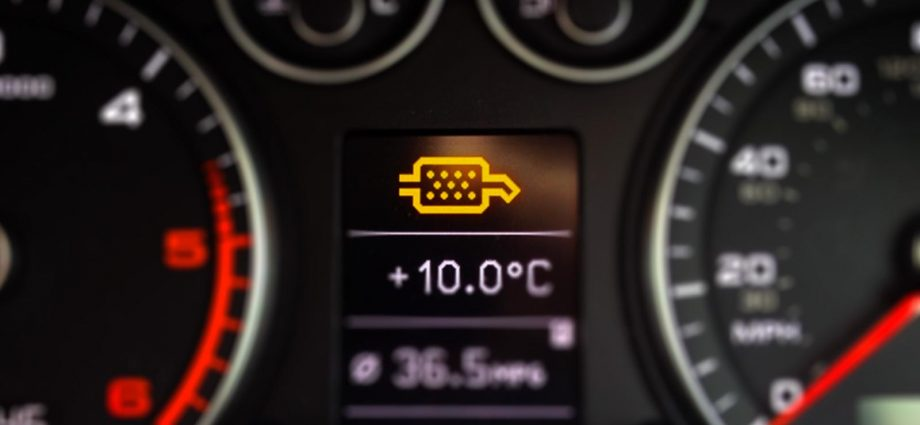
- Yellow/amber symbol (Regen Symbol / DPF Light): Indicates that the DPF is currently undergoing active regeneration or that the soot load is around 50%, reminding the owner to drive on the highway to assist with regeneration.
- "Exhaust System Regeneration in Process Continue Driving": A very important warning message. It indicates that automatic regeneration is in progress. Be sure to keep driving and do not immediately shut off the engine.
- "DPF Service Required Stop Engine" or a red warning light: Indicates that the DPF is severely clogged (the soot load is often above 85%) and automatic regeneration has failed. The engine may enter Limp Mode / Engine Derate at any time, limiting power. Pull over immediately and contact a professional repair shop or perform forced regeneration.
Can You Keep Driving During a Regen?
In most cases, you can and should continue driving during an on-road regeneration.
The best practice is to maintain vehicle speed and engine RPM: If the dashboard displays "Regen in Progress" or a similar message, the best response is to drive onto a highway or an open main road, maintain a speed above 60 km/h (40 mph), and keep engine speed at 2,000–2,500 RPM for 20 to 30 minutes, until the message disappears.
Do not shut off the engine repeatedly: If the engine is frequently shut off during active regeneration—for example, during repeated short stop-and-go trips—unburned soot may quickly harden into coke. This can completely clog the DPF and may also cause unburned diesel to seep into the oil pan, resulting in oil dilution and even damage to the engine bearings.
What If a Regen Does Not Complete or the DPF Warning Returns?
If the DPF warning light comes on frequently or active regeneration is repeatedly interrupted and cannot be completed, common causes include:
- Frequent short trips and low-speed driving: When a vehicle is driven in stop-and-go city traffic for extended periods, exhaust temperature may never reach the 550°C threshold required for regeneration.
- Sensor or hardware failure:
- The pressure sensor hose may be cracked, or the signal may be drifting.
- The exhaust gas temperature (EGT) sensor may have failed, preventing the ECU from accurately determining temperature.
- The throttle body/EGR valve may be stuck, causing the mixture to run too rich and producing excessive black smoke.
- Excessive ash accumulation: Keep in mind that regeneration can burn off soot, but it cannot burn off the inorganic ash left behind by engine oil combustion. When ash fills the DPF's internal capacity (typically after 150,000–200,000 km), the filter must be removed and cleaned off the vehicle.
- Common related diagnostic trouble codes (DTCs):
Diagnosis and Solutions
Step 1: Stop Safely and Record the Codes
If "DPF service required stop engine" appears, stop safely first. Use an OBD2 diagnostic tool or bidirectional diagnostic device that supports DPF functions to read the specific fault codes, freeze-frame data, and live data (pressure differential, exhaust temperature, soot load, and regeneration history). Clearing codes can erase freeze-frame data and diagnostic context, so record the information before deciding whether to clear them.
Step 2: Address the Fault Code First and Repair Hardware Before Regeneration
If P2452/P2453, EGT, or EGR/intake faults are present, repair the sensor or hardware first, clear the codes, and then perform regeneration according to the manual. Do not force a regeneration while a sensor fault remains unresolved; the procedure may be ineffective or blocked by the system, or it may create a risk under abnormally high temperatures. If the only issue is excessive soot load (such as P2463) and there are no hardware faults, perform parked regeneration according to the manual. If necessary, use a diagnostic tool for forced regeneration. This should be done on an open, noncombustible surface, with the required fluid and temperature conditions met, and the process must not be interrupted.
Step 3: Check the Oil Level and Smell
If the oil level has risen abnormally and the oil smells like diesel, repeated failed regenerations may have caused diesel to seep into the oil. The engine oil and oil filter must be replaced immediately, and the cause of the failed regeneration must be investigated. Do not just change the oil without repairing the DPF issue.
Step 4: If Forced Regeneration Fails, Arrange Professional Cleaning
If forced regeneration still fails, or the fault code points to P242F ash accumulation, do not keep repeating forced regeneration. Remove the DPF and send it to a professional repair shop for off-vehicle cleaning using pyrolysis, ultrasonic cleaning, or high-pressure water washing (DPF Physical Cleaning) in accordance with manufacturer specifications to remove noncombustible ash. After cleaning, the filter must be dried, backpressure and substrate integrity must be checked, and a DPF reset/learned-value reset must be performed.
Step 5: Consider Replacement if Backpressure Is Still Out of Range After Cleaning
If the substrate is damaged or melted, or backpressure remains too high after cleaning, replace the DPF assembly. A DPF reset must also be performed after replacement so the ECU can relearn the pressure differential and soot-load baseline for the new filter.
About DPF Delete Kits
Note: When DPF regeneration and clogging problems keep recurring, some users turn to products such as DPF delete kits. These are primarily intended for certain non-road, off-road, racing, or other compliant applications permitted by local regulations. Confirm the laws and permitted use in your area before purchasing.
The main advantages of these kits are: reducing downtime caused by frequent regeneration; avoiding torque derates, forced regeneration, and repeated shop visits caused by DPF clogging; lowering long-term DPF cleaning and replacement costs; and improving exhaust flow for high-load or special-use conditions.
Before purchasing, confirm local laws and vehicle use. We supply these products only to customers who confirm that their use is legal. We do not provide guidance for illegal modifications to on-road vehicles.
Proactive DPF Maintenance Tips: How to Extend DPF Life
Routine maintenance is essential to help avoid costly DPF repairs and replacement:
- Use low-ash engine oil (Low-SAPS Engine Oil): You must use low-sulfur, low-phosphorus, low-ash diesel engine oil that meets API CK-4, ACEA C3, or other applicable specifications. This is key to preventing rapid ash buildup in the DPF.
- Drive on the highway regularly: It is recommended to drive at highway speeds for more than 30 minutes once a week or every two weeks to create ideal conditions for natural passive regeneration.
- Repair engine faults promptly: Leaking fuel injectors, a leaking turbocharger, or an EGR valve fault can double the rate of carbon buildup. If the Check Engine light comes on, investigate it immediately.
- Use high-quality diesel fuel and additives: High-quality diesel can reduce the number of particulates produced during combustion. Using a professional DPF cleaning additive can help lower the ignition temperature required to burn soot (from around 600°C to around 450°C).
Conclusion
DPF regeneration is essentially the process by which a diesel particulate filter burns soot at high temperatures to restore its filtering capacity. If regeneration repeatedly fails or the DPF warning keeps returning, first record the diagnostic codes and check for pressure sensor, EGT, EGR/intake, and oil dilution issues. Then follow this sequence: "Parked Regen → Forced Regen → Professional Off-Vehicle Cleaning → DPF Replacement." For vehicles with frequent regeneration and recurring clogging, professional cleaning is usually more economical than replacing the filter without proper diagnosis. If the vehicle is used for non-road, off-road, racing, or another specific application permitted by local regulations, a DPF delete kit used in a compliant application may reduce regeneration downtime, torque derates, and long-term maintenance costs. Confirm local laws and vehicle use before purchasing. Illegal emissions modifications are not recommended for on-road vehicles.