 Contents
Contents
When the DPF warning light illuminates, a vehicle owner's primary concern usually isn't just the drop in performance—it's the looming replacement bill that could easily reach $2,000 or more. In 2026, DPF maintenance is no longer limited to the "expensive replacement" ultimatum.
This guide breaks down the true 2026 DPF cleaning costs—ranging from affordable professional thermal treatments to labor rate variances across regions (USA vs. Canada). We will skip the fluff and show you how to save up to 70% through scientific cleaning while identifying common "over-repair" traps at repair shops.
I. What is the Real Cost of DPF Filter Cleaning in 2026?
For most diesel owners, the first question when that dashboard light flickers on is: "What’s this going to cost me?" In the 2026 market, DPF solutions follow a clear cost hierarchy. To help you budget effectively, we’ve organized the core pricing based on service depth and vehicle type:
2026 DPF Service Cost Quick Reference (USD/CAD)
| Maintenance Level | Method | Estimated Price Range | Best Use Case |
|---|---|---|---|
| Entry Level (DIY) | DPF Additives / Solvents | $20 - $100 | Early prevention, light soot (Stage 1) |
| Basic Level (Shop) | Forced Regeneration | $150 - $400 | Software-triggered burn, no hardware removal |
| Professional (Off-Vehicle) | Pneumatic / Thermal / Ultrasonic | $350 - $900 | Severe blockage, removing unburnable Ash |
| Extreme (Replacement) | OEM / New Replacement | $2,500 - $8,000+ | Melted, cracked, or physically damaged filters |
If you are searching for prices because your dashboard is displaying a P2463 code, you can first read our P2463 Code Deep Dive Guide to understand the specific severity of the soot accumulation.
Why You Can’t Just Look at the "Cleaning Fee"
If you see someone on Reddit or Quora claiming it only costs "$200" while your shop quotes $600, it’s usually because of hidden add-on costs. In 2026, a standard bill is composed of three key parts:
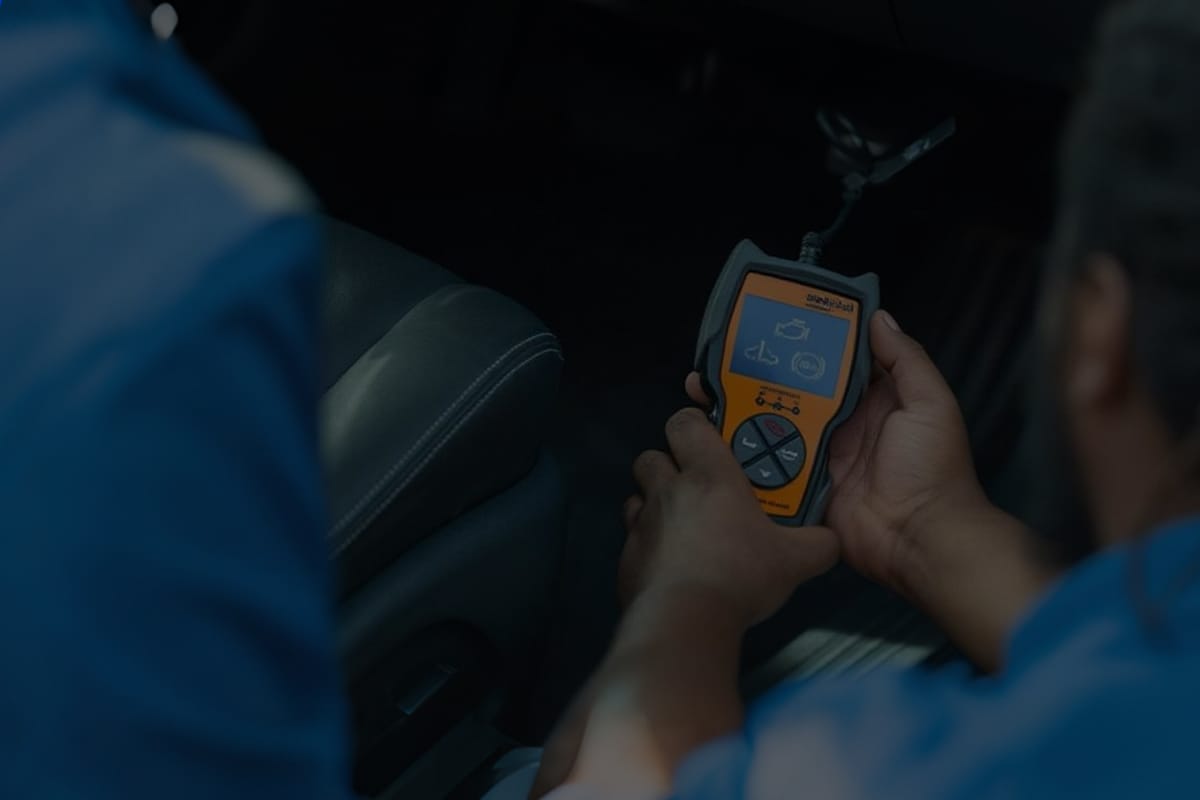
- Diagnostic Fee: Typically $100 - $200. A technician must use a scanner to confirm if the DPF is actually clogged or if a sensor (like the pressure sensor) has failed to avoid unnecessary cleaning.
- Removal & Installation (Labor): This is the biggest variable. A light-duty pickup might only require $200 in labor, but some heavy-duty trucks have complex exhaust layouts requiring 8+ hours of work, pushing labor costs past $1,000.
- Consumables: Includes new gaskets, clamps, and potential sensor cleaning supplies.
Are You in the "Research" or "Emergency" Phase?
- If you are searching for "DPF filter cleaning cost" for annual budgeting, use $400 - $600 as your median.
- If your vehicle is already in "Limp Mode," your costs may slide toward $800+ as it often involves deep physical cleaning or multiple recovery attempts.
II. 2026 DPF Cost Breakdown: Real Differences by Vehicle Type and Region
In the field of DPF maintenance, there is no such thing as a "flat rate." Market research in 2026 reveals that cleaning costs are heavily influenced by the vehicle’s structural design, regional labor rates, and local environmental compliance overhead. To give you a clear financial picture before you head to the repair shop, we have deconstructed the bill across three major dimensions.
USA (USD) vs. Canada (CAD) Real Quotations
Due to fluctuations in exchange rates, import duties on parts, and the severity of technician shortages, vehicle owners in these two countries face significantly different invoices for the same DPF service.
| Cost Item | USA (USD) | Canada (CAD) | Reason for Difference |
|---|---|---|---|
| Professional Cleaning (Off-Vehicle) | $350 - $850 | $500 - $1,100 | Cleaning equipment is largely imported; high logistics costs for remote northern regions. |
| Average Labor Rate (Hourly) | $120 - $180 | $140 - $210 | Severe technician shortages; rates in Ontario and BC remain at a premium. |
| Sensor Replacement (Sensors) | $250 - $400 | $350 - $550 | Cross-border logistics and import tariffs inflate spare parts pricing. |
| Forced Regeneration (Forced Regen) | $150 - $300 | $200 - $450 | Controlled primarily by dealerships; tied to local minimum wage and overhead. |
Economic Zones: Your Location Determines Your Bill
Even within the same country, the "price gap" between urban centers and rural areas is massive. In 2026, independent repair shop rates and total expenditures fall into the following tiers:
| Region Category | Representative Cities | Independent Shop Hourly Rate | Estimated Total Expenditure (R&I + Cleaning) |
|---|---|---|---|
| High-Cost Zones | California, New York, Toronto | $160 - $220 | $900 - $1,600 |
| Medium-Cost Zones | Texas, Florida, Ontario Provinces | $110 - $140 | $600 - $1,000 |
| Low-Cost Zones | Midwest Rural, Great Plains | $85 - $110 | $450 - $800 |
High-Cost Zone Tip: In Los Angeles or Toronto, besides the high hourly rates, you may be required to pay an additional $50–$100 "Environmental Disposal Fee" because of strict local taxes on industrial wastewater and waste ash disposal.
Vehicle Type: Structural Design Dictates Labor Costs
The physical size of the DPF and the complexity of the exhaust system are the ultimate "game changers" for your final bill.
- Light-Duty Diesel Pickups (e.g., Ford Powerstroke, Duramax, Cummins): The DPF units on these models are relatively accessible. In 2026, a standard professional cleaning (including removal and installation) in a medium-sized US city has a suggested budget of around $750.
Risk Point: If you drive in the Canadian "Salt Belt," exhaust bolts and sensors are prone to extreme rusting; disassembly labor could exceed expectations by 1–2 hours. - Heavy-Duty Trucks & Commercial Vehicles (Semi-trucks / Class 8): Because the DPF filters are massive and typically require a 24-hour "Thermal Bake" cycle, the cleaning fee alone starts at $800 USD / $1,100 CAD (cleaning only).
- Extreme Cases: On some truck models where the DPF is mounted beneath the cab, removal may require a "Cab-off" operation, which can easily push the total bill past $2,500.
Hidden Costs: Financial Leaks Beyond the Shop Bill
Many vehicle owners overlook two critical economic pitfalls when calculating DPF maintenance costs:
- Downtime: Professional deep cleaning usually takes 1–2 days. For commercial trucks, this translates to $500 – $1,500 per day in potential revenue loss. This is why some owners prefer to swap for a refurbished unit immediately rather than waiting for their own to be cleaned.
- Fuel Efficiency: A clogged DPF forces the engine to combat extremely high exhaust backpressure. Data indicates that a heavily carboned DPF can increase fuel consumption by 3% – 5%. Given current diesel prices, delaying a cleaning for 3 months might cost you more in wasted fuel than the cleaning service itself.
III. The Truth Behind the Price: Why Such Large Discrepancies in DPF Quotes?
When inquiring about **diesel particulate filter (DPF)** maintenance, you may receive quotes ranging from as low as $50 to as high as $800. In 2026, this massive price spread isn't just about a repair shop's profit margin; rather, it reflects differences in cleaning technology, diagnostic depth, and the long-term integrity of the exhaust components.
Technology Determines the Price: Chemical Flush (Cleaning) vs. Thermal Restore
The cleaning method chosen is the single biggest variable in your 2026 invoice. Modern DPF restoration follows three distinct tiers based on the severity of the blockage:
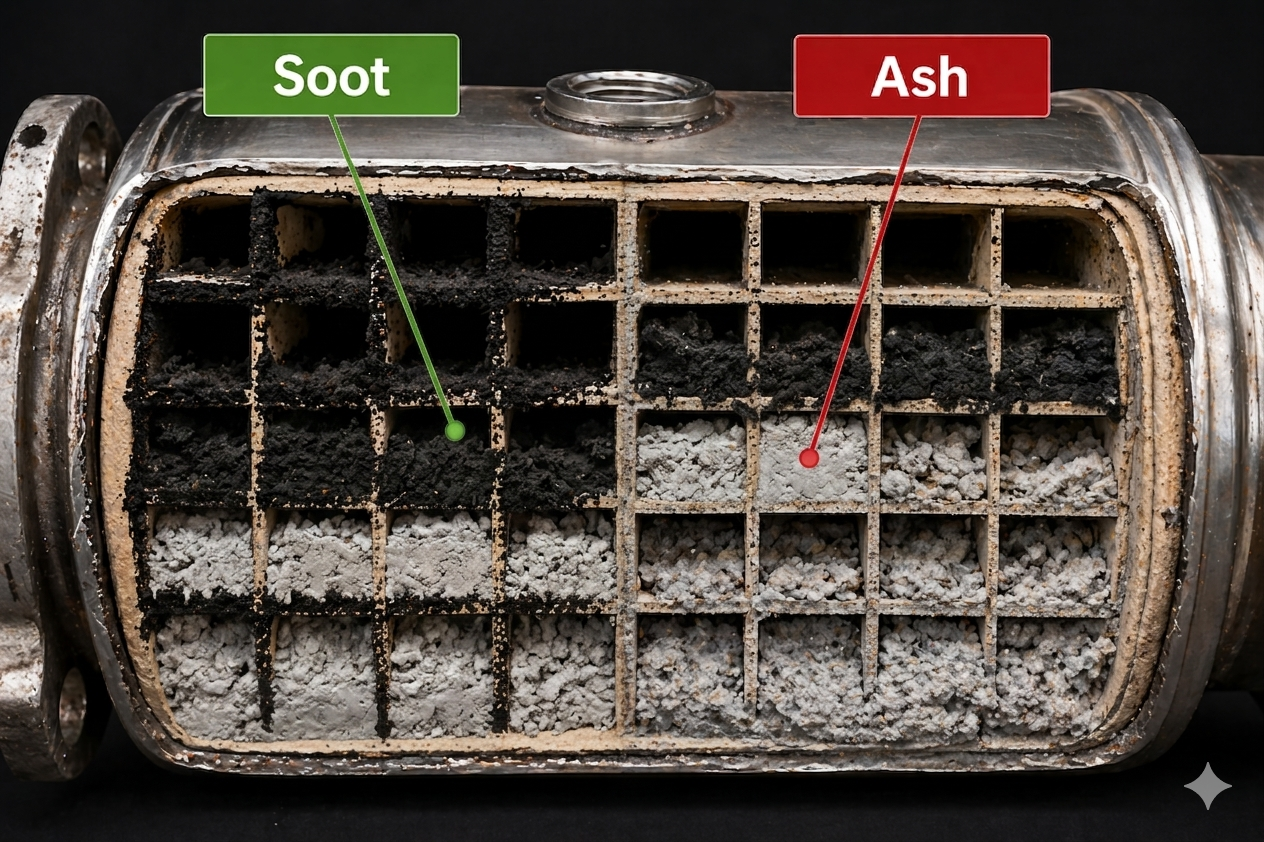
- Chemical Additive Cleaning ($20 - $100): This involves pouring a **DPF cleaner** additive into the fuel tank or spraying a solvent directly into the filter. It is designed to lower the ignition point of **soot** but is completely incapable of removing accumulated **ash** (non-combustible metallic waste).
Risk: If your DPF is already facing severe **exhaust backpressure**, this is merely a temporary "painkiller"—the fault light will likely return within a few hundred miles. - Pneumatic / Hydro-Cycle Cleaning ($300 - $500): This utilizes compressed air or high-pressure water cycles paired with specialized solvents to physically blast away particulate matter.
Applicability: This is a cost-effective choice for preventative maintenance on light to moderately clogged filters, offering a fast turnaround time. - Professional Thermal Bake / Ultrasonic Recovery ($600 - $900): The filter core is placed in a specialized kiln for an 8-12 hour **thermal regeneration** cycle to oxidize soot into ash, which is then thoroughly removed via ultrasonic vibration.
Value: This is the only method that restores a DPF to over 95% of its original factory flow rate. For users searching for a long-term solution to "DPF filter cleaning cost," this is the only true professional-grade recovery.
The "Trick" in Diagnostic Fees: Why $150 Upfront Saves You Thousands
Many diesel owners complain about the $100 - $200 diagnostic fee. However, in 2026, a skilled technician uses these diagnostics to verify the health of the entire **aftertreatment system**, often preventing you from paying for a replacement you don't need:
- DPF Sensor False Positives: Sometimes the filter itself is physically clear, but the sensor circuit has failed. For example, P2452 or P2453 fault codes usually point to a performance issue with the **DPF Pressure Sensor A circuit**. Before paying for an expensive cleaning, please check for P2452 Sensor Faults or P2453 Sensor Range/Performance issues. Replacing a faulty sensor is a $200 fix, whereas a full DPF cleaning could cost $800.
- Upstream Engine Faults: If your **EGR valve** is stuck or fuel injectors are "dripping," your DPF will clog again within 1,000 miles even after a professional cleaning. A diagnostic scan identifies these "filter killers" early.
- Physical Substrate Damage: Technicians use a borescope to inspect the ceramic honeycomb for cracks (**Cracked DPF**) or melting (**Melted DPF**). Once physical damage occurs, any cleaning attempt is a waste of capital.
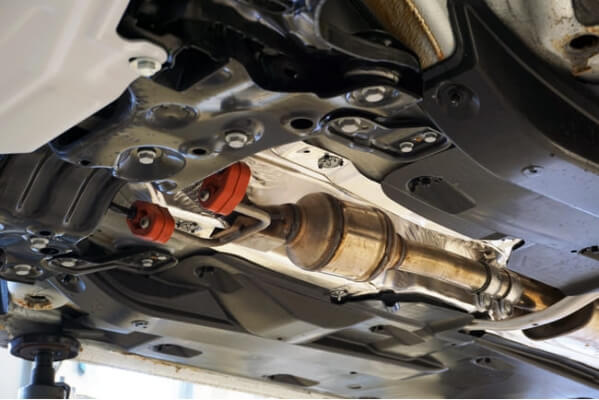
Additionally, P2002 (Efficiency Below Threshold) or P246C (Power Restricted) codes are essential indicators for determining if your DPF requires deep mechanical cleaning or total replacement.
Survival Guide: How to Spot "Over-Repair" Traps at the Shop
Based on recent community feedback on platforms like Reddit, we have identified several common price traps in the 2026 market:
- "All Sensors Must Be Replaced": Unless a sensor is seized into the housing due to rust, most can be cleaned and reused. If a shop insists on replacing the entire set of 3-4 sensors (at $150+ each), ask for a scan report showing specific sensor circuit failures.
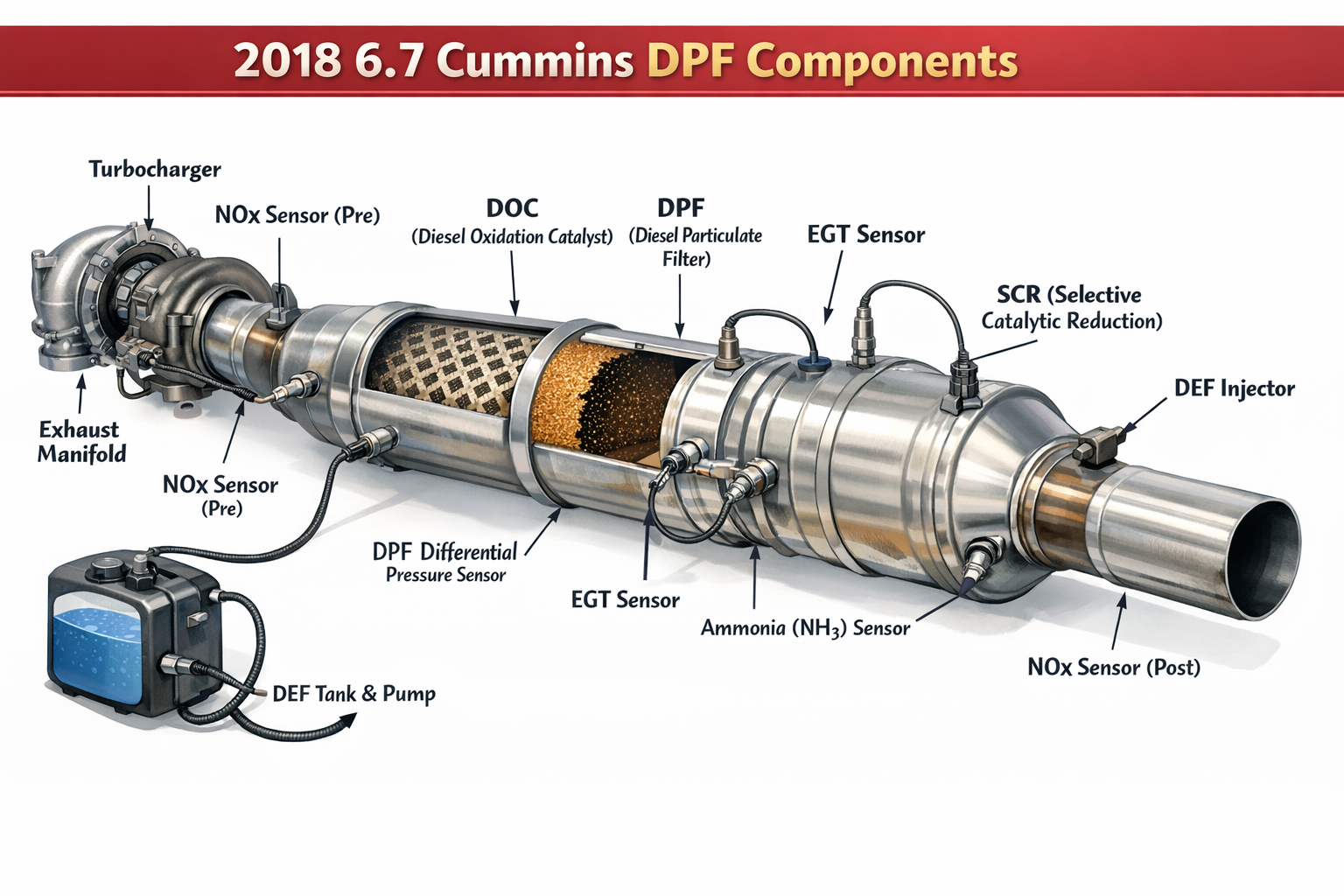
- Mandatory DOC/SCR Replacement: Unless actual fluid contamination has occurred (e.g., turbo oil leaking into the exhaust), a **DPF cleaning** does not automatically require the simultaneous replacement of the expensive **SCR (Selective Catalytic Reduction)** system.
Decision Logic: How to Choose the Most Cost-Effective Path?
To optimize your maintenance budget, follow this 2026 decision framework:
- If your vehicle has under 100,000 miles: Try professional pneumatic/hydro cleaning (approx. $400); this offers the best preventative price-to-performance ratio.
- If your vehicle has over 150,000 miles and has never been cleaned: You must opt for a deep thermal bake (approx. $800) to remove hardened ash, or your money will be wasted on ineffective chemical flushes.
- If the total quote for cleaning exceeds $1,500 (for light-duty trucks): Exercise caution. This price point is approaching the cost of high-quality **aftermarket DPF** units that come with new warranties.
IV. Financial Decision Model: DPF Cleaning vs. Replacement
Facing a massive bill for your **diesel exhaust system**, the biggest dilemma is usually: Should I spend $800 on a professional cleaning or $3,000 on a brand-new unit? In 2026, industry data provides a clear "stop-loss" framework to help you decide.
When Is Professional Cleaning Most Cost-Effective? (The "Sweet Spot")
- Mileage between 100,000 - 150,000 miles: This is the DPF's "mid-life." Usually, the internal ceramic structure is intact, but the **ash accumulation** has reached a critical threshold. A professional deep clean (approx. $600 - $800) can restore over 95% of its original flow, extending its lifespan for another 100,000 miles.
- Budget-Constrained Compliance: Cleaning saves 70% - 80% of the cost compared to an OEM replacement. For most light-duty pickup owners, this is the most cost-effective path to maintaining **emissions compliance**.
When to Abandon Cleaning (The "Red Flags")
If you encounter these scenarios, do not waste a cent on cleaning—these conditions are irreversible:
- Internal Melting (Melting): If an engine fault causes extreme exhaust temperatures, the ceramic substrate inside the DPF can melt like lava. You can detect this "collapse" by tapping the filter and listening for a hollow sound or by using an inspection borescope.
- Substrate Cracking (Cracking): Violent vibrations or improper chemical cleaning can cause the internal honeycomb to crack. Once cracked, **diesel particulate matter (PM)** or black smoke will bypass the filter; cleaning cannot repair physical fractures.
- Persistent High Backpressure: If, after two professional **thermal bake** cycles, the DPF pressure sensor still shows readings above the threshold, the internal cells are likely "sintered" (permanently fused by ash). Replacement is now your only option.
Long-Term Trade-offs: The "Ultimate Options" After Cleaning Fails
Performance-Oriented: DPF Delete Kits
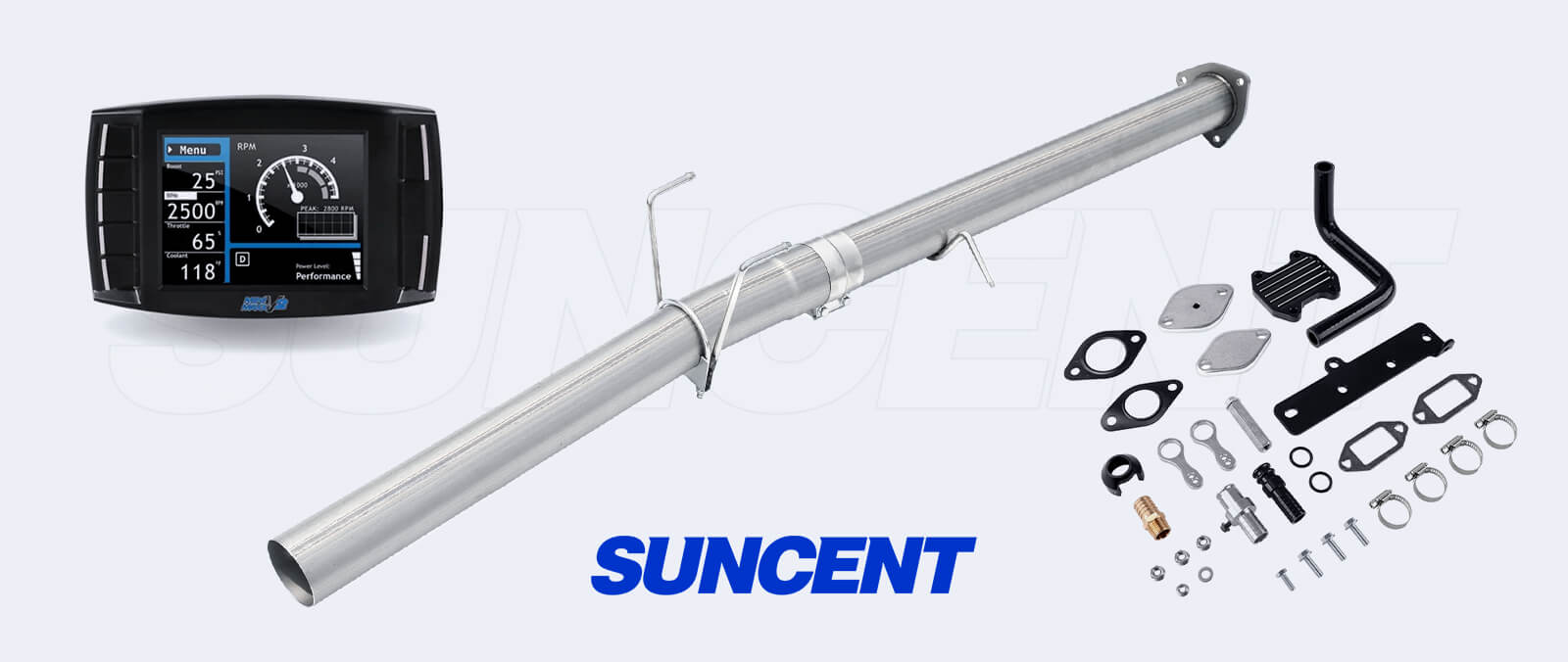
This isn't a "repair" but a total system reconstruction. For those no longer restricted by highway emissions laws (e.g., racing, farm work, or pure off-road environments), a diesel delete kit offers high appeal:
- The Financial Logic: An initial investment in a DPF delete pipe and Tuner (approx. $1,000 - $2,500) permanently ends all future cleaning fees, sensor failures, and the risk of engine oil dilution.
Warning: If you are looking for a cheap fix, beware of "hard deletes" without a tuning device. Understand the consequences of EGR/DPF delete without a tuner, as it can lead to irreversible engine damage. - Performance Bonus: Removing the DPF lowers exhaust backpressure, boosts horsepower, and significantly improves fuel economy. For 6.7L Powerstroke owners, the MPG gain is a core consideration. View the 6.7 Powerstroke MPG after DPF delete real-world data.
- Compliance Reminder: This is considered illegal for public road use in most parts of North America. Always verify your local emissions testing policies before purchase.
Compliance-Oriented: Exchange Program (Refurbished Units)
If you cannot afford a $3,000+ OEM part but live in a strict emissions zone (like California or Ontario), consider a refurbished exchange:
- The Financial Logic: You trade in your old DPF "core" to the manufacturer and pay approx. $1,200 - $1,800 for an industrially refurbished unit.
- Advantages: This saves nearly 50% of your budget, ensures you remain street-legal, and usually comes with a 1-year warranty.
How to Extend the Life of Your Cleaned DPF?
Since you've invested hundreds in a clean, your maintenance habits will determine if that money was an investment or a waste.
- Use Low-Ash/SAPS Oil: Ensure your oil meets CJ-4 or CK-4 standards. Standard engine oil produces metallic ash that the DPF's "regeneration cycle" cannot clear—it is the #1 "filter killer."
- Break the "City Driving" Curse: Take at least one 30-minute highway trip (60+ mph) per week. This triggers "passive regeneration", using natural heat to burn off soot and reducing shop visits.
- Never Ignore the Warning Light: A DPF light means the system is attempting to save itself. If you continue driving, soot turns into hardened ash, pushing your potential cleaning cost from $400 to over $800.
- Monitor Upstream Faults: In 2026, diesel engines are precision systems. A failing "EGR valve" or a leaking turbocharger will ruin a freshly cleaned DPF in just a few thousand miles.
Conclusion
Now that you understand the costs and the logic behind them, are you unsure which path is right for your truck? Next Step: Read our ultimate comparison: DPF Cleaner vs. Professional Cleaning vs. Delete Kit. By understanding the pricing logic for your specific vehicle and region, you can successfully avoid $2,350 "over-repair" traps and keep your diesel running strong on a realistic budget.
Conclusion
Now that you have a grasp of the 2026 cost landscape, are you still unsure which path to take? Next Step: Read our ultimate comparison: DPF Cleaner vs. Professional Cleaning vs. Delete Kit. By understanding the price logic for different regions and vehicles, you can successfully bypass $2,350 "over-repair" traps and keep your diesel running strong on a realistic budget.