 Contents
- What Is a DPF? Why Would a Driver Modify It?
- 6.7 Powerstroke DPF Delete MPG Results: What Owners Actually Report
- 6.7 Powerstroke DPF Delete Kit - A Key Modification for Improving Performance
- Why Is ECU Tuning Discussed Alongside DPF Modifications?
- Legal and Warranty Considerations for DPF Removal
- How to Improve MPG on a 6.7 Powerstroke With or Without Modifications
- Conclusion
- FAQs
Will removing the DPF improve my 6.7 Powerstroke's MPG?
Debates abound on trucking forums and YouTube channels about DPF removal and improved mileage. In this guide, we'll explore actual owner-reported MPG figures, 6.7 Powerstroke MPG after DPF delete, and legal and practical ways to improve fuel efficiency.
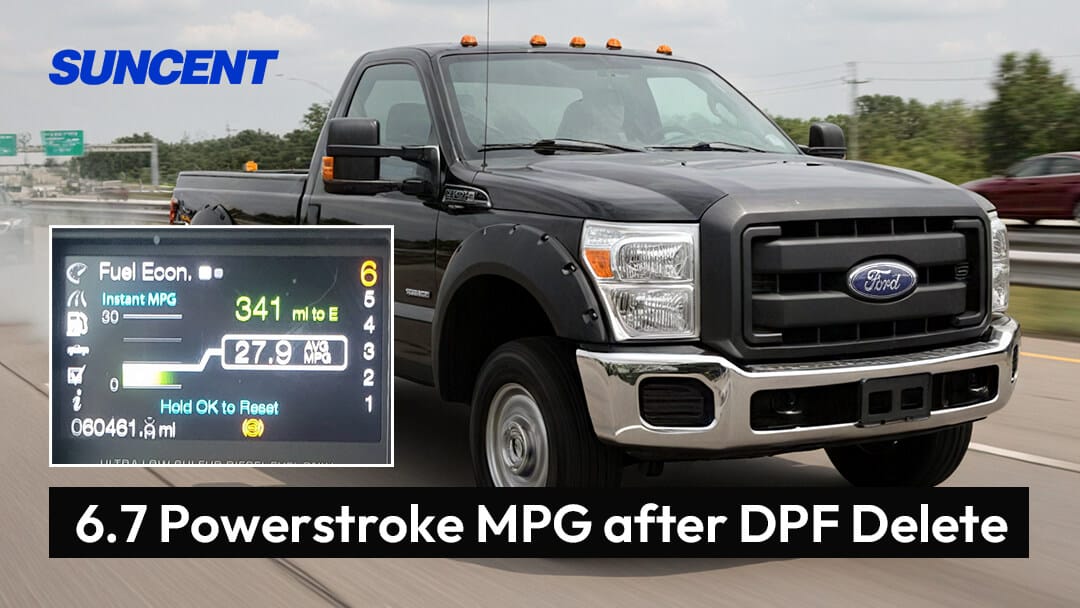
How Much MPG Can a 6.7 Powerstroke Gain After a DPF Delete?
Owner reports range from no noticeable MPG improvement to approximately 6 MPG higher in a favorable highway comparison. These are individual reports, not guaranteed results, and some of the largest gains involve additional intake and tuning modifications.
What Is a DPF? Why Would a Driver Modify It?
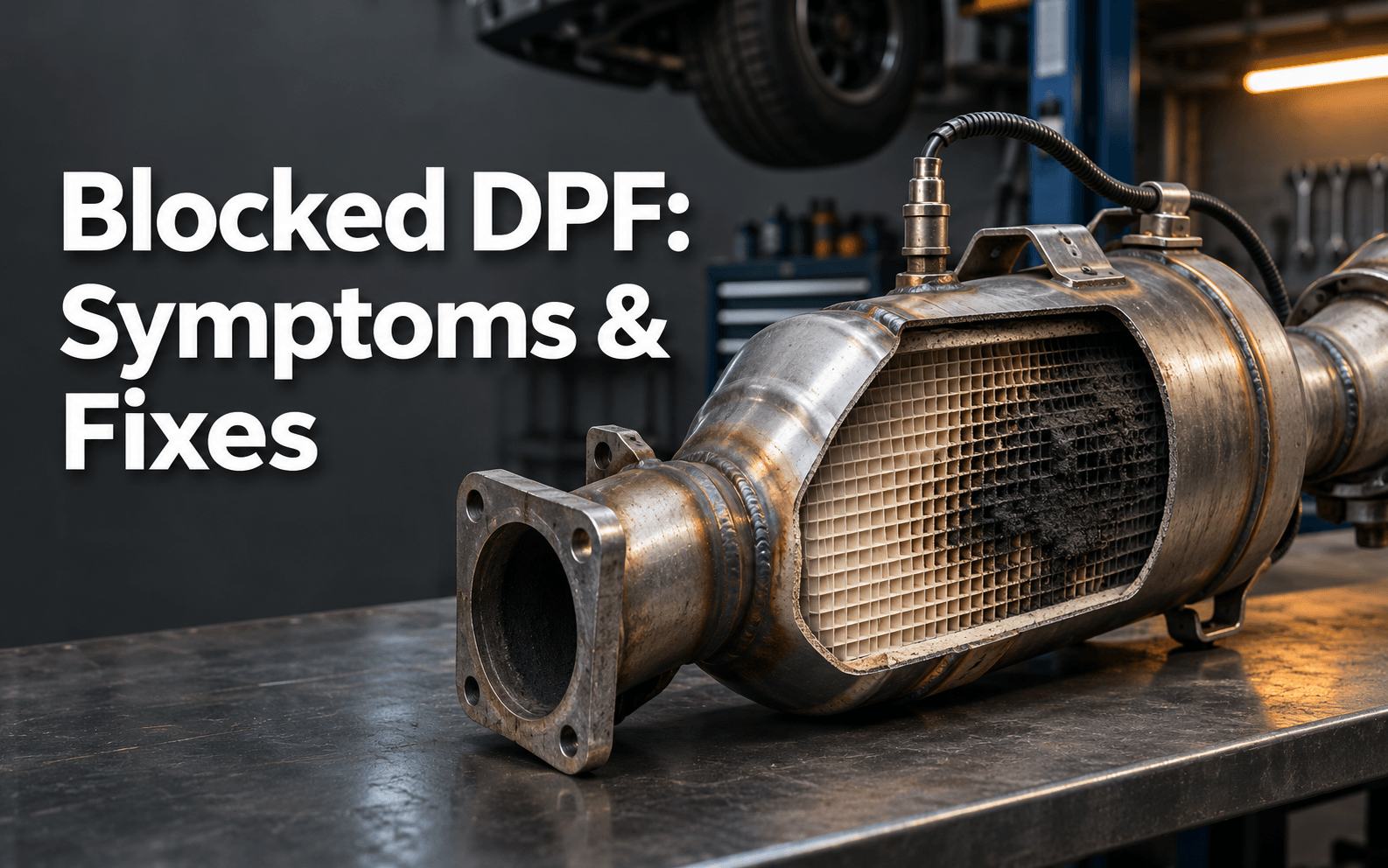
The DPF, or diesel particulate filter, is a critical component of modern diesel trucks, including the 6.7 Powerstroke. Its primary function is to capture and store soot and particulate matter from the exhaust, helping the truck meet applicable emissions standards set by the U.S. Environmental Protection Agency (EPA).

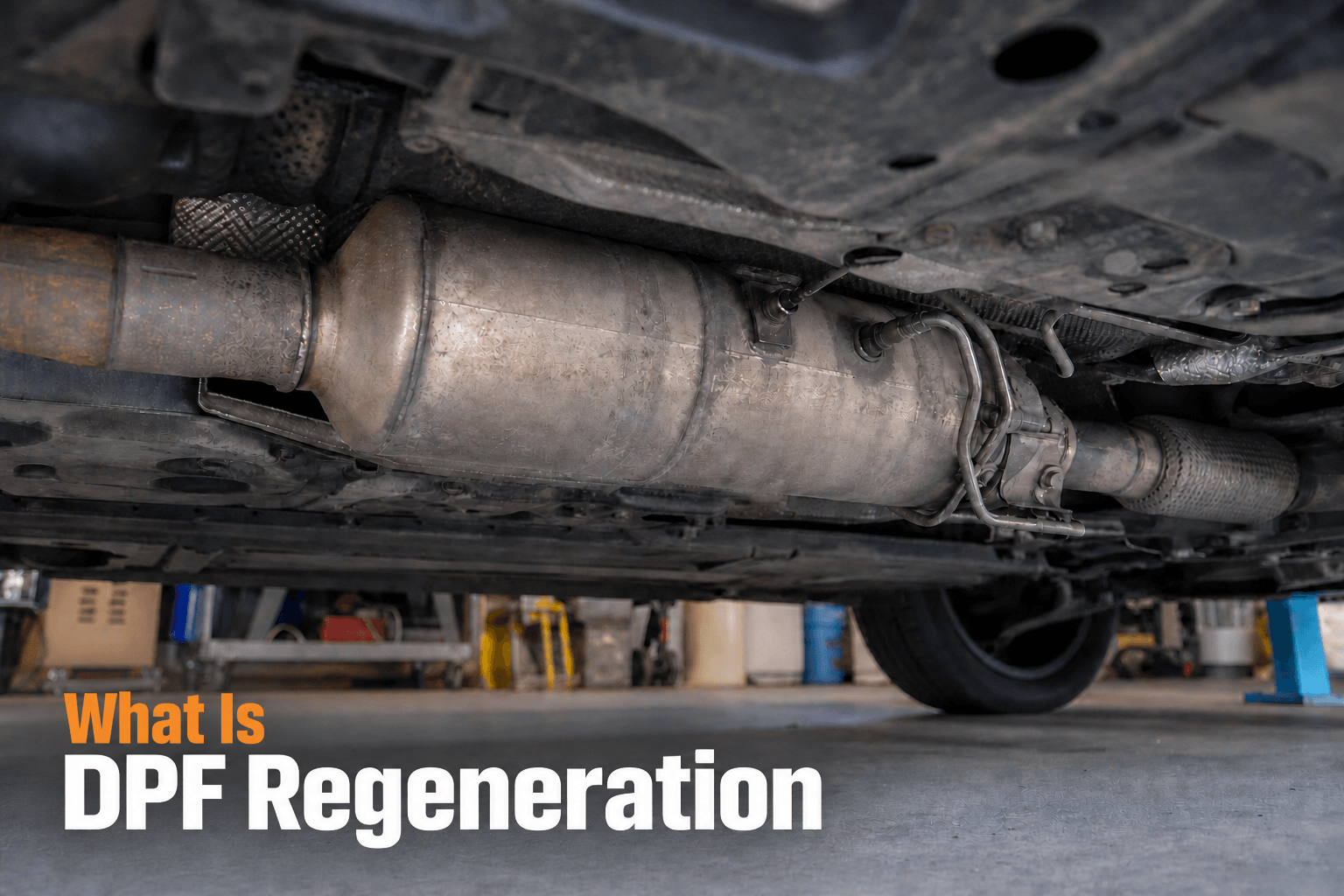
The DPF periodically undergoes a process called regeneration, which raises exhaust temperatures to burn accumulated soot. Depending on operating conditions, active regeneration can require additional fuel. This is one reason owners discuss regeneration when comparing real-world fuel economy. For more background, see our guide to DPF systems, their purpose, and related considerations.
Pros and Cons of a DPF System
DPF Advantages:
- Helps meet applicable emissions regulations.
- Reduces visible black smoke and particulate emissions.
DPF Disadvantages:
- Frequent Regeneration: The DPF periodically burns accumulated soot through a process called regeneration. Active regeneration can increase fuel consumption under certain driving conditions.
- Power and Exhaust Flow: A properly functioning DPF is designed to operate with the factory exhaust system. Excessive restriction caused by a clogged or malfunctioning filter can affect engine performance.
- Maintenance Cost: A damaged or clogged DPF may require diagnosis, cleaning, or replacement. Our guide to DPF filter cleaning costs explains one of the maintenance considerations owners may encounter.
- Potential MPG Impact: Some drivers report lower fuel economy during frequent regeneration, although the effect varies by vehicle and driving conditions.
Common Reasons Why Vehicle Owners Consider DPF Modifications
- Interest in changes to power, torque, and throttle response.
- Concerns about DPF maintenance and replacement costs.
- Potential changes in fuel economy reported by other owners.
6.7 Powerstroke DPF Delete MPG Results: What Owners Actually Report
Does the 6.7 Powerstroke's MPG improve after DPF removal?
Some owners report better MPG after DPF-related modifications, while others report little or no noticeable change. Public owner reports reviewed for this article range from no noticeable improvement to approximately 6 MPG higher in a favorable highway comparison.
Forum discussions provide useful real-world observations, particularly when the same owner records fuel economy before and after a modification on the same truck.
Comparison: Stock vs. Modified 6.7 Powerstroke MPG
| Model Year / Vehicle | Before Modification | After Modification | Reported Change | Owner Report |
|---|---|---|---|---|
| 2015 F-250 6.7L | 15.5 MPG | 18.5 MPG | +3 MPG | The owner reported daily-commute results after EGR, DPF, and DEF changes with SCT BDX tuning. Original owner discussion. |
| 2018 6.7L Powerstroke | 15 MPG | 19 MPG | +4 MPG | The owner reported before-and-after MPG figures. Detailed measurement conditions were not provided. Original owner discussion. |
| 2012 F-350 6.7L | Approximately 17–18 MPG highway | Approximately 22–23 MPG highway | Approximately +4 to +6 MPG | The owner also mentioned a cold-air intake and SCT tuning, so the result reflects multiple modifications. Original Ford Trucks discussion. |
| 2011 6.7 Powerstroke | Reported as similar to the modified result | Approximately 19–20 MPG reported | No noticeable improvement | The discussion mentions a 4-inch exhaust with a muffler and MiniMaxx tuning. The owner reported little difference before and after modification. Original Ford Trucks discussion. |
Note: These figures are owner-reported results, not controlled test averages. Additional modifications are listed when mentioned in the original discussion.
Why Do Some 6.7 Powerstroke Owners See No MPG Improvement?
Not every truck responds the same way to exhaust and calibration changes. Some owners report little or no MPG improvement, while others report better results under particular driving conditions. The type of modification, tuning, driving speed, and measurement method can all affect the reported outcome.
Owners also report different experiences with DPF-related modifications and vehicle reliability. See our guide to common 6.7 Powerstroke DPF-delete problems for related considerations.

Some drivers report highway fuel economy above 22 MPG under favorable driving conditions. These figures represent individual results, not guaranteed MPG for every truck.
6.7 Powerstroke DPF Delete Kit - A Key Modification for Improving Performance
When researching 6.7 Powerstroke MPG after DPF delete, owners often compare exhaust components and tuning options. Different exhaust configurations, including DP-back exhausts and race pipes, should not be treated as equivalent because the components and modifications involved may differ.
What Are the Benefits of a 6.7 Powerstroke DPF Delete?
Owners commonly discuss potential fuel-economy changes, exhaust flow, throttle response, and maintenance costs. Some report higher MPG after extensive modifications, but these outcomes are not guaranteed and may reflect multiple changes rather than a single exhaust component.
SuncentAuto offers a range of Powerstroke diesel exhaust and related products. Product specifications, vehicle fitment, and applicable emissions requirements should be checked before choosing components.
Key Considerations When Comparing Exhaust Modifications
- Fuel Economy: Some owners report improved MPG after exhaust and tuning changes, but the available reports do not establish a universal improvement attributable to one component.
- Power and Torque: Engine calibration and exhaust configuration can affect performance. Actual results depend on the vehicle and modifications involved.
- Maintenance Costs: Maintenance requirements vary by vehicle condition and component configuration.
- Driving Experience: Exhaust sound and throttle response may change with aftermarket components and calibration.
Does Exhaust Pipe Size Affect 6.7 Powerstroke MPG?
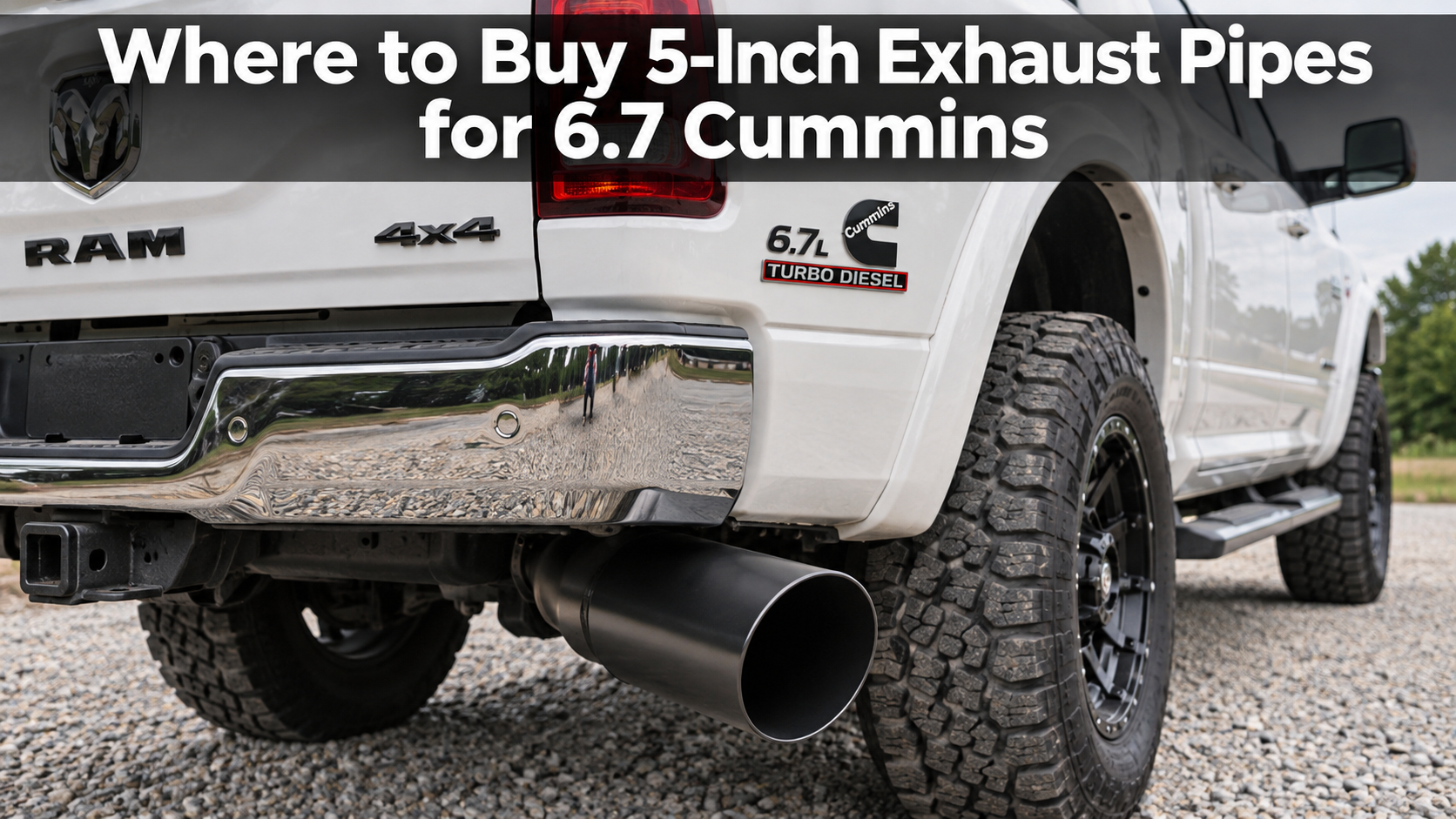
Exhaust diameter is one factor in an exhaust configuration, but pipe size alone does not establish a predictable MPG gain. Owners comparing 4-inch and 5-inch exhaust systems should consider the complete configuration rather than assuming that a larger pipe guarantees better fuel economy. Our guide to 4-inch vs. 5-inch exhaust for the 6.7 Powerstroke covers the differences between these setups.
Why Is ECU Tuning Discussed Alongside DPF Modifications?
Many owners discuss exhaust modifications alongside ECU tuning after DPF-related modifications. When hardware and calibration change at the same time, the resulting MPG difference cannot automatically be attributed to the exhaust alone.
Avoiding ECU Errors and Limp Mode
Changes to exhaust hardware can affect the operation of the factory aftertreatment system and its monitoring functions. Warning lights or reduced-power conditions should be diagnosed using the vehicle manufacturer's service information.
Does Tuning Improve 6.7 Powerstroke MPG?
Tuning can affect fueling, boost, throttle response, and transmission behavior, but it does not automatically improve fuel economy. Some owners report lower fuel consumption after calibration changes, while others experience little improvement. A before-and-after comparison is needed to establish the actual result for a particular truck.
When comparing tuning options, consult our guide to tuners for the 6.7 Powerstroke for additional information about available products and compatibility.
SuncentAuto's ECU Tuning Products
SuncentAuto offers the Mini Maxx Tuner V2 and Mini Maxx Tuner V1. Features, compatibility, and calibration options vary by product and vehicle.
Verify compatibility with your exact model year and engine, and confirm that the intended application complies with applicable emissions requirements.
SuncentAuto also offers diesel all-in-one kits for customers comparing available product configurations.
Legal and Warranty Considerations for DPF Removal
Before considering emissions-system modifications, it is important to understand the legal and practical consequences.
- Federal and State Emissions Regulations: The U.S. Clean Air Act prohibits tampering with required emissions controls and certain aftermarket defeat devices. Review the EPA's emissions tampering policy and applicable state requirements.
- Warranty Impact: Modifications may affect warranty coverage, particularly when a failure is related to the modification. Review the applicable warranty terms.
- Inspection Failure: Requirements vary by jurisdiction, and vehicles with modified emissions equipment may fail applicable inspections.
Important: Off-road labeling does not automatically make a modification legal for every vehicle or location.
How to Improve MPG on a 6.7 Powerstroke With or Without Modifications
Even if your truck retains its factory emissions equipment, several practical steps can help improve fuel economy. The FuelEconomy.gov driving tips provide additional guidance.
- Check tire pressure regularly.
- Replace air and fuel filters according to the manufacturer's maintenance schedule.
- Reduce unnecessary idling.
- Drive smoothly and maintain moderate highway speeds.
- Avoid unnecessary vehicle weight.
- Diagnose engine and aftertreatment faults promptly.
- Follow the manufacturer's recommended maintenance and calibration requirements.
Conclusion
So, does removing the DPF improve the MPG of your 6.7 Powerstroke?
Owner reports range from no noticeable improvement to approximately 6 MPG higher in a favorable highway comparison. Some of the largest reported gains involve multiple modifications, so the full improvement cannot be attributed to DPF removal alone.
Actual fuel economy depends on the truck's configuration and operating conditions. Compare documented before-and-after results rather than assuming every vehicle will achieve the same MPG.
For public-road vehicles, retain required emissions equipment and verify applicable regulations before purchasing or installing aftermarket exhaust or tuning products.
FAQs
What are typical MPGs for the 6.7 Powerstroke?
Owner-reported fuel economy varies by model year, configuration, speed, and load. Broad illustrative ranges include:
- Highway, unladen: approximately 17–22 MPG.
- City driving: approximately 11–17 MPG.
- Towing: approximately 8–14 MPG, depending on trailer weight and conditions.
These are general owner-reported ranges, not official ratings or guaranteed results.
Does removing the DPF improve fuel economy?
Some owners report higher MPG after DPF-related modifications, while others report little or no change. The available owner reports do not establish a universal improvement.
What speed yields the best fuel economy?
Moderate highway speeds generally use less fuel than higher speeds because aerodynamic drag increases as speed rises. The best speed depends on the vehicle, load, and road conditions.
Does the 10-speed transmission improve fuel economy?
Transmission gearing can affect engine RPM and fuel consumption, but the actual difference depends on vehicle configuration and driving conditions.
How can I legally improve the fuel economy of my 6.7 Powerstroke?
Maintain correct tire pressure, reduce unnecessary idling, drive at moderate speeds, follow the maintenance schedule, and ensure the engine and emissions system are operating properly.
Will removing the DPF improve fuel mileage?
Some owners report higher MPG after DPF-related modifications, but results vary. The reported figures should be treated as individual experiences rather than guaranteed improvements.
Is removing the 6.7 Powerstroke DPF worth it?
The answer depends on the intended use, costs, vehicle configuration, and applicable laws. For public-road vehicles, retain required emissions equipment and investigate compliant ways to improve fuel economy.