 Contents
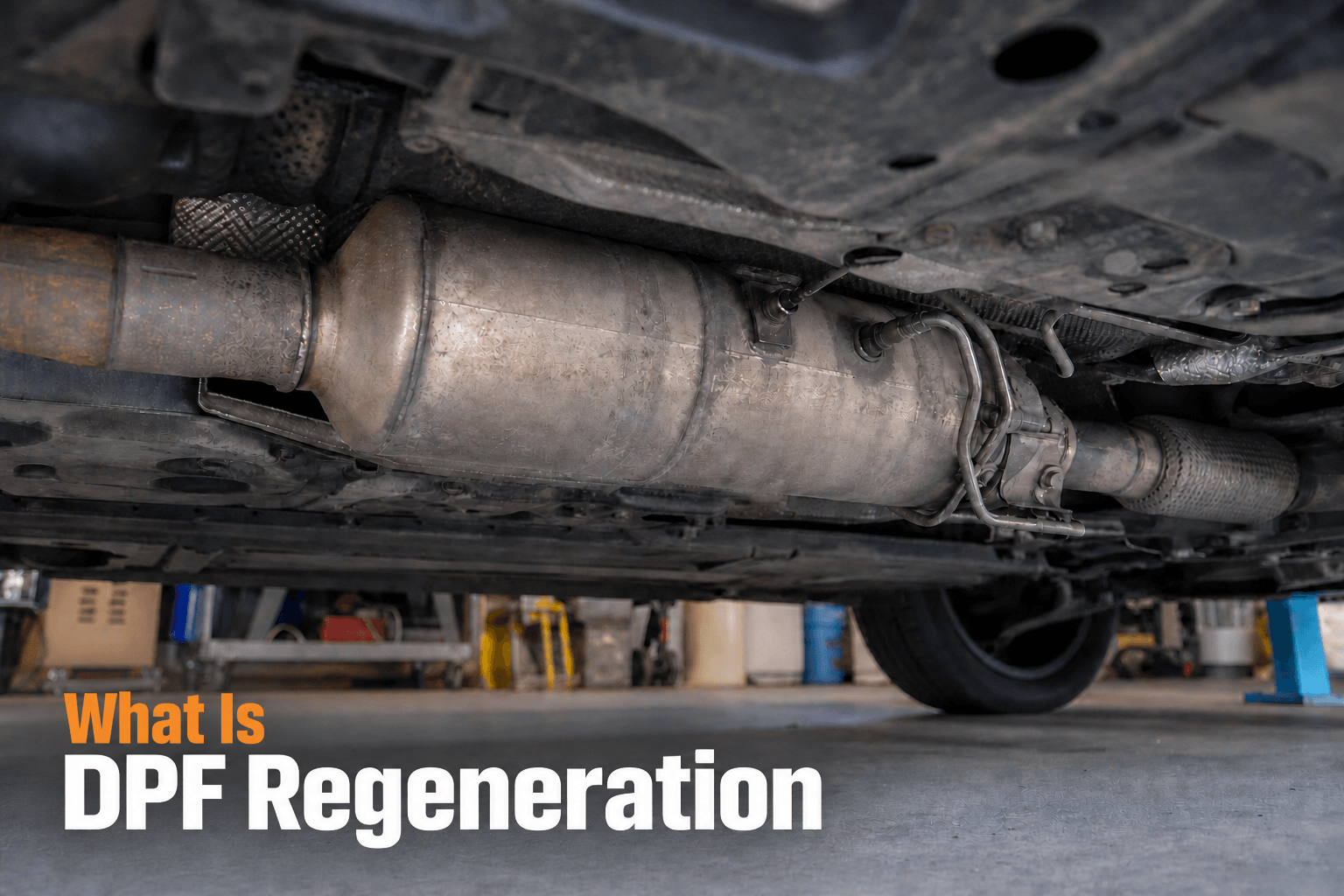
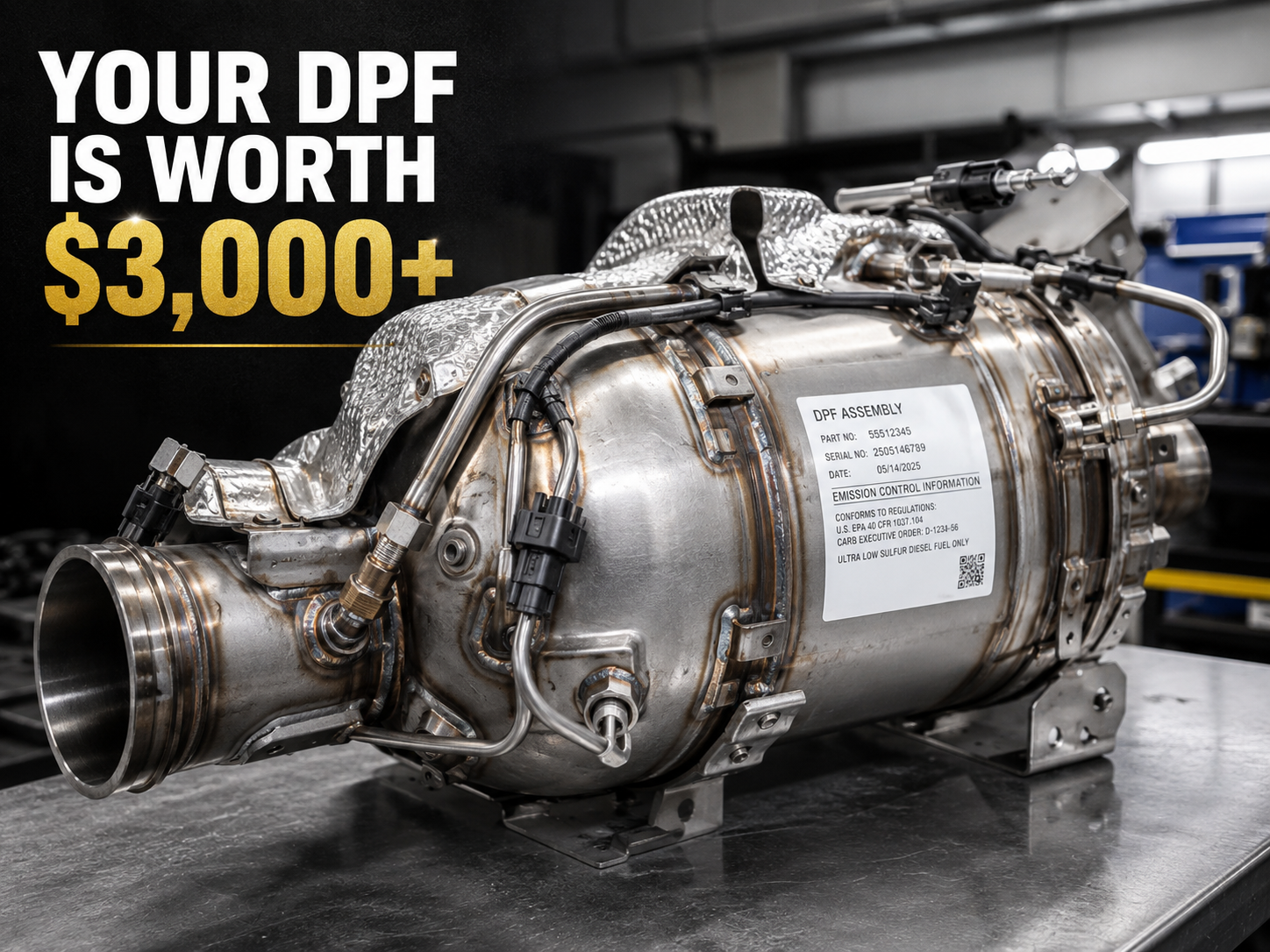
For diesel vehicle owners, a blocked diesel particulate filter (DPF) is one of the most common and frustrating problems. Once the DPF is completely clogged with exhaust residue, it can cause a severe loss of engine power, a sharp increase in fuel consumption, and even trigger engine protection mode (Limp Mode), potentially leading to repair or replacement bills worth thousands of dollars. This article takes an in-depth look at DPF blockage symptoms, root causes, and repair options to help you address diesel exhaust system concerns in one place.
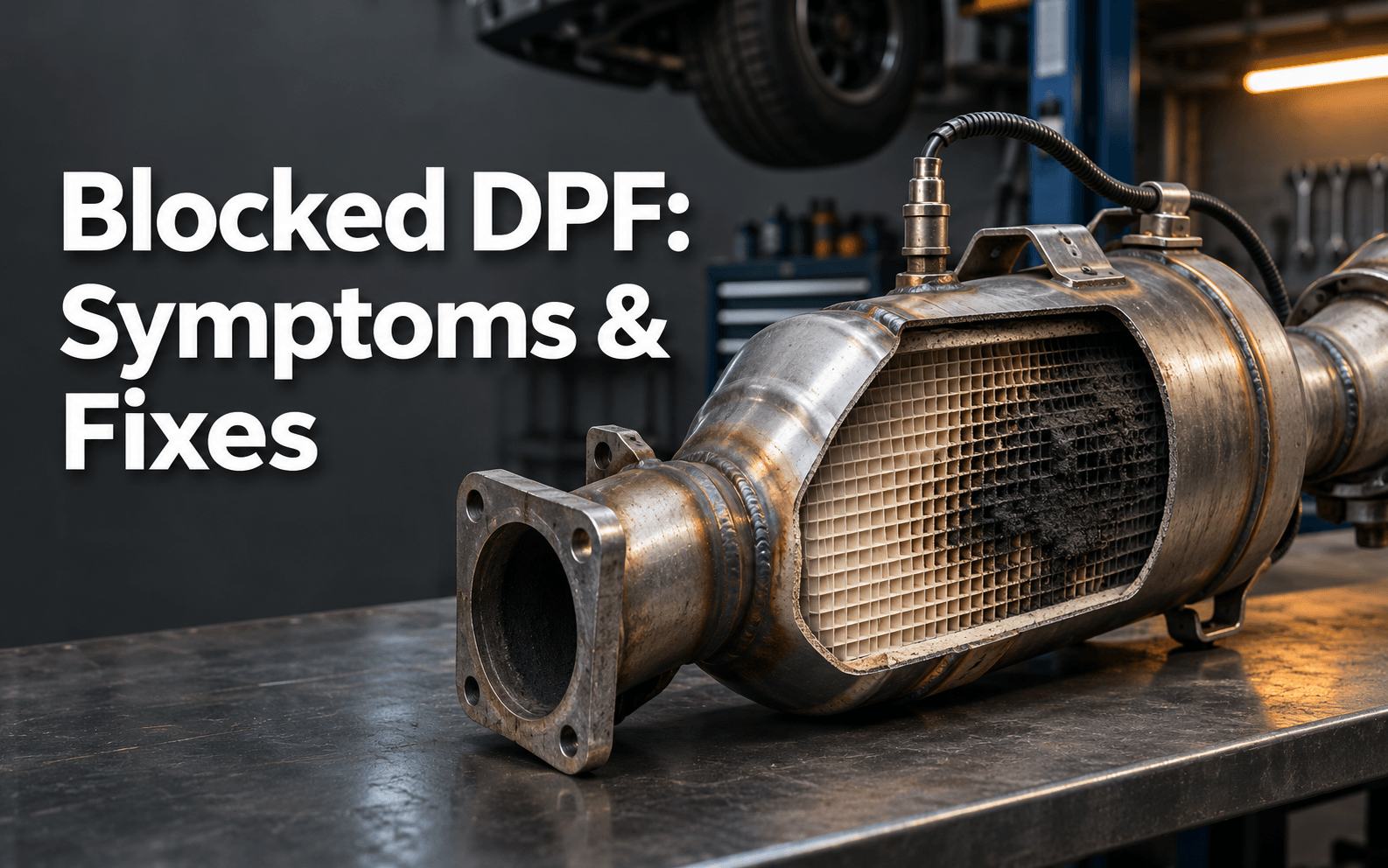
Signs and Symptoms of a Blocked DPF
A blocked DPF does not happen without warning. The vehicle usually provides progressively clearer signals through the dashboard, engine performance, and fuel consumption. Recognizing these early symptoms can help you take action before the problem gets worse:
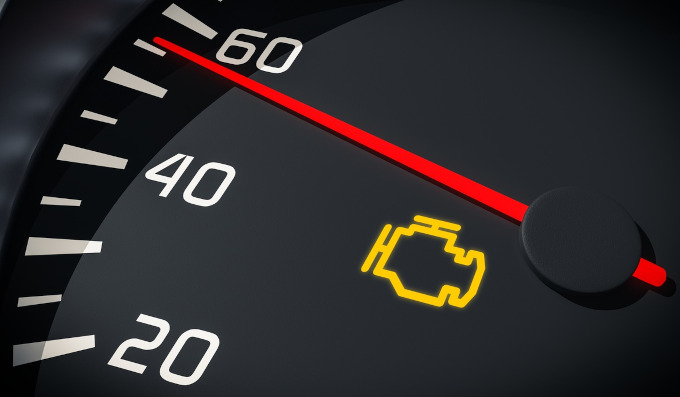
DPF warning light comes on: The dashboard may indicate that the exhaust filter needs to be cleaned, regenerated, or serviced as soon as possible.
Check engine light comes on: This is often accompanied by OBD-II trouble codes, such as P2463 — DPF soot accumulation, or P2452 — DPF differential pressure sensor circuit fault.
Reduced power and slow acceleration: Exhaust restriction may affect engine operation, and the symptoms may be more noticeable during acceleration or under heavy load.
Reduced-power mode or Limp Mode: If the blockage is severe or warnings are ignored, the vehicle may limit engine power. Service bulletins for some vehicles also describe how a DPF warning can progress to reduced engine power.
Regeneration becomes frequent or warnings keep returning: This may be related to soot accumulation, failed regeneration, excessive ash, or other engine and sensor problems.
A sharp increase in fuel consumption: If automatic regeneration is triggered frequently but cannot complete successfully, a large amount of fuel may be wasted, and fuel consumption may increase by 20%–40%.
Abnormally high oil level (oil dilution): Frequent incomplete automatic regenerations may cause unburned diesel to run down the cylinder walls into the oil pan, diluting the engine oil.
A sharp burnt smell and heavy smoke from the exhaust: After the vehicle is parked, a pungent burnt plastic or rubber smell may come from around the exhaust pipe. White or blue-gray smoke may occasionally appear during acceleration.
Main Causes of a Blocked DPF
The underlying cause of DPF blockage is the continued accumulation of soot that "has not had time to burn off" and ash that "cannot be burned off" within the filter's limited channels.
Cause 1: Long-Term Low-Speed, Short-Distance Driving
DPF regeneration generally requires exhaust temperatures to reach 550°C–600°C or higher. If a vehicle is used mostly for stop-and-go city commutes of less than 10 kilometers each way, the engine and exhaust system may not reach the temperature required for regeneration. Soot then accumulates in the filter, causing the blockage to worsen over time. This is one of the most common causes of DPF problems in diesel vehicles used for city commuting.
Cause 2: Using Non-Low-SAPS Engine Oil
Using oil that does not meet the vehicle's requirements, or abnormal engine oil consumption, may increase the ash load in the filter.
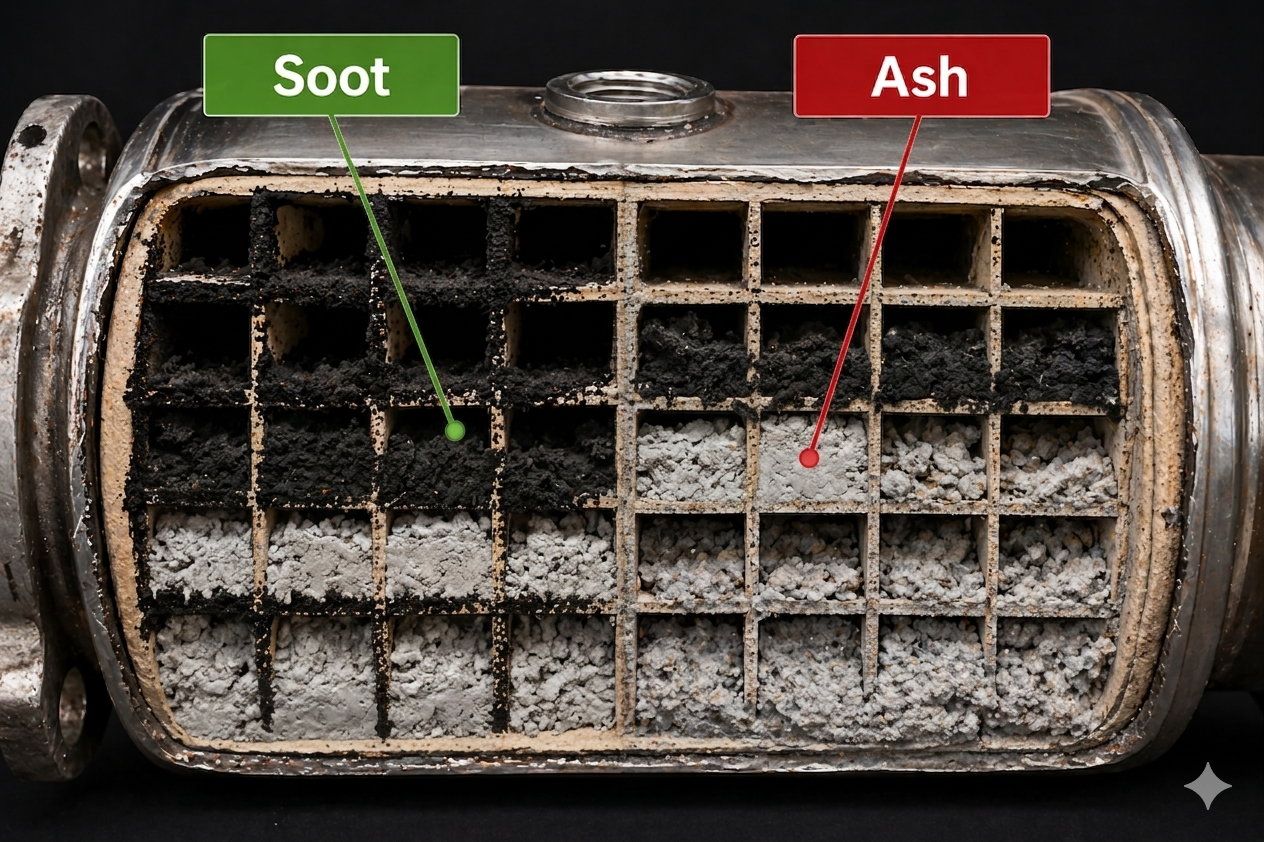
- Soot: Can be burned off through high-temperature regeneration.
- Ash:Cannot be burned off at high temperatures and permanently settles at the bottom of the DPF’s honeycomb channels.
Cause 3: EGR Valve Carbon Buildup or Sticking
The EGR valve routes some exhaust gas back into the intake manifold to lower combustion temperatures and reduce nitrogen oxide emissions. If the EGR valve is stuck open or severely clogged with carbon, the intake air may not contain enough oxygen and the fuel mixture may become too rich, causing black smoke (soot) to increase dozens of times over and quickly overwhelm the DPF.
Cause 4: Upstream Intake or Fuel System Component Failure
Worn or clogged fuel injectors (poor atomization or leaking), a faulty mass airflow sensor (MAF), or leaks in the turbocharger piping can all disrupt the normal air-fuel ratio, produce excessive carbon buildup, and prevent regeneration.
How to Clear a Blocked DPF Filter
A tiered approach should be used based on the severity of the DPF blockage:
Method 1: Try Driving Regeneration
When the DPF warning light has just come on and the vehicle has not yet entered reduced-speed or reduced-torque protection mode (Limp Mode), you may try driving regeneration yourself. This uses the hot exhaust produced when the engine operates under a heavy load (450°C–600°C) to naturally burn off the unburned soot accumulated inside the filter.
How to do it: On a highway or open road, maintain a speed above 80 km/h and keep engine speed between 2,000–2,500 RPM while driving steadily for 20–30 minutes.
Method 2: Perform a Parked Regeneration
When the vehicle can no longer trigger automatic regeneration during normal driving and the warning light stays on, you may try performing a parked regeneration.
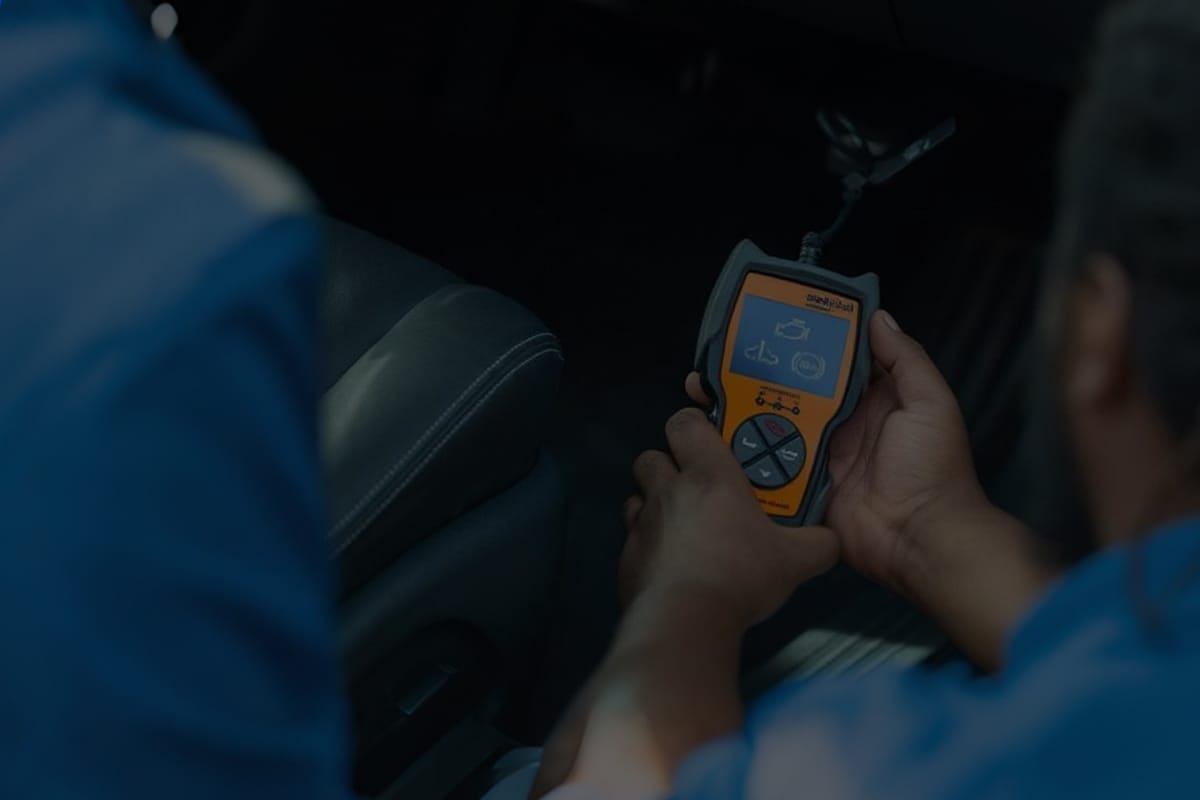
How to do it: Park the vehicle outdoors in a well-ventilated area, away from flammable materials. Apply the parking brake and shift into Neutral or Park. Use an OBD2 diagnostic computer to issue a "forced regeneration" command. The engine will automatically increase its RPM and adjust injection timing to generate high temperatures and burn off carbon deposits while stationary.
Precautions: Because temperatures can rise rapidly at high engine speed while stationary, closely monitor engine coolant temperature and exhaust temperature to prevent the engine compartment from overheating.
Method 3: Professional Service Regeneration and Deep Off-Car Cleaning
Moderate blockage (chemical flushing): If both driving and parked regeneration fail, seek help from a professional shop. It may use a DPF-specific additive to lower the soot ignition temperature to 400°C and assist regeneration, or inject on-car cleaning foam or liquid through a sensor port to dissolve and flush deposits without removing the DPF.
Severe blockage (>70% blocked / ash buildup): When a vehicle has accumulated a large amount of ash that cannot be burned off at high temperatures, the DPF must be completely removed from the undercarriage and sent to a shop with professional cleaning equipment. The shop can use high-temperature baking + ultrasonic soaking + high-pressure water/air backflushing to thoroughly remove ash from inside the filter.
Method 4: Replace the DPF
If the DPF's internal ceramic honeycomb substrate has cracked, sintered or melted, broken, or lost its catalytic coating, or if the airflow differential pressure test still fails after off-car cleaning, replacing it with a new DPF that meets OEM specifications is the only way to restore normal vehicle emissions and power.
Method 5: DPF Delete Pipe
A DPF delete pipe replaces the DPF substrate with a straight pipe and is usually paired with ECU programming to disable related signals. Its advantages are direct: lower exhaust backpressure and smoother power response; no active regeneration, reducing fuel consumption and maintenance costs; no more spending on DPF blockage, ash removal, or replacement; and reduced thermal load on the turbocharger and exhaust system.
However, the key issue is legality: removing or tampering with the DPF on a public road is an illegal modification of emissions control equipment. DPF delete pipes are only suitable for non-road use, such as track or off-road applications, and are not suitable for vehicles that need to be legally driven on public roads.
Why Does a DPF Block Again Soon After Cleaning?
"I just spent a few hundred dollars cleaning my DPF. Why did the warning light come back after less than two weeks?" This is a common concern for many vehicle owners. Frequent DPF blockage is usually associated with one of the following four overlooked issues:
- The upstream cause was ignored: The DPF is only a "filter." Blockage is often the result of a fault in another engine component. If the DPF is cleaned but an EGR valve leak, leaking injector, or turbo oil leak is not repaired, the engine will continue producing black smoke, filling the DPF again in a short time.
- A soot-cleaning method was used to remove ash: On-car chemical sprays and fuel-tank additives only work on soot. If the vehicle has traveled more than 120,000 kilometers, ash that cannot be burned off may be the main cause of the blockage. Forcing chemical spray into the filter will not remove ash. Loosened residue may instead block the honeycomb channels.
- The differential pressure sensor or signal lines are faulty: The ECU uses the differential pressure sensor to measure the pressure difference before and after the DPF and estimate the level of blockage. If the sensor is damaged, its signal drifts, or the rubber sampling tube is cracked or blocked, the sensor may still send an incorrect "high backpressure" signal to the ECU even after the DPF has been physically cleaned.
- The "DPF replacement/reset" procedure was not performed: After cleaning or replacing the DPF, a technician must use a diagnostic computer to access the ECU software and clear the old "soot load memory value" and perform a reset. If it is not reset, the ECU will continue to calculate regeneration logic based on the old data, frequently triggering unnecessary forced regeneration or fault codes.
How to Prevent Diesel Particulate Filter Blockage
To avoid expensive repairs, vehicle owners should establish long-term preventive maintenance habits:
| Maintenance Area | Key Action | Recommended Interval / Standard |
| Engine oil | Use low-ash (Low-SAPS) synthetic oil | Look for ACEA C1/C2/C3/C4 or API CK-4 standards |
| Driving habits | Schedule regular medium- to high-speed cruising | Drive at highway speeds (>2,000 RPM) for 30 minutes every 500–800 kilometers |
| Intake/fuel system | Regularly clean/replace the EGR valve and diesel fuel filter | Inspect intake carbon buildup every 30,000–50,000 kilometers |
| Preventive additives | Add fuel system cleaner and DPF maintenance additive to the fuel tank | Add once every 3,000–5,000 kilometers |
| Responding to warnings | Perform highway passive regeneration immediately when a yellow warning light appears | Do not delay; do not continue driving for a long time with a red warning light or reduced torque |
FAQs
Conclusion
The key to dealing with a blocked diesel particulate filter is to first confirm the cause and severity of the blockage. Mild soot buildup may sometimes be addressed by completing regeneration according to the vehicle's instructions. Ash buildup may require professional cleaning, while a faulty sensor, engine problem, or damaged filter must be repaired or replaced. Responding to warnings promptly, maintaining the vehicle according to its specifications, and investigating the root cause after cleaning can help reduce the likelihood of the DPF becoming blocked again.