 Contents
Contents
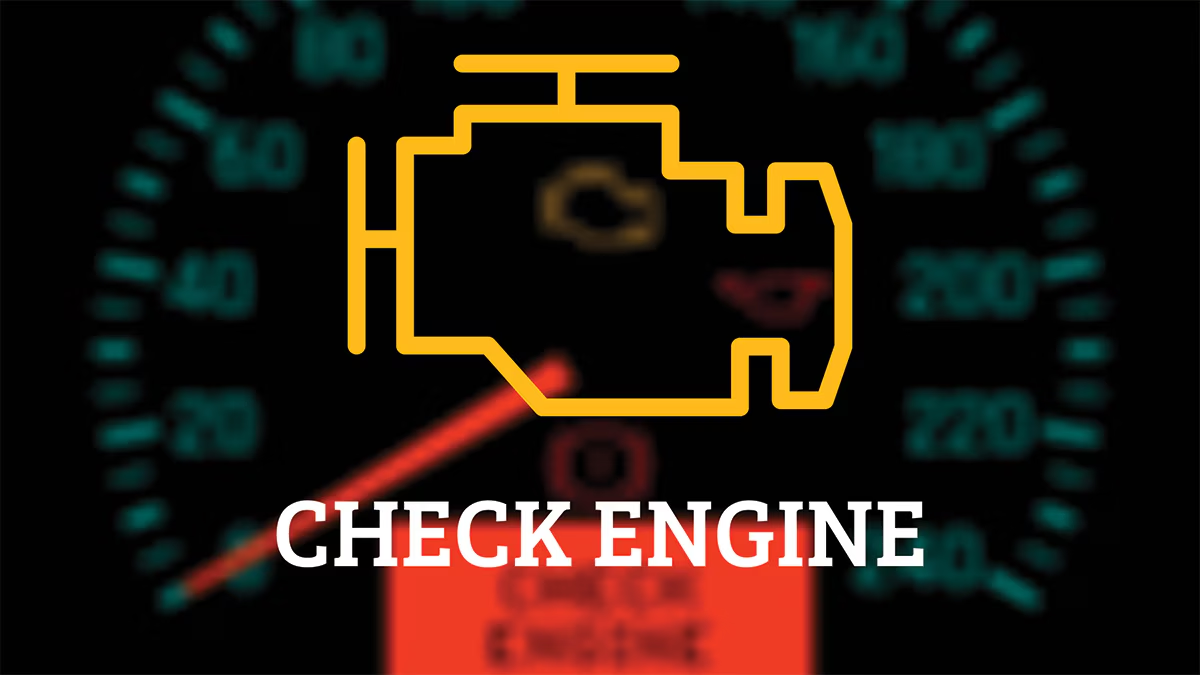
Imagine you are on a normal drive on your commute and the check engine light triggers out of nowhere. Your vehicle becomes sluggish and struggles to gain speed even if you press the accelerator.
If you come across this situation, it means you are likely experiencing limp mode (also known as limp home mode). Don’t be concerned, as this is not a catastrophic malfunction. Instead, it is your car’s built-in self-protection system introduced to prevent severe damage.
This guide explains limp mode symptoms, common causes, safe troubleshooting steps, and when to stop driving immediately.

What Is Limp Mode in a Car?
Searching for a precise limp mode definition? Well, it is a safety feature incorporated into your car’s computer system (TCM/ECU). As soon as the system detects a critical issue, it limits your vehicle’s performance intentionally to protect key components like the transmission and engine.
Simply put, consider the limp mode meaning as your car is saying, “ There is something wrong, so I’ll reduce power to help you drive safely to a mechanic without making the situation worse.”
What Does Limp Mode Do?
When your car goes into limp mode, it:
- Restricts RPM (below 2,000 to 3,000)
- Disables non-essential systems
- Limits engine power
- Locks the transmission in one gear
Limp Mode Symptoms
Early identification of limp mode helps you prevent costly repairs. Below is a list of potential symptoms of limp mode.
- Check Engine Light or other warning lights (such as EPC or transmission light) turn on.
- Limited engine RPM (below 2,000-3,000)
- Transmission stuck in a specific gear (usually 2nd or 3rd). It is called gearbox limp mode or transmission limp mode.
- Extremely slow acceleration
- High speed of a cooling fan
- Overheating indicators or loud fault protection alarm sounds
In many cases, drivers describe limp mode as “ my vehicle suddenly feels underpowered and heavy.”
What Causes a Car to Go Into Limp Mode?
Remember, a car does not go into a limp mode randomly. It happens when your car’s computer detects a specific fault. Let’s explore why it happens and what sensors can cause limp mode.
- Damaged Wiring: Corroded, broken, or loose wiring can affect the communication between control modules and sensors, resulting in a limp mode.
- Overheating: If the temperature rises too high, your car goes into limp mode to prevent the engine from seizing.
- Sensor Malfunction: Faulty sensors (such as boost pressure sensor, mass airflow sensor, or oxygen sensor) send incorrect data that triggers protective responses.
- Low Fluid Level: It includes low levels of coolant, engine oil, or transmission fluid. If ignored, these low levels may lead to severe damage in no time.
- Transmission Issue: Problems such as solenoid failure or slipping gears often activate transmission limp mode.
- Engine Misfire: When fuel remains unburned, it damages internal components. As a result, the limp mode limits the engine load.
- Emission System Problem: Clogged components like DPF filters or EGR valves may also activate a car limp mode.
- Throttle Body and Pedal Issue: Miscommunication between the throttle body and the accelerator pedal can force your vehicle into reduced power mode (or limp mode in a car).
How to Get a Car Out of Limp Mode?
If your vehicle becomes sluggish or enters low power mode, don’t panic. Follow the steps below carefully to learn how to fix limp mode on a car.
Step 1: Safely Stop and Restart
Pull over your vehicle to a safe location and:
- Turn the engine off
- Wait for around 2 to 5 minutes
- Restart the vehicle
Doing this, sometimes, can help you reset the system temporarily.
Step 2: Perform a Basic Visual Inspection
You don’t need any tools to perform a basic visual inspection. Instead:
- Look under the vehicle for fluid leaks
- Check coolant level
- Check engine oil level
- Inspect visible wiring for detachment or damage
Step 3: Inspect Air and Intake Components
A blocked intake may trigger limp mode. Therefore, carefully:
- Look for crack or loose intake hoses
- Ensure proper airflow to the car’s engine
- Check the condition of the air filter
Step 4: Read Fault Codes
If you are searching for how to disable limp mode permanently, reading fault codes play a crucial role. You can use an OBD-II scanner to:
- Identify the root cause
- Pinpoint the exact error code
A simple scanner can help you save hundreds of dollars on diagnosis.
Step 5: Perform Targeted Repairs Based on Fault Codes
Once you know the issue behind the car going into limp mode, you can fix it effectively. For example, you can:
- Fix wiring issues
- Replace or refill fluids
- Repair cooling or transmission components
- Replace sensors that are malfunctioning
Important Note: Never make random guesses to fix the problem. Instead, rely on fault codes.
Step 6: Clear Fault Codes and Perform a Road Test
As soon as you fix the problem:
- Clear the fault codes
- Restart your vehicle
- Go on a short test drive
If you notice that the car does not go into limp mode, it means the issue no longer exists.
How to Bypass Limp Mode?
It is recommended not to bypass limp mode for daily driving, as it removes key safety protections.
However, some advanced users go for TCU/ECU tuning (modification in the car’s software) to reduce limp mode triggering. Remember:
- It is used in off-road or racing vehicles.
- It requires professional training.
Remember, this modification may have legal and safety concerns. For example, it:
- May void your vehicle's warranty
- Increase the risk of severe engine damage
- May violate emissions laws
Before doing any modifications, make sure they are legal in your area.
How to Avoid Limp Mode?
Preventing the limp mode is the best way to deal with this issue. Here is how you can prevent it.
1. Maintain Fluids
- Ensure proper coolant levels
- Healthy transmission fluid
- Change oil regularly
2. Cooling System Maintenance
- Replace worn hoses
- Carefully inspect the fans and the radiator
3. Ensure Air & Boost System Integrity
- Check connections and turbo hoses
- Clean air filters properly
4. Maintain Electrical Health
- Keep connectors clean
- Perform periodic wiring inspection
- Replace weak batteries
Conclusion
Limp mode may feel alarming, but it is designed to protect your vehicle from more serious damage. The most important thing is not to ignore it. A quick inspection, a scan for trouble codes, and timely repairs can often prevent much larger repair bills later.
If your jeep or car is in limp mode, don’t panic, but take a few steps, such as stop the vehicle and restart, perform a basic inspection, inspect air/intake components, read fault codes, perform targeted repairs, clear fault codes, and take a short test drive.
Looking for reliable replacement parts to solve a problem? Check out SuncentAuto. We specialize in diesel performance parts, intercooler/intake system upgrades, and exhaust/emission system parts.