 Contents
Contents
- Quick Answer
- What Is an EGR Valve?
- What Does EGR Stand For?
- What Is EGR in a Car?
- Why Does Exhaust Gas Go Back Into the Engine?
- What Does an EGR Valve Do?
- Where Is the EGR Valve Located?
- How Does an EGR Valve Work?
- What Is an EGR System?
- EGR Valve vs EGR Cooler: What's the Difference?
- Types of EGR Valves
- Gasoline vs Diesel EGR Systems
- What Happens When an EGR Valve Goes Bad?
- Symptoms of a Bad EGR Valve
- EGR Trouble Codes and What They Mean
- How to Diagnose an EGR Valve Problem
- What Carbon Buildup Can Tell You
- Can You Clean an EGR Valve or Should You Replace It?
- Maintaining Your EGR Valve
- EGR Delete: Legal Warning and Off-Road Use Note
- Vehicle-Specific EGR Delete Resources
- FAQs
- Conclusion
Learn what an EGR valve does, what EGR means in a car, how Exhaust Gas Recirculation works, where the EGR valve is located, why EGR valves fail, and how to diagnose common EGR-related problems before replacing parts.
Quick Answer
An EGR valve, short for Exhaust Gas Recirculation valve, is an emissions-control part that sends a small amount of exhaust gas back into the engine intake. In a car, the EGR system works in the background to lower peak combustion temperature and reduce nitrogen oxide emissions, also known as NOx. When the EGR valve sticks, clogs, leaks, or fails electronically, it can cause rough idle, poor acceleration, engine knock, increased fuel consumption, failed emissions tests, or a check engine light.
What It Means
EGR stands for Exhaust Gas Recirculation, a system in a car or truck designed to reduce NOx emissions.
How It Works
The EGR valve routes a controlled amount of exhaust gas back into the intake to lower combustion heat.
What to Check
Do not replace the valve immediately. Check codes, carbon buildup, sensors, passages, wiring, and vacuum lines first.
Updated on Jun 29, 2026 by SuncentAuto Staff with expanded EGR troubleshooting steps, EGR trouble code explanations, diesel EGR system details, and maintenance guidance.
TL;DR: The EGR valve helps reduce NOx emissions by recirculating a small amount of exhaust gas back into the intake system. It is usually located between the exhaust side and the intake side of the engine, though the exact location varies by vehicle. A bad EGR valve may be stuck open, stuck closed, clogged with carbon, or affected by a sensor, wiring, vacuum, or EGR cooler issue. Always diagnose the full EGR system before replacing the valve.
Your car engine is a complex ecosystem where all the parts work in harmony—until one of them breaks down. One of the most misunderstood yet critical parts is the EGR valve. If your vehicle has ever shuddered at a stoplight, idled roughly, triggered a check engine light, or used more fuel than usual, the EGR valve could be one of the parts worth checking.
In this guide, we’ll explain what an EGR valve is, what EGR stands for, what EGR means in a car, where the EGR valve is located, how the system works, what happens when the valve goes bad, and how to diagnose common EGR-related problems before replacing parts.
What Is an EGR Valve?
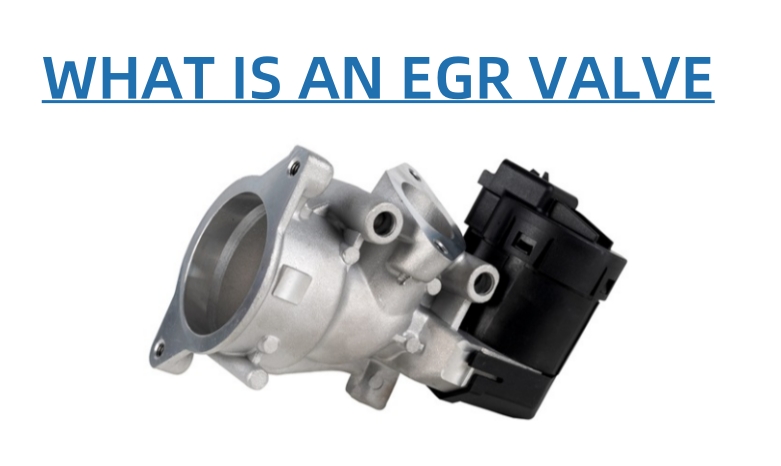
EGR stands for Exhaust Gas Recirculation. The EGR valve is the main control valve inside the EGR system. Its job is to control how much exhaust gas is routed back into the intake side of the engine.
Instead of sending every bit of exhaust gas straight out through the exhaust system, the EGR system recirculates a small, measured amount of exhaust gas back into the cylinders. This process is used on many gasoline and diesel engines to help reduce NOx emissions during certain driving conditions.
The EGR system usually includes the EGR valve, EGR cooler, EGR passages, piping, sensors, vacuum lines or electrical connectors, and the engine control module. The EGR valve itself is often located between the exhaust manifold and the intake manifold, although the exact location depends on the engine design.
What Does EGR Stand For?
EGR stands for Exhaust Gas Recirculation. In simple terms, it means the engine recirculates part of its exhaust gas instead of pushing all of it directly out of the tailpipe.
This may sound strange at first. Exhaust gas is usually something drivers think of as waste. But when it is carefully controlled, a small amount of exhaust gas can help reduce combustion temperature and lower NOx emissions.
What Is EGR in a Car?
EGR in a car means Exhaust Gas Recirculation. It is an emissions-control system that sends a small amount of exhaust gas back into the intake side of the engine. This helps lower combustion temperature and reduce NOx emissions during certain driving conditions.
Most drivers do not notice the EGR system when it works properly. Problems usually become noticeable when carbon buildup, a stuck valve, a clogged passage, or a sensor fault causes rough idle, hesitation, poor acceleration, or a check engine light.
Why Does Exhaust Gas Go Back Into the Engine?
A common question is: if exhaust gas is supposed to leave the engine, why send it back in?
The short answer is heat control. NOx forms when combustion temperatures get high enough for nitrogen and oxygen in the intake charge to react. The EGR system helps control this by reducing the amount of oxygen in the combustion mixture during specific operating conditions.
Recirculated exhaust gas does not burn the same way fresh air does. When it mixes with incoming air, it slightly dilutes the intake charge and helps lower peak combustion heat. Lower combustion heat means less NOx formation.
This is why the EGR valve is important for emissions control. When it works correctly, you usually do not feel it operating. When it sticks, clogs, leaks, or sends the wrong feedback to the ECU, you may notice rough idle, hesitation, power loss, engine knock, or an EGR-related check engine light.
What Does an EGR Valve Do?
The EGR valve controls the flow of exhaust gas into the intake system. It does not stay open all the time. The engine control system opens or closes the valve based on engine temperature, load, speed, airflow, and emissions requirements.
During cold starts, heavy acceleration, or situations where the engine needs maximum oxygen, the EGR valve is usually closed or mostly closed. During light to moderate driving, the ECU may open the valve to allow a controlled amount of exhaust gas into the intake.
This controlled flow has two major benefits. First, it helps reduce nitrogen oxide emissions. Second, under the right conditions, it can help stabilize combustion and reduce excessive combustion heat.
However, if the EGR valve is stuck open, too much exhaust gas may enter the intake at the wrong time. If it is stuck closed or blocked, the engine may run with higher combustion temperatures and produce more NOx emissions.
Where Is the EGR Valve Located?
The EGR valve is usually located between the exhaust manifold and the intake manifold, but the exact location depends on the engine design. On some vehicles, it is mounted near the intake manifold. On many diesel trucks, it may connect to EGR piping, an EGR cooler, or other emissions components.
If you are trying to find the EGR valve, follow the EGR tube or pipe from the exhaust side toward the intake side. Always check the service manual for your specific engine before removing parts, because access can vary greatly by make, model, year, and engine layout.
How Does an EGR Valve Work?
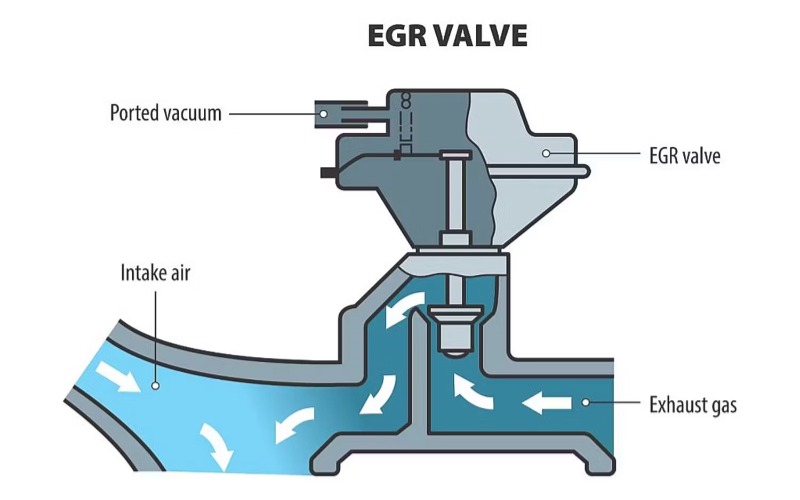
The EGR valve works like a gate between the exhaust side and the intake side of the engine. When the ECU commands the valve to open, a measured amount of exhaust gas flows back into the intake stream. When the ECU commands it to close, the exhaust gas flow stops.
Older vehicles often use vacuum-operated EGR valves. These valves rely on engine vacuum and a vacuum solenoid to open and close. Newer vehicles usually use electronic EGR valves, which are controlled directly by the ECU and may include position feedback sensors.
The ECU may use data from the MAF sensor, MAP sensor, coolant temperature sensor, oxygen sensors, EGR position sensor, pressure sensors, and other inputs to decide when the EGR valve should open.
When everything works properly, the EGR valve opens only when the engine can handle recirculated exhaust gas without drivability problems. When the valve sticks, carbon builds up, sensors fail, or wiring becomes damaged, the ECU may trigger a diagnostic trouble code.
What Is an EGR System?
An EGR system is the full group of parts that controls exhaust gas recirculation. The EGR valve is the main flow-control part, but it works with passages, piping, sensors, vacuum or electrical controls, and sometimes an EGR cooler.
When the engine control system allows EGR flow, exhaust gas travels from the exhaust side back toward the intake side. The ECU uses sensor data to decide when the valve should open, how much exhaust gas should return, and when the valve should close again.
EGR Valve vs EGR System: What Parts Work Together?
The EGR valve is important, but it is only one part of the full EGR system. Many EGR-related problems are caused by the parts around the valve, not only the valve itself.
| Component | What It Does | Common Problem |
|---|---|---|
| EGR valve | Controls exhaust gas flow into the intake system | Sticking open, sticking closed, carbon buildup, actuator failure |
| EGR cooler | Cools recirculated exhaust gas before it enters the intake | Clogging, coolant leaks, white smoke, coolant loss |
| EGR passages | Carry exhaust gas between the exhaust and intake sides | Carbon blockage that causes insufficient EGR flow |
| EGR position sensor | Reports valve position to the ECU | Incorrect feedback, range/performance codes |
| Vacuum hose or solenoid | Controls vacuum-operated EGR valves | Vacuum leaks, no valve movement, stuck valve operation |
| MAP/MAF sensor | Helps the ECU calculate airflow and EGR flow | False readings that may trigger EGR-related codes |
| Intake manifold | Receives the recirculated exhaust gas and fresh air mixture | Heavy carbon buildup and restricted airflow |
This is why replacing the EGR valve does not always fix an EGR code. A clogged EGR passage, failed sensor, leaking vacuum hose, damaged connector, or carbon-filled intake manifold can cause similar symptoms.
EGR Valve vs EGR Cooler: What's the Difference?
The EGR valve controls how much exhaust gas flows back into the intake. The EGR cooler lowers the temperature of that exhaust gas before it re-enters the engine.
In simple terms, the valve controls flow, while the cooler controls temperature. A bad EGR valve may cause rough idle, hesitation, poor acceleration, or EGR flow codes. A bad EGR cooler may cause coolant loss, white smoke, overheating, or coolant contamination, especially on some diesel engines.
Types of EGR Valves
EGR valves have changed over time as emissions systems have become more advanced. The right type depends on the vehicle, model year, engine design, and emissions package.
1. Vacuum-Operated EGR Valve
Vacuum-operated EGR valves are common on many older vehicles. They use engine vacuum to open the valve and allow exhaust gas into the intake system.
These valves are simple, but they can fail because of cracked vacuum hoses, leaking diaphragms, clogged passages, or faulty vacuum solenoids.
2. Electronic EGR Valve
Modern gasoline and diesel engines commonly use electronic EGR valves. These valves are controlled by the ECU and allow more precise exhaust gas flow control.
Electronic EGR valves may include position sensors that tell the ECU whether the valve is opening and closing as commanded. If the commanded position and actual position do not match, the vehicle may set an EGR range or performance code.
3. Diesel EGR Valve
Diesel engines use EGR systems to reduce NOx emissions under load. Diesel EGR systems often deal with more soot than gasoline systems, so carbon buildup, EGR cooler clogging, and intake restriction are common concerns.
Some diesel engines use high-pressure EGR, while others use low-pressure EGR. High-pressure systems usually respond quickly, but they may send more soot and oil vapor into the intake. Low-pressure systems may route cleaner exhaust gas after downstream emissions components, but they require more complex piping and controls.
4. Digital or Smart EGR Valve
Some newer vehicles use more advanced EGR valve designs with precise electronic control and feedback. These valves can improve emissions management, but they are usually more expensive to replace and may require scan-tool reset or adaptation after installation.
EGR Valve Types Comparison
| Type | Common Application | Pros | Common Issues |
|---|---|---|---|
| Vacuum-operated EGR valve | Older vehicles | Simple and usually less expensive | Vacuum leaks, diaphragm failure, clogged passages |
| Electronic EGR valve | Modern gasoline and diesel engines | More precise ECU control | Wiring faults, position sensor issues, carbon buildup |
| Diesel EGR valve | Diesel trucks and passenger diesel engines | Helps reduce NOx under load | Soot buildup, EGR cooler clogging, intake restriction |
| Digital or smart EGR valve | Newer vehicles with advanced emissions systems | Accurate control and feedback | Higher replacement cost, possible adaptation requirements |
Gasoline vs Diesel EGR Systems
Gasoline and diesel engines both use EGR to reduce NOx emissions, but their failure patterns can be different.
On gasoline engines, EGR problems often show up as rough idle, hesitation, knocking, failed emissions tests, or check engine light codes. Carbon buildup can still happen, but it is often less severe than what many diesel systems experience.
On diesel engines, soot and oil vapor can mix inside the intake system and create heavy deposits. Over time, this can restrict EGR passages, clog the EGR cooler, and narrow the intake manifold opening. That is why diesel EGR diagnosis should include the valve, cooler, passages, and intake side, not just the valve itself.
Diesel EGR cooler issues are especially common on certain truck platforms. If you own a 6.0L Powerstroke and are comparing repair options, read our 6.0 Powerstroke EGR cooler guide.
What Happens When an EGR Valve Goes Bad?
An EGR valve can fail in several ways. It may stick open, stick closed, move slowly, send the wrong position signal, or become restricted by carbon buildup.
A stuck-open EGR valve usually causes low-speed drivability problems because exhaust gas enters the intake when the engine does not need it. A stuck-closed or blocked EGR valve may increase combustion temperatures and NOx emissions.
Stuck Open vs Stuck Closed EGR Valve
| Failure Type | What It Means | Common Symptoms |
|---|---|---|
| Stuck open | Too much exhaust gas enters the intake at the wrong time | Rough idle, stalling, hesitation, hard starting, poor low-speed performance |
| Stuck closed | Not enough exhaust gas is recirculated when needed | Engine knock, higher NOx emissions, failed emissions test, check engine light |
| Restricted or clogged | Carbon blocks the valve or EGR passages | P0401 code, poor flow, reduced efficiency, repeated EGR faults |
| Electrical or sensor failure | The ECU cannot control or verify valve position correctly | P0403, P0404, P0405, P0406, limp mode, check engine light |
Symptoms of a Bad EGR Valve
More significant engine issues can be avoided by recognizing the signs of a malfunctioning EGR valve early. The following are the main indicators to look for:
- The Check Engine Light is on
- Engine stalling or rough idle
- Low power and poor acceleration
- Increased fuel consumption
- Engine knock, pinging, or detonation
- Higher emissions or failed emissions testing
- A strong smell of fuel or exhaust
- Hesitation or surging during light acceleration
- Hard starting or unstable idle after warm-up
These symptoms can overlap with problems caused by sensors, vacuum leaks, fuel delivery issues, ignition problems, turbo boost leaks, or intake restrictions. That is why diagnosis matters before replacing the EGR valve.
For a deeper breakdown of warning signs, read our guide to bad EGR valve symptoms.
EGR Trouble Codes and What They Mean
You can use an OBD-II scanner to check for diagnostic trouble codes, also known as DTCs. An EGR-related code does not always mean the EGR valve itself is bad. The code tells you which part of the system needs attention.
| Code | Meaning | Possible Causes | Suggested Action |
|---|---|---|---|
| P0400 code | EGR flow malfunction | Blocked passage, valve issue, vacuum leak, sensor fault | Inspect valve operation, hoses, passages, and related sensors |
| P0401 code | Insufficient EGR flow | Clogged passage, stuck-closed valve, faulty solenoid, MAP/MAF issue | Check the full EGR flow path before replacing the valve |
| P0402 code | Excessive EGR flow | Stuck-open valve, control fault, incorrect position feedback | Check whether the valve is stuck open or commanded incorrectly |
| P0403 code | EGR control circuit fault | Wiring issue, connector problem, failed solenoid or actuator | Inspect the electrical circuit before replacing the valve |
| P0404 code | EGR range/performance problem | Sticking valve, sensor mismatch, carbon buildup | Compare commanded EGR position with actual position |
| P0405 code | EGR sensor low input | Short to ground, bad sensor, wiring fault | Test the sensor circuit and connector |
| P0406 code | EGR sensor high input | Open circuit, high voltage signal, bad sensor | Inspect wiring and sensor voltage readings |
| P1404 code | EGR valve pintle or actuator error | Sticking pintle, actuator fault, carbon buildup | Inspect valve movement and carbon deposits |
If any of these codes appear, the EGR system needs diagnosis. The valve itself may be faulty, but the root cause could also be a clogged passage, bad sensor, leaking vacuum hose, damaged wiring, or carbon buildup in the intake system.
How to Diagnose an EGR Valve Problem
If you are a DIY owner, the best approach is to narrow down the problem instead of replacing the EGR valve immediately. Start with the symptom and code, then work backward.
If You Have a P0401 Code
A P0401 code means the ECU sees insufficient EGR flow. This may happen because the valve is stuck closed, but it can also be caused by a clogged EGR passage, blocked intake port, vacuum leak, faulty solenoid, or incorrect airflow sensor data.
If You Have a P0402 Code
A P0402 code means there may be too much EGR flow. This often points to a valve stuck open, a control issue, or incorrect position feedback. If the engine idles rough or stalls, a stuck-open valve should be high on the inspection list.
If You Have a P0403, P0404, P0405, or P0406 Code
These codes often point toward the control circuit or sensor feedback side of the system. Check the connector, wiring, actuator, sensor voltage, and commanded versus actual valve position before replacing the valve.
If the Engine Runs Rough Only at Idle
Rough idle, stalling, or hard starting can happen when the EGR valve is stuck open. Too much exhaust gas enters the intake at idle, when the engine needs a stable air-fuel mixture.
If the Engine Knocks or Fails Emissions Testing
Engine knock, pinging, or high NOx emissions may happen when the EGR valve is stuck closed or when the EGR passages are blocked. The valve may not be allowing enough exhaust gas to recirculate when needed.
Physical Inspection Tips
For vacuum-operated EGR valves, inspect the vacuum hose for cracks, loose connections, oil contamination, or collapse. If the valve design allows it, a hand vacuum pump can help confirm whether the valve moves and holds vacuum.
For electronic EGR valves, inspect the connector and wiring. Look for corrosion, bent pins, damaged insulation, loose plugs, or heat damage. A scan tool may also allow you to command the valve open and closed while watching actual valve position.
If you remove the valve, check the valve seat, pintle, and EGR passage for carbon buildup. Also inspect the intake manifold entrance whenever possible. Many owners replace the valve but leave the restricted passage untouched, which can cause the same code to come back.
What Carbon Buildup Can Tell You
Carbon buildup is one of the most common EGR problems. The color and texture of the deposits can sometimes give you clues, although they should not be used as the only diagnostic method.
- Dry black soot: Common in diesel EGR systems. It often points to normal soot accumulation, short-trip driving, or extended idling.
- Wet black carbon: May suggest oil contamination, excessive blow-by, turbo seal issues, or an overly rich running condition, depending on the engine.
- Hard, thick carbon chunks: Often indicate long-term buildup that may restrict EGR passages or intake airflow.
- Gray or ash-like deposits: May be related to high-mileage operation, oil ash, fuel quality, or normal long-term residue.
If the buildup is light, cleaning may help. If the valve is mechanically damaged, electronically failed, or badly worn, replacement may be the better option.
Can You Clean an EGR Valve or Should You Replace It?
Cleaning an EGR valve can help when the main problem is light to moderate carbon buildup. It may restore valve movement and reduce rough idle, hesitation, or EGR flow codes.
However, cleaning will not fix every problem. If the valve motor has failed, the position sensor is inaccurate, the vacuum diaphragm is leaking, the valve seat is damaged, or the EGR cooler is leaking, the valve may need to be replaced or the related component may need service.
If you are planning a repair, compare the full EGR valve replacement cost before deciding whether to clean, replace, or diagnose further. For a step-by-step overview, read our guide on how to replace an EGR valve.
Maintaining Your EGR Valve
To help maintain engine performance, fuel economy, and lower emissions, the EGR valve should receive routine inspection and maintenance. You can prolong the life of your EGR system and prevent expensive repairs by following these maintenance guidelines:
- Clean the EGR valve when carbon buildup is found
- Inspect and clean the EGR passages when servicing the valve
- Use quality fuel and follow the correct oil specification for your vehicle
- Avoid excessive idling when possible
- Allow the engine to reach normal operating temperature regularly
- Drive at highway speeds periodically if your vehicle is mostly used for short trips
- Inspect vacuum hoses and electrical connections
- Follow the manufacturer's maintenance schedule
- Replace the EGR valve when cleaning or diagnosis shows it is no longer working properly
Fuel system cleaners may help reduce certain fuel-system and combustion-related deposits, but they will not magically clean a heavily clogged EGR valve, EGR cooler, or intake manifold. If the EGR passage is already blocked with thick carbon buildup, manual cleaning or replacement may still be required.
Short trips, long idle time, and low-speed driving can create ideal conditions for carbon buildup because the engine may not stay hot long enough to burn off moisture and light residue. Occasional highway driving at normal operating temperature can help reduce moisture and light soot accumulation, but it is not a substitute for proper diagnosis or cleaning.

EGR Delete: Legal Warning and Off-Road Use Note
Some diesel truck owners research an EGR delete after dealing with repeated EGR valve, EGR cooler, or carbon buildup problems. However, an EGR delete is not the same as a standard repair, and it comes with important legal and emissions considerations.
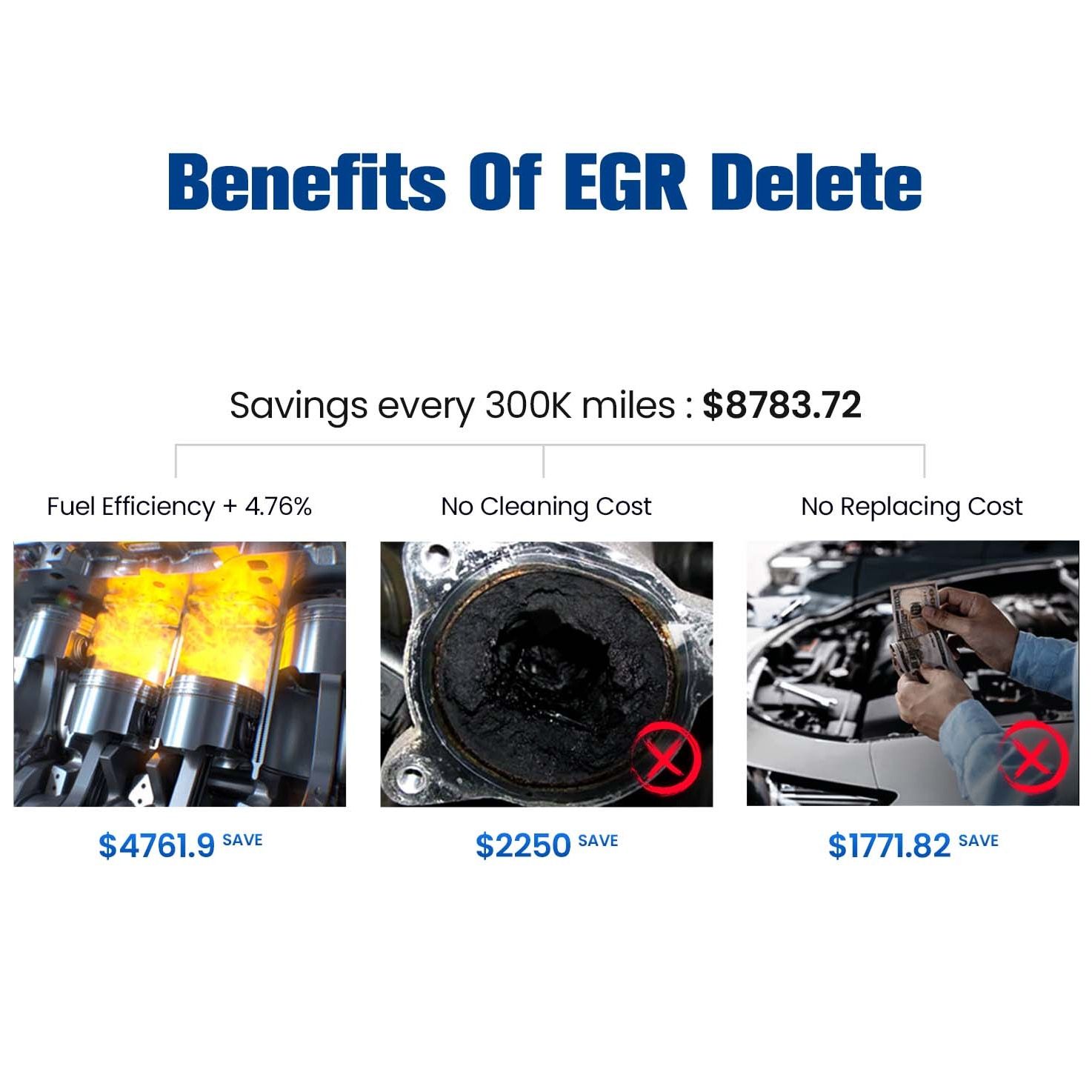
Legal Notice: Removing, disabling, or modifying emissions-control equipment on vehicles used on public roads may be illegal and may cause the vehicle to fail emissions inspection. EGR delete products are generally intended only for off-road, closed-course, or competition-use applications where permitted by law. Always check federal, state, and local regulations before modifying any emissions system.
Before making any emissions-related modification, read our guide on is EGR delete legal. If you are researching off-road or competition-use options where permitted, you can also view SuncentAuto's egr delete kit.
If you are comparing emissions-system modifications, it is also important to understand whether you can delete EGR without deleting DPF, and what happens when an EGR and DPF delete without a tuner is attempted.
Vehicle-Specific EGR Delete Resources
EGR systems vary by engine platform, model year, and emissions package. If you are researching diesel truck parts for off-road or competition-use applications where permitted, these vehicle-specific resources may help:
You may also find these related guides helpful:
- 6.7 Powerstroke EGR delete pros and cons
- best 6.7 Powerstroke EGR delete kit
- 6.7 Cummins EGR delete guide
FAQs
Conclusion
Now you know what an EGR valve is, what EGR means in a car, where the valve is usually located, and what it does. The EGR valve is a small but vital component in modern vehicles that helps reduce harmful nitrogen oxide emissions. It lowers peak combustion temperatures, supports emissions control, and plays an important role in overall engine operation.
At the same time, the EGR valve is only one part of a larger system. If you notice rough idle, poor acceleration, increased fuel consumption, engine knock, or an EGR-related trouble code, do not assume the valve is the only problem. Check the valve, passages, cooler, sensors, vacuum lines, wiring, and intake manifold before replacing parts.
We recommend being proactive about your vehicle's health and maintaining your EGR system regularly. Proper diagnosis and maintenance can help reduce emissions problems, prevent unnecessary repairs, and keep your engine running more smoothly.