 Contents
Contents
- What Is EGR on 6.7 Cummins and Why Do Owners Consider Deleting it?
- 6.7 Cummins EGR Delete Kit – Detailed Explanation
- How to Delete EGR on a 6.7 Cummins – Complete Installation Guide
- Do You Need a Tuner for EGR Delete on 6.7 Cummins?
- Drawbacks and Risks of Deleting EGR on a 6.7 Cummins
- Maintenance Tips After Deleting EGR on 6.7 Cummins
- Conclusion
- FAQs
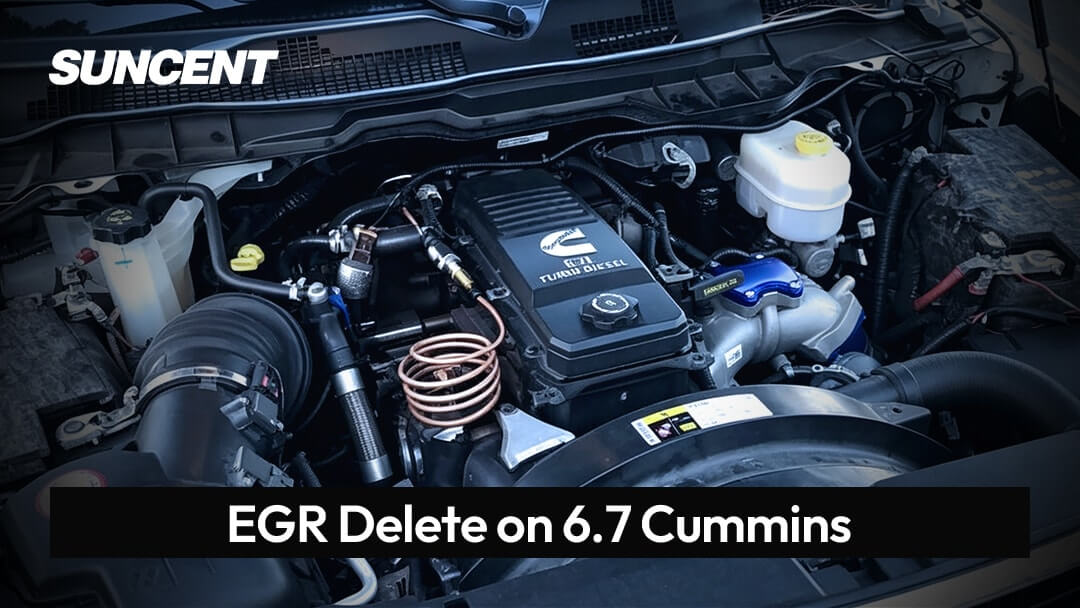
In the US diesel pickup community, " EGR delete 6.7 Cummins" has always been a high‑interest keyword. Many Ram 2500/3500 owners search for this term not because they have already decided to modify their trucks, but because they are facing real‑world problems: EGR carbon buildup, EGR cooler leaks, fault codes, high maintenance costs, or simply wondering why "delete" is such a hot topic on the forums. This article will give you a comprehensive analysis of EGR delete on the 6.7 Cummins – from technical principles and hands‑on steps to pros and cons – to help you make an informed decision.
Special Note: Under the U.S. Federal Clean Air Act, removing emissions control devices from a vehicle driven on public roads is illegal. The information in this article is for technical discussion and off‑road/racing purposes only. Always verify your local laws before proceeding.
What Is EGR on 6.7 Cummins and Why Do Owners Consider Deleting it?
EGR stands for Exhaust Gas Recirculation. Its primary purpose is not to increase power, but to help the vehicle meet NOx emission control targets. The EGR system redirects a small portion of exhaust gas back into the intake manifold, where it mixes with fresh air and re‑enters the cylinders for combustion, thereby suppressing the formation of nitrogen oxides (NOx).
Starting with the 2007.5 model year, as EPA emissions regulations tightened, the 6.7 Cummins received its first‑generation EGR system. After 2013, together with the DPF (Diesel Particulate Filter) and DEF (Diesel Exhaust Fluid) system, the EGR system became even more complex.
Why Do Owners Consider Deleting the EGR?
Discussions about 6.7 Cummins EGR problems never stop on truck forums. One user shared on CumminsForum: "I pulled my EGR valve and found a thick layer of carbon – it was nasty." This carbon issue is almost universal on all 6.7 Cummins EGR systems.
Here are the most common problems with the 6.7 Cummins EGR system:
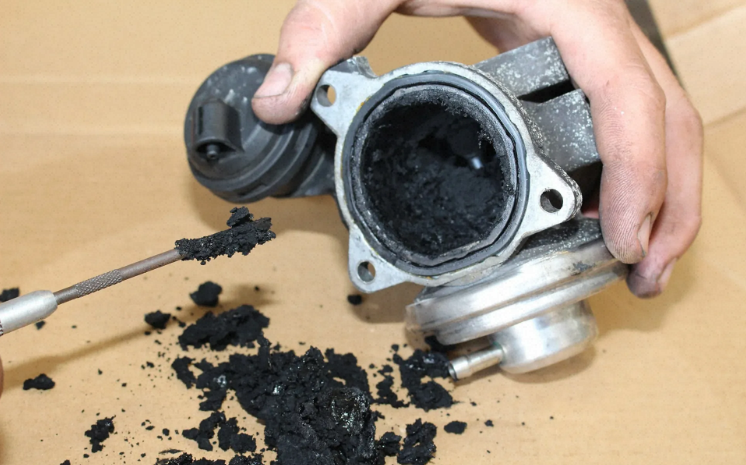
Carbon clogging: Soot from the EGR exhaust gradually forms hard carbon deposits in the intake manifold, EGR valve, and valves themselves, leading to sticky valves, poor airflow, and reduced performance.
EGR cooler failure: The cooler is prone to cracking due to repeated thermal stress, causing coolant to leak into the engine, potentially resulting in severe damage and expensive repairs.
Performance and fuel economy loss: The EGR system dilutes the intake charge with exhaust gas, lowering combustion efficiency, resulting in sluggish throttle response and worse fuel economy.
Many owners get tired of constantly cleaning or replacing EGR components and consider deleting the EGR system. Generally, deleting the EGR on a 6.7 Cummins brings several significant advantages:
Pros of Deleting EGR on a 6.7 Cummins
Reduced maintenance cost: Removing the EGR system eliminates all EGR‑related and intake carbon buildup issues. For an older truck that frequently needs repairs, this saves a lot of time and money.
Power increase: After clearing the intake bottleneck, the engine can draw in more fresh air. With proper tuning, gains of 50‑200 horsepower are typical.
Improved fuel economy: The EGR system lowers combustion efficiency; deleting it allows the engine to burn fuel more efficiently. Most users report a 2‑5 MPG improvement.
Enhanced reliability: With the EGR system gone, the engine internals are no longer constantly contaminated by carbon – the engine stays cleaner, oil contamination is reduced, and engine life is extended.
6.7 Cummins EGR Delete Kit – Detailed Explanation
In terms of modification, an EGR delete usually involves using an EGR block‑off plate to seal the EGR ports on the intake and exhaust manifolds, removing the failure‑prone EGR cooler, and rerouting the coolant circuit with a bypass hose.
What Does an EGR Delete Kit Typically Include?
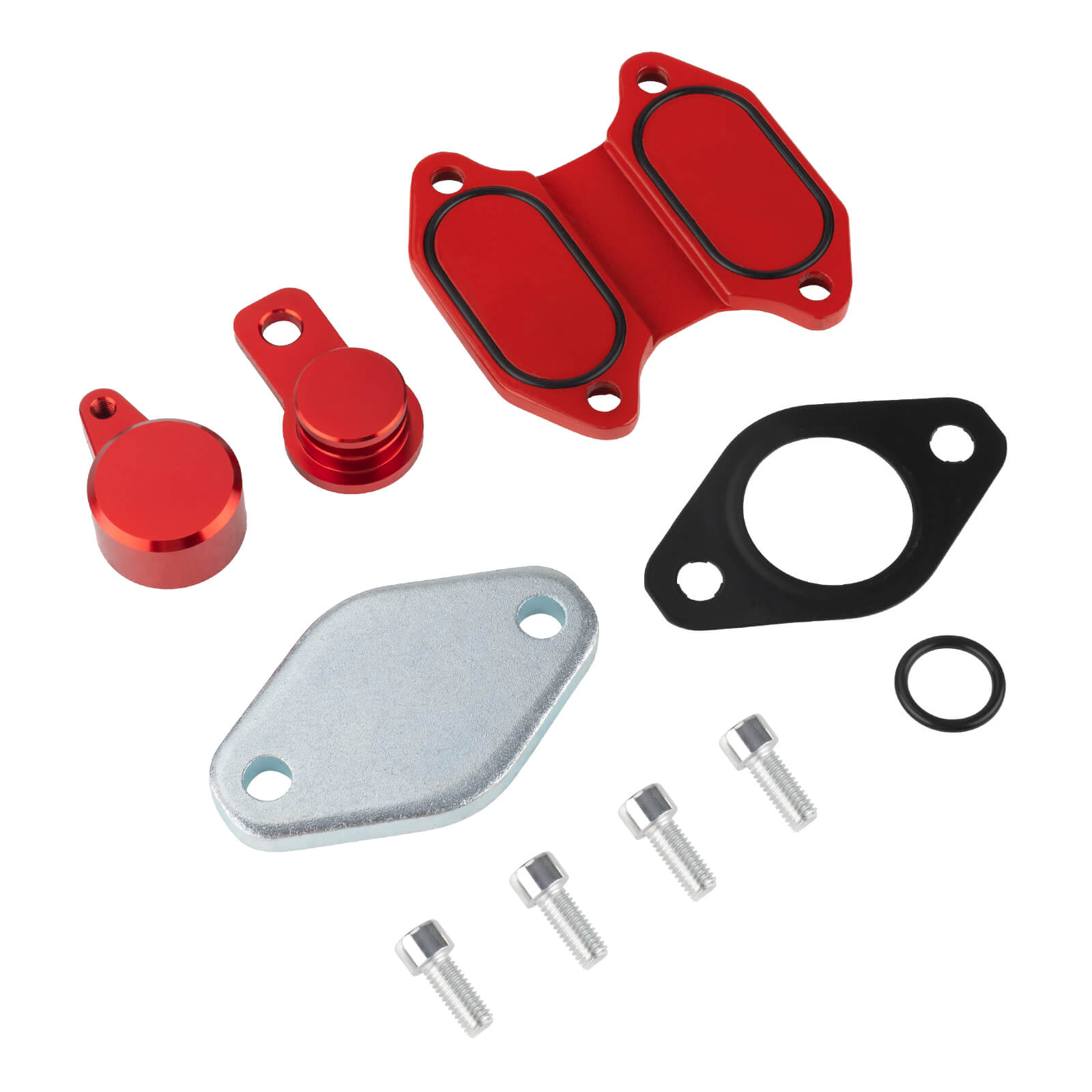
A standard EGR delete kit generally includes:
- EGR block‑off plate: a metal plate to block the EGR passage
- Coolant bypass hose/pipe: replaces the factory EGR cooler's coolant path
- Gaskets and bolts: all required seals and fasteners for installation
- Throttle valve delete option (some kits): removes the intake throttle valve assembly
- Tuning device (full kits): e.g., EZ Lynk, Mini Maxx, etc.
Distinguish By Model Year
When choosing a 6.7 Cummins EGR delete kit, the most important factor is the exact model year of your truck:
| Model Year Range | Emissions Configuration | Delete Characteristics |
| 2007.5‑2009 | EGR + DPF | Relatively simple delete, lower kit cost |
| 2010‑2012 | EGR + DPF | Similar to above, but ECU differs |
| 2013‑2024 | EGR + DPF + DEF/SCR | Most complex delete; requires dealing with DEF system and more involved ECU tuning |
Note that if your truck is a Cab & Chassis version, you may need a dedicated kit because the EGR system layout differs from the pickup version. Additionally, 2019+ models may require specific hardware unlocking before tuning is possible.
How to Delete EGR on a 6.7 Cummins – Complete Installation Guide
Among the many brands offering 6.7 Cummins delete kits, SuncentAuto stands out for its broad coverage, high quality, excellent technical support, and after‑sales service. SuncentAuto provides delete kits covering the entire 2007‑2024 6.7 Cummins lineup – no matter what year your truck is, you can find the right solution. Next, we will use SuncentAuto 2010-2024 6.7 Cummins EGR delete kit as an example to show how to delete the EGR on a 6.7 Cummins.
Required Tools
- Socket set: 8mm, 10mm, 11mm, 12mm, 13mm, 15mm (both shallow and deep sockets recommended)
- Open‑end wrenches: especially 10mm, 13mm, and 15mm
- Ratchet extension bar: for reaching deep bolts
- Pliers: for removing factory spring‑type hose clamps
- Penetrating oil (WD‑40): strongly recommended to spray on exhaust manifold bolts beforehand
- Flathead screwdriver: for removing intake hose clamps
- Torque wrench: for final tightening of block‑off plate bolts
1. Preparation (applicable to all models)
Cool down the vehicle : never work on a hot engine to avoid burns.
Disconnect power : disconnect the negative battery terminal.
Lubricate bolts : spray penetrating oil (e.g., WD‑40) on bolts and wait 10 minutes to prevent breakage.
Drain coolant : drain the engine coolant.
2. Removal Steps
Remove the engine cover: take off the plastic engine cover (usually the dipstick must be removed first).
Remove the crossover tube: loosen the V‑band clamps, unplug the sensor connector, and remove the crossover tube.
Remove the EGR valve: disconnect the electrical connector on the EGR valve, remove the bolts securing the EGR valve (typically 4 bolts), and clean old gasket residue from the intake elbow.
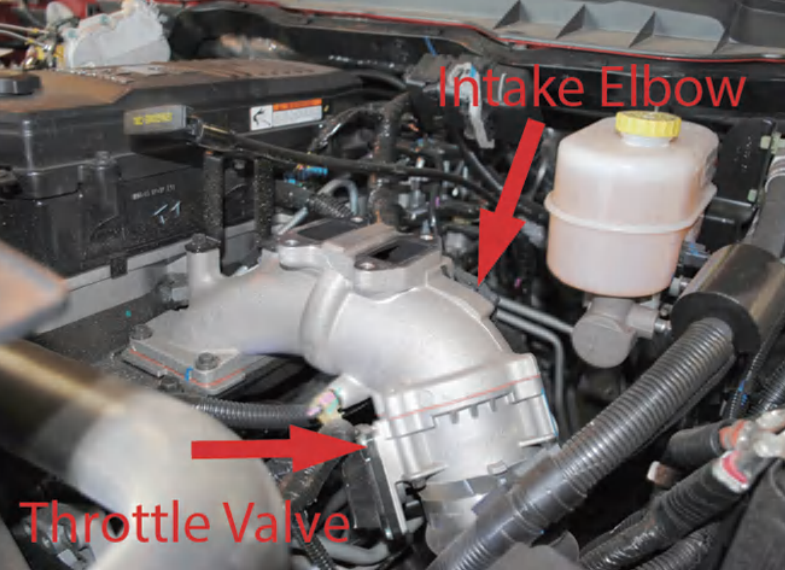
Disconnect the throttle valve: unplug the connector underneath the throttle valve to prevent it from staying permanently closed. Note: if your kit includes a throttle valve delete pipe, replace the original part directly.
Remove the heat shield and exhaust bypass: remove the heat shield on the EGR bypass pipe, remove the exhaust bypass valve bolts, and take out the exhaust servo motor together with the bypass section.
Remove the EGR cooler:
- Remove the crankcase ventilation tube and the coolant hoses connected to the cooler.
- Remove the EGR cooler mounting bolts (usually 4‑5) and the nuts connecting it to the exhaust manifold.
- Loosen the V‑band clamp, then pull the cooler upward and forward out of the vehicle.
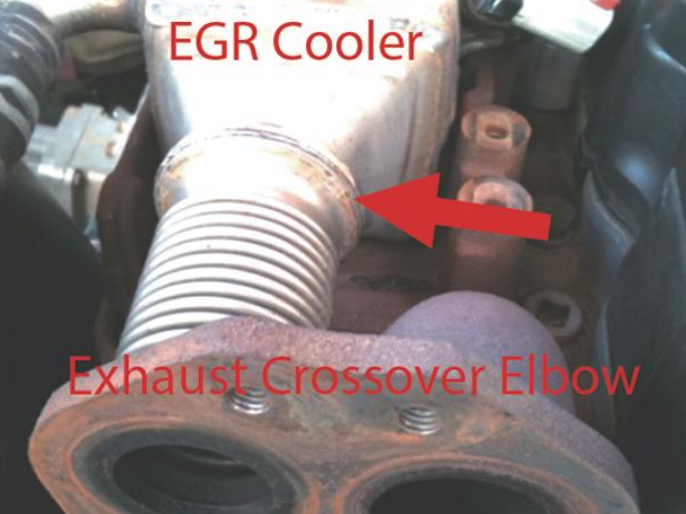
Remove the mounting bracket: remove the cooler bracket bolts attached to the engine block.
3. Installation & Finishing
Block the intake and exhaust: use the block‑off plates provided in the kit to seal the intake manifold and exhaust manifold ports.
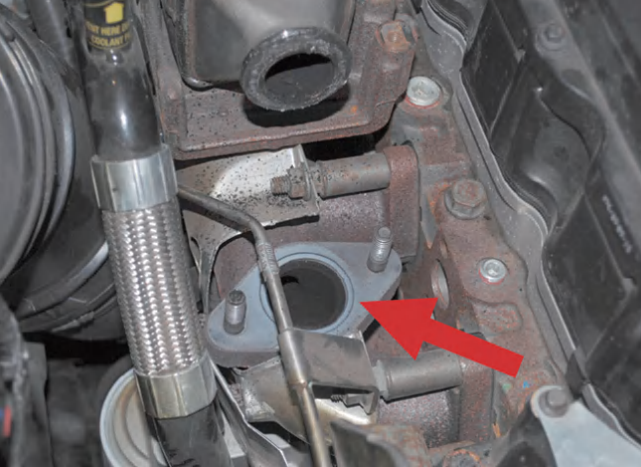
Bypass the coolant circuit: use the new coolant hoses and fittings from the kit to connect the two coolant lines that originally went to the EGR cooler, and secure them with clamps.
Reinstall accessories: reinstall the crankcase ventilation tube, and use the kit's bracket to secure the dipstick tube.
Add coolant: fill with coolant, start the engine, and check for leaks.
The core removal procedure for the EGR system of a 6.7-liter Cummins engine is generally the same across different years and models. However, there may be some minor differences. We recommend that you refer to the detailed specifications specific to your vehicle's year.
Do You Need a Tuner for EGR Delete on 6.7 Cummins?
For an EGR delete on the 6.7L Cummins, you must perform ECU tuning before physically removing the hardware. This is not optional – it is a critical prerequisite to ensure the vehicle runs properly.
The reason for the " tune first, delete second" sequence is that the ECU is loaded with very complex emissions monitoring logic. It constantly monitors EGR valve status, flow, and cooler efficiency. If you remove the hardware without first changing the software, the vehicle will immediately go into limp mode due to lost sensor signals or parameter errors, severely limiting engine power – it may even become undrivable.
By flashing a dedicated delete tune first, you tell the ECU in advance to ignore the existence of these emissions components and disable the relevant sensor monitoring circuits. After the tune is applied, the vehicle is in a state where the hardware is still present but the ECU logically no longer calls for EGR. Then, when you physically remove the hardware, the system will not throw fault codes – ensuring a smooth modification process and avoiding unnecessary repair headaches from electronic conflicts.
Drawbacks and Risks of Deleting EGR on a 6.7 Cummins
Legal Compliance
This is the most important issue. Under the U.S. Federal Clean Air Act, removing any emissions control device from a vehicle driven on public roads is illegal. Delete kits must be labeled "For off‑road, competition, and racing use only."
State law differences: States like California that strictly enforce CARB regulations have the toughest enforcement on emissions system modifications. Even in other states, if your vehicle is randomly inspected at a checkpoint or pulled over, you may be required to undergo an emissions test and face penalties.

Warranty Void
If your vehicle is still under the original factory warranty, any emissions system modification will immediately void the powertrain warranty. One forum user admitted: "Deleting EGR may void the warranty – even though my truck isn't brand new, it's still a concern."
Resale Value Impact
Modified vehicles face a smaller pool of potential buyers in the used market. Many buyers avoid deleted emissions vehicles due to compliance concerns, and legitimate dealers will typically refuse to buy emissions‑noncompliant vehicles.
Is Deleting EGR on a 6.7 Cummins Worth It?
This is a complex question – the answer depends on your specific situation. If you plan to keep the truck for a long time (over 300,000 km), or the vehicle already suffers frequent EGR‑related clogging failures, and you live in an area with no emissions testing, then deleting it is mechanically advantageous. If you mostly drive in the city or heavily rely on the factory warranty, deleting it could be a nightmare.
Maintenance Tips After Deleting EGR on 6.7 Cummins
Cooling System Maintenance
If the original EGR cooler had minor leaks or corrosion, it is strongly recommended to install a coolant filter after removal to catch any remaining debris and protect the new cooling system.
Oil Monitoring
Although soot content in the engine oil will drop significantly because exhaust gas no longer enters the intake, this does not mean you can extend service intervals indefinitely. Many owners report greatly improved oil analysis results and safely extended oil change intervals. Still, follow the factory or slightly shorter intervals, and always use high‑quality full‑synthetic oil.
Intake System
Regular inspection of the intake and exhaust systems is important. Increase checks of intake piping sealing to ensure that the block‑off plates have not loosened or developed leaks due to thermal expansion and contraction. To further keep the intake system clean, consider installing a CCV (crankcase ventilation) bypass kit to prevent oil vapor from entering the intake.
Conclusion
EGR delete on the 6.7 Cummins can significantly increase power (up to 200 hp), improve fuel economy (2‑5 MPG), eliminate inherent EGR system failures, and extend engine life. SuncentAuto offers delete kits covering the full 2007‑2024 range, along with detailed installation manuals.
However, this modification violates the federal Clean Air Act, voids the warranty, hurts resale value, and is only legal for off‑road, competition, or racing use.
Final advice: If your truck is out of warranty, you live in an area with no emissions testing, and you primarily use it off‑road or for racing, then an EGR delete is worth considering. If you need daily driving, the vehicle is still under warranty, or you live in a region with strict emissions regulations – think twice.