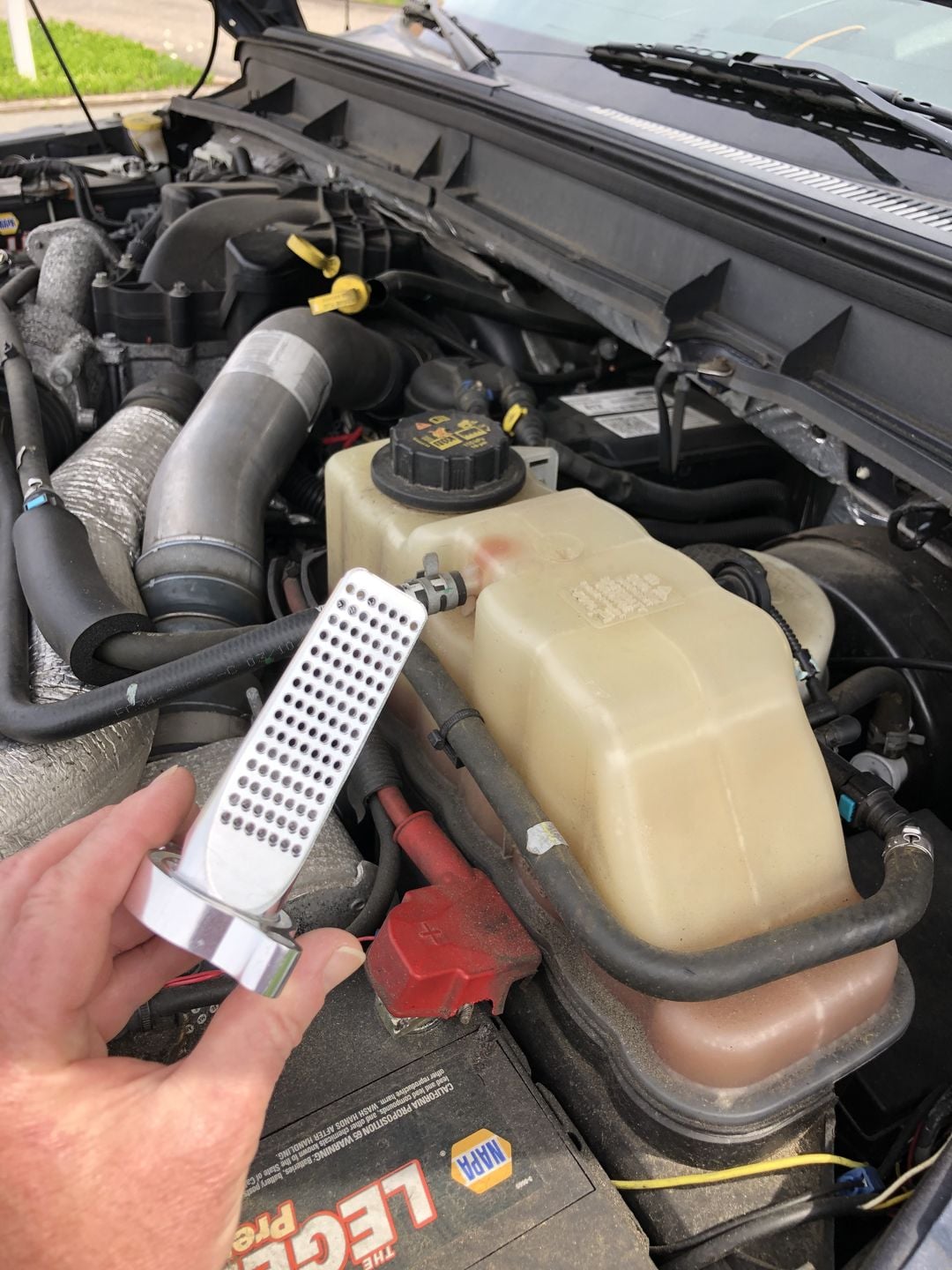
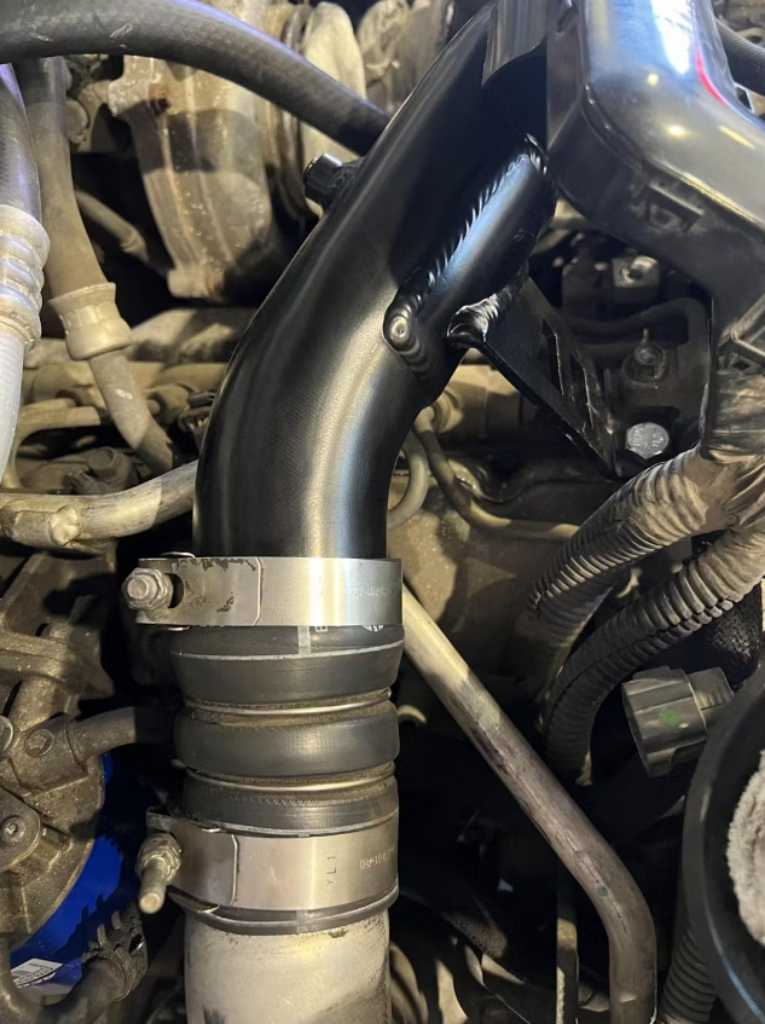
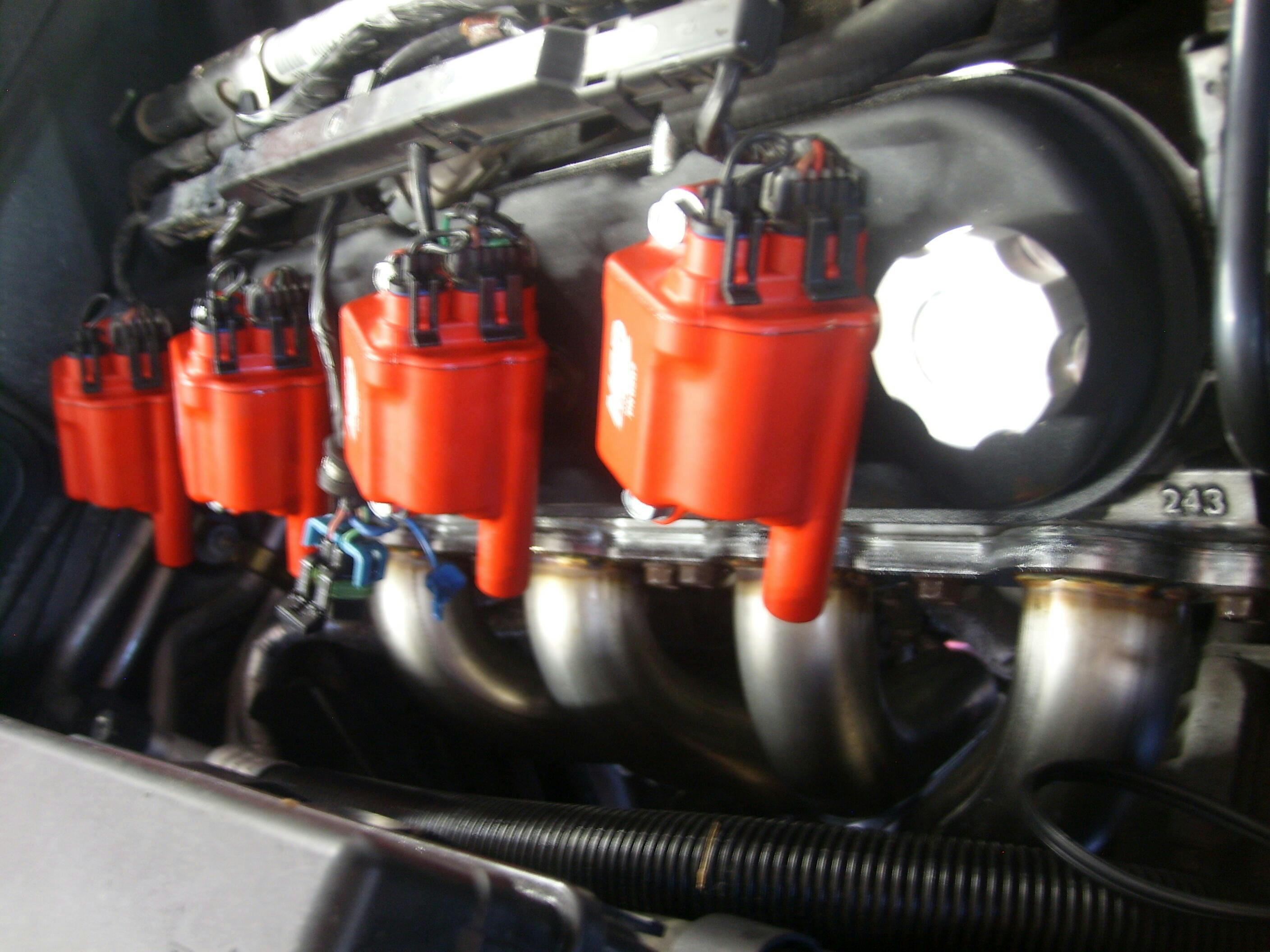
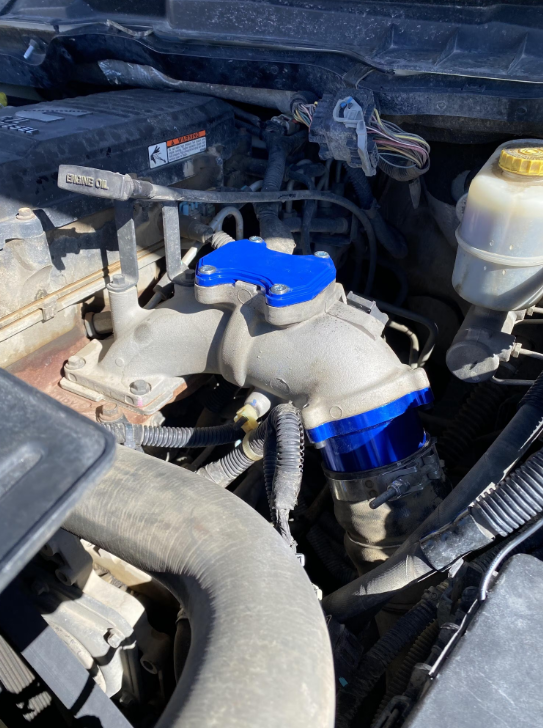
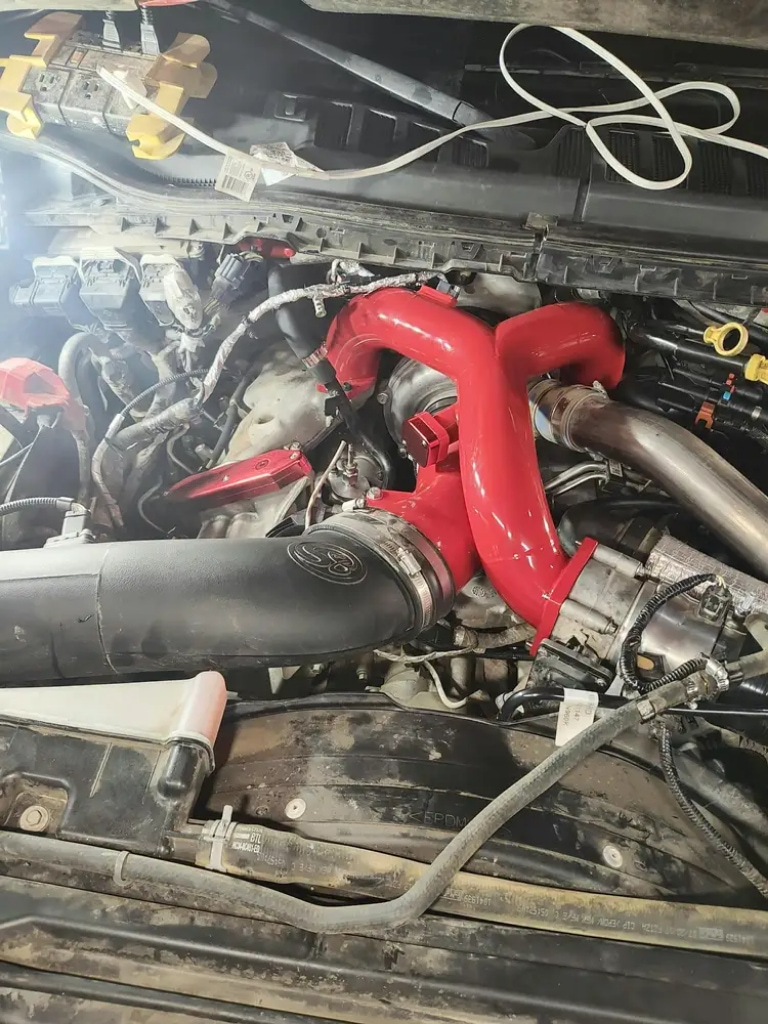
SuncentAuto offers exhaust manifolds and headers compatible with mainstream models such as the Ford Powerstroke, Chevrolet, Dodge, and Nissan. Whether you need to replace a cracked or leaking original cast iron manifold, or upgrade to a T-304 stainless steel header to reduce back pressure, improve exhaust sound and power output, you can find the perfect fit here.
45-Day Returns | Free Shipping within the US | Compatibility Verification | 10% Discount for New Users


An exhaust manifold is a critical component of an engine. It collects exhaust gases from each cylinder and directs them into the exhaust system. Its purpose is to maintain proper exhaust flow, reduce back pressure, and help the engine operate efficiently.
SuncentAuto exhaust manifolds are high-performance aftermarket parts designed to replace the original factory exhaust manifold. They optimize exhaust flow and reduce back pressure, thereby improving the vehicle's overall power and efficiency. Unlike the easily cracked and poorly heated original cast iron manifolds, our exhaust manifolds are made of premium stainless steel, offering superior durability and performance enhancement.
Our exhaust manifolds are suitable for truck owners (Ford F-Series, Dodge Ram, Chevrolet Silverado, etc.), off-road enthusiasts, and performance modifiers, especially for:
Older vehicles with leaking, cracked, or rusted exhaust manifolds.
Drivers looking to improve throttle response and engine power.
High-temperature and high-torque applications such as towing or diesel trucks.
Performance enthusiasts planning engine upgrades or modifications.
Dimension | SuncentAuto Aftermarket | OEM Cast Iron |
Material | Stainless steel | Cast iron |
Crack Resistance | Higher alloy strength with excellent resistance to thermal stress | Cast iron is brittle and prone to cracking under thermal stress |
Airflow Efficiency | Smoother internal surfaces and optimized design result in better performance | Surface finish and design may limit airflow compared to high-performance components |
Weight | Lighter | Heavier |
Heat | Better heat dissipation and less heat retention | Retains more heat, increasing engine bay temperatures |
Fuel Efficiency | Performance may be improved due to increased exhaust flow and reduced back pressure | Baseline |
Durability | Long service life (5-10 years with proper maintenance) | Short service life (2-5 years, easily damaged) |
Exhaust manifolds and exhaust headers both channel exhaust gases away from the engine, but they differ significantly in design, performance characteristics, and intended applications.
Exhaust manifolds are typically direct replacements for factory-installed cast iron or factory-fitted parts.
Exhaust headers, on the other hand, use longer, equal-length stainless steel pipes to maximize exhaust emission efficiency. Exhaust headers typically come in various designs, including short-pipe, long-pipe, and cylinder-head mounted types.
Opt for a high performance exhaust manifold if you need a durable replacement for a cracked factory unit with subtle power upgrades for daily driving. Choose an exhaust header if you’re chasing maximum engine power and race-grade performance for your modified vehicle.
We offer high-performance exhaust manifolds and headers suitable for a wide range of American and imported vehicle models, covering multiple brands, generations, engine platforms, and exhaust manifold types. Below is an overview of our compatibility:
Category | Details |
Vehicle Brands | Chevrolet, Ford, Dodge, Nissan, and other performance & classic vehicle brands |
Header Styles | Shorty Headers – Easy installation, near-OEM fitment Long Tube Headers – Maximum exhaust flow and performance gains Block Hugger Headers – Ideal for tight engine bays and engine swaps Exhaust Manifolds – Direct replacement for factory manifolds |
Supported Models | Corvette: C2 / C3 / C5 / C6 Mustang: 1964–1973 (Gen I), 1979–1993 (Gen III), 1994–2004 (Gen IV), 2005–2014 (Gen V) Camaro: 1970–1981 (Gen II), 1982–1992 (Gen III), 1993–2002 (Gen IV), 2009–2015 (Gen V) |
Engine Compatibility | GM: Vortec, SBC (Chevrolet 350), BBC, LS Ford: Small Block Ford Dodge: HEMI Nissan: VQ V6 |
⚠️ Compatibility may vary depending on engine displacement, drivetrain, and emissions configuration. Please confirm your vehicle year, engine type, and exhaust manifold type before purchasing. You can use the vehicle selector or contact our customer service team for confirmation.
Upgrading your exhaust manifolds involves several key factors. Here’s what to consider:
Confirm your engine type, model, year, and displacement. Ensure the manifold is fully compatible with your vehicle.
4-2-1: Improves low- and mid-range torque; ideal for street and daily driving.
4-1: Maximizes high-speed power; suitable for racing or high-speed driving.
Short Manifold: Faster throttle response at low speeds; easier installation.
Long Manifold: Stronger high-speed performance; requires more space and finer tuning.
Step 1: After ensuring the engine is completely cooled, disconnect the negative battery cable and remove any heat shields or other components obstructing your access to the exhaust manifold.
Step 2: Remove the old exhaust manifold from the cylinder head and exhaust pipe. Then remove and discard any worn gaskets to prevent leaks.
Step 3: Thoroughly clean the cylinder head mounting surfaces, then install new high-temperature gaskets and install the new SuncentAuto exhaust manifold in place.
Step 4: Tighten the manifold bolts in a crisscross pattern to the factory torque specifications to prevent deformation, then reconnect the exhaust pipe and removed components.
Step 5: Check the tightness and clearance of all joints, then start the engine to test for exhaust leaks.
Note: For complex modifications, installation by a professional is recommended to ensure perfect installation and performance.
We offer more than just parts; we provide complete upgrade solutions for your peace of mind.
Quality Guarantee: All manifolds are made of stainless steel, ensuring the reliability and durability of every product.
Free Shipping & Fast Delivery: Free standard shipping to all states within the U.S.
45-Day Returns: Unused and undamaged products can be returned or exchanged within 45 days for a full refund.
Customer Support: Email, phone, and detailed installation guides.
Exclusive Offer: Enjoy a 10% discount on your first order! And check more discounts: https://www.suncentauto.com/deals-coupons-codes.html
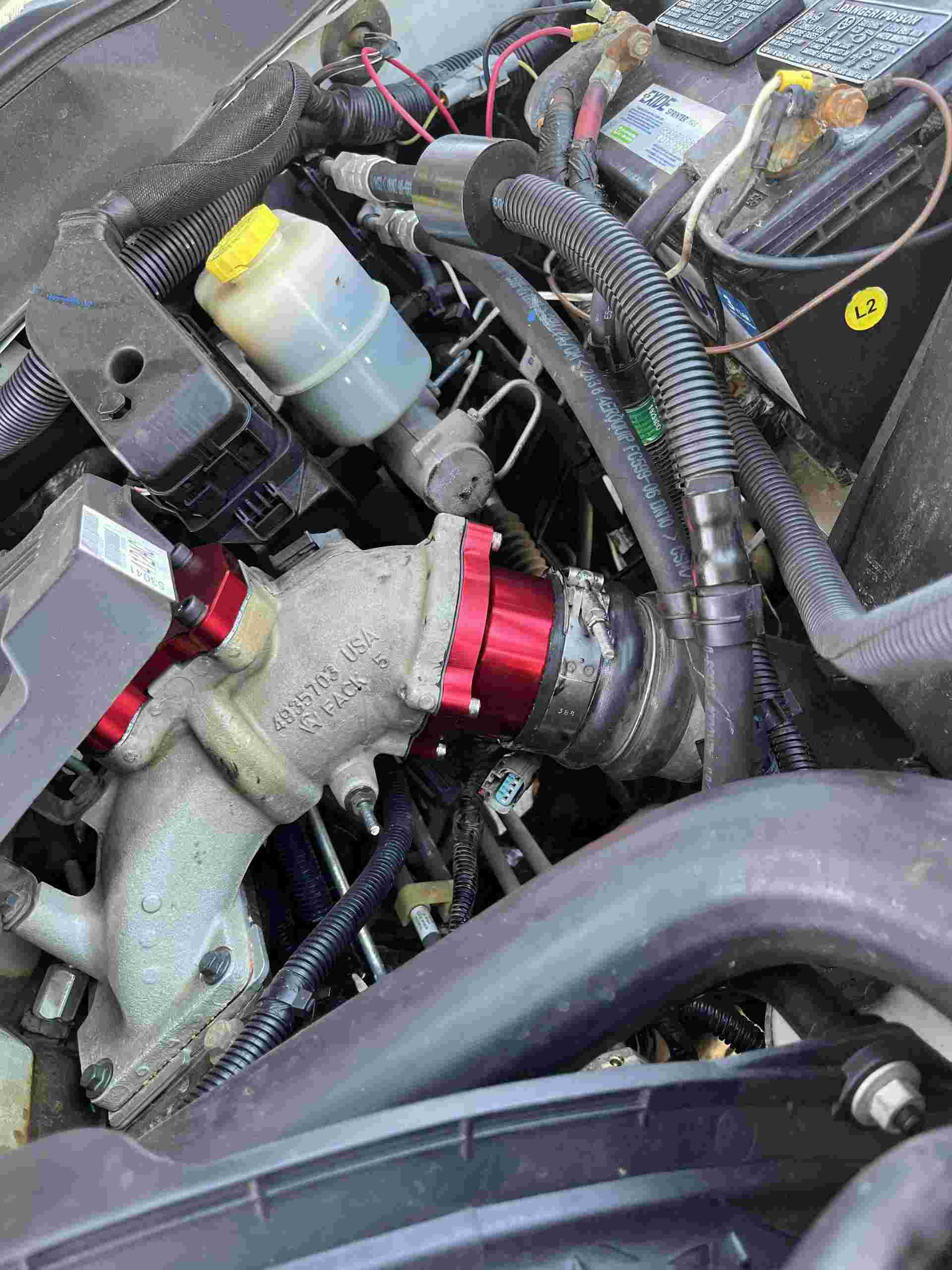
The up-pipe connects the exhaust manifold to the turbocharger. If there are exhaust leaks, aging, or damaged connections, it can be replaced along with the turbocharger, reducing repeated disassembly and reassembly. Upgrading to a stainless steel up-pipe eliminates potential leaks, reduces exhaust back pressure, improves turbo response, and lowers EGT by tens of degrees Fahrenheit. This is the most worthwhile step to prioritize in diesel exhaust upgrades.
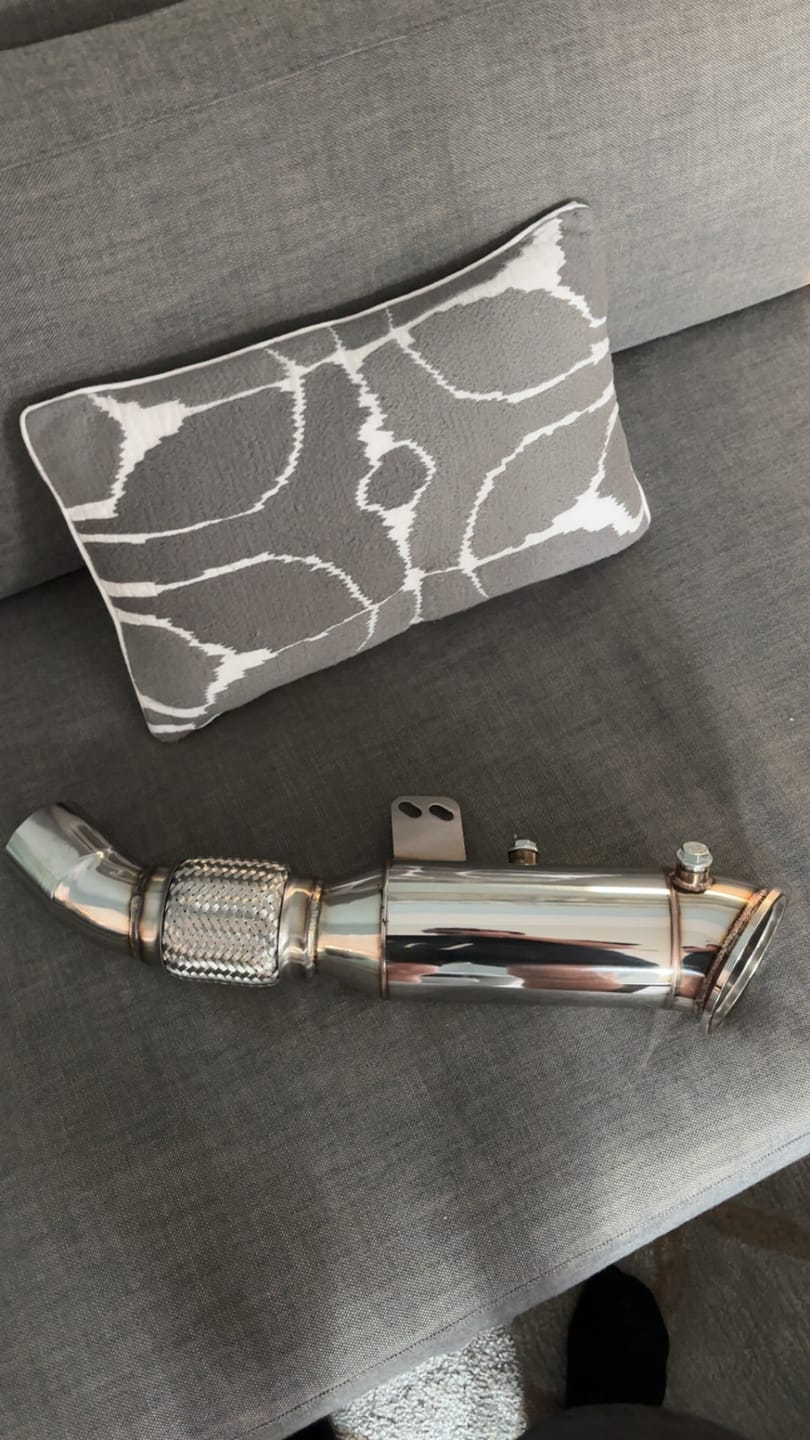
The stock downpipe after the turbocharger often has a small diameter, creating a bottleneck. Replacing it with a larger diameter downpipe further releases back pressure, making the turbocharger more efficient. Power and throttle response typically improve by 5%-10%, and EGT is more stable under towing or heavy loads.
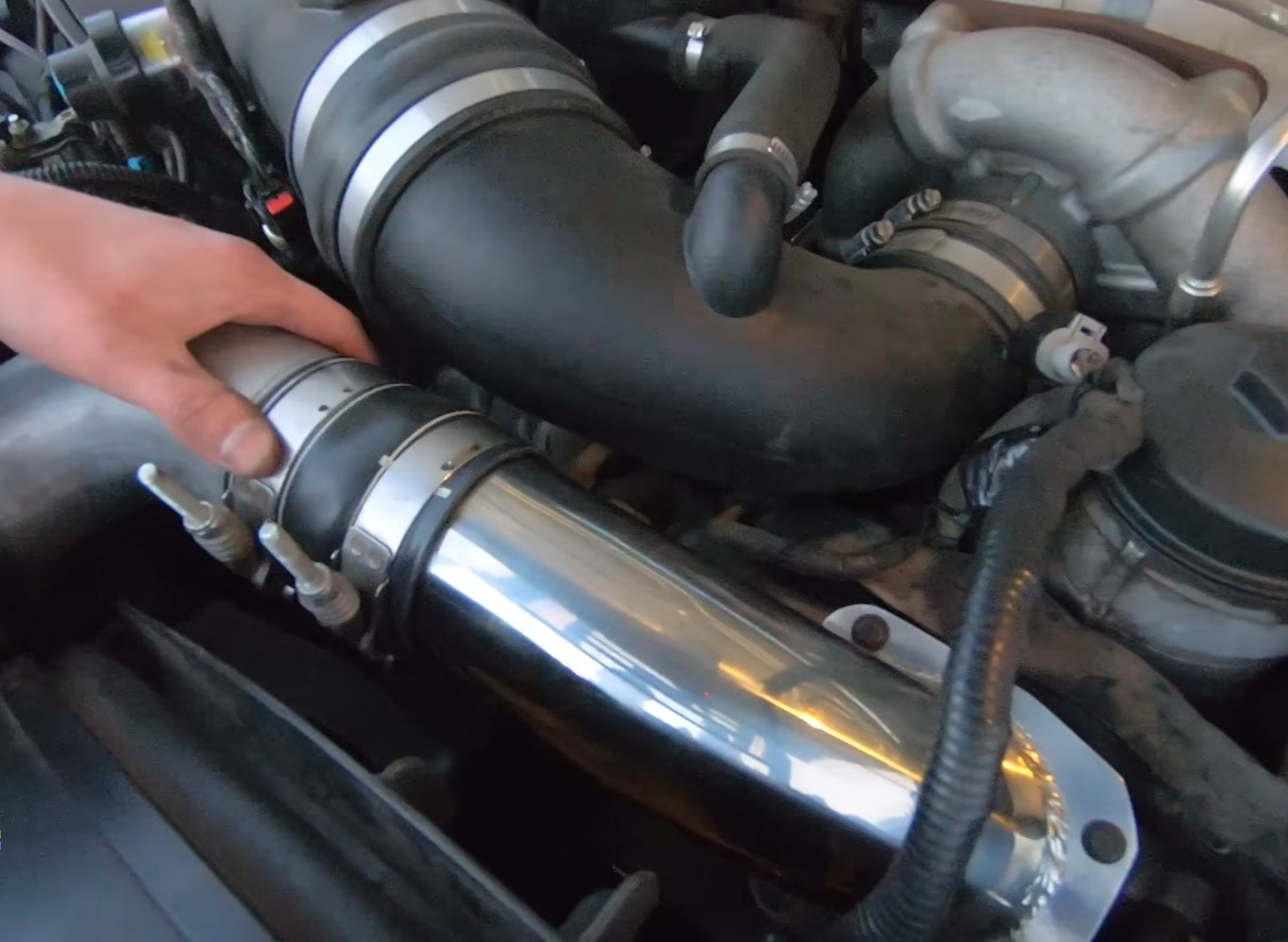
Intake-side temperature also affects EGT and sustained power. The stock intercooler is prone to thermal saturation under prolonged turbocharging, leading to increased intake air temperature and reduced power. Upgrading to a high-flow intercooler can reduce intake air temperature by up to approximately 30°F, reducing pressure drop and allowing the turbocharger to remain stable under continuous load. Upgrading the intake piping in conjunction with this upgrade will provide a more complete effect.
If you have a limited budget, start with the first step to address the most common issues of air leakage and turbo efficiency. If your budget allows, you can upgrade all three steps together for a more significant improvement in overall intake and exhaust efficiency.
It collects exhaust gases from the engine cylinders and directs them into the exhaust system, thereby improving engine efficiency and performance.
It is not recommended. Leaks will lead to decreased performance, increased emissions, increased engine noise, and may damage other components.
Common signs include excessive exhaust noise, decreased engine performance, visible cracks, a strong odor from the engine compartment, or an illuminated engine malfunction indicator light.
You can use our vehicle selector tool (enter your vehicle brand, year, and engine model) or contact our customer service for a personalized compatibility check.
With proper maintenance, our stainless steel manifolds can last 5-10 years (2-3 times longer than original cast iron manifolds). Regular maintenance can further extend their lifespan.
Manifolds compatible with vehicles manufactured before 1975 are compliant. Manifolds compatible with vehicles manufactured after 1976, and any modifications to emissions, are non-compliant and are only suitable for off-road or racing use.