









 Contents
Contents
- What Is a Delete Kit for a 6.7L Powerstroke Engine?
- Why Owners Research DPF and EGR Deletes on the 6.7L Powerstroke
- Real-World Ownership Scenario
- How to Choose the Best Delete Kit for 6.7 Powerstroke
- Best 6.7 Powerstroke Delete Kit Recommended 2026
- Actual Benefits: Verified Engineering Benefits
- Comparison of Different Types of 6.7 Powerstroke Delete Kits
- Can You Delete a 6.7 Powerstroke without a Tuner?
- Legal Considerations Before Buying a 6.7 Powerstroke Delete Kit
- Summary: What Is the Best Delete Kit for 6.7 Powerstroke?
- FAQs
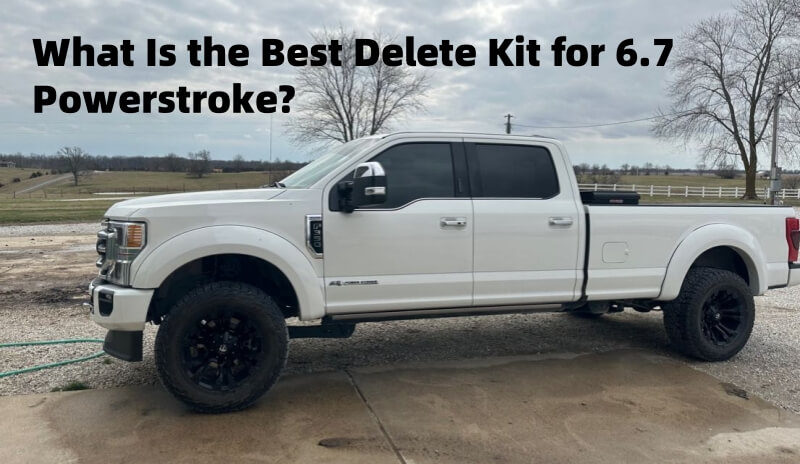
The 6.7L Powerstroke engine is equipped with a range of emission systems in order to meet emission requirements. However, emission systems such as DPF and EGR can limit performance, reduce fuel efficiency and lead to expensive maintenance costs. Therefore, many truck owners consider installing a delete kit. In this article, we will discuss the advantages and disadvantages of delete kits and guide you on what is the best delete kit for 6.7 Powerstroke engines in 2026.
What Is a Delete Kit for a 6.7L Powerstroke Engine?
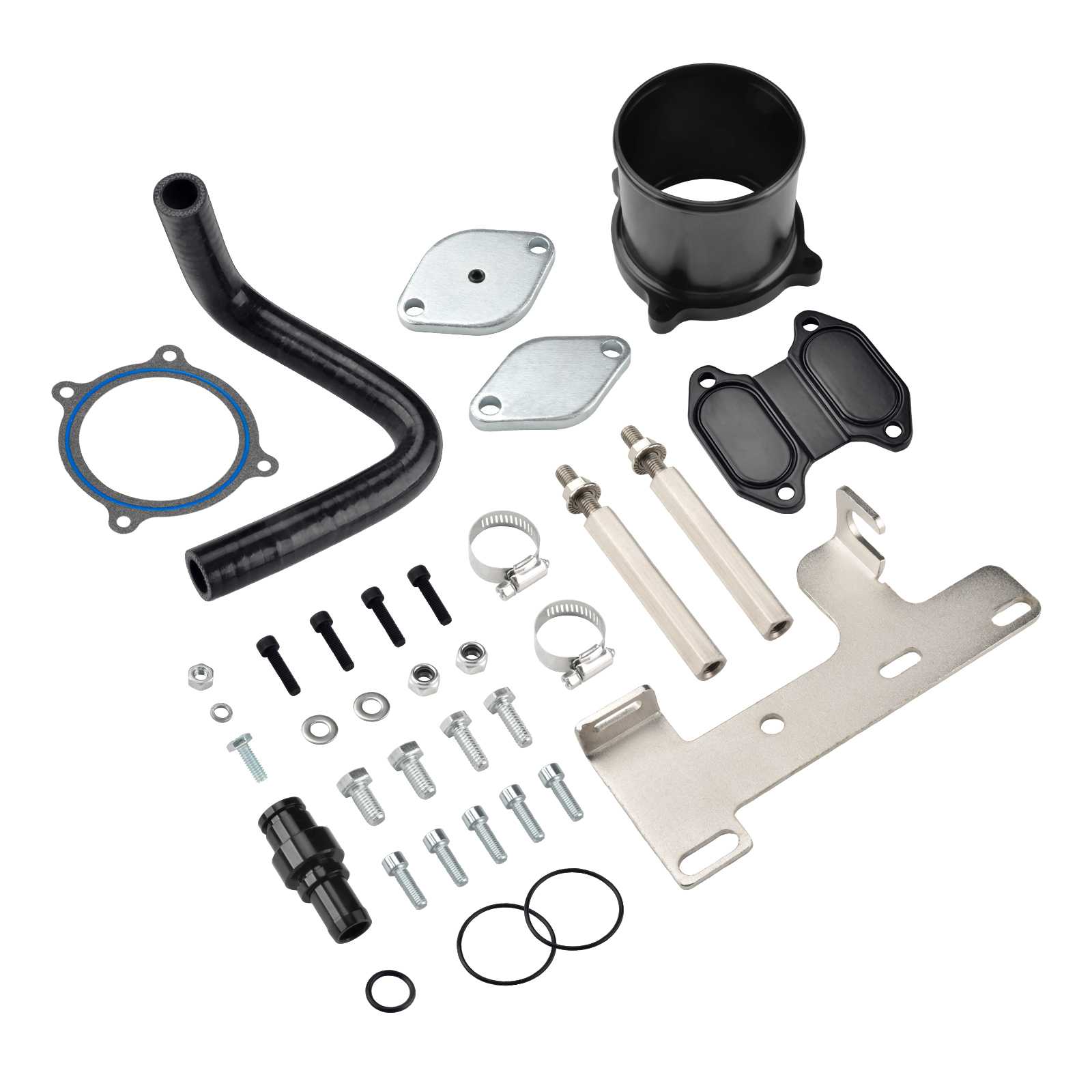
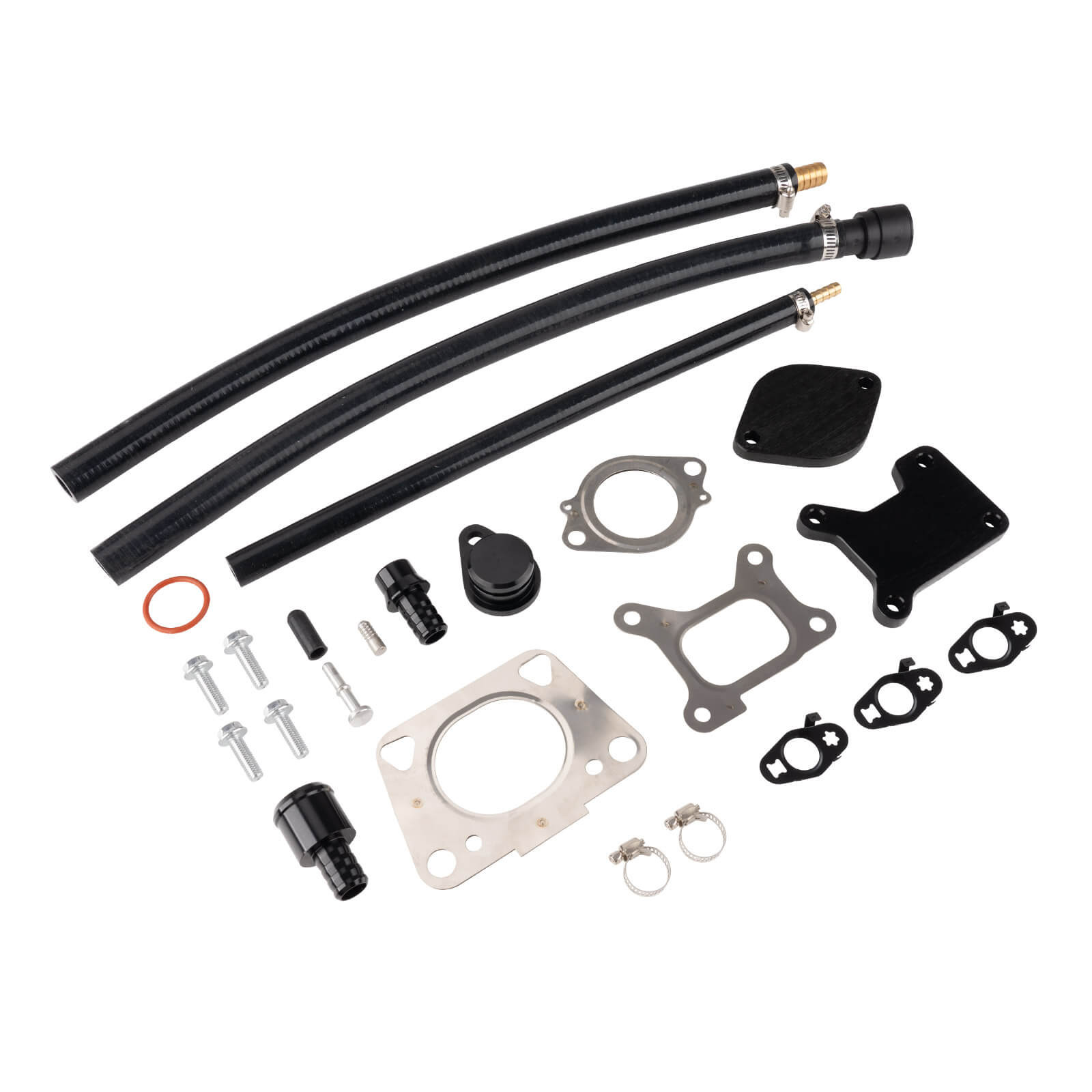
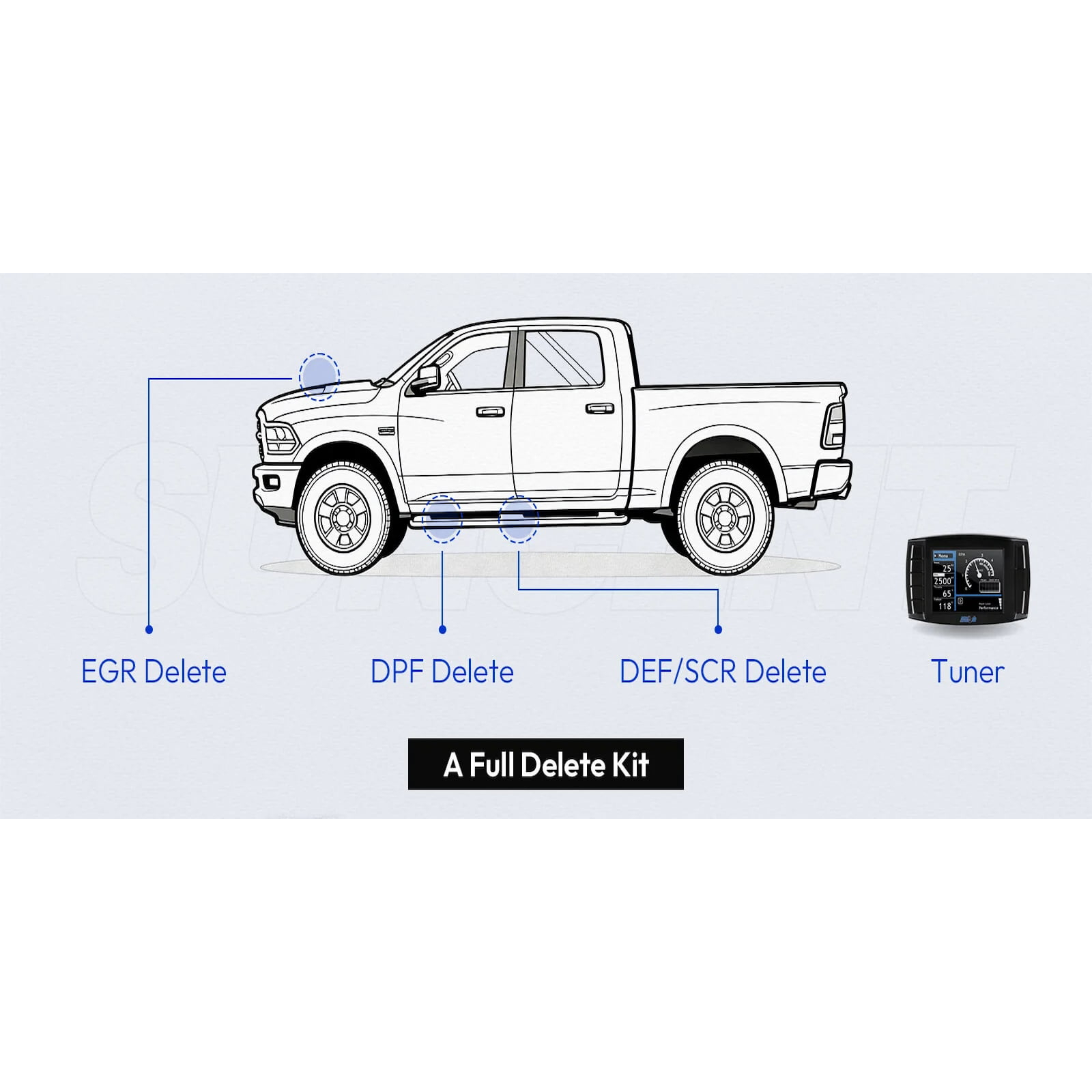
A delete kit is a series of parts used to remove or bypass the emission control system of a diesel engine. The main components of a 6.7 Powerstroke delete kit typically include:

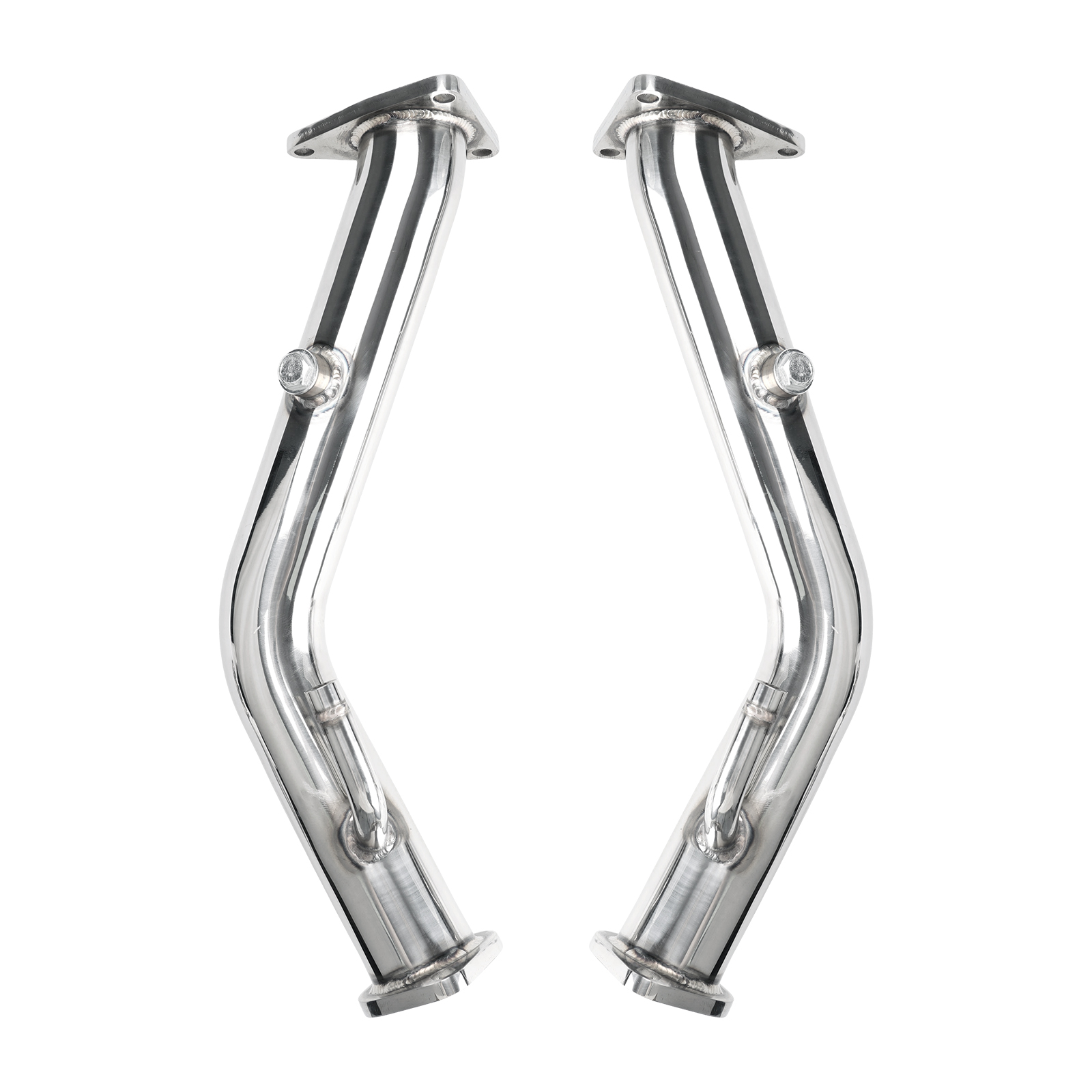
- DPF delete kit : Replaces the diesel particulate filter (DPF) to allow exhaust gases to flow freely.
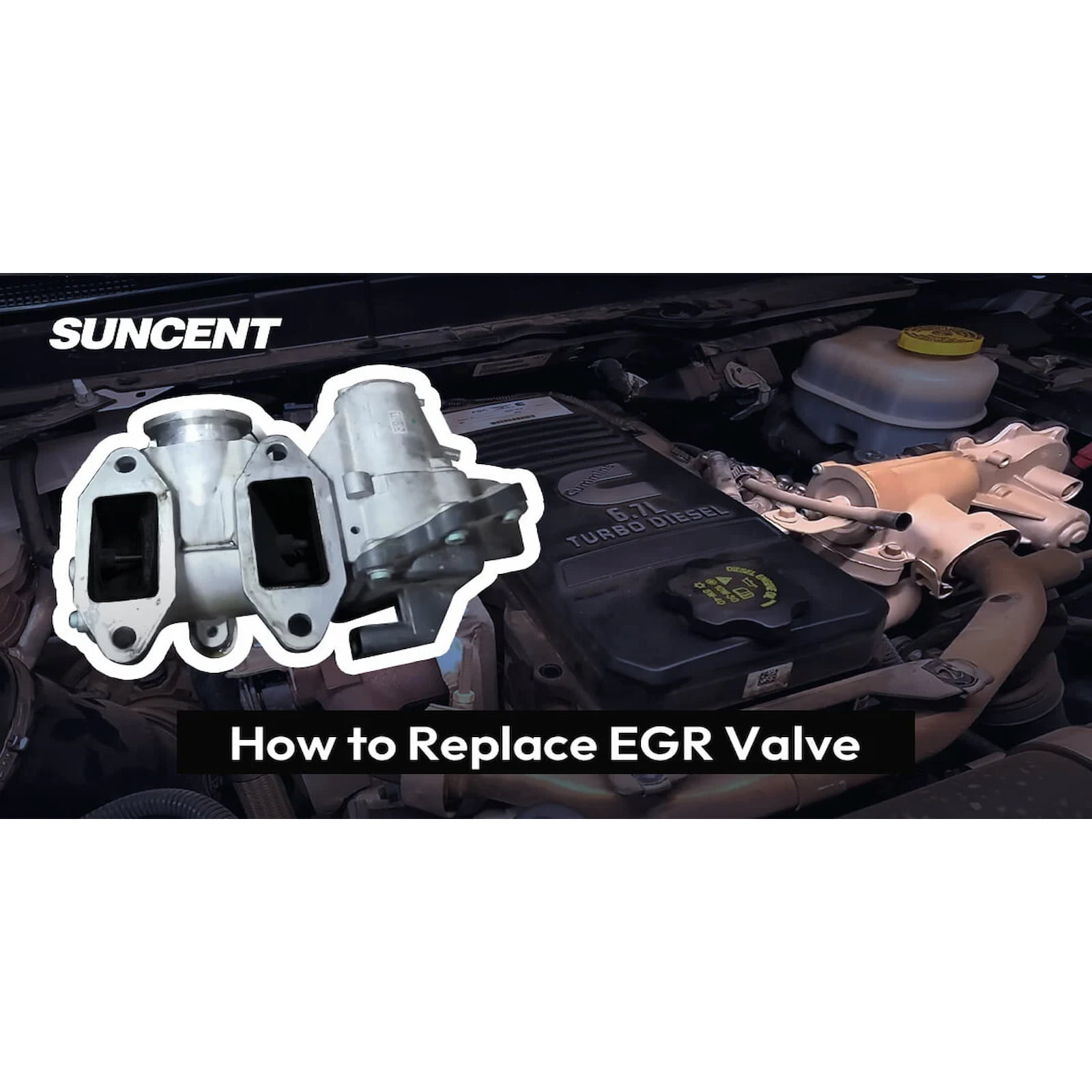
- EGR delete kit : Removes the exhaust gas recirculation (EGR) system to prevent exhaust gases from returning to the engine.
- DEF delete kit : Removes the diesel exhaust fluid (DEF) system, eliminating the need to fill it with diesel exhaust fluid.
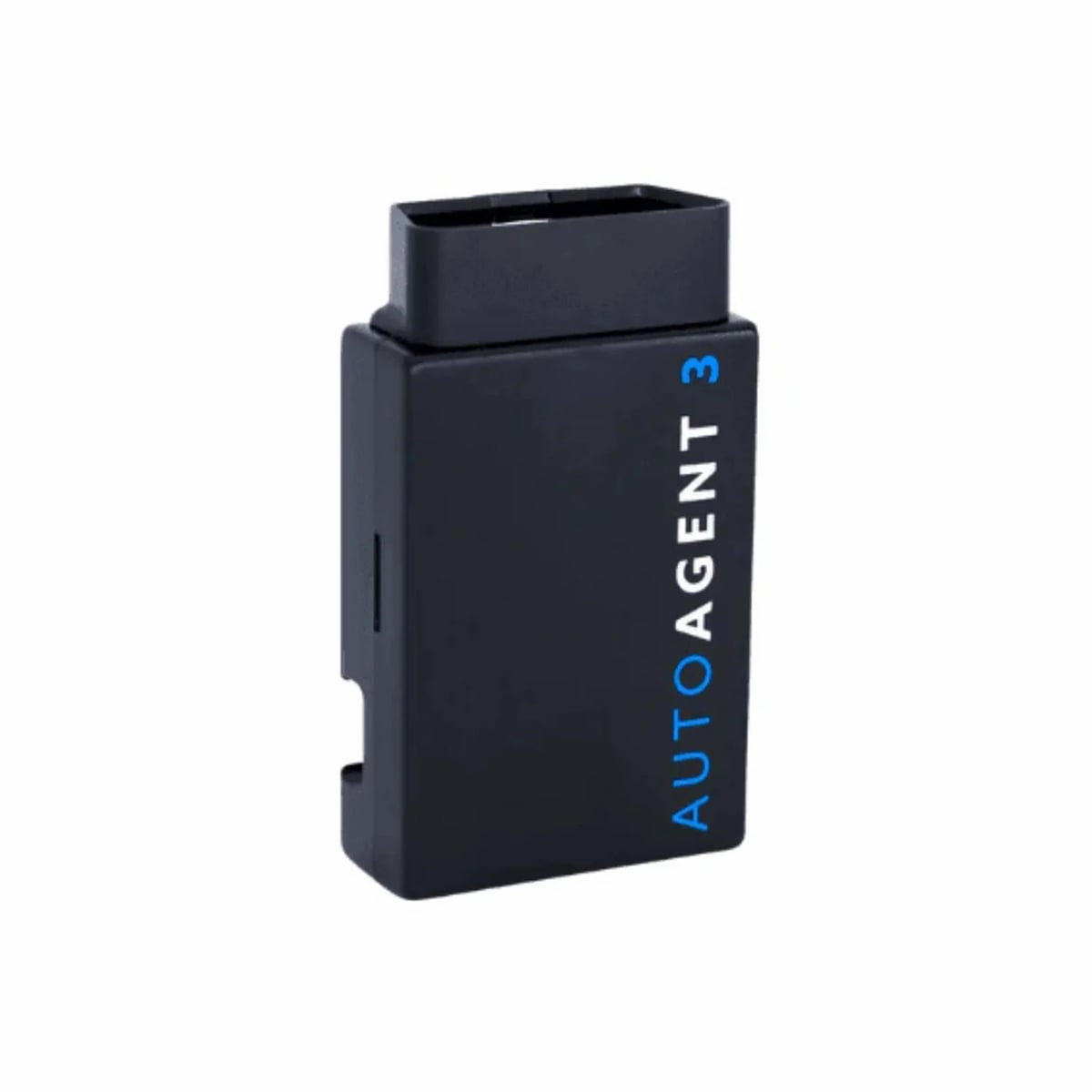
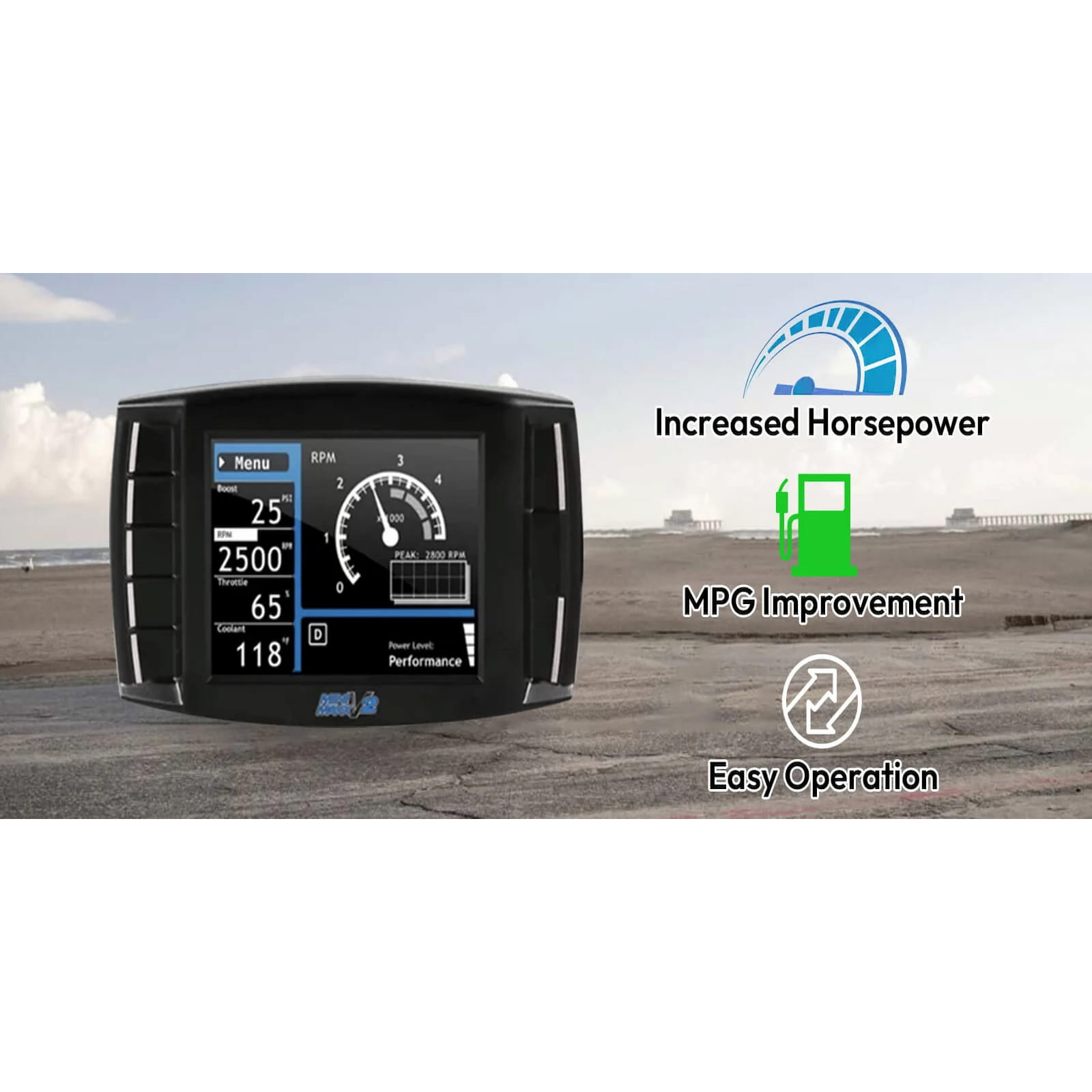
- Tuner: Reprograms the ECU (Engine Control Unit) to accommodate the removed components, allowing it to run without the emission system.
Why Owners Research DPF and EGR Deletes on the 6.7L Powerstroke
Many 6.7L Powerstroke owners begin researching DPF and EGR deletes not because they are chasing extreme horsepower, but because recurring emissions-related problems can become expensive, time-consuming, and frustrating—especially on higher-mileage trucks or vehicles used for towing and heavy work.
Why the DPF Becomes a Common Pain Point
The diesel particulate filter (DPF) is designed to capture soot from the exhaust stream. Over time, that soot must be burned off through regeneration. In real-world use, especially on trucks that see frequent idling, short trips, stop-and-go driving, or repeated towing cycles, regeneration may not always happen efficiently. When that happens, soot loading increases, exhaust flow becomes more restricted, and owners may face warning lights, drivability issues, reduced fuel economy, and rising maintenance costs.
Why the EGR System Creates Long-Term Frustration
The EGR system helps reduce emissions by routing a portion of exhaust gas back into the intake. While effective for emissions control, it also introduces additional heat, soot, and system complexity. Over time, that can contribute to carbon buildup, sticking valves, cooler-related failures, and other issues that become more noticeable as the truck ages or works under heavier loads.
Why These Problems Matter to Owners
For many truck owners, the real issue is not just one repair bill — it is the cycle of repeated maintenance, lost time, and reduced confidence in the truck when it is needed most. That is why some owners begin comparing delete-related solutions, especially when they are already facing repeated DPF or EGR-related repairs.
Real-World Ownership Scenario
We have a client who owns a 2015 pickup truck with a 6.7-liter Powerstroke diesel engine and approximately 120,000 miles on the odometer, frequently used for towing. Due to recurring failures in the cooling and emissions systems, repair costs are estimated at around $3,500. To avoid another major overhaul, the owner began comparing various DPF and EGR kits to legally convert the vehicle for off-road use only.
This case is typical not only because of the high repair costs but also because of the underlying pattern: repeated high-temperature stress, rising maintenance costs, and a higher risk of downtime during heavy-duty use. After upgrading to a more sophisticated system, the owner's goal is not only to improve vehicle performance but also to reduce recurring failures, lower exhaust drag, and achieve more stable performance under load.
How to Choose the Best Delete Kit for 6.7 Powerstroke
There is actually no single "best" kit; the best kit is the one that best suits your needs. Here are the key factors to consider before making a decision:
1. Match Your Vehicle Year
Not all delete kits for the 6.7 Powerstroke engine are compatible with all vehicle years. Due to differences in the emissions system layout of the 6.7 Powerstroke engine, a 2015 kit may not be compatible with a 2020 or 2021 truck. Always check specific vehicle year compatibility to avoid installation problems.
2. Choose Partial or Complete Delete
- Kits that only remove the EGR are suitable for modifications on a limited budget or for situations requiring only minor modifications.
- Removing the DPF lines can improve exhaust flow, but it does not address EGR-related overheating and carbon buildup issues.
- A complete DPF delete kit offers the most balanced solution in terms of performance, reliability, and long-term engine health.
If you are looking for overall optimization, then a complete removal kit is usually the best choice.
3. Assess Material Quality
High-quality stainless steel offers superior corrosion resistance, withstands high-temperature exhaust gases, and ensures a longer service life—especially suitable for tractor-trailers or heavy-duty trucks.
4. Choose a Reputable Brand
The quality of removal kits from different manufacturers can vary significantly. Look for reputable brands with comprehensive after-sales support, such as SuncentAuto, which offers a 45-day hassle-free return policy and online customer support.
5. Tuner Support
A tuner is essential before removing the emissions system; otherwise, the ECU will still detect the emissions system, causing the engine malfunction indicator light to illuminate. Additionally, the vehicle may enter limp mode, and performance may be affected.
Best 6.7 Powerstroke Delete Kit Recommended 2026
To compare complete 6.7 Powerstroke delete-related packages, we focused on four factors: year-specific fitment, included hardware, tuner support, and material quality. Based on those criteria, complete packages that include matched hardware and calibration support are usually the most convenient option for off-road-only builds.
Best Overall: SuncentAuto 6.7 Powerstroke Full Delete Kit
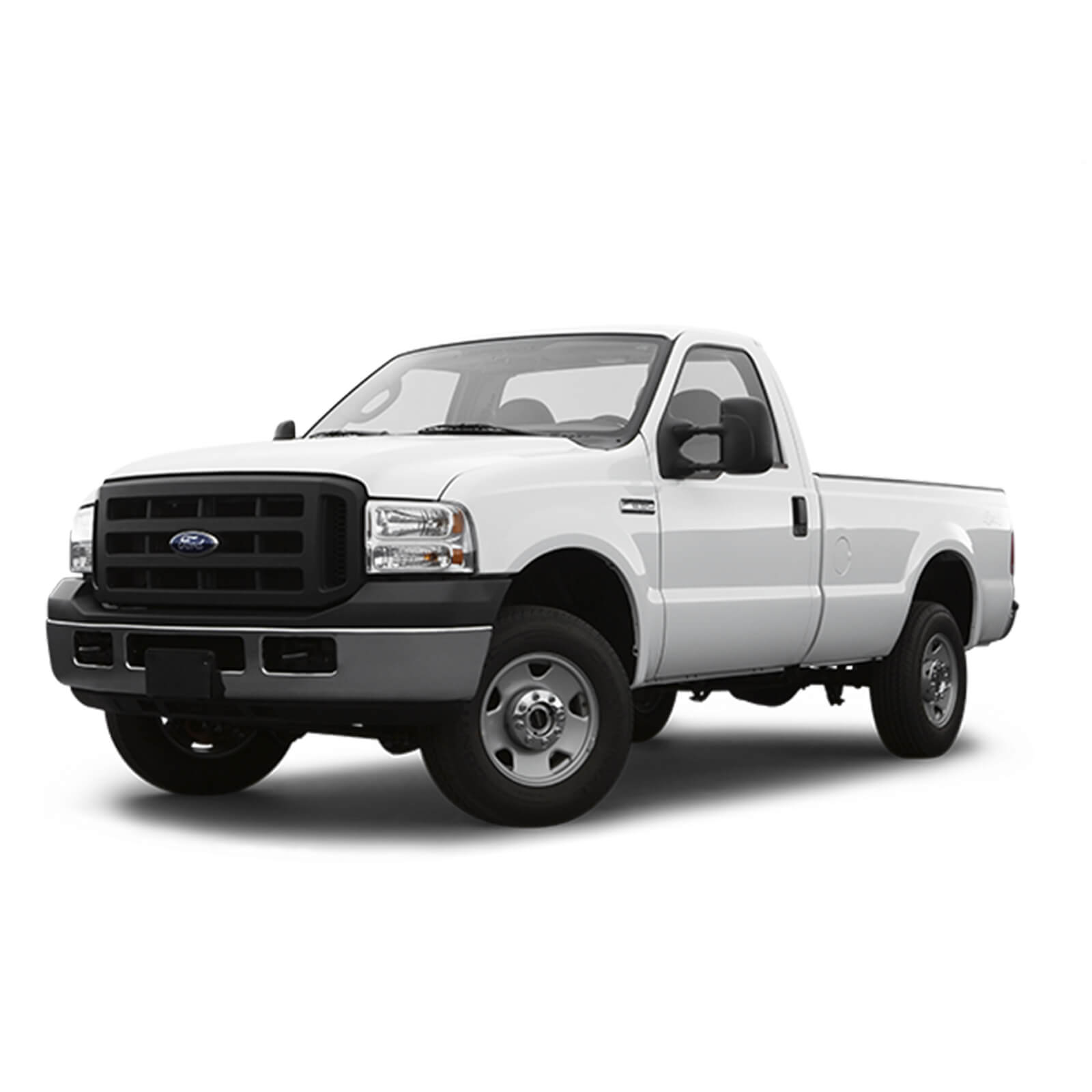
Fit: 2011-2014, 2017-2019 6.7L Powerstroke (For 2015-2016 Powerstrokes, check here.)

Includes:
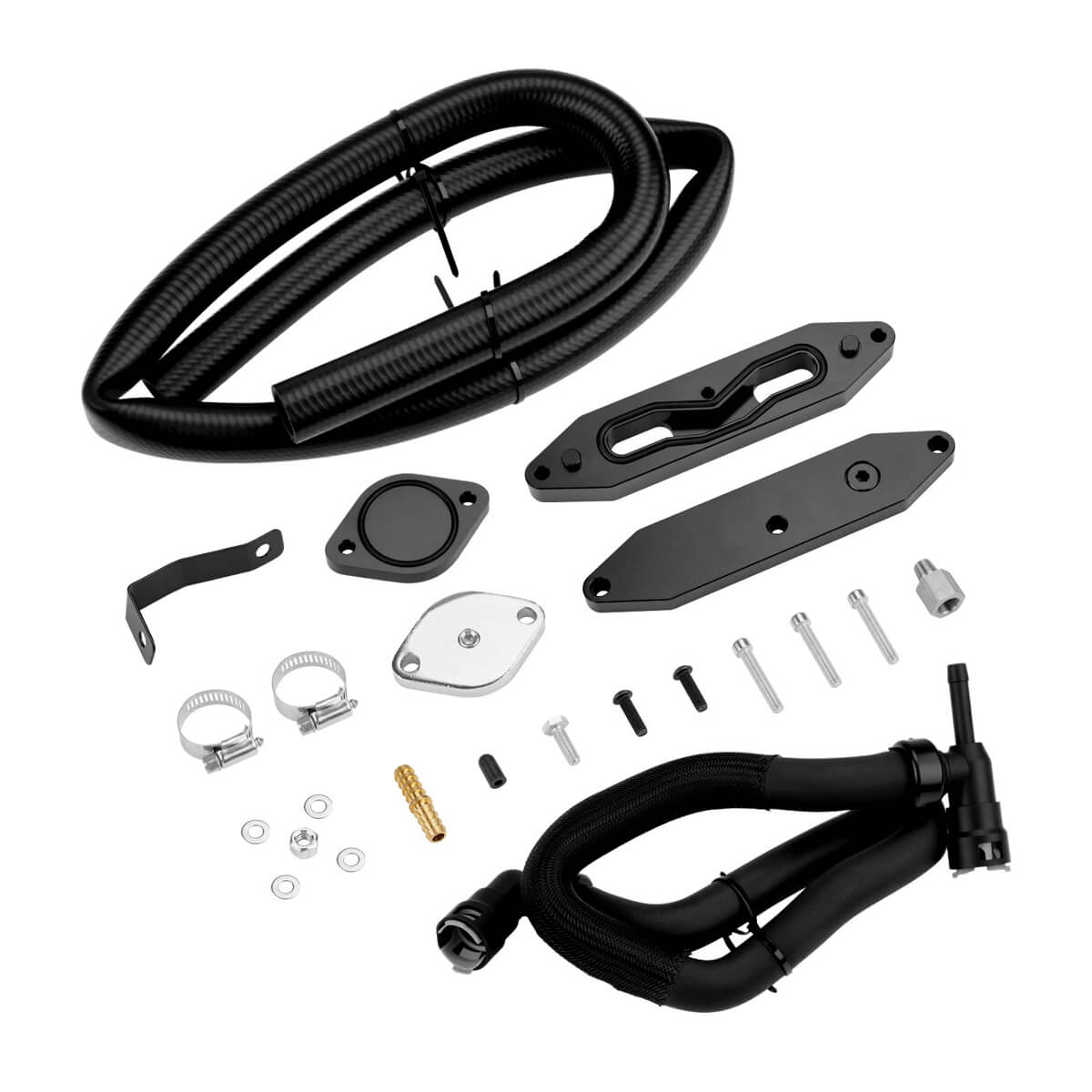
- EGR Delete Kit
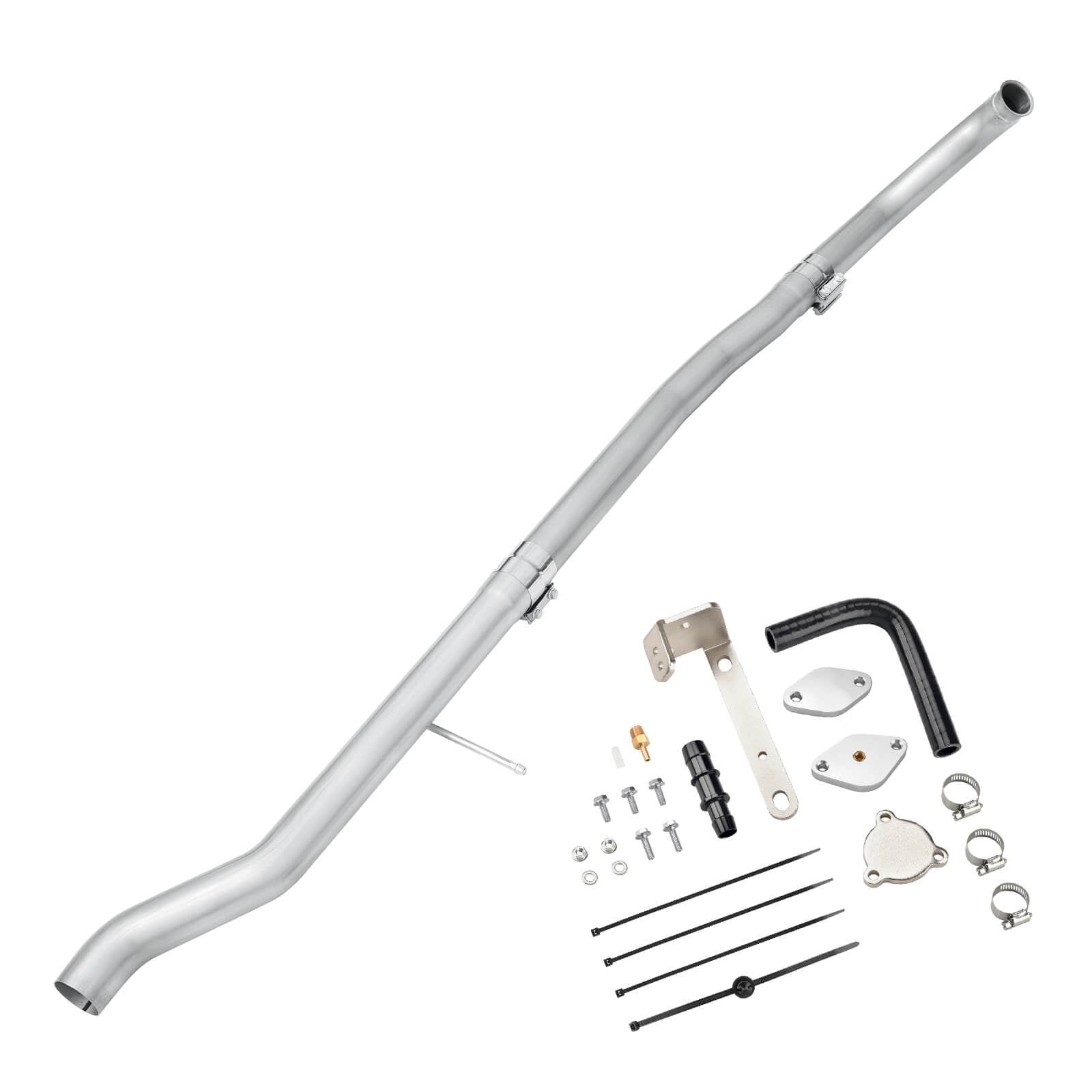
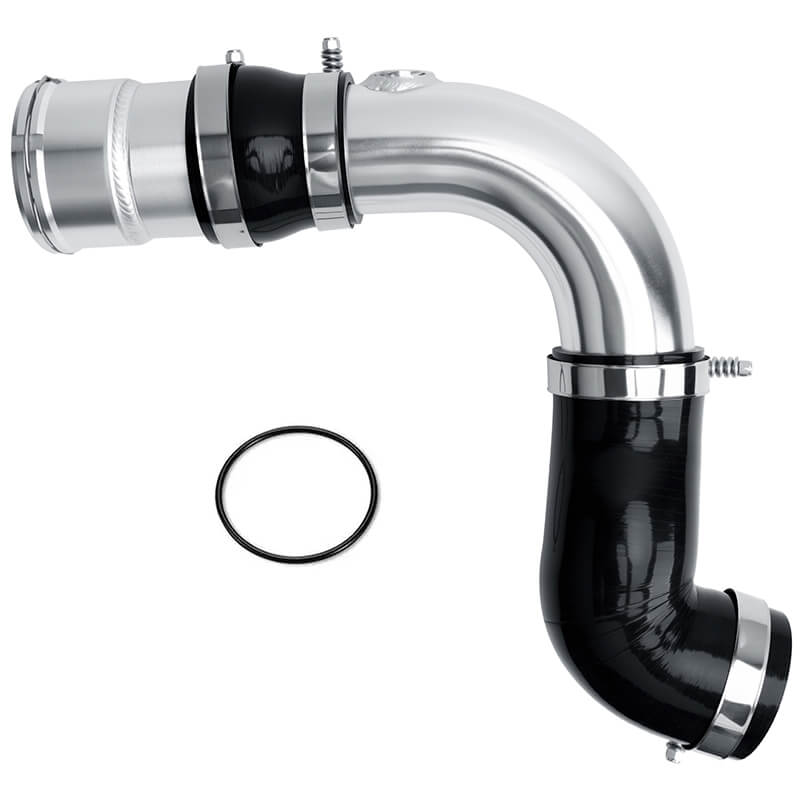
- DPF Delete Pipe
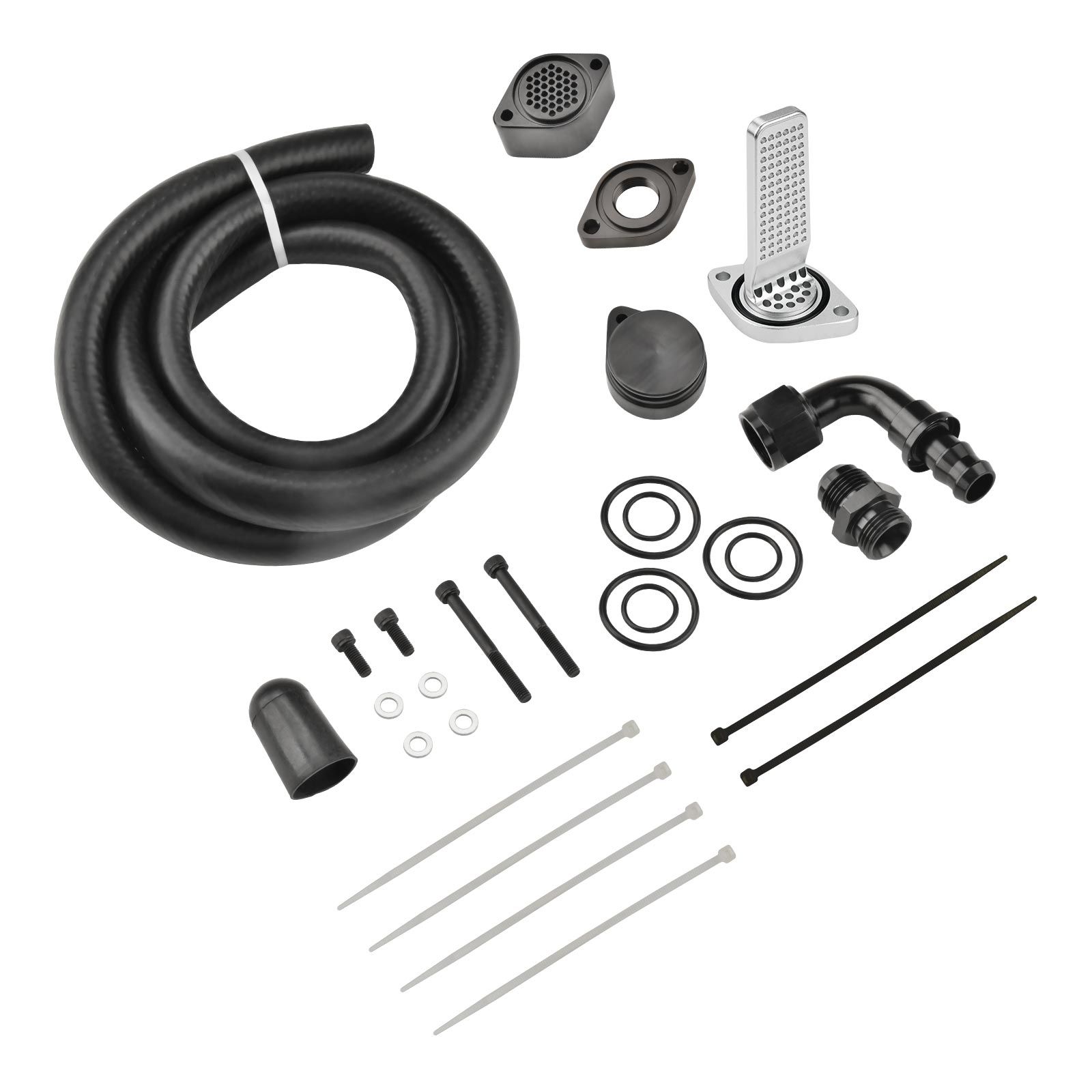
- PCV CCV Reroute Kit With Internal Catch Can
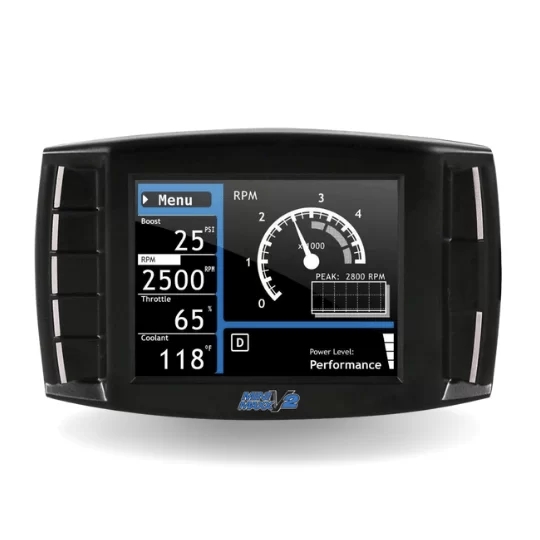
- Mini Maxx V2 Delete Tuner
Benefits:
- Made of T-409 stainless steel and precision machined aluminum;
- Easy to install, includes all necessary parts;
- Significantly improves performance and fuel consumption;
- Extends engine and component life;
- ECU tuning available.
- Free shipping within the US.
- 45-day no-questions-asked return policy.
We're offering our readers an exclusive 12% discount on all products. Copy and start shopping!
Actual Benefits: Verified Engineering Benefits
When these exhaust system limitations are removed, the vehicle is not simply "modified," but rather returns to its optimal mechanical efficiency state. Based on data logs and test results, the verified main performance benefits are as follows:
Improved Turbo Performance and Reliability
By clearing the diesel particulate filter (DPF) blockage, exhaust back pressure is significantly reduced, turbocharger operating efficiency is improved, and the mechanical load on the shaft and bearings is simultaneously reduced.
Optimized Throttle Response and Acceleration Performance
Reduced back pressure allows the turbocharger to engage earlier, significantly reducing turbo lag. Throttle response is improved by approximately 3 seconds, with no noticeable power lag.
Improved Power Output
Tested power output data shows that the engine draws in clean, oxygen-rich air, resulting in more complete combustion and quantifiable increases in both torque and horsepower.
Improved Fuel Economy
By avoiding additional fuel injection for the regeneration cycle, combined with improved thermal efficiency, measured fuel economy is improved by 15%-20%.
Reduced Maintenance Costs
No more diesel particulate filter cleaning (replacement cost approximately $1,000–$2,000 per cycle) or exhaust gas recirculation system sensor replacement is required. Related maintenance expenses are significantly reduced.
Comparison of Different Types of 6.7 Powerstroke Delete Kits
SuncentAuto offers a full range of 6.7 Powerstroke engine delete kit solutions designed to meet the needs of different vehicle years, budgets, and performance goals.
| Kit Type | Model Year Compatibility | Included Components | Tuner Included | Material Type | Price Range | Best For |
| EGR Delete Kit | 2011–2025 | EGR cooler bypass parts, block-off plates, hardware | ❌ | Stainless steel + aluminum | $80–$150 | Budget users deleting EGR only |
| DPF Delete Pipe | 2003–2022 | DPF straight pipe, stainless fittings, install hardware | ❌ | 409 stainless steel | $250–$600 | Improving exhaust flow without full delete |
| DPF+EGR Delete Kit | 2011–2022 | EGR delete kit + DPF delete pipe + install hardware | ❌ | Stainless steel | $300–$680 | Users who already own a tuner |
| Complete Delete Kit | 2011-2014, 2017-2019 | Full delete hardware + Mini Max Tuner | ✔️ | Stainless steel + electronic components | $1,200–$1,800 | Plug-and-play performance builds |
Can You Delete a 6.7 Powerstroke without a Tuner?
No. Tuning is required after deleting. The ECU (Engine Control Unit) is responsible for monitoring and controlling the emissions system. When you remove or bypass emissions-related hardware such as the DPF and EGR, the ECU will typically detect these changes and trigger:
- The check engine light stays on;
- Limp mode activated;
- Emissions test failed;
Therefore, an ECU tuner adjusts the software to bypass emissions-related errors, ensuring a smooth running engine.
Please note: When comparing aftermarket kits that support tuners, buyers should focus on year-specific compatibility, available calibration support, and whether the hardware and software are designed to work as a cohesive system.
Legal Considerations Before Buying a 6.7 Powerstroke Delete Kit
Before purchasing any removal-related hardware, buyers should understand that tampering with emissions systems remains a serious legal issue for vehicles driven on public roads. The U.S. Environmental Protection Agency (EPA) states that tampering with emissions controls and the sale or installation of defeat devices can lead to enforcement and penalties.
- Inspection and Registration Risks: Trucks with emissions control systems removed may fail inspection immediately. Even in areas with weaker enforcement, registration or compliance issues may arise later, depending on local regulations.
- Resale and Trade-in Issues: Modifications related to removal also reduce the vehicle's resale flexibility. Some dealers may refuse trade-ins, and some states have stricter stances on modified vehicles.
- Important Usage Restrictions: Any modifications related to removing emissions systems should be limited to use on permitted, legal off-road terrain. It should not be considered a regular upgrade for vehicles driven on public roads.
Summary: What Is the Best Delete Kit for 6.7 Powerstroke?
If you're researching hardware for a specific year's 6.7 Powerstroke engine, carefully compare compatibility, included components, tuner support, and legal usage restrictions before making a decision. For off-road-only applications, a legal and complete kit can streamline the purchase process, eliminating the need to piece together individual components yourself.
Ready to unlock the true potential of your Powerstroke? Explore our SuncentAuto exhaust delete kits today - remember to always check local regulations before installation.
FAQs
- Increase horsepower
- Improve fuel economy
- Reduce maintenance costs