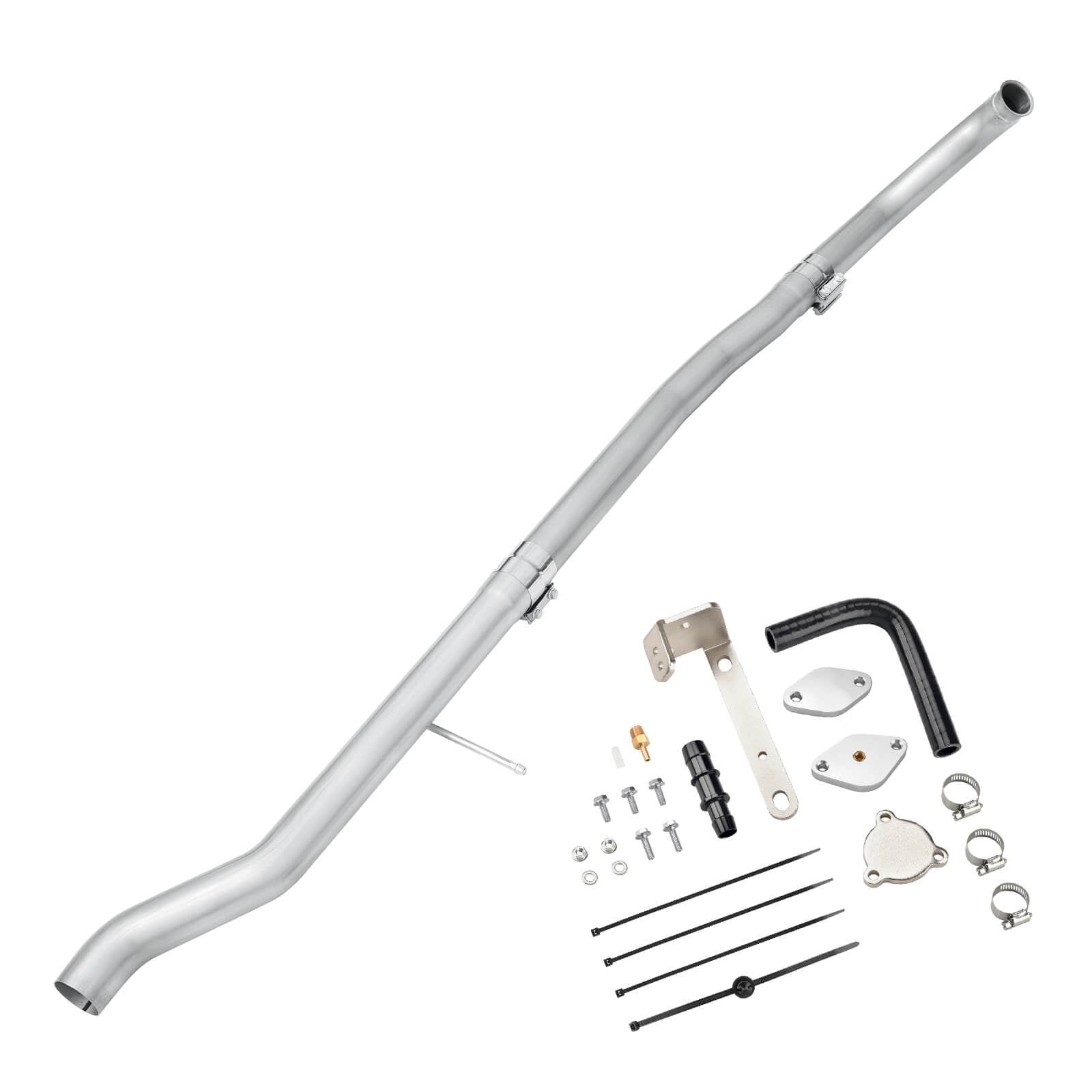
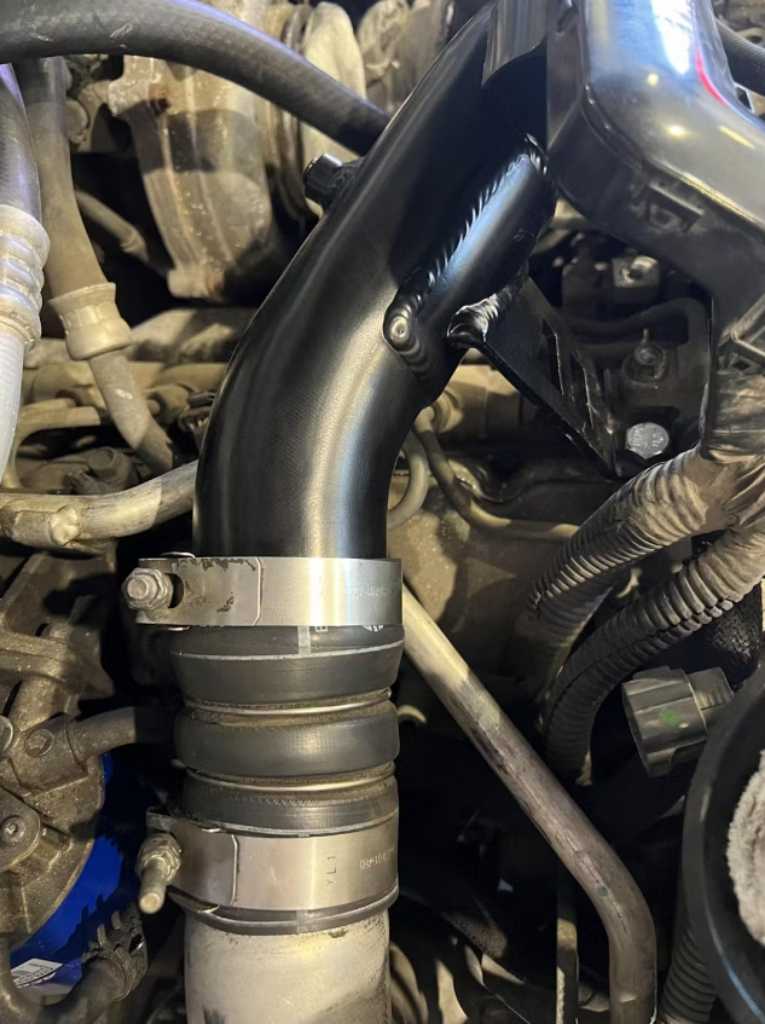
What Is a Downpipe?
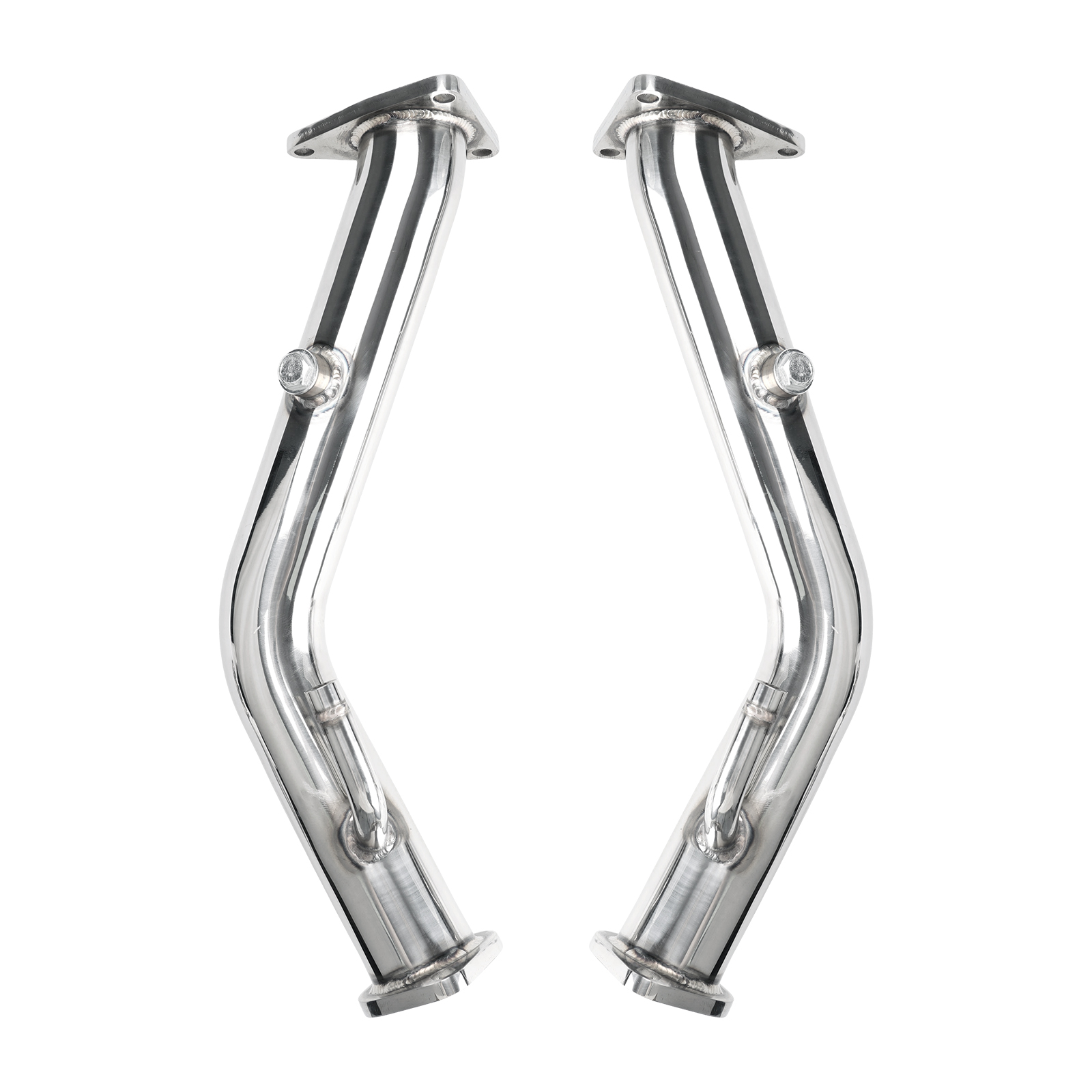
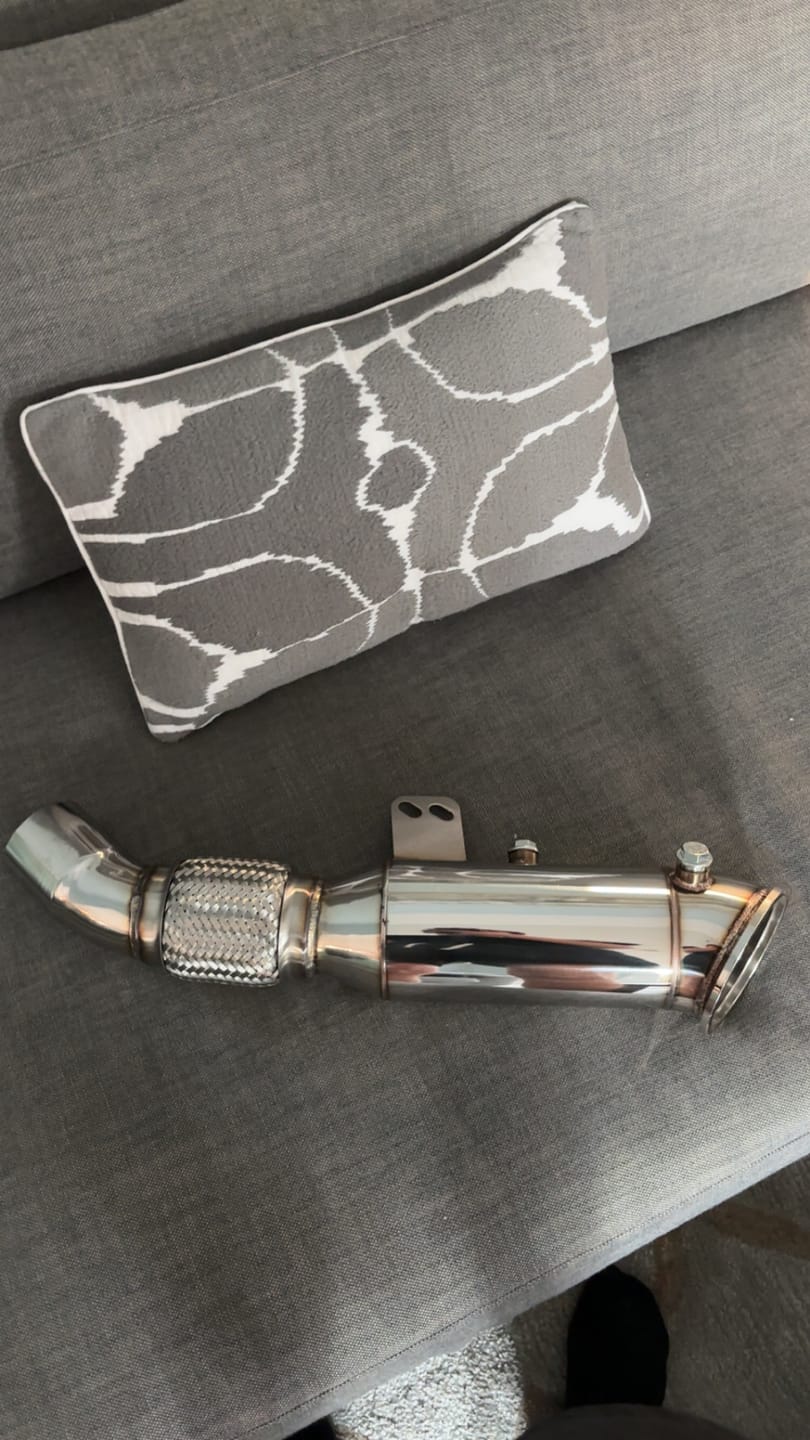
A downpipe is the section of exhaust piping that connects the turbocharger to the rest of the exhaust system.
Simply put:
Engine → Turbocharger → Downpipe → Mid-section exhaust → Tailpipe
The original factory downpipe pipe designs typically prioritize emissions compliance, noise reduction, and cost. Therefore, the downpipe is usually flattened, narrowed, and fitted with a high-density catalytic converter.
Upgrading to a high-performance downpipe exhaust removes these limitations, allowing exhaust gases to escape more quickly. The result is: faster turbocharger response, significantly increased horsepower and torque, and a deeper, more powerful exhaust note. This is one of the most effective modifications for any turbocharged car or truck.
What Does a Downpipe Do?
Improves Exhaust Flow
A high-flow downpipe helps exhaust gases exit the turbocharger more efficiently. By reducing restriction in this critical part of the system, it allows the engine to breathe more freely under load.
Helps Turbo Spool Faster
Less backpressure behind the turbine can help the turbo respond more quickly. This often translates into sharper throttle response and a more immediate feel during acceleration.
Measurable Horsepower & Torque Gains
Simply replacing the downpipe with a high-performance one can increase horsepower by 10-15; with proper ECU tuning (stage 2), it is also common to increase horsepower by 20-35 or more.
Actual results vary depending on the vehicle, ECU tuning, and supporting modifications.
Raw, Aggressive Exhaust Sound
Hear the true sound of your turbo spooling. A downpipe upgrade produces a deeper, throatier growl under acceleration – and on catless versions, you’ll also get pronounced turbo whistle.
Catted vs. Catless Downpipe: What’s the Difference?
Catted Downpipe
A catted downpipe uses a high-flow catalytic converter to reduce restriction compared to stock while still retaining catalytic function. This type of setup is often preferred by drivers who want stronger performance with a more moderate sound profile.
Catless Downpipe
A catless downpipe removes the catalytic converter entirely for the least restrictive exhaust flow possible. It offers maximum flow, power, and sound – but is not legal for street use in most areas.
Comparison Table
| Feature | Catted Downpipe | Catless Downpipe |
| Main Feature | High-flow catalytic converter | No catalytic converter |
| Performance | Improved over stock | Maximum flow potential |
| Sound | Deeper, controlled | Loud and aggressive |
| Daily Driving | More suitable | More performance-focused |
| Emissions | Check local laws | Off-road/track use only |
| Horsepower (with tune) | +15–25 whp | +25–35+ whp |
| Exhaust Smell | Minimal | Noticeable raw fuel smell |
| Tune Requirement | Recommended | Required |
| Check Engine Light (CEL) | May trigger | Will trigger without tuning |
Important: Catless downpipes remove the catalytic converter and are sold for off-road, racing, or track use only. You must check your local and state emissions laws (e.g., CARB in California) before purchasing. A proper ECU tune is mandatory for catless setups to prevent overboost, lean conditions, and engine damage.
Shop Downpipes by Vehicle Brand
BMW turbocharged platforms remain some of the most popular applications for downpipe upgrades. Designed for BMW 335i E90/E92, 340i G20, M235i F22, X3 M40i, and other B58/N55/N54 engines.
Audi downpipes are a popular upgrade for drivers looking to improve turbo response and unlock a more aggressive exhaust character on turbocharged Audi applications. Perfect for Audi S3 8V, S4 B9, A4 B8/B9, Q5 2.0T, and more. Experience sharper throttle response and a deeper exhaust note with our T-304 stainless steel downpipes.
Built for Nissan GT-R R35, 370Z, Altima 2.0T, and Infiniti Q50 3.0T. Reduce backpressure and unleash the true potential of your Nissan/Infiniti turbo engine.
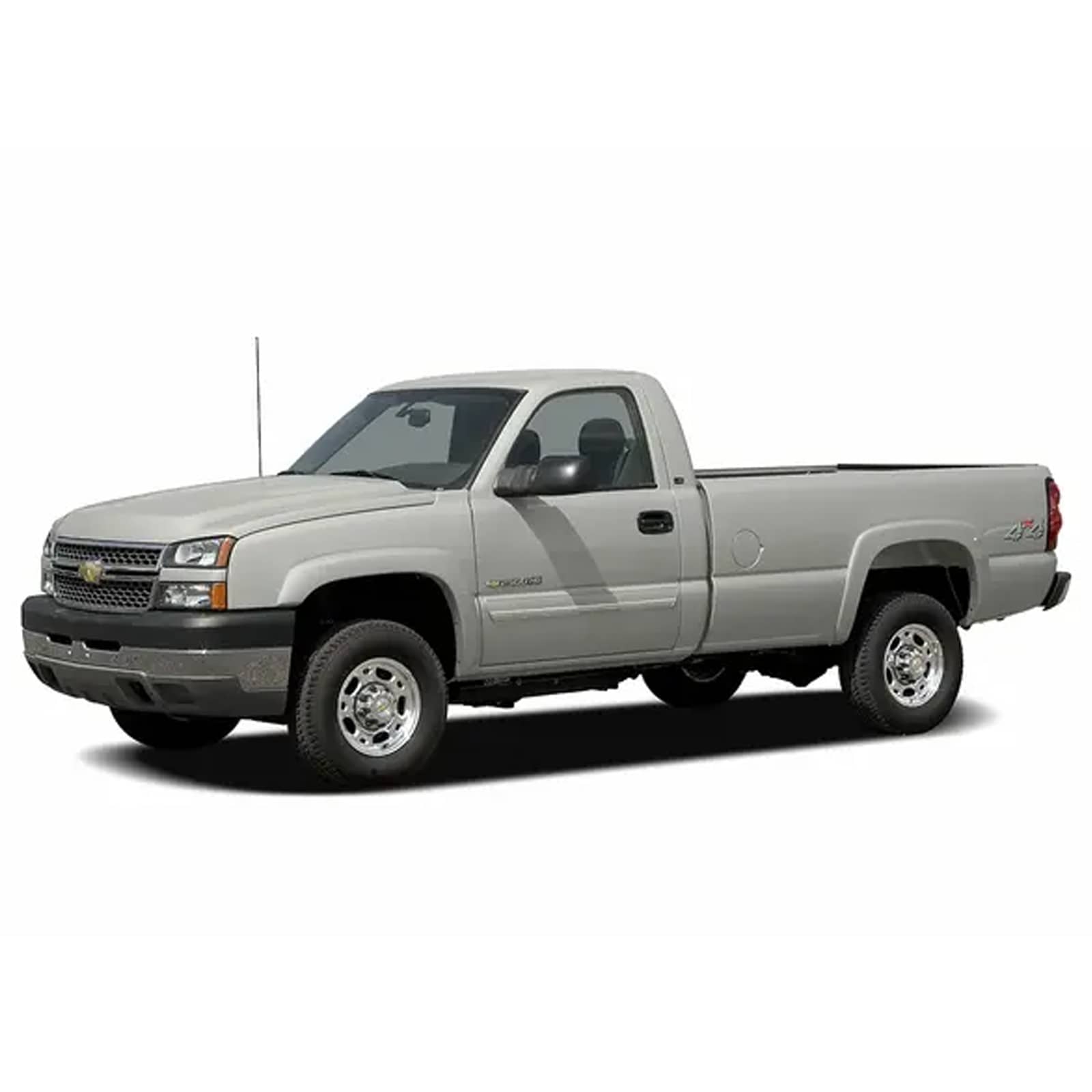
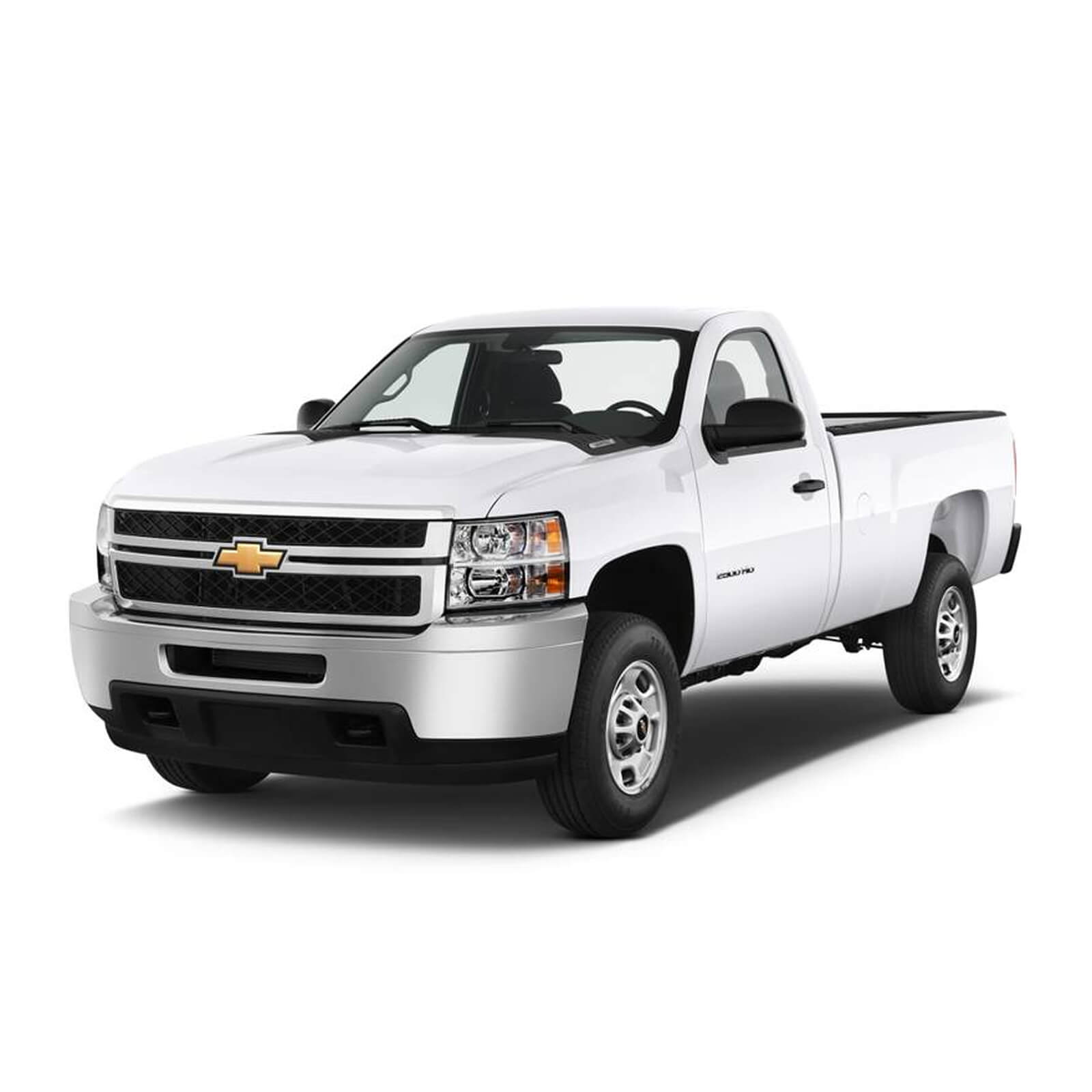
Upgrade your Camaro, Silverado, Cruze 1.4T, or other Chevy turbo models. Our Chevrolet downpipes deliver faster spool, aggressive sound, and dyno-proven gains – direct fit with no cutting required.
Don’t see your brand? We also carry downpipes for other brands.
How to Choose the Right Downpipe Exhaust
1. Confirm Your Vehicle's Year, Brand, and Engine Code
Downpipes are not universal; exhaust downpipe designs can vary significantly across different platforms. First, use our compatibility tool or product page to confirm your vehicle's year and engine model.
2. Choose a Catless or Catted Downpipe
- Daily Driving/Emissions Sensitive → Catted downpipe
- Racing/Off-Road/Extreme Power Pursuit → Catless downpipe (Requires Tuning)
3. Check the Material and Construction
Be sure to choose T-304 stainless steel. It is rust-resistant, heat-resistant, and durable. Avoid using low-carbon steel or low-grade stainless steel.
4. Choose the Pipe Diameter
Most high-performance exhaust pipes use a 3.0-inch to 3.5-inch bend.
- 3.0-inch – Suitable for 4-cylinder turbocharged engines (e.g., GTI, WRX, Civic Type R).
- 3.5-inch – Best suited for 6-cylinder engines and high-powered modified vehicles (e.g., BMW B58, Nissan VR38).
5. Choose Bolt-on Mounting
Choosing a direct bolt-on design simplifies installation and helps reduce the need for cutting.
Why Choose SuncentAuto Downpipes?
Our meticulously crafted downpipes are designed to deliver exceptional performance without increasing your budget. Here's why thousands of car owners choose us:
Horsepower Boost
Each downpipe is tested on real turbocharged vehicles. With proper tuning, it's expected to increase wheel horsepower by 20-30+ hp.
Vehicle-Specific
Our product line focuses on exhaust systems designed for specific vehicle platforms, along with precise vehicle adaptation tools to avoid mistakes and ensure 100% compatibility.
304 Stainless Steel
All downpipes in this series are made from thick-gauge, bent-tube T-304 stainless steel—rust-resistant, heat-resistant, and durable.
High-Flow Design
High-performance exhaust systems are designed to reduce drag from the stock exhaust system. Smooth internal piping and larger flow paths contribute to improved exhaust efficiency and turbocharger performance.
Mandrel Bending
The mandrel bending process helps maintain a more uniform pipe diameter at the bend, thus improving exhaust flow and reducing drag compared to the original equipment manufacturer (OEM) exhaust pipe.
Direct Bolt-On Fitment
No cutting or welding required, easy and convenient. Each downpipe features a CNC-machined flange and is precisely geometrically designed to fit your chassis.
Free Shipping within the US & 45-Day Returns
All orders enjoy free shipping within the US. If the product is not suitable or you change your mind, you can return it within 45 days without giving a reason.
24/5 Technical Support
Our team of automotive experts is ready to answer your compatibility questions, provide installation tips, and troubleshooting advice. You can contact us via email or online chat.
Compatibility and Important Notes
- Verify your exact vehicle details: Confirm the make, model, year, and engine before ordering.
- Check turbocharged fitment: Downpipes are designed for specific turbocharged applications and are not universal.
- Confirm drivetrain compatibility: Make sure the product matches your vehicle’s RWD, AWD, 2WD, or 4WD configuration where applicable.
- Review emissions regulations: Catless downpipes remove factory emissions equipment and are intended for off-road, racing, or track use only. Always follow your local, state, and federal laws.
- Consider installation access: Although our downpipes are designed for direct bolt-on fitment, access to turbo flange bolts may be limited on some vehicles. Professional installation is recommended if needed.
- Use new gaskets and hardware: We strongly recommend replacing the gaskets, studs, and nuts between the turbocharger and downpipe to help prevent exhaust leaks.