 Contents
Contents
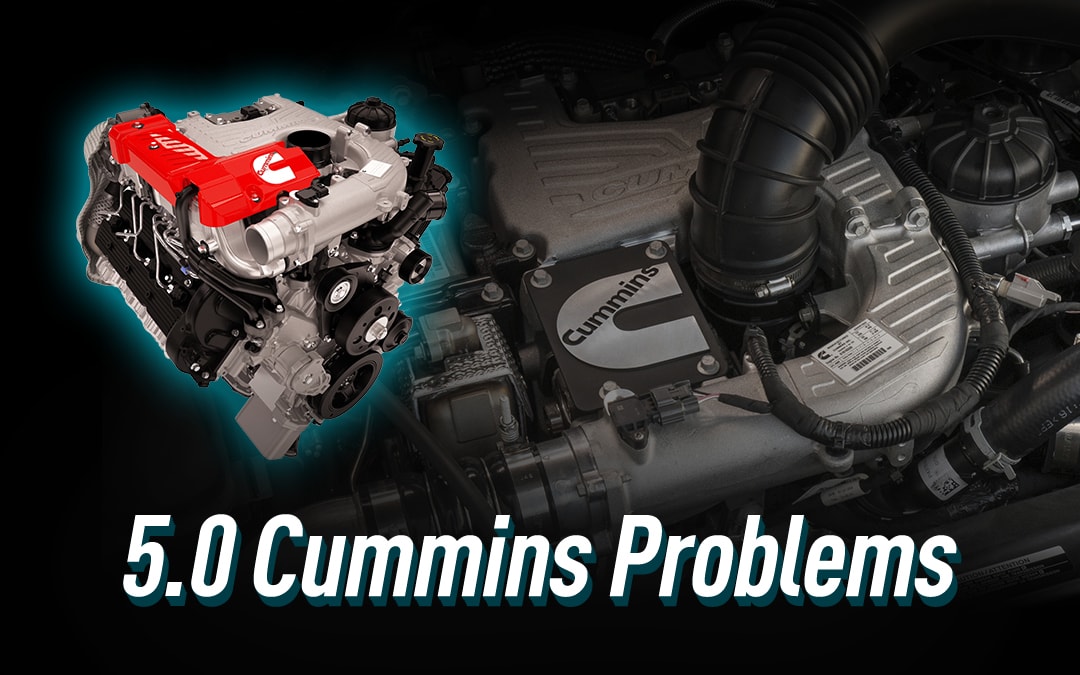
The 5.0-liter Cummins engine in the Nissan Titan XD is undoubtedly a major selling point of this pickup truck, boasting strong power and excellent towing capacity. However, since its launch in 2016, owners have frequently reported recurring issues with this engine, particularly regarding emissions. This article will delve into the most common 5.0 Cummins problems, their causes, and feasible solutions. Whether you are a Titan XD owner or considering purchasing one, this guide will help you make informed decisions regarding maintenance and performance upgrades.
1. Turbocharger Failure
Turbocharger-related failures are among the most common problems with 5.0 Cummins engines, especially in high-mileage trucks. This issue was particularly pronounced in the 2016 model year, leading to a recall of over 12,000 vehicles by the National Highway Traffic Safety Administration (NHTSA).
Symptoms
- Power loss during acceleration.
- Sharp squeaking or whistling sounds.
- Excessive black or blue smoke in the exhaust.
Causes
- Overheating due to prolonged heavy-load operation.
- Insufficient lubrication from infrequent oil changes leading to turbocharger bearing wear.
- Normal wear.
Solutions
- Replace or repair the damaged turbocharger.
- Change engine oil regularly, using high-quality synthetic oil.
- Avoid prolonged idling or overloading.
2. Urea (DEF) System Failure
The diesel exhaust fluid (DEF) system is crucial for reducing harmful nitrogen oxide (NOx) emissions, but it's also a notorious point of failure on Nissan's 5.0 Cummins engine.
Symptoms
- The diesel exhaust fluid (DEF) warning light illuminates on the dashboard.
- Limp mode is activated, limiting engine power.
- A noticeable decrease in engine performance.
Causes
- DEF pump failure.
- Using inferior or contaminated diesel exhaust fluid.
- Urea sensor failure.
Solutions
- Replace the faulty urea solution treatment component (pump or sensor).
- Always use high-quality, fresh diesel exhaust fluid (DEF).
- Regularly clean diesel exhaust system components to prevent clogging.
- Install a diesel system removal kit (for off-road use only).
3. EGR Valve and Cooler Issues
The exhaust gas recirculation (EGR) system is one of the most problematic components in a 5.0L Cummins engine, often leading to decreased engine performance and carbon buildup.
Symptoms
- Unstable idling or stalling.
- Decreased throttle response.
- Engine malfunction indicator lamp illuminated with EGR-related fault codes such as P0401 (insufficient flow).
- Increased fuel consumption.
Causes
- Severe carbon buildup in the EGR valve.
- Clogged EGR cooler.
- Stuck valve or internal leak.
Solutions
- Clean or replace the EGR valve and cooler.
- Install an EGR delete kit (ensure compliance with local emissions regulations).
4. Fuel System Problems
The fuel system, especially the fuel pump, is another weak point, reportedly failing far less frequently than 100,000 miles.
Symptoms
- Unstable or jerky idling.
- Jerking or stalling under load.
- Poor acceleration.
- Increased fuel consumption.
- Engine indicator light illuminates.
Causes
- Contaminated diesel fuel.
- High-pressure fuel pump failure.
- Clogged or stuck fuel injectors.
Solutions
- Replace the fuel pump and filter as needed.
- Use clean, high-quality diesel fuel.
- Regularly inspect and clean the fuel injectors.
5. Transmission and Drivetrain Issues
While not engine-specific, problems with the Nissan Titan 5.0 Cummins often spill over into the transmission and drivetrain because the 5.0L engine's torque puts significant stress on these components.
Symptoms
- Excessive shift shock or delayed shifts.
- Transmission overheating under high load.
- Unusual noise during acceleration or deceleration.
Causes
- Incorrect transmission calibration.
- Overloading or towing beyond the truck's rated load capacity.
- Wear caused by high mileage.
Solutions
- Regularly check and change the transmission fluid.
- Update the transmission software if available.
- If symptoms persist, seek professional inspection.
6. DPF Clog and Forced Regeneration
The Diesel Particulate Filter (DPF) is used to capture carbon deposits. It is designed to self-clean ("regenerate") by burning the carbon deposits at high temperatures. In the 5.0-liter Cummins engine, this system is prone to failure.
Symptoms
- Unusually high fuel consumption.
- Severe power loss due to exhaust gas throttling.
- Dashboard warnings such as "DPF needs cleaning".
Causes
- Frequent low-speed short-distance driving prevents the passive DPF from regenerating.
- Excessive carbon soot production due to EGR system malfunction.
Traditional Solutions:
- Dealer-mandated regeneration is expensive and short-lived.
- Professional DPF cleaning must be repeated.
- Replacing the original diesel particulate filter (cost can exceed $3,000).
Optional Solutions (Off-road Use Only):
For off-road or racing use, some owners opt for SuncentAuto's DPF/EGR delete kit to eliminate recurring clogging. Before considering this option, be sure to check local emissions regulations.
7. Crankshaft and Internal Engine Failures
While less common than emissions or turbocharger issues, crankshaft problems and internal engine failures are among the most serious failures of a Cummins 5.0 engine, often leading to costly repairs.
Symptoms:
- A dull knocking sound from the engine compartment.
- Sudden drop in oil pressure.
- A sudden drop in oil pressure.
Causes:
- Excessive wear due to poor lubrication.
- Manufacturing defects (rare).
- High stress from heavy towing.
Solutions:
- If damage is confirmed, disassemble the engine and replace the crankshaft.
- Preventative Maintenance: Regular oil changes and torque checks.
Conclusion and Final Recommendations
The Nissan Titan XD's 5.0-liter Cummins engine is powerful but has its flaws. Its most common and costly problems revolve around the emission control system (EGR, DPF, DEF), with the turbocharger and fuel system also requiring close attention.
To potential buyers: Exercise extreme caution. If you are considering purchasing a used Titan XD with this engine, be sure to have a diesel specialist conduct a pre-purchase inspection.
For current owners: Proactive and meticulous maintenance is the best guarantee. For owners who have repeatedly experienced emission system problems, aftermarket solutions are more reliable than repeated factory repairs, but it is essential to ensure compliance with all applicable laws and regulations.
FAQs
- A turbocharger recall for the 2016 model year due to insufficient oil supply.
- A recall for the 2016-2017 model year due to EGR cooler cracking and coolant leakage.
- Safely pull over to the side of the road.
- Turn off the engine and let it sit for a few minutes. Sometimes, restarting the engine may temporarily solve the problem, but the fault remains.
- Tow the vehicle to a repair shop. Prolonged driving in limp mode, especially under load, can cause further damage.