 Contents
Contents
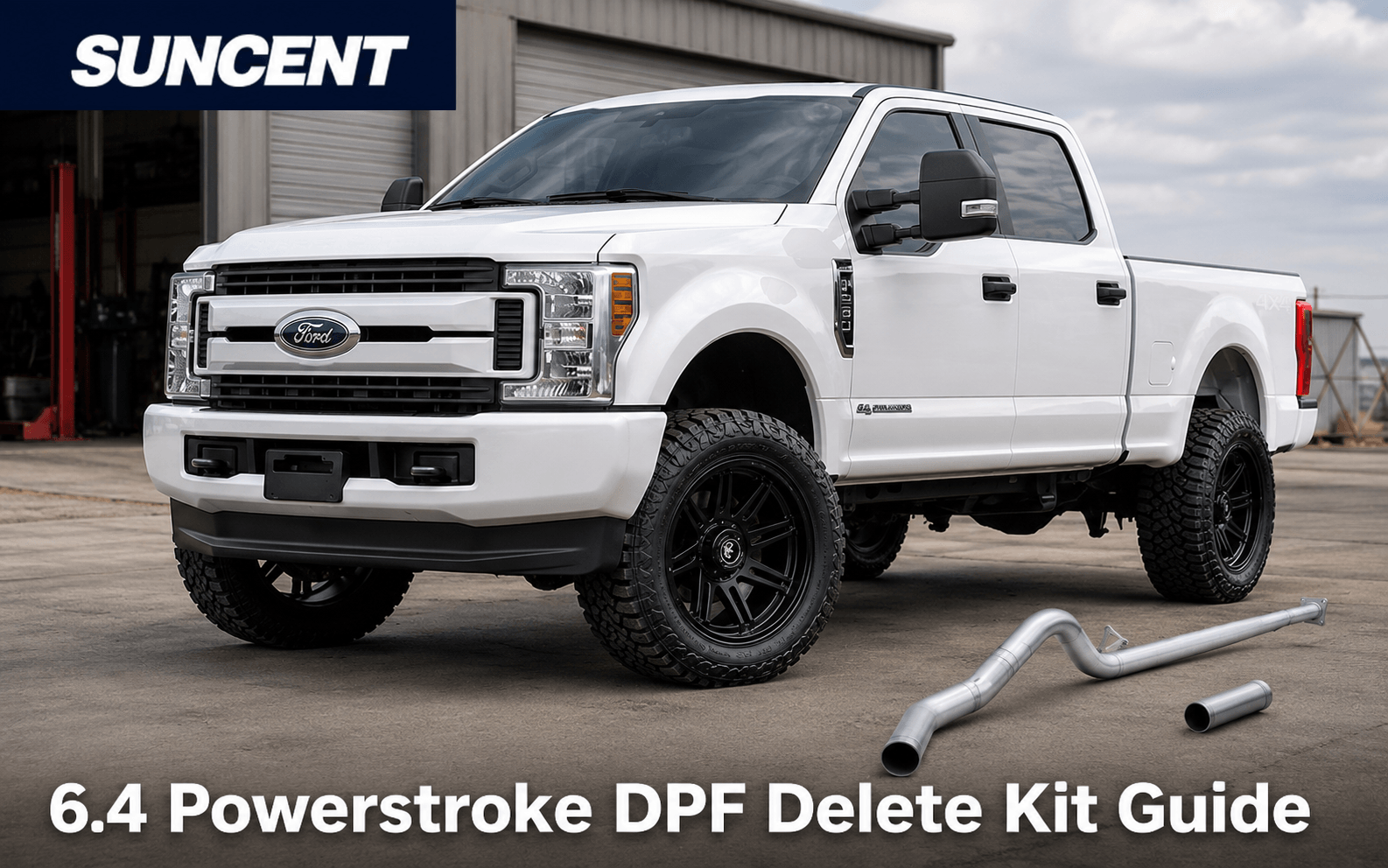
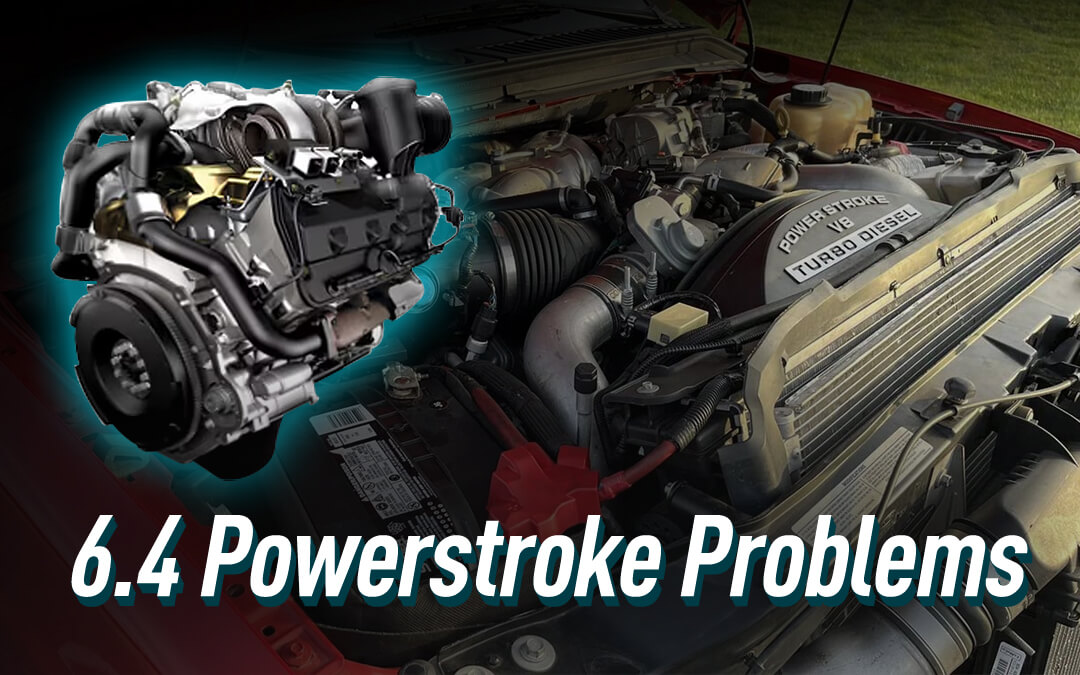
The 6.4L Powerstroke diesel engine that powered Ford Super Duty trucks from 2008 to 2010 was highly anticipated. Billed as a powerful, clean-burning engine that met strict emissions standards, the engine quickly attracted attention with its incredible torque and twin-turbocharged setup.
However, the engine also became one of Ford's most controversial diesel engine platforms. Owners frequently reported a variety of problems, from oil dilution to cracked radiators to emissions system failures. In this guide, we'll explore the most common 6.4L Powerstroke problems, why they occur, how to fix or prevent them, and whether this engine is still worth owning in 2025 and beyond.
Most Common 6.4L Powerstroke Problems and Failures
Common 6.4 Powerstroke Problems at a Glance
| Problem | Common symptoms | Severity | First step |
| Radiator leakage | Coolant loss, visible leaks, overheating | High | Pressure-test the cooling system |
| Poor fuel economy | Frequent regeneration, reduced MPG | Medium | Check regeneration frequency and engine data |
| Increased oil dilution | Rising oil level, diesel smell in oil | High | Diagnose fuel contamination immediately |
| Turbo up-pipe failure | Hissing, soot marks, low boost | Medium–High | Inspect pipes, bellows, and exhaust joints |
| Piston failure | Blow-by, misfire, smoke, low compression | Critical | Perform compression and cylinder testing |
| Clogged EGR cooler | Coolant loss, overheating, EGR codes | High | Test the EGR and cooling systems |
| DPF failure | Limp mode, warning lights, frequent regeneration | High | Scan codes and review DPF pressure data |
Several of these problems can produce similar symptoms. For example, low power may result from a DPF restriction, up-pipe leak, or EGR-related fault. Always diagnose the system before replacing parts. Let's take a closer look at each problem.
1. Radiator Leakage
The factory radiator on the 6.4L Powerstroke engine is prone to cracking and leaking, usually starting near the plastic end tank or seams. If not treated promptly, it will quickly cause the engine to overheat and cause catastrophic damage.
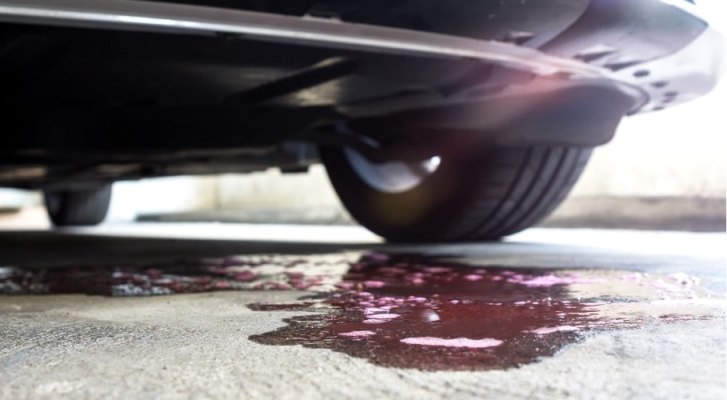
Cause: Thermal expansion and vibration weaken the joints over time, especially with heavy loads or high mileage use.
Solution: Upgrade to a reinforced all-aluminum radiator for better durability and heat dissipation. All-aluminum radiators offer 35%-45% better efficiency than stock units and feature 100% leak-tested construction.
2. Poor Fuel Economy
Poor fuel economy is a common complaint among 6.4 Powerstroke owners. Although fuel consumption varies with vehicle weight, towing, tire size, driving speed, and modifications, frequent DPF regeneration can cause a noticeable reduction in MPG.
During active regeneration, additional fuel is used to raise exhaust temperature and burn accumulated soot inside the diesel particulate filter.
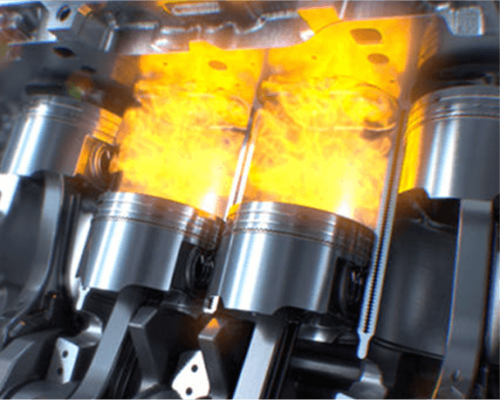
Effect: DPF and EGR clogging lead to power loss and poor mileage.
Solution: Install a DPF delete kit if it is legal in your area. Otherwise, make sure the DPF system is operating properly and fully completes the regeneration cycle.
🔥 Limited Time Offer: Check out our discounts, up to 18% off!
👉 Shop Now:
3. Increased Oil Dilution
During diesel particulate filter (DPF) regeneration, fuel is injected late in the exhaust stroke, leading to oil dilution and unburned fuel seeping into the oil pan. This is one of the most serious problems with the 6.4-liter Powerstroke engine because contaminated oil may not provide adequate lubrication to bearings, cylinder walls, turbochargers, and other moving parts.
Effect: Diluted oil reduces lubrication effectiveness, increases engine wear and risks catastrophic failure.
Solutions:
- Monitor oil level regularly;
- Shorten oil change intervals (every 3,000-5,000 miles);
- Consider removing the DPF in off-road or exempt applications.
A DPF delete eliminates the active regeneration process and prevents oil dilution caused by late fuel injection.
4. Exhaust Pipe Failure
The turbo up-pipes carry exhaust gas from the exhaust manifolds to the turbocharger system. On the 6.4 Powerstroke, these pipes operate under extreme heat, pressure, and vibration. Cracks, damaged bellows, leaking gaskets, or loose connections can allow exhaust gas to escape before reaching the turbochargers.
Causes: OEM pipes have thin walls and inferior materials, which can cause fatigue over time.
Solutions: Replace with high-strength aftermarket upper pipes, which often use bellows for increased flexibility and durability.
5. Piston Failure
The stock pistons in the 6.4L have a weak crown design and can crack or melt under heavy loads or tuning. Factory pistons are prone to cracking, especially under high boost (40-42 psi stock). Cracked pistons are common with heavy tuning
Impact: A complete teardown and rebuild of the engine may be required.
Solutions: For trucks with high-horsepower builds or tuning, upgrade to forged pistons and connecting rods to handle the increased pressure.
6. Clogged EGR Cooler
The exhaust gas recirculation (EGR) system reintroduces a portion of the exhaust gases into the intake system. Before entering the intake system, the exhaust gases pass through an EGR cooler to lower their temperature. However, over time, the EGR cooler can become clogged with carbon deposits, reducing coolant flow and causing overheating. Excessive temperature and carbon buildup can clog the EGR system, leading to coolant leaks, pressure problems, and ultimately, engine damage.
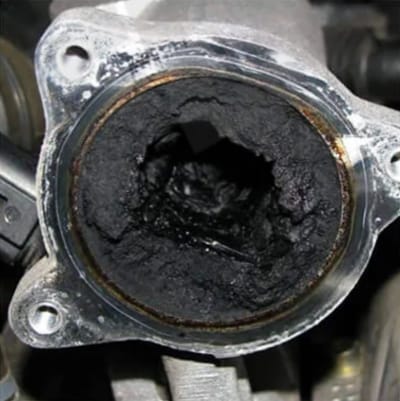
Consequences: Coolant boiling, head deformation, or engine failure may result.
Solutions:
- Install a coolant filtration system;
- Replace or upgrade the EGR cooler;
- EGR delete (if legal in your jurisdiction).
By installing a 6.4 Powerstroke EGR delete kit, you can physically remove redundant emission components, allowing the engine to return to its most efficient operating state. Benefits include removal of two high-risk EGR coolers and significantly reduced risk of internal coolant leaks,
👉 Shop Now:

7. DPF Failure
Diesel particulate filters (DPFs) are used to capture particulate matter in exhaust gases. When the particulate matter content reaches a preset level, the engine will execute an active regeneration cycle to increase exhaust gas temperature and clean the filter. DPFs can become clogged, accumulate dust, suffer internal damage, or be affected by malfunctioning temperature and pressure sensors. After a certain period, you will need to clean the DPF. Eventually, cleaning will no longer be effective, and replacement will be necessary, which can be quite expensive.
Symptoms: Check engine light, limp mode, excessive regeneration, or white smoke from the exhaust.
Solutions:
- Replace a bad sensor;
- Clean or replace the DPF;
- Consider a DPF delete kit if permitted.
6.4 Powerstroke Repair Cost Comparison: OEM vs. Upgrade
| Repair/Upgrade | OEM Replacement Cost | Upgrade/Solution Cost | Long-Term Value |
| Radiator Replacement | $600-$1,200 (plastic) | $800-$1,500 (all-aluminum) | Aluminum lasts 2-3x longer |
| EGR Cooler Replacement | $2,000-$2,500 | $300-$800 (EGR delete kit) | Eliminates future EGR failures |
| DPF System Repair | $800-$4,000 | $500-$1,500 (DPF delete) | Eliminates regeneration issues |
| Oil Dilution Management | Frequent oil changes ($100+/each) | DPF delete prevents dilution | Saves thousands in oil changes |
| Piston Replacement | $5,000-$10,000 (stock) | $3,000-$6,000 (forged upgrade) | Handles higher power safely |
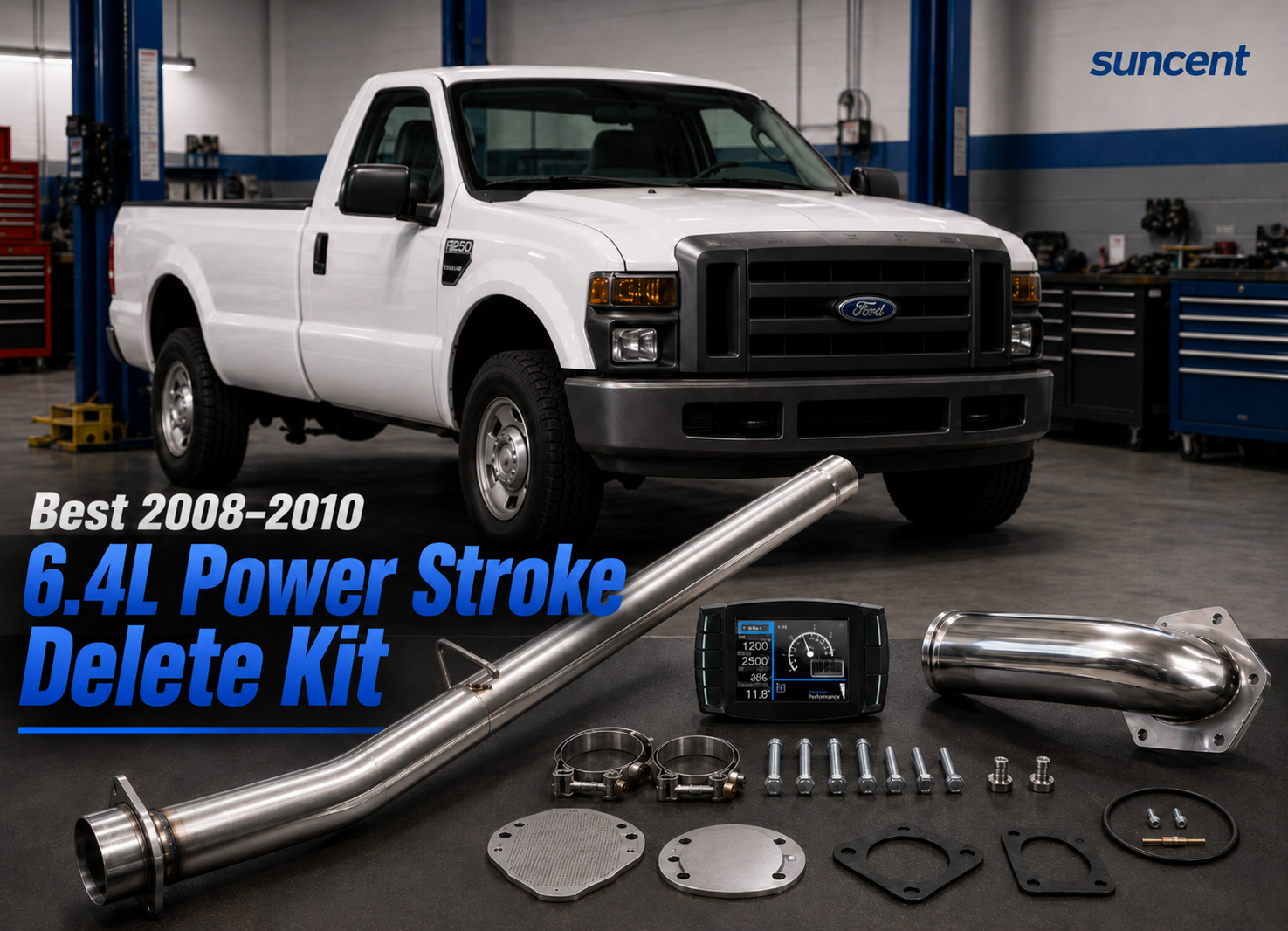
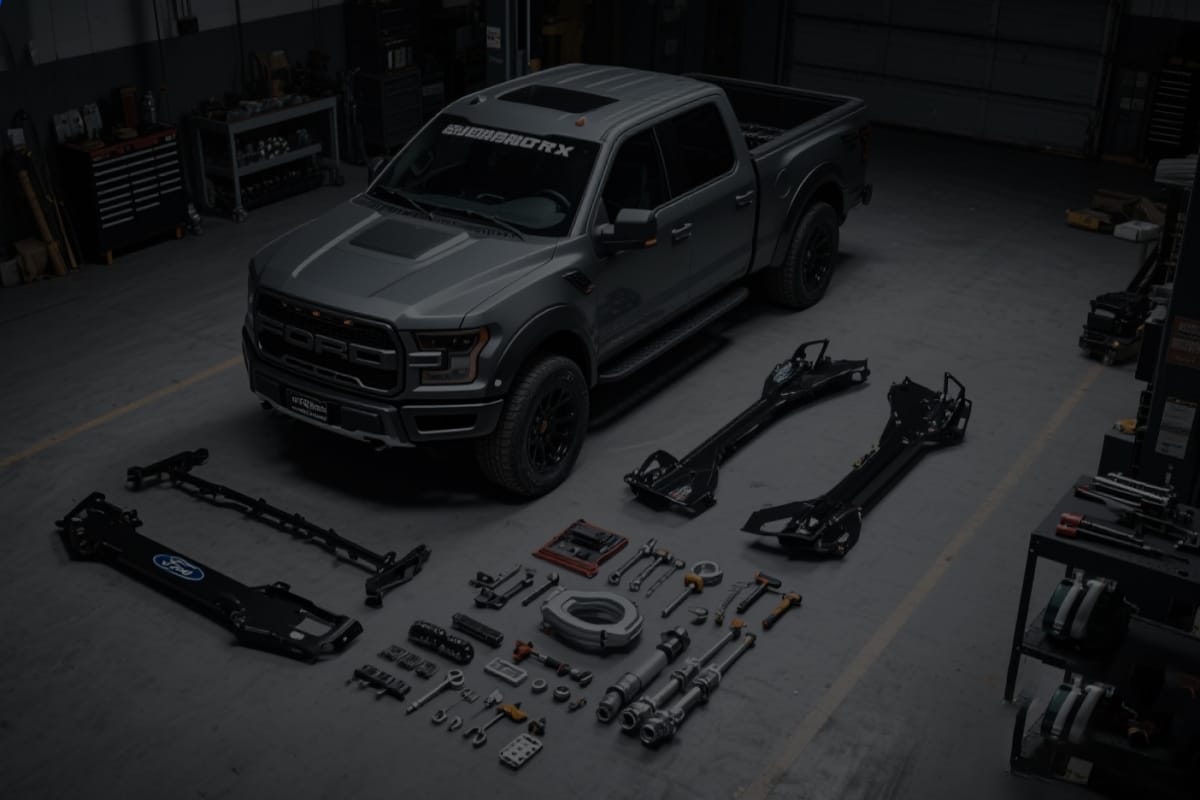
| Full Delete Kit Bundle | N/A | $1,000-$3,500 | Prevents multiple failure points |
💡 Pro Tip: A full delete kit for the 6.4 Powerstroke removes both EGR and DPF systems while maintaining proper ECU tuning support. Complete removal yields better performance and eliminates the root cause of most 6.4L problems.
🛒 Don't pay full price: Use our discount now!
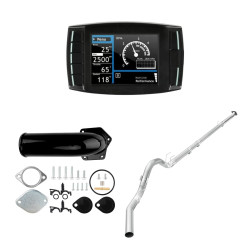
6.4 Powerstroke: Why a Delete Kit Is the Only Repair That Pays You Back
Most 6.4L failures aren’t isolated – they feed on each other. The EGR system pumps soot‑laden exhaust back into the intake, which quickly clogs the EGR cooler. A clogged cooler restricts coolant flow, overheats the engine, and eventually cracks – dumping coolant into the cylinders. The result? Hydrolock and a $8,000–$12,000 engine rebuild.
At the same time, the DPF forces the engine into frequent "regen" cycles – injecting raw fuel into the exhaust to burn off soot. That unburned fuel washes past the piston rings and dilutes the engine oil. Thinned oil loses its lubricating ability, wrecking bearings and turbos – another $5,000–$10,000 repair waiting to happen.
A full delete kit (DPF + EGR + tune) breaks this vicious cycle in one move:
- EGR delete – physically blocks exhaust recirculation. No soot = no clogged cooler = no coolant leaks = no hydrolock.
- DPF delete – removes the filter and stops regeneration. No extra fuel dumped = no oil dilution = engine internals last much longer.
- Free‑flowing exhaust – drops backpressure, improves turbo response, and gives you +2–4 MPG fuel savings.
The short ROI: Over 100,000 miles, a stock 6.4L typically eats one DPF, one EGR cooler, and suffers from oil‑related wear – easily $12,000–$18,000 in repairs. A complete delete kit costs only $1,000–$3,500 (parts + tuning). That's not a modification – it's preventive insurance that saves you thousands while making the engine more reliable and powerful.
Prevention and Repair Tips for 6.4 Powerstroke Issues
1. Strict maintenance
Oil changes: Use synthetic 5W-40 and change every 5,000 miles to offset oil dilution.
Fuel filter: Change every 10,000-15,000 miles; always use high-quality diesel.
Coolant system: Flush on schedule with Ford Gold or Caterpillar ELC coolant. Install coolant filter to protect EGR cooler and radiator.
Regular inspections: Look for leaks, soot accumulation, and monitor fluid level/condition frequently.
2. Driving Habits
Trip length: Avoid frequent short trips as this prevents the DPF from regenerating properly.
Allow regeneration: When a regeneration cycle begins, let it complete uninterrupted.
Adjustments: Avoid over-upgrading power unless you have already strengthened the internal components.
3. Proactive Monitoring and Diagnostics
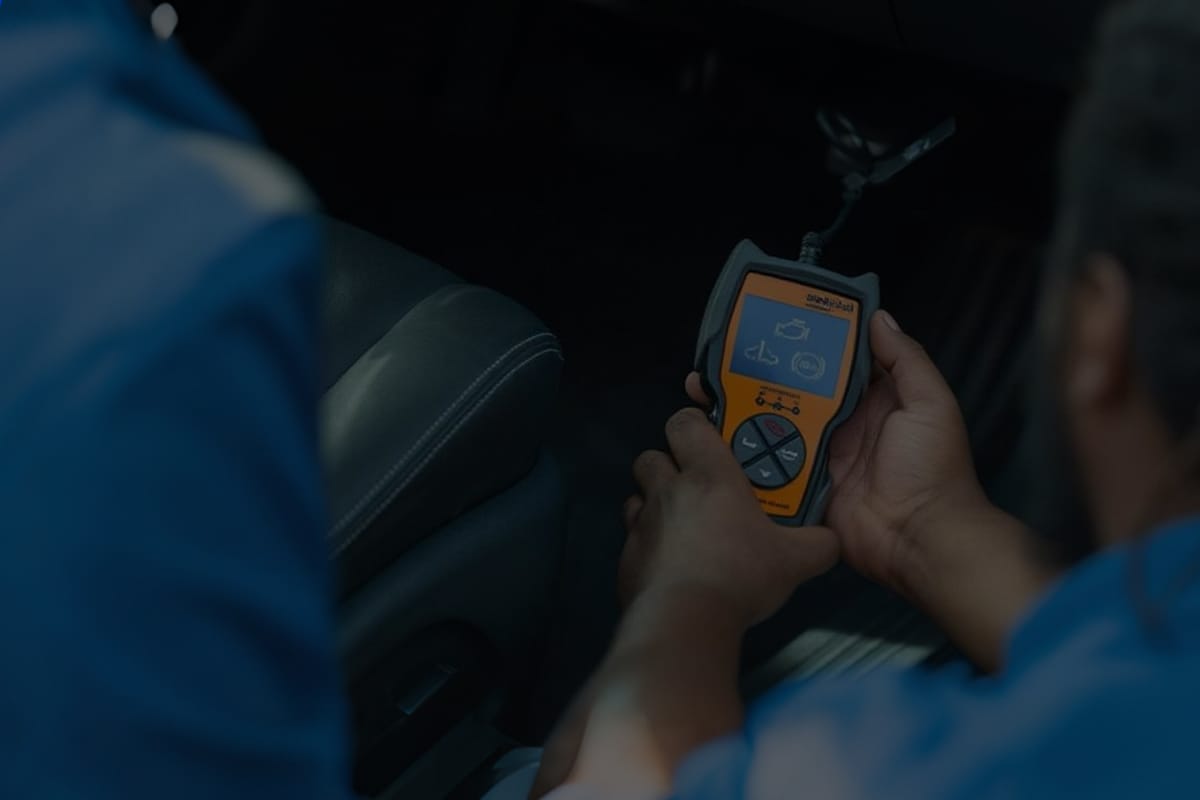
- Monitor Exhaust Gas Temperature (EGT), DPF status, coolant temperature, and fuel pressure using an OBD-II scanner (e.g., ScanGauge, Edge CTS, Forscan).
- Address any early warning signs immediately to avoid costly repairs later.
Conclusion: Is the 6.4L Powerstroke Worth Buying in 2026?
The 6.4L Powerstroke engine is a strong performer, especially in terms of power and pulling power. However, it is notorious for its complexity and reliability issues.
The Reality: Many commercial fleet owners and casual buyers saw trucks fail under 100,000 miles, leading to $15,000-$20,000 engine replacements. Mechanics describe the 6.4L Powerstroke as "engineering disasters waiting to happen". Repair costs can be significant, with typical repairs ranging from $3,000 to $10,000 depending on severity. The 6.4L platform requires high-quality components, making repairs more expensive than other diesel engines.
The Verdict:
- For most buyers looking for reliability and lower cost of ownership, the later 6.7L Powerstroke is a safer, more reliable choice
- For enthusiasts willing to invest in upgrades and maintenance, the 6.4L can be transformed into a strong powerhouse through:
- DPF and EGR delete kits
- All-aluminum radiator upgrade
- Forged pistons and connecting rods
- Strict maintenance schedule
If you already own a 6.4L Powerstroke or are considering buying one at a significant discount, proactive upgrades are not optional—they are essential for survival.