 Contents
Contents
- What Is the 6.7L Cummins CCV Filter? How Does It Work?
- Why Should You Replace the CCV Filter 6.7 Cummins?
- How Often Should You Change CCV Filter on 6.7 Cummins?
- Clogged CCV Filter Symptoms on a 6.7 Cummins and Quick Diagnosis
- How to Replace the CCV Filter on a 6.7 Cummins
- 6.7 Cummins CCV Filter Delete vs. Replacement
- Conclusion
In the heavy-duty pickup truck segment, the RAM 2500 and 3500 equipped with the 6.7L Cummins diesel engine are well known for their strong torque and reliability. However, many owners often overlook one crucial maintenance component—the CCV (Crankcase Ventilation) filter. Heavy towing, long periods of idling, and dusty working environments can all accelerate the aging and clogging of the CCV filter. If it is not replaced in time, the result may be as minor as oil residue in the engine bay and seal leakage, or as serious as increased repair costs later on. In this article, we will give you a detailed explanation of everything about the 6.7L Cummins CCV filter.
What Is the 6.7L Cummins CCV Filter? How Does It Work?
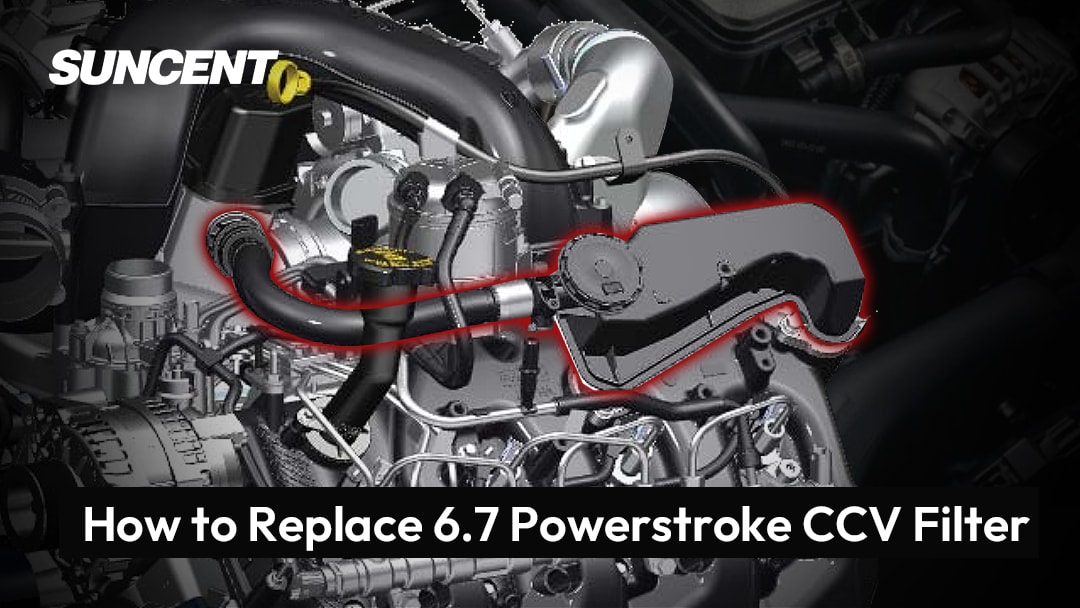
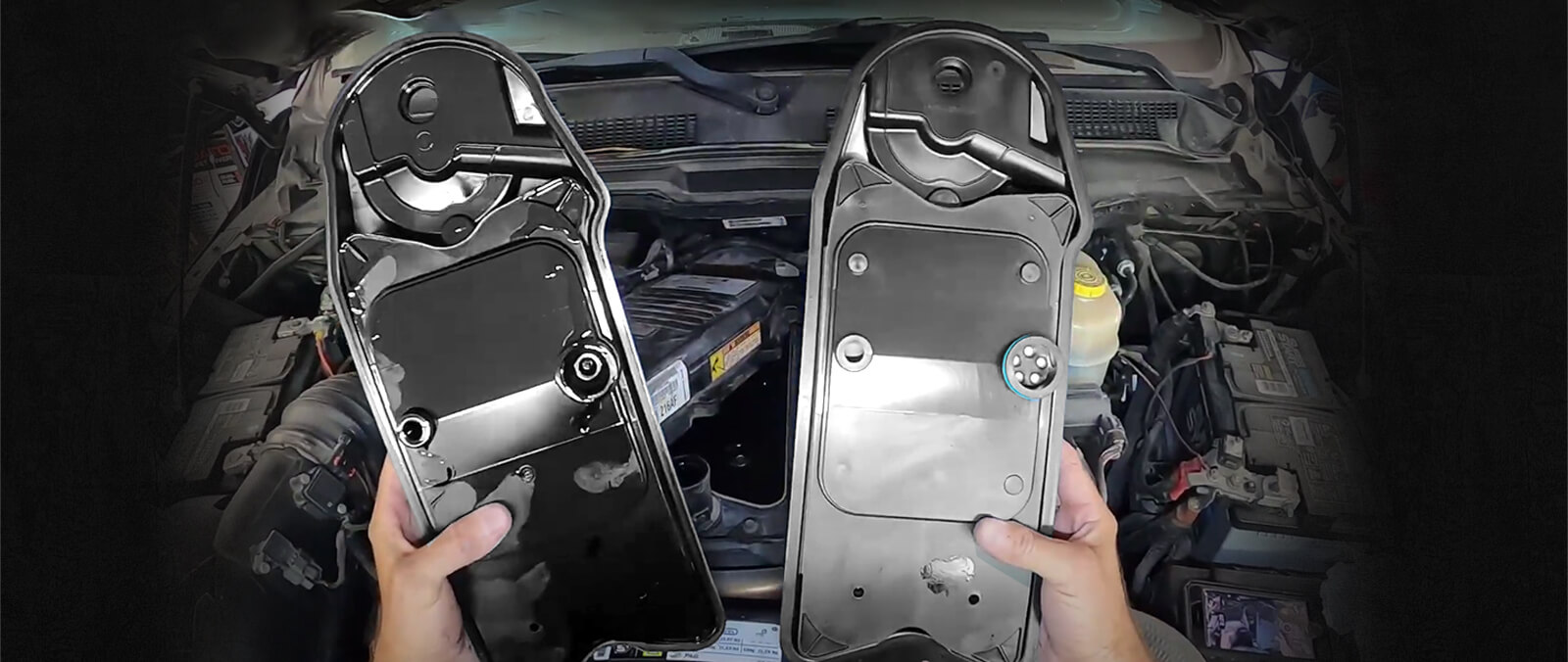
CCV stands for Closed Crankcase Ventilation. On the 6.7L Cummins engine, the CCV filter is usually located on top of the valve cover assembly, underneath the decorative cover. Its working principle is as follows:
The CCV system is responsible for routing blow-by gases generated inside the engine crankcase back into the intake system instead of releasing them directly into the atmosphere. The CCV filter is the core component within this system. Before the blow-by gases enter the intake tract, it separates the oil mist and impurities contained in them, reducing the amount of oil entering the intake system, helping protect the turbocharger, intake piping, and combustion system, while also lowering emissions and maintaining normal engine operation.
Simply put, the CCV system is responsible for "recovering and routing waste gases," while the CCV filter is responsible for "separating oil mist and purifying the gas." Together, they balance emissions control and intake system cleanliness.
Why Should You Replace the CCV Filter 6.7 Cummins?
The CCV filter is essentially a wear item, not a permanent component. As long as the engine is running, oil mist, carbon particles, and other contaminants continuously enter the CCV filtration path. Over time, the filter media's separation efficiency declines and it gradually becomes clogged.
Not replacing the CCV filter will not cause the truck to break down immediately, but problems will gradually build up over thousands of miles:
Pressure increase: Filter clogging → crankcase pressure rises → oil leaks from seals and gaskets (at first just a light oil film)
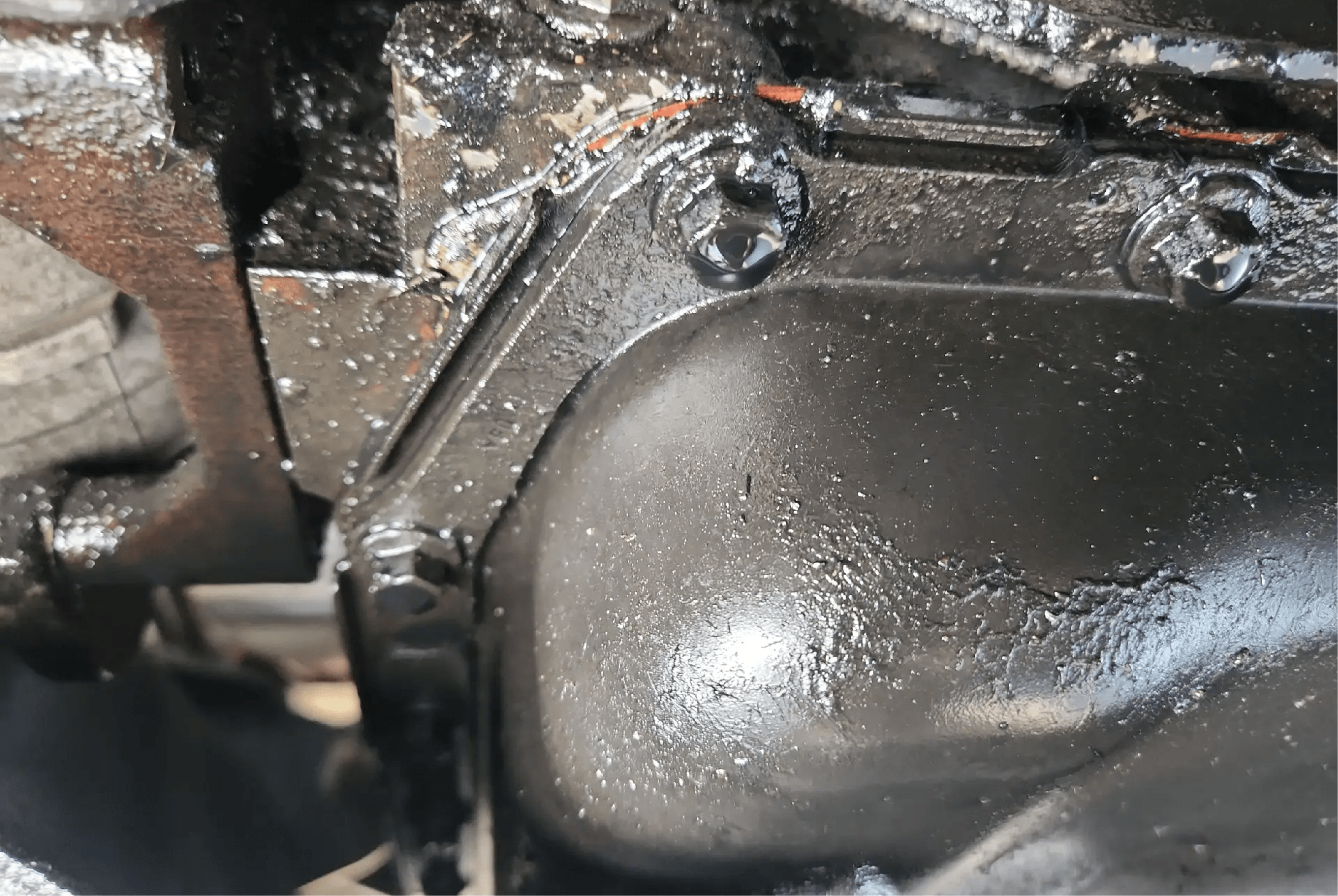
Turbo contamination: Oil mist enters the intake side directly → an oil film forms on the turbo impeller and intercooler walls → reduced efficiency
Long-term consequences of not replacing it:
- Premature turbo failure (replacement can cost several thousand dollars)
- Intercooler clogging → higher intake temperatures and reduced power
- Complete seal failure → engine disassembly required for replacement, with labor costs far exceeding the price of the filter itself
Actual Service Case
At a repair shop in Texas, we encountered a RAM 3500 owner who ignored the " Service Crankcase Filter " warning and continued driving for more than 10,000 miles. Eventually, excessive crankcase pressure caused the rear main seal to fail, resulting in severe oil leakage. What originally would have been a filter replacement costing less than $100 eventually turned into an expensive repair job costing more than $1,500.
How Often Should You Change CCV Filter on 6.7 Cummins?
According to official Cummins and RAM maintenance recommendations, the standard replacement intervals are as follows: (The actual 6.7 Cummins CCV filter change interval depends on model year, maintenance schedule, and driving conditions.)
| Model Year | Recommended Replacement Mileage | Notes |
| 2007.5–2018 | 67,500 miles | About every 54 months |
| 2019–2026 | 75,000 miles | About every 60 months |
In addition, when the overhead console displays the " Perform Service" message, it is also reminding you to replace the CCV filter. If the engine control module detects abnormal crankcase pressure, it may set fault codesP1507 (CCV filter clogged) or P1508 (CCV filter replacement required), illuminating the malfunction indicator light.
Please note: if your truck is frequently used for heavy towing, extended idling, or operation in dusty environments, it is recommended to inspect or replace the filter earlier, at around 50,000 miles.
Clogged CCV Filter Symptoms on a 6.7 Cummins and Quick Diagnosis
Recognizing clogged CCV filter symptoms on a 6.7 Cummins early can prevent major damage.
Main Symptoms:
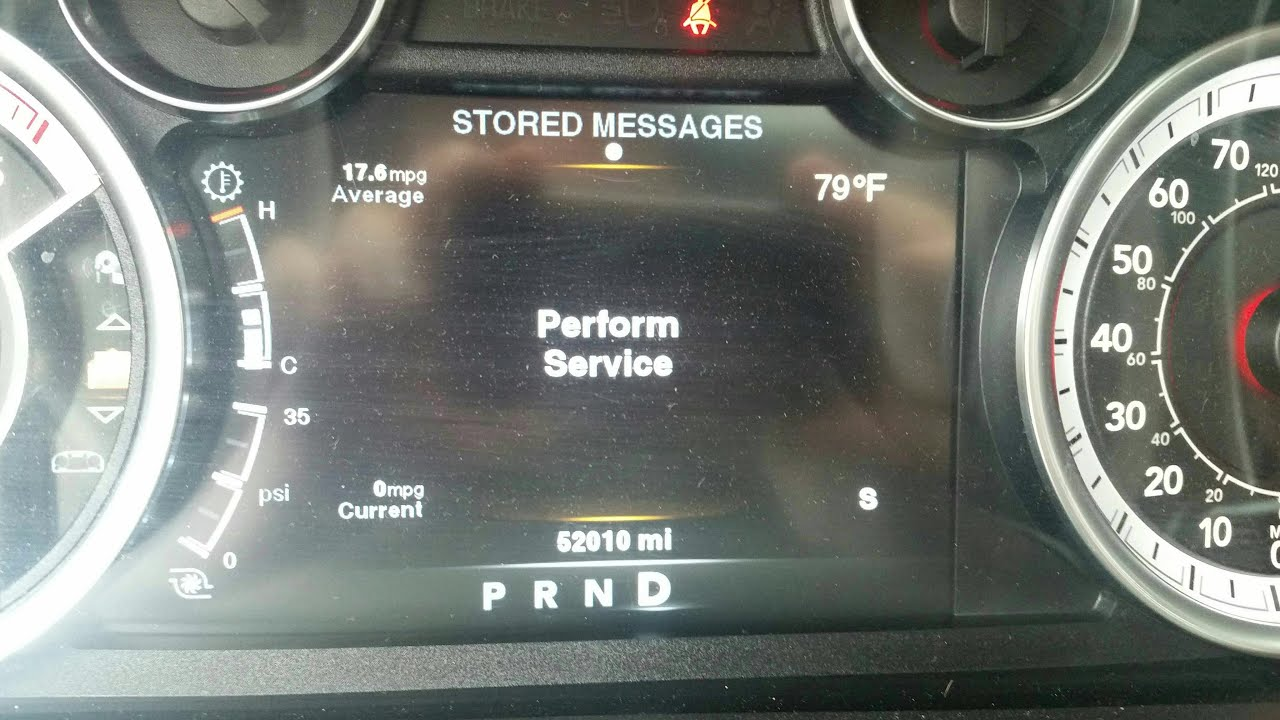
- "Service Crankcase Filter" / "Perform Service" message: This is the most direct signal.
- Oil leakage around the valve cover: Visible oil residue around the filter or oil filler cap.
- Rough idle: Pressure fluctuations can cause the engine to run less smoothly.
- Blue smoke: Excess oil carried into the combustion chamber through the exhaust gases.
- Increased oil consumption: You need to add oil more frequently than normal.
- Visible oil film in the intake system: Check the inside walls of the intake piping; if you see oil film, it indicates filtration failure.
Quick Diagnostic Method ("oil cap bounce test”):
With the engine idling, loosen the oil filler cap, but do not remove it completely. Let it rest loosely on the opening and observe its behavior:
- Normal: The cap should wobble gently or be slightly held in place by suction.
- Clogged: If the cap is obviously pushed outward by pressure or even "jumps," this indicates excessive crankcase pressure and the CCV filter is very likely clogged.
How to Replace the CCV Filter on a 6.7 Cummins
Replacing the CCV filter is one of the easiest maintenance tasks a RAM 2500/3500 owner can do. You do not need a professional mechanical background, and the job can be completed in about 20–30 minutes.
Tools Needed
Before you begin, prepare the following tools:
- 8mm socket wrench (preferably with a long extension)
- Flathead screwdriver (for loosening hose clamps)
- Clean rag (for cleaning the sealing surface)
- New CCV filter
Also make sure the engine has cooled down to avoid disassembling surrounding parts while they are hot.
Replacement Steps
Step 1: Open the hood and locate the filter
The CCV filter is located directly on top of the valve cover at the top of the engine. On 2007.5–2018 models, it is usually covered by a black plastic decorative cover.
Procedure: Use an 8mm socket to remove the four bolts on the decorative cover and take it off.
Step 2: Disconnect the CCV hose
You will see a large hose connected to the filter housing. This is the crankcase ventilation hose.
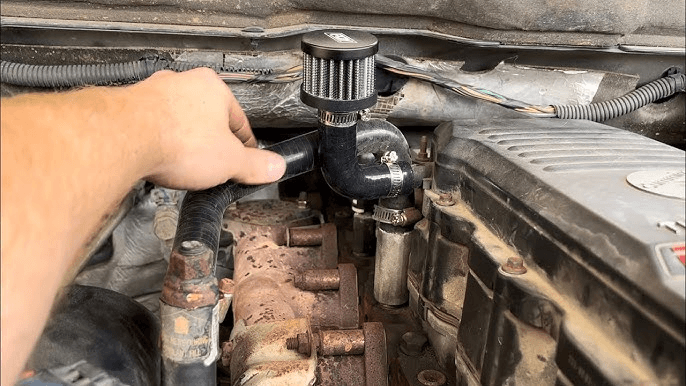
Procedure: Use a flathead screwdriver or socket to loosen the clamp, then gently twist and pull the hose off.
Step 3: Remove the CCV filter housing bolts
There are 8 eight-millimeter bolts around the housing (the number may vary slightly depending on model year).
Step 4: Replace the filter element
Remove the old CCV filter. You will usually find that it is very heavy and covered in oil residue because it has already absorbed a large amount of waste oil.
Procedure: Use a rag to wipe away oil and debris from the edge of the housing. Place the new filter into position, making sure the O-ring sits flat against the base to prevent air leaks later.
Step 5: Reassemble and tighten
Reinstall the bolts in the reverse order of removal.
Note: The bolts do not need to be overtightened (recommended torque is about 10 N·m), otherwise the plastic housing may be damaged.
How to Reset the "Perform Service" CCV Filter Message on a 6.7 Cummins
After replacing the hardware, the warning message on the dashboard usually does not disappear automatically. Please follow the "secret method" below to reset it manually:
- Turn the key to the ON position (or press the Start button twice, but do not start the engine).
- Slowly press the brake pedal 2 times.
- Slowly press the accelerator pedal 2 times.
- Turn the key back to the OFF position.
- Start the engine again, and the warning message should be gone.
Tip: This method applies to most models after 2013. For specifics, please refer to the owner's manual.
6.7 Cummins CCV Filter Delete vs. Replacement
For those considering performance modifications, the 6.7 Cummins CCV filter delete or reroute is a popular topic.
CCV Delete: Completely remove or disable the factory CCV, adding a bypass plate so that crankcase gases are vented directly to the atmosphere without filtration, completely bypassing the factory ventilation system.
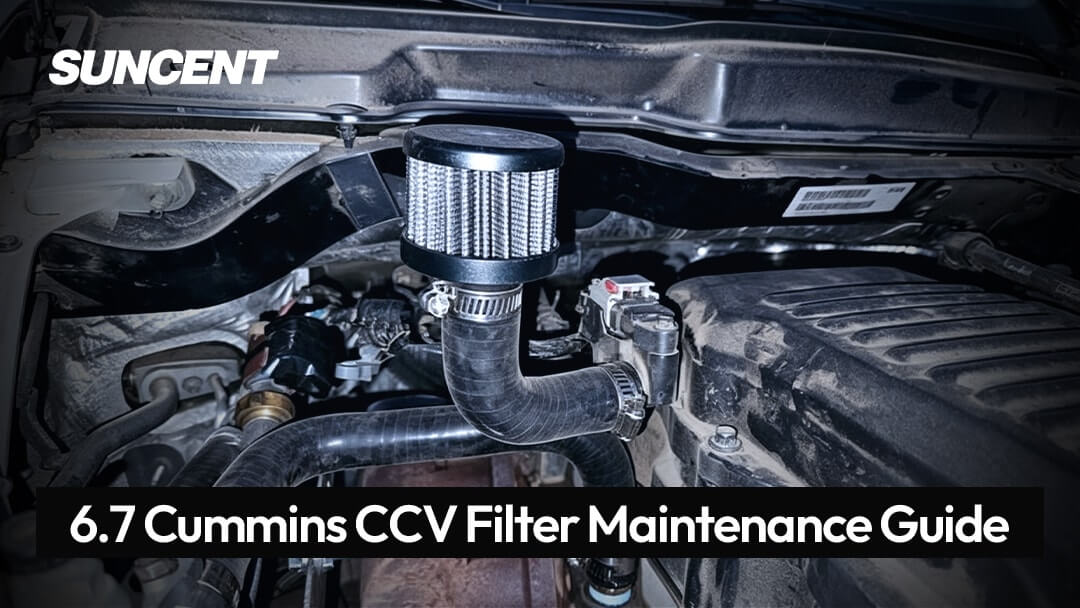
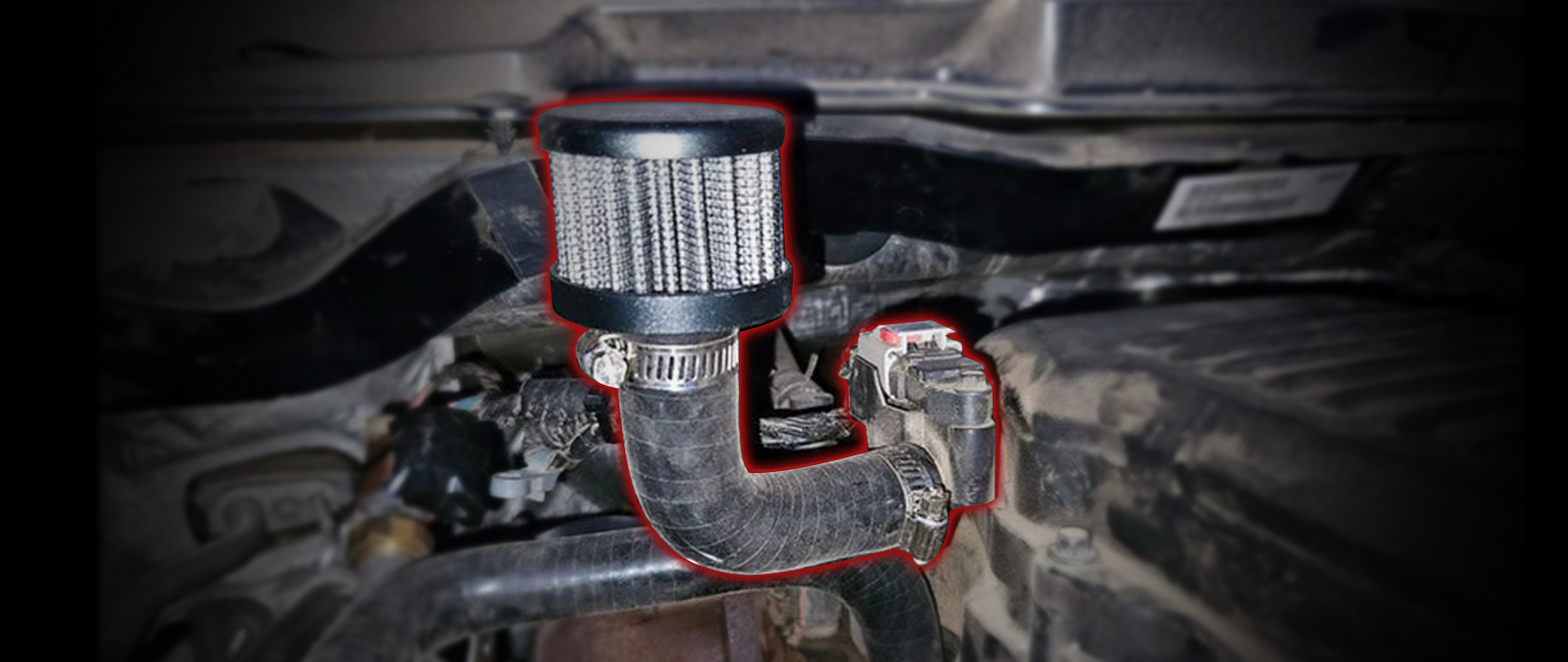
CCV Reroute: Retain the factory housing and filter, but reroute the outlet hose—either venting it under the truck or connecting it to an external catch can—to prevent gases from entering the turbo intake side.
Why Do Some People Do This?
Owners of the 6.7L Cummins consider CCV delete or reroute mainly for the following reasons:
- Save maintenance costs: No need to replace the CCV filter regularly, saving on parts and labor.
- Improve intake efficiency: Oil mist no longer enters the intake system, keeping the intake tract and intercooler dry and airflow smoother.
- Protect the turbo and intercooler: Completely prevent oil mist from forming an oil film on the turbo impeller and intercooler walls, extending turbo life.
💡 Real Modification Case
A 2013 Ram 2500 owner faced the decision of replacing the CCV filter at 60,000 miles. After reading a large number of forum discussions, he decided not to replace the filter and instead implemented a CCV reroute. He purchased a reroute kit, routed the crankcase gas line down below the frame, and added a small filter at the outlet, completely cutting off the path of oil mist into the turbo.
After driving 20,000 miles following the modification, he removed the intercooler intake pipe for inspection—the inside walls were dry and clean, with none of the oil film seen in the stock configuration. The surface of the turbo impeller also showed no signs of oil buildup. His comment was: "I finally don't have to worry about oil mist gunking up the turbo."
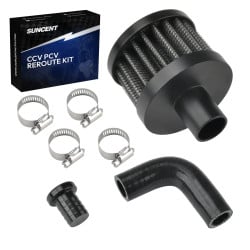
The SuncentAuto 6.7 Cummins CCV rerouting kit uses high-quality materials such as CNC-machined 6061 aluminum billets, completely eliminating carbon buildup and oil leaks, achieving maintenance-free reliable performance, and comes with free shipping within the US and a 45-day after-sales guarantee. Use the exclusive reader discount code BLOG12 now for an instant 12% discount !
⚠️Improtant Risks That Must Be Emphasized
Before considering CCV delete or reroute, be sure to understand the following risks:
Legal and Compliance Risks
CCV delete/reroute may violate federal and state emissions regulations. In states with strict emissions inspection programs (such as California, New York, and Colorado), this type of modification may cause the vehicle to fail inspection or even result in fines. If the vehicle is driven on public roads, it is recommended to carefully evaluate local regulations before deciding whether to modify it.
Practical Considerations
After a CCV reroute, if gases are vented directly to the atmosphere, there may be a slight oil smell in the engine bay or underneath the truck. If a catch can is used, the oil collected inside must be emptied regularly, otherwise it may overflow and cause contamination.
CCV Delete vs. Regular Replacement: Which Is Better for You?
| Category | Regular CCV Filter Replacement | CCV Reroute/Delete |
| Initial cost | $40–120 (filter cost) | $40–200 (kit cost) |
| Long-term cost | $40–120 every 60,000–70,000 miles | No filter replacement cost |
| Turbo protection | Limited—oil mist can still enter as the filter ages | Completely prevents oil mist from entering the intake system |
| Legal compliance | ✅ Fully legal | ⚠️ May violate emissions regulations |
| Best for | Owners who want to keep the vehicle factory-compliant | Modification enthusiasts focused on performance and unconcerned about emissions compliance |
Recommendation: If your vehicle is mainly driven on public roads and requires inspection, it is recommended to stick with regular CCV filter replacement. If you are an off-road enthusiast, building a race-only vehicle, or living in an area without emissions testing, CCV reroute may be an option worth considering.
Conclusion
The 6.7L Cummins CCV filter is an indispensable component for keeping the engine running healthily. It may seem insignificant, but once it becomes clogged, it can trigger a series of problems ranging from oil leaks to turbo damage—repairs can easily cost thousands of dollars, while a filter itself costs only a few dozen dollars. Replacing the filter regularly can save you thousands of dollars in potential repair expenses.