 Contents
Contents
- What Is a CCV Filter on 6.7 Powerstroke?
- Where Is the CCV Filter on 6.7 Powerstroke?
- How Often to Change CCV Filter on 6.7 Powerstroke?
- How to Replace CCV Filter on 6.7 Powerstroke (Step-by-Step Guide)
- 6.7 Powerstroke CCV Filter Replacement Cost
- Expanding Options: SuncentAuto CCV Reroute Kit
- Conclusion
One crucial but often overlooked component in the 6.7L Powerstroke is the crankcase ventilation (CCV) filter. This small part plays a vital role in protecting the engine from internal damage and performance loss. Neglecting it can lead to costly problems, including increased fuel consumption, oil leaks, and turbocharger issues due to oil mist.
This guide will detail how to replace the CCV filter in your 6.7 Powerstroke engine. You will learn about its importance, replacement frequency, and more to ensure your engine runs efficiently for the long term.
What Is a CCV Filter on 6.7 Powerstroke?
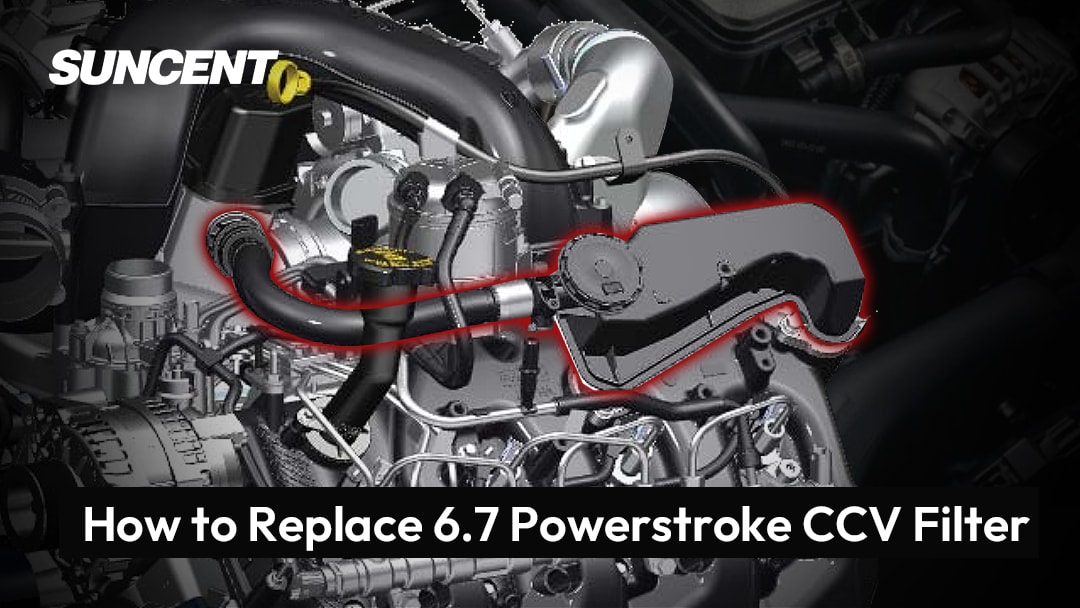
The CCV filter (Crankcase Ventilation Filter) is a key component of the 6.7 Powerstroke engine's CCV system. Its core function is to filter oil mist and contaminants from crankcase exhaust gases, preventing them from entering the intake system.
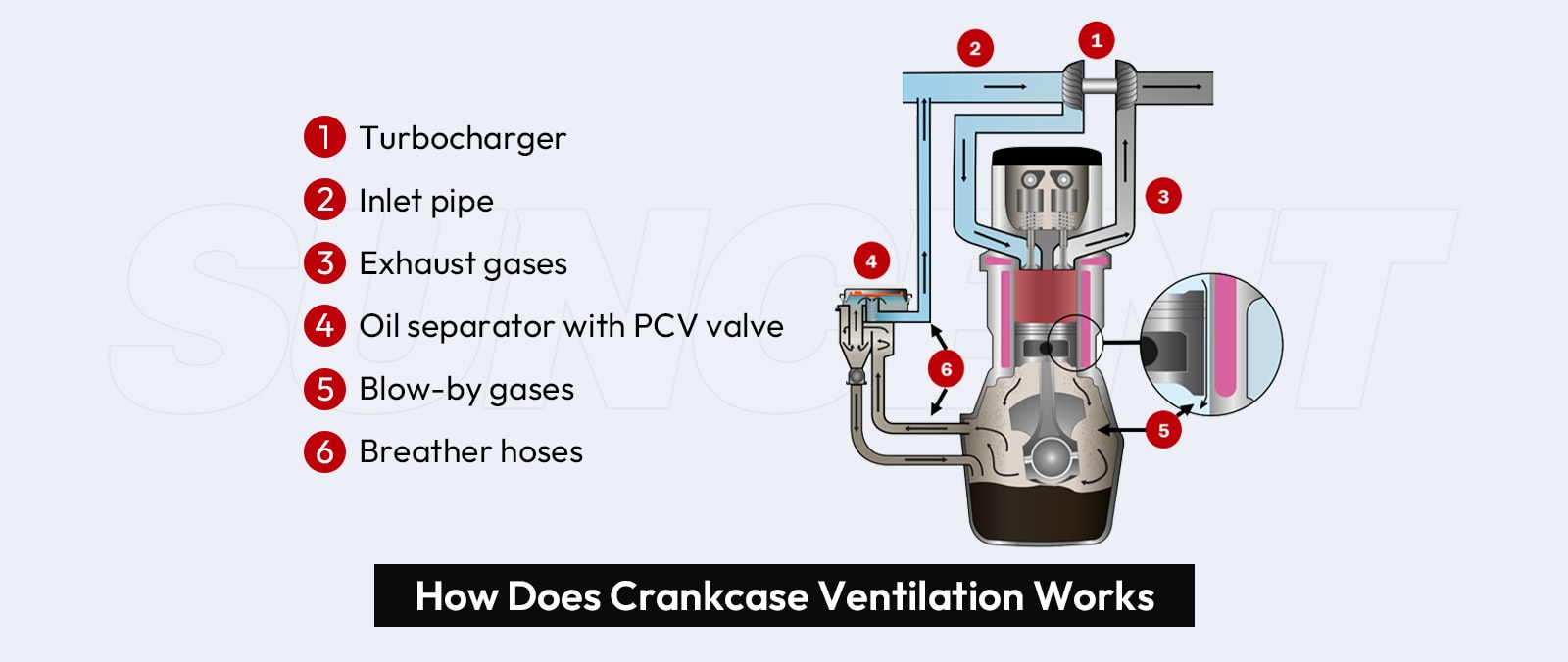
Diesel engines produce blow-by gases, which contain:
- Oil mist.
- Unburned fuel vapor.
- Combustion gases.
The main functions of the CCV filter are:
- Separating oil mist from crankcase exhaust gases.
- Preventing engine oil from entering the intake manifold, turbocharger, and intercooler.
- Maintaining stable crankcase pressure.
If the CCV filter becomes clogged or malfunctions, engine oil will contaminate the intake system and turbocharger, leading to decreased efficiency, power loss, and increased maintenance costs.
Where Is the CCV Filter on 6.7 Powerstroke?
The 6.7 Powerstroke CCV filter is located on top of the engine, inside a black plastic oil separator mounted on the passenger-side valve cover.
6.7 Powerstroke CCV Filter Location: Model Year Differences
2011-2019 Models:
The filter is located inside a black rectangular housing labeled "Oil Separator." Replacement requires removing the plastic engine cover.
2020 and Later Models:
Same location, but the housing is slightly updated. The replacement steps are similar.
How Often to Change CCV Filter on 6.7 Powerstroke?
Ford's Recommended CCV Filter Replacement Interval
Ford recommends replacing the CCV filter in the 6.7-liter Powerstroke engine every 67,500 miles. However, under heavy towing or high-load operation, more frequent replacement may be necessary.
Follow the replacement instructions in your vehicle's owner's manual.
Signs That the CCV Filter Needs Replacement
- Abnormal oil consumption;
- Oil stains in the intake manifold;
- Unstable idling or decreased performance;
- Oil mist near the turbocharger intake;
- Whistling or pressure-related noise.
If you notice these symptoms, it's time to replace the 6.7 Powerstroke CCV filter.
How to Replace CCV Filter on 6.7 Powerstroke (Step-by-Step Guide)
Tools and Parts Required
- New CCV Filter 6.7 Powerstroke
- Screwdriver
- Socket Wrench Set
- Torque Wrench
- Clean Cloth
- Gloves
Preparation
- Park the vehicle on a level surface and engage the handbrake.
- Turn off the engine and allow it to cool completely.
- Disconnect the negative terminal of the battery to reduce electrical risks.
- Remove the plastic engine trim cover.
- Clean the area around the CCV housing to remove dust and grease to prevent contaminants from entering.
CCV Filter Replacement Steps
- Locate the CCV housing on the passenger-side valve cover at the top of the engine.
- Remove the bolts securing the housing cover and carefully open the cover (the bolts are low-torque fasteners, typically 3–4 lb-ft during installation).
- Remove the old CCV filter element and inspect the inside of the housing for sludge or debris.
- Clean the inside of the housing using a lint-free cloth or vacuum cleaner.
- Inspect the O-rings or gaskets used for sealing; replace if damaged.
- Install the new CCV filter in the correct orientation.
- Reassemble the housing and tighten the bolts (low torque hold)
- Reinstall the engine cover and reconnect the battery.
6.7 Powerstroke CCV Filter Replacement Cost
| Replacement Option | Cost Breakdown | Estimated Cost |
| OEM CCV Filter | Factory replacement filter | $60–$120 |
| Aftermarket CCV Filter | High-performance after-sales filter element | $30–$90 |
| Shop Replacement | Parts + labor | $250–$400 |
| DIY Replacement | Parts only | Under $120 |
If you have basic hands-on skills, replacing your CCV filter yourself can save you $150–$280 in labor costs, making it the most cost-effective option.
Expanding Options: SuncentAuto CCV Reroute Kit
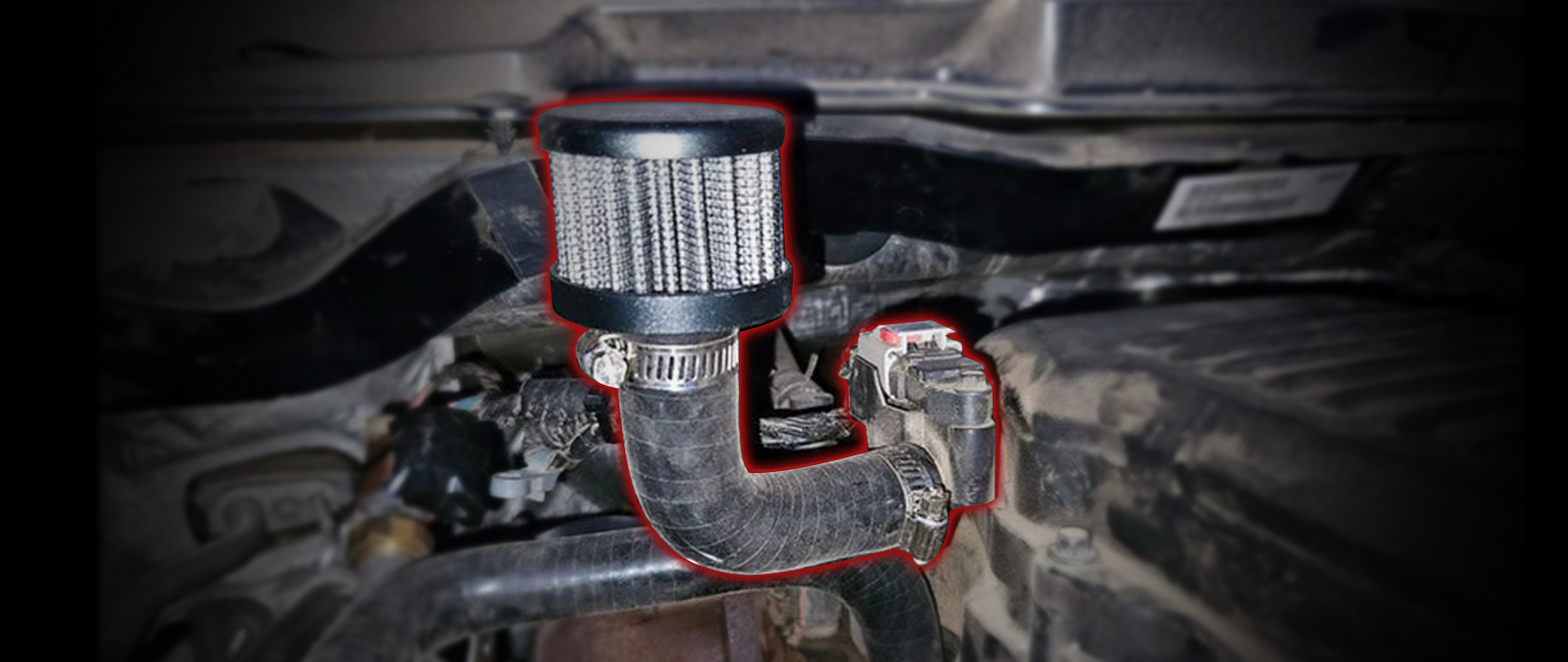
For some 6.7 Powerstroke owners, simply replacing the original filter isn't enough for long-term maintenance. Many opt for a CCV reroute kit. This modification improves engine breathing efficiency and internal cleanliness by reroute or delete the original ventilation path. This is a more thorough approach because it eliminates the need for future maintenance.
However, it's important to note that a complete CCV delete does not comply with emissions regulations and is only suitable for off-road or performance-enhanced vehicles.
CCV Filter Replacement vs CCV Reroute Kit (Which Is Better?)
| Option | Maintenance | Intake Cleanliness | Cost | Legal |
| OEM CCV Filter | Needs replacement | Moderate | Low | Legal |
| SuncentAuto CCV Reroute | No filter change | Excellent | Medium | Off-road |
Summary:
If you prioritize original factory reliability and roadworthiness, choose the original factory CCV filter;
If you prioritize maximum intake air cleanliness and lower maintenance costs for off-road or high-performance applications, choose the CCV conversion kit.
Conclusion
The CCV filter in the 6.7 Powerstroke engine plays a crucial role in controlling oil mist, crankcase pressure, and keeping the engine clean. Regularly checking and replacing the CCV filter according to the recommended replacement interval (typically around 67,500 miles) helps prevent problems.
For most owners, replacing the CCV filter in the 6.7 Powerstroke engine is a simple and economical maintenance task. For those seeking long-term or performance improvements, CCV rerouting or removal kits can improve intake air cleanliness while maintaining emissions control. However, it is essential to do so within legal limits.