 Contents
Contents
Having a car is a great convenience and comes with many advantages, but it also has its share of maintenance and repairs. Knowing the common car parts that are likely to need replacing can help you stay on top of your vehicle's maintenance, ensuring a smoother ride and more reliable performance. In this article, we will discuss some common auto parts that need periodic attention and suggest how often they should be replaced.
Oil and Oil Filter
Oil is essential for keeping a car’s engine running properly, and if it isn’t changed regularly, it can cause serious damage. An oil filter helps keep the engine free from impurities, but will eventually become clogged or worn out. As such, both the oil filter and oil should be checked regularly and replaced when necessary to ensure your vehicle runs efficiently.
Oil should typically be changed every 3-5 months or 5-7 thousand miles depending on type of vehicle you have. With each new oil change comes a new filter as well; this helps to keep contaminants from building up in your engine which can cause expensive repairs down the line.
Engine Air Filter
An engine air filter is an essential component of any vehicle. It helps to ensure that the engine receives clean, filtered air which can improve performance and reduce damage to the engine over time. Without a functioning air filter, dirt, dust and other debris can get into the combustion chamber of your car’s engine which can have a significant impact on performance.
To keep your engine running at its best, regular maintenance of your air filter is essential. This involves removing it from its housing, inspecting it for any blockages or debris buildup, and replacing it if necessary; generally every 12,000-15,000 miles thousand miles depending on driving conditions.
Lights
Lights can be one of the most common car parts that need to be changed. Headlights, fog lights, brake lights and tail lights, etc., are all important parts of a vehicle's lighting system that may require replacement over time due to wear and tear or possible damage.
The headlights in particular are an essential part of keeping your vehicle safe on the roads as they allow you to see better and help other drivers see you too. If a headlight is not functioning properly, it should be inspected for any possible cracks and/or damage before considering replacing them. If a crack is found, then the entire headlight assembly must be replaced; this could mean buying new headlight bulbs as well.
Wiper blades
Wiper blades are made from rubber and plastic, so they don't last forever. Over time, the rubber wears out and cracks, causing it to streak or skip when wiping away water from the window. This can be very dangerous in wet weather conditions, as it could reduce visibility on the road and make driving more difficult.
To ensure your safety while you're on the road, it's important to inspect or replace your wiper blades every six months or so to make sure they stay effective at wiping away moisture from your windshield.
Tires
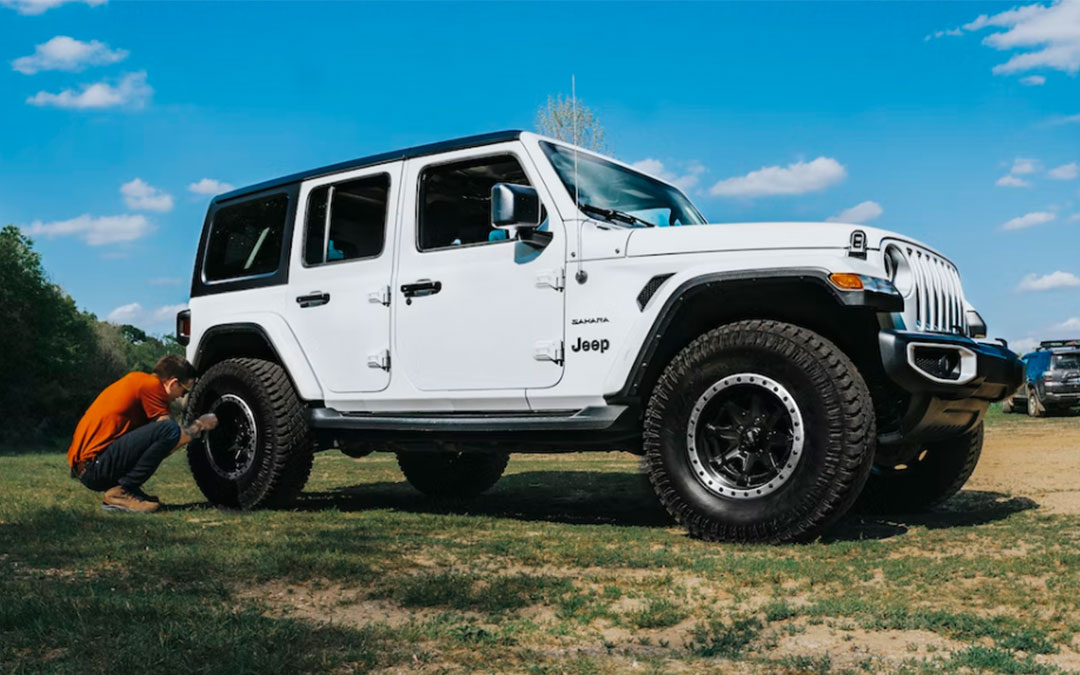
Without quality tires, a vehicle can't safely traverse roads, and without proper inflation, tire wear can occur quickly. Tires are an important components of any vehicle and should be checked regularly for signs of wear or damage.
In general, it's recommended that tires be replaced every 6 years or after hitting tread depths below 4/32nds of an inch. Tire replacement can be done at home by experienced DIYers or at a professional mechanic shop with specialized tools and equipment.
When selecting new tires, look for ones that match the make and model of your vehicle as well as its intended use - city driving, off-roading, etc - in order to find an appropriate fit.
Brake Pads
Brake pads are responsible for providing the friction necessary for slowing down or stopping a moving vehicle, so it’s important to make sure they’re in good condition.
Brake pads are made from either ceramic, semi-metallic or organic materials, which all have their pros and cons depending on what kind of driving you do. Over time, brake pads will begin to wear down and eventually need replacing due to heat generated by friction as well as dust accumulation.
It is recommended that you have brake pad replacement done every every 10,000 to 20,000 miles, or when you notice a change in your car's braking ability.
Water Pump
Water pump helps cool the engine and circulate antifreeze throughout the car's cooling system. Without a properly functioning water pump, your engine could overheat and cause serious damage.
Most modern vehicles can go between 60,000 and 100,000 miles before needing a new water pump. The exact mileage will depends on various factors, including the type and size of the pump, how often it’s used, and the environment in which it operates.
To determine when a water pump should be replaced, you should look out for telltale signs such as a squealing or whining noise coming from under the hood or leaking coolant. If these symptoms are present, then it’s probably time for a new water pump to be installed by an experienced automotive technician.
Alternator
An alternator is responsible for converting mechanical energy into electricity, which powers all your vehicle’s electrical components like lights, ignition system, radio, wipers and more. If the alternator begins to fail or deteriorate over time due to age or wear-and-tear, then it will likely need to be replaced. Generally speaking, most experts suggest replacing your alternator between 80,000 - 150,000 miles.
Spark Plugs
Spark plugs provides the spark needed for efficient combustion in a gasoline engine. Spark plugs can last anywhere from 10,000-20,000 miles depending on the type and quality of plug used. It’s important to check and change spark plugs every 10,000 miles or so to ensure your engine is running as smoothly as possible.
Battery
The battery in your car is what starts the engine by supplying electrical power to it when you turn the key in the ignition. It also supplies electricity to run other systems such as headlights and wipers while the engine isn't running. It's important to keep your vehicle’s electrical system working properly because if it fails, then your car won't start or run correctly.
If your car's battery is over 4-5 years old, or if you have noticed any signs of trouble such as slow starting or dim headlights, then it's time to get a replacement.
Wrapping Up
Car parts wear down over time, and an understanding of which ones tend to need replacing most often can help you stay on top of your vehicle’s maintenance. Regularly checking the condition of all ten of these components can help you extend the life expectancy of your car and reduce unexpected repair costs in the future. It is important to always refer to your owner’s manual for specific information about which parts need to be replaced and how often, as well as how to properly care for them.
When it’s time to shop for new car parts, look no further than Suncenauto. We offer high-quality parts at affordable prices, with fast and free shipping. Shop today!