











 Contents
Contents
- Why Do People Choose a Muffler Delete?
- Muffler Delete Cost Breakdown Table
- DIY vs Professional: Who Should DIY and Who Should Go to a Shop?
- Key Factors That Affect Muffler Delete Cost
- How to Get the Lowest Price: Practical Tips
- Real Owner Experiences: How Much Did People Actually Pay?
- Summary: How Much Is a Muffler Delete?
- FAQs
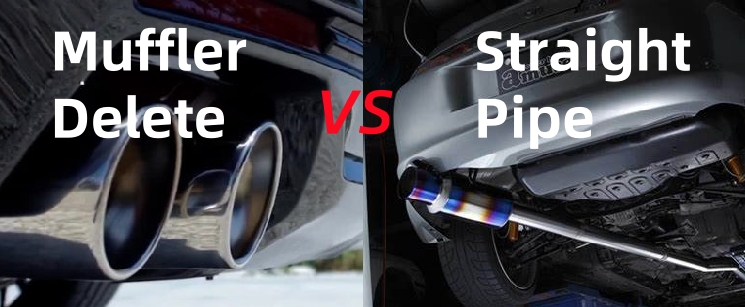
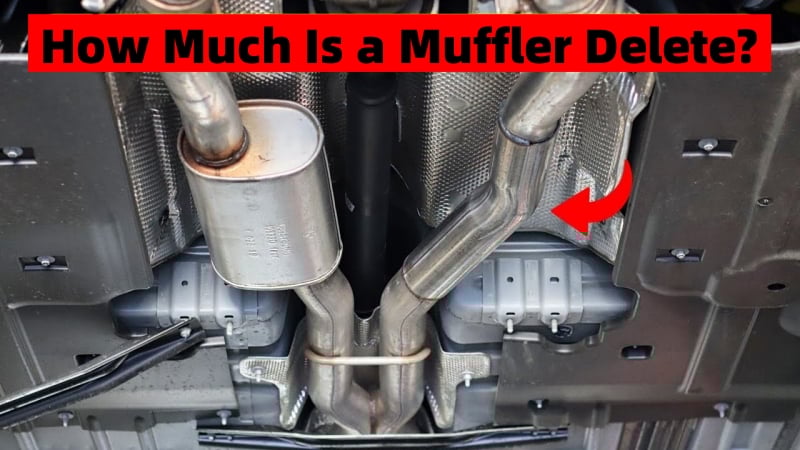
If you are considering modifying your vehicle's exhaust system to get a louder and more aggressive exhaust sound, then a muffler delete may be an option you have thought about. This popular modification removes the muffler, which reduces exhaust restriction and significantly improves the exhaust sound. But in 2026, how much does a muffler delete cost? Is it really worth it? In this guide, we will break down the cost clearly so you can know your approximate budget before going to a shop.
Why Do People Choose a Muffler Delete?
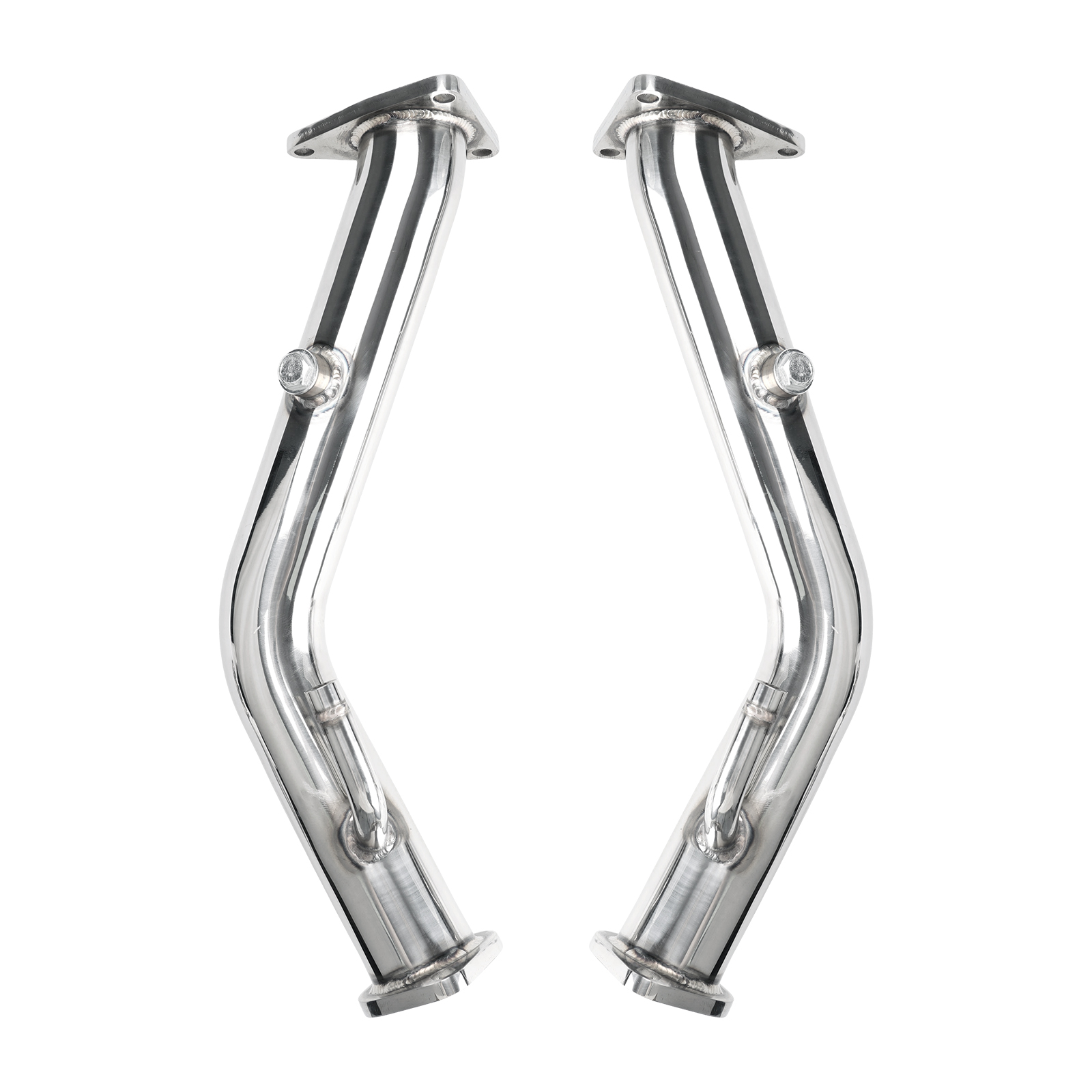
A muffler delete means removing the muffler from the vehicle’s exhaust system. The muffler is a key component of the exhaust system, and its function is to reduce engine noise.
There are many reasons why enthusiasts choose a muffler delete:
- Improved sound: Most people choose this modification to get a louder and more sporty exhaust sound.
- Appearance: Some people prefer the cleaner look of a custom exhaust system without a bulky muffler.
- Cost savings: A muffler delete is often considered a more affordable alternative to a full performance exhaust system.
Muffler Delete Cost Breakdown Table
| Item | Cost Range | Description |
| Basic job (cut & weld) | $100 – $200 | Most common situation |
| Pipe material | $20 – $80 | Basic materials |
| Labor cost | $50 – $150 | Depends on location |
| Dual exhaust extra cost | +$50 – $150 | Additional side |
| Exhaust tip (optional) | $50 – $200 | Not required |
Most drivers end up paying around $150–$300 in total.
How Much Does It Cost at a Shop?
For most drivers, a muffler delete at a local exhaust shop typically costs between $150 and $300. Basic jobs can be as low as $100, while dual exhaust or custom work can push the price to $300–$500+.
How Much Does DIY Cost?
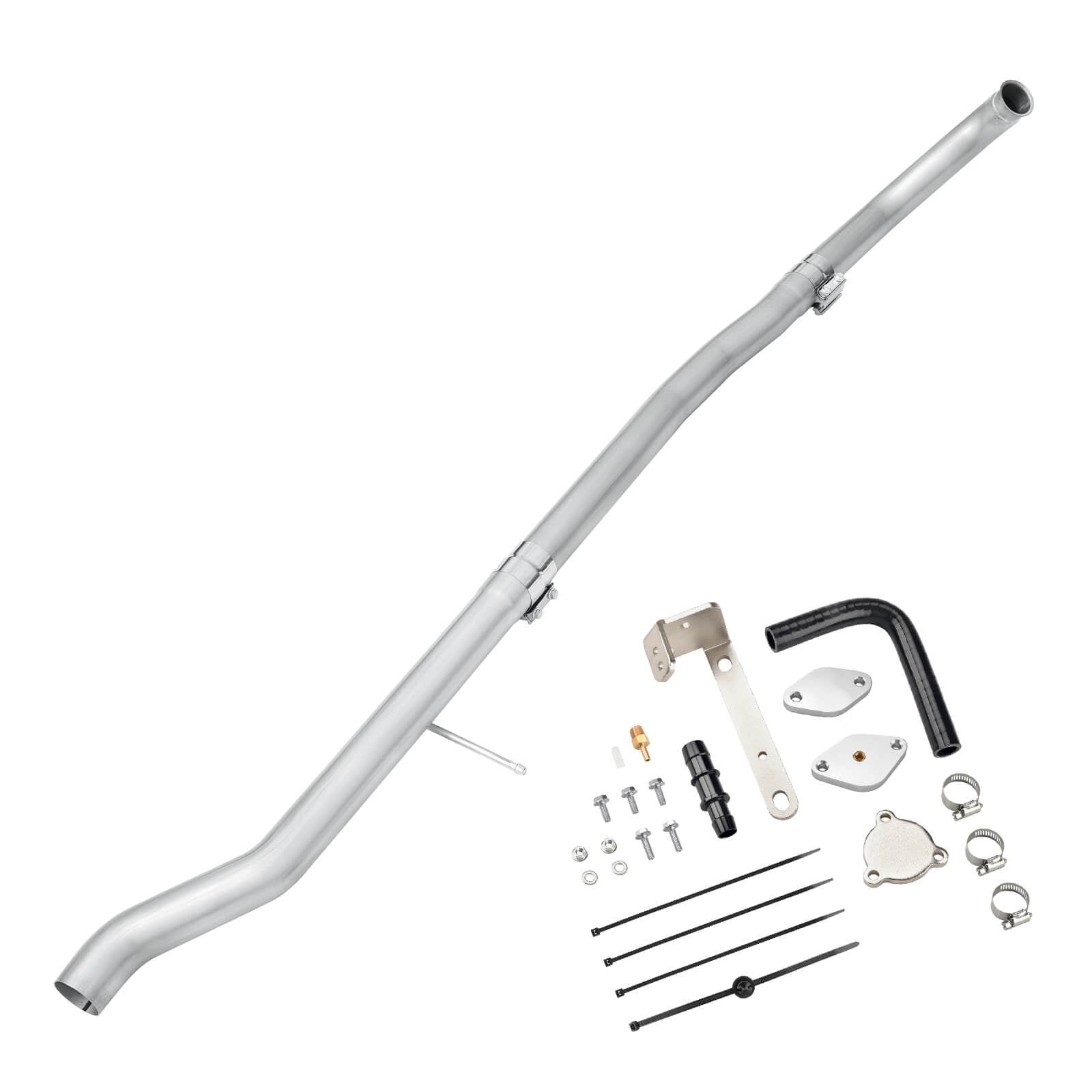
If you do it yourself, looking at materials only, a DIY muffler delete usually costs $50 – $100, typically including straight pipe, clamps, and basic connectors.
However, there is a practical issue:
The low cost of DIY assumes that you already have the tools, know how to perform the work, and understand how to avoid exhaust leaks, noise issues, or improper installation.
DIY vs Professional: Who Should DIY and Who Should Go to a Shop?
If you meet the following conditions, DIY can indeed save you money:
Who is suitable for DIY?
- Has welding experience (MIG/TIG)
- Has a lift or safe jack stands
- Willing to spend time learning
- Has a simple vehicle setup that doesn’t require complex bending
For these car owners, the biggest advantage of a muffler delete is that they only pay for materials and save on labor costs.
Who should go to a shop?
- No welding experience
- No lifting equipment
- European cars or complex exhaust layouts
- Want warranty and someone responsible if something goes wrong
⚠️ If you end up going to a shop after DIY to fix issues, then you are not saving money—you are spending more.
Key Factors That Affect Muffler Delete Cost
1. Vehicle Type and Exhaust Layout
Not all vehicles have the same muffler delete cost. Regular front-wheel-drive cars usually have simpler structures and more working space, so costs are lower. Vehicles with complex underbody layouts or tight rear sections require more labor time.
General rule:
- Sedans: cheaper
- SUVs / trucks: moderate or slightly higher
- Performance / luxury cars: usually more expensive
2. Single vs Dual Exhaust
This is one of the most direct factors affecting price.
- Single exhaust: less material and labor, lower cost
- Dual exhaust: both sides need work, increasing cost
If your car has a dual exhaust system, your budget should be expected to be higher.
3. Pipe Material
Different materials directly affect cost and durability:
- Mild steel: cheap but less corrosion resistant
- Aluminized steel: good value
- Stainless steel: most durable but more expensive
If you just want a low-cost setup, basic materials are enough. If you live in a wet or snowy area, stainless steel may be more worthwhile.
4. Welded vs Clamped Installation
Both methods have their differences:
- Welded: stronger, more common, better overall finish
- Clamped: easier to remove, sometimes cheaper labor, but less secure
Some shops charge more for welding, but it’s more reliable long-term. Some car owners prefer clamping if they plan to revert to stock later.
5. Shop Type and Local Labor Rates
The same muffler delete can cost very different amounts depending on location.
Labor is usually higher in big cities, local exhaust shops are often cheaper, and performance shops usually charge the most. So for the same job, price differences of tens to over a hundred dollars are common.
6. Whether Extra Parts Are Included
Many car owners think the quoted price is final, but after the job they find extra costs for parts such as exhaust tips or hangers.
So when getting a quote, always confirm: is this an “all-in” price or just the basic work?
How to Get the Lowest Price: Practical Tips
1. Ask Multiple Shops
Don’t only ask one shop. Generally:
Local exhaust shops are cheapest, general repair shops are mid-range, and performance shops are the most expensive. If your goal is just a basic muffler delete, local exhaust shops usually offer the best value.
2. Bring Your Own Parts
If you know exactly what you need, you can prepare:
- Straight pipe
- Clamps
- Exhaust tips
- Connectors
Some shops will only charge labor if you bring your own materials.
3. Ask If Tips Are Included
Some quotes look cheap but don’t include tips, clamps, or extra welding. Always confirm what’s included so you can compare properly.
4. Avoid Peak Times
Some shops are busier during peak seasons, weekends, or month-end, and prices may be less flexible. If your schedule is flexible, try weekdays or off-season times.
Real Owner Experiences: How Much Did People Actually Pay?
Based on real owner feedback, muffler delete costs mainly depend on vehicle type and installation method.
For a typical daily driver sedan, a basic cut-and-weld muffler delete usually costs around $120 to $180.
For a dual exhaust sports car, costs are higher. Some drivers report paying $250 to $400 for dual-side work with tip adjustments.
Some DIY users only spend $50 to $100 on materials, but without proper experience, issues like leaks or poor fitment can occur. Some owners found that fixing DIY mistakes later actually increased total cost.
Note: These are real case summaries for reference only. Actual prices depend on local quotes.
Summary: How Much Is a Muffler Delete?
A muffler delete usually costs $100 to $500, with most shops charging $150 to $300, and DIY materials costing $50 to $100. The price mainly depends on vehicle type, exhaust setup, materials, installation method, labor costs, and whether additional parts are needed.
If your goal is:
- Keep the budget low
- Get a louder exhaust sound
- Avoid spending a lot on a full exhaust system
Then a muffler delete is a cheap, simple, entry-level option.
However, if you care about comfort, drone, resale, or long-term use, you should consider hidden costs, not just the initial price.