

























 Contents
Contents
Fault code P2453 is a critical warning that requires immediate attention. Whether you drive a Volkswagen, Audi, BMW, or Mercedes-Benz, ignoring this alert could result in catastrophic engine damage, costly repair bills, or even regulatory penalties for failing to meet emissions standards. In this guide, we'll dissect the P2453 fault code from every angle. We'll explore the causes, symptoms, and recommended fixes for this fault code to help you maintain the efficiency and reliability of your diesel engine.
TL,DR : The P2453 code indicates a problem with your DPF pressure sensor circuit. It's often caused by a faulty sensor, wiring issues, or a clogged DPF. Most fixes range from $200 to $800 depending on whether it's a simple sensor replacement or a full DPF cleaning.
- Code meaning: DPF Pressure Sensor “A” Circuit Range/Performance
- System affected: Diesel particulate filter (DPF) monitoring and regeneration control
- Common causes: faulty pressure sensor, blocked or damaged pressure hoses, wiring or connector problems, clogged DPF, failed regeneration
- Common symptoms: check engine light, limp mode, reduced performance, poor fuel economy, regen issues
- Can you keep driving? Sometimes, yes for a short period, but the issue should be diagnosed as soon as possible
- Typical fix: inspect hoses and wiring, test the sensor, evaluate DPF restriction, repair the root cause, then clear the code and retest
What Is the P2453 Code?
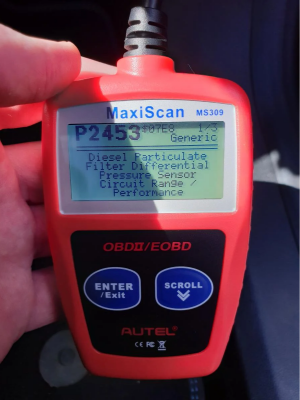
Definition : P2453 refers to a Diesel Particulate Filter (DPF) Pressure Sensor "A" circuit range/performance fault.
Meaning : The PCM (Powertrain Control Module) has detected a voltage reading from the DPF pressure sensor that is outside of the acceptable range; DPF Regeneration Pressure, signal out of tolerance/ too high .
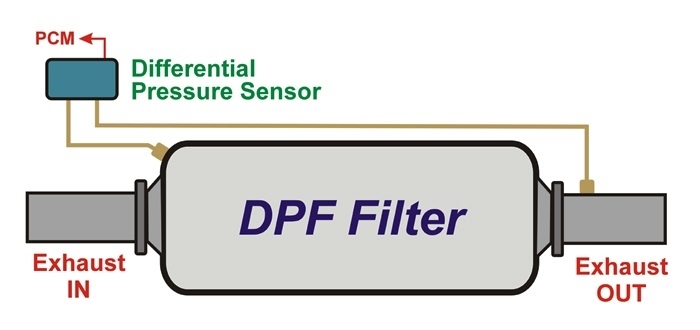
What the DPF Pressure Sensor Does?
The DPF pressure sensor measures the pressure difference across the diesel particulate filter. The PCM uses this data to determine:
- how restricted the DPF has become
- when regeneration is needed
- whether regeneration is working properly
- whether the exhaust aftertreatment system is operating within normal limits
If the pressure reading is too high, too low, inconsistent, or outside the expected range, the PCM may store code P2453.
Key Components Involved:
Diesel Particulate Filter (DPF) : Traps soot and particulate matter from diesel exhaust to reduce emissions.
Pressure Sensor "A" : Monitors differential pressure across the DPF to determine when regeneration is needed.
PCM (Powertrain Control Module) : Receives data from the DPF sensor to manage the regeneration process.
Symptoms of the P2453 Fault Code
If your vehicle triggers the P2453 fault code, you may notice the following symptoms:
- The check engine light illuminates.
- Reduced engine performance or limp mode.
- Increased exhaust smoke and black smoke.
- Poor fuel economy and increased fuel consumption.
Ignoring these symptoms may lead to further complications, such as damage to the diesel particulate filter (DPF) or catalytic converter.
Causes of the P2453 Code
A variety of factors can trigger this fault code. Here are the most common causes:
1. Faulty DPF Pressure Sensor
The sensor may fail internally or send unstable readings due to age, contamination, heat damage, or electrical problems.
2. Blocked or Damaged Pressure Hoses
This is one of the most overlooked causes. The pressure hoses or tubes leading to the sensor can become:
- clogged with soot
- blocked by moisture or condensation
- cracked
- melted by excessive heat
- disconnected
Any of these issues can distort the pressure signal and trigger P2453.
3. Damaged Wiring or Connectors
Corroded terminals, broken wires, poor pin contact, shorts, or open circuits between the sensor and PCM can all cause an incorrect sensor signal.
4. Clogged or Failing DPF
If the DPF is heavily loaded with soot or ash, the pressure differential across the filter may become excessive, causing the PCM to flag a range/performance issue.
5. Failed or Incomplete Regeneration
If the DPF cannot regenerate properly, soot loading can increase until pressure readings move outside the expected range.
6. Exhaust System Leaks or Restrictions
Leaks, restrictions, or installation problems in the exhaust system may affect sensor readings or DPF performance.
7. Rare PCM or Reference Voltage Issues
In some cases, the problem may involve PCM software, sensor reference voltage, or another less common control-side fault.
How to Diagnose and Fix the P2453 Code
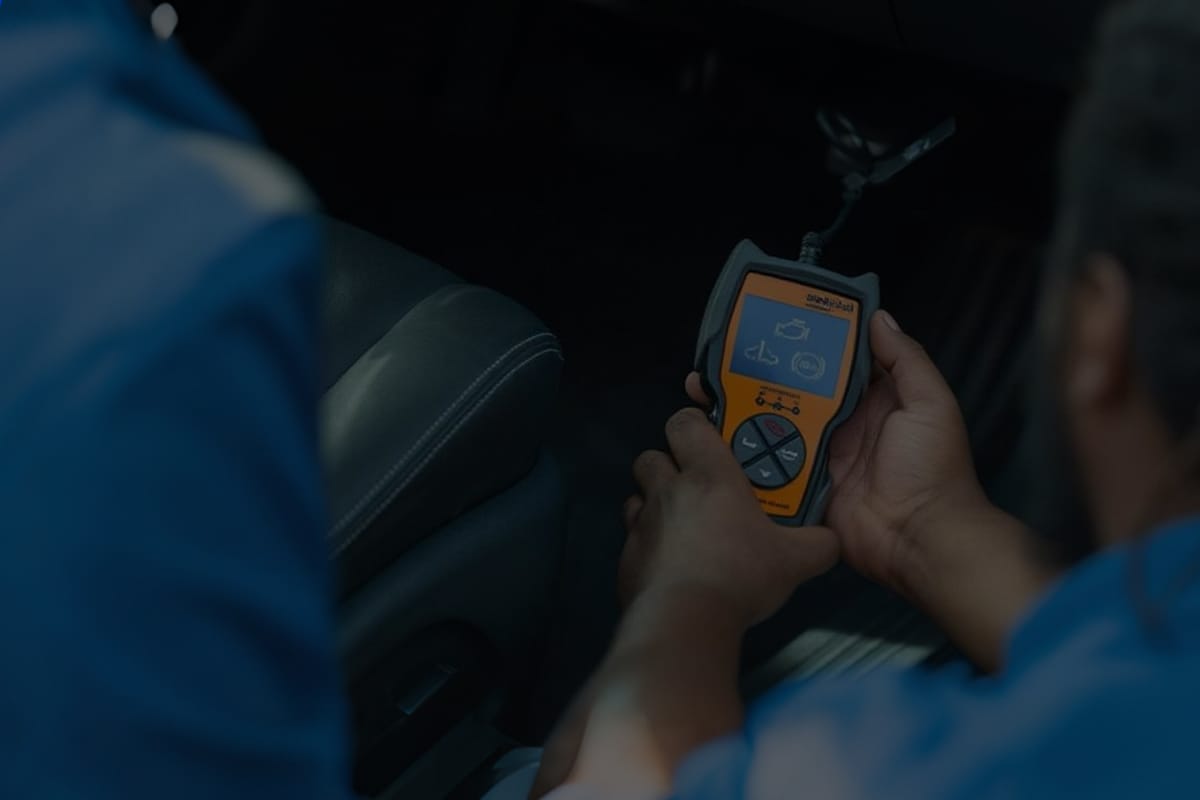
- Scan the vehicle and confirm the code
Check whether P2453 appears by itself or with other DPF- or regeneration-related codes. - Inspect the DPF pressure sensor hoses
Look for soot blockage, cracks, melting, moisture, or loose connections. - Check the wiring and connector
Inspect for corrosion, damaged wires, loose pins, or poor electrical contact. - Test the DPF pressure sensor
Make sure the sensor is reading correctly and responding normally. - Check the condition of the DPF
A clogged or overloaded DPF can also trigger the P2453 code. - Repair the root cause
Replace the faulty sensor, repair the wiring, clean or replace blocked hoses, or service the DPF if needed. - Clear the code and road test the vehicle
After the repair, clear the code and confirm it does not come back.
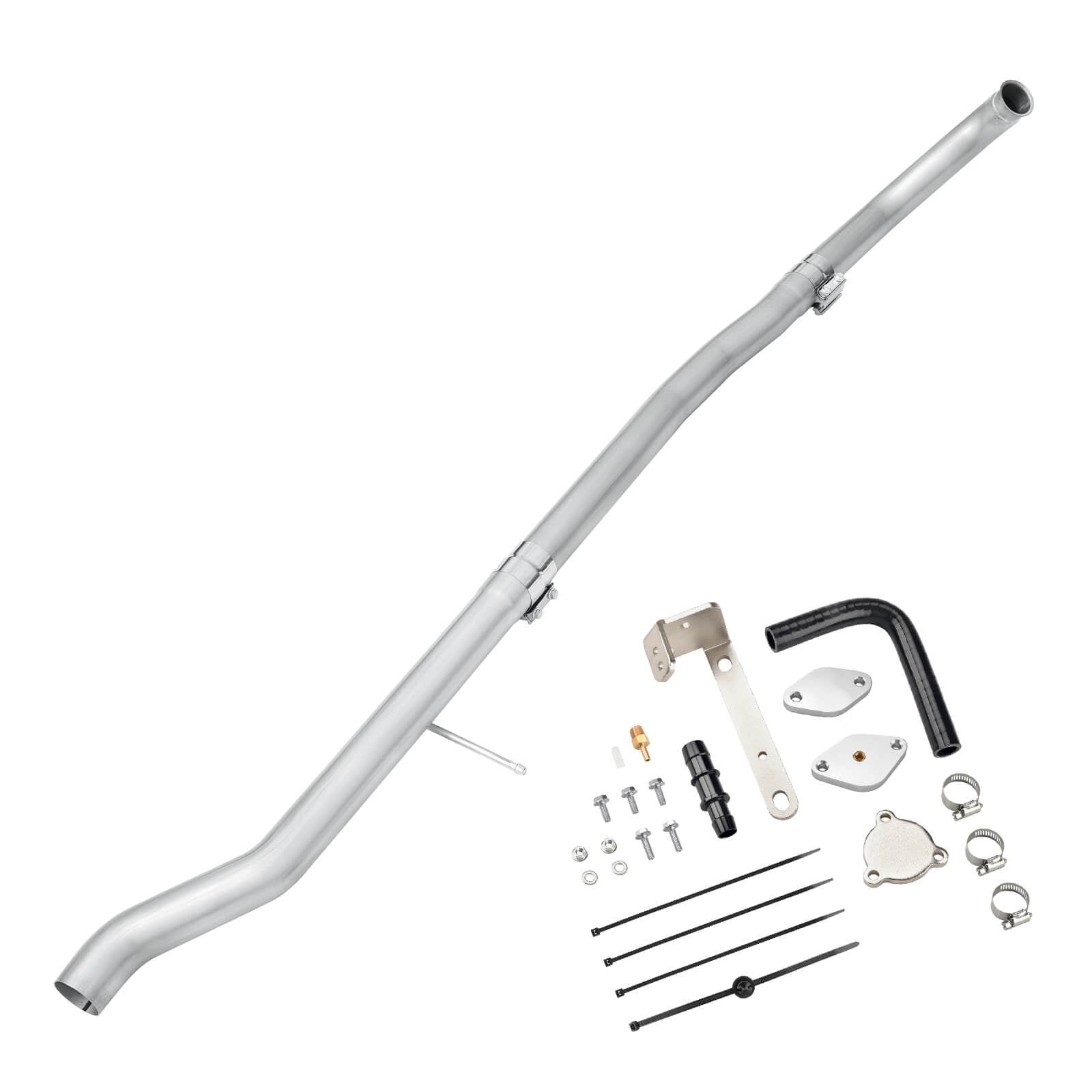
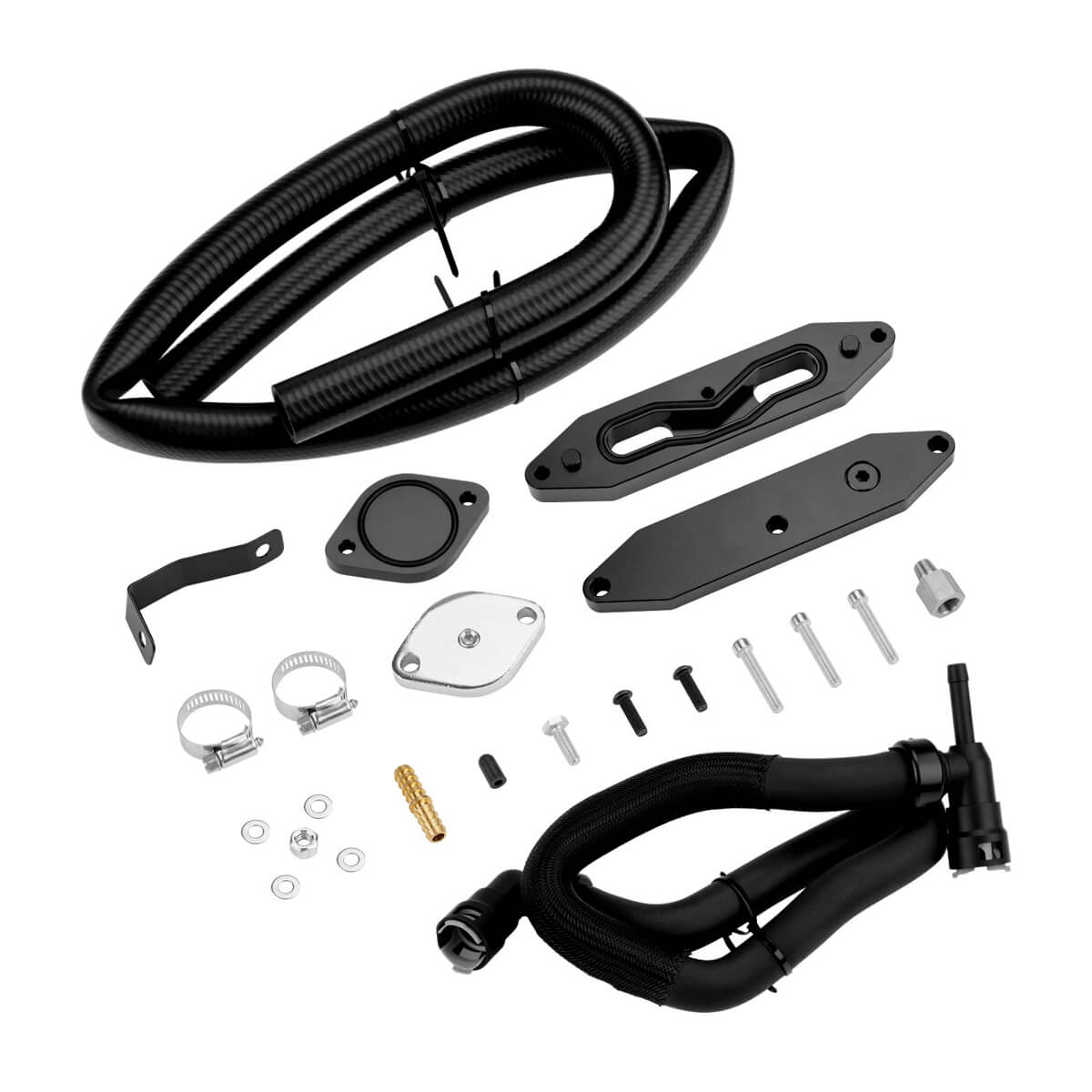
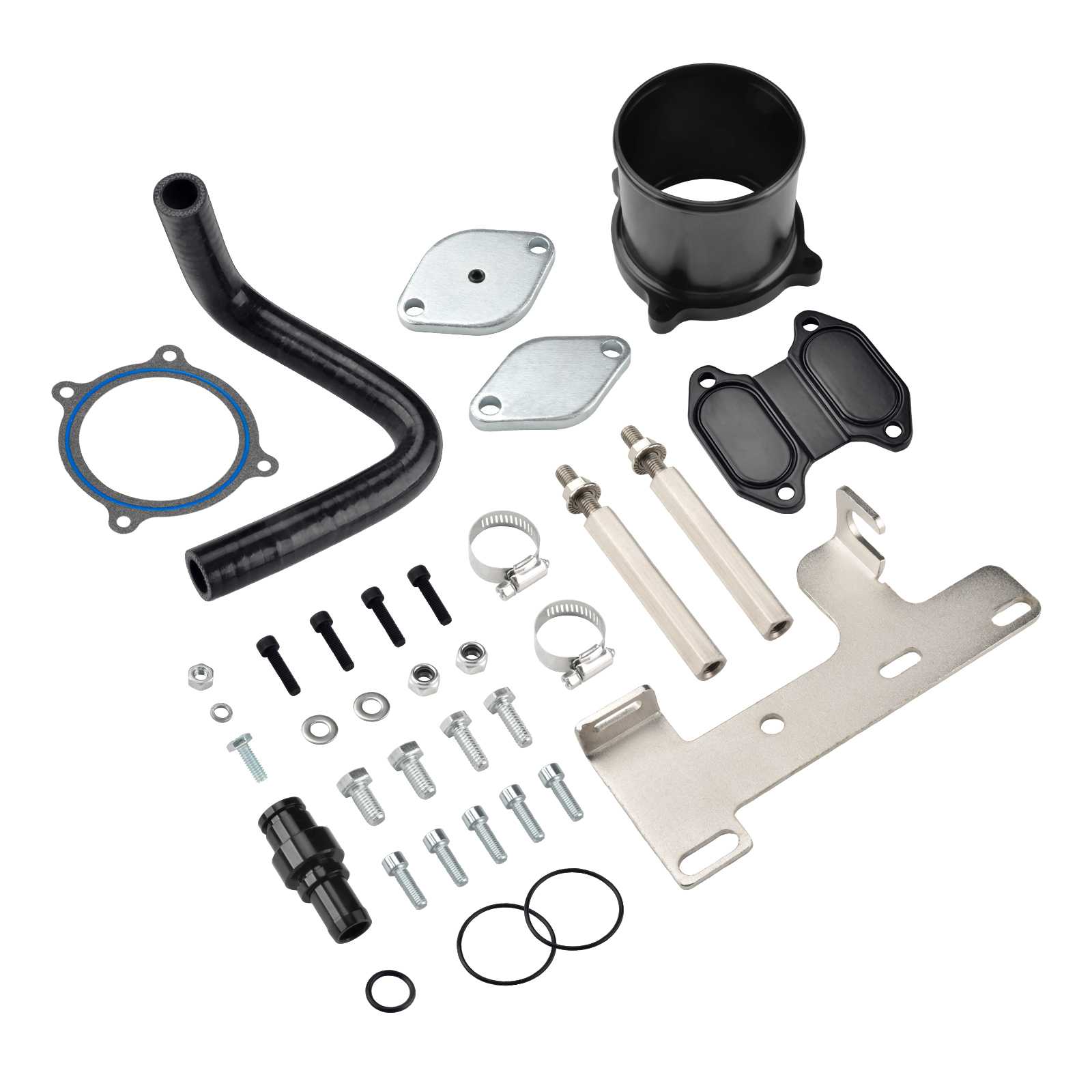
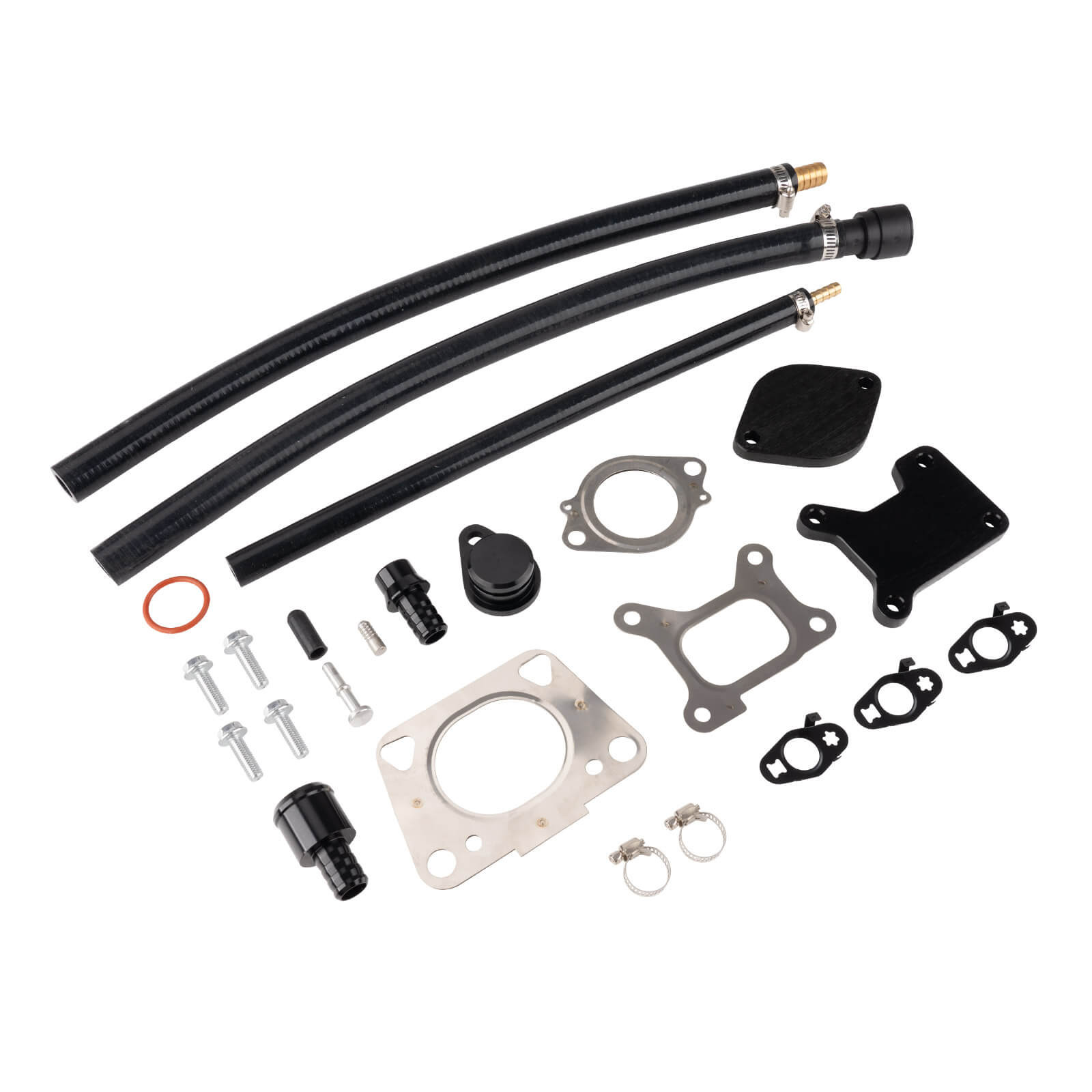
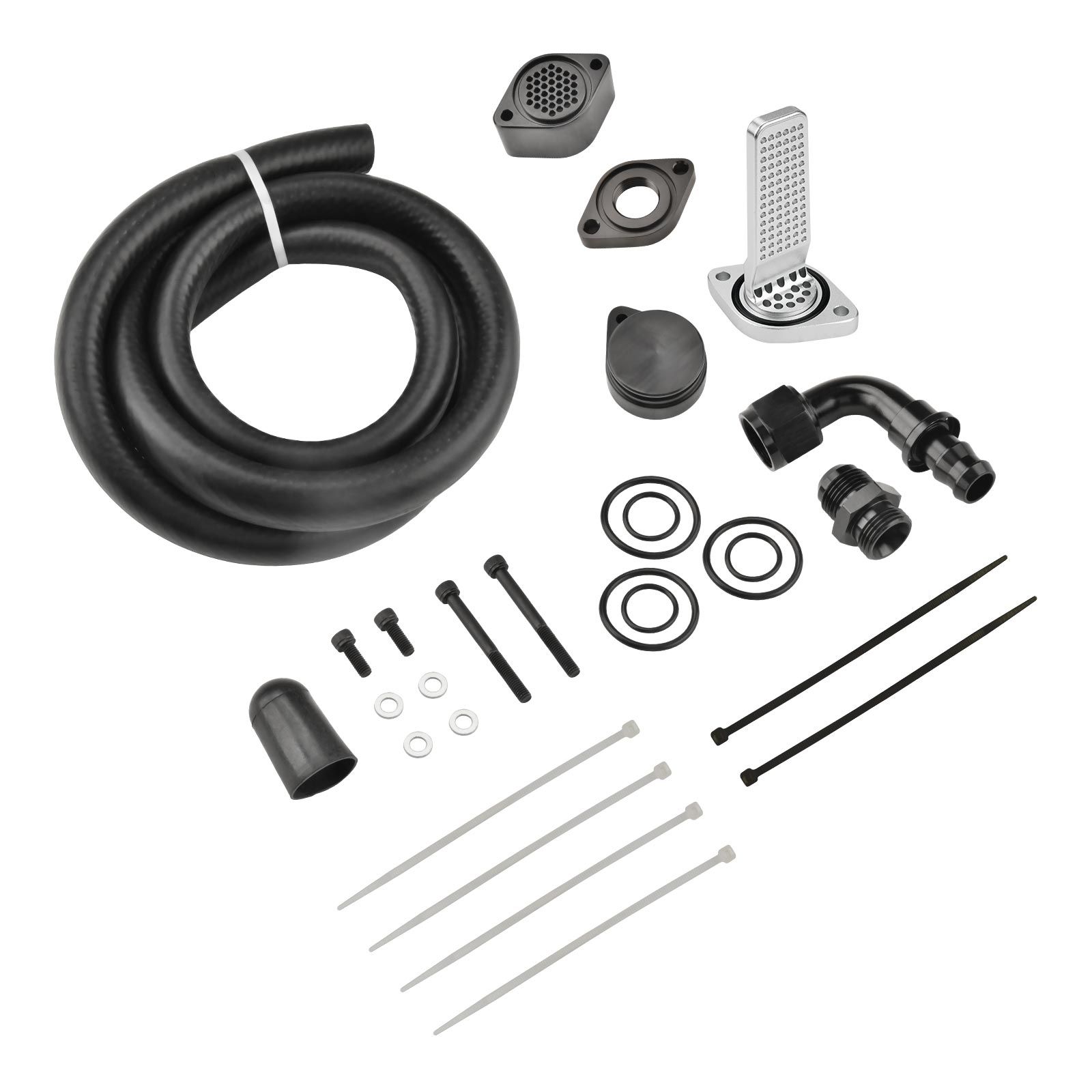
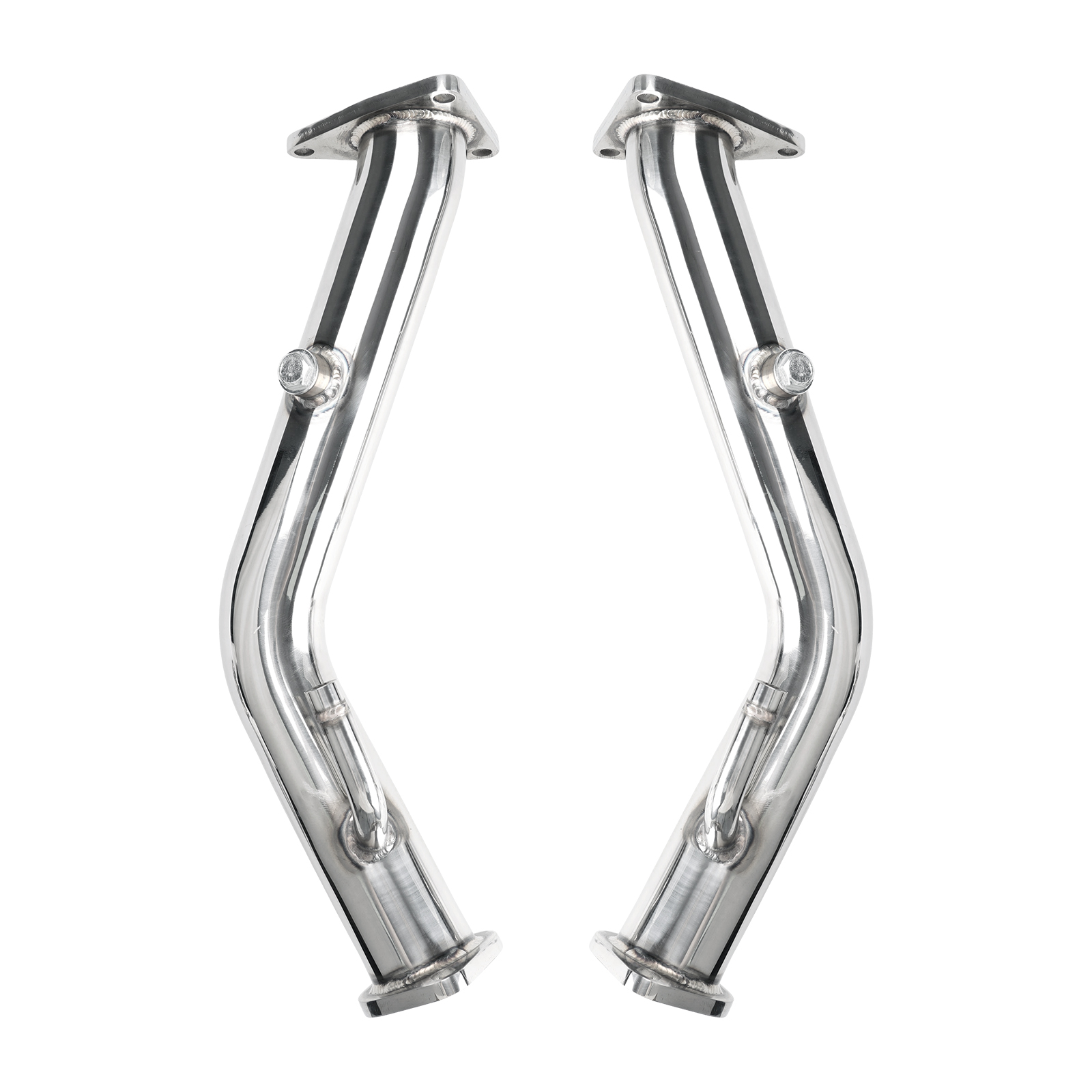
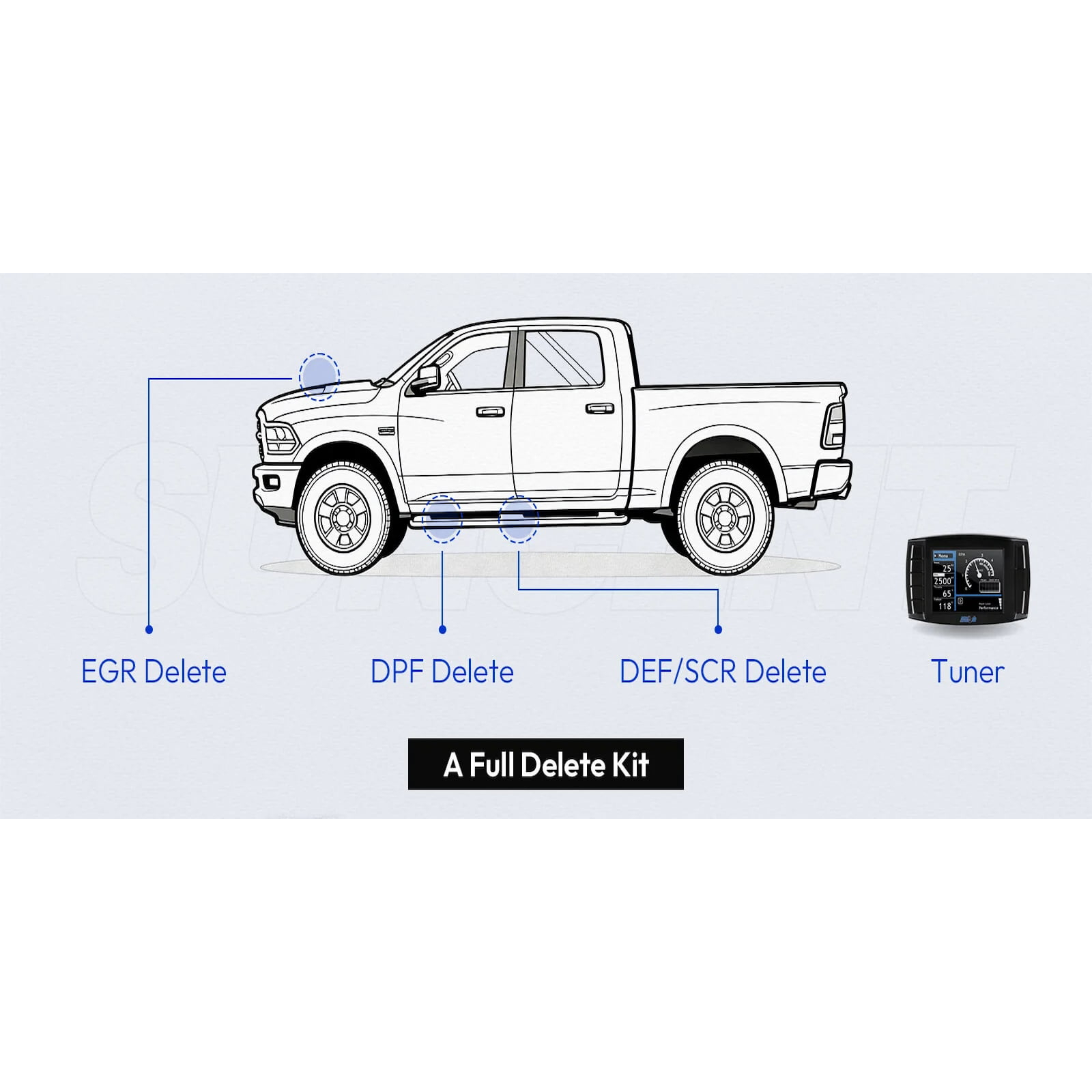
Tired of Recurring DPF Issues? Consider the DPF Delete Option
If you're experiencing recurring issues like P2453, P207F, P2454 fault codes, regeneration failures, clogged filters, pressure sensor malfunctions, and expensive DPF repairs, you're not alone. Many 6.7 Powerstroke owners are tired of constantly checking various emission fault codes—spending hundreds of dollars replacing sensors and thousands of dollars replacing the DPF, only to end up with the same engine malfunction light still on.
They consider completely removing the DPF system (for off-road and closed-track racing only) to permanently eliminate all DPF-related fault codes.
After removal, you'll get:
- Permanent prevention of DPF-related fault codes: No more P2453 fault code, and no more limp-mode due to carbon buildup.
- Elimination of the regeneration cycle: No more driving interruptions, and no more wasted fuel due to active regeneration.
- Reduced back pressure: Allows the engine to breathe more smoothly, improving performance and throttle response.
- Reduced maintenance costs: No need to spend money on sensors, cleaning services, or ultimately, DPF replacement.
Is DPF Delete Right For You?
Before proceeding, be aware that in many states, removing a DPF from a highway vehicle is illegal. It is only permitted for off-road use, racing, or areas where emissions testing is not mandatory.
However, if you fall into one of these categories and are tired of dealing with DPF issues, DPF removal can provide a permanent solution that addresses the root cause, not just alleviates the symptoms.
How to Prevent Future P2453 Faults
To avoid encountering the P2453 fault code in the future, follow these preventative measures:
- Follow the manufacturer's maintenance plan: Stay informed about DPF service recommendations, inspections, and any necessary emissions system maintenance.
- Avoid frequent short trips: Frequent short trips may prevent the exhaust system from reaching the temperatures required for proper regeneration.
- Use high-quality diesel fuel: Inferior fuel increases carbon buildup and stresses the DPF system.
- Troubleshoot regeneration issues early: If you experience frequent regeneration, performance degradation, or DPF warnings, check the system immediately.
- Inspect hoses and wiring during maintenance: Early detection of overheating damage, blockages, or cracks can prevent future sensor range/performance failures.
Final Thoughts
By understanding the P2453 code and its implications, you can take the right steps to diagnose and resolve the issue, ensuring your diesel engine operates efficiently and meets emissions standards. If you're unsure about any step in the process, don’t hesitate to consult a professional mechanic for assistance. Want to see other fault codes? Check out our OBD II code library.