 Contents
Contents
- What Is the CCV System on a 6.7 Cummins?
- What Is a 6.7 Cummins CCV Delete?
- Why 6.7 Cummins Users Choose CCV Delete?
- Common Problems of 6.7 Cummins CCV Delete
- 6.7 Cummins CCV Delete Kit Buying Guide
- Recommended Top Brand for 6.7 Cummins Upgrades: SuncentAuto
- How to Delete CCV Filter on 6.7 Cummins
- 6.7 Cummins CCV Reroute vs CCV Delete
- Conclusion
- FAQs
If you are the owner of a 6.7L Cummins diesel pickup truck (RAM 2500/3500), chances are you are no stranger to terms like “CCV delete” and “CCV reroute.” Although the factory crankcase ventilation system is environmentally friendly, it can also bring a series of annoying problems—clogged filters, oil buildup in the intercooler, and increased burden on the aftertreatment system. This article will take an in-depth look at what a 6.7 Cummins CCV delete is, its pros and cons, common problems, how to choose a kit, and detailed installation ideas, helping you make an informed choice between performance and reliability.
What Is the CCV System on a 6.7 Cummins?
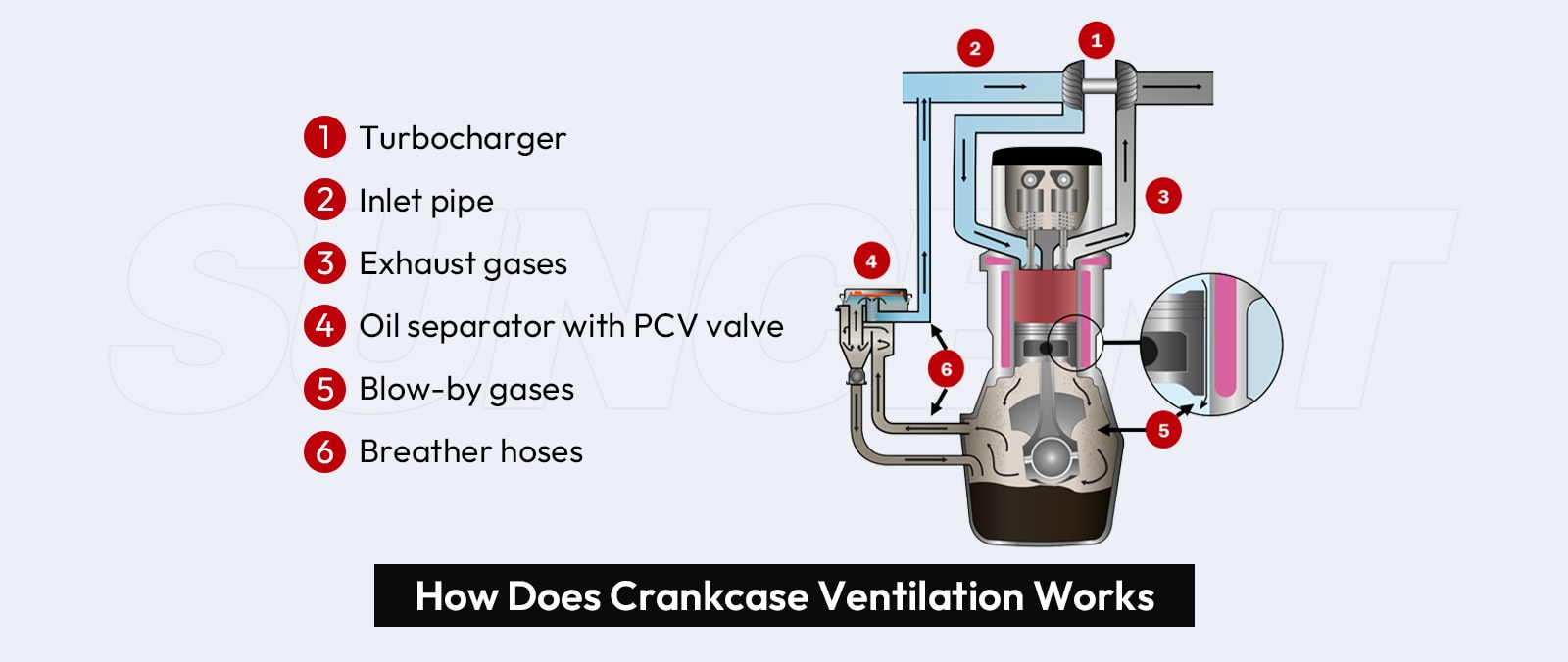
CCV stands for Crankcase Ventilation . On a 6.7L Cummins engine, its function is to draw unburned mixture, water vapor, and oil vapor that enter the crankcase during combustion out of the crankcase, filter out most of the oil particles through a CCV filter, and then send the relatively clean air back into the intake manifold to participate in combustion again.
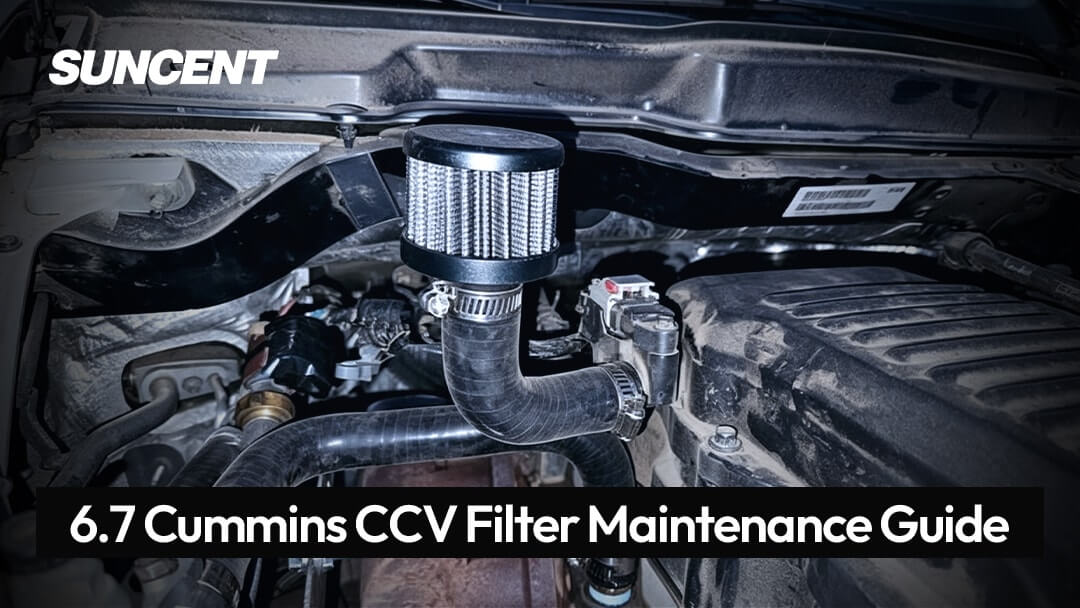
The core component of this system is a disposable filter element (CCV filter), located on top of the engine near the valve cover. The factory design complies with EPA environmental regulations and prevents crankcase gases from being vented directly into the atmosphere.
What Is a 6.7 Cummins CCV Delete?
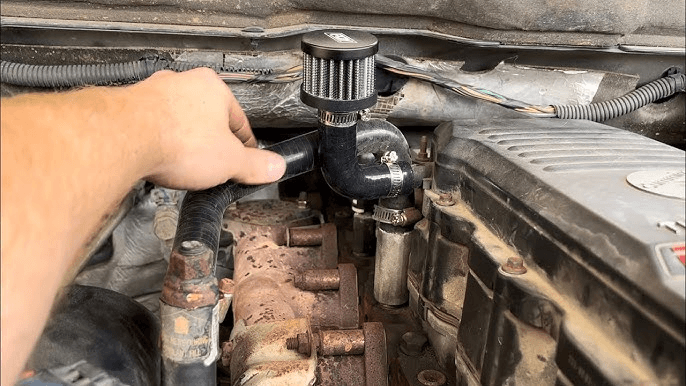
A 6.7 Cummins CCV Delete refers to removing or bypassing the entire factory CCV assembly, filter housing, and recirculation piping, so that crankcase gases no longer pass through the filter and instead vent directly into the atmosphere through a hose, usually routed toward the underside of the truck. Related concepts include:
CCV reroute: keeping the filter or switching to an external catch can, but routing the outlet hose to the atmosphere instead of back into the intake system.
⚠️ Note: In states that strictly enforce emissions regulations, such as California, a CCV delete is an illegal modification and may result in inspection failure or heavy fines. Please comply with local laws.
Why 6.7 Cummins Users Choose CCV Delete?
Maybe you have not modified your truck yet, but you already feel that something about this 6.7 Cummins is "not quite right." How many of the following situations have you experienced?
1. Replacing an expensive filter every few tens of thousands of miles
The factory CCV filter is not "maintenance-free." At around 60,000 to 80,000 miles, the dashboard may not directly warn you, but you may feel that crankcase pressure is high at idle, and gas may occasionally puff out from the dipstick tube. Ask a technician, and the first thing they may say is, "It's time to replace the CCV filter." An OEM filter plus labor can cost $150 to $300. And this is not a one-time cost. Every few tens of thousands of miles, you get hit again.
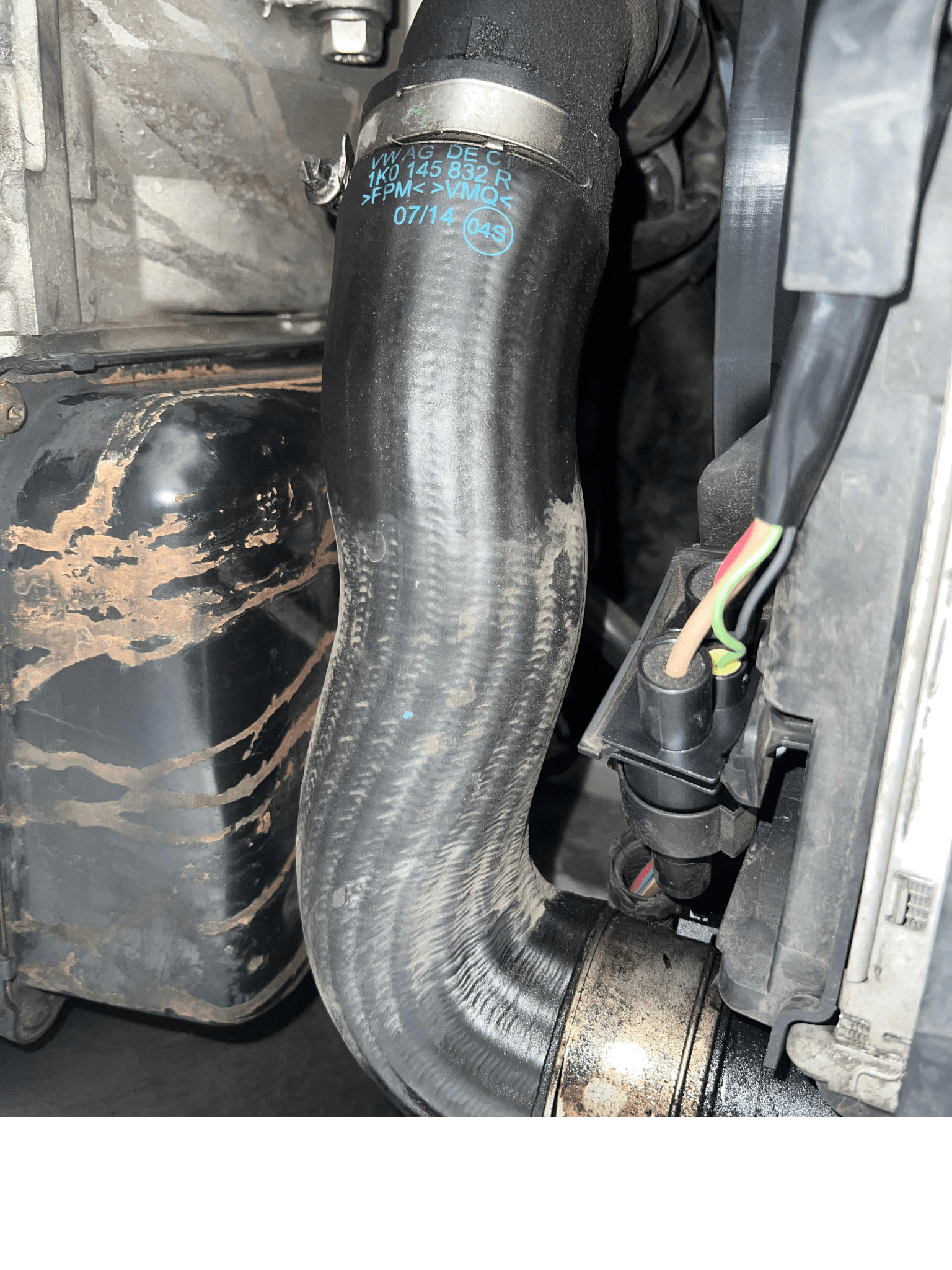
2. Black oil draining from the bottom of the intercooler
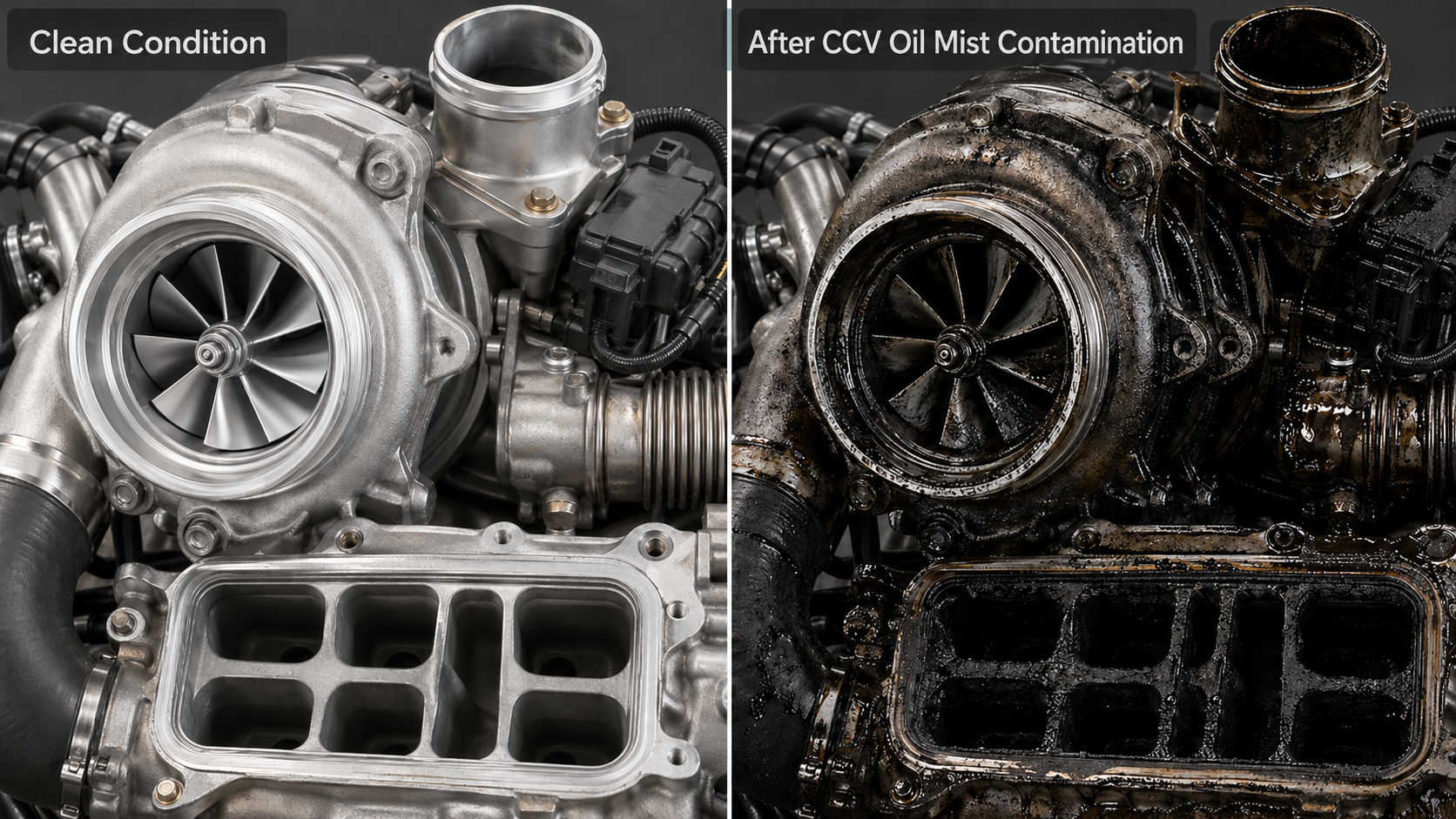
During maintenance, mechanics may find the inner walls covered in wet engine oil. If the intercooler is removed and tilted, even half a cup of black oil might leak out. This oil is oil vapor that the crankcase ventilation (CCV) filter failed to trap, entering the intercooler and condensing there. The intercooler's function is to cool the intake air, but when half of its space is covered in oil, cooling efficiency decreases, intake air temperature rises, and the engine naturally feels less powerful.
3. DPF regeneration becomes more frequent, and fuel consumption increases
Fuel-air combustion is less complete than diesel combustion. It leaves ash behind. This ash gets trapped in the DPF (Diesel Disc Refrigerant Filter) and cannot be burned or expelled. The DPF, which used to regenerate every 500 miles, now needs to be regenerated every 300 miles. On the highway, idling speed may suddenly increase, fuel consumption may spike, and white smoke may come from the exhaust pipe. Over time, the DPF may fail prematurely, and replacing it can cost $3,000 to $5,000. In comparison, the cost of a CCV (Crankcase Ventilation) filter is actually quite low.
4. The intake manifold looks like it is coated with pot soot
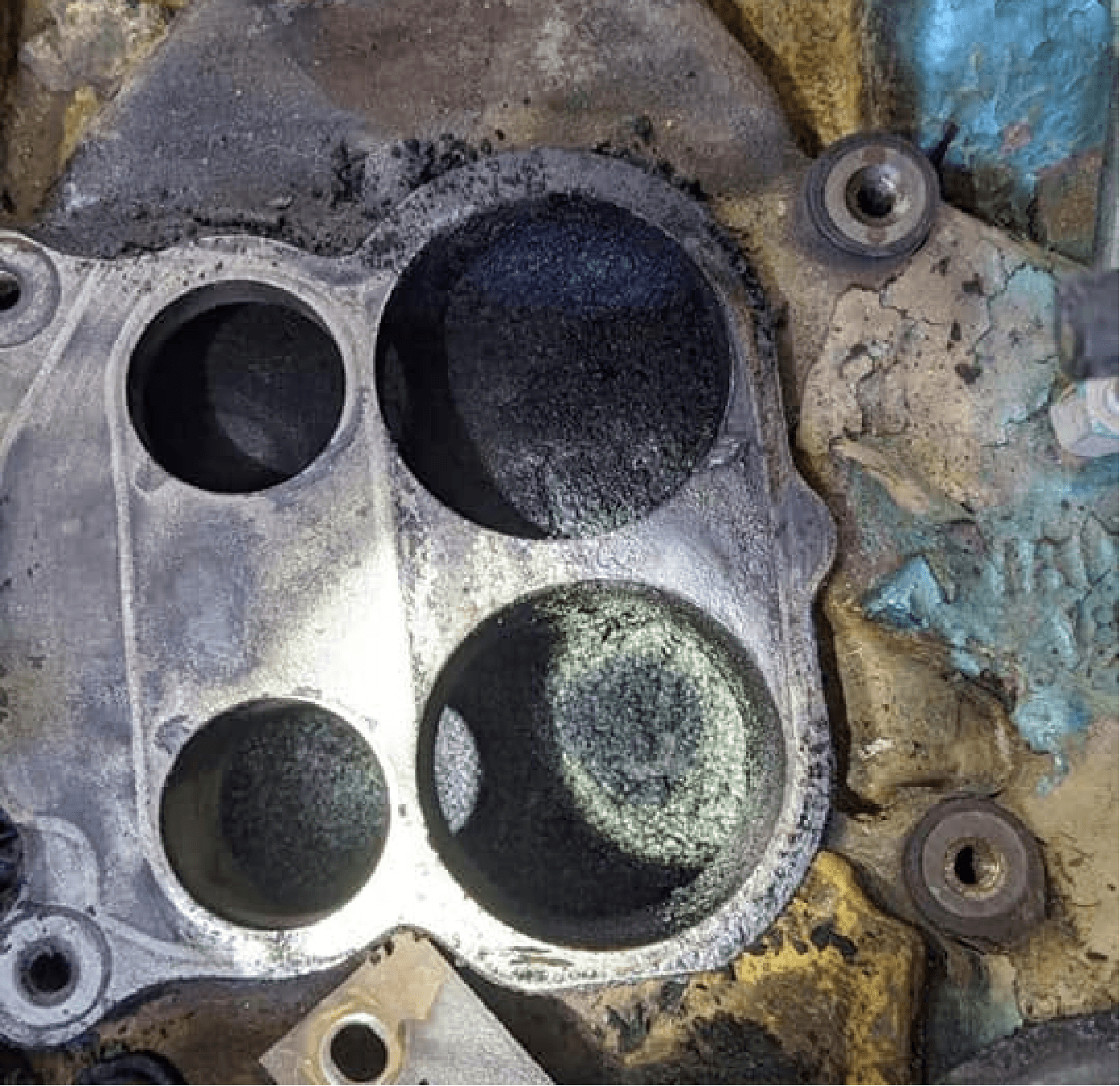
When you open the intake manifold, you may find a thick, sticky layer of sludge on the pipe walls and inner surfaces. This is "deposit" formed under high temperatures when oil vapor mixes with soot from the EGR. It gradually narrows the intake passage and affects airflow efficiency. When you step on the throttle and feel that the turbo response is half a beat slow or the throttle does not feel sharp, this is one of the reasons.
Common Problems of 6.7 Cummins CCV Delete
A CCV Delete helps you get rid of the trouble caused by the factory filter, but it is not a perfect modification. In real-world use, actual owners most often encounter the following six problems.
1. Obvious engine oil smell and exhaust pollution
A CCV Delete vents crankcase gases directly into the atmosphere. When you are driving normally, airflow blows the fumes toward the rear of the vehicle, so the problem is not serious. But when idling, backing into a garage, and in similar situations, the engine oil smell becomes very noticeable. Some owners say, “In winter, even opening the windows for ten minutes does not clear the smell.”
Is it controllable? ✅ Yes, it can be greatly reduced.
- Add a Catch Can : It can separate 70% to 90% of the liquid oil in the exhaust gas. The discharged gas is mainly water vapor and a small amount of unburned gas, greatly reducing the engine oil smell.
- Extend the vent pipe : Use an oil-resistant silicone hose to route the outlet behind the rear axle, farther away from the cab, and cut it downward at a 45° angle to prevent exhaust gas from blowing directly into hollow areas under the vehicle.
- Use low-volatility engine oil : This reduces the total amount of oil vapor produced.
If you only spend $20 on a simple direct vent, the engine oil smell is unavoidable. After adding a Catch Can, most owners say they "basically cannot smell it."
2. "Oil contamination" in the engine bay and underbody
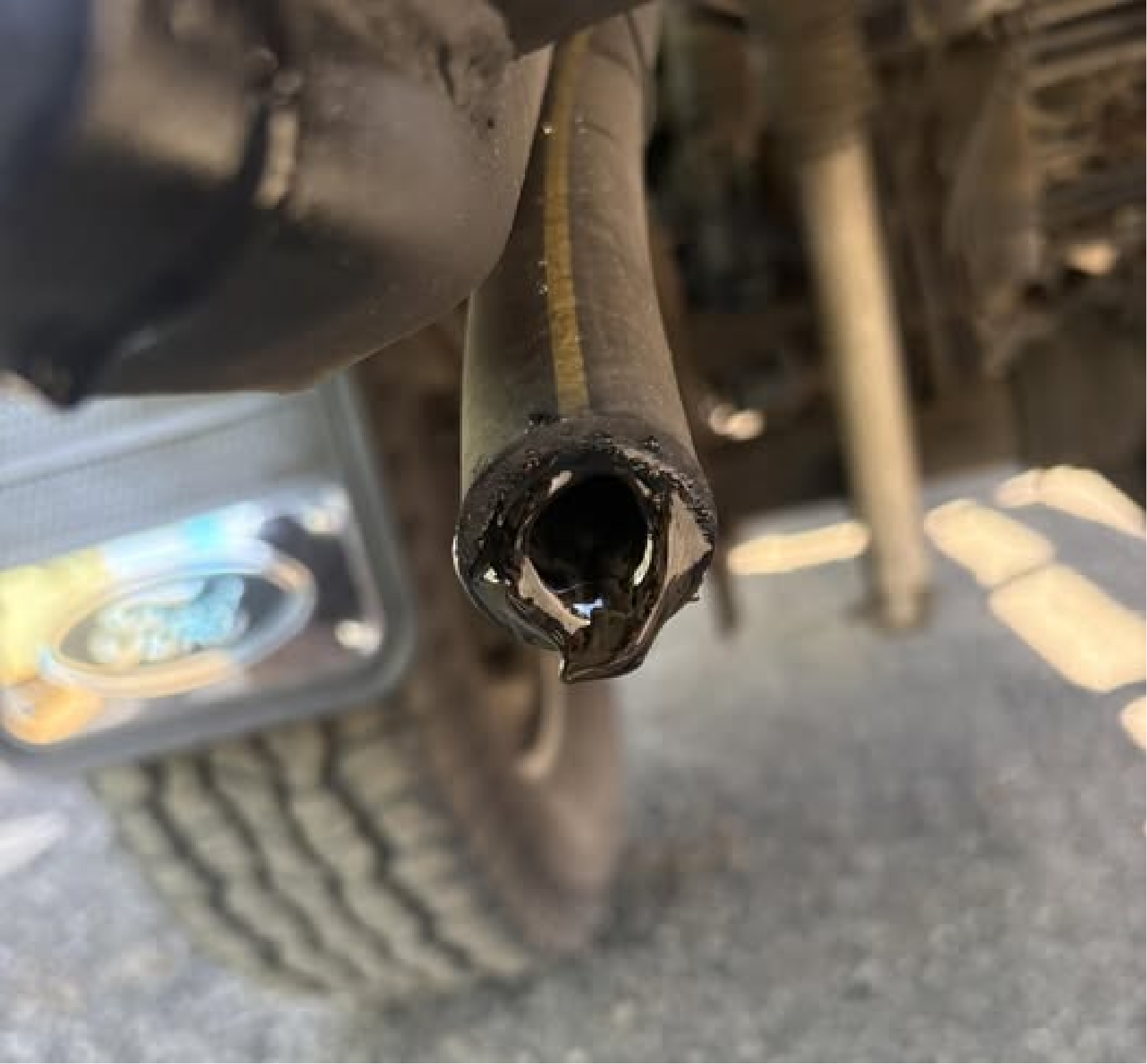
Even without a Catch Can, oil vapor inside the direct vent line can condense into liquid oil and drip from the pipe outlet or seep out from the joints. The result is that areas near the piping in the engine bay become greasy, and black oil spots appear on the frame rails and transmission housing.
Is it controllable? ✅ A Catch Can is the direct solution.
The Catch Can traps liquid oil before the vapor reaches the piping. You only need to open the drain valve at the bottom of the can every 2,000 to 3,000 miles, or during every oil change, and pour the collected waste oil into an old oil container. Even if a small amount of oil mist occasionally passes through, oil stains at the pipe outlet are far less than with direct venting.
3. Not maintaining the Catch Can regularly
Many people install a Catch Can and think everything is solved, then forget about it. A few months later, the Catch Can is full. Inside is a mixture of black oil and emulsified water, especially in winter. Once the can is full, oil enters the intercooler and intake manifold, causing widespread contamination. Some users have reported: "I installed it and ignored it for a year. When I removed the intercooler, half a bottle of oil poured out," and "It almost ruined my engine."
Is it controllable? ✅ It is completely a matter of habit.
Develop the habit: Every time you change the engine oil, every 5,000 to 8,000 miles, open the drain valve at the bottom of the Catch Can and drain the waste oil into an old bottle. If you live in a cold and humid region, it is recommended to check every 1,500 to 2,000 miles in winter because moisture condenses more easily.
4. 2018-specific issue: special factory valve cover opening specification
For 2013–2017 6.7 Cummins models, the valve cover CCV port is a standard round hole, and most universal kits can be installed. But the 2018 factory valve cover has a different-shaped opening, such as an oval opening or one with a special locking slot. Many owners casually buy a $30 universal kit online, only to find that the fitting cannot be inserted, or it fits loosely. After forcing it in, it leaks air, and a "hissing" sound can be heard at idle.
Is it controllable? ✅ Spend a little more effort when shopping.
When buying a kit, clearly add "2018 6.7 cummins ccv delete kit" to your search term, and check whether the product description clearly states compatibility with the 2018 model.
5. Potential warranty and legal risks
This is not a technical issue, but two "external risks":
L egal risk: Under the U.S. federal Clean Air Act, removing or disabling any certified emissions control system, and CCV is part of it, is illegal for vehicles driven on public roads.
Warranty risk: If your engine is still under factory warranty, such as a 5-year/100,000-mile powertrain warranty, any failure caused by excessive crankcase pressure, such as rear main seal leaks, turbo oil leaks, or piston ring damage, may give the dealer grounds to deny warranty coverage.
Is it controllable? ⚠️ You can only weigh the risks, not completely avoid them. Our recommendation:
- Keep all factory CCV parts, including the filter, piping, and fittings, and reinstall them in one hour before inspection if needed.
- If your state has no emissions inspection and the vehicle is out of warranty, the legal risk is extremely low, although it still theoretically exists.
- Buying a Catch Can and properly handling the exhaust gases is at least more responsible from an ethical standpoint than direct venting.
6.7 Cummins CCV Delete Kit Buying Guide
CCV Delete kits on the market range from $20 to $250, with a huge price gap. Choosing the wrong one may not only make installation impossible, but also cause air leaks, ice blockage, or even engine damage. Follow the five steps below to avoid mistakes.
1. Confirm year and vehicle fitment
The 6.7 Cummins engine spans multiple model years and is installed in different vehicles, such as Ram 2500/3500 and commercial chassis trucks. There may be small differences in valve cover design and engine bay space between different years. Before buying, carefully check the applicable years in the product description to ensure the kit perfectly matches your specific vehicle.
💡 Shopping tip: The SuncentAuto website provides a vehicle fitment tool. You can select the exact year and model, and it will show you products that are 100% compatible with your vehicle.
2. Check what parts are included in the kit
A quality CCV Delete kit should provide a "one-stop" solution and prevent you from discovering missing parts halfway through installation. When shopping, confirm whether the kit includes:
- All necessary O-rings or gaskets to prevent oil leaks.
- Sensor plugs or resistors for certain models that need sensor signals bypassed to prevent a check engine light.
- Enough clamps and mounting screws.
3. Choose oil-resistant and heat-resistant materials
The engine bay is a high-temperature, high-pressure environment full of oil vapor for long periods of time. Material durability directly determines the service life of the kit:
| Component | Recommended Material | Materials to Avoid |
| Valve cover fitting | Aluminum alloy (CNC-machined) or stainless steel | Ordinary plastic, nylon (deforms under high heat) |
| Vent piping | Thickened silicone hose (3-4 layers) or fuel-grade oil-resistant rubber hose | PVC hose, ordinary vacuum hose (poor oil resistance, softens) |
| Hose clamp | Stainless steel worm-drive clamp or spring clamp | Ordinary sheet-metal clamp (rusts, strips) |
4. Prioritize kits with a Catch Can
If you do not want oil vapor to contaminate the intake system, and you also do not want to tolerate the strong engine oil smell and underbody oil drips caused by direct atmospheric venting, it is strongly recommended to choose a modification kit with a Catch Can / Oil Separator.
5. Brand after-sales support and customer service
Small problems often occur during CCV Delete installation: fittings do not match, hose length is not enough, or a clamp is missing. A good brand will provide:
- Clear installation videos or illustrated instructions
- Reachable customer service
- Product after-sales support
Recommended Top Brand for 6.7 Cummins Upgrades: SuncentAuto
If you are looking for a CCV modification solution for your 6.7L Cummins engine that balances performance and durability, the well-known automotive modification brand SuncentAuto is definitely a trustworthy choice.
To completely solve frustrating problems caused by the factory CCV system, such as intake carbon buildup and oil accumulation in the intercooler, SuncentAuto has launched a flagship upgrade kit for 2007-2019 model-year vehicles: 👉 Recommended Product:
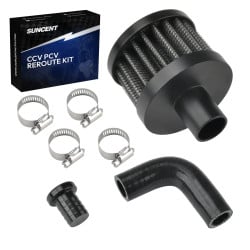
The reason this kit stands out among many modification products lies in its impeccable hard-core materials and attentive official service:
Core Advantages
Hard-core materials, no cracking or oil leaks : * 6061 aerospace-grade aluminum fittings: CNC precision one-piece machining and anodizing process, wear-resistant and corrosion-resistant, capable of withstanding extreme temperatures of 1202°F (about 650°C), completely eliminating the risk of brittleness and cracking found in ordinary plastic fittings.
Thickened oil-resistant silicone hose : Far superior to ordinary rubber that is prone to swelling and collapsing, maintaining excellent elasticity and sealing performance even in high-pressure oil vapor environments.
Efficient protection, maintaining smooth power : Uses a Venturi Scavenging Design, which uses vacuum to smoothly guide exhaust gases, perfectly blocking dirt from entering the intake manifold and turbo, while also supporting a Catch Can concept upgrade.
Official Service and Exclusive Benefits
SuncentAuto promises comprehensive after-sales support:
- Shipping and returns: Free shipping within the continental United States (48 states, excluding Alaska and Hawaii), and a 45-day return policy.
- Quality guarantee: 100% brand-new products, no refurbished or used parts.
- Exclusive discount: Save instantly with coupons! Use coupon code SANEW for 10% off sitewide. 👉 Click to get more coupon codes
How to Delete CCV Filter on 6.7 Cummins
STEP 1 : Remove the CCV outlet pipe (factory crankcase ventilation outlet pipe)
STEP 2 : Remove the turbo intake pipe (after removal, be sure to cover the opening to prevent foreign objects from entering and damaging the engine and turbo)
STEP 3: Install the filter and cap included with the kit—install them onto the factory intake port, which is the same port where the factory vent pipe was removed. This location has no pressure, so no clamp or zip tie is required.
⚠️ Important Safety Notes from the Manual
Operate only after the vehicle has cooled down to prevent burns.
Before disassembly, spray bolts with a rust remover such as WD-40 and wait 10 minutes before working to prevent bolt damage.
When removing turbo or intake system components, make sure no foreign objects enter, otherwise the turbocharger may be damaged.
The above is the simplest step summary. For the detailed illustrated installation guide, torque specifications, hose routing diagram, and more, please refer to the official complete manual:
👉 Click to view the full installation manual (PDF)
6.7 Cummins CCV Reroute vs CCV Delete
These two concepts are often used interchangeably, but they are actually different. CCV Reroute only changes the exhaust gas discharge path, cutting off the route that sends exhaust gases into the intake tract and directing them elsewhere, usually to the underside of the vehicle or external filtration equipment. CCV Delete, on the other hand, completely removes the entire factory CCV filtration system.
Here is a quick comparison table:
| Comparison Item | CCV Delete (Direct Vent) | CCV Reroute |
| Whether the filter is retained | Completely removed | Can be retained or replaced with an open filter |
| Whether it connects back to the intake | No | No (same as delete) |
| Whether a catch can is installed | Optional | Common (as part of rerouting) |
| Environmental friendliness | Poor | Slightly better (catch can collects liquid oil) |
| Winter reliability | Poor (prone to ice blockage) | Better (catch can can reduce moisture) |
| Cost | Low ($20-$50) | Higher ($100-$250 with can) |
Conclusion
A 6.7 Cummins CCV delete is a modification that can effectively solve factory filter clogging and protect the intercooler and DPF, but it is not without cost. You need to weigh whether your state allows this type of emissions modification.
For most daily drivers, CCV reroute + a high-quality catch can is the most balanced solution. If you want something simple and live in a warm climate, a basic Delete kit can also achieve the goal. No matter which option you choose, it is recommended to regularly check crankcase pressure and keep the intercooler clean.
Finally, remember: any modification to the emissions system may affect vehicle warranty and road legality. Before modifying, check local laws and keep maintenance records.