 Contents
Contents
- The Financial Debate: Buying a Used C4500 Kodiak vs. Building a DIY Dump Truck
- Engine Bulletproofing: Saving the 6.6L LBZ Duramax from Heavy-Duty Snow Plowing Abuse
- Commercial Rigging: Setting Up the Flatbed Dump and Tailgate Salt Spreader
- Chassis Box Bracing and High-Visibility LED Lighting for Midnight Operations
- The Bottom Line: How to Save $17,000 on Your First Commercial Rig
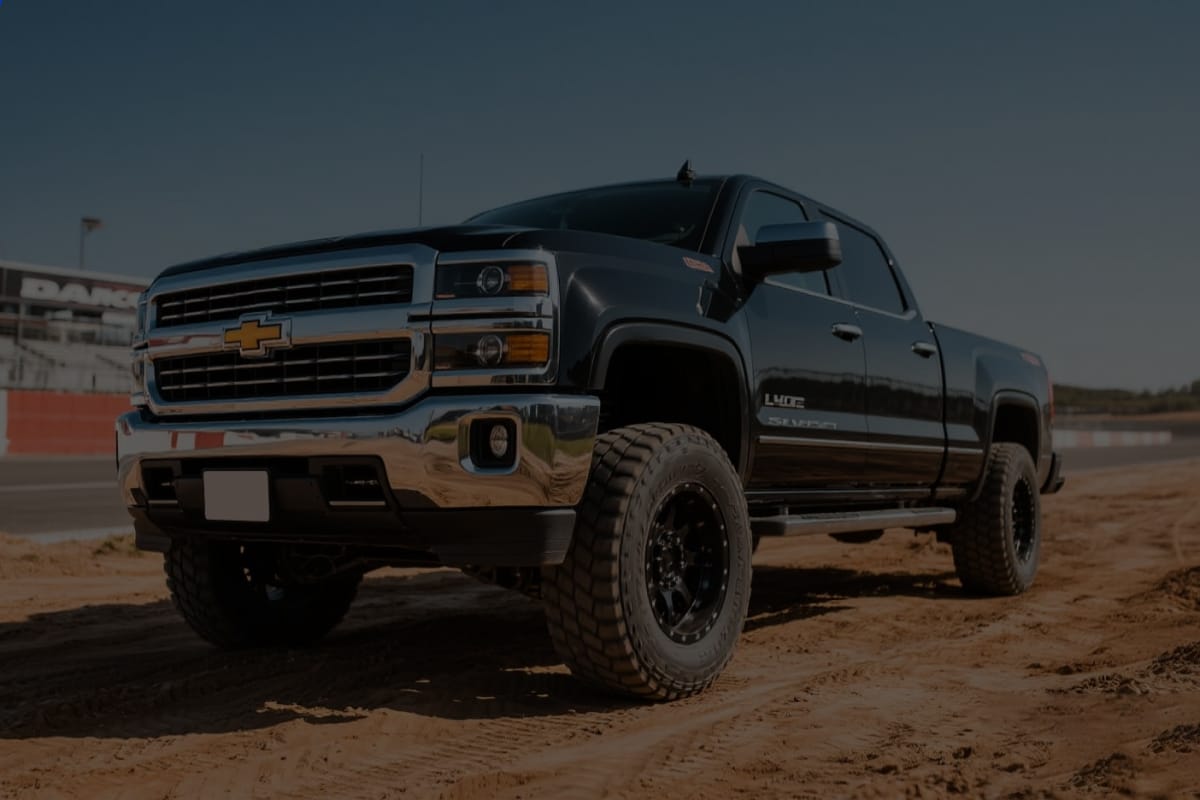
For handy truck owners with a reliable rig, jumping into the winter snow removal business is a highly lucrative move. Instead of dropping over $25,900 on a used medium-duty commercial truck like a Chevy Kodiak C4500, a smarter, high-ROI route is converting a 1-ton pickup you already own.
By outfitting a 2006 Chevy 3500 LBZ Duramax with targeted aftermarket performance upgrades and a flatbed dump setup, you can build a bulletproof commercial rig for just $7,000 to $9,000 total. Below is the exact blueprint, hardware list, and real-world breakdown shared by a seasoned SuncentAuto customer who did just that.
The Financial Debate: Buying a Used C4500 Kodiak vs. Building a DIY Dump Truck
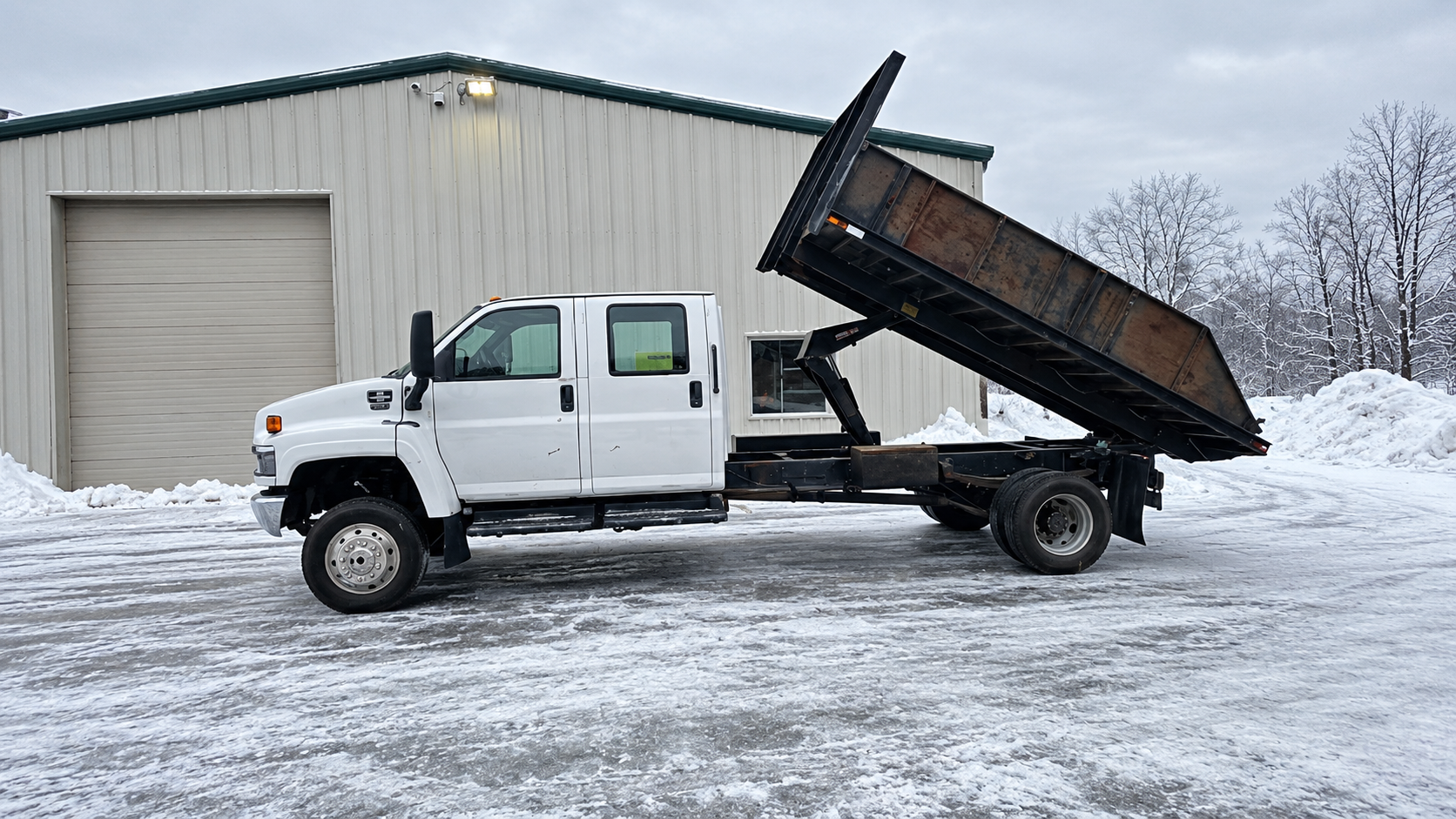
Right before the winter season kicked off, our featured owner spotted a 2006 Chevrolet C4500 4x4 medium-duty dump truck listed on Facebook Marketplace for $25,900. Seeking real-world industry advice, he hit up the diesel forums on Reddit, where seasoned fleet owners gave him a harsh reality check.
Industry veterans noted that GM discontinued many core proprietary parts for those medium-duty Kodiaks years ago, making OEM aftermarket support incredibly weak. Furthermore, the brutally stiff ride compromises driver comfort during grueling winter shifts. The consensus was clear: for a startup business, the smartest move is keeping that $20K+ cash in your pocket as working capital, and converting a trusted 1-ton dually into a dedicated hauling weapon.
Engine Bulletproofing: Saving the 6.6L LBZ Duramax from Heavy-Duty Snow Plowing Abuse
A commercial dump truck tasked with winter hauling operates under some of the most brutal engine conditions imaginable: freezing ambient temperatures, low-speed/high-load hauling, frequent hard shifting, and continuous idling. Under these extreme demands, the factory emissions and breathing systems on an older 6.6L LBZ Duramax are highly prone to failure. Step one of this build focused on completing a physical and electronic "bulletproofing" overhaul.
Hardware Upgrades: Restoring Intake Airflow with the Suncent LBZ EGR Delete Kit
When a 1-ton truck is creeping through private commercial lots under a heavy payload of snow and salt, the factory Exhaust Gas Recirculation (EGR) system actively forces soot-heavy exhaust gases back into the engine's intake track. Under freezing conditions and prolonged low-RPM idling, these carbon particles quickly combine with residual oil vapor, creating a thick, tar-like sludge that chokes out the intake manifold. This harsh environment inevitably leads to internal cooler leaks—triggering coolant loss and oil consumption—or jams the EGR valve completely shut.
To eliminate this engineering bottleneck for good, the owner upgraded his rig with our top-tier Suncent LBZ EGR Valve & Cooler Delete Kit with a high-flow intake elbow. By physically removing the failure-prone factory cooler, this setup routes clean air into the cylinders. If you are shopping around for other truck models, you can also browse our wider selection of EGR delete kits.
Software Optimization: Flashing the ECM with a Classic Mini Maxx V1 Tuner
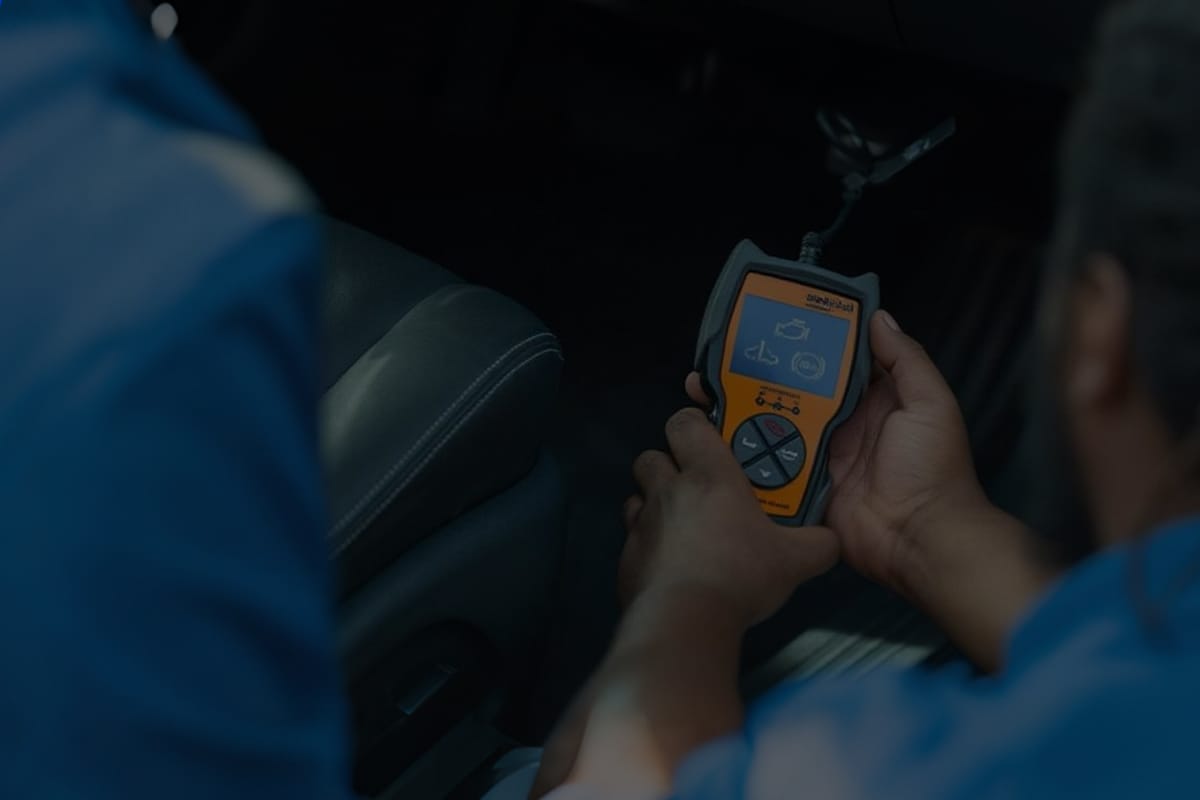
As the vehicle owner heavily emphasized, physically deleting the EGR components is only half the battle. Without reconfiguring the truck’s electronic brains, the Engine Control Module (ECM) will immediately notice the absence of exhaust recirculation, throw a check engine light (CEL), and instantly drop the truck into a restrictive "Limp Mode."
To bypass this roadblock seamlessly and economically, he picked up a classic, second-hand Mini Maxx V1 tuner online to clear persistent EGR-related trouble codes. Beyond code clearing, it functions as a comprehensive digital gauge cluster, enabling the driver to monitor vital parameters like Exhaust Gas Temperatures (EGTs), transmission fluid temps, and boost pressure while hauling heavy loads.
Preventing Sludge: Why You Need a Duramax CCV Reroute Kit
While completing the physical delete, the owner simultaneously installed a dedicated 6.6L Duramax CCV/PCV Reroute Kit to stop oily blow-by gases from forming an intake sludge. Factory Duramax engines dump hot, oily blow-by gases straight back into the turbocharger inlet. When this oil mist meets the hot carbon soot from an active EGR system, it forms a catastrophic sludge inside the intake tract. By bypassing the intake and safely venting those oily vapors downward toward the frame rail, this simple, highly effective mod ensures that the engine's breathing tract stays completely dry. For more details on protecting your diesel's intake tract, check out our Duramax CCV bypass and reroute kit or read our deep-dive Best EGR Delete Kit for LBZ Duramax buying guide.
Commercial Rigging: Setting Up the Flatbed Dump and Tailgate Salt Spreader
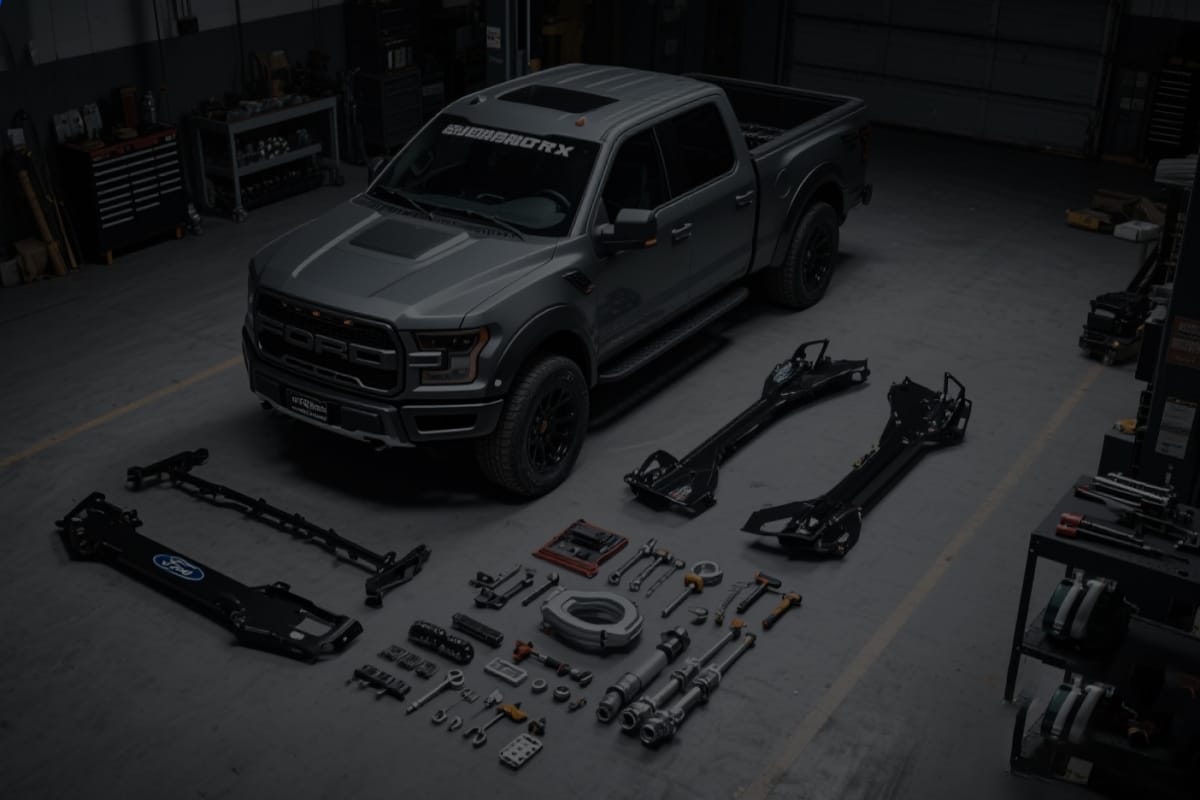
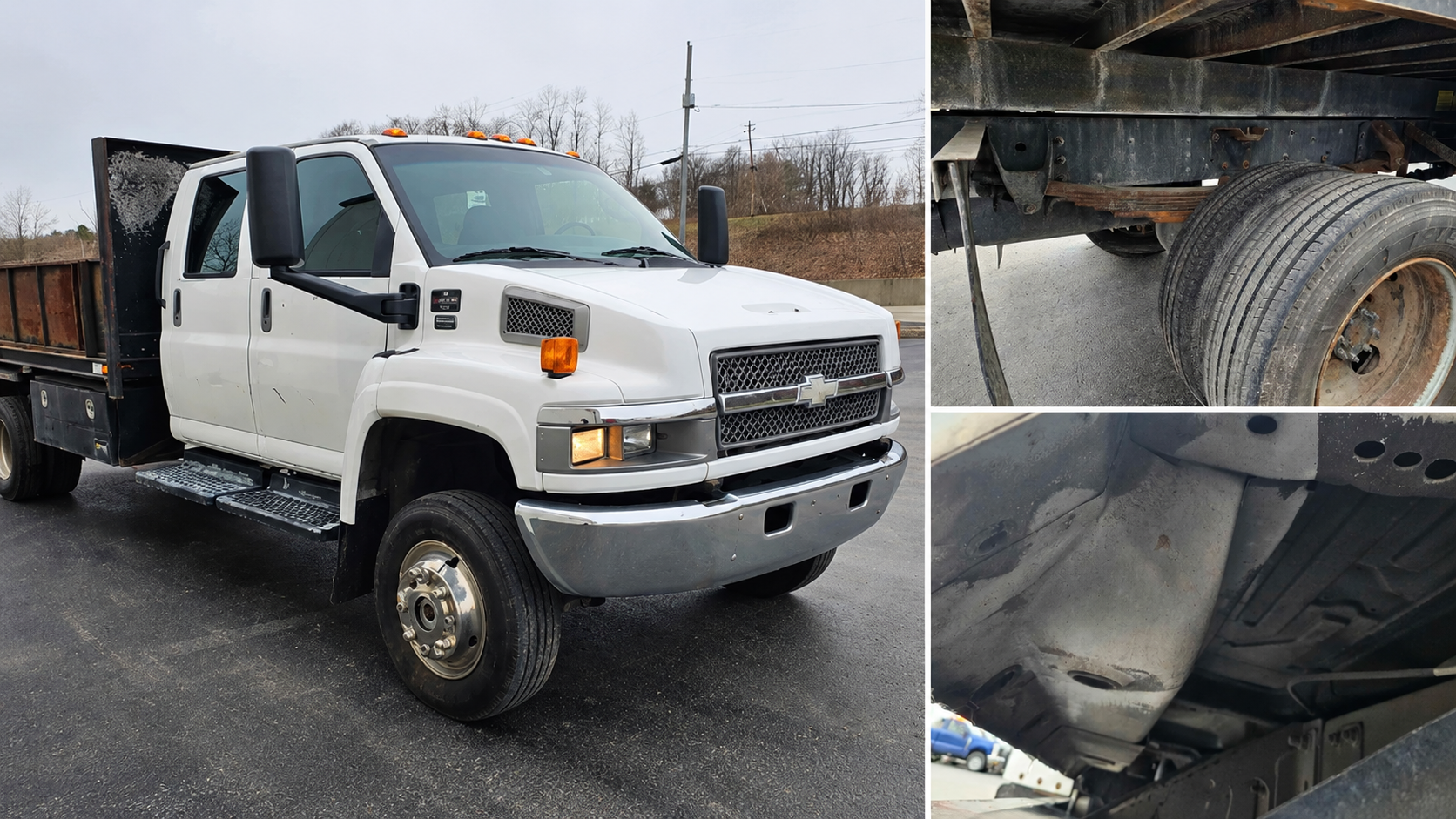
To match the payload capacity and sheer moving power of a medium-duty commercial truck without breaking the bank, the owner completely ditched his factory sheet-metal pickup box. In its place, he installed a heavy-duty, steel flatbed dump bed conversion engineered to handle dense, heavy winter loads.
- Removable Stake Pocket Walls (Risers): To handle the massive volume required for high-capacity hauling, he used heavy-duty wood risers to extend the side walls of the dump bed, drastically increasing volumetric payload capacity.
- Tailgate Spreader Integration: At the rear of the steel dump deck, he mounted a commercial-grade tailgate salt spreader. This enables a highly profitable workflow, allowing him to dump accumulated snow piles and instantly treat slick, ice-prone asphalt on the exact same pass.
- Chassis Leaf Springs: To support the massive weight of a fully loaded salt hopper and tons of wet ice, he relied on a massive factory rear leaf-spring pack paired with a heavy-duty 4x4 front axle setup to maintain ultimate structural integrity.
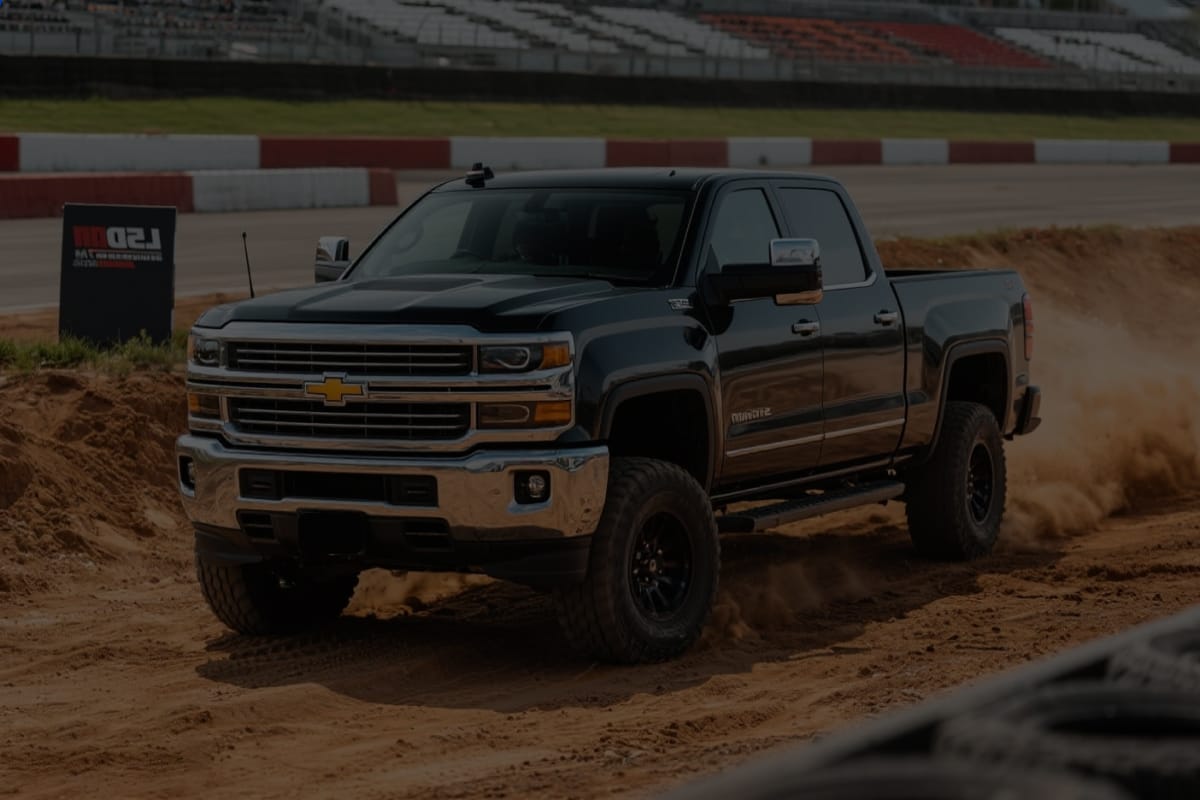
🎥 Real-World Proof: Skeptical about whether a 1-ton pickup conversion can handle real commercial abuse? Check out this Chevy 3500 4WD dump truck lugging and backing 4 tons of heavy clay through an incredibly narrow catwalk in 4-Wheel Low. It clearly demonstrates the insane chassis strength, torque, and heavy payload stability that you can achieve without upgrading to an expensive commercial rig.
Chassis Box Bracing and High-Visibility LED Lighting for Midnight Operations
When maneuvers are tight and the flatbed is packed to the brim, the steering system takes an absolute beating. Maneuvering a fully loaded truck back and forth across packed, rutted private parking lots exerts immense side-load forces on the steering geometry.
Steering Frame Support
To prevent a catastrophic component failure right in the middle of a major winter freeze, the owner installed an aftermarket Steering Box Brace sourced directly from SuncentAuto. This heavy-duty steel bracket bridges the gap between the truck’s frame rails, anchoring the sector shaft securely in place. By tying the steering gear housing directly into the rigid frame, it entirely eliminates steering box flex and prevents the cast-iron housing from cracking under extreme commercial stress.
Commercial Night-Ops Illumination
Commercial ice management is a business that takes place almost entirely under the cover of darkness, typically running from midnight through the early morning hours. Because factory 2006 halogen headlight housings are notoriously dim, navigating a blinding snowstorm with stock lighting is an extreme safety hazard. To bring the truck up to professional commercial standards, the owner replaced the worn-out factory front assemblies with high-output LED headlight housings and mounted high-intensity amber LED strobe light bars across the roofline for maximum compliance and visibility.
🎥 Recommended DIY Inspiration: Want to see how industry veterans tackle a heavy-duty dump bed swap on a 1-ton chassis? Check out this hardcore tutorial series on Building a Budget-Friendly Single Axle Dump Truck to get a hands-on look at welding, hoist fabrication, and flatbed rigging.
The Bottom Line: How to Save $17,000 on Your First Commercial Rig
At the end of our interview, the fleet starter proudly broke down the cold, hard numbers that justified his DIY approach:
"I spent roughly $8,000 total. That covered my high-quality Suncent LBZ EGR and CCV heavy-duty engine hardware, the classic Mini Maxx V1 tuner I found online, a full commercial LED night-ops lighting upgrade, and a solid used flatbed steel dump setup I sourced from a local truck forum. I knocked out the full installation myself over a few weekends following YouTube guides, saving a fortune on commercial shop labor."
"Compared to buying that $25,900 used medium-duty rig outright, I kept a staggering $17,000 of cash in my pocket. Instead of sinking all my capital into an older truck with terrible aftermarket support, I reinvested that $17K directly back into my business—using it to secure premium commercial dump truck insurance, build out local commercial service contracts, and keep a strong cash cushion for operating capital."