












Advancements in automotive lighting technology have led to many vehicles being equipped with High-Intensity Discharge (HID) headlights. These HID headlights are more energy-efficient and offer improved visibility compared to traditional halogen bulbs. However, HID headlights, like any other component in a car, may experience problems over time. This article will cover common HID headlight problems, explain how HID headlights function, describe their advantages, and provide essential maintenance tips to ensure optimal performance.
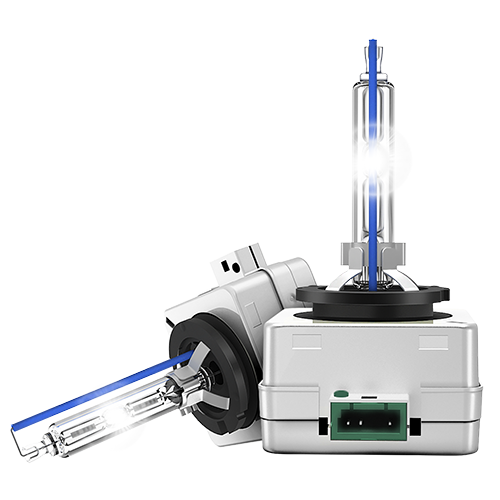
How HID Headlights Work
HID headlights operate differently than halogen bulbs. Each HID headlight contains a pair of bulbs with xenon gas and metal salts. Electricity passing through the gas generates an electric arc which ionizes the metal salts and produces a bright light. HID Headlights Bulbs do not rely on a filament like halogen bulbs do, making them more efficient and durable.
Typical Issues with HID Headlights
Headlights that Flicker
HID headlights that flicker are often caused by defective ballasts or loose connectors. The issue can often be resolved by checking and tightening the connections. If not, the ballast may need to be replaced.
Inconsistent Colors
At times, HID bulbs may show irregular color output, creating a situation where one headlight looks different from the other. Such a problem can occur due to either inconsistencies in the bulb's production or a malfunctioning ballast. The replacement of the faulty components can ensure color consistency.
Uneven Beam Pattern
Misaligned headlights or dirty lenses can cause an uneven beam pattern. A more balanced and broader beam radiation can be ensured by aligning the headlights correctly and cleaning the lenses.
HID Headlight Failure to Turn On
A defective bulb or igniter might cause one or both HID headlights to fail to turn on. Usually, the problem can be solved by checking the electrical connections and replacing faulty components.
HID Bulb Overheating
Inadequate cooling can lead to premature failure as HID bulbs generate significant heat during operation. Periodically checking the cooling system and ensuring proper ventilation can prevent overheating.
Tips for Maintaining Your HID Headlights
Maintenance Tips for High Intensity Discharge (HID) Headlights:
Maintaining your HID headlights ensures optimal performance and improved appearance of your vehicle. These tips will help you maintain your HID headlights:
Clean your headlights regularly: The surface of your HID headlights can collect dirt and grime, among other contaminants, reducing brightness and effectiveness. Use a mild soap and water solution or a specialized headlight cleaning product to keep them looking and performing their best.
Headlight Protection: It's crucial to safeguard your HID headlights from any potential physical damages since they can be costly to replace. Stay clear of other vehicles or objects and avoid potholes and other rough terrain that can cause damage to your headlights.
Headlight Replacement: With time, your HID headlights can start to lose brightness or stop working entirely. For optimum headlight performance, replace them as necessary, generally every few years.
Replace bulbs as necessary: Malfunctioning HID headlights are likely due to bulb issues. Regular bulb checks and replacements are necessary for effective headlight performance.
Adhere to the manufacturer's guidelines: Observe the manufacturer's instructions for sustaining your HID headlights. These instructions include using appropriate cleaning products, replacing bulbs and other components as necessary, and adhering to any other prescribed maintenance measures.
Benefits of HID Headlights
Enhanced Visibility
HID headlights provide brighter and more focused lighting, significantly improving visibility in low-light conditions or at night. Improved visibility assists drivers in identifying potential hazards and obstacles more efficiently.
Efficient Use of Energy
HID headlights use less energy than traditional halogen bulbs, thereby being more environmentally friendly. Reduced energy consumption not only benefits the environment but also lowers the pressure on the vehicle's electrical system.
Long Lasting and Durable
HID bulbs last longer than halogen bulbs. The HID bulbs' durable construction and efficient operation lead to lower long-term maintenance costs.
Frequently Asked Questions (FAQs)
Why do HID bulbs take time to reach full brightness?
HID bulbs require a brief warm-up period to achieve their full brightness. This warm-up time is necessary for the gas and metal salts to reach the ionization point.
What are the signs of a failing HID ballast?
Dim or flickering headlights, inconsistent color output, and delayed startup are common signs of a failing HID ballast.
How do I know if my HID bulbs need replacement?
If you notice a significant decrease in brightness or color inconsistency, it may be time to replace your HID bulbs.
How can I prevent condensation inside HID headlights?
To prevent condensation, ensure that the headlight housing is adequately sealed and that all rubber gaskets and O-rings are in good condition.
Can HID headlights blind oncoming drivers?
Improperly aimed HID headlights can cause glare and discomfort for oncoming drivers. Always adjust the headlight alignment following the manufacturer's guidelines.
Conclusion
HID headlights offer many benefits, including improved visibility, energy efficiency and durability. However, they can experience common problems such as flickering, color inconsistencies, and uneven beam patterns. Regular maintenance and timely replacement are essential to keep HID headlights working optimally and safely. If you experience headlight problems that are beyond your ability to resolve, it is recommended that you seek professional assistance. With proper care and maintenance, HID headlights can continue to enhance your driving experience and keep you safe on the road.