















 Contents
Contents
- 6.7 Powerstroke Delete Cost at a Glance
- What Is Included in the Cost to Delete and Tune a 6.7 Powerstroke?
- What Can Increase the Final Cost?
- Why Would an Owner Delete a 6.7L Powerstroke?
- What Is the Cheapest Way to Delete a 6.7 Powerstroke?
- Is It Worth It to Delete Your 6.7L Powerstroke?
- View Our Real-World Case
- Final Thoughts
- FAQs
If you're a Ford Super Duty owner asking How Much Does It Cost to Delete a 6.7 Powerstroke, you're not alone. Many diesel vehicles want to unlock their engine's full potential. Removing a 6.7L Powerstroke engine involves removing emission-limiting components and reprogramming the engine software, a modification that promises better performance, improved fuel economy, and less maintenance hassle. However, understanding the cost of deleting a 6.7-liter Powerstroke engine is crucial for making an informed decision.
6.7 Powerstroke Delete Cost at a Glance
The total cost to delete a 6.7 Powerstroke is between $2,000 and $4,000 , depending on parts, labor and model year. Here is a typical cost range you can expect:
| Component | Parts Cost | Labor Cost | Total |
| DPF Delete | $400–$800 | $200–$400 | $600–$1,200 |
| EGR Delete | $300–$700 | $250–$500 | $550–$1,200 |
| Tuner | $600–$1,200 | – | $600–$1,200 |
| Total | $1,500–$3,000 | $500–$1,000 | $2,000–$4,000+ |
Note: Costs may vary by model year. For example, deleting a 2017-2019 6.7 Powerstroke engine will likely cost more due to emissions system updates.
What Is Included in the Cost to Delete and Tune a 6.7 Powerstroke?
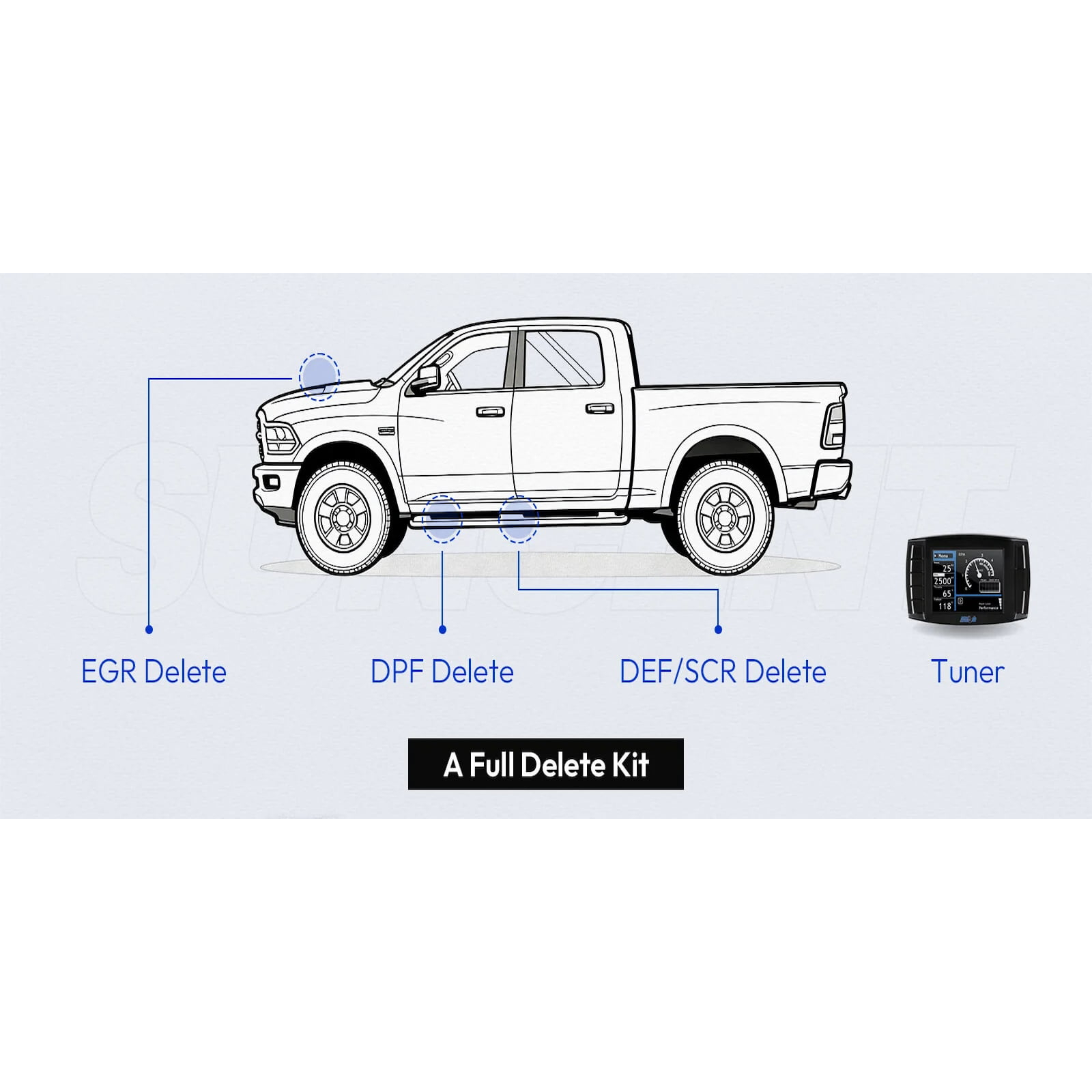
To fully answer how much does it cost to delete and tune a 6.7 Powerstroke, you need to understand what a “delete” actually entails. A complete delete setup usually includes three major components:
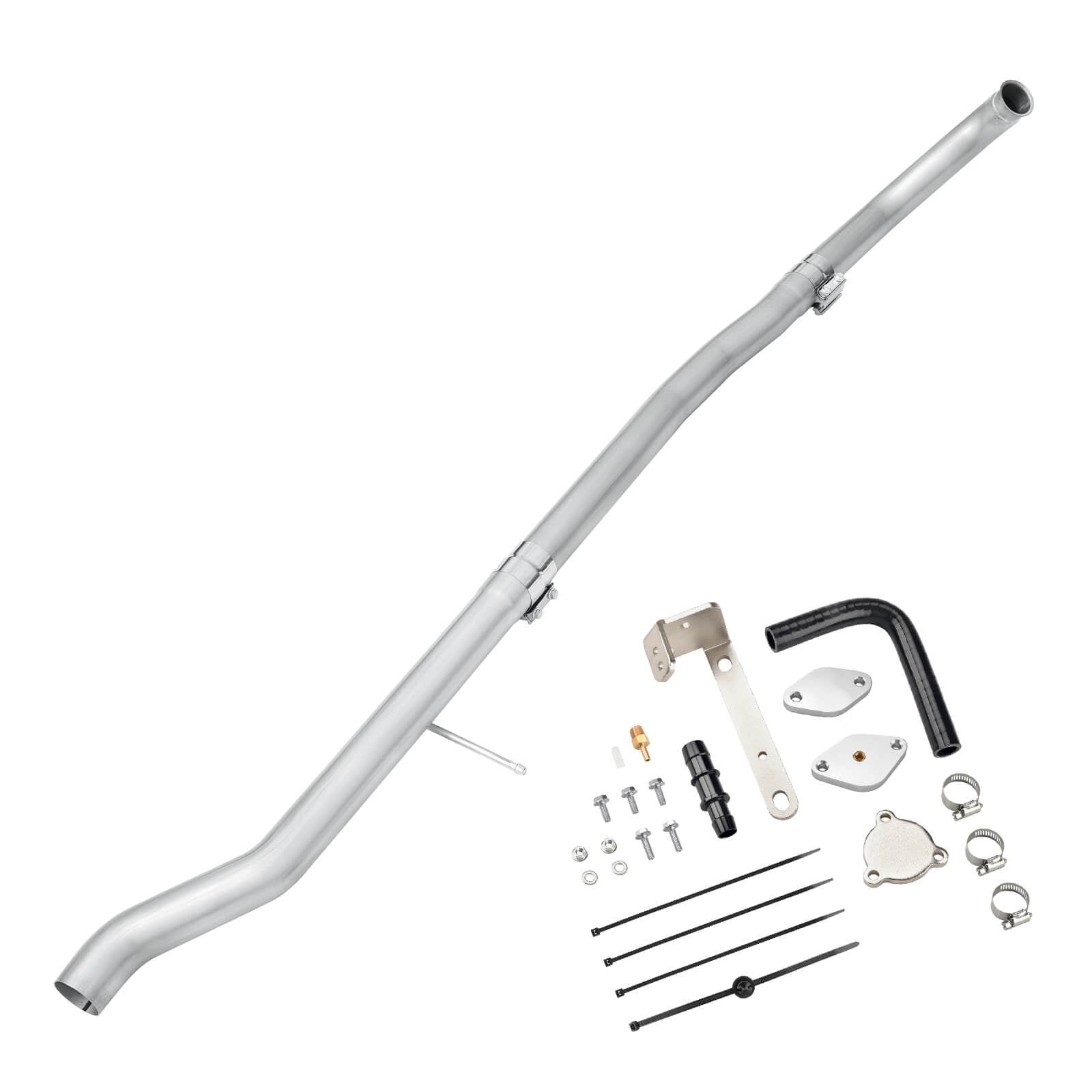
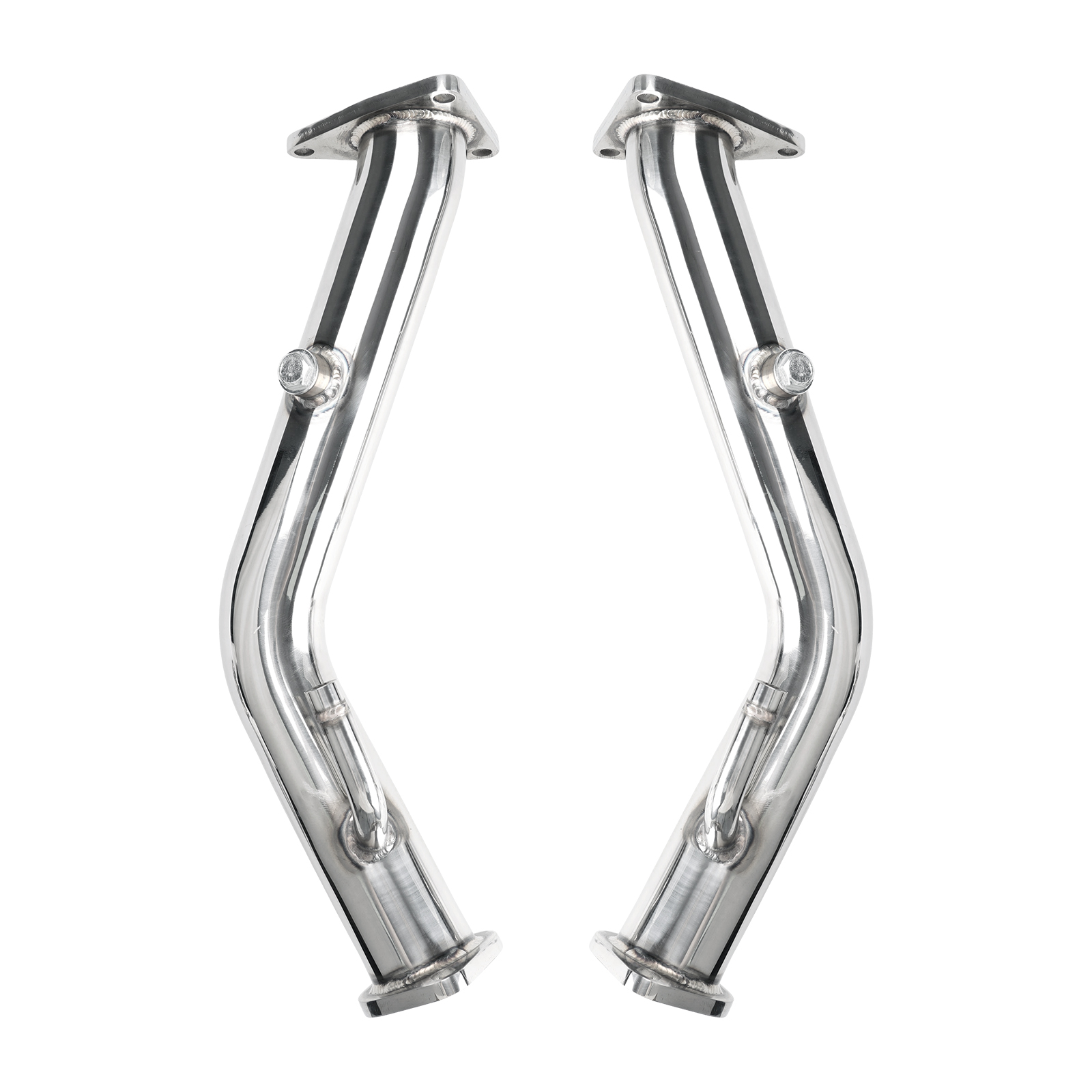
1. DPF Delete Pipe
The Diesel Particulate Filter (DPF) traps soot in the exhaust. A DPF delete pipe replaces this restrictive filter with a straight pipe or race pipe, reducing backpressure. This is often the most visible part of the hardware.
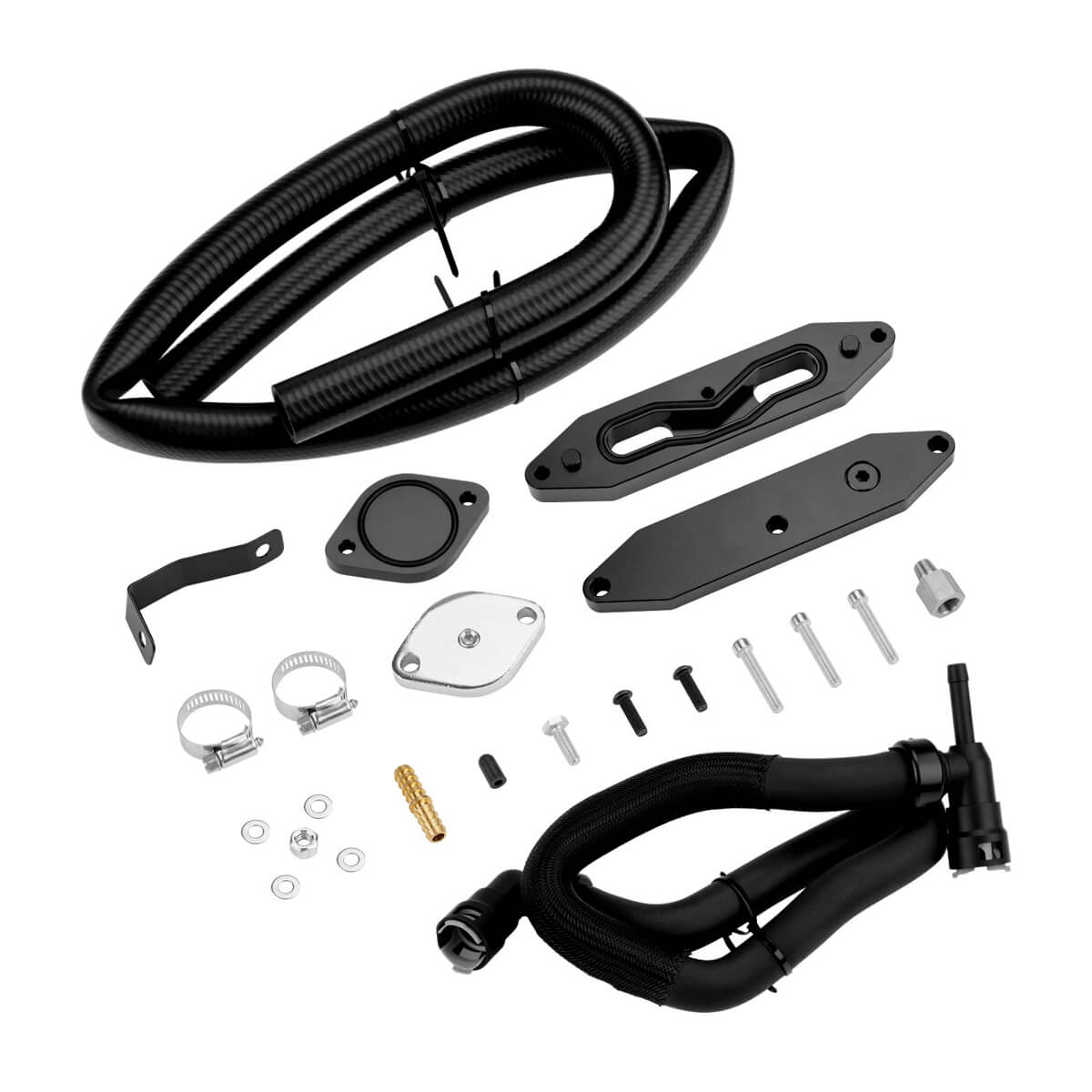
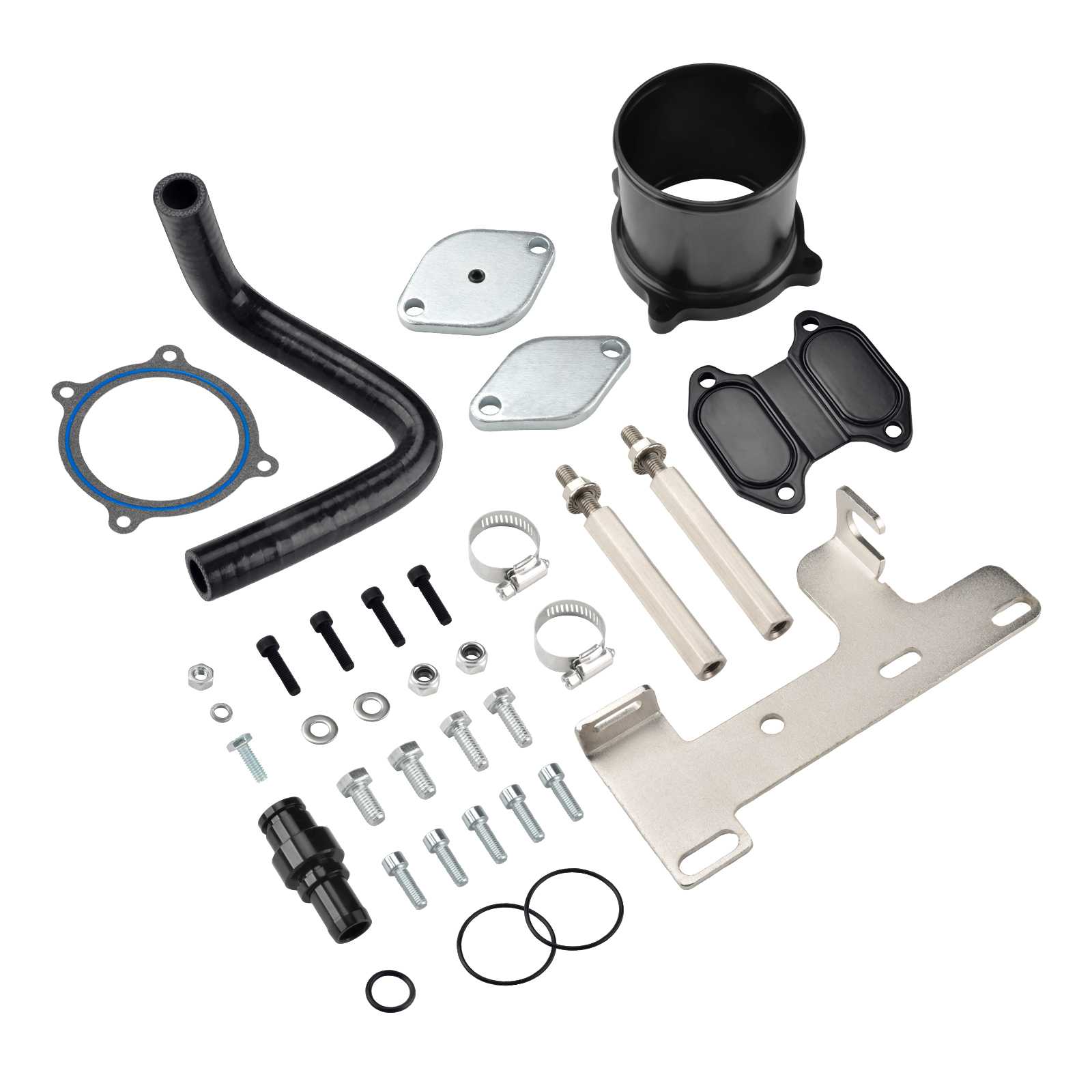
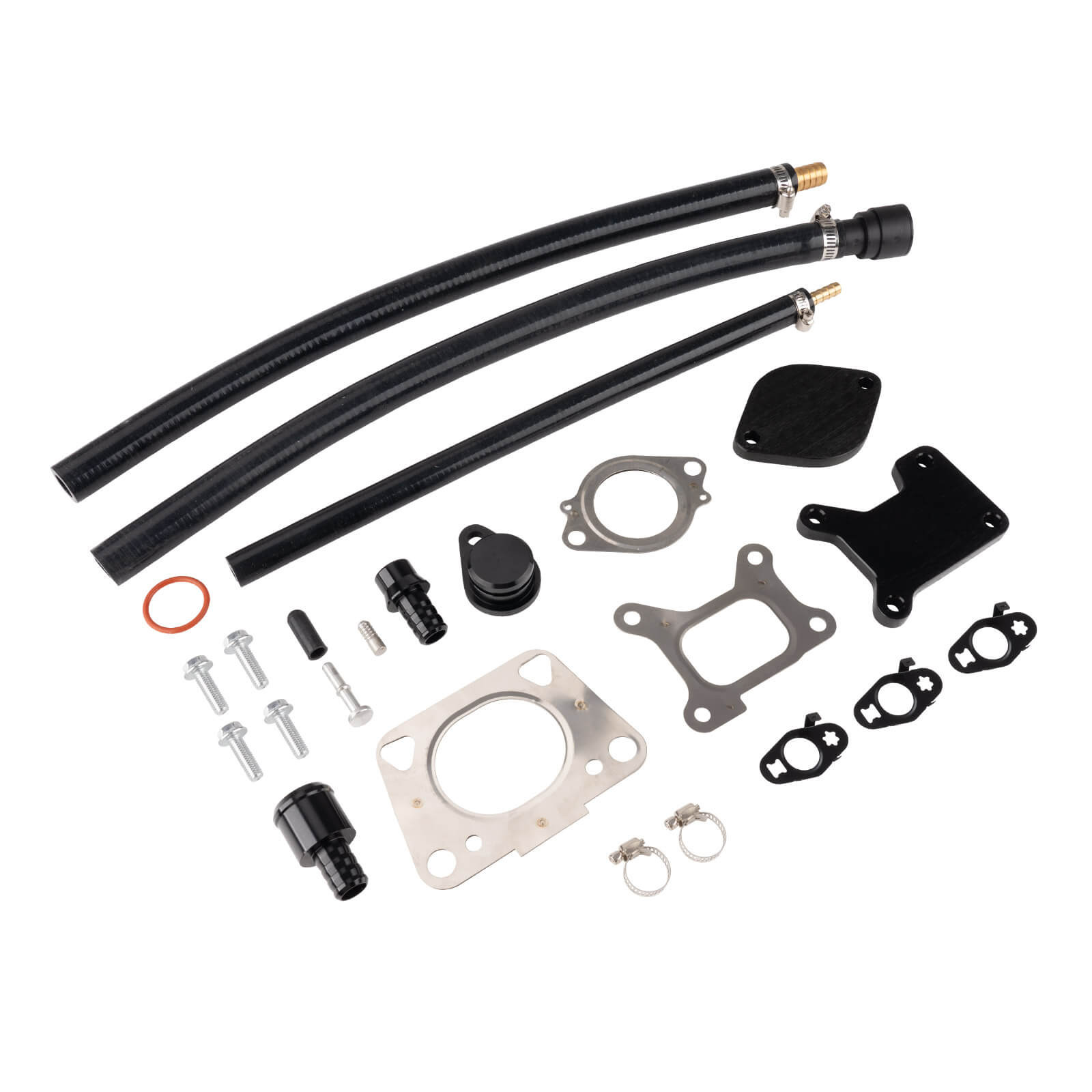
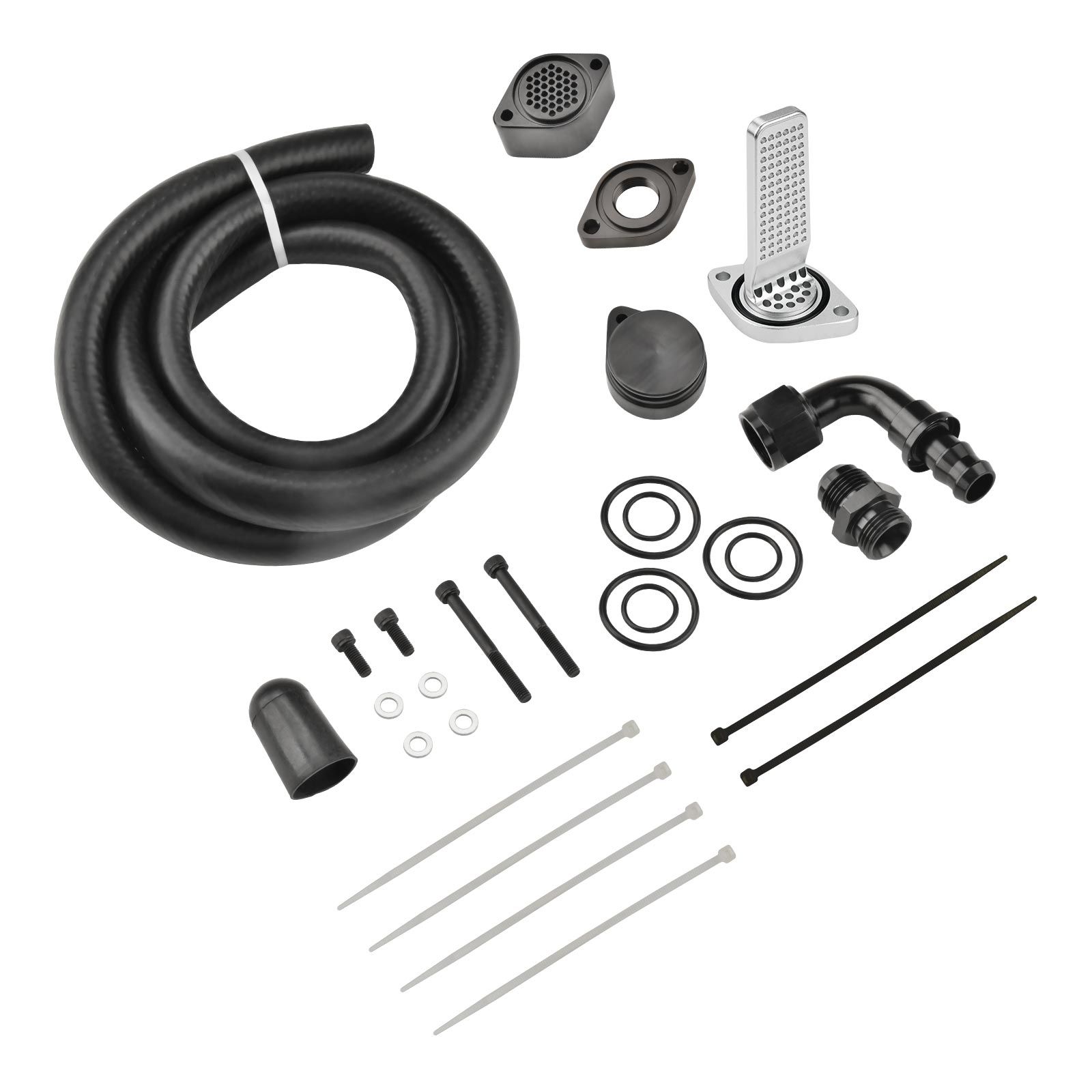
2. EGR Delete Kit
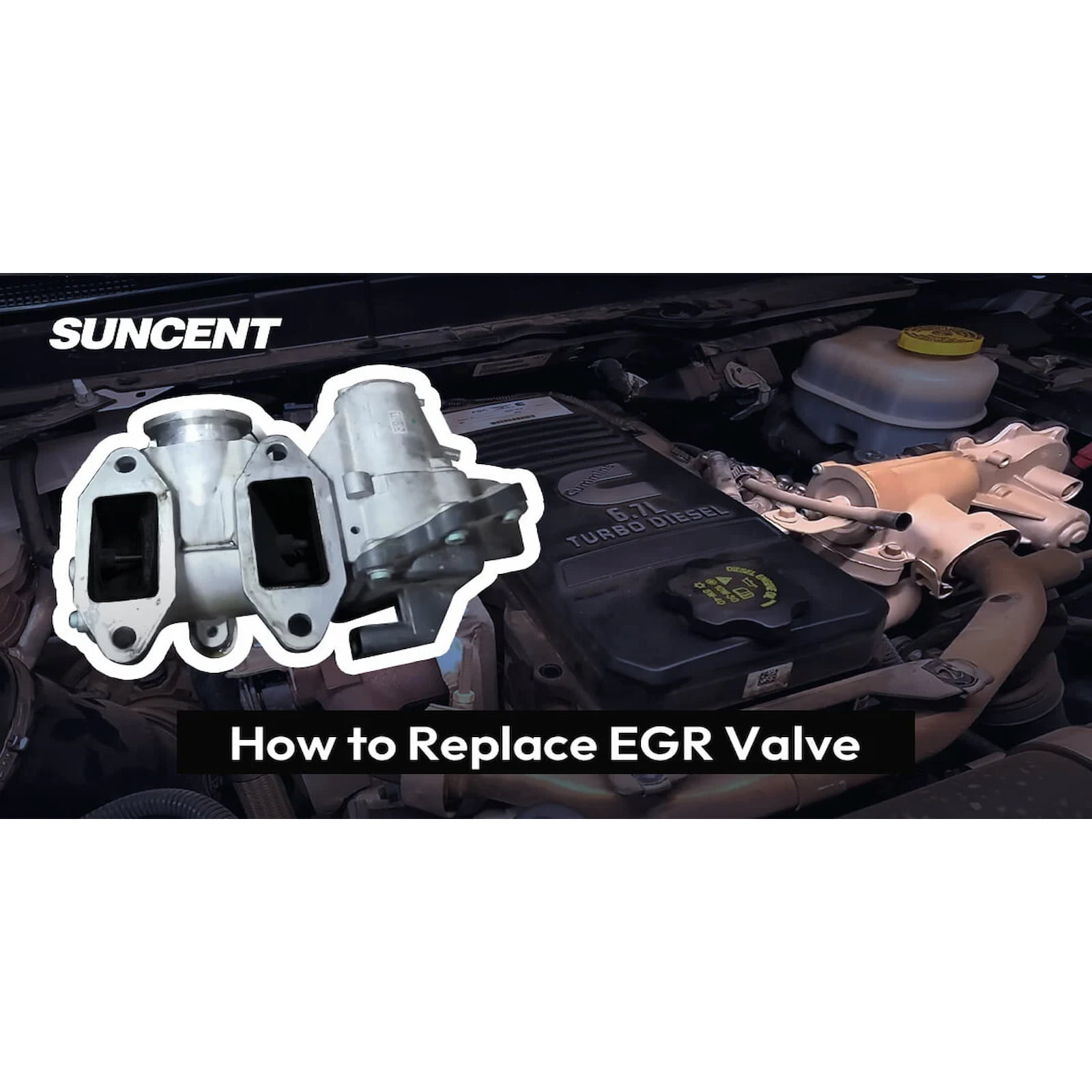
The Exhaust Gas Recirculation (EGR) system sends exhaust back into the intake to lower combustion temperatures. Over time, this causes carbon buildup. An EGR delete kit removes or bypasses these components, allowing cleaner air into the engine.
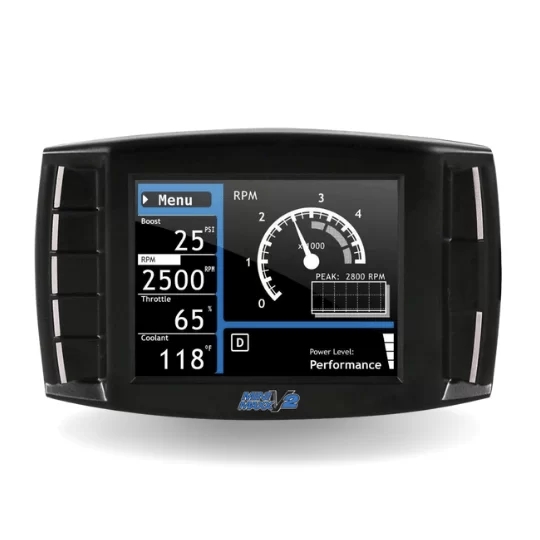
3. Tuner (ECM Calibration)
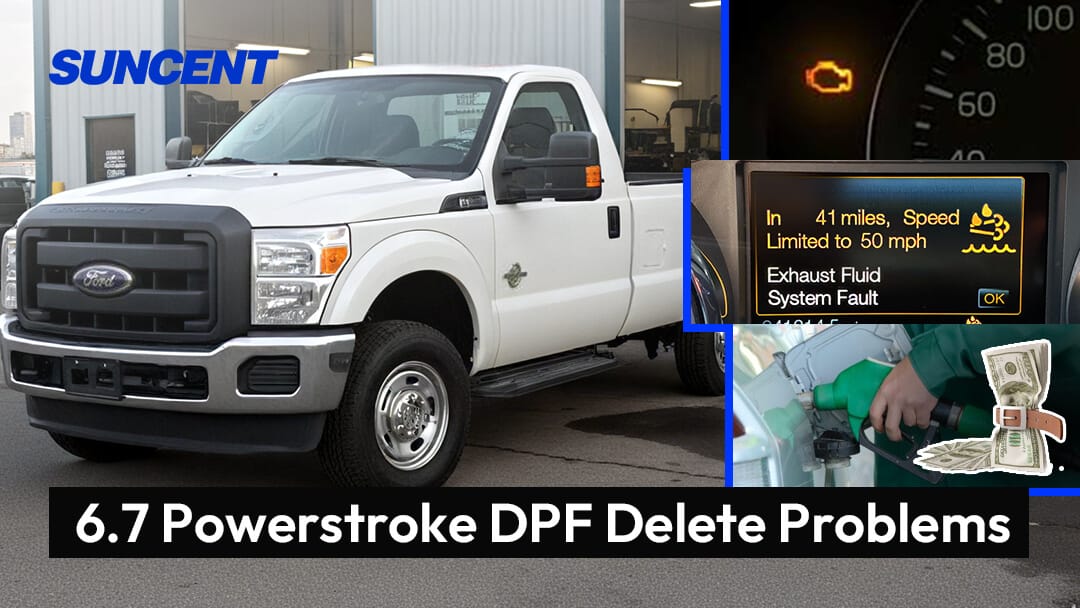
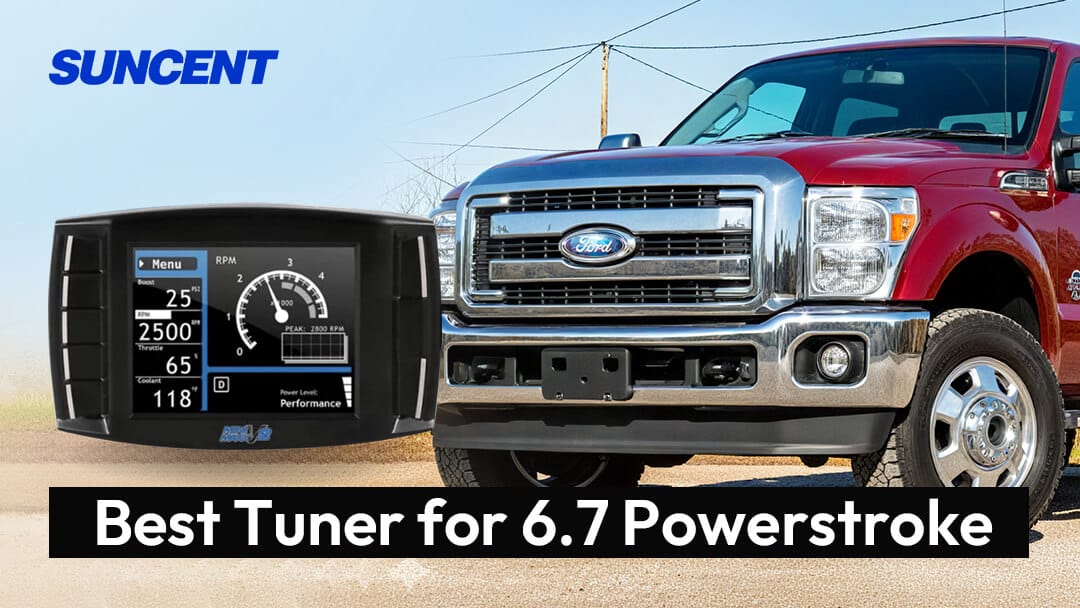
This is the most critical—and often most expensive—part of the cost to delete and tune a 6.7 Powerstroke. Simply removing the hardware will cause the truck to go into “limp mode” and trigger error codes. A tuner reprograms the Engine Control Module (ECM) to ignore missing emissions components, optimize fuel mapping, and unlock performance gains.
What Can Increase the Final Cost?
The main reason the cost to delete a 6.7 Powerstroke can vary so much is that no two trucks are exactly alike. Even when the parts list looks similar, the total bill can be very different.
1. Model Year Differences
One of the biggest factors affecting cost is the model year. The installation method, sensor strategy, or emissions system complexity of a 2011 Powerstroke engine may not be exactly the same as that of a truck manufactured after that year.
2. Truck Condition
A truck in good condition is one thing. A truck with sensor malfunctions, carbon buildup, worn parts, or other potential problems is quite another. If the truck already has unresolved driving performance issues, the additional labor and troubleshooting work can quickly increase the total cost.
3. Tuning Complexity
Not every truck requires the same level of support. Some trucks require more calibration work, compatibility checks, or troubleshooting than others.
4. Professional Installation Labor Costs
If you're not skilled with machinery, repair shop labor costs are typically between $100 and $200 per hour. A complete removal process can take four to eight hours.
5. Additional Parts
Sometimes, car owners initially estimate the basic price, only to find that they also need clamps, gaskets, upgrade materials, hardware replacements, or related repair services. These seemingly insignificant small expenses can add up to a considerable amount.
Why Would an Owner Delete a 6.7L Powerstroke?
Common reasons include:
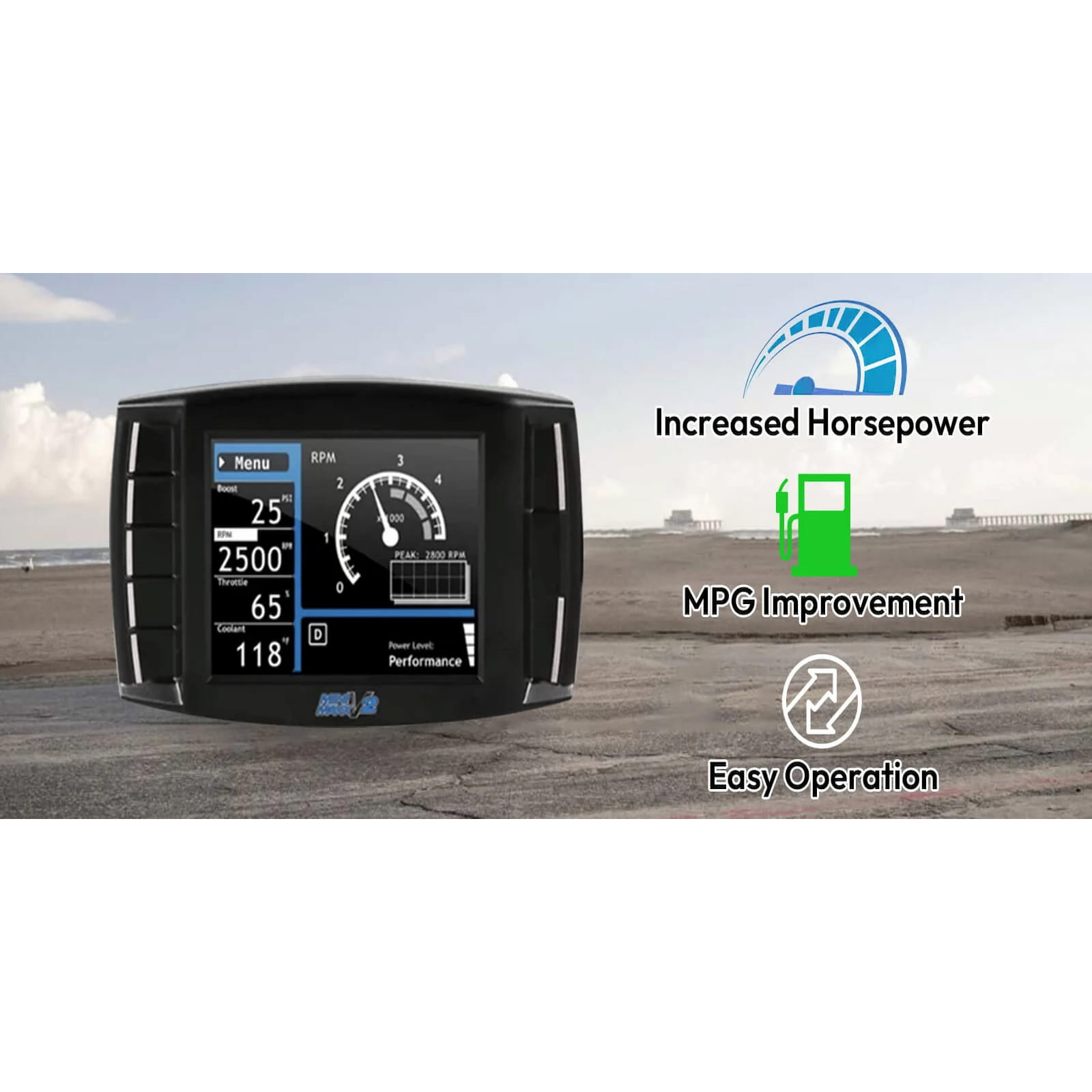
- Performance Improvement: Unrestricted airflow can provide 40-150+ hp of additional power and torque.
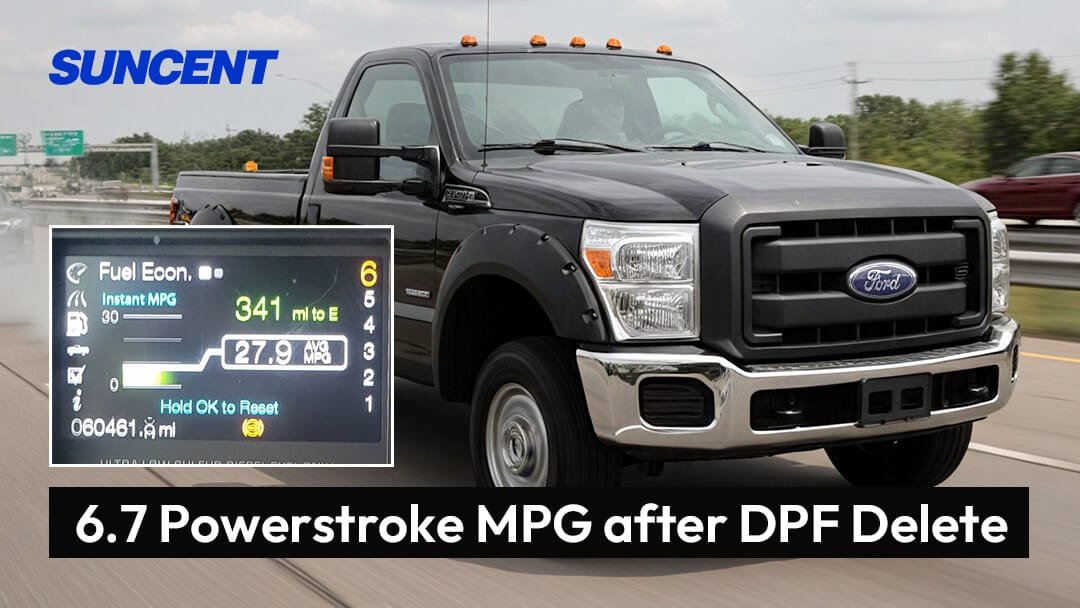
- Fuel Economy: By eliminating the fuel-consuming DPF "regeneration" cycle, fuel economy can be improved by 2-5 miles per gallon (MPG).
- Avoid Expensive Repairs: By deleting the exhaust system, you no longer have to spend thousands of dollars to replace a clogged DPF or a malfunctioning EGR system.
- Extended Engine Life: Less exhaust restriction means cooler exhaust temperatures and cleaner combustion.
What Is the Cheapest Way to Delete a 6.7 Powerstroke?
If you are cost conscious, some owners choose to DIY install with an affordable delete kit. SuncentAuto recommends an all-in-one delete kit with tuner that costs about $1,225 and typically includes:

- EGR delete kit;
- 4-inch DPF delete race pipe (with muffler);
- Minimax tuner V2.
SuncentAuto's kit is highly competitively priced and made of premium T-409 stainless steel, offering superior corrosion resistance and durability for long-term stable operation. It also includes free shipping and a 45-day return policy for your peace of mind.
Use coupon code BLOG12 for a 12% discount!
Note: While self-disassembly can save you $500 to $1000 in labor costs, improper installation carries a higher risk and may void your warranty. If you lack experience, purchasing a disassembly kit is recommended, and always consider hiring a professional for installation.
View also: What Is the Best Delete Kit for 6.7 Powerstroke?
Is It Worth It to Delete Your 6.7L Powerstroke?
Let's weigh the pros and cons:
- Performance: Up to 150+ hp boost with smoother power.
- Savings: 2-5 mpg improvement in fuel efficiency + avoidance of DPF/EGR repairs = *break even in 1-3 years.
- Reliability: Cleaner internals extend engine life to 200,000-300,000 miles.
- Legal risk: Potentially high EPA fines and possible failure of emissions testing.
- Void of warranty: Ford denies all emissions-related claims.
- Resale value: Modified vehicles may not be popular on the used car market.
Before You Make a Decision: Key Questions to Ask Yourself
Before purchasing parts, it's helpful to honestly examine your truck:
- Is it a daily commuter, trailer, or work vehicle?
- Does it often idle or tow heavy loads?
- Is the issue performance, maintenance costs, or driving experience?
- What is the truck's current mechanical condition?
If you frequently use your truck for heavy-duty towing, high-mileage work, or live in an area where emissions testing is not required, then deleting the 6.7 Powerstroke engine might be a worthwhile investment to improve vehicle reliability and performance. However, if your truck is still under warranty, or you live in a state with strict emissions testing, the risks may outweigh the benefits.
View Our Real-World Case
To give you a clearer picture of the actual cost of removing a 6.7-liter Powerstroke engine, here's a real-world case from a Ford Super Duty owner:
Owner: Mike, a weekend off-road enthusiast whose pickup truck (2017 6.7-liter Powerstroke) is primarily used for off-roading and light towing.
Problems: Frequent regeneration cycles, excessively high exhaust temperatures, and the DPF clogging indicator light.
Solution: Complete removal of the DPF and EGR, and tuning for towing.
Cost Breakdown: SuncentAuto Full Removal Kit ($1,113.97) + Self-Installation ($0) = Total: $1,113.97
Results: The owner reported a 4 mpg improvement in fuel economy while towing, lower exhaust temperatures, and no more interruptions in the regeneration process.
Final Thoughts
When asking How Much Does It Cost to Delete a 6.7 Powerstroke, the answer depends on your goals, budget, and truck’s model year. The average cost to delete a 6.7 powerstroke is $2,000–$4,000 (parts + labor), while the cheapest way to delete 6.7 powerstroke is $1,100–$1,600 with a DIY all-in-one kit.
If you use your truck for heavy-duty towing, high-mileage operations, or live in an area where emissions testing is not required, the cost of removing the 6.7-liter Powerstroke engine may be a worthwhile investment in terms of reliability and performance. However, if your truck is still under warranty or you live in a state with strict emissions standards, the risks may outweigh the benefits. Before making any modifications, familiarize yourself with your state's emissions regulations and conduct a professional cost-benefit analysis.









{{ comments.total }} Comments