





















 Contents
Contents
- What Is a Muffler Delete?
- Pros and Cons of Muffler Delete
- How Much Does a Muffler Delete Cost?
- Does a Muffler Delete Add Horsepower?
- Does a Muffler Delete Affect Gas Mileage?
- Is a Muffler Delete Illegal?
- Does a Muffler Delete Void Warranty?
- How to Do Muffler Delete
- Where Can I Get a Muffler Delete Near Me?
- Muffler Delete vs Resonator Delete vs Straight Pipe
- Is a Muffler Delete Worth It?
- FAQs
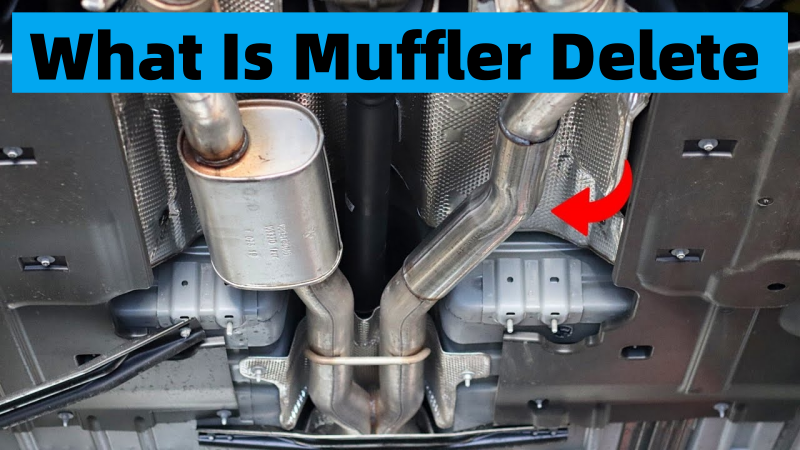
A muffler delete, simply put, means removing the muffler from your factory exhaust system and replacing it with a straighter, simpler section of pipe. It is usually suited for drivers who want a louder exhaust sound and a more aggressive feel, but don’t want to install a full exhaust system.
The biggest change is straightforward: the car becomes louder.
However, it also comes with some real trade-offs, such as potential legality issues in certain areas, possible cabin drone, increased risk of warranty disputes, and reduced daily driving comfort. Below, we'll go through everything you need to know about a muffler delete—from definition, pros and cons, cost, legality, warranty, to installation—so you can decide whether it’s worth it.
What Is a Muffler Delete?
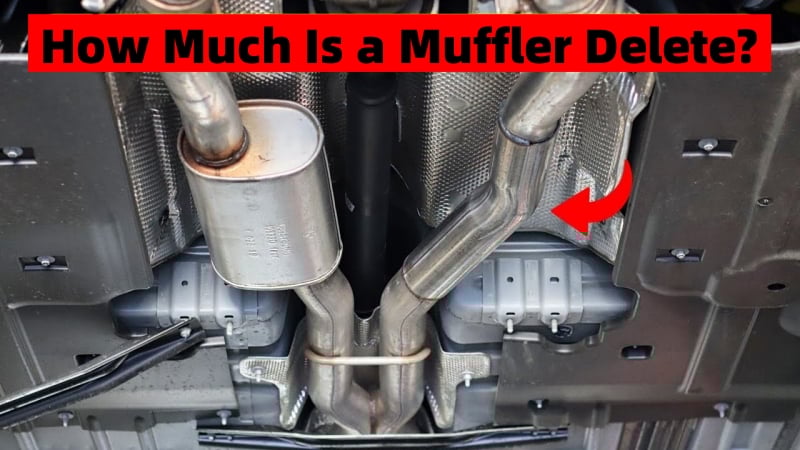
A muffler delete is a rear-section exhaust modification. It typically involves removing the factory muffler and replacing it with a simpler section of pipe. This reduces the sound-dampening effect of the muffler and allows the exhaust note to come through more directly.
You can think of the exhaust system as a piping system, where the muffler’s job is to reduce noise. Removing it amplifies the engine sound, but it can also introduce a low-frequency humming noise at highway speeds—commonly known as drone.
The biggest change is: the sound becomes louder, deeper, and more noticeable.
Pros and Cons of Muffler Delete
Before deciding whether to do a muffler delete, it’s best to look at the pros and cons.
Muffler Delete Pros and Cons at a Glance
- Louder, deeper, and more noticeable sound
- Low cost
- Keeps catalytic converter (no emission impact)
- Does not affect emissions testing
- Relatively easy to install and reversible
- Louder, deeper, and more noticeable sound
- Possible drone at highway speeds
- May exceed local noise regulations
- Minimal performance gain
Main Advantages of a Muffler Delete
1. Louder exhaust sound
This is the primary reason most people go for a muffler delete. Compared to the quiet factory setup, removing the muffler makes cold starts, acceleration, and high RPM driving much more noticeable.
2. Lower cost
If you’re simply cutting out the muffler and adding a straight pipe, the total cost is usually much lower than a full exhaust upgrade.
3. Simple modification
Unlike a full exhaust upgrade, headers, or turbo exhaust modifications, this is relatively simple. Most exhaust shops can handle it.
4. More direct exhaust flow
In theory, removing the muffler simplifies the exhaust path and slightly reduces restriction.
Main Disadvantages of a Muffler Delete
1. The car gets louder
This can be a major downside for drivers who prefer a quieter ride.
2. Possible drone (resonance)
Especially during highway cruising or at certain RPM ranges, you may experience a constant low-frequency hum inside the cabin.
3. Uncertain legality
Noise regulations and muffler requirements vary widely depending on state, city, and region.
4. Reduced daily comfort
It may feel exciting for short drives, but for daily commuting, long trips, or family use, the increased noise can become tiring.
How Much Does a Muffler Delete Cost?
The muffler delete cost is usually not very high.
Typical Price Range
| Item | Price Range |
| Materials | $50 – $200 |
| Labor | $100 – $300 |
| Total | $150 – $500 |
Price differences mainly depend on:
- Vehicle type
- Whether stainless steel piping is used
- Shop pricing
Does a Muffler Delete Add Horsepower?
Many people ask: does a muffler delete add hp?
The answer is: in most cases, the gain is very small—don’t expect a noticeable performance boost.
Why Is the Gain Limited?
A muffler delete may make the exhaust flow slightly more direct and reduce some restriction. In theory, it could add around 1–5 hp, but on most vehicles, it’s barely noticeable.
This is because:
- It is not a major performance modification.
- Both naturally aspirated and turbocharged cars usually show little noticeable improvement.
- Most drivers feel the sound change more than any real power increase.
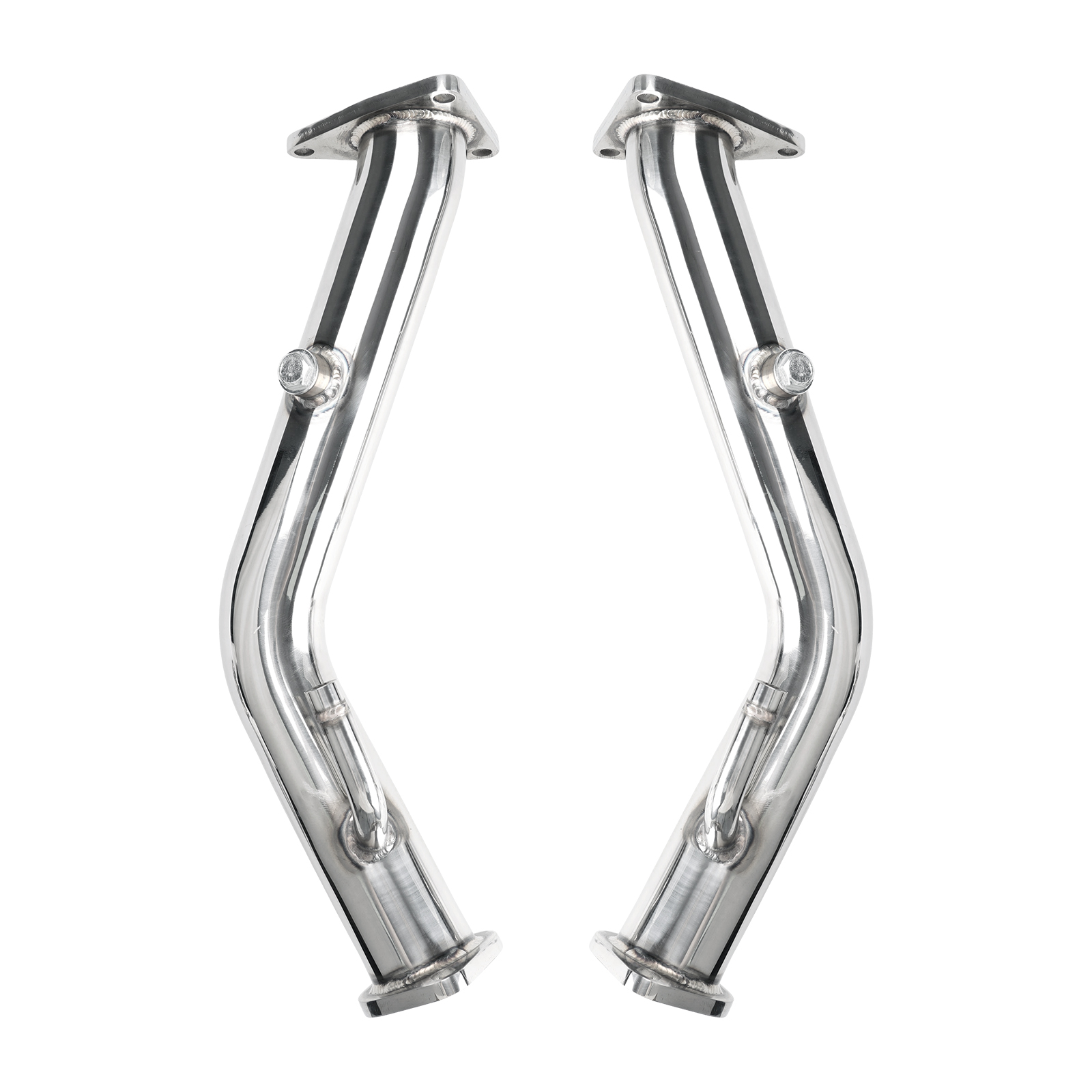
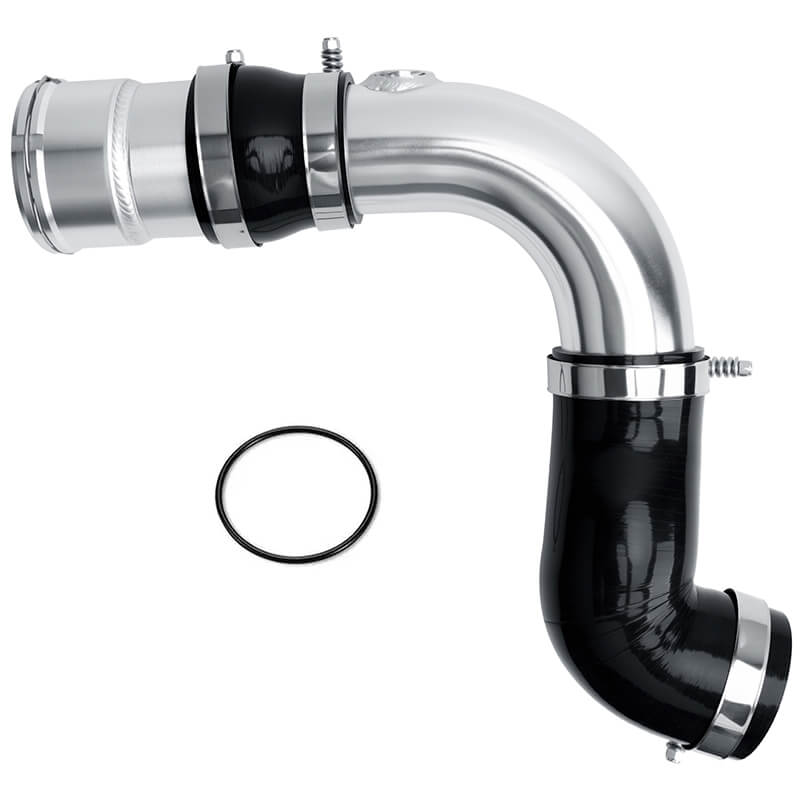
So if you're looking for significant horsepower gains, a muffler delete is usually not the most effective route. For more meaningful performance improvements, drivers often consider upgrades such as a cat-back exhaust system, downpipe, headers/exhaust manifold upgrades, or intercoolers.
If a shop claims a muffler delete kit will add a large amount of horsepower, it's best to approach that with caution.
Does a Muffler Delete Affect Gas Mileage?
The real answer is: a muffler delete typically does not significantly improve fuel economy.
In theory, slightly reduced exhaust restriction may have a minor effect. But in reality, fuel economy is more influenced by:
- Driving habits
- More aggressive driving due to louder exhaust sound
- Vehicle design and tuning
In real-world scenarios:
- Some drivers notice almost no change
- Others see worse MPG because they drive more aggressively
So, a muffler delete pipe should not be viewed as a fuel-saving modification. It is more about sound than efficiency.
Is a Muffler Delete Illegal?
Whether a muffler delete is legal depends on your location.
It cannot be answered with a simple yes or no:
- It may be legal in some areas and not in others
- It’s not just about removing the muffler, but also whether the vehicle exceeds noise limits
- Always check local exhaust and noise regulations before making changes
At the federal level, the Clean Air Act mainly prohibits tampering with emissions control systems. A muffler is generally not classified as an emissions control device, so removing it does not directly violate federal emissions laws.
However, legality largely depends on state and local noise laws. For example, in California, vehicle exhaust noise is commonly limited to 95 dB.
It’s also important to note that some states require vehicles to have a working muffler, meaning removing it entirely may be considered non-compliant.
Before making any modifications, it’s best to check with your local DMV or regulations to ensure compliance.
Does a Muffler Delete Void Warranty?
A muffler delete does not automatically void your entire vehicle warranty, but it may affect warranty coverage related to exhaust components.
Many people assume that any modification voids the entire warranty, which is not entirely accurate. In reality:
- The warranty is not automatically voided entirely
- Issues related to modified parts are more likely to be disputed
- If a problem is not clearly related to the muffler delete, it may still be covered
Best Practices
Before doing a muffler delete, it’s recommended to:
- Review your vehicle’s warranty terms
- Ask your dealer or service provider
- Keep the original muffler in case you want to revert to stock
How to Do Muffler Delete
It’s important to understand that while this modification seems simple, the quality of the work matters a lot. Cut location, weld quality, pipe sizing, and mounting all affect the final result.
How Long Does a Muffler Delete Take?
In general:
- Simple setups: about 1–2 hours
- More complex jobs: may take longer due to rust, tight space, or custom fabrication
Basic Installation Steps
Step 1: Safely lift and support the vehicle using jack stands.
Step 2: Use a reciprocating saw to cut the exhaust pipe 2–3 inches before and after the muffler.
Step 3: Install the straight pipe using welding or clamps (clamps are easier, welding is more durable).
Step 4: Check for leaks by revving the engine and inspecting connections.
Where Can I Get a Muffler Delete Near Me?
You can usually go to:
- Local exhaust shop
- Muffler shop
- Custom exhaust fabrication shop
- Performance shop
The most suitable option is usually a dedicated exhaust shop.
How to Choose a Good Muffler Delete Shop
Don’t focus only on price—quality matters more.
Look for:
- Experience with exhaust modifications
- Real reviews and before/after examples
Muffler Delete vs Resonator Delete vs Straight Pipe
Many beginners confuse these terms, but they are not the same.
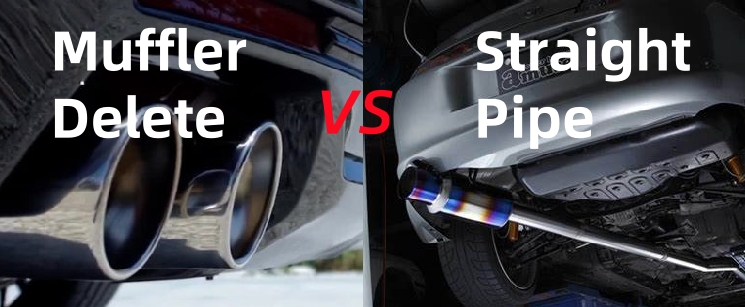
- Muffler delete removes the muffler, which mainly reduces overall noise
- Resonator delete removes the resonator, which is more about tuning sound frequencies
- Straight pipe is a more extreme setup with fewer restrictions and much louder sound
View also: Muffler delete vs Straight Pipe Detailed Overview
Quick Comparison
| Item | Muffler Delete | Resonator Delete | Straight Pipe |
| Modified part | Muffler | Resonator | Larger exhaust sections |
| Sound change | Noticeably louder | Moderate, tone-focused | Extremely loud |
| Daily comfort | Average | More comfortable | Usually worst |
| Legal risk | Medium to high | Depends on location | Usually higher |
| Best for | Louder exhaust sound | Fine-tuning sound | Maximum sound and aggression |
Is a Muffler Delete Worth It?
If your goal is to get a louder exhaust sound at a relatively low cost, a muffler delete can be a good option.
Recommendations Based on Situation
| Situation | Recommendation |
| Want louder exhaust sound | ✅ Worth considering |
| Limited budget | ✅ Cost-effective |
| Daily driver, prefer comfort | ⚠️ Test sound first |
| Strict local noise laws | ⚠️ Consider performance muffler instead |
| Concerned about warranty | ⚠️ Consult dealer first |
| Want maximum horsepower or track use | ❌ Full exhaust system or straight pipe is more suitable |
One-Line Summary: A muffler delete is the most direct way to upgrade your exhaust sound. It’s a low-cost modification that makes your car more noticeable—but before doing it, make sure you understand local laws, accept possible drone, and keep your factory parts in case you need to revert.