 Contents
Contents
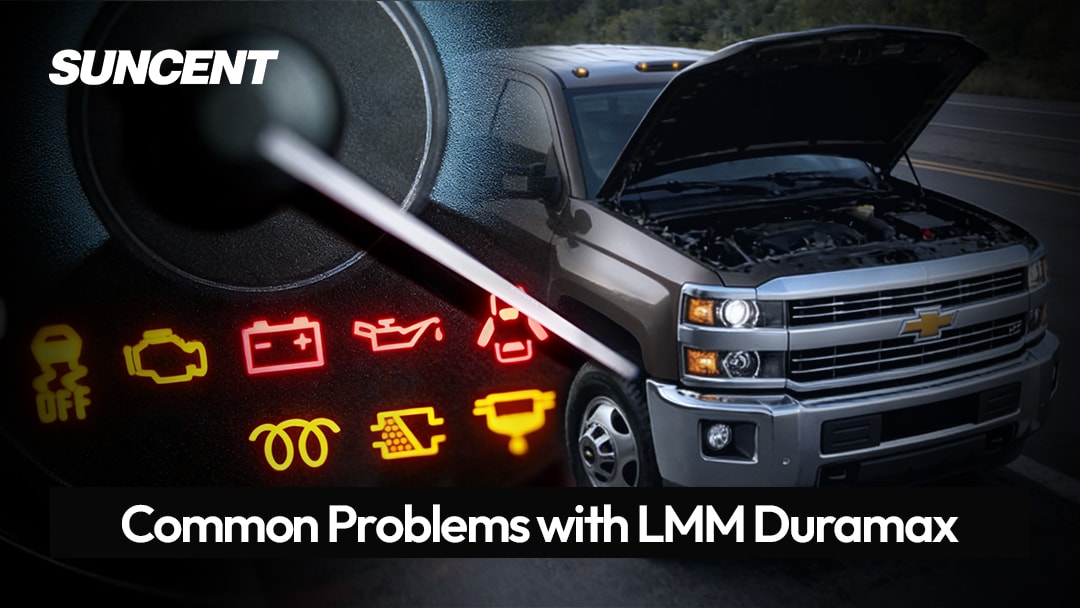
2007.5-2010 diesel trucks use the 6.6L LMM Duramax engine. Though it is known for its reliable CP3 fuel system, durability, and improved towing power, it developed several recurring LMM Duramax problems over time.
This guide explains the most issues, including DPF clogging, EGR carbon buildup, CP3 pump wear, glow plug failure, low fuel rail pressure, and exhaust system problems.
You will also learn the potential symptoms, key causes, and proven solutions. It also presents effective tips to prevent common LMM Duramax problems to keep your engine running for years.
Understanding Your 6.6L LMM Duramax (2007.5-2010)
Before we get into further specifics of 6.6L LMM Duramax problems, let’s first look at what sets LMM apart.
Engine Specifications
- Engine Code: LMM Duramax
- Model Years: 2007.5-2010
- Displacement: 6.6L V8 Turbo Diesel
- Fuel System: Common-rail direct injection
- Emissions Equipment: EGR and DPF (No DEF System)
- Injection Pump: CP3
- Torque: approx 660 lb-ft
- Horsepower: approx 365 hp
LMM Duramax bridges the gap between LBZ and LML generations. It retained the CP3 injection pump, but the addition of the Diesel Particulate Filter resulted in a series of problems that many truck owners experience today.
The Top 6 Most Common LMM Duramax Problems
Below is a list of the most common LMM Duramax problems, their potential causes, and proven solutions.
1. Diesel Particulate Filter (DPF) Failure
Let’s look at how you can identify this issue, why it happens, and how to solve it effectively.
Symptoms
- Excessive exhaust heat
- Frequent regeneration cycles
- Warning of Service Exhaust System
- Limp-mode failure
- Reduced fuel economy
Cause
The DPF traps exhaust soot and removes it during regeneration cycles to stay clean. Unfortunately, excessive idling, frequent short trips, and towing interrupt the regen process. As a result, the filter clogs faster, which leads to reduced engine performance and restricted exhaust flow.
Solutions
- Use a DPF delete to eliminate the root cause
- Or replace the factory DPF (it is a temporary and costly solution)
Many truck owners rely on the SuncentAuto LMM Duramax DPF Delete Kit as a potential long-term solution to the DPF failure. By removing the restrictive DPF system, this kit lowers the Exhaust Gas Temperatures (EGTs), restores exhaust flow, boosts reliability, and improves fuel economy.
Remember, DPF delete modifications are intended only for race use or off-road applications and may violate emissions regulations in many areas. So, as a truck owner, you should always check local laws before installation.
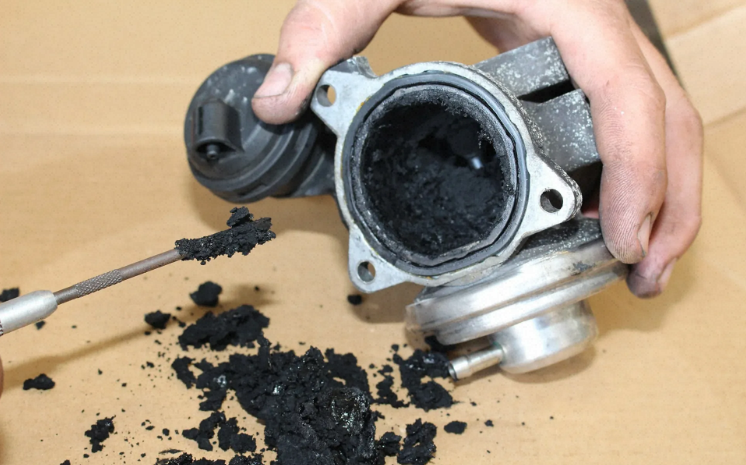
2. EGR Valve and Cooler Carbon Deposits
It is also among the LMM Duramax common problems. Here is how you can identify and solve it.
Symptoms
- EGR cooler failure
- Check engine light
- Rough idle
- Excessive buildup of black soot
- Reduced throttle response
Cause
The EGR system reduces emissions by rerouting hot exhaust gases back into the intake. Carbon deposits and soot clog the cooler and EGR valve over time, which increases intake temperatures, restricts airflow, and reduces energy efficiency.
Solutions
- Clean the EGR valve and cooler periodically
- Replace failed components as needed
- Or remove the system permanently
Installing the SuncentAuto EGR Valve & Cooler Delete Kit is one of the most effective and reliable solutions. It improves engine longevity by eliminating carbon buildup and lowering intake temperatures. However, checking the local emissions laws is crucial, as delete modifications are illegal in many regions, and are intended for off-road or race use.
3. CP3 Injector Pump Wear
This is another leading problem with Duramax diesel engines.
Symptoms
- Reduced power
- Hard starting
- Fuel delivery-related diagnostic trouble codes
- Engine stalling
- Low fuel pressure (under load)
Cause
Though CP3 is more reliable than CP4, it may wear over time. It mostly happens when CP3 is exposed to contaminated or poor-quality diesel. Internal component wear may lead to inconsistent fuel rail pressure, resulting in LMM Duramax injector problems.
Solutions
- Regularly monitor fuel pressure readings
- Install a new CP3 injection pump
- Protect the system with additional fuel filtration
4. Glow Plug Failure
Below are the symptoms, root cause, and solutions of this problem.
Symptoms
- Grey or white smoke when starting the engine
- Check engine light
- Relevant diagnostic trouble codes (e.g., P0671-P0678)
- Rough idle right after startup
- Extended or hard cranking during cold starts
- Reduced engine performance in cold climates
Cause
Extended on-time may swell or overheat glow plugs. Similarly, electrical issues (such as poor grounding, corroded connectors, and damaged wiring) and faulty Glow Plug Control Module (GPCM) are the common causes behind glow plug failure. Moreover, early ECM software calibrations that keep glow plugs energized longer than required may also lead to the same issue.
Solutions
- Inspect and repair grounding points, wiring, and connectors
- Replace failed or swollen glow plugs with premium-quality replacements
- Inspect periodically during routine maintenance to detect the issue at early stages
- Update the ECM software
- Test and replace the faulty GPCM
5. Low Fuel Rail Pressure (P0087)
Here is what you should know about this 2007-2010 LMM Duramax problem.
Symptoms
- Sudden loss of power
- Bad towing performance
- Limp mode under acceleration
- Check engine light (P0087)
Causes
- Weak CP3 injector pump
- Failing fuel pressure regulator
- Clogged fuel filter
- Air leaks in fuel lines
Solutions
- Inspect fuel lines for leakage
- Diagnose the health of the CP3 injector pump
- Replace the fuel filter
- Upgrade components of the fuel system (if required)
6. Exhaust and Intake System Problems
It is also listed among the most common problems with the 6.6L Duramax diesel engine.
Symptoms
- Turbo lag
- Reduced airflow
- Increased EGTs
- Heavy carbon accumulation in the intake system
Cause
When EGR soot accumulates alongside aging intake components and a restrictive factory exhaust, airflow becomes restricted. It leads to LMM Duramax turbo problems, including significant drops in long-term reliability and performance.
Solutions
- Remove carbon buildup from the intake manifold
- Eliminate factory emissions parts restricting airflow (where allowed)
- Install upgraded exhaust components to improve airflow
How to Prevent Common LMM Duramax Problems?
You will always want to keep your LMM cost-effective and reliable, and preventive maintenance is the key to achieving this.
i) Practice Smart Driving Habits
- Avoid extended idling
- Take regular highway drives to support passive regeneration on emissions-equipped models
- Let the LMM Duramax engine fully warm up and cool down
ii) Stick to a Consistent Maintenance Cycle
- Replace the fuel filter periodically
- Follow a 5,000-7,000-mile oil change interval
- Perform routine inspections of hoses and sensors during scheduled service
- Monitor exhaust temperatures and DPF regeneration cycles
iii) Use High Quality Fuel
- Don’t let your fuel tank drop too low
- Periodic fuel additives help protect the fuel pump and maintain injector cleanliness
- Use premium-quality diesel from reliable stations to avoid contamination and ensure good fuel quality
iv) Perform Timely Inspection
- Perform proactive scans for Diagnostic Trouble Codes (DTCs)
- Regularly inspect exhaust parts for blockages, damage, or leaks
- Check coolant levels periodically
- Address the dashboard warning lights without any delay
Timely inspection ensures early detection, preventing costly failures.
Final Words
The 6.6L LMM Duramax (2007-2010) is, without a doubt, a capable and powerful diesel engine. But its longevity and performance mainly depend on fuel system health and emissions-related components.
Issues like low fuel rail pressure, DPF clogging, glow plug failures, and EGR carbon buildup are among the most common LMM Duramax problems.
LMM owners can reduce operating costs and extend engine life by understanding the symptoms early, applying effective solutions, and following preventive measures.
If you are looking for long-term performance and reliability, high-quality delete solutions from reputable brands like SuncentAuto offer a proven path forward for off-road only setups.