

 Check if this fits your vehicle


 Notes
Check if this fits your vehicle
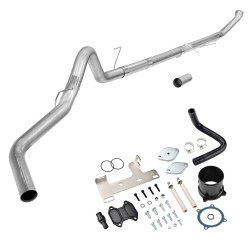
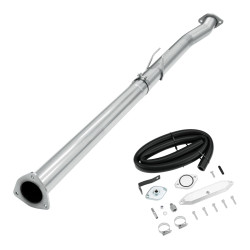
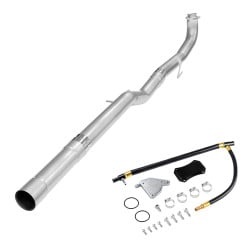
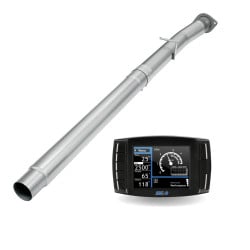
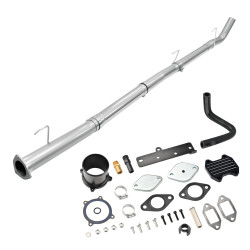
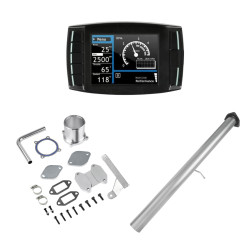
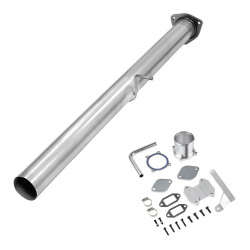
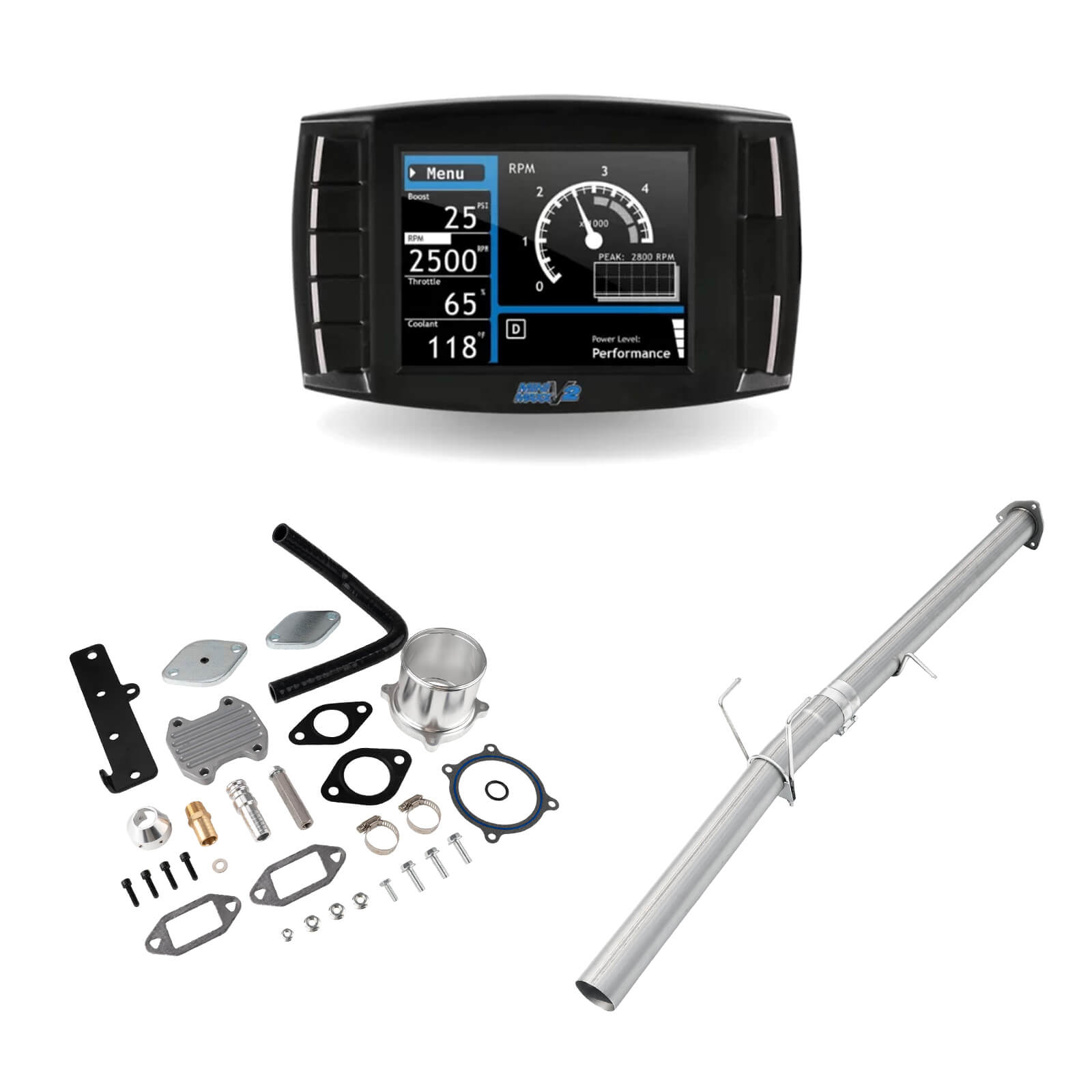
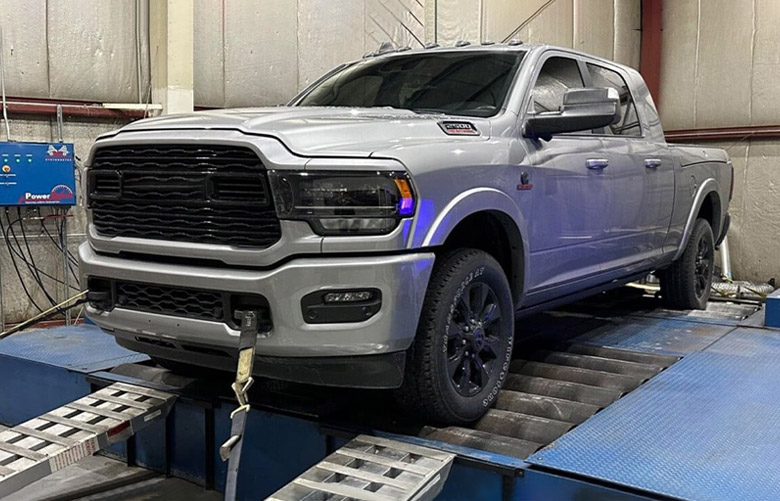
This all-in-one delete kit for the 2013–2018 Ram 2500/3500 6.7L Cummins combines exhaust components, EGR hardware, and a tuner. It is designed for buyers who want to spend less time purchasing components separately and comparing specifications.
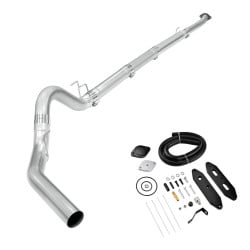
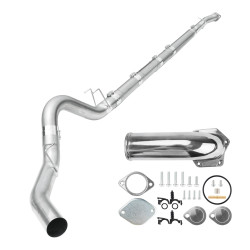
This product configuration includes three core components:
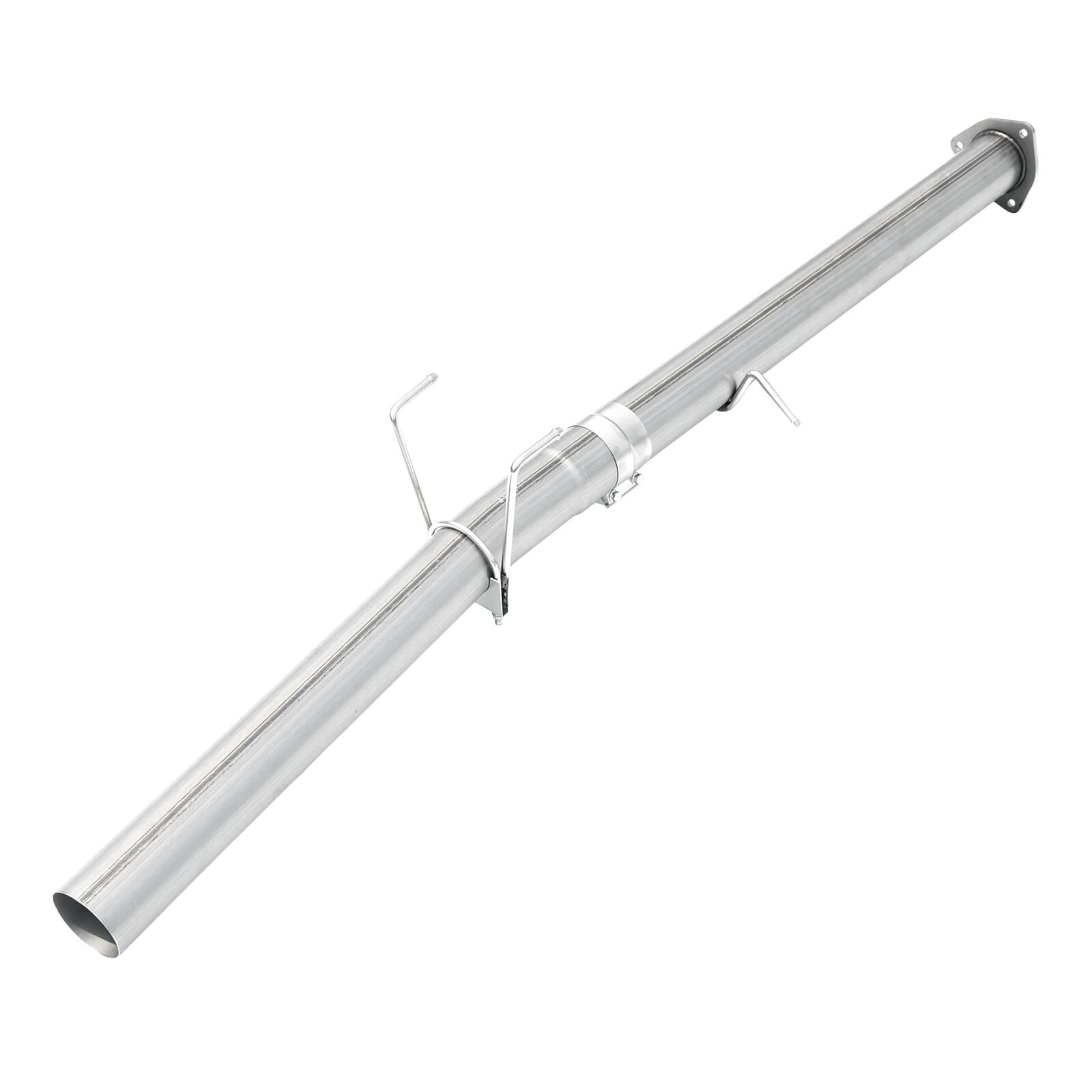
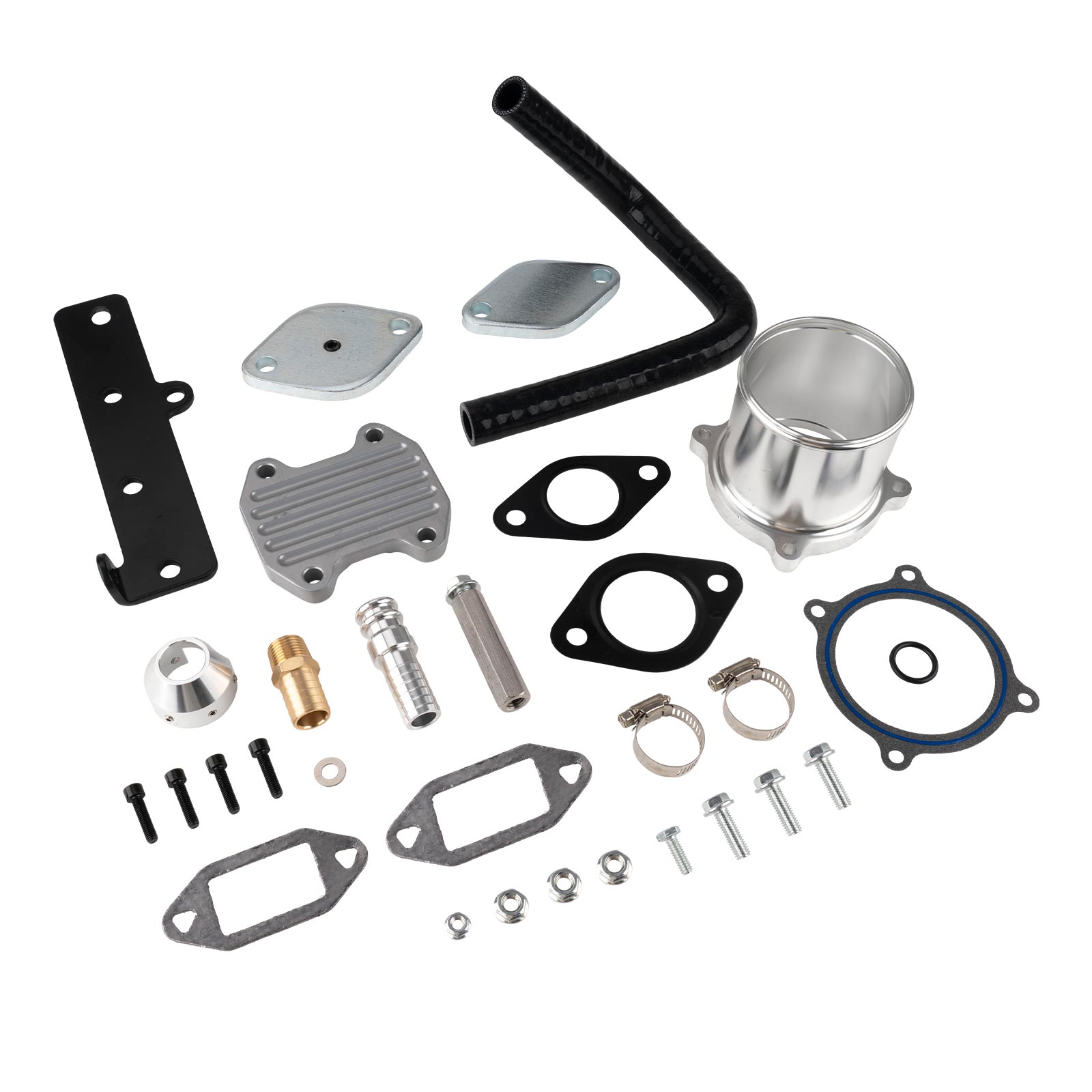
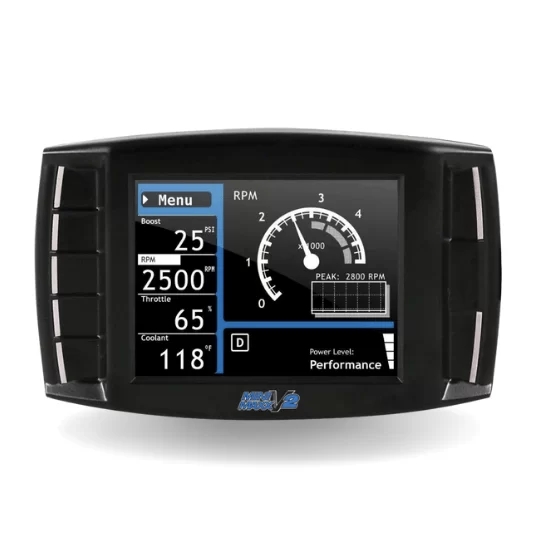
| Component | Default Configuration | Function |
|---|---|---|
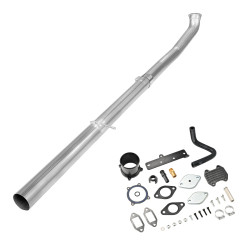
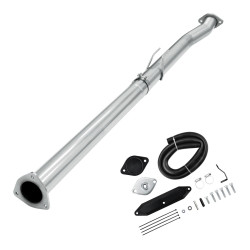
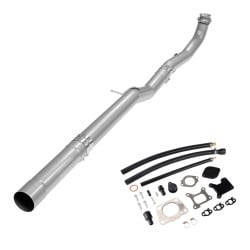
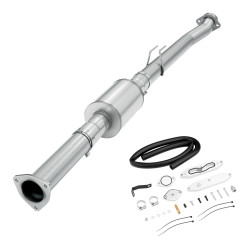
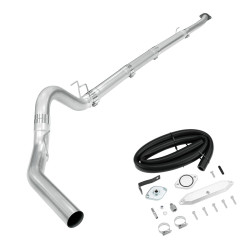
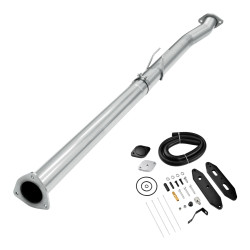
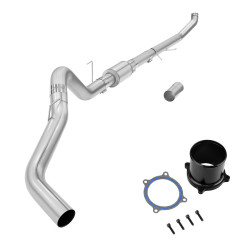
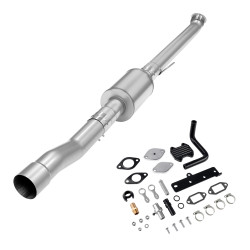
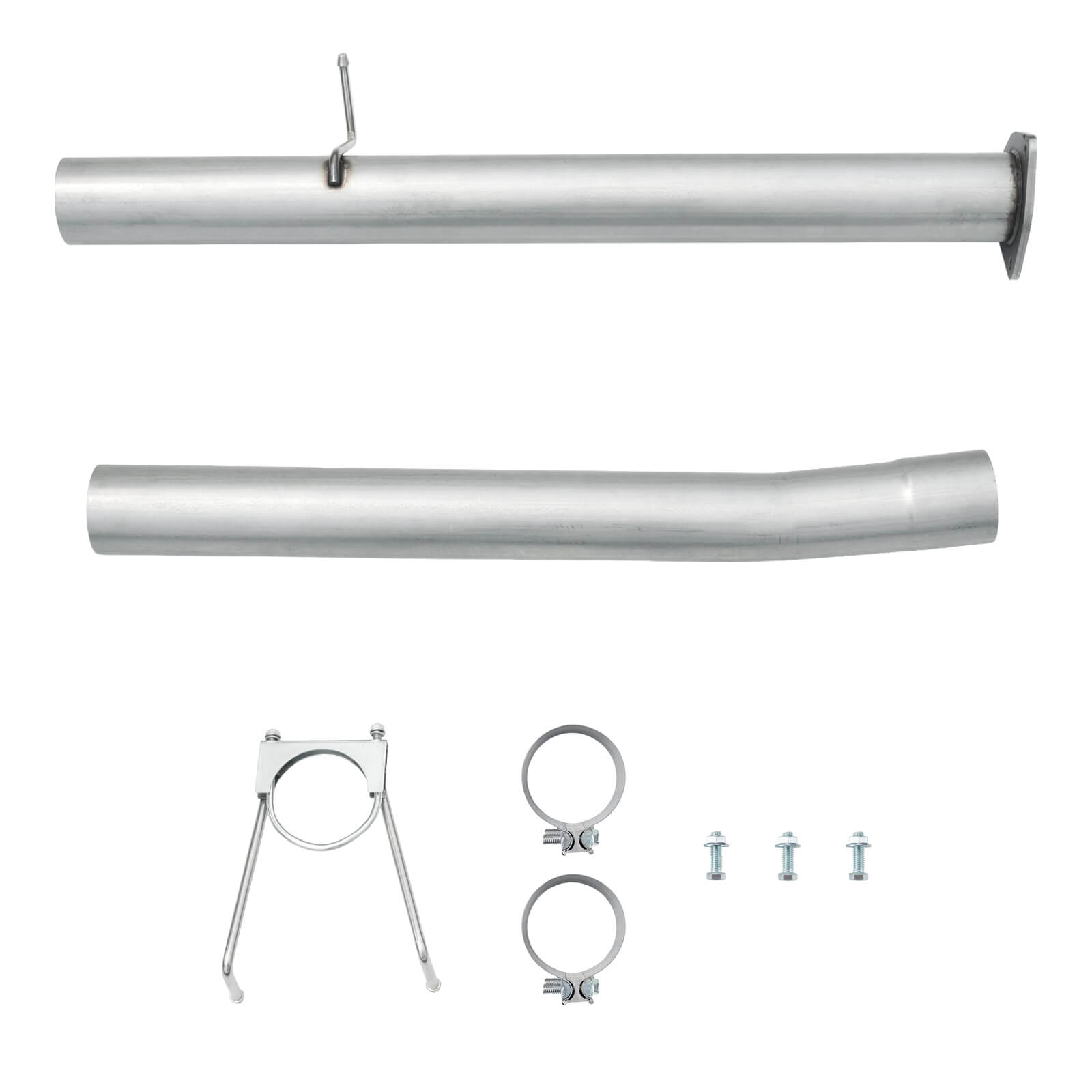
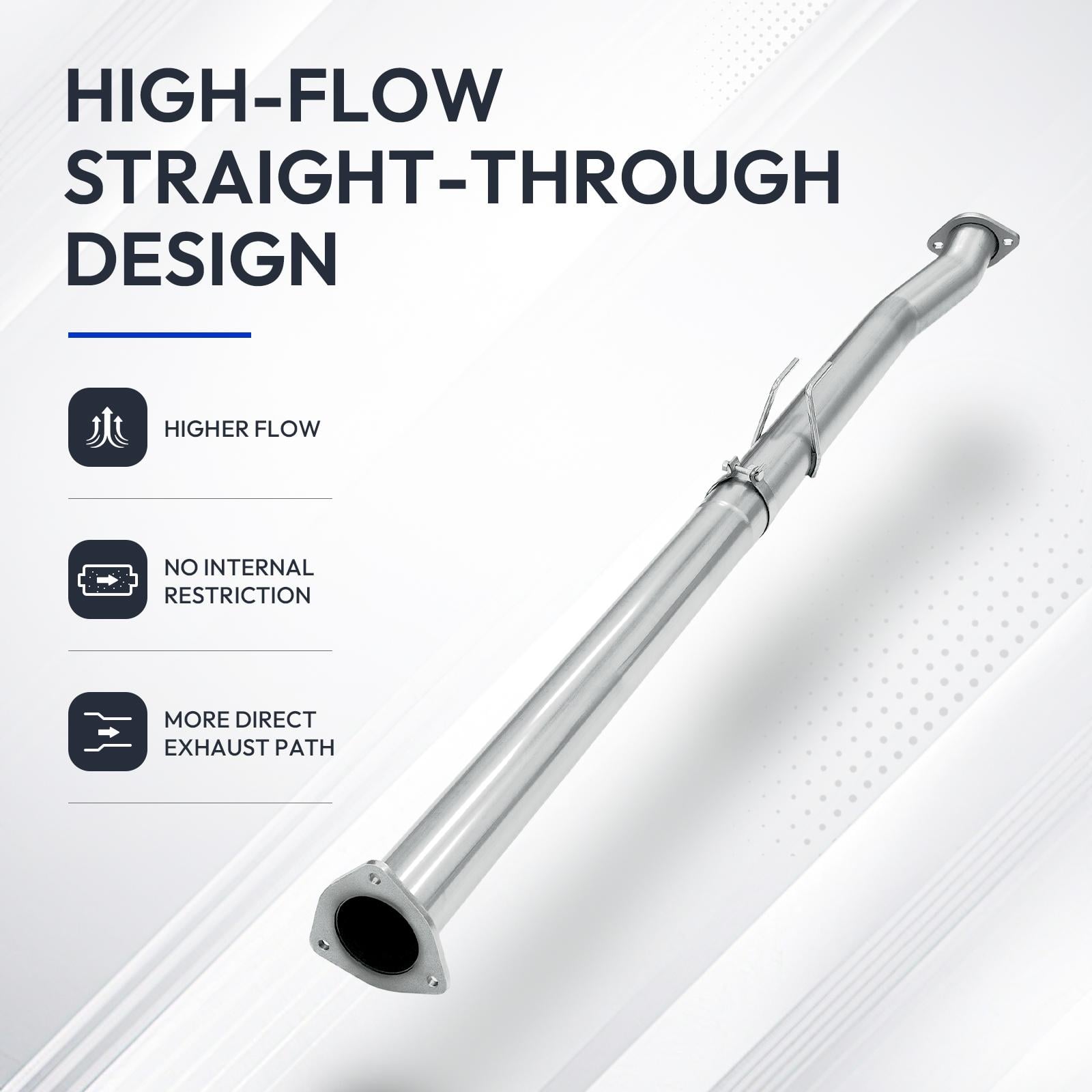
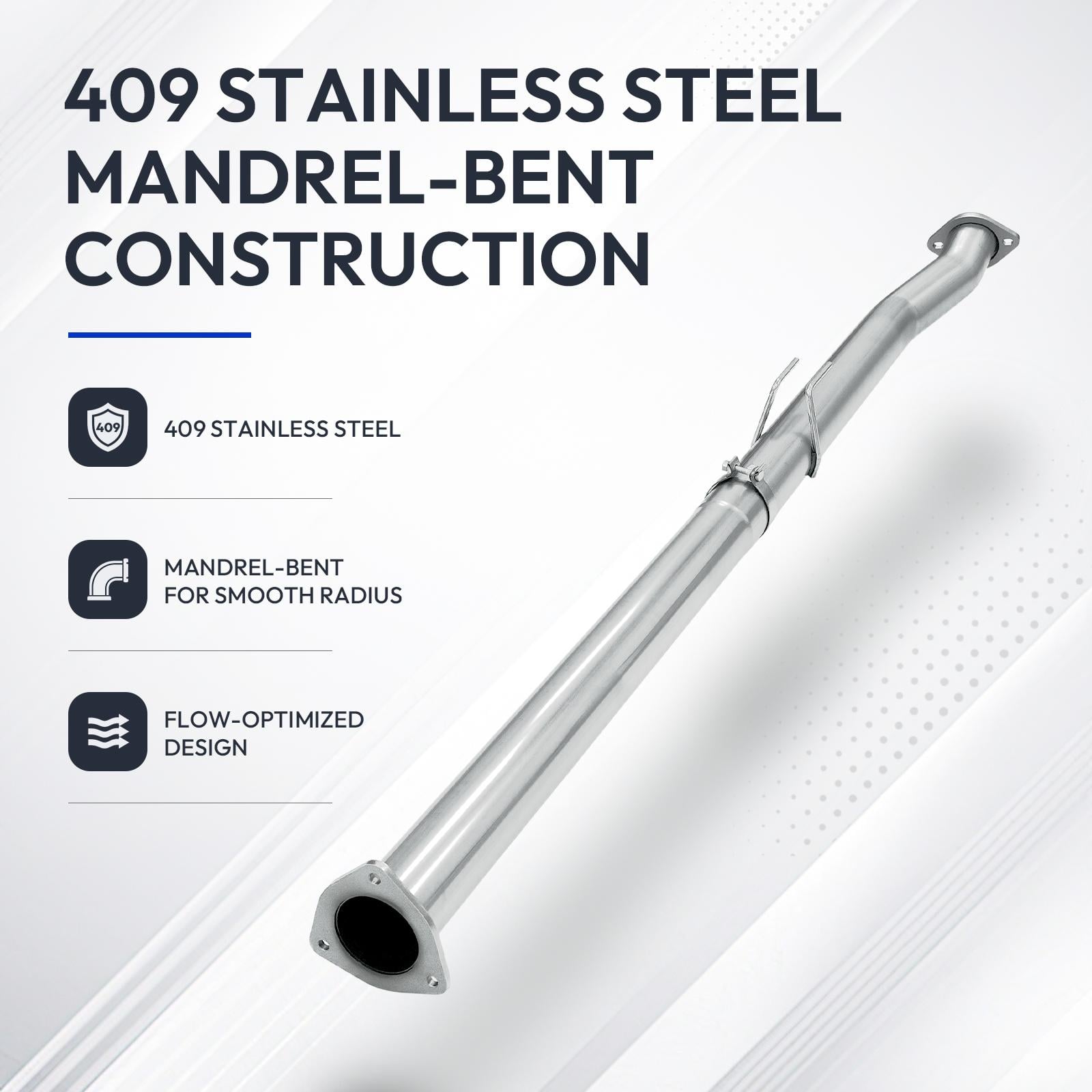
| Exhaust Section | 4" DPF Delete Race Pipe | Replaces the factory DPF/DOC/SCR section, eliminating regeneration and backpressure. |
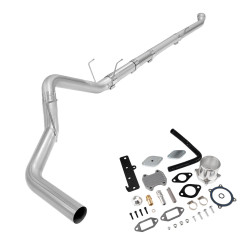
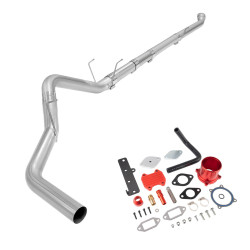
| EGR Delete | Silver EGR & Throttle Valve Delete Kit — Type C | Deletes the EGR valve/cooler and throttle valve together, opening up the intake path. |
| Tuning | Mini Maxx Tuner V2 | Preloaded delete tuning that disables DPF/EGR/SCR logic. |
| 2018 Model-Year Equipment | Optional Bypass Cable | Not included by default in the standard package. For 2018 models, select the corresponding cable-inclusive package or purchase the cable separately. |
Fitment: 2013, 2014, 2015, 2016, 2017, and 2018 Ram 2500/3500 Pickup models equipped with the 6.7L Cummins diesel engine. Not compatible with Ram 3500/4500/5500 Cab & Chassis models.
This product modifies the emissions system and is for off-road/competition use only. Purchase and installation must comply with applicable regulations.
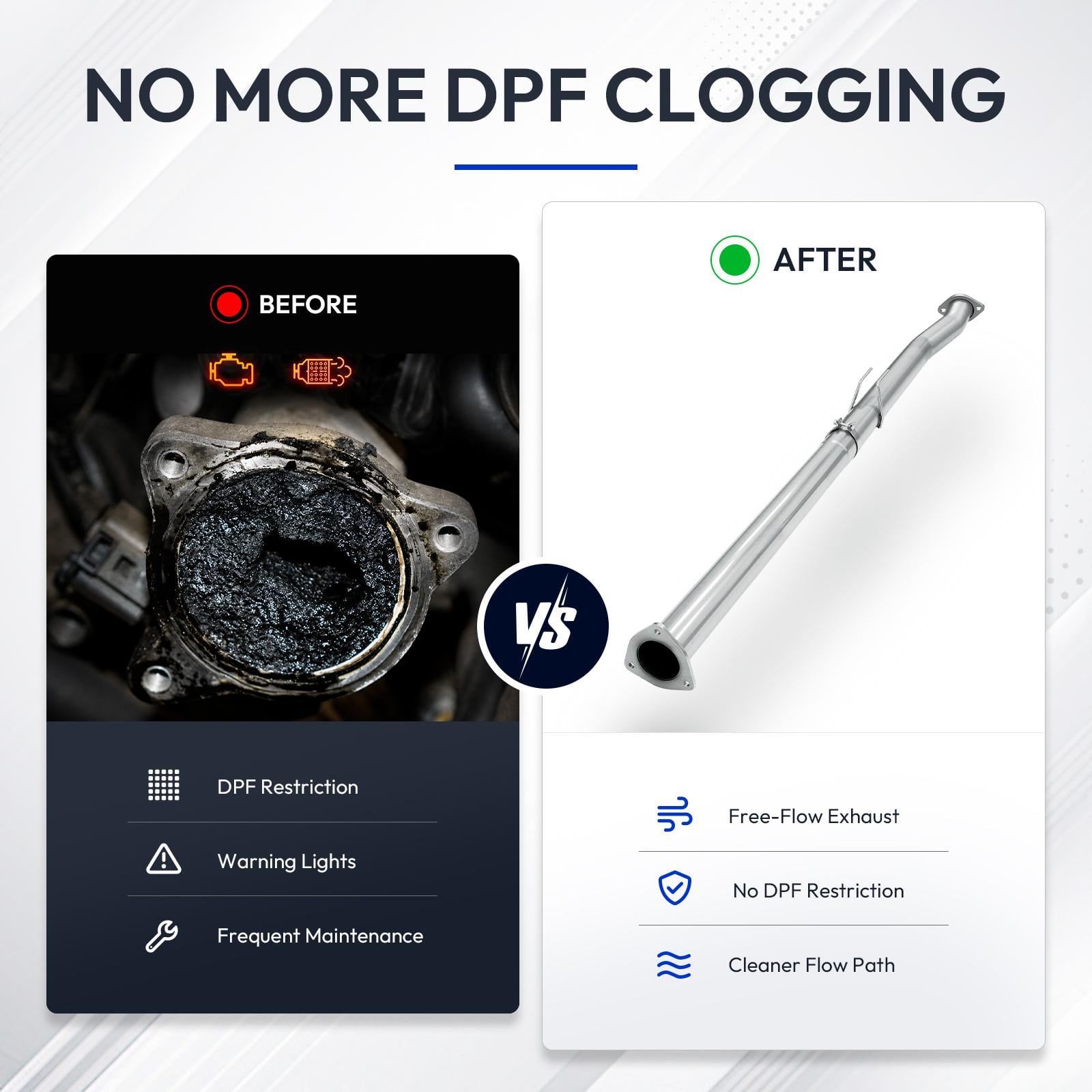
Replaces the factory DPF/DOC/SCR section, eliminating regeneration cycles and exhaust backpressure. After deletion, the SCR/DEF system on 2013+ models no longer requires DEF injection or SCR catalysis. The delete pipe also replaces this portion of the exhaust path.
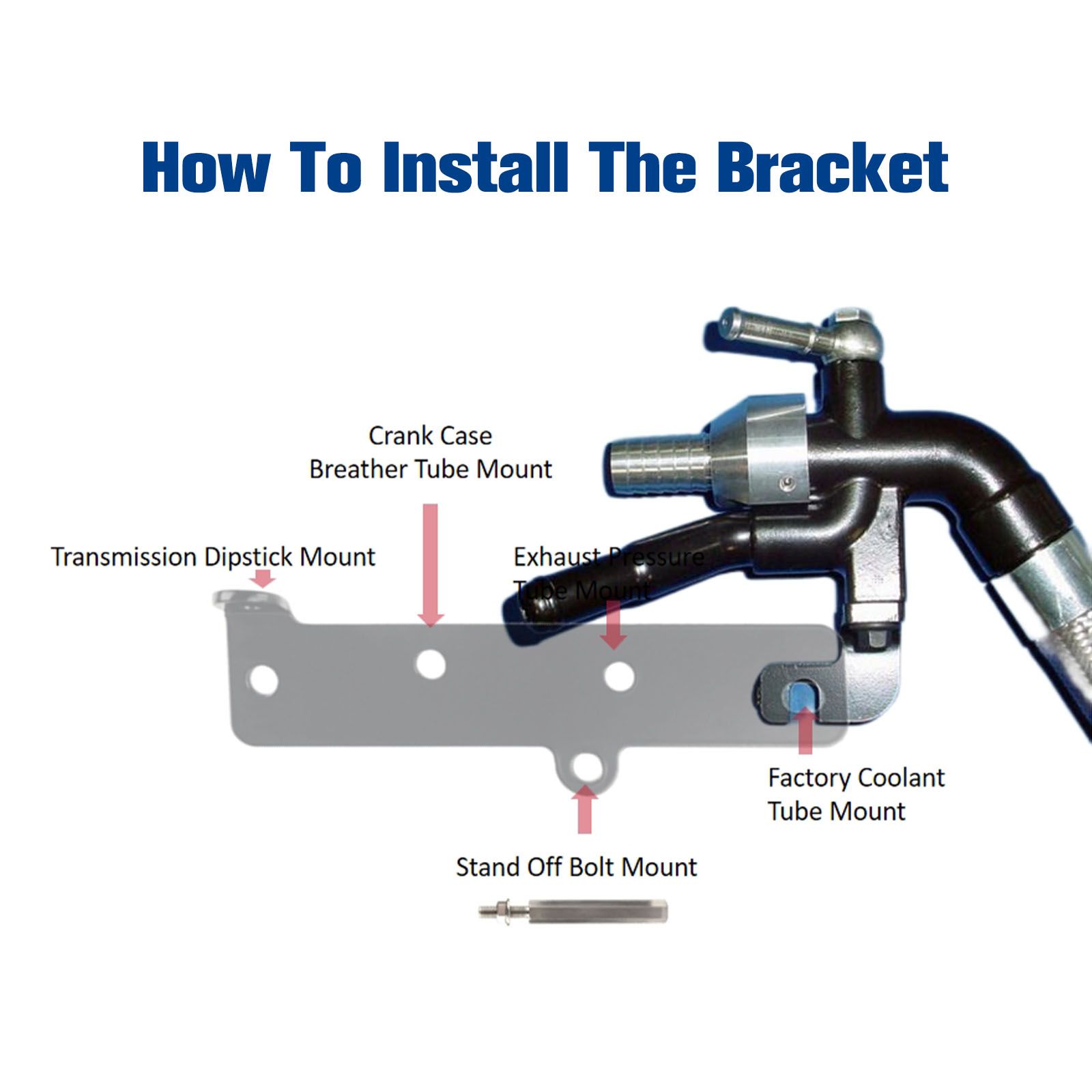
The 6.7L Cummins EGR system recirculates hot exhaust gas into the intake and is a major source of intake manifold carbon buildup and EGR cooler failure. This EGR delete kit not only seals the exhaust side with block-off plates but also includes coolant reroute hardware. After deletion, coolant must be rerouted correctly rather than simply plugging the lines; otherwise, localized hot spots or abnormal coolant flow may occur.
The throttle valve is also deleted. It is a physical restriction in the intake path and a potential failure point due to carbon sticking or unintended closure. Deleting it at the same time fully opens up the intake path and prevents it from becoming another bottleneck later.
After the DPF/EGR/SCR hardware is removed, the ECU immediately detects missing sensors and emissions-system abnormalities. A vehicle without delete tuning will go directly into limp mode. The tuner disables DPF regeneration logic, deactivates EGR commands, stops SCR/DEF dosing, and handles signals from sensors such as NOx and PM sensors so the ECU accepts that the hardware has been removed.
The 2013–2017 models share the same fitment approach. For tuning, 2018 models require a Cummins bypass cable (SGW security gateway bypass); otherwise, the tuning device cannot read or write to the ECU properly. This page does not apply to Cab & Chassis models.
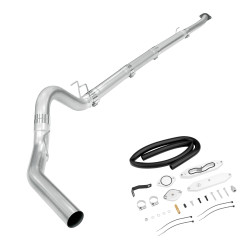
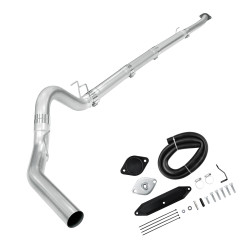
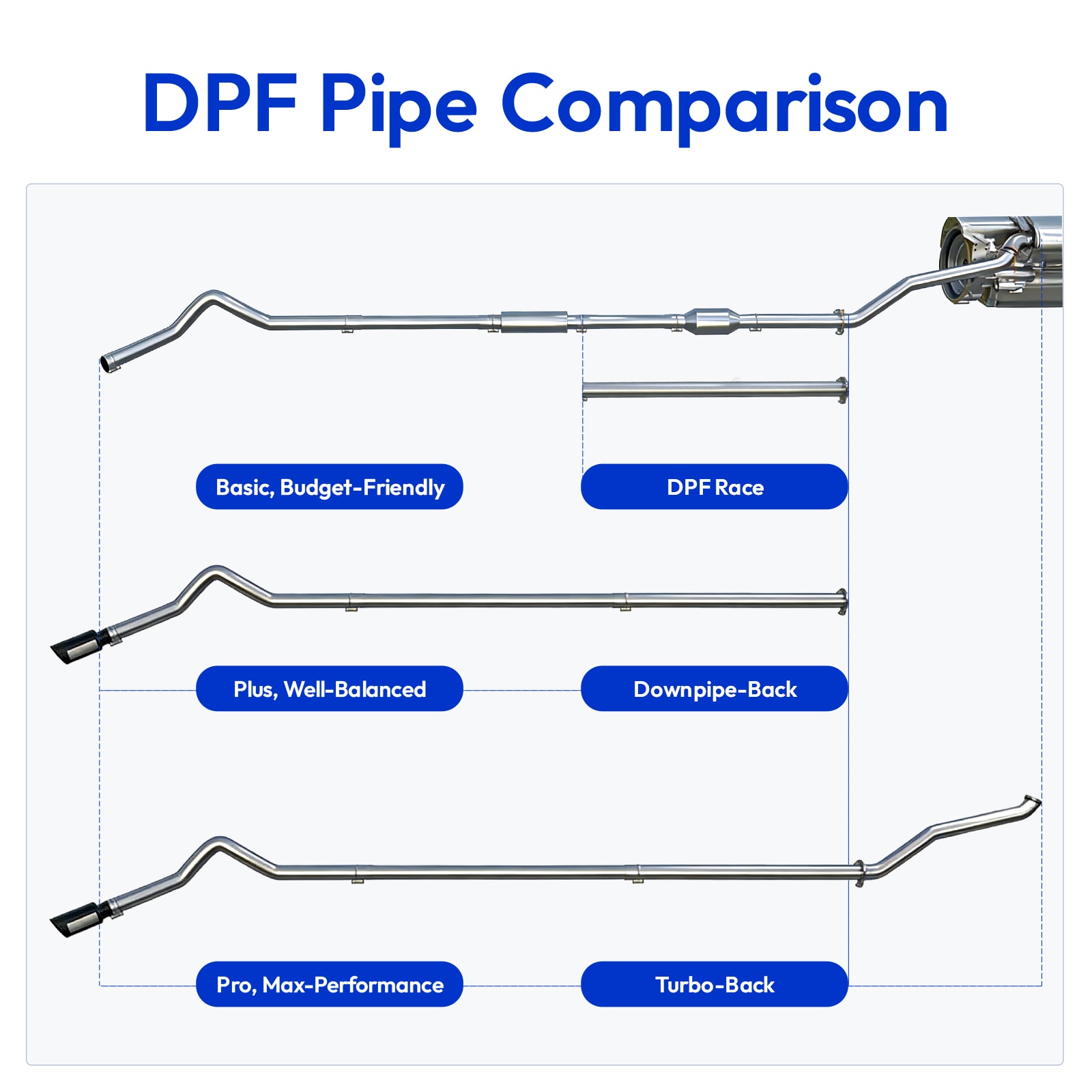
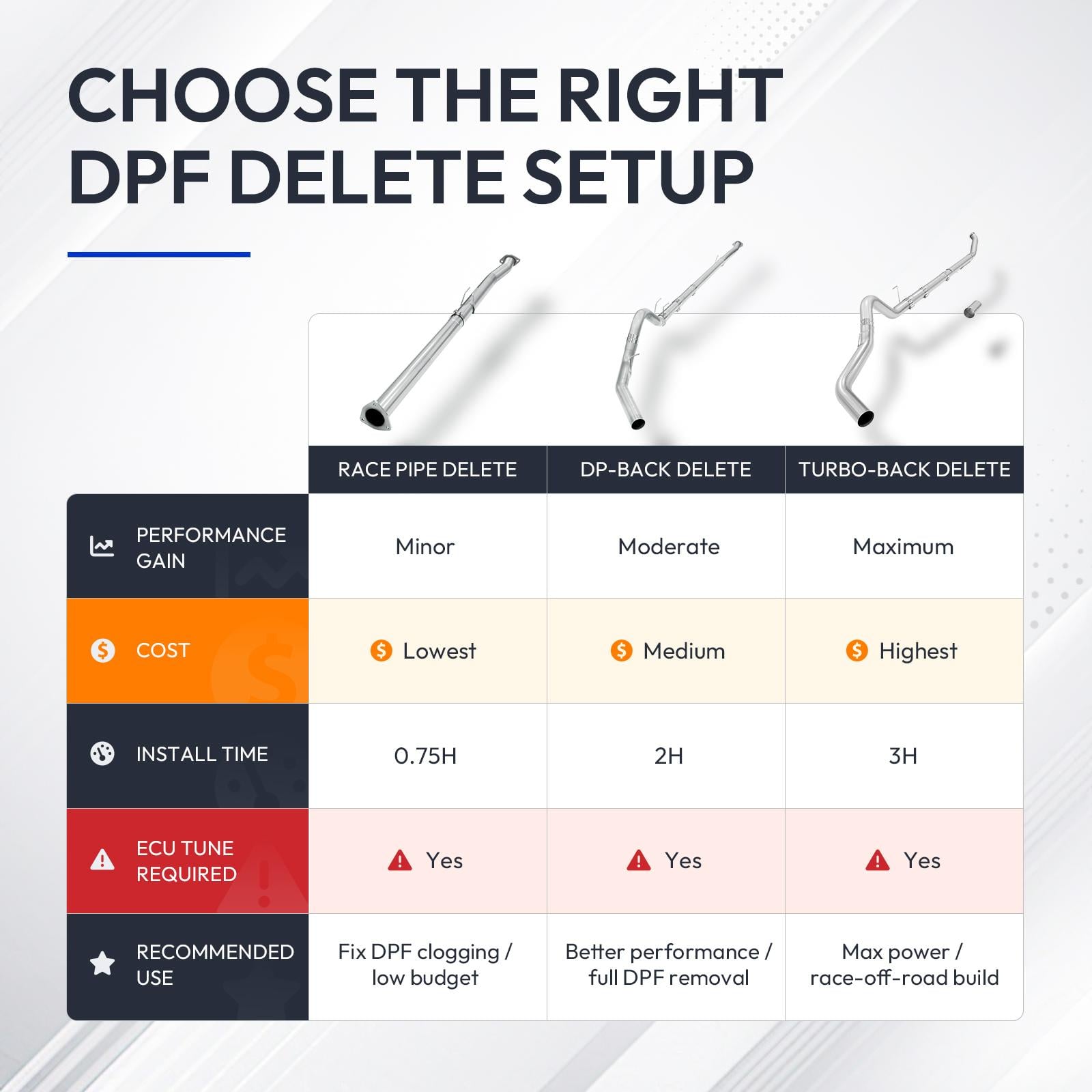
You need to decide how much of the exhaust to replace (DPF Delete vs. Turbo-Back), the pipe diameter (4" vs. 5"), and whether to include a muffler.
| Comparison | DPF Delete / Race Pipe | Turbo-Back |
|---|---|---|
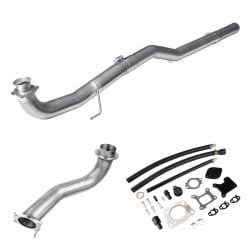
| Replacement Coverage | Replaces the DPF/SCR filter section and retains the factory downpipe. | Replaces the exhaust from the turbo outlet to the rear section, including the downpipe. |
| Main Bottleneck | The factory downpipe remains. It is the most restrictive section of the 6.7L exhaust system. | The downpipe is replaced as well, truly relieving backpressure at the turbo outlet. |
| Best For | Budget-focused buyers whose factory downpipe is in good condition. | Buyers who want a complete exhaust upgrade without retaining the downpipe bottleneck. |
Size: 4" vs. 5"
| Comparison | 4" | 5" |
|---|---|---|
| Sound | Crisp and sharp, with clear turbo whistle and manageable cabin drone. | Deeper and fuller, with a noticeably heavier sound at idle and full throttle. |
| Performance | More balanced for stock or mildly tuned setups, with better low-end torque response. | Almost no peak horsepower gain with the stock turbo; useful mainly around 650 hp or above, or under heavy loads. |
If you do not have a specific need for a larger diameter, compare the 4-inch options first.
Muffler: With vs. Without
| Comparison | With Muffler | Without Muffler |
|---|---|---|
| Sound | Quieter cruising while retaining a deep tone. | Louder and more direct, with noticeable highway drone. |
| Best For | Daily driving and long-distance towing. | Buyers specifically seeking exhaust sound who can accept a louder cabin. |
A muffler controls exhaust sound; it is not a performance switch. For a 6.7L with the stock turbo or mild tuning, 4" is the more practical default choice.
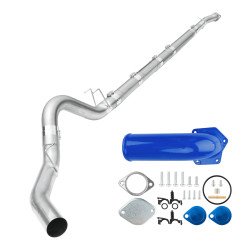
Color: Appearance is the only difference. Black provides an understated, factory-like look, while Red and Silver improve visual identification in the engine bay.
Versions (A/B/C): Choose according to the kit images, bracket design, and accessory list. These are not performance levels. Confirm the required components and installation design first, then select a color within that version.
| Comparison | Mini Maxx V2 | EZ Lynk |
|---|---|---|
| Tuning Method | Preloaded tuning on a handheld device, ready to flash out of the box. No internet connection required. | Cloud-based tuning. Requires an internet connection and VIN submission for activation, with tune files delivered through the cloud. |
| Key Difference | Convenient, without depending on an internet connection or a tuning provider. | Flexible, with support for remote diagnostics, data logging, and subsequent tune revisions. |
EZ Lynk: The device itself is only a flashing and data platform; it does not include tune files. Without the corresponding delete tune files and authorization, EZ Lynk cannot complete the tuning process.
EZ Lynk access plans: 4-Week Access (revisions available after four weeks, then locked to the last flashed file) vs. Lifetime Access (permanent access to tuning updates).
2018 Models: Bypass Cable Required
Starting in 2018, Ram introduced the SGW (Secure Gateway Module), partially restricting the OBD port and blocking tune flashing. The bypass cable bypasses the SGW to restore OBD flashing access.
From a local Race Pipe replacement to a complete exhaust, and from individual EGR components to a Throttle Valve combination, plan your purchase around your vehicle's current condition and avoid paying for configurations you do not currently need.
Live chat and email fitment assistance are available, along with component manuals and the Mini Maxx Technical Support Guide. Before ordering, submit your model year, body configuration, and existing equipment details to confirm the required components.
Core principle: flash the tune first, then remove the hardware. Removing the DPF/EGR/SCR hardware without first flashing delete tuning will immediately trigger fault codes and limp mode.
The kit ships in multiple packages. Before disassembly, check the exhaust, EGR components, tuning device, and required accessories to avoid waiting for missing parts after work has started.
If you select another exhaust or EGR version, use the resources corresponding to the actual components. For further installation planning, see the 6.7 Cummins Kit Installation Preparation Guide.
 IMPORTANT NOTICE
This product is intended for off-road, racing, or competition use only and is not legal for public road use or for vehicles subject to emissions regulations in the United States. Vehicles equipped with this product may fail emissions or state inspections.
Customers are responsible for ensuring compliance with all applicable local, state, and federal laws. Installation of aftermarket parts may also affect your vehicle warranty—please consult your manufacturer for warranty coverage.
International legality may vary; users should confirm local laws before installation.
| 5 Star |
|
|
88% |
| 4 Star |
|
|
6% |
| 3 Star |
|
|
6% |
| 2 Star |
|
|
0% |
| 1 Star |
|
|
0% |