 Contents
Contents
Modern diesel engines are equipped with sophisticated emission control systems, including DEF, to meet environmental standards. This article provides a comprehensive overview of DEF delete : what it is, how it works, the legal landscape, the pros and cons, and helpful FAQs. If you're asking, "Can you delete DEF system?" read on for the definitive answer and essential background.

What Is Diesel Exhaust Fluid (DEF)?
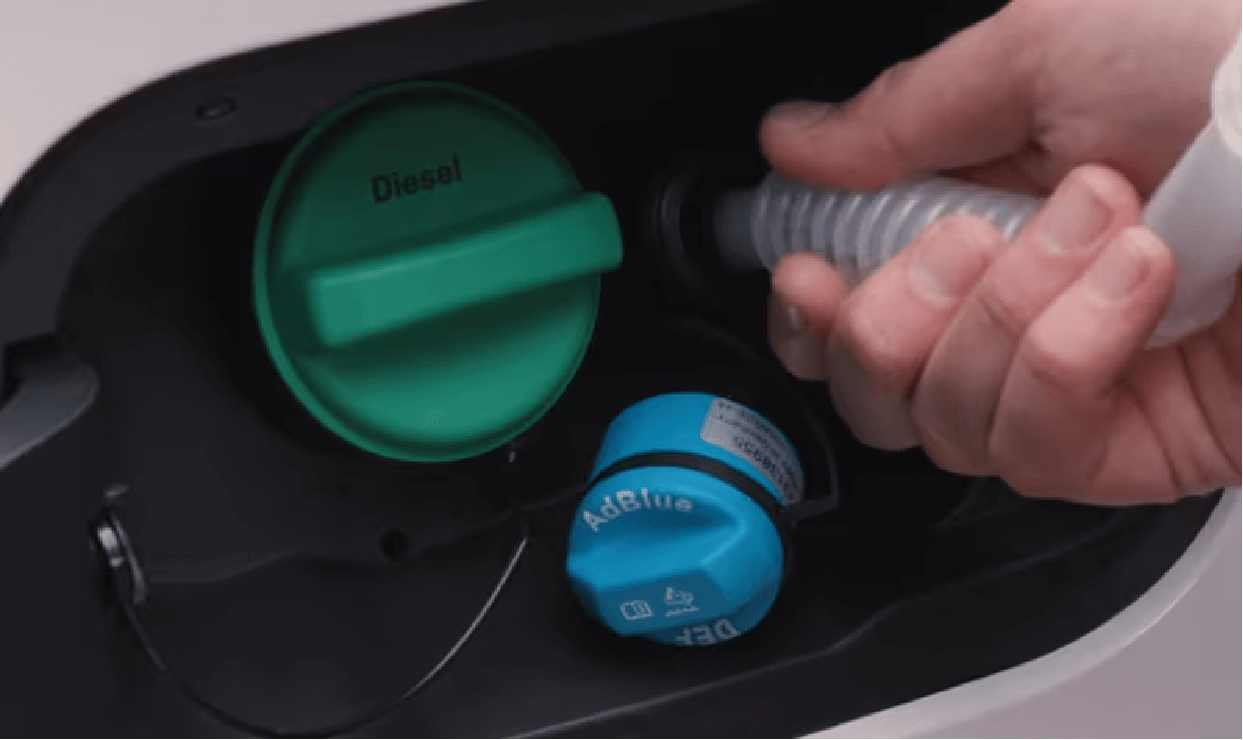
Diesel Exhaust Fluid (DEF) is a non-toxic mixture of 32.5% urea and 67.5% deionized water. It is a key component of the Selective Catalytic Reduction (SCR) system, which is designed to reduce harmful nitrogen oxide emissions.
How Does DEF Work?
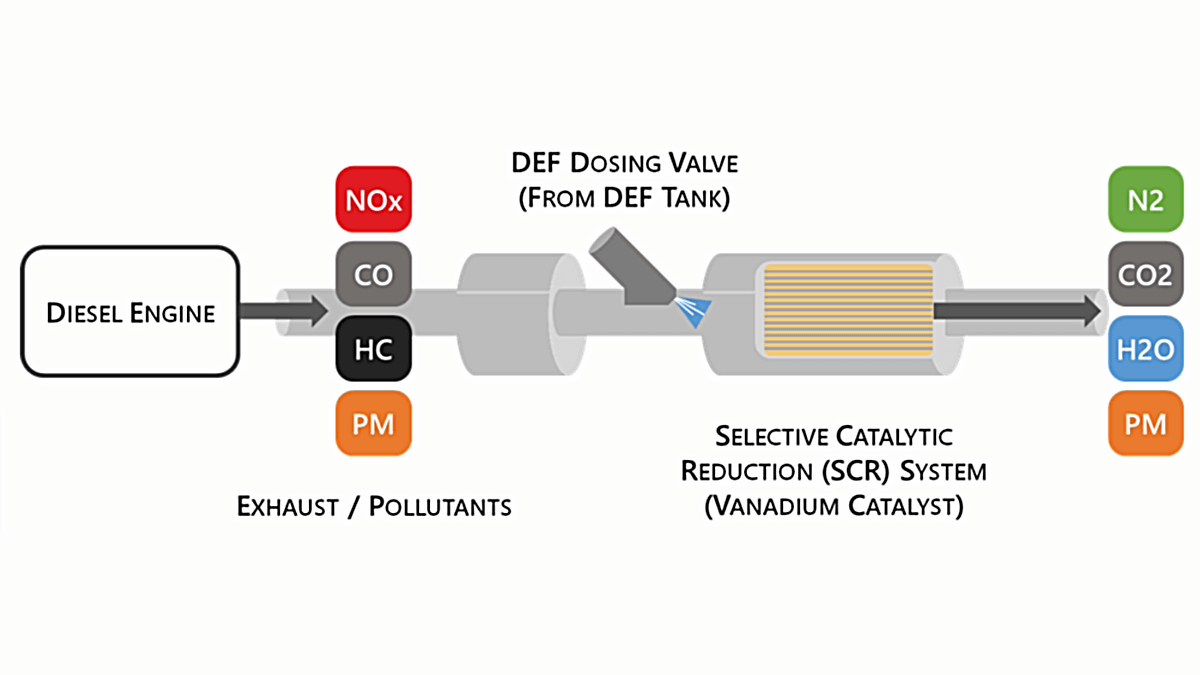
- DEF Injection: The SCR system injects DEF into the exhaust stream (triggered by the NOx sensor reading).
- Chemical Reaction: DEF breaks down into ammonia at high exhaust temperatures.
- NOx Reduction: Ammonia reacts with NOx in the SCR catalyst, converting it into nitrogen and water.
In simple terms, diesel engines easily produce high levels of NOx (toxic substances) during high-temperature, high-pressure combustion. To meet emission standards, vehicles inject DEF (Diesel Exhaust Fluid) into the exhaust stream during the aftertreatment stage. After decomposing at high temperatures, DEF works in conjunction with the SCR (Selective Catalytic Reduction) catalytic converter to convert NOx into relatively harmless nitrogen and water vapor. This combination of measures can significantly reduce NOx emissions from diesel engine exhaust. SCR systems are now standard on most modern diesel vehicles, from pickups like the Duramax and Cummins to heavy-duty trucks.
What Does DEF Delete Mean?
"DEF Delete" refers to the process of disabling or removing a diesel vehicle's DEF system. Besides physical disabling, DEF/SCR deletion typically involves reprogramming the engine control unit (ECU) to shut down the emission monitoring logic, allowing the vehicle to operate normally without the DEF system, without fault codes, torque limiting, or entering limp mode.
DEF Delete involves two main steps:
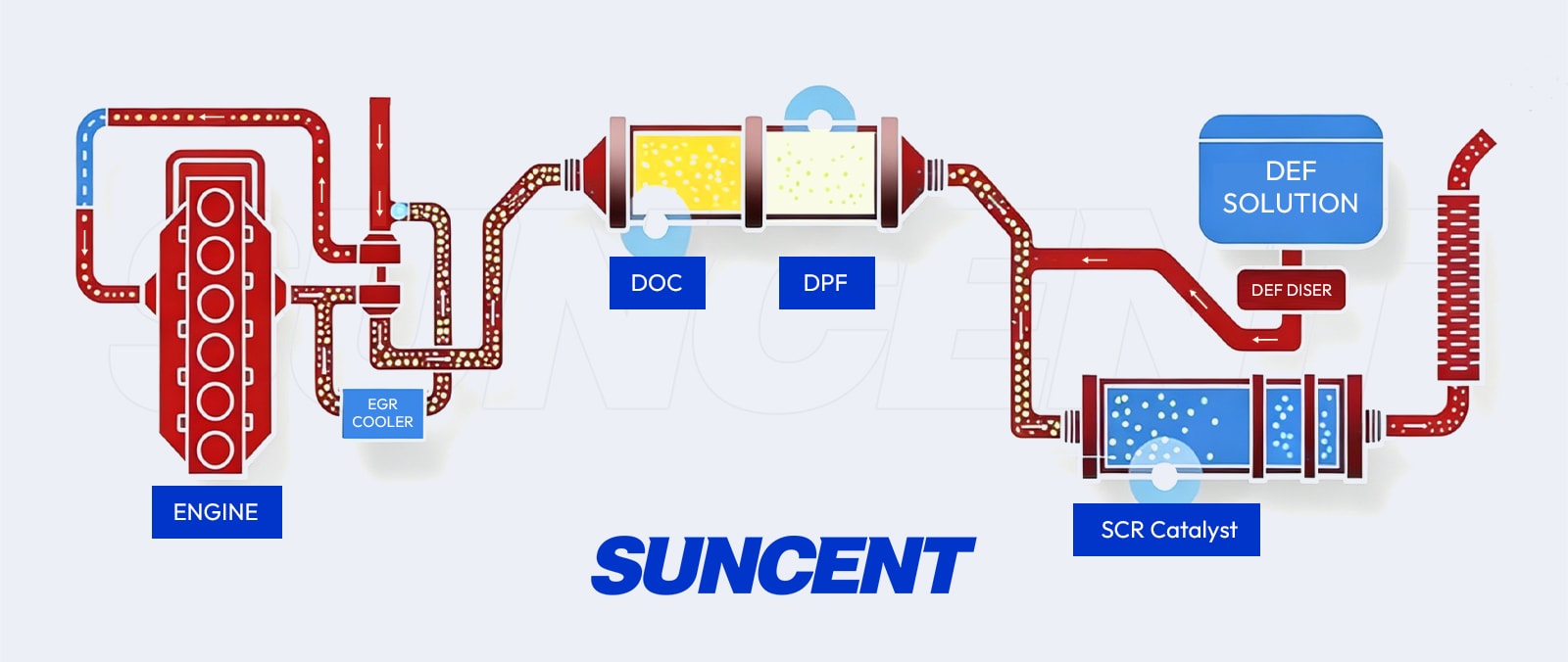
- Hardware Removal: Removing components such as the DEF tank, injectors, sensors, and SCR catalyst.
- Software Tuning: Reprogramming the ECU to ignore the missing DEF components.
DEF delete processes vary by engine. For example, a 2019+ Cummins DEF delete requires a kit that supports the latest ECU firmware, while Duramax L5P models need extra adapters to bypass the SCR catalyst.
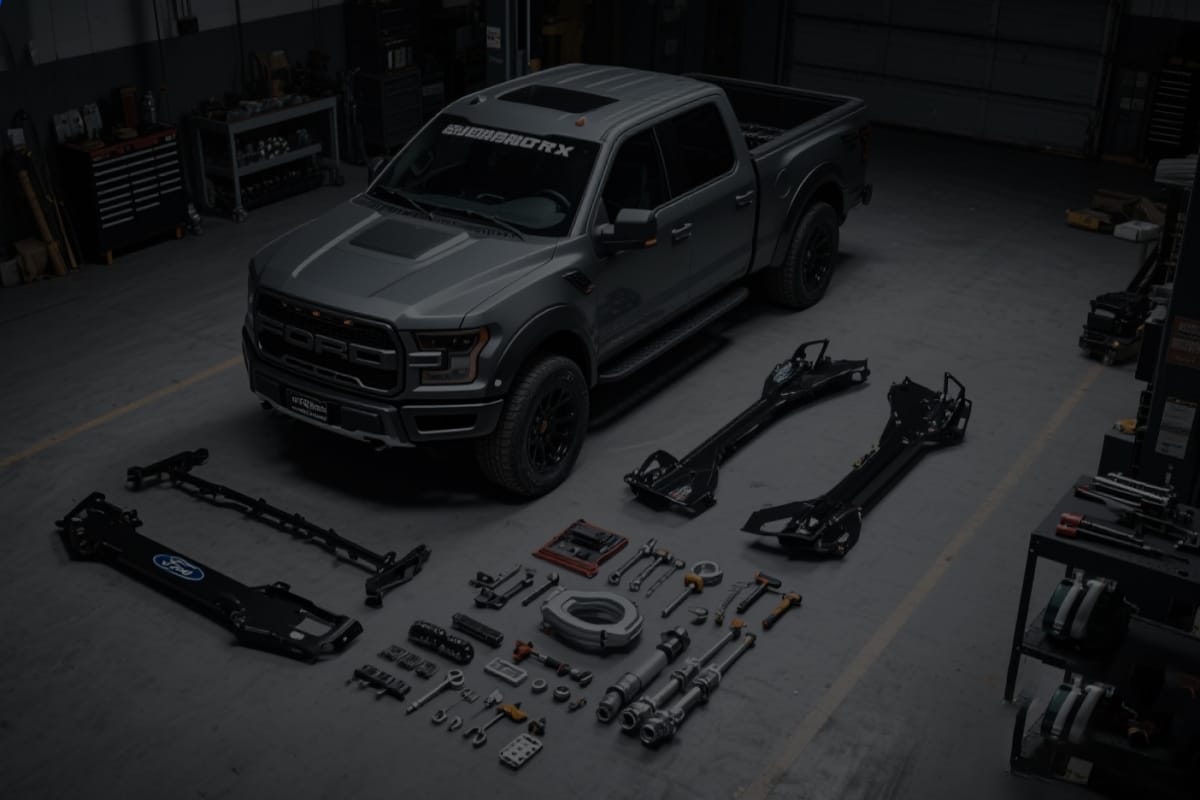
It's important to note that in practice, remove DEF is rarely performed alone. It's usually done in conjunction with DPF removal (removing the diesel particulate filter) and EGR deletion (removing the exhaust gas recirculation system)—these three are collectively referred to as "complete removal of diesel vehicle aftertreatment." The DPF is responsible for capturing carbon particles (black smoke), and the EGR is responsible for lowering combustion temperature to reduce NOx formation; removing them further reduces exhaust back pressure and carbon buildup, forming a complete performance and reliability improvement solution together with DEF deletion.
Reasons People Consider Removing a DEF System
The reason discussions around DEF delete exist is not complicated at its root: faults, maintenance costs, and downtime impacts have indeed put pressure on many diesel vehicle users. This is especially true for high-mileage commercial vehicles, heavy-duty operating vehicles, vehicles used in cold regions, or equipment that operates long-term under low-speed, low-temperature conditions, all of which are more prone to related problems. The following are common reasons for deleting DEF.
1) Reduce Costs and Maintenance
The DEF system itself comes with ongoing operating costs—urea solution needs to be purchased regularly (for medium- and heavy-duty trucks, about 5–8 gallons of DEF are consumed for every 100 liters of diesel used). Based on an annual mileage of 100,000 miles, the DEF cost alone may reach several hundred or even over a thousand dollars.
At the same time, components such as DEF system sensors, urea pumps, and nozzles have a relatively high failure rate, and repair costs are quite considerable: replacing a DEF pump generally costs $600–$1,800, replacing a urea nozzle costs about $1,100–$2,300, and if the SCR catalyst is damaged, it may even require replacing the entire catalyst unit. Deleting the DEF system can completely eliminate these ongoing expenses and potential repair bills.
2) Faults May Affect Operating Efficiency
For fleets, construction machinery, or high-frequency vehicle usage scenarios, the biggest trouble is not just the repair itself, but that DEF/SCR faults may trigger torque derate, speed limitation, or even failure to start normally. This directly affects transportation, construction, and delivery efficiency.
3) Performance Improvement
Removing the exhaust restriction can potentially increase horsepower and torque. Depending on the setup, owners report increases of 20–80 horsepower , along with improved fuel economy (typically 2–4 MPG ). Furthermore, a straight-through pipe enhances the engine's exhaust note.
Main Disadvantages of DEF Delete
Although DEF Delete has a certain appeal in terms of economy and reliability, the disadvantages it brings are equally impossible to ignore.
1) Extremely High Legal Risk
In the United States, deleting the emissions system on an on-road diesel vehicle violates the Clean Air Act. Although the Department of Justice (DOJ) stopped criminal prosecution starting in January 2026, the Environmental Protection Agency (EPA) can still impose substantial civil fines, up to about $45,000 per engine.
2) Inability to Pass Emissions Inspection
After deleting DEF/DPF/EGR, nitrogen oxide (NOx) and particulate matter (PM) emissions in the vehicle’s exhaust increase sharply and can no longer meet the limits set by the EPA. At the same time, the OBD interface will read records showing that the ECU has been tampered with, directly causing the vehicle to fail inspection. For vehicles that require regular testing, this means they cannot be legally driven on the road.
3) Original Factory Warranty Is Immediately Void
Any modification involving the emissions system will void the entire powertrain warranty. If the engine suffers a major failure, the owner will have to bear repair costs of several thousand or even tens of thousands of dollars out of pocket.
4) Resale Value Drops Significantly
Diesel vehicles with deleted emissions systems are very difficult to sell on the used market. Although some owners specifically look for vehicles with deleted emissions systems, most private buyers and dealers will refuse to purchase this kind of "modified vehicle."
In short, the disadvantages of DEF Delete are not only monetary fines and depreciation, but also involve legal compliance, the ability to pass inspection, and responsibility to the environment. Before deciding to delete it, be sure to include these hidden costs in the overall calculation.
How to Delete a DEF System (Step-by-Step Overview)
Note: This information is for educational purposes only. Deleting a DEF system is illegal in most areas. Please assess local regulations before proceeding.
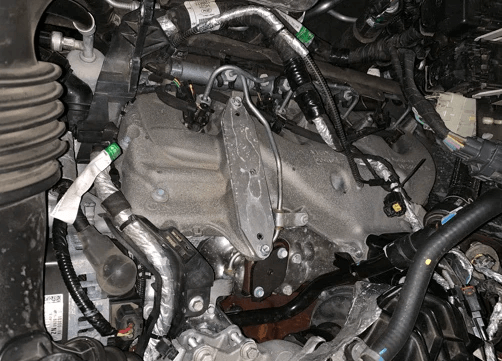
Step 1: Determine your truck model, year, and engine type, and prepare a compatible DEF delete kit.
Step 2: Drain the DEF tank, then remove related components such as the DEF tank, injector, sensor, and SCR catalyst as needed.
Step 3: Install the DEF delete kit to replace the original DEF injection path.
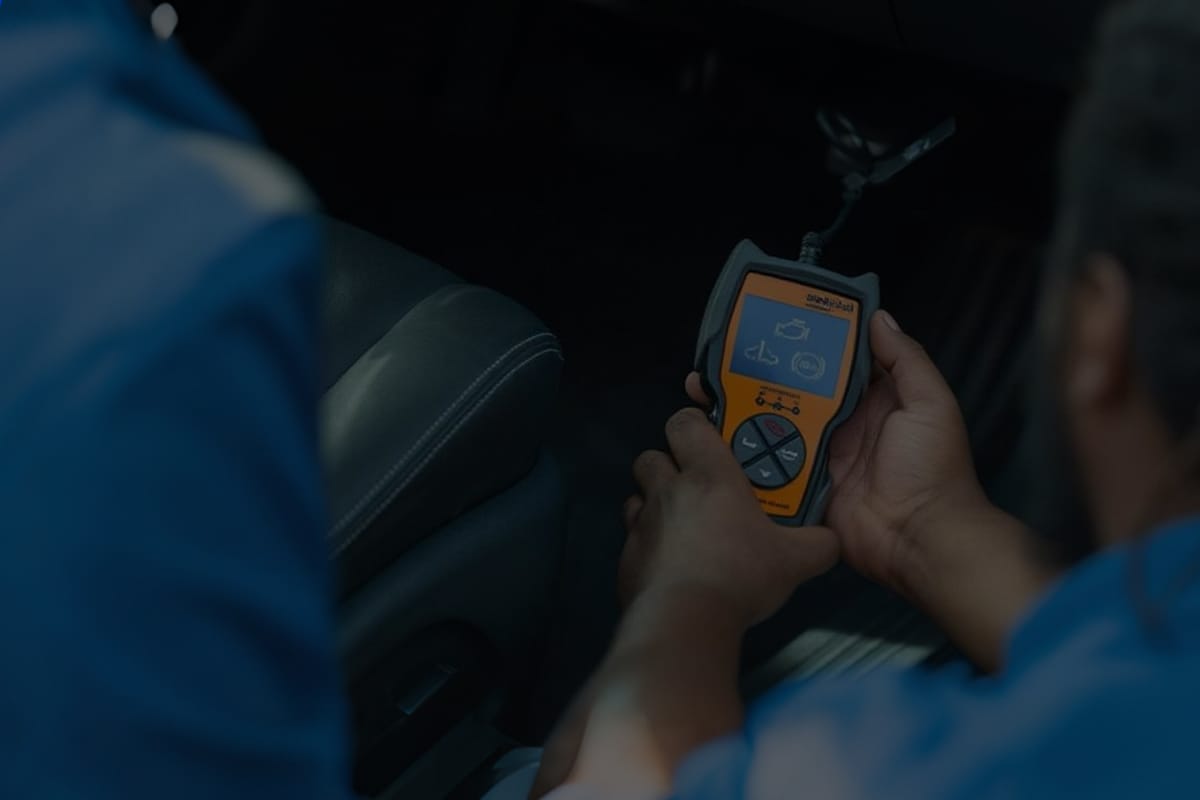
Step 4: Insert the tuning module into the OBD-II port and select "Install Tune" or "Program Tune" as instructed to flash the ECU to disable the DEF-related warning.
Step 5: Start the vehicle, observe the instrument panel for any fault lights, and test drive the vehicle to verify that all parameters are normal.
Conclusion: Is DEF Delete for a Diesel Engine Right for You?
In summary, for owners who frequently face DEF system failures and whose repair costs are already close to or exceed the cost of deletion, a DEF delete solution may seem economically attractive on paper. However, it must be clearly recognized that the price of these savings is legal risk, voided warranty, failure to pass annual inspection, and a sharp drop in resale value. Whether it is worth it needs to be carefully weighed by each owner based on their own vehicle usage environment.