































 Contents
Contents
The world of automotive mechanics is vast and intricate. One area that often sparks debate among car enthusiasts and mechanics alike is the exhaust system, specifically the comparison between exhaust manifolds and headers. But what are these components, and how do they differ?
Introduction to Exhaust Systems
The Role of Exhaust in Vehicles
Every vehicle relies on an efficient exhaust system to expel burnt gases from the engine. This process is crucial for maintaining engine health and ensuring optimal performance. The exhaust system plays a pivotal role in managing emissions, reducing noise, and optimizing fuel efficiency.
Importance of Efficient Exhaust Flow
An efficient exhaust flow is vital for maximizing engine performance. It ensures that the engine breathes properly, reduces backpressure, and allows for optimal combustion. The choice between exhaust manifolds and headers can significantly impact this efficiency.
Understanding Exhaust Manifolds
Basics of Exhaust Manifolds
Exhaust manifolds are standard components found in most vehicles. Made typically of cast iron, they collect exhaust gases from each engine cylinder and channel them into a single pipe leading to the rest of the exhaust system.
Pros and Cons of Exhaust Manifolds
While exhaust manifolds are durable and can withstand high temperatures, they can be restrictive. This restriction can lead to increased backpressure, potentially reducing engine efficiency and power. On the upside, they are generally more affordable and quieter than headers.
Diving Deep into Headers
What are Headers?
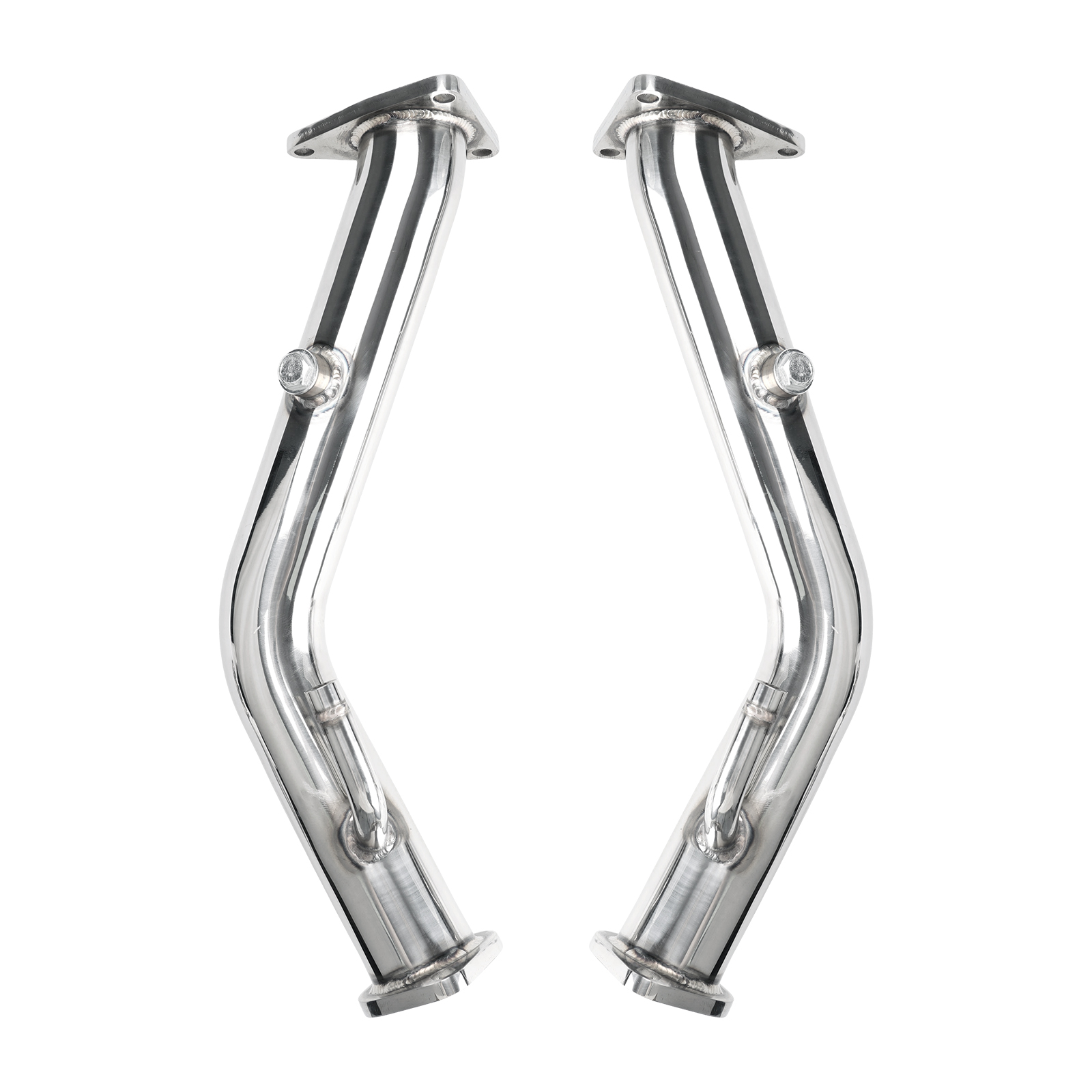
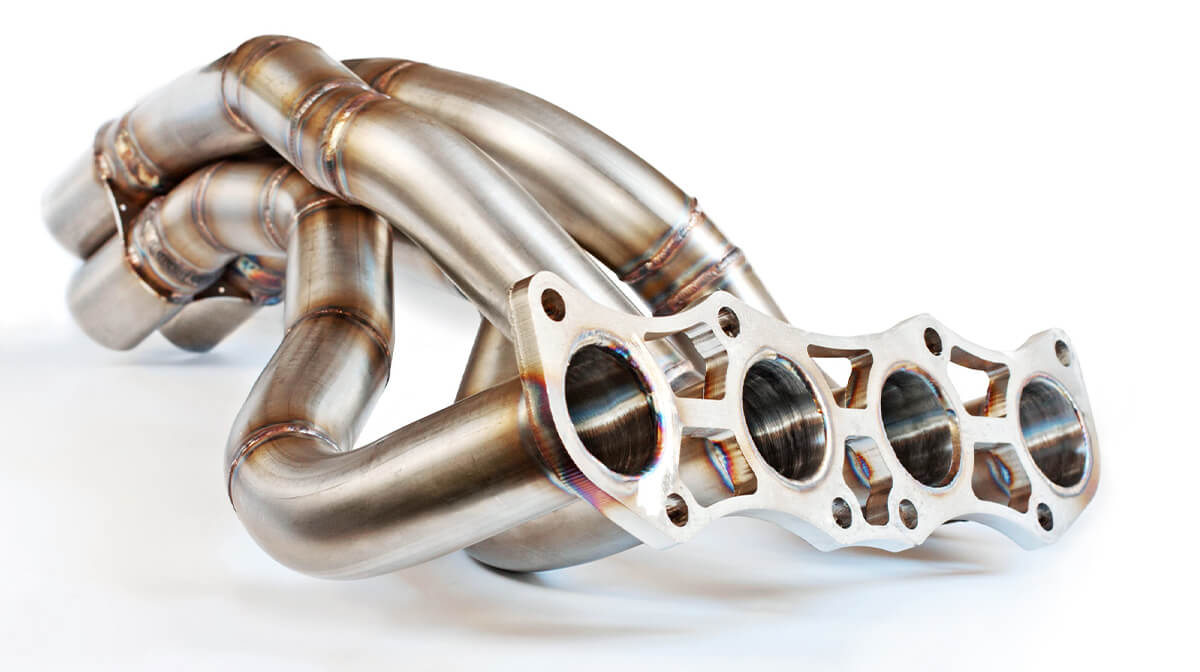
Headers, often seen in high-performance vehicles, are aftermarket components designed to improve exhaust flow. Made of stainless steel, each engine cylinder connects to an individual tube in the header, reducing backpressure and enhancing performance.
Types of Headers
There are primarily two types of headers: shorty headers and long-tube headers. Shorty headers are compact and ideal for vehicles with limited space, while long-tube headers are designed for high-revving engines, offering better performance at higher RPMs.
Key Differences Between Exhaust Manifolds and Headers
Exhaust manifolds and headers are both crucial components in a vehicle's exhaust system, but they serve slightly different purposes and have distinct designs.
Exhaust manifolds, made of cast iron, prioritize durability and cost-effectiveness over performance, leading to increased backpressure and reduced engine efficiency. In contrast, headers, often crafted from stainless or tubular steel, feature individual tubes for each cylinder, promoting simultaneous gas flow and reduced backpressure, thus enhancing engine performance. Here's a breakdown of their differences:
Purpose:
Exhaust Manifold: Its primary purpose is to collect the exhaust gases from multiple cylinders and funnel them into a single pipe. It's designed for efficiency and compactness rather than performance.
Headers: Headers are designed to improve performance. They ensure that exhaust gases flow more efficiently from the cylinders, which can increase horsepower and torque.
Design:
Exhaust Manifold: Typically made of cast iron, it's a solid and compact unit. The design is not optimized for performance but rather for durability and cost-effectiveness.
Headers: Made of individual tubes (one for each cylinder) that are usually of equal length. This design ensures that each cylinder's exhaust gases reach the collector simultaneously, reducing backpressure and improving performance. Headers are often made of lighter materials like stainless steel or tubular steel.
Performance:
Exhaust Manifold: Due to its compact and non-optimized design, it can create more backpressure, which can reduce engine efficiency and performance.
Headers: By reducing backpressure and ensuring efficient gas flow, headers can increase an engine's horsepower and torque. This is why performance enthusiasts often prefer headers.
Durability and Maintenance:
Exhaust Manifold: Being made of cast iron, it's generally more durable and less prone to damage. However, it can crack over time due to the constant heating and cooling cycles.
Headers: While they can offer performance benefits, headers, especially if made of thinner materials, might be more susceptible to damage. They can also be prone to rust if not made of stainless steel or if not properly coated.
Cost:
Exhaust Manifold: Generally cheaper than headers, both in terms of initial cost and replacement.
Headers: Tend to be more expensive, especially high-quality performance headers. However, for those seeking performance improvements, the cost might be justified.
Installation:
Exhaust Manifold: Typically easier to install due to its compact design and fewer components.
Headers: Might require more effort and time to install, especially in vehicles where space is limited.
In summary, while exhaust manifolds are standard in most vehicles due to their cost-effectiveness and durability, headers are a popular upgrade for those looking to improve performance. When choosing between the two, one should consider their vehicle's purpose, budget, and desired performance outcomes.
Making the Right Choice for Your Vehicle
Factors to Consider
When deciding between exhaust manifolds and headers, consider your vehicle's purpose, budget, and desired sound. If you're looking for an affordable, quiet solution, exhaust manifolds might be the way to go. However, if performance and sound are priorities, headers could be the better choice.
Recommendations
For daily drivers, exhaust manifolds are often sufficient. However, for those looking to boost their vehicle's performance, especially in racing scenarios, headers are a worthy investment.
Conclusion
Both exhaust manifolds and headers play crucial roles in a vehicle's exhaust system. While manifolds are standard and cost-effective, headers offer enhanced performance and sound. Ultimately, the choice depends on individual preferences and vehicle requirements.
FAQs About Exhaust Systems
What is the primary function of exhaust manifolds and headers?
They both serve to direct exhaust gases from the engine to the exhaust system.
Do headers improve fuel efficiency?
Yes, by improving exhaust flow and reducing backpressure, headers can enhance fuel efficiency.
Are headers suitable for all vehicles?
While headers can be installed in most vehicles, they are best suited for high-performance cars where the enhanced exhaust flow can be fully utilized.
Can installing headers void my vehicle's warranty?
It's possible. Always check with your vehicle manufacturer or dealer before making modifications.
Do headers change the sound of my vehicle?
Yes, headers typically produce a louder, more aggressive exhaust note compared to exhaust manifolds.