 Contents
Contents
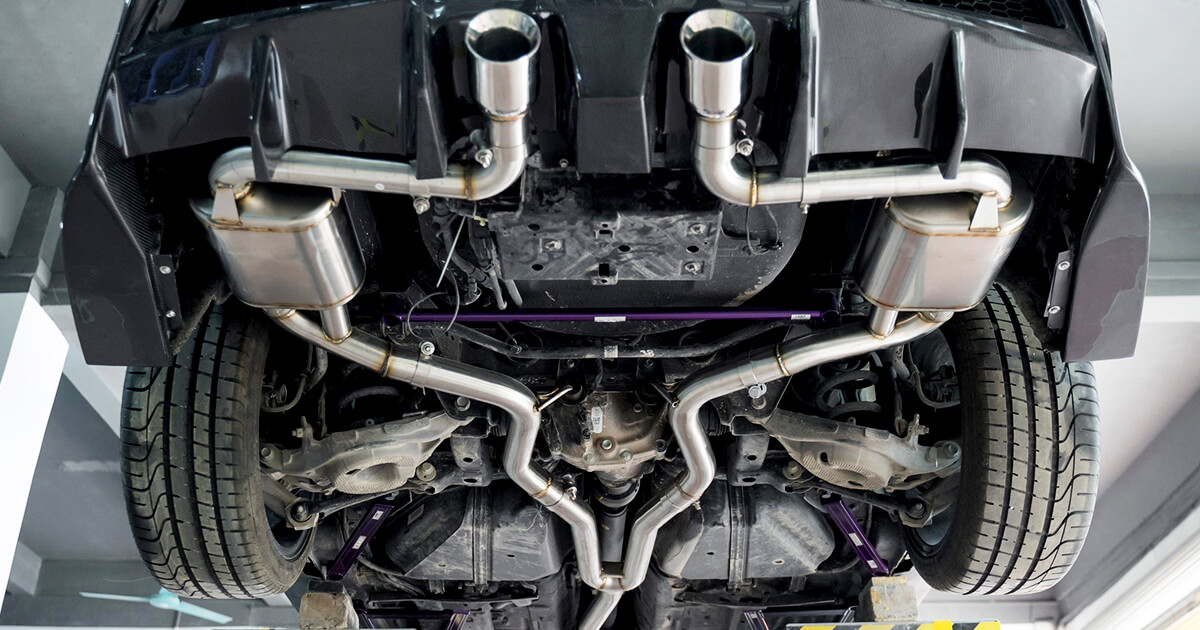
The car exhaust system is a critical component that helps optimize your vehicle's performance. It includes all parts related to safely expelling exhaust gases from the engine and reducing harmful emissions. Products include mufflers, catalytic converters, exhaust pipes, sensors, and more.
High-quality exhaust systems feature durable stainless steel or aluminum composition. And utilize innovative chamber and tube designs to reduce noise and backpressure, which is beneficial to improve engine efficiency, horsepower, and torque.
When it's time to upgrade exhaust systems for your car or truck, be sure to explore the Exhaust Category. With the right exhaust system parts, you'll enjoy a smoother, more responsive and exciting ride.
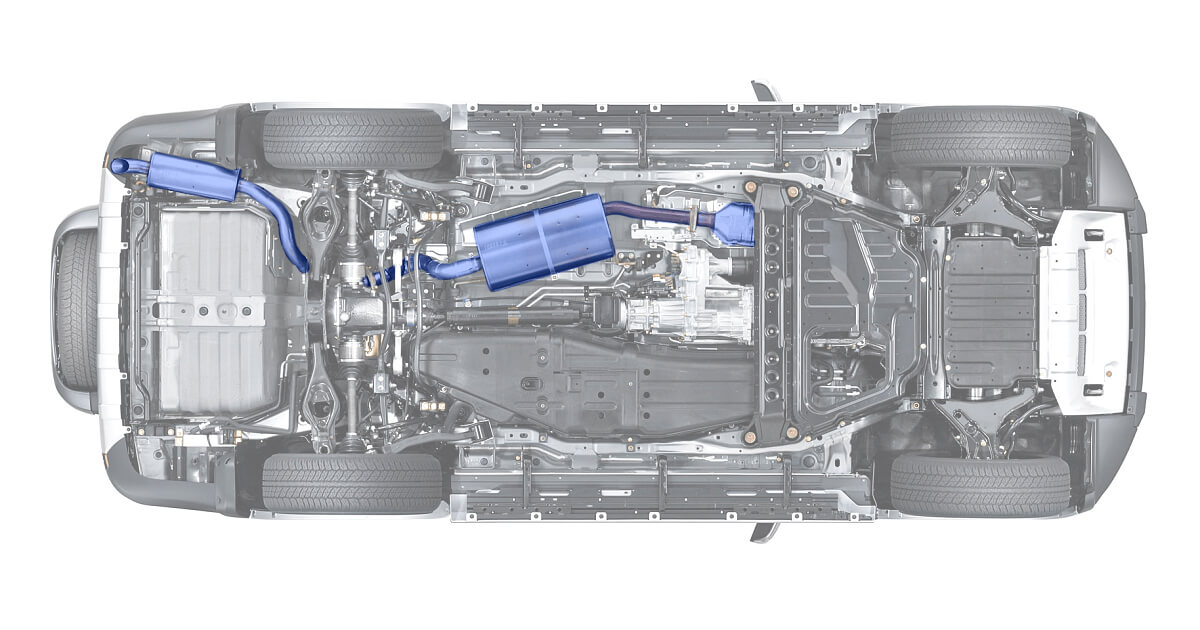
What is a Car Exhaust System?
A car exhaust system consists of a series of pipes called the exhaust manifold, catalytic converter, muffler, and tailpipe. These interconnected exhaust parts are responsible for directing and expelling the Exhaust harmful gases produced during engine work. Effective exhaust systems efficiently purge exhaust gases, limit emissions, and run quietly.
Importance of an Efficient Exhaust System
An efficient exhaust system is critical for engine performance and reducing environmental impact. It expels harmful gases from the engine and uses components like the catalytic converter to neutralize pollutants, minimizing emissions. An inefficient exhaust restricts airflow, causing backpressure. This builds excessive heat and pressure, leading to power loss, poor fuel economy, and potential engine damage. Proper exhaust flow allows more efficient fuel burn, improving responsiveness and torque. Regular maintenance helps ensure optimal exhaust performance for clean operation and engine longevity.
How the Exhaust System Works
The car exhaust system operates in a series of carefully designed steps. It starts at the exhaust manifold, which collects from the cylinders into one outlet pipe. The exhaust then flows into the catalytic converter, which converts pollutants into less toxic substances.
The muffler then utilizes chambers and baffles to reduce noise before gases exit through the tailpipe. Efficient exhaust flow is maintained by strategic sizing and angling of piping and components from engine to tailpipe tip, reducing emissions and noise.
Components of an Exhaust System
Let's now explore the key components that make up a car's exhaust system and understand their functions and features.
Exhaust Manifold and Headers
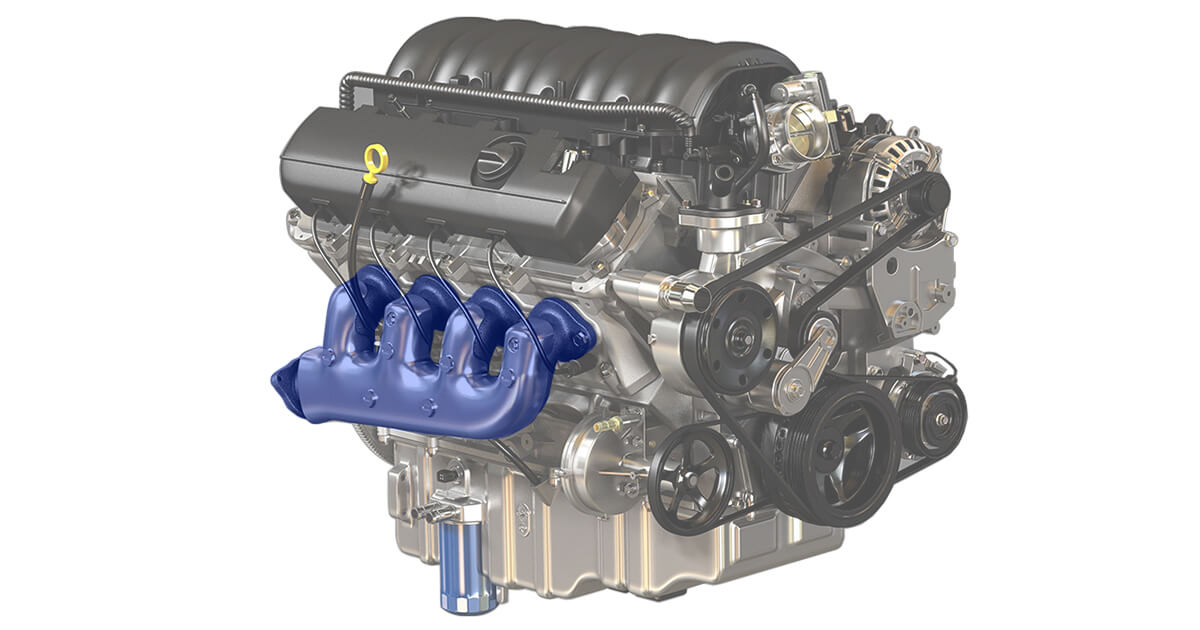
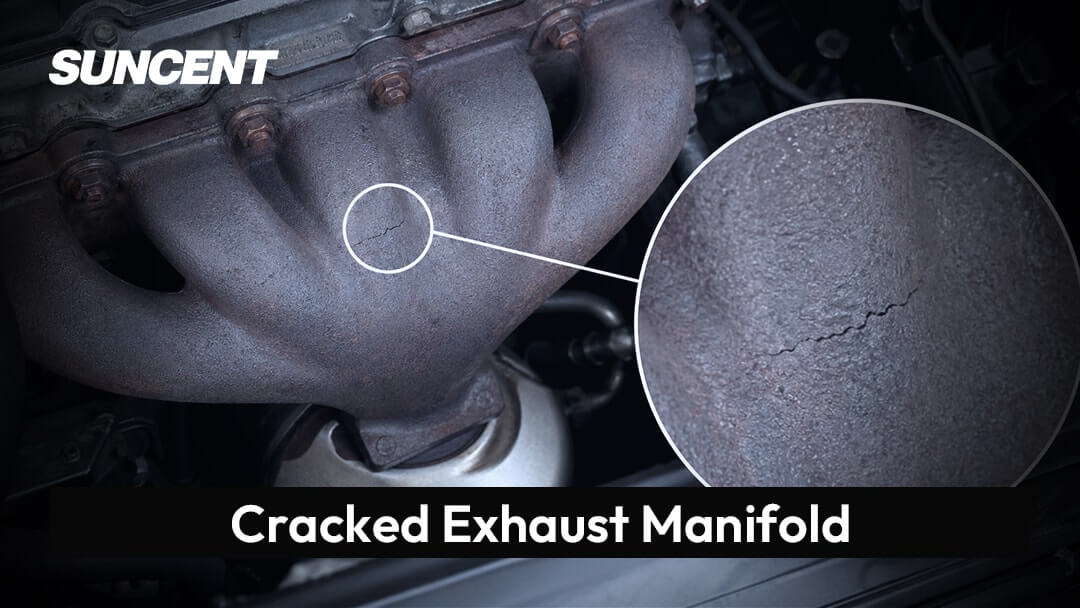
The Exhaust Manifold is the first component of the exhaust system, collecting exhaust gases from the engine's cylinders and funneling them into one outlet pipe.
Headers have tubes of equal length that don't merge until reaching the collector. This design reduces backpressure compared to stock manifolds, allowing more exhaust gas to exit the cylinders. Performance exhaust headers are aftermarket exhaust manifolds made from steel tubing that are tuned for smoother exhaust flow.
Catalytic Converter
The catalytic converter is a key emissions control device in the exhaust system. It contains a coated ceramic honeycomb structure inside a stainless steel housing.
The catalytic converter needs to reach high temperatures of 500°C to 800°C to work properly. Once at operating temperature, As exhaust gases pass through, the catalyst facilitates chemical reactions that convert harmful pollutants into less toxic substances. Specifically, it converts carbon monoxide into carbon dioxide, hydrocarbons into carbon dioxide and water, and nitrogen oxides back into nitrogen and oxygen.
Three types of catalytic converters:
- 1. Two-way converters: These convert carbon monoxide and hydrocarbons into carbon dioxide and water.
- 2. Three-way converters: In addition to carbon monoxide and hydrocarbons, these also convert nitrogen oxides into nitrogen and oxygen.
- 3. Diesel oxidation catalysts: Specifically designed for diesel engines to reduce carbon monoxide and hydrocarbon emissions.
Resonator
Resonators are often cylindrical or box-shaped and installed after the catalytic converter but before the muffler. It works together with the muffler to attenuate noise, but allows for less restriction of exhaust flow than a muffler. It consists of a hollow chamber enclosed by an inlet and outlet pipe. As pressure waves from the engine's exhaust travel through, the chamber absorbs certain frequencies while allowing others to pass through to help reduce noise.
Resonators strategically tune the exhaust tone to be more moderate and pleasant sounding. High-performance exhausts may eliminate resonators to reduce backpressure and weight, but this increases noise. For most street-driven vehicles, resonators help strike the right balance between exhaust tone and flow.
Muffler
The muffler is a critical component that reduces noise from the engine's exhaust gases. Inside the muffler are chambers and passages with perforated tubes and baffle plates. As exhaust flows through, these features cancel out sound waves through absorption, reflection, and interference.
Mufflers are categorized by design and intended use, like turbo, glasspack, or chambered mufflers. Factory mufflers with an efficient design, focus on noise cancellation. Performance mufflers aim to balance noise reduction with minimal exhaust flow restriction.
Tailpipe
The tailpipe is the final component of the exhaust system. It expels the exhaust gases from the engine after passing through the muffler, the tailpipe completes the exhaust process, emitting cleaner and quieter gases with minimal backpressure for smooth engine efficiency.
The tailpipe design plays a role in fine-tuning the exhaust tone with its length, diameter, and piping layout. Optimal sizing maintains free exhaust flow while avoiding bottlenecks. Dual exhausts with twin tailpipes are common performance upgrades for appearance and flow, which significantly reduces noise, and other emissions components.
Oxygen Sensor
Oxygen sensors are a key component in the exhaust system for monitoring the air-fuel ratio of the engine. They are located in the stream of exhaust before and after the catalytic converter. The oxygen sensor detects the amount of unburnt oxygen in the exhaust gases and generates a voltage signal that corresponds to the fuel mixture. This signal is sent to the engine computer which can then adjust the air-fuel ratio for optimal combustion.
The primary oxygen sensor needs to reach a 600°F operating temperature to function properly. Properly functioning O2 sensors are critical for clean, efficient performance.
Exploring Different Types of Car Exhaust Systems
There are various car exhaust system configurations available, each offering unique benefits to cater to different driving preferences and performance needs.
Cat-Back Exhaust System
The cat-back exhaust system replaces the exhaust components from the catalytic converter to the tailpipe. It provides an improvement in exhaust flow and sound while keeping the vehicle emissions-compliant.
Full Exhaust System
A full exhaust system includes all components from the exhaust manifold to the tailpipe. It offers the most comprehensive performance enhancement and sound customization options.
Catback Exhaust System
A catback exhaust system replaces components from the catalytic converter to the tailpipe, leaving the exhaust manifold untouched. It strikes a balance between performance and ease of installation.
Aftermarket Exhaust System
Aftermarket exhaust systems are designed and manufactured by third-party companies and offer various performance gains and sound customization options for specific vehicle models.
Dual Exhaust System
Dual exhaust systems feature two separate exhaust pipelines and tailpipes. They are commonly found in performance-oriented and high-powered vehicles, providing improved exhaust flow and a distinct appearance.
Performance Exhaust System
Performance exhaust systems are designed to enhance the engine's performance and sound. They often use high-quality materials and unique designs to optimize airflow and minimize restrictions.
The Benefits of Upgrading Car's Exhaust System
Upgrading your car’s exhaust system can provide a range of advantages. By reducing exhaust backpressure and restriction, a higher flowing aftermarket exhaust can unlock more power, greater fuel efficiency, and a customized sound.
Increased Engine Performance
A well-designed exhaust system enhances engine performance by allowing easier expulsion of spent gases. The improved airflow increases volumetric efficiency, optimizing engine output. By lowering pumping losses through exhaust, the system enables the engine to operate more efficiently. This generates more usable horsepower and torque throughout the RPM range.
Customized Sound and Styling
One of the most noticeable benefits of an aftermarket exhaust is the ability to customize the sound it produces. Components like free-flowing mufflers and tuned piping shape the tone, from subtle deepening to aggressive rumbling. But, it's critical to research local noise regulations when upgrading your exhaust, as excessive decibel levels could result in legal issues.
Along with customized sound, aftermarket exhausts also provide styling upgrades. Polished chrome or brushed metal tips neatly dress up the rear. Larger piping and mandrel bent tubing also add visual appeal underneath the vehicle.
Other Benefits
Premium exhaust materials like stainless steel and mandrel bent tubing increase durability and corrosion resistance. This provides long-lasting performance. Many systems also reduce weight compared to heavy factory exhausts, further contributing to better acceleration, fuel economy, and handling.
In summary, a less restrictive high-flowing exhaust system can boost your car's engine performance, efficiency, sound, and style - making it one of the most rewarding upgrades available. Just be sure to verify noise regulation compliance before installation.
FAQs About Exhaust Systems
Let's address some common queries regarding car exhaust systems.
What is the purpose of an exhaust emission system?
The exhaust emission system uses devices like the catalytic converter, EGR valve, particulate filter, and oxygen sensors to limit emissions that are harmful to human health and the environment. Keeping emissions low is important to meet environmental regulations and for the car to run efficiently.
What are all the parts of an exhaust system?
The key exhaust system parts are: the manifold to collect gases; catalytic converter to reduce emissions; muffler to dampen noise; exhaust pipe; oxygen sensors; heat shields; particulate filter; tailpipe for gas exit; and hangers, clamps & gaskets to hold the system.
How often should you check your exhaust system?
It's recommended to get an exhaust inspection every 6 months or 6,000-12,000 miles. Look for leaks, damage, noises, and corrosion.
What can a leaking exhaust system cause?
Exhaust system leaks reduce performance, increase pollution, cause noisy operation, pose health risks, and lead to further damage. That's why it's important to have any observed leaks inspected and repaired promptly.
How much does it cost to replace an exhaust system?
Exhaust system replacement costs typically range from $200 for a basic budget system to $2000+ for a high-end stainless steel performance system, with $500-$1500 being common for a complete replacement using OEM-grade parts. also depends on the make, model, parts needed and labor.
When to replace exhaust system?
Replace exhaust when it's noticeably loud, has rust holes, damage, causes performance decline, fails emissions testing, or is just old (10-15 years), or when the cost of repairs exceeds replacement cost.
Exhaust System Maintenance Tips
To keep your car's exhaust system running smoothly and extend its lifespan, follow these essential maintenance tips:
Get regular inspections
Have a professional inspect your entire exhaust system at least once a year. They can spot any leaks, damage or alignment issues.
Listen for changes in sound
Any new noises like rattling, hissing or rumbling could indicate an exhaust problem. Address it quickly before it leads to bigger issues.
Check for leaks
Look under your vehicle regularly for black soot or rust around the exhaust joints. This can indicate an exhaust leak that should be patched.
Replace old parts
Exhaust parts like the muffler, catalytic converter and pipes wear out over time. Replace them as needed to keep your system running cleanly and quietly.
Keep clamps and hangers tight
Make sure the various exhaust components are securely fastened with clamps and hangers. This prevents parts from sagging or detaching.
Clean tips regularly
Use a wire brush to clean exhaust pipe tips to remove grime and improve appearance. Avoid scrubbing too aggressively.
Drive gently
Aggressive acceleration and speeding can cause unnecessary strain on the exhaust system. Take it easy, especially on bumpy roads.
Address strange smells
Unusual exhaust odors can signal a dangerous leak. Have it inspected immediately for potential carbon monoxide risk.
Coat pipes
Apply high heat exhaust paint to pipes and mufflers to prevent corrosion and rust over time. This extends the life of your system.
Conclusion
A healthy exhaust system is vital for any car - it optimizes performance and reduces emissions. Knowing the components and types of systems allows owners to make informed upgrades and maintenance decisions. Following the tips in this guide, you can choose the right system, enjoy improved performance, and lower emissions for a cleaner environment. With regular care, your exhaust will last longer and provide smooth, enjoyable driving. In short, proper exhaust maintenance benefits both driver and environment.