 Contents
Contents
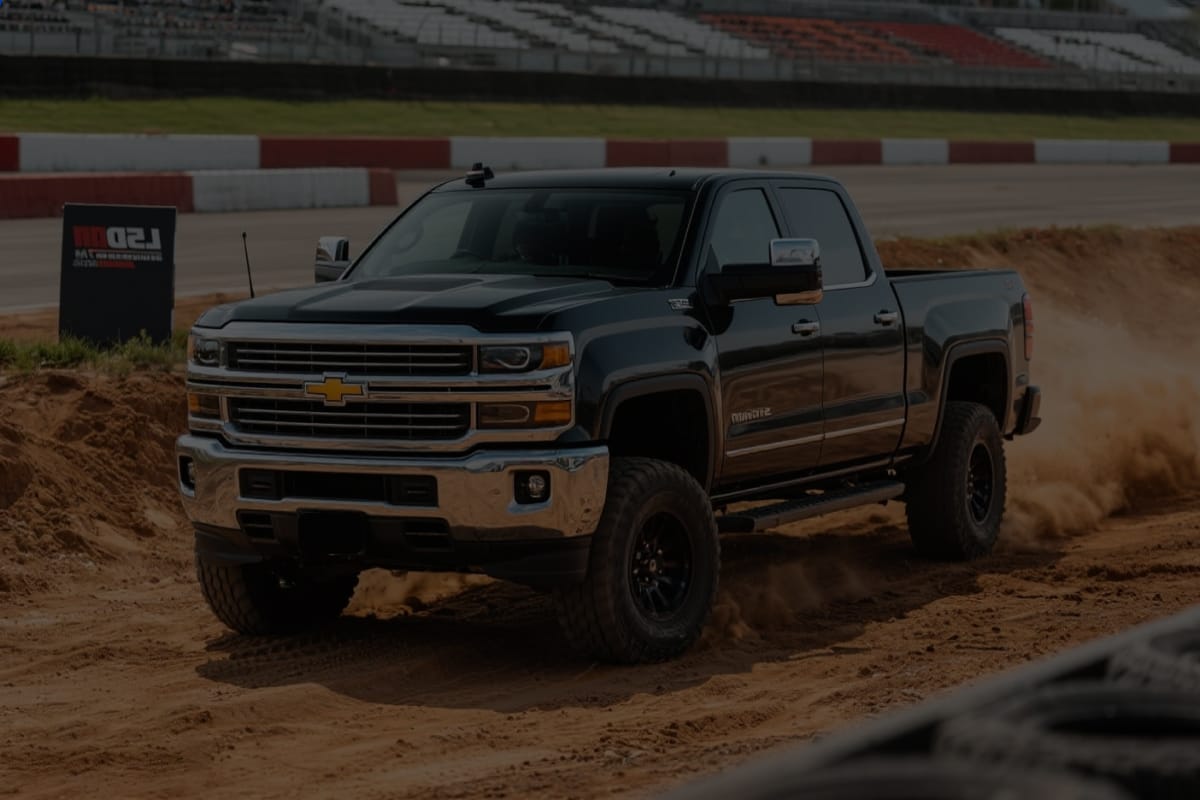
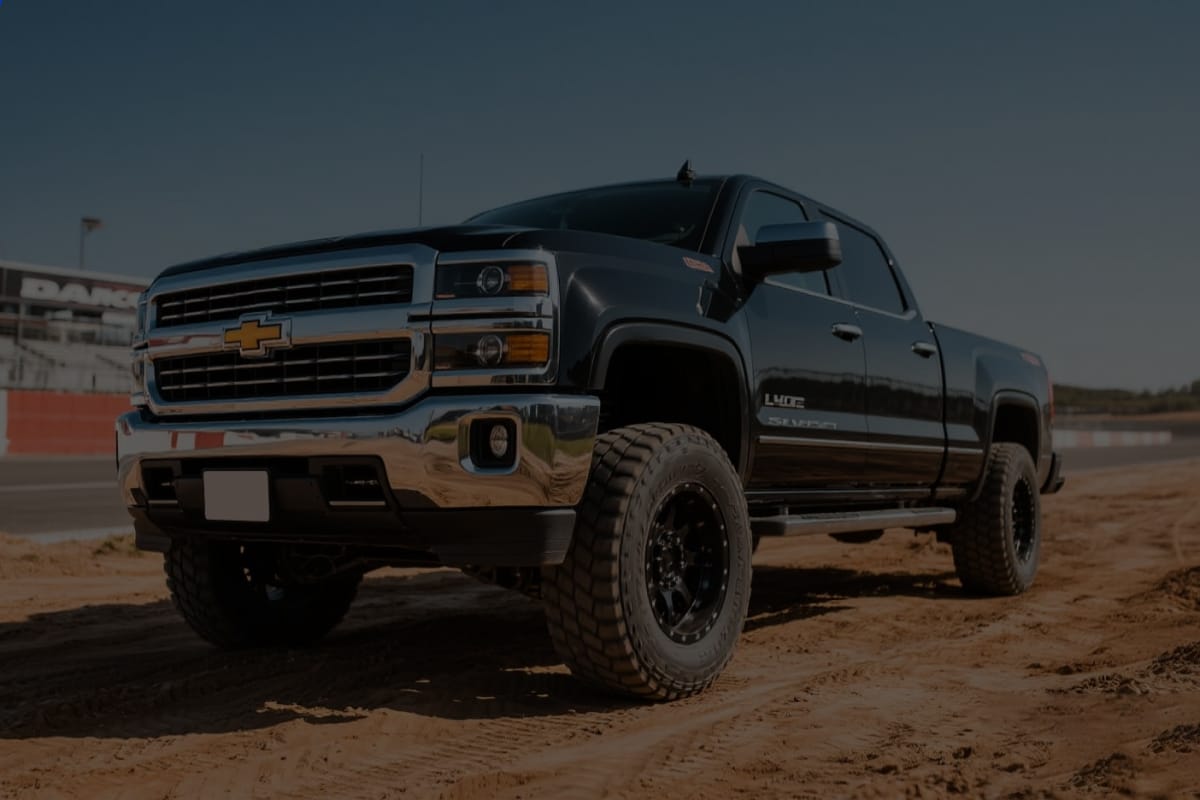
The L5P is a 6.6L V8 turbo‑diesel engine found in 2017‑and‑later Silverado/Sierra 2500/3500 trucks. It delivers roughly 445 horsepower and 910 lb‑ft of torque from the factory, with a towing capacity exceeding 20,000 pounds. On paper those numbers are impressive, but the factory L5P is severely choked by emissions components designed solely to meet EPA regulations.
With the right upgrades, the L5P can safely and reliably surpass 700 or even 900+ horsepower, while also improving fuel economy and drivability. Below we walk you through a staged L5P upgrade path, from entry‑level to all‑out performance.
Stage 1 – Tuning
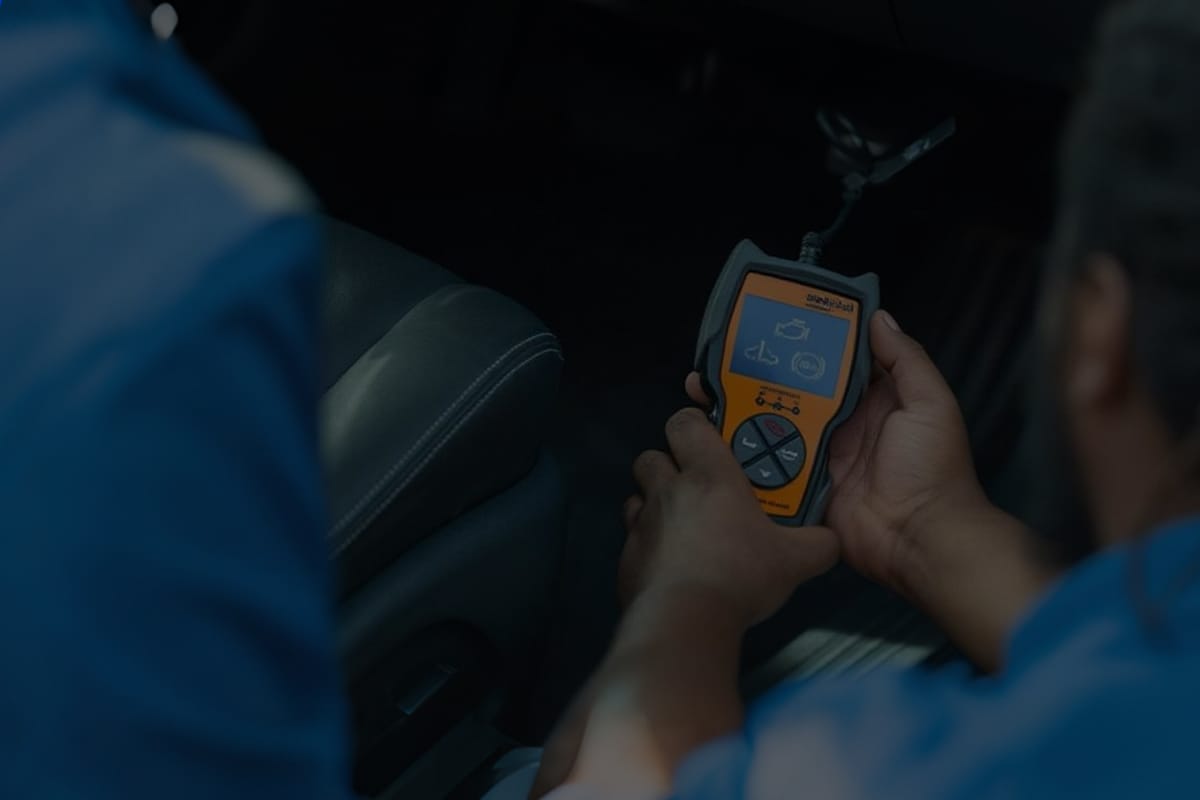
If you can only do one upgrade to your L5P, it must be tuning. For any modern diesel, ECU tuning is always the highest‑value performance modification. The factory ECM calibration is built for emissions compliance, not performance – it limits fuel delivery, retards timing, and dulls throttle response. A professional custom tune recalibrates every parameter of the ECM, allowing the engine to burn more efficiently and unlock the power that was left on the table.
- Power gain: A safe software‑only tune can add 50 to 150 horsepower.
- Drivability: Dramatically improves throttle response (eliminates the "dead zone") and optimises transmission shift logic.
- Fuel economy: Under daily cruising and light towing, a well‑calibrated tune often delivers better MPG.
Stage 2 – Delete Kits
(⚠️ Note: Due to EPA regulations, delete kits are intended for off‑road / competition / track‑use vehicles only. Please comply with all local laws and regulations.)
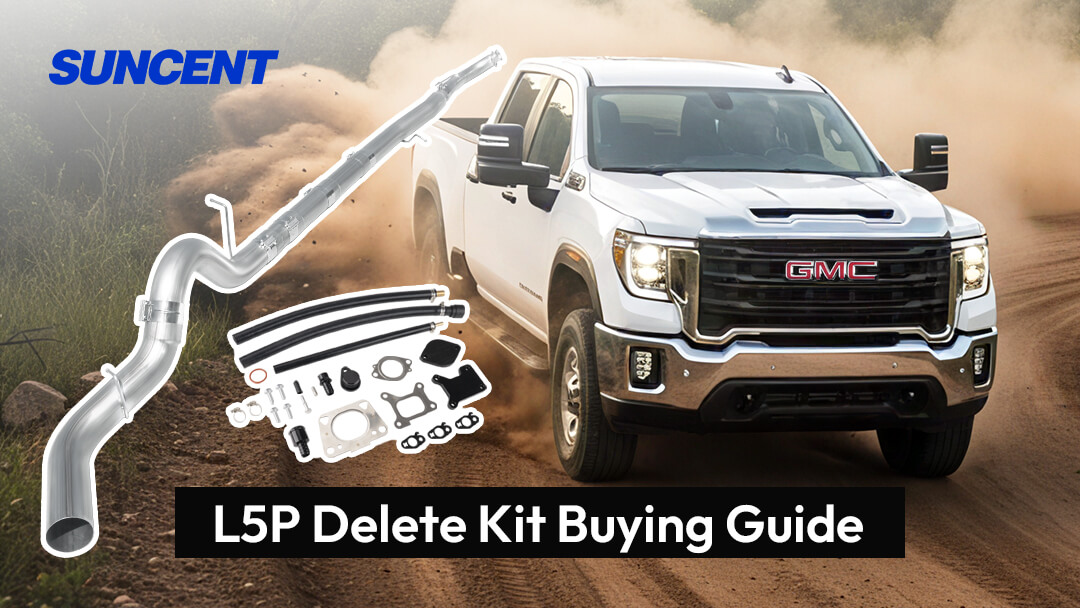
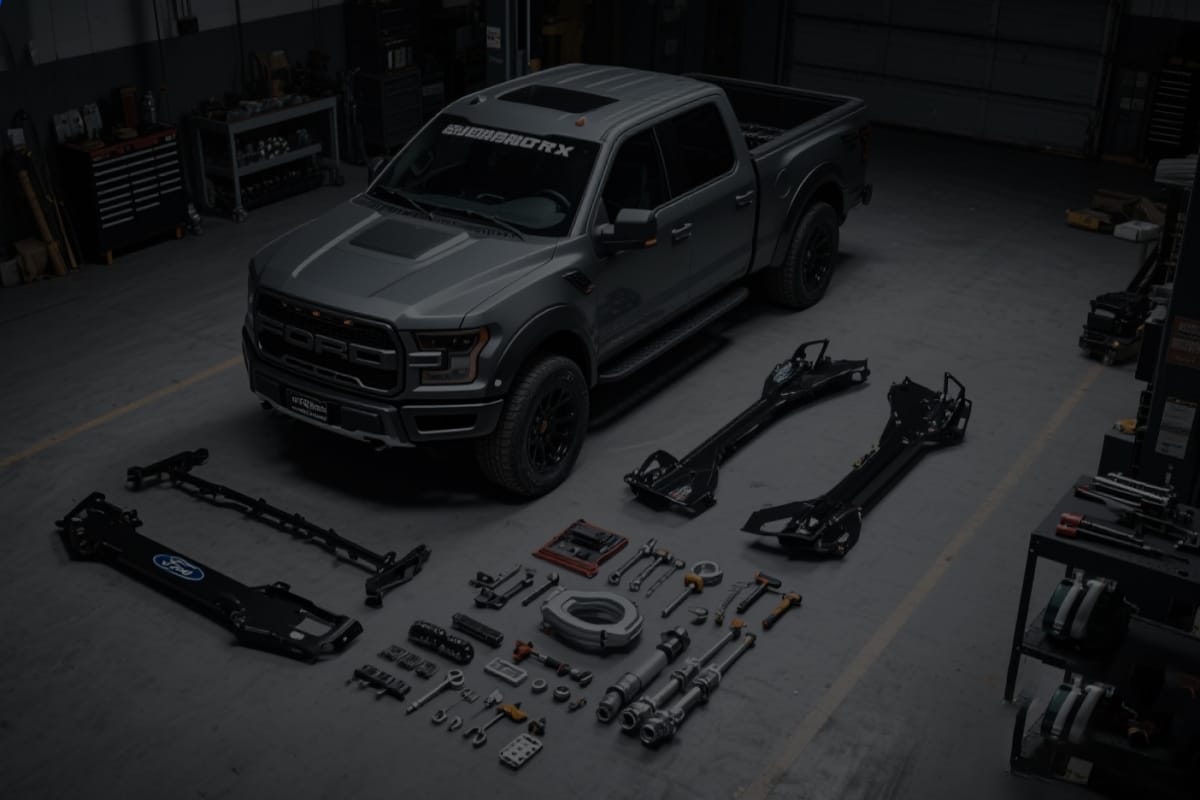
If you are building a pure competition or off‑road vehicle, removing the factory emissions restrictions (DPF/DEF/EGR) is the only way to unlock maximum performance.
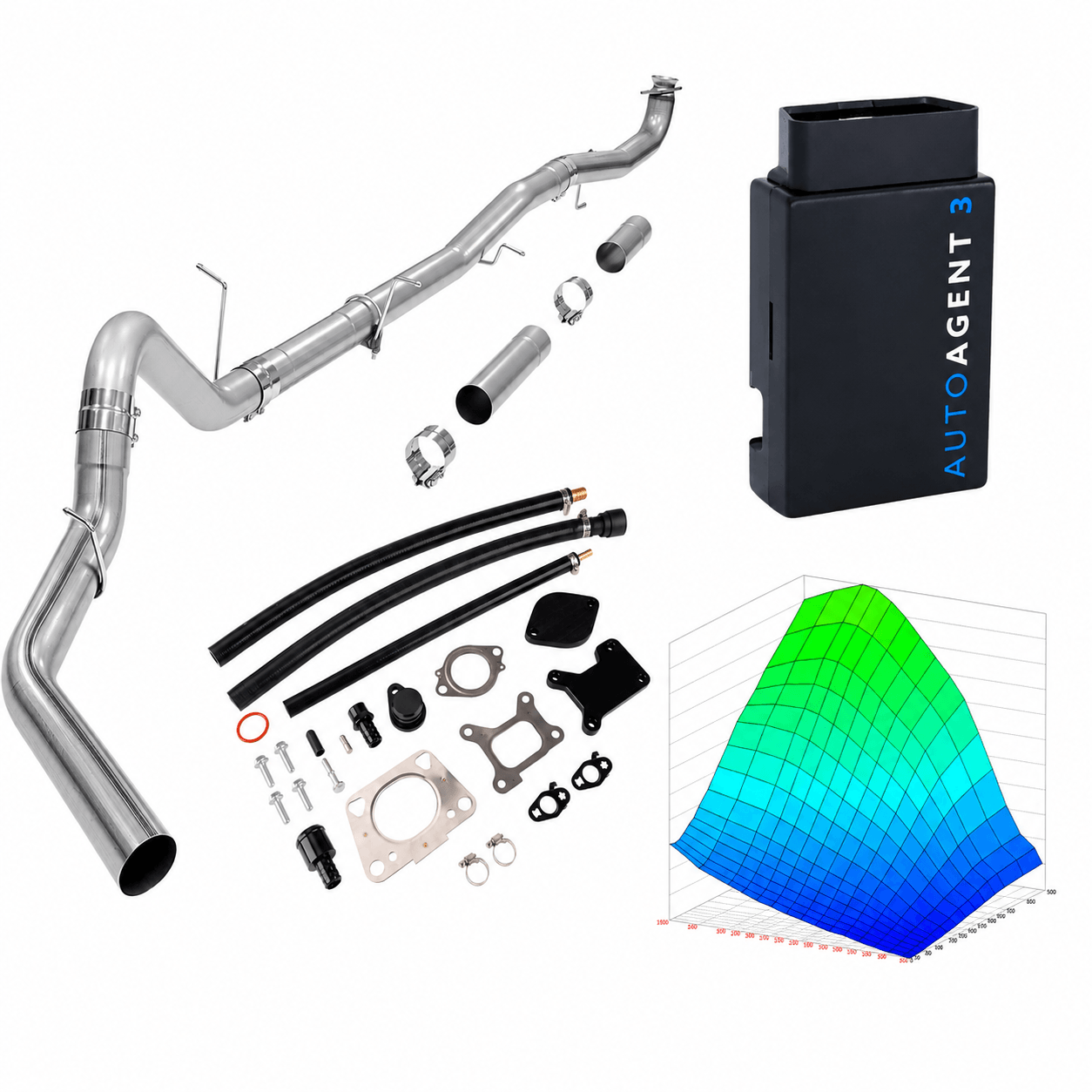
A complete L5P delete kit typically includes:
- EGR delete
- DPF delete pipe or full exhaust
- Matching delete tuning
Key benefits after deleting:
- Massive power gain: Removing DPF backpressure and EGR flow lets the turbo spool much faster. Combined with tuning, you can gain 125+ horsepower.
- Better fuel economy: No more frequent active regenerations, more complete combustion, and noticeable savings on long trips.
- Lower EGTs: Reduced exhaust temperatures are critical for towing and high‑load operation.
- Improved reliability: Eliminates common failure points – DPF clogging, EGR cooler leaks, DEF system derates, and sensor failures.
Year‑specific notes: 2017‑2023 L5Ps use the E41 ECU, which can be tuned directly with an unlocking tool. 2024‑2025 models use the E42 ECU – the ECU must be sent out for unlocking before the delete tune can be flashed.
We stock complete L5P delete kits (EGR + DPF + tuning) covering all 2017‑2026 models, grouped by model year for a plug‑and‑play solution.
Stage 3 – Turbo Upgrade
The factory turbo is adequate, but once you exceed 600 horsepower, it becomes the first major bottleneck.
The stock turbo flows approximately 60 lb/min of air, which corresponds to roughly 600‑620 crank horsepower. Beyond that, the turbo simply cannot move enough air to support additional fuel. To push for 700+, a turbo upgrade is mandatory.
Drop‑in upgraded turbo: If you don't want to modify piping extensively, a direct‑fit turbo like the Fleece Performance 63mm Cheetah is an excellent choice.
9‑Blade wheel upgrade (l5p 9 blade turbo upgrade): Swapping to a 9‑blade turbo not only increases airflow but also adds that iconic turbo whistle sound.
For 800+ or even 1,000+ horsepower goals, consider a large fixed‑geometry turbo (non‑VGT) or a twin‑turbo kit.
Supporting modifications are essential: Upgrading the turbo must be accompanied by an upgraded intake horn, downpipe, lift pump, and a revised tune. Without these, boost and exhaust backpressure won't be properly balanced – at best you'll see diminished gains, at worst you risk turbo or engine damage.
Stage 4 – Intake and Airflow
An engine is essentially an air pump – if it can't breathe, power is impossible.
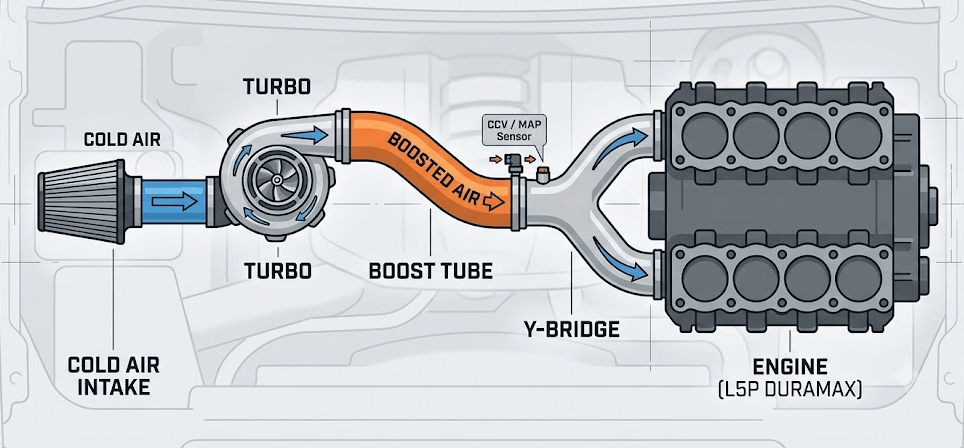
Cold air intake: Delivers cooler, denser air to the turbo, with higher oxygen content for more complete combustion. With tuning, it can add 10‑12 horsepower, but more importantly it improves turbo response and lowers EGTs.
Y‑bridge upgrade: The factory Y‑bridge has less‑than‑smooth internal passages. Upgrading to a high‑flow Y‑bridge significantly reduces intake turbulence and improves airflow volume.
Boost tube upgrade: 2020‑2025 L5Ps use largely rubber boost tubes that can easily burst under high boost. Upgrading to larger‑diameter tubing (3.5″) with 5‑ply silicone couplers greatly improves airflow efficiency and throttle response.
CCV/PCV upgrade: The factory crankcase ventilation system routes oil vapour back into the turbo inlet, coating the compressor wheel and intercooler with oil residue. Installing a CCV upgrade kit or oil‑separator kit ensures only clean air enters the turbo.
MAP sensor spacer: The factory MAP sensor sits directly in the EGR exhaust stream and is easily fouled by soot, causing incorrect readings or check‑engine lights. Adding a spacer moves the sensor out of the main flow, reducing soot accumulation by up to 80% and making throttle response more precise.
Stage 5 – Fuel System Upgrades
Diesel power comes from fuel – the fuel system isn't just about performance; it's about engine survival.
Fuel filter upgrade: The L5P uses the reliable HP4 high‑pressure pump, but the injectors are still extremely sensitive to microscopic debris and water. We recommend upgrading to a two‑stage filtration system with a fine filter. This system has lower pressure drop, supporting the higher fuel flow required for big horsepower while delivering superior filtration.
Lift pump upgrade: The factory in‑tank electric pump is adequate for daily driving, but under heavy modification or prolonged high‑load towing, fuel pressure can become unstable. An external lift pump ensures the high‑pressure pump always receives a steady, bubble‑free fuel supply, preventing injector damage due to fuel starvation.
Stage 6 – Transmission Upgrades
The Allison 1000 (2017‑2019) and 10L1000 10‑speed (2020+) transmissions are robust, but when faced with 1,200+ lb‑ft of modified torque, the clutch packs can still slip.
TCM tuning: Unlock and recalibrate the transmission control module to raise line pressure, quicken shifts, and reduce clutch slip.
Hard‑part transmission upgrades: For heavy towing or hard launches, upgraded torque converters, reinforced clutch packs, or even a complete built transmission are essential to put the power down reliably.
When to upgrade?
If your L5P is over 600 horsepower, you frequently tow heavy trailers / equipment, or you run oversized tyres, transmission upgrades should be on your list. For targets exceeding 800 horsepower, we strongly recommend adjusting the torque converter clutch apply offset in the TCM calibration for best results.
Stage 7 – Supporting Mods
These smaller upgrades might seem minor, but they are the foundation of a reliable, trouble‑free build.
Downpipe upgrade: Replacing the connection from turbo outlet to exhaust with a 4‑inch or 5‑inch unit dramatically reduces exhaust backpressure, allowing the turbo to spool faster.
Injector pigtail upgrade: High‑mileage vehicles can develop electrical contact issues, leading to misfires. An upgraded harness eliminates resistance problems.
Exhaust brake upgrade: A godsend for those who frequently tow through mountain passes – a stronger exhaust brake provides superior downhill deceleration, greatly reducing brake wear.
Your L5P Upgrade Roadmap – Choose by Goal
Not every truck needs the full suite. The smart approach: start with tuning, then add upgrades progressively based on your budget and use case. But reliability basics (MAP spacer, fuel filter) should be installed early – they are cheap insurance against expensive repairs.
| Use Case | Core Must‑Haves | High‑Value Add‑ons | Advanced / Optional |
| Daily Driver + Reliability | ECM/TCM tuning, MAP spacer | Fuel filter upgrade, CCV reroute | Cold air intake |
| Heavy Towing / RV Hauling | ECM/TCM tuning, transmission upgrade, exhaust brake | Fuel filter, oil cooler, lift pump | Drop‑in turbo upgrade |
| Performance Street (600+ hp) | Tuning, cold air intake, large downpipe | Full fuel system upgrades, CCV upgrade | MAP spacer |
| Extreme Competition (700‑1000 hp) | Tuning, large turbo, delete kit, full intake & exhaust, built transmission | All supporting cooling & fuel kits | None – go all in |
Conclusion
The L5P Duramax is a phenomenal platform with enormous potential. Whether you're after a sharper daily driving feel, more confident towing, or spine‑tingling four‑figure horsepower, there is a clear upgrade path to get you there. Remember: while increasing power (air & fuel), never neglect reinforcing the foundation (transmission & filtration). Follow the Stage 1‑7 progression laid out in this article, and your L5P will be ready to conquer any road.