 Contents
Contents
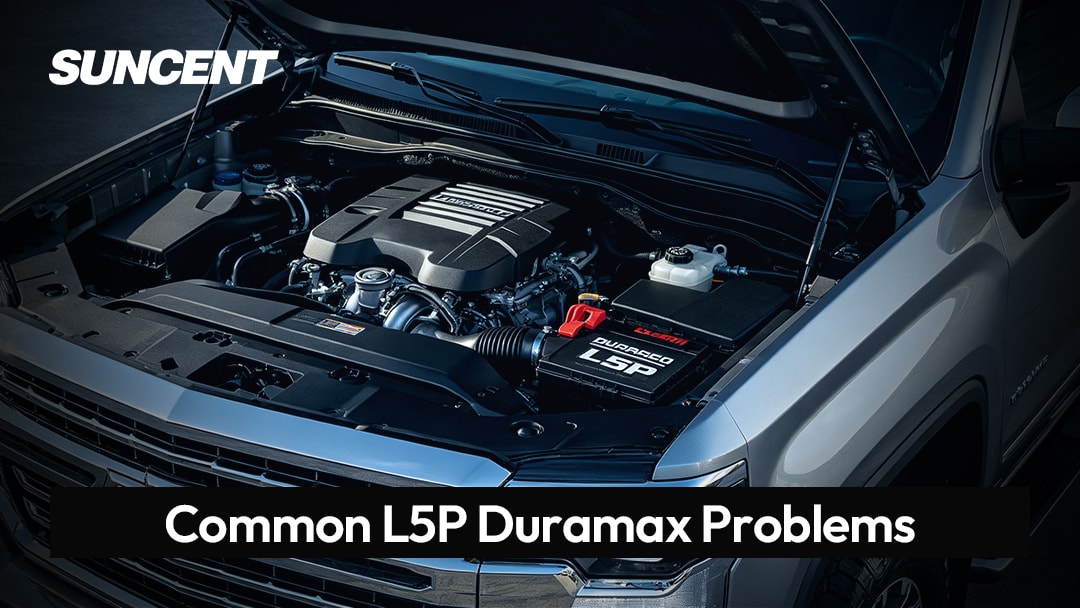
The L5P Duramax (2017+) is overall a highly regarded generation of the 6.6L Duramax diesel engine, and its major mechanical core is usually more reliable than many people imagine. However, even this power beast is not flawless. If you are researching common L5P Duramax problems or preparing to buy a used L5P truck, what deserves the most attention is not a few exaggerated cases, but the recurring issues that most affect the daily ownership experience.
Overview of L5P Duramax Problems by Year
| Year Range | Common Problem Types | Severity | Notes |
| 2017 - 2019 | Block heater cord, DEF sensor, injector connector for cylinder #4 | High (fire risk) / Medium | Has official recall records |
| 2020 - 2023 | Emissions system codes (P20EE), MAP sensor carbon buildup, 10-speed transmission solenoids | Medium | Many emissions system software updates |
| 2024+ | Early sensor failures, software/firmware compatibility | Low | Hardware is already highly mature and still under new vehicle warranty |
For most owners, the most annoying thing about the L5P is not "blowing up the engine," but issues like emissions system codes, slow coolant leaks, misfires, and fuel system contamination.
The 7 Most Common Duramax L5P Problems
1. Emissions Aftertreatment Problems
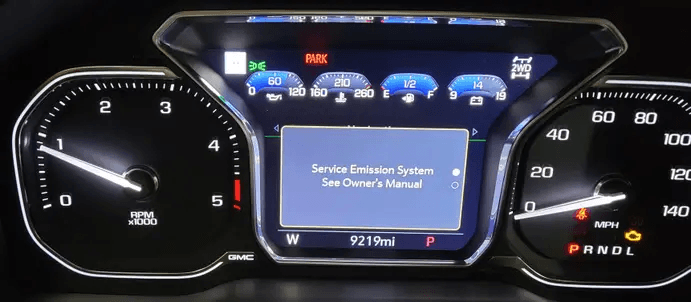
Among all common L5P Duramax problems, emissions aftertreatment issues almost certainly rank first. Due to increasingly strict legal requirements for carbon emissions, the L5P is equipped with an extremely complex SCR system, which has also made it a "hard-hit area" for failures. The most common situations are NOx sensor failure or DEF (urea) heater failure, which often causes the truck to display a "Service Emission System" warning. If these errors are ignored, the vehicle may eventually enter forced reduced-speed mode ( Limp Mode), limiting top speed to a very low level.
Solution
What looks like an SCR or DEF system fault on the surface may actually also be related to the NOx sensor, an exhaust leak, abnormal learned values, or control logic. A safer approach is to first read the full trouble codes and stored history codes, then troubleshoot step by step based on DEF condition, sensor feedback, and exhaust system sealing.
Many experienced owners also choose to delete the emissions system entirely as a one-and-done fix. But it is worth noting that compliance and proper tuning must be taken into account.
2. Glow plug and glow plug control module issues
Glow plug and glow plug control module problems are another very typical high-frequency issue on the L5P, especially in cold weather. Many trucks seem normal in warmer temperatures, but once winter arrives, cold starts become harder, cranking time gets longer, or white smoke from the exhaust gradually becomes more obvious.
Solution
Use a diagnostic scanner to identify the specific failed cylinder. If only one glow plug is bad, simply replacing it is usually enough. If multiple glow plugs are reporting errors, the focus should be on checking whether the glow plug control module has burned out, and replacing it as a complete unit in time.
3. Coolant leaks and hose-related issues
Although the L5P has a strong mechanical structure, many of its surrounding cooling components are made of plastic. The factory upper radiator hose fittings and the edges of the coolant reservoir (expansion tank) can easily develop hairline cracks after long-term high-temperature exposure. Owners will often notice orange liquid on the ground where the truck was parked, or smell a strong sweet coolant odor while driving.
Solution
Regularly inspect the underside of the truck and the hose fittings. Once leakage is found, it is recommended to replace the factory plastic fittings with more durable aftermarket all-aluminum fittings, and upgrade to reinforced silicone coolant hoses to completely eliminate overheating risks.
4. Fuel contamination and fuel supply-side issues
Although the L5P has moved past the shadow of CP4 pump failures, it is extremely sensitive to water and contaminants in the fuel. If the fuel filter is not sealed properly during replacement and the system draws in air, or if poor-quality diesel is used, fuel pressure fluctuations can result. Symptoms include long crank times, weak acceleration, or rough idle.
Solution
Strictly follow the 10,000-mile fuel filter replacement interval, and be sure to use an OEM AC Delco filter. If the truck is frequently used for heavy-duty work, it is recommended to add an auxiliary lift pump with water-separation capability to reduce stress on the high-pressure fuel pump.
5. Injector Connector Issues
Misfire and injector connector/wiring-related diagnostic problems are especially prominent on 2017–2019 models . This is also one of the most easily misdiagnosed issues on the L5P. When people see misfire codes, rough idle, or uneven power delivery, their first reaction is often that the injector itself has failed, but the real situation is often not that simple.
In many L5P "injector failure" cases, the root cause turns out to be poor connector contact, wiring issues, electrical faults, or unstable fuel supply conditions. This is why some trucks still are not fixed even after injectors have been replaced—the real problem was not identified correctly from the beginning.
Solution
First perform basic electrical circuit and connector condition checks, then decide whether further injector testing is necessary. Especially with used trucks, if there is already a long injector repair history but the fault keeps returning, you should strongly suspect that the wiring, connector, or fuel supply conditions were never properly diagnosed.
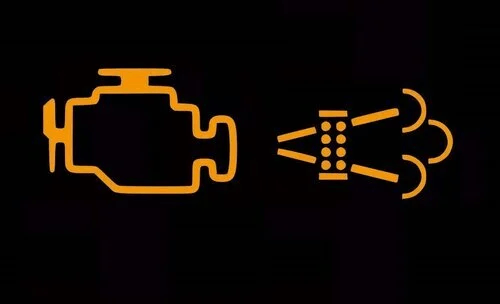
6. DPF loading and regen-related problems
Excessive DPF loading and regeneration-related problems are also very common on the L5P, especially for trucks that are driven mostly on short trips, in low-speed conditions, or with frequent idling. Strictly speaking, this is not a problem unique to the L5P, but a real-world issue that many modern diesel vehicles face. Still, on the L5P, it remains a common problem worth emphasizing on its own.
When the truck does not operate under the right conditions long enough to complete a stable regeneration, the DPF (diesel particulate filter) cannot get enough heat to burn off the accumulated soot, causing a major drop in power.
Solution
Maintain good driving habits, and schedule at least one continuous highway drive of more than 30 minutes each week so the DPF can complete a full passive regeneration. If it is already severely clogged, it may need a forced Service Regen at a repair shop.
If you want to solve the problem completely, you can also choose a DPF delete kit and never deal with regeneration again. (Be sure to pay attention to legal compliance.)
7. MAP Sensor Faults
The EGR system routes some exhaust gas back into the intake tract, and the MAP (manifold absolute pressure) sensor happens to sit directly in the path of that exhaust flow. Over time, black oily soot coats the sensor tip, causing inaccurate readings, which then leads to slower turbo response, increased fuel consumption, and sluggish acceleration.
Solution
This is a very DIY-friendly repair project. About every 15,000 miles, remove the MAP sensor by taking out its retaining bolt, spray the sensor tip thoroughly with electronic cleaner (CRC) to remove the carbon buildup, let it dry, and reinstall it. This can restore engine response like new.
If you want to solve the problem completely, an EGR delete kit can prevent exhaust gases from being reintroduced to the MAP (intake pressure) sensor.
What Should You Check Before Buying a Used L5P Duramax?
If you are planning to buy a used L5P, the most important thing is not listening to what others say about whether "this generation is good or bad," but confirming whether this specific truck shows signs of the common problems.
Emissions history: Use a scanner to check for any remaining P20EE or DPF-related codes.
Oil pan: Check the upper and lower oil pans for signs of oil seepage (this is a common workmanship flaw on the L5P).
Idle smoothness: Watch for abnormal shaking caused by injector wiring issues.
Recall records: Confirm whether the block heater cord on 2017–2019 models has already been replaced.
Why Do Some Owners Search for an L5P Delete Kit?
Many owners choose to use a "Delete" as a one-and-done fix. This usually involves removing the DPF, SCR, and EGR, and flashing a new tune. But first, it should be made clear that deleting the emissions system may be illegal in many areas, and may also affect road legality, inspections, warranty coverage, and long-term vehicle reliability. Be sure to confirm your local regulations.
Many owners search for an L5P delete kit not necessarily because they planned aggressive modifications from the start, but because during long-term use they repeatedly run into issues such as frequent DPF regens, DEF/SCR codes, EGR carbon buildup, emissions warnings, and power limitation. For some L5P users, the most frustrating part is not a single failure itself, but the fact that these emissions-related problems tend to recur, are troublesome to diagnose, and expensive to fix. So when they continue searching for solutions, they come across emissions system deletion as an option for the L5P. After deleting it, all of those repair costs are eliminated, and some vehicle-related performance may also improve.
But again, it should be made clear that deleting the emissions system may be illegal in many areas, and may also affect road legality, inspections, warranty coverage, and long-term vehicle reliability. Be sure to confirm your local regulations before deleting anything.
Why do some people consider a delete kit
- To reduce emissions-related trouble codes.
- To avoid repeated DEF, SCR, and DPF issues.
- To reduce the annoyance of frequent regeneration.
- To make the truck "simpler" in some off-road scenarios.
| Problems it can solve | Problems it cannot solve |
| DPF clogging and frequent regeneration | Loose injector connector (electrical fault) |
| All DEF/urea pump-related codes | Mechanical oil leaks (oil pan/hoses) |
| MAP sensor carbon buildup caused by EGR | Transmission hardware wear |
| Improved fuel economy and exhaust sound |
Note: The L5P's ECM is highly encrypted. To carry out the above modifications, you need a dedicated tuner.
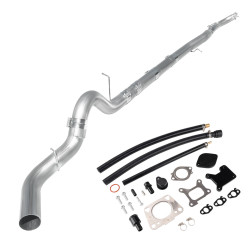
If you prefer removing emissions restrictions for better performance, SuncentAuto's premium delete kits are your top choice. Our products are designed specifically for heavy-duty trucks like the Duramax, ensuring stable performance in all kinds of extreme environments.
Why do many owners choose SuncentAuto
- Designed specifically for L5P applications to reduce compatibility issues.
- High-quality kits with precision machining for better long-term stability.
- Free shipping within the U.S. and a 45-day refund policy for more peace of mind.
- Professional technical support team to make installation and fitment issues easier to handle.
Good news: Our readers can enjoy a 12% discount ! Simply copy the discount code below to use it.
Duramax L5P Maintenance Tips
If you want to reduce common L5P problems as much as possible, the most effective strategy is not to wait for a trouble code before repairing it, but to stay ahead with maintenance.
1. Pay attention to fuel filter changes and fuel quality
The L5P is very sensitive to fuel quality. Your fueling source, filter replacement interval, and the condition of the water separator all directly affect fuel system life.
2. Avoid driving only short trips for long periods
Frequent short trips make DPF regeneration harder to complete and also make emissions-related problems more likely to build up.
3. Check coolant level regularly
Do not wait until there is an overheating warning. A slowly dropping coolant reservoir level is often the earliest sign.
4. Address cold-start abnormalities early
Cold-start shaking, longer crank times, and more obvious winter starting issues should not be ignored.
5. Diagnose first when codes appear—do not replace parts blindly
Many L5P problems are easy to misdiagnose, especially emissions, injector-related, and sensor-related issues.
6. Keep complete service records
This not only helps with future repairs, but can also greatly improve resale value.
7. Match your maintenance strategy to your usage conditions
If you frequently tow, haul heavy loads, or operate in high-heat environments, maintenance intervals should be more aggressive. Do not blindly follow light-duty commuting standards.
Conclusion
The L5P Duramax is not a diesel engine generation with "lots of problems in the engine itself." The most common issues are mainly concentrated in emissions aftertreatment, the glow plug system, coolant leaks, fuel contamination, and misfire plus sensor/wiring-related faults. For ordinary owners, the most important thing is not memorizing every trouble code, but understanding that what hurts the L5P most is often not one single major failure, but small problems being misdiagnosed, repaired repeatedly, and eventually turning into much bigger costs.
If you are preparing to buy a used L5P, focus on cold-start behavior, emissions repair history, coolant condition, fuel system maintenance, and whether the truck has had recurring trouble codes. If you already own an L5P, the most worthwhile things you can do are maintain it properly, pay attention to early warning signs, and diagnose problems correctly before making repairs. With that approach, the L5P is still a very strong overall Duramax.