 Contents
Contents
While it might seem like a simple topic, mastering the use of your car's lights is crucial for your safety and that of fellow road users and pedestrians. Whether driving through the night, braving a downpour, or venturing into the fog, knowing when and how to use different car lights can help you avoid hazards and improve visibility. This article will illuminate the essentials of lights on a car, including the car light types, their purposes, and when you should use them.
Headlights
Begin by discussing the front of the vehicle, where one of the most critical components of automotive lighting is located: the headlights. These lights are essential for ensuring visibility in low-light conditions and promoting the safety of all road users.
They come in two types: high and low-beam headlights. Let's discuss their purposes and when to use each one.
High beam headlights & when to use
High-beam headlights, or full-beam headlights, emit a wide and intensely focused light beam. These headlights provide maximum visibility and illuminate the road ahead without limiting the light directed at other drivers.
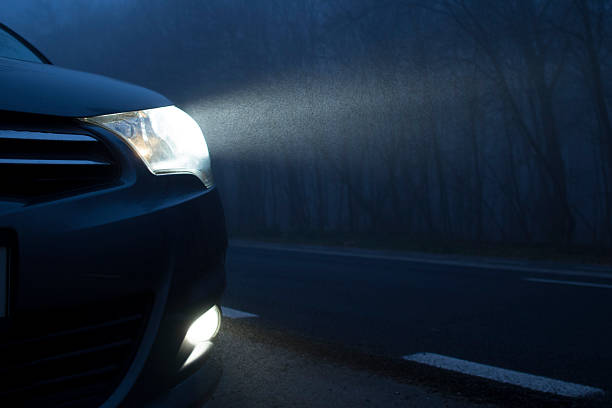
Therefore, high-beam headlights should be used in appropriate conditions, such as open highways with no other cars. They must be turned off when approaching other vehicles to prevent blinding other drivers. Avoid using high beams in foggy conditions, as the light reflection can make it difficult to see.
Low beam headlights & when to use
Also called dipped headlights, low beam headlights, on the other hand, provide short-range and adequate illumination without causing excessive glare to the oncoming traffic.
They are ideal for nighttime driving in traffic, as they won't blind other drivers with overly bright beams.
In addition to nighttime use, low-beam headlights are also helpful in adverse weather conditions like rain, snow, or fog. During these times, visibility can be significantly reduced, making it difficult to see other vehicles on the road.
More guides about car headlights:
● Headlight Bulb Types Explained: Which Type Do You Need: Learn the basics of the common headlight bulb types: Halogen, LED, and HID
● Ultimate Guide to Headlight Assembly: Types, Buying Factors, and More: Learn the types and styles of headlight housings.
● Ultimate Guide to Headlight Assembly: Types, Buying Factors, and More: Learn the types and styles of headlight housings.
Daytime running lights
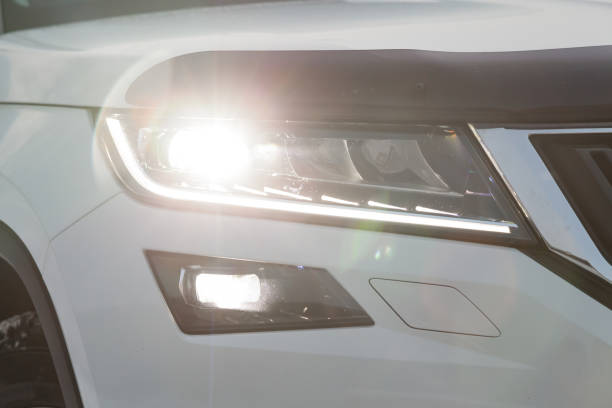
Daytime running lights (DRLs) are designed to increase a vehicle's visibility during the day, making it easier for other road users to spot the car.
These car lights are typically white LED strips integrated into the headlight assembly. Some models may feature separate units on the front bumper.
Some manufacturers create distinctive DRL patterns for their vehicles. This gives them a more technical and expensive look.
When to use:
DRLs have been legally required to be fitted at the front of all new EU cars and small vans since 2011. While in the United States, this type of car light is not compulsory.
Still, DRLs are a commonplace and nice added safety feature. Generally, it's a good idea to use your DRLs whenever you're driving during the day. Many newer vehicles are equipped with automatic daytime running lights, which turn on when the engine is started and turn off when the headlights are activated.
Note that DRLs should not replace headlights in situations with poor visibility, such as during rain or fog. Drivers must use their headlights and fog lights as needed in these instances.
Fog Lights
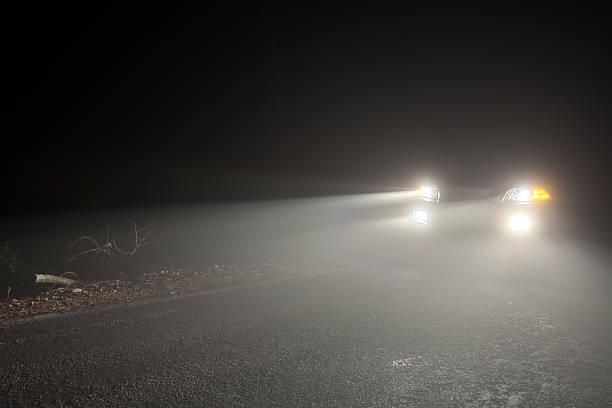
Fog lights are a specialized type of vehicle lighting that is designed to help drivers see in dense fog or snow. They emit a unique, wide, and low beam pattern that illuminates the road surface and prevents light reflection.
They are available in both front and rear types. Front fog lights typically emit yellow or white light, while rear fog lights are red and indicate the driver's position on the road to other drivers behind them.
When to use:
It's important to use fog lights only when visibility is significantly reduced by fog, heavy rain, snow, or even excessive dust or sand in the air. You can check this guide to see how to turn on fog light and the fog light symbol.
Using fog lights in clear weather conditions creates a distracting glare, impairs the visibility of other drivers on the road, and is therefore not recommended. Here is another article about fog lights and when to use them.
Turn Signal Lights/Indicators
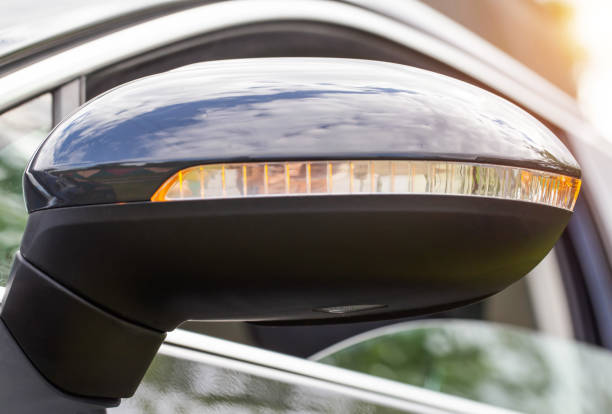
Turn signal lights, also called indicators, or blinkers, signal to other drivers and pedestrians that you intend to change lanes, make a turn or slow down.
Turn signal lights use amber-colored bulbs to differentiate them from other lights on the car. The front turn signal lights are typically located in the headlight assembly. They can also be found on your side mirrors. And the rear turn signal lights can be found in the taillight assembly.
Using turn signal lights is a critical aspect of safe driving and is legally required. Whenever you plan to change lanes or turn, you must signal your intentions by activating your turn signal lights. For more information about this type of car light, here is a complete turn signal light bulb guide.
Tail lights
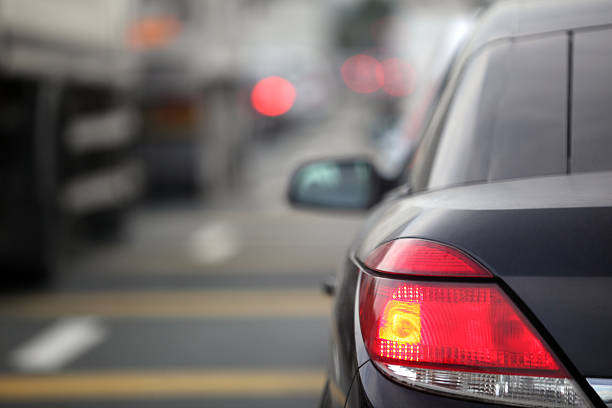
Tail lights are the red lights on the rear of your car that turn on automatically when your headlights are on. They serve two primary functions: to signal to other drivers that you are slowing down or stopping and to improve visibility when driving at night.
Tail lights typically consist of a red lens that covers a bulb or group of bulbs. Some tail lights also include additional lighting features, such as brake lights, turn signal lights. You can find more about tail lights by reading this article.
Brake lights
Brake lights also called emergency lights. They are the brighter red lights located at the rear of the car that illuminate when the driver applies the brakes. Brake lights are designed to alert other drivers that the vehicle is slowing down or stopping.
The location of the brake lights is typically in the rear of the vehicle, mounted on the trunk or rear bumper. In modern vehicles, brake lights are sometimes integrated into the taillight assembly.
As they only turn on when you apply the brakes, you don't need to think about when to use them.
Q: Is the tail light and brake light the same light?
Taillights and brake lights are both at the rear of a car, covered by a single housing. Taillights make the vehicle visible while brake lights signal when you're slowing down or stopping. Check out our guide on tail lights vs brake lights for more info.
Taillights and brake lights are both at the rear of a car, covered by a single housing. Taillights make the vehicle visible while brake lights signal when you're slowing down or stopping. Check out our guide on tail lights vs brake lights for more info.
Parking Lights
Parking lights, also known as sidelights or position lights, are small lights located at the front and rear of a car. They are typically orange or white in color and are found on the same housing as the headlights and taillights.
Parking lights make your car more visible to other drivers in low-light situations, such as at dusk or dawn. They also provide a small amount of illumination to help you navigate when parked in a dark area.
Side Marker Lights
Side marker lights on your car's side body can be spotted near the front wheel or behind the rear wheel. Depending on your vehicle's design, they may be attached to the bumper, fender, or rear quarter panel. These little car lights serve a dual purpose: increasing visibility for the driver and other road users and acting as an early warning system.
By illuminating the car's side profile, side marker lights make it easier for other drivers to see your vehicle, especially during nighttime or poor weather conditions. They also signal your intentions when you're about to make a turn or change lanes.
These handy lights activate automatically with your headlights, so you don't need to worry about turning them on manually. They may also blink along with your turn signals.
Hazard Warning Lights
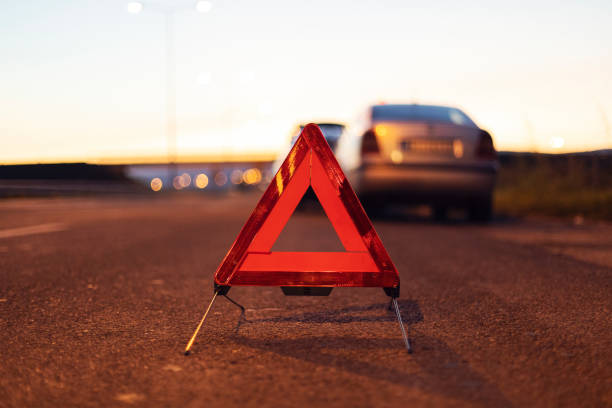
Hazard warning lights are used to alert other road users of potential hazards or emergency situations. These lights usually flash in amber or red and activate a vehicle's front and rear turn signal indicators. They are commonly known as flashers or hazard warning lights and use the same bulb as the turn signals.
Locating the hazard warning lights switch is simple – it is typically found on the dashboard, center console, or steering column, with an icon depicting a triangle encompassing an exclamation mark.
They should only be activated when your vehicle is stationary due to an emergency, mechanical breakdown, or other obstructions that may pose a danger to other motorists.
Interior Lights
As we've already discussed the different exterior lighting types of your vehicle, such as the front, rear, and sides, now let's shift our focus towards the interior car lights. They are the vital part of your vehicle that provide both illumination and ambiance to your car's cabin.
These lights are situated strategically in locations such as the dome, map, and door areas. The dome light, your car's main light source, is found overhead, while map lights cater to your front-seat passenger's reading needs. Additionally, door lights greet you with their warm glow as you enter or exit your vehicle.
To make the most of your interior lights, utilize them based on specific needs. Manually activate the dome light or set it to automatically turn on when doors open. Employ map lights when engaging in tasks requiring targeted light without disturbing fellow passengers. You can also check here to learn more about interior light bulbs.
Which Lights To Use in Different Situations
Now that we've learned about the different types of car lights, let's do a quick recap on which lights to use in various situations.
Daytime Driving
In broad daylight with normal weather conditions, you should use Daytime Running Lights (DRLs) to enhance your vehicle's visibility. The National Highway Traffic Safety Administration (NHTSA) reports that DRLs can reduce the risk of multi-vehicle daytime crashes by 5.7%. Although not mandatory in the United States, many modern vehicles are equipped with DRLs.
Nighttime Driving in the Traffic
During nighttime driving, low beam headlights are your go-to option. The FMVSS(Federal Motor Vehicle Safety Standards) requires you to switch to low beams when within 500 feet of an oncoming vehicle or following another vehicle within 300 feet.
Rural Areas and Dark Roads
In rural areas or poorly lit roads, high beam headlights, or main beams, provide maximum forward illumination. Be considerate of other road users and switch back to low beams when you see an oncoming vehicle or when you are within 500 feet of a vehicle you're following.
Foggy Conditions
Fog lights are specifically designed to improve visibility during fog, heavy rain, or snow. These lights emit a low, wide beam and should be used in conjunction with low beam headlights. The NHTSA advises turning off fog lights in clear conditions, as they can create glare and distract other drivers. (Related article: What lights to use in fog?)
Rainy Weather
During rain, low beam headlights are essential for visibility. Also, make sure your taillights, brake lights and turn signals are properly functioning so other drivers will see you during downpours.
Hazardous Situations
In hazardous situations or when driving significantly slower than the normal flow of traffic, activate your hazard lights, or emergency flashers, to warn other drivers. Examples include disabled vehicles, accidents, or temporary obstructions on the road.
Turning and Changing Lanes
Turn signals, or indicators, are crucial for communicating your intentions to other drivers. Always use your turn signals when changing lanes, merging, or making turns. Ensure your signals are functioning correctly and be mindful of other drivers' signals as well.
Choose The Bright And Durable Car Bulb Replacement
If you're experiencing issues with your car lights, it might be time to replace the bulbs. At SuncentAuto, we provide a wide range of affordable car lighting products with free shipping. Simply enter your vehicle's year, make, and model to find the right bulbs.
Whether you're searching for bright LED headlight bulbs, headlight assemblies with DRLs, yellow or white fog light bulbs, brake light bulbs, or a variety of interior light bulbs, we've got you covered. With SuncentAuto, you can get back on the road safely and confidently in no time.