 Contents
Contents
1. What Is Exhaust Header Wrap?
Exhaust Header Wrap is a strip-style thermal insulation product specifically designed for high-performance vehicles and industrial exhaust systems. It is typically woven from heat-resistant fibers. Common materials include fiberglass, basalt fiber (often marketed as titanium), and ceramic fiber. It is wrapped directly around the surface of the header or downpipe, tightly covering the metal tubing like a “thermal jacket.”
Physical Mechanism and Working Principle
When an engine is operating under high load, the surface temperature of the exhaust header can quickly rise to 500°C to 1000°C. The core purpose of exhaust header heat wrap is to alter the direction of heat transfer through the principle of thermal retention.
- Heat Retention: According to the second law of thermodynamics, heat naturally radiates toward cooler areas. Exhaust wrap uses its very low thermal conductivity to keep most of the heat energy inside the exhaust tubing, preventing it from escaping into the engine bay through radiation and convection.
- Maintaining Exhaust Energy: Keeping the exhaust gases hot means preserving their internal energy. Based on the ideal gas law, PV = nRT, maintaining a higher temperature under fluctuating pressure conditions helps preserve gas volume and kinetic energy, which leads to two key technical effects:
Scavenging Effect
Hot exhaust gas has lower density and higher velocity. The pressure pulses formed inside the tubing can more effectively “pull” residual exhaust gases out of the cylinder.
Thermal Energy Conversion
On turbocharged vehicles, retained exhaust heat can be directly converted into the kinetic energy that drives the turbine wheel, reducing lag and improving response.
Main Purpose
In high-performance applications, exhaust header wrap is mainly used to achieve two goals:
- Heat Shielding: Reduce engine bay temperature and protect surrounding wiring, plastic parts, and intake tubing from excessive heat.
- Performance Optimization: Improve exhaust gas velocity and preserve exhaust energy to enhance engine scavenging efficiency and turbo response.
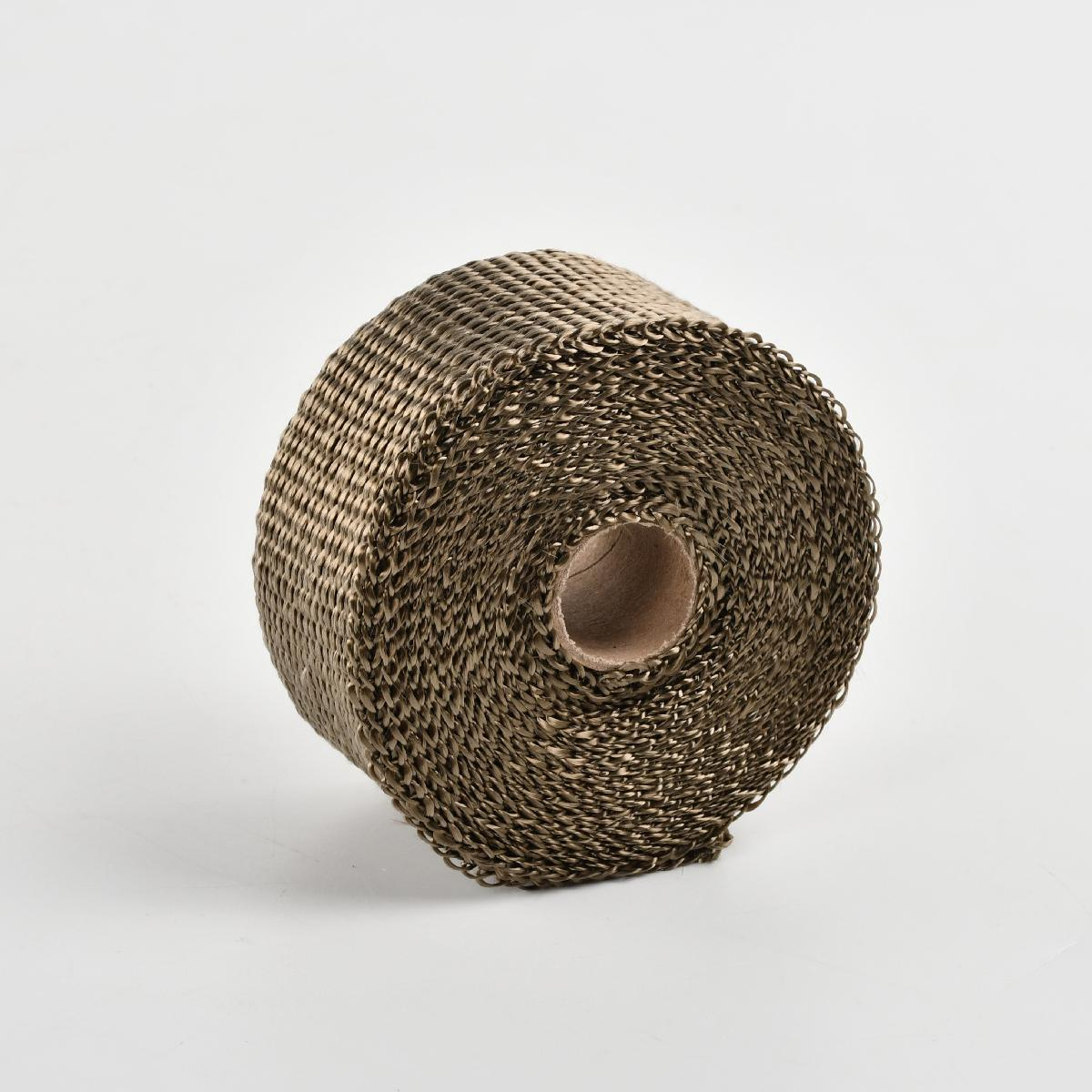
2. Exhaust Wrap Pros & Cons
Exhaust wrap is a double-edged sword. It is highly praised in the performance world, but also controversial because of the potential risk of hardware damage. Understanding this trade-off is the key to deciding whether you should install it.
2.1 Advantages: Direct Gains in Performance and Protection
- Excellent Engine Bay Temperature Control: The exhaust header is usually the largest heat source in the engine bay. After wrapping, the amount of radiant heat emitted from the header surface can be reduced by more than 50%. This not only helps extend the life of sensors, wiring, and rubber components, but also prevents the intake manifold from absorbing unnecessary heat.
- Higher Exhaust Gas Velocity: Physics tells us that the hotter the gas, the lower its density and the faster it flows. By retaining heat inside the tubing, exhaust header wrap enhances the scavenging effect and helps exhaust gases leave the engine more smoothly, which can slightly improve power delivery.
- Improved Turbo Response: On turbocharged cars, heat energy equals kinetic energy. Reducing heat loss allows the exhaust gases to carry more energy to the turbine wheel, effectively shortening turbo spool time.
- High-Value DIY Solution: Compared with expensive ceramic coating, which often requires removing the part and sending it out for processing, exhaust wrap usually costs only a few dozen dollars and a few hours of labor. It is one of the most accessible and efficient heat-management upgrades available.
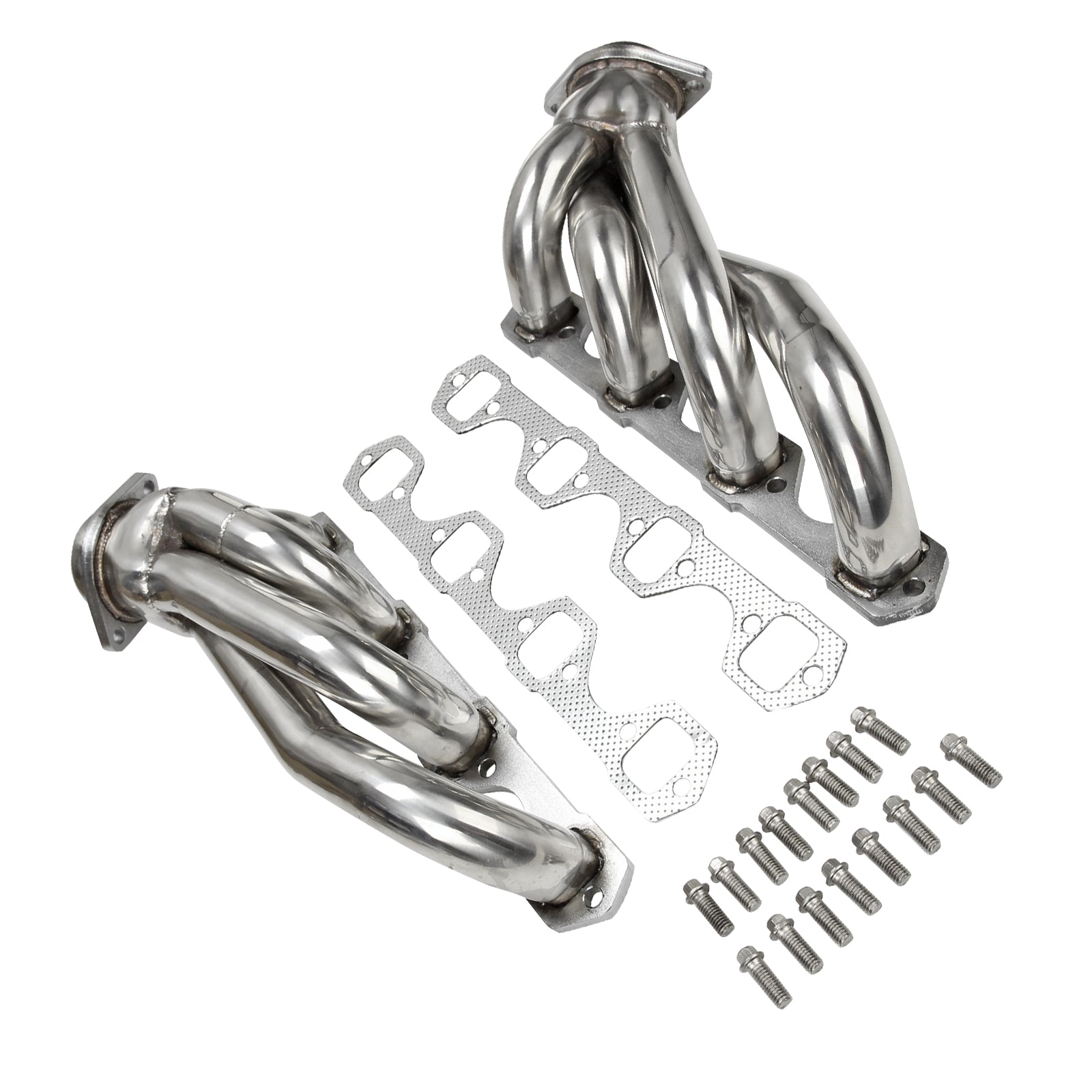
2.2 Disadvantages: Risks That Cannot Be Ignored
- Rust and Corrosion (The Moisture Trap): The fiber structure can physically absorb moisture. After driving in wet conditions or rain, the wrap can hold water tightly against the pipe surface. This “wet-wrap” environment accelerates oxidation, especially on lower-grade stainless steel or cast iron, and may cause the header to rot through in as little as one or two years.
- Fire Hazard from Oil Absorption: This is the most dangerous risk. If the engine bay develops a leak from engine oil or power steering fluid, the wrap can soak it up like a wick. Once exposed to the heat of the exhaust, these oil-saturated fibers can ignite easily and cause a serious engine-bay fire that is very difficult to extinguish.
- Metal Embrittlement and Cracking Risk: Exhaust wrap forces heat to remain inside the metal, causing the header itself to endure a heat load beyond its original design limit. This extreme thermal stress cycle accelerates metal fatigue. On thin-wall headers or parts with average weld quality, long-term wrapping can easily lead to cracked welds or embrittled tubing.
2.3 Core Misconception: It Is Not a Leak Repair Tool
“My exhaust is leaking? I’ll just wrap it.” This is an extremely dangerous misconception.
- It Cannot Seal Leaks: Exhaust wrap is woven and porous. It cannot stop pressurized exhaust gas from escaping.
- It Hides the Problem: Leaking hot exhaust gases will continuously blast the wrap like a torch, causing the material to carbonize and fail quickly.
- It Makes Diagnosis Harder: Once the header is wrapped, you can no longer visually inspect the surface for carbon tracks or cracks. Many people only discover the problem when the noise becomes severe or a fire occurs.
Expert Advice: Before installing the best header exhaust wrap for your application, make sure the header is in perfect physical condition. Any crack, exhaust leak, or oil seep must be repaired first.
3. Use Cases: What Type of Header Actually Needs It?
3.1 Titanium / Basalt Wrap: The Preferred Choice for High Performance
Most “titanium header wrap” products on the market are actually made from basalt fiber. This is currently the mainstream choice for high-performance builds. Compared with fiberglass, basalt is more heat resistant, with continuous temperature resistance above 1000°C, and the material is more flexible while producing far less installation dust.
It is especially suitable for turbocharged vehicles and high-RPM track cars. For performance-oriented brands such as Artr, titanium-style wrap can retain heat more effectively without carbonizing as easily under extreme temperatures.
3.2 Stainless Steel: Balancing Lifespan and Performance
Stainless steel headers are by far the most common option in the aftermarket. Although stainless steel materials such as 304 or 321 have inherent corrosion resistance, they are also sensitive to thermal stress. Because stainless steel has relatively poor thermal conductivity, heat becomes highly concentrated once wrapped.
If your header has thin walls or is a low-cost product, wrapping it may accelerate stress cracking. For mid-range stainless steel headers used on daily-driven street cars, running them as-is or choosing a ceramic-coated version is often a smarter choice than adding exhaust header heat wrap.
3.3 Cast Iron: Limited Benefit
Factory cast iron manifolds are often very thick and structurally stable. However, cast iron is highly susceptible to moisture retention. Once wrapped, it can hold water like a sponge, leading to severe hidden oxidation and flaking in areas you cannot inspect.
Unless there is a very specific engine-bay heat management issue, exhaust header wrap is generally not recommended for cast iron manifolds.
4. Wrap vs. Ceramic Coating
This is one of the most common dilemmas for people trying to improve thermal management. The following table gives a quick comparison:
| Feature | Exhaust Wrap | Ceramic Coating |
|---|---|---|
| Heat Insulation Principle | External fiber layer blocks radiant heat | Ceramic layer lowers heat transfer rate; can be applied to inner and outer surfaces |
| Corrosion Protection | Poor; easily absorbs water and can accelerate rust | Excellent; seals the metal and helps prevent rust and corrosion |
| Durability | About 2–3 years; may fail as fibers age or become oil-soaked | Long-lasting; does not peel under normal use |
| Installation Difficulty | Low; DIY-friendly and relatively inexpensive | High; requires professional coating and high-temperature curing |
| Appearance | Rugged, race-inspired look | Clean, refined look with multiple color options |
How to Choose
- Choose Wrap If: Your budget is limited, you want short-term performance gains (such as for track days), you enjoy DIY projects, or you need especially strong thermal insulation on a turbocharged vehicle.
- Choose Ceramic Coating If: You drive the car long-term on the street, care about a clean appearance, own an expensive high-end header, and want heat control plus metal protection from corrosion.
5. Downpipe Wrap vs. Header Wrap
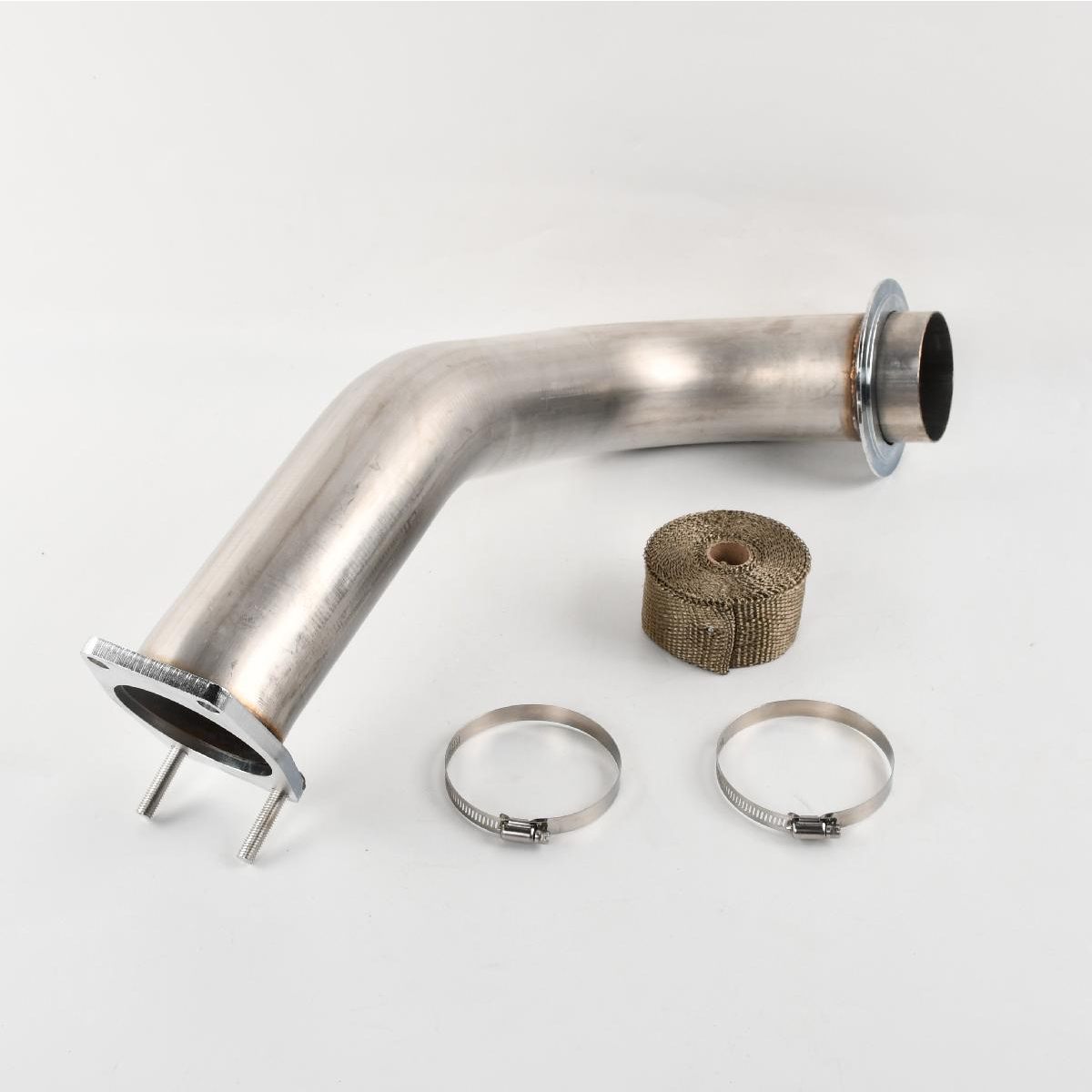
heatwrapwithstainlesssteellockingtiesvisibleneartheblackmountingflange-69d7757535aa0.png)
In real-world modifications, many people ask: should I wrap the header up front, or the downpipe behind the turbo?
5.1 Header Wrap: The Front Line for Performance and Engine Bay Protection
The header sits at the very top of the exhaust system, right next to the cylinder head.
- Temperature: This is the hottest part of the exhaust system and produces the strongest heat radiation.
- Main Focus:
- Performance First: Maintaining extremely high exhaust temperature preserves exhaust energy, helping scavenging and, on turbo setups, improving turbine drive energy.
- Protecting Precision Components: The upper engine bay is packed with injector wiring, ignition coils, vacuum hoses, and sensors. The first job of header wrap is to keep these plastic and rubber parts from being heat-damaged.
5.2 Downpipe Wrap: A Barrier for Comfort and Undercar Protection
The downpipe sits behind the turbocharger, or below the exhaust manifold, and extends downward toward the chassis.
- Temperature: It is slightly cooler than the header, but still hot enough to destroy anything that comes into contact with it.
- Main Focus:
- Cabin Temperature Control: The downpipe often runs close to the firewall and center tunnel. Wrapping it can significantly reduce floor heat and improve long-distance driving comfort.
- Protecting Critical Mechanical Parts: It can help protect components such as the power steering system, drivetrain seals, and clutch slave cylinder. On many longitudinal rear-wheel-drive cars, heat from the downpipe is a major cause of overheated power steering fluid.
5.3 Key Differences
| Dimension | Header Wrap | Downpipe Wrap |
|---|---|---|
| Main Goal | Improve scavenging efficiency and reduce engine bay heat | Reduce cabin heat and protect undercar components |
| Effect on Performance | Large; directly affects gas velocity | Small; mainly focused on heat management |
| Installation Difficulty | Very high; multiple branches and tight bends | Lower; usually one larger, straighter pipe |
| Recommended Priority | Track cars / performance builds first | Street cars / daily drivers first |
5.4 Which One Should I Wrap First?
- If you want better throttle response and spool-up: Wrap the header first. Keeping heat in the exhaust gas directly feeds the turbo.
- If your air conditioning feels weak or the floor gets too hot: Wrap the downpipe first. This is the most direct solution for reducing cabin heat.
- Safety Note: When wrapping either one, always leave space around the O2 sensor and EGR ports. Never wrap over the sensor body itself, or you may cause inaccurate readings or sensor failure.
6. Buying Guide: How to Choose the Right Exhaust Wrap
6.1 Know the Specifications: Length, Width, and Thickness
Many buyers ask, “If I buy header wrap, can I use it on a downpipe?” The answer is yes.
Even though the packaging may use different names, header wrap and downpipe wrap are usually made from the same heat-resistant fiber material. The real differences are typically length and width.
- Length Trap:
- Header Wrap: Usually sold in shorter rolls, around 15–30 feet, because a header is made up of multiple smaller tubes. One roll may only be enough for one or two runners.
- Downpipe Wrap: Often sold in longer rolls, such as 50 feet or more, because a larger downpipe consumes much more material per wrap.
- Rule of Thumb: Since proper installation usually requires about 50% overlap, the actual material needed is often 3–4 times the straight-line length of the pipe. If you buy a small product marketed as exhaust header wrap and try to use it on a downpipe, you will very likely run out halfway through.
- Width Choice:
- 1-inch width: Best for tightly curved headers and complex bends.
- 2-inch width: Better for downpipes or straight tubing because it wraps faster and covers more evenly.
6.2 Temperature Rating: Focus on Continuous, Not Peak
Do not be misled by flashy numbers on the packaging:
- Continuous Temperature: This is the temperature the material can withstand long-term. High-performance titanium/basalt wrap is typically rated around 1000°C–1200°C.
- Peak Temperature: This only represents the short-term upper limit before the material melts or fails. It has little real-world value for normal driving conditions.
Recommendation: If you own a turbocharged car, choose a basalt/titanium-style wrap with a continuous temperature rating of at least 1000°C.
6.3 Check the Accessories: The Ties Matter
The wrap itself may survive, but the ties can fail.
- Never Use: Plastic zip ties of any kind, even if labeled heat-resistant.
- Must Use: 304 or 316 stainless steel locking ties.
- Shopping Tip: Make sure the package includes enough ties. If not, buy extra 8-inch and 12-inch stainless ties so you do not get stuck at the end of the job with no way to secure the material.
6.4 Material Summary
- Entry-Level / Naturally Aspirated Cars: Fiberglass (white or black) offers the best value, but because the fibers are more fragile, service life is relatively shorter.
- High-Performance / Turbocharged Cars: Basalt fiber (gold/titanium appearance) is the current benchmark. It does not require wet installation and offers excellent heat resistance.
7. Installation Tips: The Correct Wrapping Process
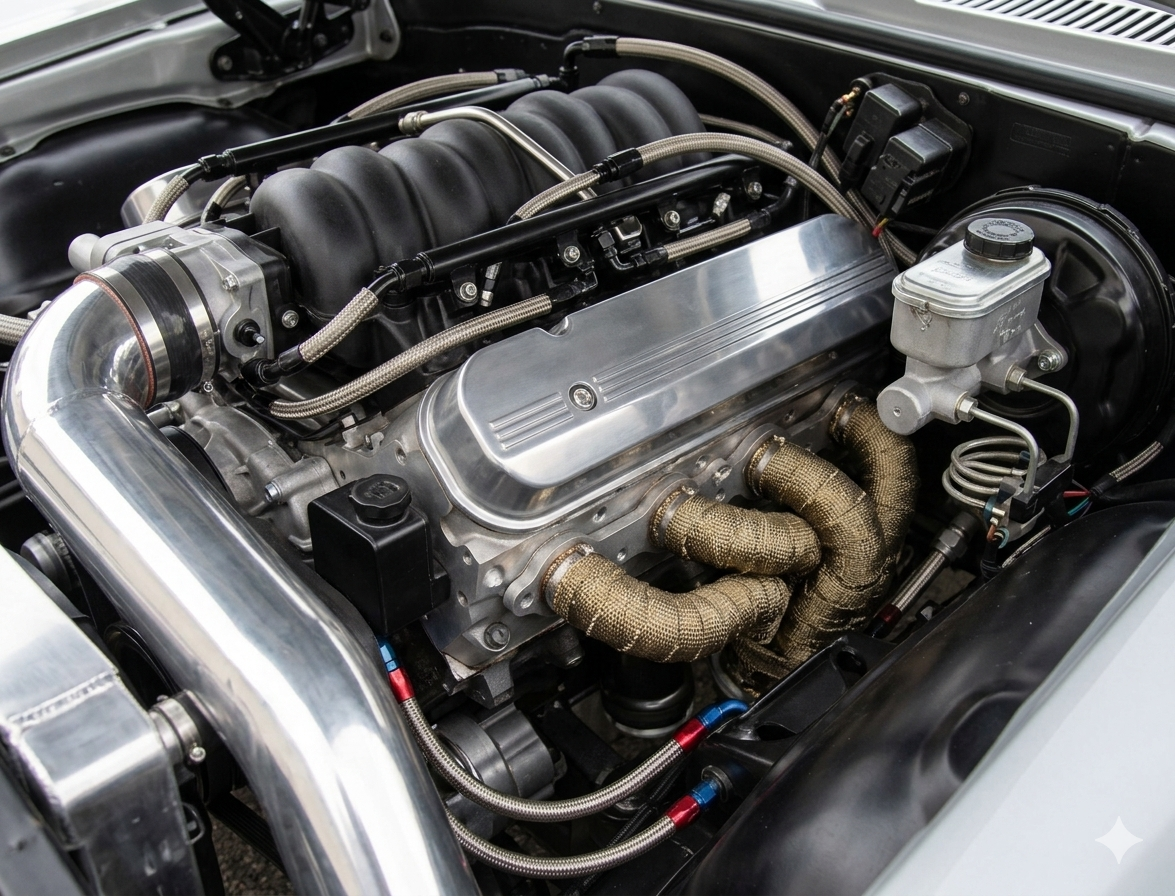
7.1 Preparation: The Secret to Avoiding “Itchy Hands”
If you are using fiberglass wrap, personal protection should be your first priority. Once small fiberglass particles get into your skin, they can cause severe itching for several days.
- Protect Yourself: Wear rubber gloves, goggles, and a long-sleeve work shirt.
- Control the Environment: Work outdoors or in a well-ventilated area to keep dust from settling inside the garage.
7.2 Wet Installation vs. Dry Installation
- Fiberglass (Should Be Wet): Before wrapping, soak the material in a bucket of water for a few minutes. Why wet it?
- It reduces airborne fiberglass dust.
- It improves flexibility and helps the wrap conform to tight bends.
- As it dries, the fibers shrink slightly and tighten around the header like a compression wrap.
- Titanium / Basalt Fiber (Dry Installation Recommended): This material is already flexible enough and does not rely on water to tighten. Dry installation usually works better and avoids excess steam during the first heat cycle.
7.3 Wrapping Technique: The 50% Overlap Rule
- Starting Point: Begin at the flange near the cylinder head. Wrap two overlapping turns and lock them down with the first stainless steel tie.
- Spiral Forward: Each new pass should overlap the previous one by 50%. This ensures that even if the material shifts slightly during heat cycles, the metal underneath will not be exposed.
- Tension Control: Pull the material tight on every pass. If it is installed loosely, the wrap may sag or peel off after repeated heating and cooling.
- Avoid Sensor Ports: When you reach the O2 sensor or EGR mounting area, use an “X-pattern” to leave those ports exposed. Never wrap directly over the sensor connection.
7.4 Finishing and Securing
- End Treatment: At the end of the pipe, overlap two additional turns and secure the finish with two stainless steel ties for extra security.
- Trim Carefully: Use pliers to tighten the ties and cut off the excess. Bend down any sharp edges so they do not cut your hands during future maintenance.
7.5 First Startup: Smoke and Odor
The first time you start the engine after installation, you may see white smoke and notice a strong smell from the engine bay.
- Do Not Panic: This is usually the normal curing process, where residual oils, binders, and chemicals on the wrap burn off under heat.
- What to Do: Let the engine idle outdoors for 15–30 minutes. If smoke continues for more than an hour or you see visible flame, shut the engine off immediately and check for oil leaks.
FAQs
Conclusion
Exhaust header wrap is a powerful solution for improving engine bay heat management, but it is best suited for users with specific needs:
- Track Drivers and High-Performance Enthusiasts: Those who are willing to sacrifice some header lifespan for every bit of scavenging effect and underhood heat reduction.
- Owners Solving Specific Heat Problems: Such as overheated floorboards or wiring that is being damaged by exhaust heat.
If your goal is a long-term, low-risk, attractive solution and your budget allows it, then ceramic coating is the ultimate answer. But if you enjoy DIY work and want immediate thermal improvement, choosing a high-quality roll of the best header exhaust wrap and starting your wrapping project may be exactly what you need.