 Contents
Contents
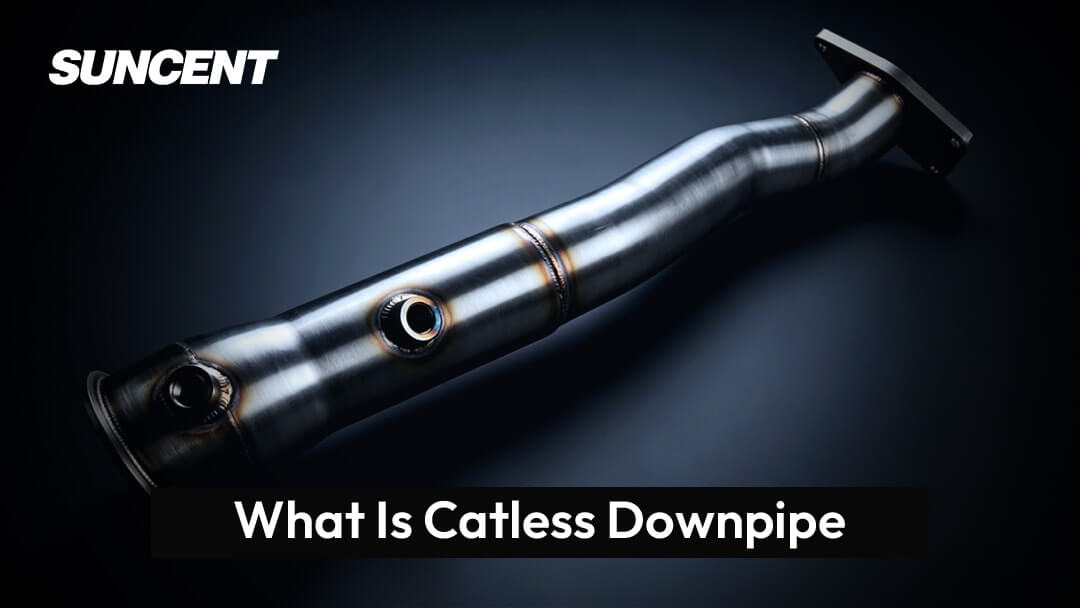
A catless downpipe is a high-flow exhaust component that removes the internal catalytic converter core, designed for turbocharged vehicles that pursue maximum performance. It replaces the stock downpipe, which usually contains a catalytic converter to reduce harmful emissions. Today, we'll explain exactly what it is, its pros and cons, and whether it is worth upgrading.
What Does a Catless Downpipe Do?
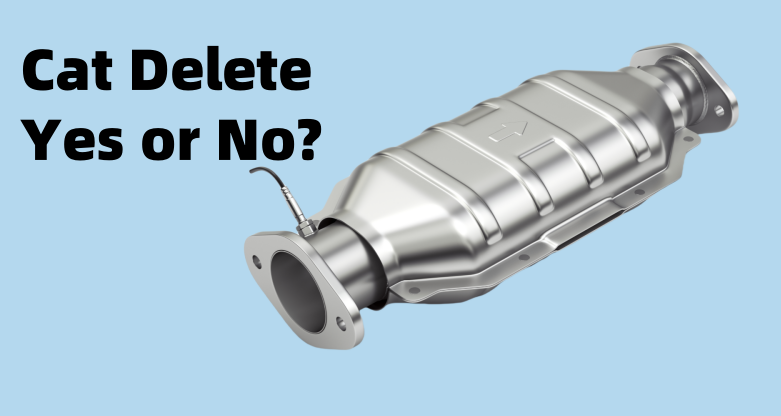
The "cat" in "catless" refers to the catalytic converter. A catless downpipe is essentially an aftermarket part that simply removes the dense internal metal or ceramic catalytic substrate.
Its core job is to dramatically reduce exhaust backpressure. Without the restriction of the catalytic converter, high-temperature exhaust gases can exit much more quickly with almost no obstruction.
Pros and Cons of a Catless Downpipe
In the tuning world, choosing a catless downpipe exhaust usually represents a more "ardcore" attitude.
Pros
1. Maximum Flow
This is the biggest selling point of a catless downpipe. Without a catalytic converter, the exhaust path is more direct, and the flow limit is usually higher than a catted version.
2. Louder Sound
Without the filtering effect of the catalytic converter, the exhaust note becomes sharper and louder, often with a more noticeable turbo whistle. Whether at cold start, hard acceleration, or high RPM, the sound becomes more aggressive and more pronounced.
3. Better Spool
Because backpressure is lower, many turbo platforms feel faster turbo spool and more responsive low- to mid-range performance after installing a catless downpipe.
4. Strong Value for Performance Builds
If your goal is a more performance-oriented build, a catless downpipe is often a very cost-effective upgrade, especially when paired with an ECU tune, where horsepower and torque can increase significantly.
Cons
1. Smell
This is one of the hardest things for daily drivers to accept. Without a catalytic converter to process emissions, the exhaust smell is usually much stronger, with a noticeable unburned fuel smell and a raw exhaust odor.
2. CEL Risk
After installing a catless exhaust downpipe, the rear O2 sensor is more likely to detect abnormal exhaust conditions, so the risk of fault codes and a CEL (Check Engine Light) is usually much higher.
3. Legality Concerns
A catless downpipe carries a much higher emissions compliance risk than a catted downpipe. In many areas, street use may create legal issues. In regions with strict emissions laws, this type of modification typically cannot pass roadside inspections or annual testing.
Are Catless Downpipes Bad for Your Car?
A catless downpipe is not "inherently harmful" to the engine itself. In fact, lowering exhaust gas temperature (EGT) can be beneficial for protecting the engine. The real risks usually come from the following factors:
Poor Tuning:
If you install the hardware but do not match it with the proper ECU software, or if the software calibration is done poorly, it may lead to:
- Unstable power delivery
- Frequent fault codes
Bad Fitment:
If the product quality is poor, the flange alignment is off, or the weld precision is mediocre, it may cause exhaust leaks, chassis interference, and similar problems. At its core, this is a product quality and installation quality issue.
Proper Installation and Tuning Are Extremely Important
What really determines whether a catless downpipe works well is usually not whether it has a catalytic converter, but rather:
- Whether the product fits correctly
- Whether the installation is done properly
- Whether the ECU is matched correctly
Conclusion: As long as the product quality is reliable, the installation is proper, and it is paired with the correct tune, a catless downpipe can usually operate stably and deliver its performance advantages.
Are Catless Downpipes Legal?
This is a reality you have to face. In many countries and regions, using a catless exhaust system on public roads carries clear emissions and road compliance risks.
Because a catless downpipe removes the catalytic converter, and the catalytic converter itself is an important part of the factory emissions control system, it violates emissions regulations in most regions from a compliance standpoint, such as EPA or Euro 6 rules.
In many places, a catless downpipe is better understood as being for:
- Track use
- Off-road use
- Non-public-road use
For normal public-road street use, its legal status is usually much less favorable.
Local Laws Always Come First
Rules can vary from one country, state, province, city, or even inspection program to another. Therefore, before purchasing and installing one, make sure to confirm your local regulations.
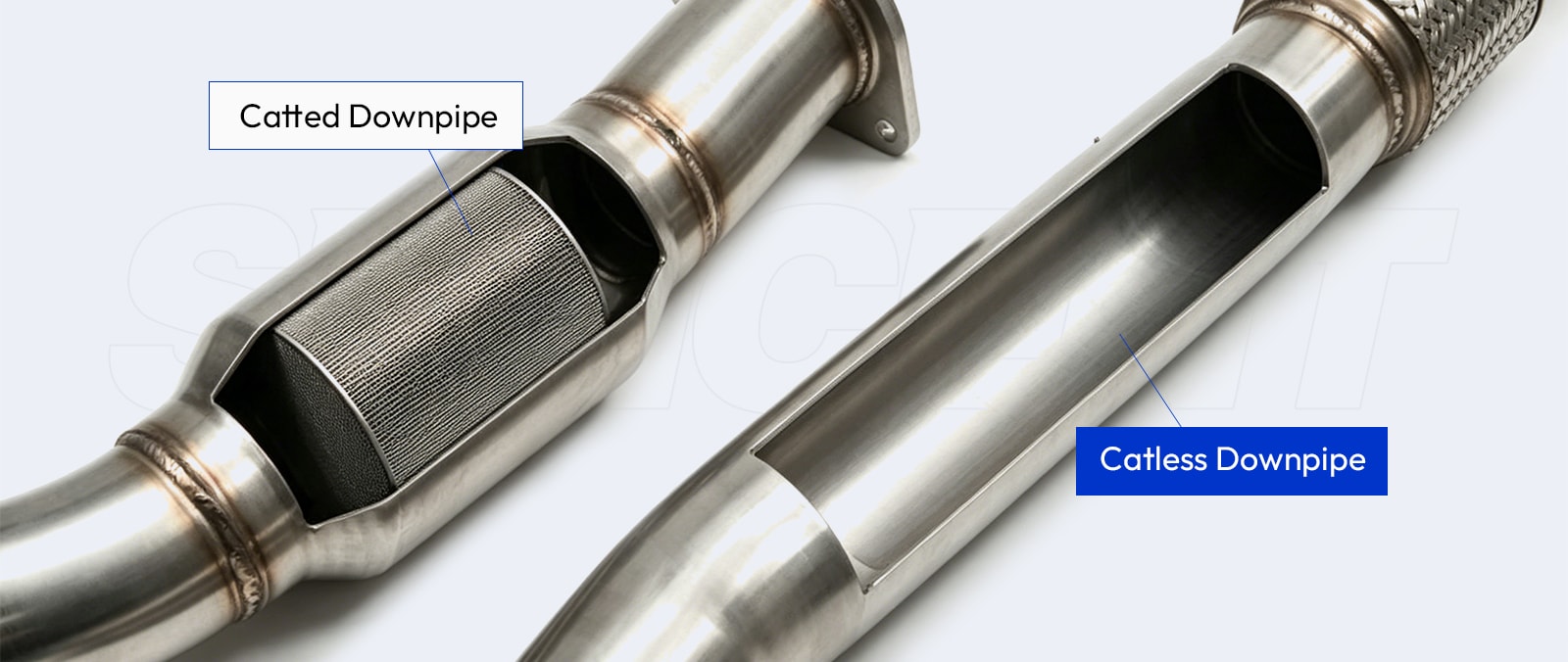
Differences Between Catted and Catless Downpipe
Catless downpipe: no catalytic converter, lowest exhaust restriction.
Catted downpipe: retains a high-flow catalytic converter to balance flow and street friendliness.
Catless vs Catted Downpipe Comparison Table
| Category | Catless Downpipe | Catted Downpipe |
| Horsepower gains | Maximized (lowest backpressure) | Excellent (slightly lower than catless) |
| Turbo response | Fastest | Excellent |
| Exhaust sound | Sharp and wild | Deep and louder than stock |
| Exhaust smell | Noticeable gasoline smell | Almost odorless |
| CEL risk | Very likely to trigger (requires tuning suppression) | Less likely to trigger |
| Price | Lower | Higher (more expensive due to the precious metal core) |
Conclusion: Should You Choose a Catless Downpipe?
A catless downpipe is not for everyone. The final decision should be based on your use case, power goals, and your tolerance for the side effects.
If your goal is track use, maximum flow, and a more aggressive exhaust note, and you accept the smell, check engine light, and compliance risks, then a catless downpipe may be a better fit for your needs.
If your car is used mainly for daily street driving, and you care more about comfort, compliance, and lower ownership hassle, then a high-flow catted downpipe is usually the more balanced choice.
In the end, upgrading to catless is not just about horsepower. It is also a broader decision involving exhaust sound, environmental smell, and local regulations.