 Contents
Contents
- What Is a 6.7 Cummins Grid Heater?
- 6.7 Cummins Grid Heater Problems: Why Owners Consider a Delete
- Is There a 6.7 Cummins Grid Heater Bolt Recall?
- 6.7 Cummins Grid Heater Delete Pros and Cons
- Does a 6.7 Cummins Grid Heater Delete Add Horsepower?
- 6.7 Cummins Grid Heater Delete Cold Start: What Happens in Winter?
- 6.7 Cummins Grid Heater Upgrade vs. Delete: Which Is Better?
- Does a 6.7 Cummins Grid Heater Delete Require a Tuner?
- What to Look for in a 6.7 Cummins Grid Heater Delete Kit
- Is a 6.7 Cummins Grid Heater Delete Worth It?
- FAQs
If you have spent any time researching a 6.7 Cummins grid heater delete on diesel forums, Facebook groups, or Reddit, you have probably seen the same phrases over and over: “Killer Bolt,” engine failure, better airflow, and more horsepower.
Read enough of those posts and it can start to feel like every 6.7 Cummins owner needs to remove the grid heater before something goes wrong. The reality is more complicated. The grid heater does have a failure mode worth taking seriously, but it also serves a real cold-start function. Whether a delete makes sense depends on your truck’s condition, climate, daily use, and overall build.
What Is a 6.7 Cummins Grid Heater?
What Does a Grid Heater Do on a 6.7 Cummins?
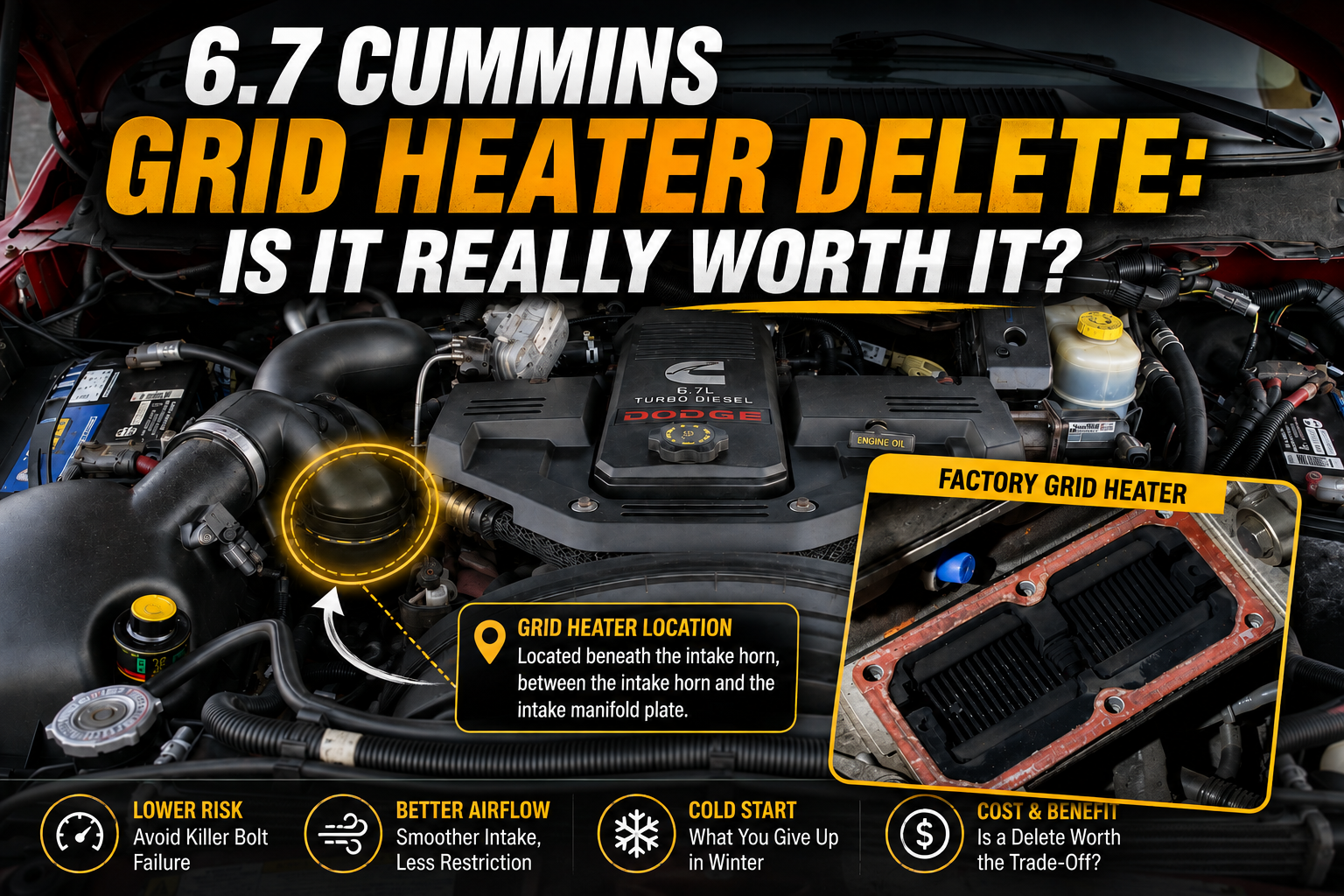
Think of the grid heater as the 6.7 Cummins engine’s intake-air warmer for cold starts. When temperatures drop, it heats the air entering the engine so diesel fuel can burn more cleanly during startup and warm-up. It also helps reduce the white smoke and rough running that can happen with a cold diesel engine.
It is not the same hardware as a traditional glow plug system, but the job is similar: help the diesel engine start and run better when it is cold.
Ram’s cold-start procedure shows that the intake air heater is used when engine/manifold air temperatures are low. Below 0°F (-18°C), an additional heater cycle may also help with starting. Ram Owner’s Manual
That means the grid heater is not useless unless you live somewhere extremely cold. A truck in Arizona or South Texas may barely rely on it, while a Ram 3500 that starts outside every winter morning in Minnesota, Montana, or Canada may benefit from it regularly.
What Is a 6.7 Cummins Grid Heater Delete?
A 6.7 Cummins grid heater delete removes the factory grid heater from the intake path. Depending on the kit, the job may include:
- Removing the factory grid heater assembly
- Removing the factory internal power-terminal or nut-and-bolt connection
- Disconnecting or rerouting the factory high-current wiring
- Installing a grid heater delete plate or high-flow plenum
- Replacing the factory intake setup with an aftermarket intake manifold
Once the heater grid is gone, the intake path is more open. More importantly for many owners, the factory internal connection associated with the well-known “Killer Bolt” concern is also removed.
That is why many owners are not chasing horsepower when they do this modification. What they really want is peace of mind.
6.7 Cummins Grid Heater Problems: Why Owners Consider a Delete
Most owners looking into a grid heater delete are trying to solve one of two problems: the Killer Bolt risk or intake restriction. For a mostly stock daily driver, the reliability concern is usually the bigger reason.
6.7 Cummins Grid Heater Bolt: The “Killer Bolt” Risk
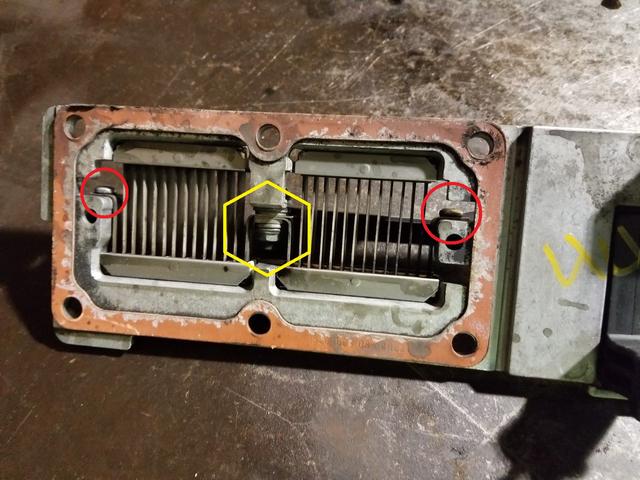
“Killer Bolt” sounds like an aftermarket marketing term, but the failure mechanism behind the concern is real.
Cummins Technical Service Bulletin TSB210032 describes a failure path where the intake air heater relay can become stuck closed. If that happens, the heater may stay powered longer than intended. Without normal airflow to cool it, the heater can overheat, which may deform or loosen the insulated power connection bar and lead to electrical arcing.
Cummins specifically notes that debris created by that arcing can enter the intake system. Cummins TSB210032 via NHTSA
The expensive part begins if hard debris actually reaches a cylinder.
In a 2026 RamForum case, the owner of a 2022 Ram 3500 6.7L Cummins HO reported a grid-heater-related fastener entering the No. 5 cylinder at about 75,000 miles, cracking the piston and causing damage that extended into the exhaust side. The owner estimated that, without powertrain warranty coverage, the repair could have reached $20,000–$30,000. That is one severe case, not an average repair bill, but it explains why some owners prefer to deal with the potential failure point before it becomes expensive. RamForum owner case
So the real question is not simply, “How common is it?”
It is: “If my truck is one of the unlucky ones, am I comfortable accepting the downside?”
Does a 6.7 Cummins Grid Heater Delete Improve Airflow?
Yes. The factory grid heater sits directly in the intake path, so removing it creates a less obstructed route for incoming air.
But this is where marketing can get ahead of reality: more airflow does not automatically mean more horsepower.
If your 6.7 Cummins is mostly stock, the turbo, fueling system, intake manifold, exhaust flow, and calibration still determine how much air and fuel the engine can actually use. Removing one restriction by itself is unlikely to transform the truck.
On the other hand, if the truck already has an upgraded turbo, high-flow intake, fueling upgrades, exhaust, a tuner, or you are building a broader performance setup around a diesel delete kit, then removing the grid heater makes more sense as one part of the overall airflow strategy.
In that situation, the goal is not: “Remove this part and instantly gain a bunch of horsepower.”
The goal is: “If the rest of the engine is being built for more airflow, why leave an unnecessary restriction in the intake path?”
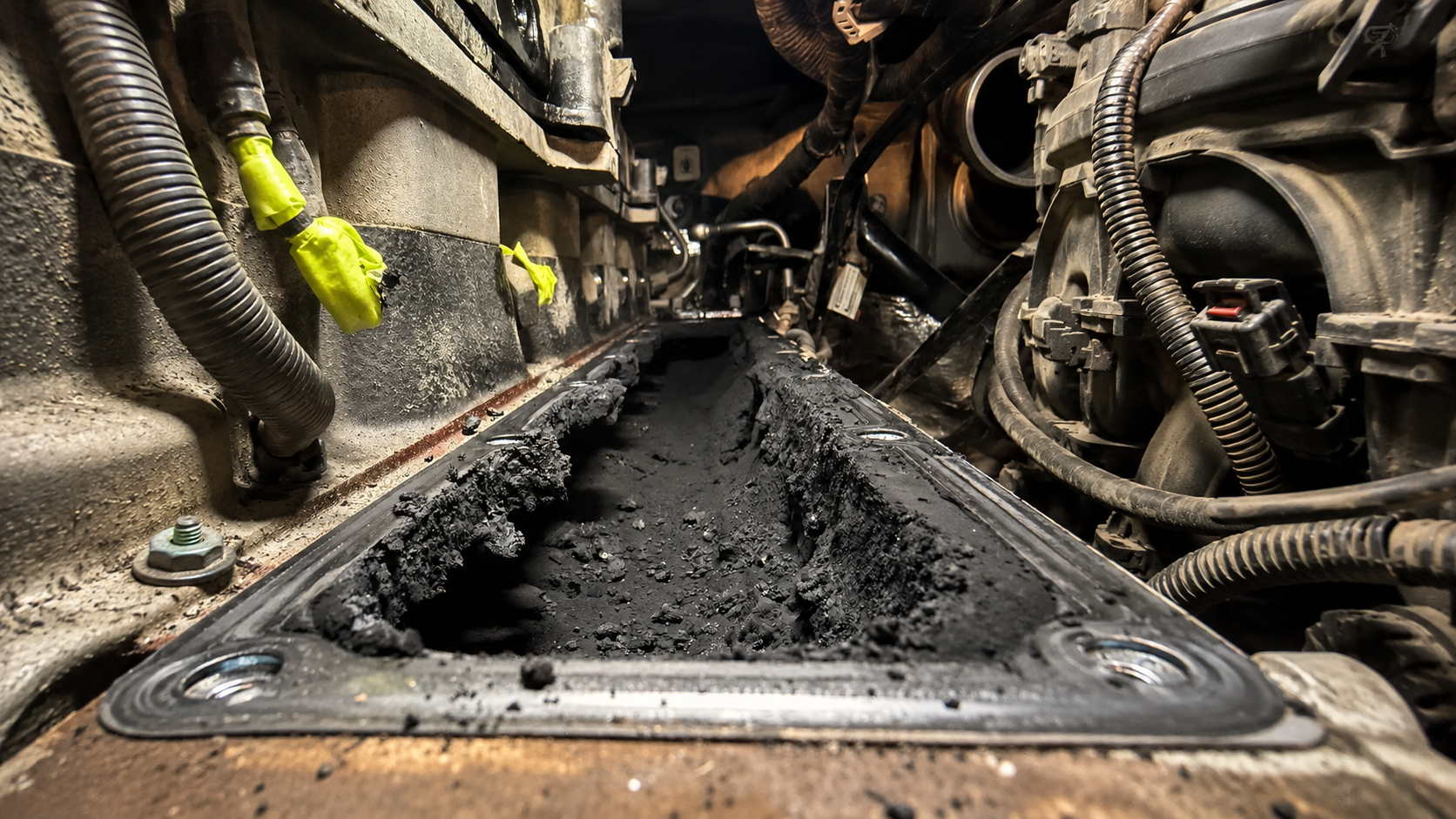
3. Chronic Soot and Carbon Clogging
Another compelling reason for a grid heater delete is severe, chronic clogging. The stock intake design, combined with required emissions equipment, makes the grid heater a prime location for massive carbon buildup.
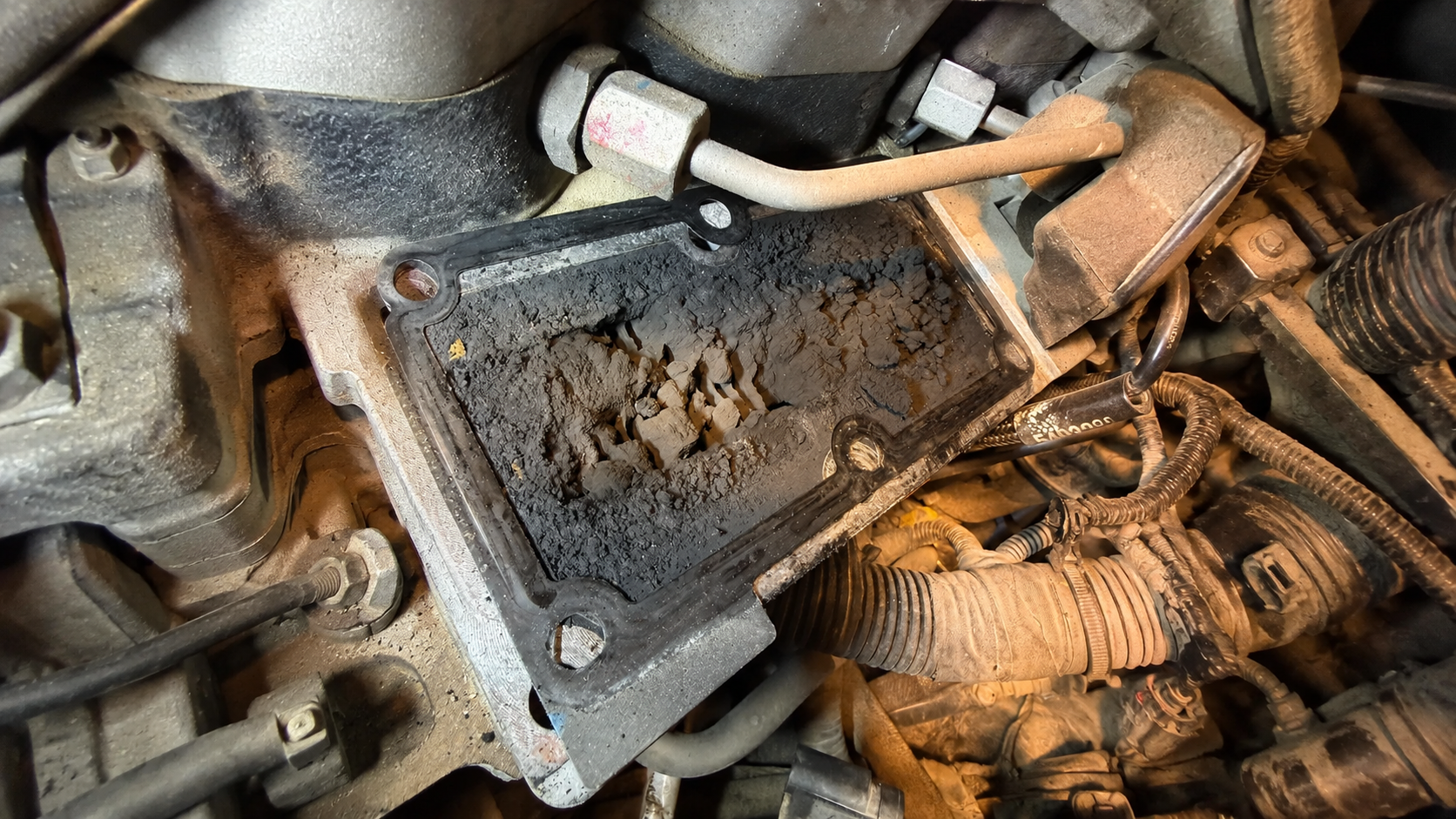
Here’s why it happens:
- EGR & CCV Collaboration: The EGR system sends soot-laden exhaust into the intake, while the CCV system introduces oily mist.
- The “Sticky” Mess: Soot binds with CCV oil on the heated grid and intake surfaces, forming thick, hardened deposits.
- Aggravated by Driving Habits: Frequent idling, short trips, or light-load towing worsen the buildup because lower operating temperatures don’t allow deposits to burn off.
As carbon cake fills the spaces around the heater, it physically chokes engine airflow. Cleaning it isn’t easy—it requires pulling the intake manifold apart for a labor-intensive tear-down. In fact, dealers can charge upwards of $1,800 just to clean a heavily clogged intake and grid heater assembly.
This leaves many owners facing a simple question: Why pay nearly $2,000 to clean a restriction only to have it clog up again later?
A grid heater delete eliminates that prime trapping surface from the intake path. While a delete alone won’t stop EGR soot or CCV oil from entering the engine, pairing it with broader off-road solutions (like EGR deletes or CCV reroutes) offers a permanent way to keep the intake breathing clean.
Is There a 6.7 Cummins Grid Heater Bolt Recall?
Cummins TSB210032 is not a recall.
It is a technical service bulletin that explains the known failure condition, what technicians should inspect, and what additional checks may be needed if damage is found.
Cummins also states that the bulletin does not change existing warranty coverage or authorize a new campaign action. View TSB210032
So two things can be true at the same time:
- Cummins has documented this failure mechanism.
- That does not mean every affected 6.7 Cummins has been officially recalled.
How Does the 6.7 Cummins Grid Heater Bolt Fail?
The failure path can be simplified like this:
- Intake air heater relay becomes stuck closed
- Grid heater stays powered too long
- Heat builds up
- Power connection bar can deform or loosen
- Electrical arcing may occur
- Debris may enter the intake system
In other words, this is more complicated than “a nut randomly shakes loose.” The issue involves high current, heat, and the mechanical connection.
Some aftermarket solutions also address long-term heat cycling and engine vibration. For example, BD Diesel uses self-locking threads in its redesigned connection to reduce the chance of hardware loosening over time.
That is also why mileage alone is not a great way to decide whether your grid heater is safe. A lower-mile truck with a loose terminal deserves more attention than a high-mile truck whose connection is still solid.
How to Check the Grid Heater Bolt on a 6.7 Cummins
If your truck is running normally and you have only recently learned about the Killer Bolt, the first step does not have to be buying a delete kit.
Inspect it first.
Cummins’ inspection guidance focuses on:
- Deformation or lifting of the insulated power connection bar
- Abnormal forward-and-back movement at the power terminal
- Visible signs of overheating or electrical arcing
- Debris inside the intake ports if arcing damage is found
- Possible internal engine damage if misfire codes are also present
If the terminal already has obvious movement, it is no longer something to dismiss as “probably fine.” At that point, repair, upgrade, or delete deserves serious consideration.
How Common Are 6.7 Cummins Grid Heater Problems?
There is no trustworthy public fleet-level number showing exactly how many 6.7 Cummins engines suffer a severe grid heater failure.
Owner experiences vary widely.
One 2016 Cummins owner inspected the factory heater at around 89,000 miles and found that the hardware did not look especially bad, but still upgraded it because he did not want to take the risk. Reddit owner discussion
Other owners have reported 150,000 miles or more while continuing to monitor the terminal, while severe failures have also occurred at much lower mileage.
The takeaway is simple: this is not a maintenance item that automatically fails at a certain mileage.
Checking the actual condition of your truck is far more useful than searching for a magic “safe mileage” number online.
6.7 Cummins Grid Heater Delete Pros and Cons
| Area | What Changes After a Delete | What It Means for You |
|---|---|---|
| Killer Bolt / Internal Connection | Factory internal connection is removed | Eliminates that specific factory failure point |
| Intake Airflow | Less restriction in the intake path | More useful on performance builds |
| Horsepower | Usually little gain by itself | Do not expect a major change on a stock truck |
| Cold Starts | Factory intake heating is removed | More noticeable in cold climates |
| DTC / CEL | Some trucks may store heater-related codes | Depends on model year, ECM calibration, and wiring |
| Installation | Intake-area components must be removed | Kit quality and installation matter |
| Cost | Delete plates cost less than full intake systems | The most expensive option is not always the best fit |
The easiest way to think about it is: the warmer the climate and the more modified the truck, the easier a full delete is to justify. The colder the climate and the closer the truck is to stock, the more valuable the factory heating function becomes.
Does a 6.7 Cummins Grid Heater Delete Add Horsepower?
If horsepower is the only reason you are considering a grid heater delete, keep your expectations realistic.
Removing the grid does reduce intake restriction, but engine output still depends on the complete system:
- Turbo airflow
- Fuel delivery
- Intake manifold design
- Exhaust flow
- Boost
- ECM calibration
That explains why owner feedback varies. Some drivers report slightly sharper throttle response, while others say they cannot feel a meaningful difference.
Both experiences are believable. On a mostly stock truck, the grid heater is not the only airflow bottleneck.
Stock truck: A grid heater delete is hard to justify for horsepower alone.
Performance build: It makes more sense as one part of a larger intake and airflow strategy.
6.7 Cummins Grid Heater Delete Cold Start: What Happens in Winter?
Cold-weather performance is one of the easiest downsides to underestimate, especially if you live somewhere warm.
If you have never started a diesel truck on a 0°F morning, it is easy to think the grid heater does not matter much. For a cold-climate daily driver or tow rig, that is a very different story.
When Does the 6.7 Cummins Grid Heater Turn On?
Ram’s cold-start procedure covers engine/manifold air temperatures in the 0°F–66°F (-18°C–19°C) range. Below 0°F (-18°C), Ram notes that cycling the intake air heater again may help with starting. Ram Owner’s Manual
Ram also gives clear block-heater guidance:
- Below 0°F (-18°C): Engine block heater is recommended.
- Below -20°F (-29°C): Engine block heater is required.
The point is not that your truck will suddenly stop starting without a grid heater. The point is that cold-start heating becomes more valuable as temperatures drop.
Is a Grid Heater Delete Practical in Cold Climates?
A truck that spends its life in South Texas and a work truck that starts outside every winter morning in Alberta do not have the same need for an intake heater.
As temperatures fall:
Grid heater value goes up → the downside of removing it also goes up.
That is why warm-climate owners are generally more comfortable with a full delete, while cold-climate owners have more reason to keep the heater or choose an upgraded design that retains heating capability.
In real Cummins owner discussions, people in warmer climates commonly lean toward deleting the heater, while cold-weather owners are more likely to ask how to eliminate the connection risk without losing winter starting support.
In practical terms:
Warm climate + performance truck → Full delete makes more sense.
Cold climate + daily driver/tow truck → Keep or upgrade is usually the better balance.
6.7 Cummins Grid Heater Upgrade vs. Delete: Which Is Better?
If the Killer Bolt concerns you, you do not have to choose between ignoring the issue and completely removing the heater.
There are three realistic paths.
Keep the Factory 6.7 Cummins Grid Heater
This makes the most sense for owners who have:
- A mostly stock daily driver
- Regular cold-weather use
- A connection that currently checks out
- No problem inspecting it periodically
The biggest advantage is simple: you keep all of the factory cold-start functionality.
The downside is equally obvious: the factory internal connection is still there.
6.7 Cummins Grid Heater Delete
A full delete fits better if you have:
- A warm-climate truck
- A performance-focused build
- Plans to upgrade the intake system anyway
- Little need for the factory intake heater
- A strong preference to remove the factory internal connection entirely
It is the most direct solution, but it comes with a direct tradeoff: the factory heating function is gone too.
6.7 Cummins Grid Heater Upgrade
An upgrade is aimed at owners who are thinking: “I want to deal with the Killer Bolt concern, but I still want my heater.”
For example, BD Diesel’s 2007–2024 Killer Grid Heater Upgrade redesigns the electrical connection rather than eliminating the heating function. It removes the problematic internal nut connection while retaining full OE heater output.
This type of setup makes a lot of sense for a: cold-climate daily driver or tow rig whose owner is concerned about the factory connection.
Upgrade is not automatically “better” than delete, and delete is not automatically better because it removes more parts. They simply solve different problems.
Does a 6.7 Cummins Grid Heater Delete Require a Tuner?
Not always.
Removing the heater mechanically and having the ECM monitor the heater circuit are two different issues.
Whether you see a stored code, Check Engine Light, or other behavior can depend on:
- Model year
- ECM calibration
- How the factory wiring is handled
- The type of delete kit
- Whether the heater is fully removed or partially retained
6.7 Cummins Grid Heater Delete Check Engine Light
Before buying a full-delete kit, confirm:
- Your exact Ram model year
- Whether the ECM continues to monitor the heater circuit
- How the kit handles factory wiring
- Whether it can trigger a stored DTC
- Whether CEL or remote start may be affected
If your truck already has a turbo, intake, exhaust, tuner, or a broader build involving a diesel delete kit, these electronic considerations may already be part of your overall calibration plan.
On a stock daily driver, adding extra tuning complexity just to remove the grid heater may not be worth it.
P2609 After a 6.7 Cummins Grid Heater Delete
P2609 relates to Intake Air Heater System Performance. If the ECM still expects the heater to operate but the hardware has been removed or changed, the system may see a response that does not match what it expects.
If your only goal is to address the Killer Bolt concern, check how the kit handles the factory heater circuit before installation rather than trying to solve a warning light afterward.
What to Look for in a 6.7 Cummins Grid Heater Delete Kit
Once you have decided that a full delete makes more sense than keeping or upgrading the heater, you can start comparing kits.
Do not start with the advertised horsepower claim.
Start with: fitment, sealing, included hardware, and how the factory electronics are handled.
6.7 Cummins Grid Heater Delete Plate vs. Intake Manifold
Delete Plate / Plenum
A basic delete plate is simpler and usually less expensive. It makes sense if your main goal is simply to remove the factory heater without redesigning the entire intake system.
For a stock or lightly modified truck, this may be all you need.
Complete High-Flow Intake Manifold
A full intake manifold changes a much larger section of the intake path and usually costs more and takes longer to install.
It is a better fit for builds already upgrading items such as:
- Turbo
- Fueling
- Intake horn
- Charge-air components
- Other airflow-related parts
If your engine is almost completely stock and your main concern is the Killer Bolt, you do not automatically need the most expensive high-flow manifold on the market.
Best 6.7 Cummins Grid Heater Delete: What Should You Check?
- Model-Year Fitment
- 2007–2024 covers several Ram generations. Do not rely on a generic “Fits 6.7 Cummins” claim.
- Material and Machining
- A flat, properly machined sealing surface matters more than an exaggerated horsepower claim.
- Gaskets and Seals
- Check whether the kit includes the gaskets, O-rings, and seals needed for installation.
- Hardware
- Make sure bolts, plugs, fittings, and other required hardware are included.
- Sensor and Wiring Provisions
- Verify how the kit handles factory sensors and grid-heater wiring.
- Installation Instructions
- Look for instructions written for your actual model year, not a generic diagram.
- Technical Support
- If you run into a fitment issue or DTC after installation, good support matters.
With this type of part, long-term satisfaction usually comes down to: Does it fit correctly, seal correctly, include everything you need, and stay trouble-free after installation?
Is a 6.7 Cummins Grid Heater Delete Worth It?
For some owners, absolutely. For others, not at all.
| Your Truck | Best Place to Start |
|---|---|
| Warm climate + performance build | Delete |
| Cold climate + daily driver | Keep / Upgrade |
| Cold climate + tow or work truck | Upgrade / Keep |
| Stock truck, only chasing horsepower | Keep |
| Recently learned about the Killer Bolt | Inspect first |
| Power terminal already has noticeable movement | Address it soon |
| Want to reduce connection risk but still need winter heat | Upgrade |
The overall pattern is straightforward:
The more you depend on the grid heater, the greater the downside of a full delete.
The less you depend on it—and the more performance-focused your build becomes—the easier a delete is to justify.
That is why a Texas performance truck and a Ram 3500 that tows every winter in Canada can look at the exact same grid heater and reasonably reach completely different conclusions.
If you only recently discovered the term “Killer Bolt,” you do not need to tear the truck apart tomorrow.
Inspect the terminal first.
If everything still looks solid, you have time to weigh your climate, truck use, and tolerance for risk. If you already see movement, deformation, overheating, or arcing, it deserves prompt attention.
And if you live in a very cold climate but still want to address the factory connection, an upgrade that retains the heating function may make more sense than a full delete.