
 Contents
Contents
- 1. Diesel Prices Hit $8 in California: What Drivers Are Paying
- 2. Why Are Heavy-Duty Truck Prices Dropping in 2026?
- 3. How the Iran War Triggered the 2026 Diesel Fuel Crisis
- 4. How High Diesel Prices Are Affecting Trucking, Farming, and Food Costs
- 5. Will Diesel Prices Go Down in 2027?
- 6. What Should Truck Owners, Farmers, and Families Do Now?
- 7. Are Diesel Truck Repairs and DPF Deletes Worth It During the Crisis?
- 8. What Could Happen Next in the Diesel Fuel Market?
- The Bottom Line: High Diesel Prices Are Changing the Heavy-Duty Truck Market
- Sources and Data Notes
California diesel prices have climbed above $8 a gallon. Filling a heavy-duty pickup can now cost more than $250. Yet some dealerships are offering thousands of dollars off new trucks, including advertised discounts of up to $10,000 on certain Chevrolet Silverado 2500HD models.
So why are some heavy-duty trucks getting cheaper to buy while becoming more expensive to own?
For truck owners, the rising fuel bill is painful enough. But the impact doesn't stop at the pump. Trucking companies are paying more to move freight, farmers are facing higher harvest costs, and families are watching grocery bills climb.
The crisis traces back to the U.S.-Israeli strikes on Iran that began on February 28, 2026, and the disruption of energy shipments through the Strait of Hormuz. Seven months later, crude oil shipments have partly recovered, but diesel supplies remain tight.
Now Americans face a different set of questions: Is it worth buying a discounted diesel pickup? Could shipping and food prices keep rising? Will diesel get cheaper in 2027? And what should truck owners and small businesses do in the meantime?
Here's what the latest fuel prices, truck deals, and energy forecasts tell us.

1. Diesel Prices Hit $8 in California: What Drivers Are Paying
California Diesel Prices Reach a Record High
California diesel prices reached a record statewide average of $8.4387 per gallon on September 22, 2026, according to AAA.
By October 7, the price had eased to $8.3559. That's still about 62% higher than the $5.1584 average recorded one year earlier.
The rest of the country isn't getting much relief, either. According to the U.S. Energy Information Administration (EIA), nationwide diesel averaged $6.199 per gallon during the week of October 5, compared with $3.711 a year earlier.
Diesel Prices in 2025 vs. 2026
| Location | 2025 | 2026 | Increase |
|---|---|---|---|
| United States | $3.711 | $6.199 | 67% |
| California | $4.971 | $8.082 | 63% |
Diesel Prices Have Jumped More Than 60%
EIA weekly average on-highway diesel prices, dollars per gallon.
What Does an $8 Diesel Price Mean for Your Fuel Bill?
For a heavy-duty diesel pickup with a 31-gallon fuel tank, filling up at California's October 7 AAA average costs about $259. A year earlier, that same fill-up would have cost around $160.
That's nearly $100 more for a full tank.
For a long-haul truck traveling 100,000 miles per year at an average of 6.5 MPG, a $2.50-per-gallon fuel price increase would add roughly $38,500 to annual operating expenses.
For an independent trucker or a small transportation business, an increase like that can take a serious bite out of profits.
Diesel Fill-Up Cost Calculator
See what it costs to fill your truck at different diesel prices.
Illustrative estimate based on selected tank size and fuel price.
For a closer look at how prices climbed earlier this year, read our August 2026 diesel prices by state analysis.
2. Why Are Heavy-Duty Truck Prices Dropping in 2026?
Diesel prices are climbing, but some heavy-duty pickups are being advertised with thousands of dollars in discounts.
For someone planning to buy a Ram 2500, Ford F-250, or Chevrolet Silverado 2500HD, the offers can look pretty tempting. But higher fuel costs are also changing how buyers think about long-term ownership.



Which Heavy-Duty Trucks Have the Biggest Discounts?
| Truck | Recent Offer | Details |
|---|---|---|
| Chevrolet Silverado 2500HD | Up to $10,000 off | Specific inventory and qualifying dealer incentives |
| Ford F-250 Super Duty | About $4,000 cash | Selected models and regions |
| Ram 2500 | About $2,000 cash | Selected 2026 models |
These are recent advertised examples, not guaranteed current offers. Some promotions have expired, and not all apply specifically to diesel configurations.
One notable example came from Concord Chevrolet in California. The dealer previously advertised up to $10,000 in combined savings on a 2026 Silverado 2500 Custom 4WD with an MSRP of $69,255.
That's roughly 14.4% off the sticker price, although eligibility and dealer conditions applied.
Does that mean the heavy-duty truck market is collapsing? Not quite.
Ford reported production of 110,275 Super Duty trucks during the third quarter of 2026, up 4.4% year over year. There are still plenty of buyers who need serious towing and hauling capability.
The bigger change may be among people who want a diesel pickup but don't depend on one for work. Paying $6 to $8 per gallon can make a gasoline model, a smaller truck, or keeping the current vehicle look more attractive.
Should You Buy a Discounted Diesel Truck Now?
A $10,000 discount sounds great, but it shouldn't be the only reason you buy a diesel truck.
If you regularly tow heavy equipment or haul substantial loads, diesel may still be the right choice. If you mostly commute and occasionally pull a light trailer, compare the total cost of a gasoline truck before making a decision.
Don't forget the diesel engine's purchase-price premium, DEF, maintenance, financing, and possible repair bills.
And if your current truck is paid off and running well, keeping it may save more money than switching to a discounted new model.
3. How the Iran War Triggered the 2026 Diesel Fuel Crisis

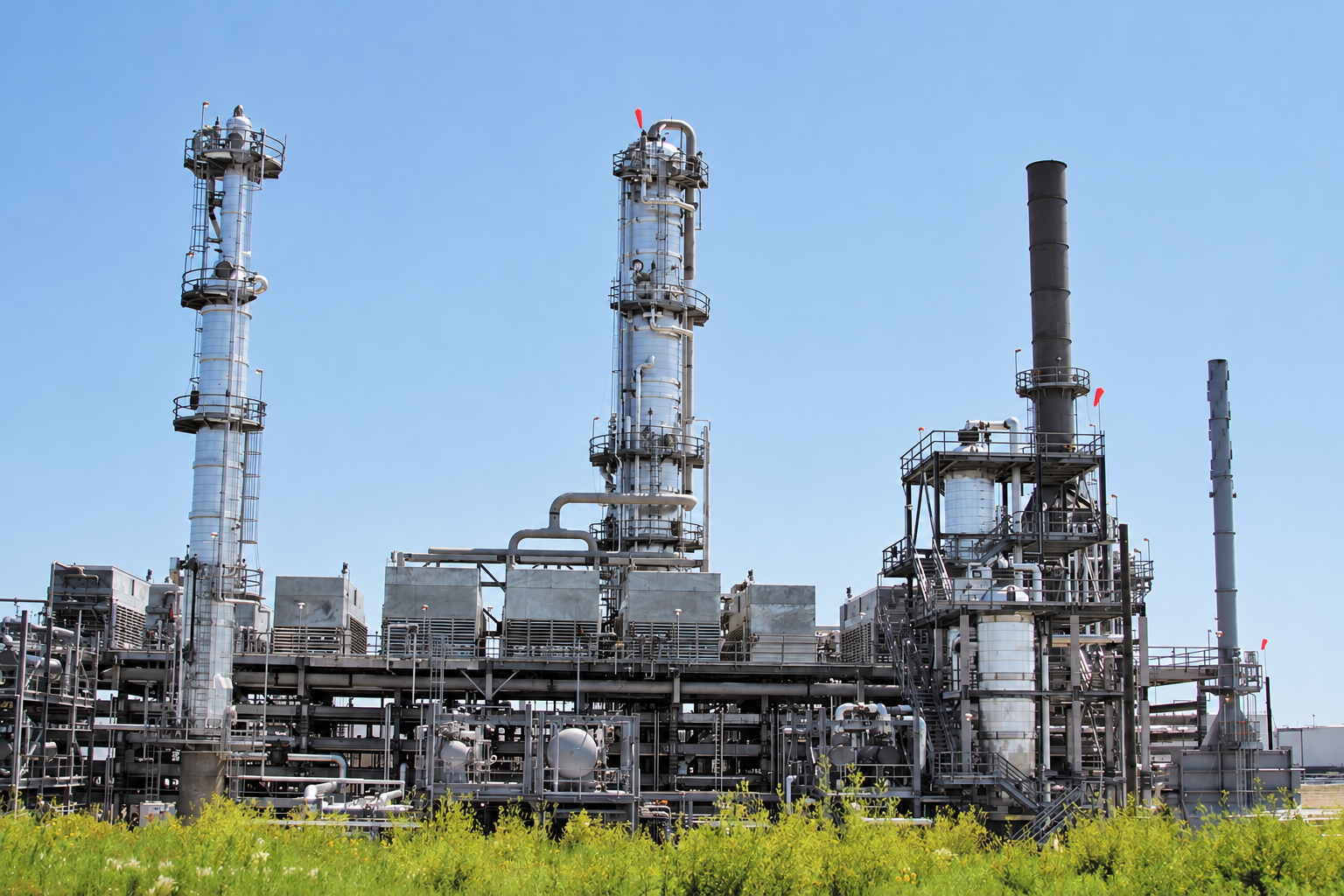
February 28, 2026: The Conflict That Disrupted Global Energy Supplies
On February 28, 2026, the United States and Israel launched military strikes against Iran. The conflict quickly spread into one of the world's most important energy-shipping regions.
The Strait of Hormuz connects the Persian Gulf with international shipping routes. Large volumes of crude oil and refined petroleum products move through the area.
As security threats increased, tanker operators faced attacks, delays, higher insurance costs, and pressure to avoid the route.
Oil markets reacted to the threat of supply disruptions. But the damage went beyond crude oil shipments.
Why Is Diesel Still Expensive When Crude Oil Is Moving Again?
By October, crude oil shipments through the Strait of Hormuz had recovered significantly. An October 6 Wall Street Journal report described crude flows of approximately 10.3 million barrels per day, around 76% of prewar levels.
Refined fuels, including diesel, were recovering much more slowly.
Crude oil needs to be processed in refineries before it becomes usable diesel. Damage to refining facilities and disruptions to shipping networks have limited the supply of finished fuel.
Even with crude oil moving again, refineries can't restore full production overnight.
Refined-Fuel Shipping Remains Below Prewar Levels
Reported refined-product shipping volumes in the region, million barrels per day.
Reported petroleum-product shipment estimates from October 2026 coverage. These values are regional shipping indicators, not worldwide diesel production.
The United States has also faced tight distillate inventories. U.S. refinery utilization averaged about 95% during the third quarter, yet distillate stocks in late September remained around 13% below their five-year seasonal average, according to EIA.
Diesel demand is difficult to cut quickly. Farmers still need to harvest crops, trucking companies still move freight, and construction equipment still needs fuel.
That's why the shortage of refined fuel has become such a serious problem even as crude shipments recover.
When Could the Iran Conflict Ease?
As of October 8, 2026, regional security risks remain unresolved. Tanker operators and insurers are still cautious about shipping through the area.
Even if diplomatic negotiations make progress, repairing refineries, restoring shipping schedules, and rebuilding fuel inventories will take time.
For drivers, that means diesel prices may stay elevated even after some of the immediate geopolitical pressure fades.
4. How High Diesel Prices Are Affecting Trucking, Farming, and Food Costs



Trucking: Rising Fuel Costs Are Squeezing Small Fleets
Most Americans never see the diesel bill behind their online orders, groceries, or building supplies.
But trucking companies pay it every day.
Independent operators and small fleets still have truck payments, insurance, tires, repairs, and labor expenses. When diesel becomes much more expensive, the profit on each load shrinks.
Some carriers are raising fuel surcharges or renegotiating contracts. Others are cutting routes with too many empty miles or turning down loads that no longer pay enough.
Those costs can eventually show up in shipping fees and retail prices.
Farming: Harvest Season Doesn't Wait for Lower Diesel Prices
Diesel powers tractors, combines, irrigation equipment, and the trucks moving crops from farms to buyers.
MarketWatch reported in early October that California farmer Mitchell Yerxa was dealing with diesel costs nearly twice as high as before the crisis.
Farmers can't put harvest season on hold while they wait for fuel prices to fall. And they can't simply raise commodity prices to cover every extra expense.
Large grain operations face high machinery costs, while fruit and vegetable farms also depend on irrigation, refrigeration, packing, and transportation.
For some farms, the pressure is serious enough to reconsider equipment purchases and next season's spending.
Will Higher Diesel Prices Make Groceries More Expensive?
The USDA reported that grocery-store food prices were 2.2% higher in August 2026 than a year earlier. Its September outlook projected overall food price inflation of approximately 2.9% for the year.
Diesel isn't the only reason food gets more expensive, but rising freight and agricultural costs add pressure.
Products requiring refrigeration, frequent deliveries, or long-distance transportation can be especially sensitive.
The impact may take months to reach shoppers because businesses often have inventory and shipping contracts negotiated in advance.
Construction and Jobs: Another Cost Pressure
Construction crews and mining operations depend on diesel-powered machines, including excavators, loaders, generators, and hauling trucks.
Higher fuel expenses can reduce profit margins, push up future project quotes, or encourage companies to delay equipment purchases.
For workers, the biggest concern is whether employers will slow hiring or postpone projects if operating costs remain high.
5. Will Diesel Prices Go Down in 2027?
There is some good news. Diesel prices have eased from their September peaks, and crude oil shipments are recovering.
In its October 6, 2026 Short-Term Energy Outlook, EIA projected lower annual average fuel prices in 2027.
| Fuel | 2026 Forecast | 2027 Forecast |
|---|---|---|
| Retail Diesel | $5.19/gal | $4.49/gal |
| Regular Gasoline | $3.91/gal | $3.56/gal |
| Brent Crude Oil | $96/barrel | $84/barrel |
EIA Forecast: Fuel Prices Could Ease in 2027
Forecast U.S. annual average retail fuel prices, dollars per gallon.
That would represent roughly a 13.5% decline in the annual average retail diesel price from 2026 to 2027.
Of course, an annual forecast doesn't mean every pump will suddenly display $4.49 on January 1. It also depends on how quickly refining and shipping recover.
Three Ways the Energy Crisis Could Develop
Scenario 1: Shipping and Refining Recover
As damaged refineries return to service and fuel shipments normalize, diesel supplies improve. Prices could gradually move lower, giving truckers, farmers, and drivers some relief.
Scenario 2: The Conflict Drags On
Crude oil keeps moving, but refinery and shipping problems persist. Diesel prices remain unpredictable, and businesses continue to budget for expensive fuel.
Scenario 3: Another Supply Disruption
Fresh damage to refineries or shipping routes puts renewed pressure on fuel supplies. Freight, farming, and household costs could rise again.
6. What Should Truck Owners, Farmers, and Families Do Now?
Families: Should You Stock Up on Groceries?
There's no reason to fill your garage with months of groceries just because diesel is expensive.
Buying shelf-stable foods you regularly use during normal sales can help, especially if your household is already feeling the squeeze.
But don't tie up hundreds of dollars in products you may never use. Focus on what you're actually spending on groceries and transportation each month.
And unless you live somewhere with frequent outages, the diesel crisis alone isn't a reason to rush out and buy an expensive portable power station. Higher diesel prices don't automatically mean household electricity will be interrupted.
Diesel Pickup Owners: Repair Your Truck or Buy a New One?
If you're shopping for a new Ram 2500, F-250, or Silverado 2500HD, don't let the discount make the decision for you.
Choose the truck based on how much towing and hauling you really do, then compare the fuel, maintenance, and financing costs.
If your current pickup is paid off and still reliable, it may be worth keeping.
For example, a Ford diesel owner dealing with cooling problems, fuel-system repairs, or worn exhaust components may be better off getting a proper diagnosis before signing up for another truck payment.
Owners can review available Powerstroke replacement and upgrade parts by engine family. If an older truck has a cracked or leaking exhaust manifold, the exhaust manifolds and headers category is another place to compare compatible replacement options.
Not every upgrade saves fuel, and not every aftermarket part fits every truck. The goal is to fix real problems and keep a dependable vehicle working, rather than spend money chasing performance claims.
Farmers: Put Cash Flow Ahead of Equipment Upgrades
For farmers, high diesel prices make equipment efficiency and spending decisions more important.
Before buying another tractor or combine, consider how much work your existing equipment can still handle.
Regular maintenance, limiting unnecessary idling, and scheduling fieldwork efficiently can reduce avoidable costs.
For operations with predictable fuel needs, purchasing agreements with suppliers may also help manage price fluctuations, depending on the contract terms.
Truckers and Small Fleets: Know Which Loads Still Make Money
For freight operators, staying busy isn't enough if every trip costs more than it earns.
Revisit your fuel surcharge arrangements, empty miles, waiting time, and per-mile operating costs.
A freight contract that made sense at $4 diesel may no longer be profitable at $6 or $7.
Diesel Industry Workers: Could Repairs Become More Important Than Sales?
Higher fuel prices may lead some customers to delay buying new trucks and put off optional performance modifications.
But the diesel vehicles already on American roads still need service.
When a new heavy-duty pickup costs $70,000 or more, some owners will choose to repair engines, fuel systems, turbos, and cooling components instead.
For repair shops and diesel parts suppliers, helping customers keep existing trucks reliable may become a more valuable business than selling unnecessary upgrades.
7. Are Diesel Truck Repairs and DPF Deletes Worth It During the Crisis?
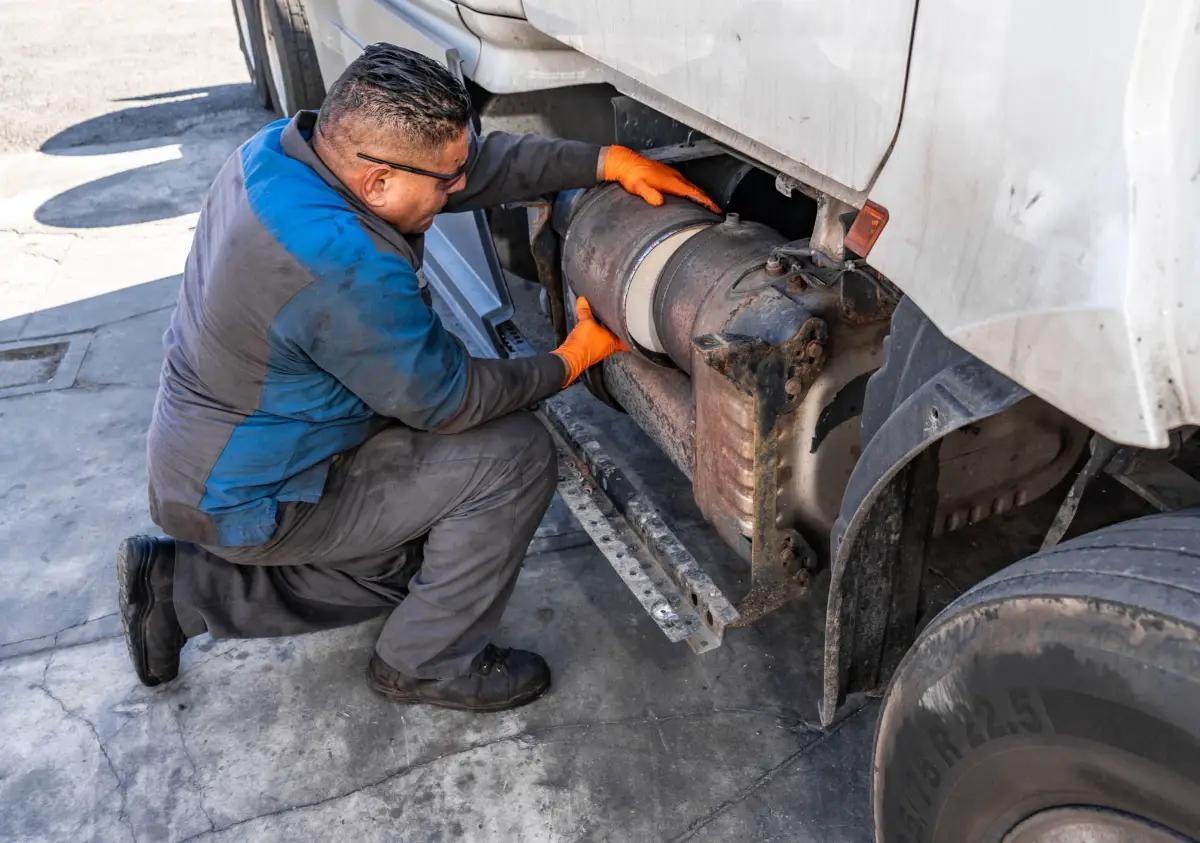
High diesel prices are also bringing renewed attention to DPF, EGR, and SCR repair costs.
Modern diesel emissions systems help reduce harmful exhaust emissions, but aging components and failures can be expensive to repair.
Some trucks also consume additional fuel during active DPF regeneration. When diesel already costs $6 to $8 a gallon, owners naturally look for ways to reduce running costs.
That can lead to discussions about DPF deletes, EGR deletes, and engine tuning.
However, removing a DPF isn't a guaranteed way to improve MPG. Actual results depend on engine condition, driving patterns, and vehicle calibration.
There are also legal restrictions. The federal Clean Air Act prohibits tampering with required emissions controls and restricts certain defeat devices. Simply using a vehicle on private property doesn't automatically make emissions tampering legal.
Our guide to DPF delete benefits, risks, and legality explains the major considerations.
If your main goal is lower fuel consumption, begin by checking for abnormal regeneration, faulty sensors, fuel-injection issues, or other mechanical problems that may be wasting diesel.
For the diesel aftermarket, the more sustainable opportunity may be in real diagnostics, reliable parts, and keeping older vehicles productive for longer.
8. What Could Happen Next in the Diesel Fuel Market?
Anyone planning a major truck purchase, fleet expansion, or equipment investment should keep an eye on a few key indicators.
| Indicator | Why It Matters | Source |
|---|---|---|
| U.S. Diesel Prices | Shows whether fuel costs are easing | EIA |
| California Diesel Prices | Tracks a high-cost fuel market | AAA |
| Distillate Inventories | Indicates how much supply cushion exists | EIA |
| Hormuz Refined-Fuel Shipments | Tracks recovery of refined-fuel transportation | Shipping reports |
| Heavy-Duty Truck Discounts | Helps buyers compare actual deals | Manufacturers and dealers |
| Food Price Outlook | Tracks grocery-budget pressure | USDA |
The Bottom Line: High Diesel Prices Are Changing the Heavy-Duty Truck Market
The 2026 diesel fuel crisis is doing more than raising prices at the pump. It's changing how Americans buy trucks, run businesses, and decide where to spend their money.
A discounted Ram 2500, Ford F-250, or Silverado 2500HD may look attractive today. But with diesel above $6 a gallon nationwide and over $8 in California, the real cost of ownership deserves more attention than the sticker price.
For farmers and trucking companies, fuel prices can determine whether a job is profitable. For households, higher transportation and agricultural costs may continue to show up in everyday purchases.
There is room for improvement. EIA expects average diesel prices to decline in 2027 as energy supplies recover. But the return of cheaper fuel won't erase the changes this crisis has already set in motion.
Truck owners are reconsidering major purchases. Businesses are getting more selective about equipment investments. And keeping an existing diesel truck reliable may become more valuable than upgrading to a newer model.
The biggest change may not be what Americans pay for diesel next year. It may be how differently they think about owning and maintaining a diesel truck.
Sources and Data Notes
- AAA California Fuel Prices — California diesel averages and record prices.
- EIA Gasoline and Diesel Fuel Update — U.S. and California weekly diesel prices.
- EIA Short-Term Energy Outlook — 2026 and 2027 fuel-price projections.
- The Guardian — Strait of Hormuz Shipping Analysis — crude oil and refined-product shipment recovery.
- USDA Food Price Outlook — U.S. food-price statistics and forecasts.
- American Trucking Associations — trucking industry data.
- EPA — Stopping Aftermarket Defeat Devices — emissions-tampering restrictions.
Data current as of October 8, 2026. Diesel fuel prices vary by location and date. Vehicle discounts are historical advertised examples and may be subject to eligibility conditions. Fuel-cost calculations are illustrative, and future fuel-price forecasts are not guarantees.