



 Contents
Contents
Introduction
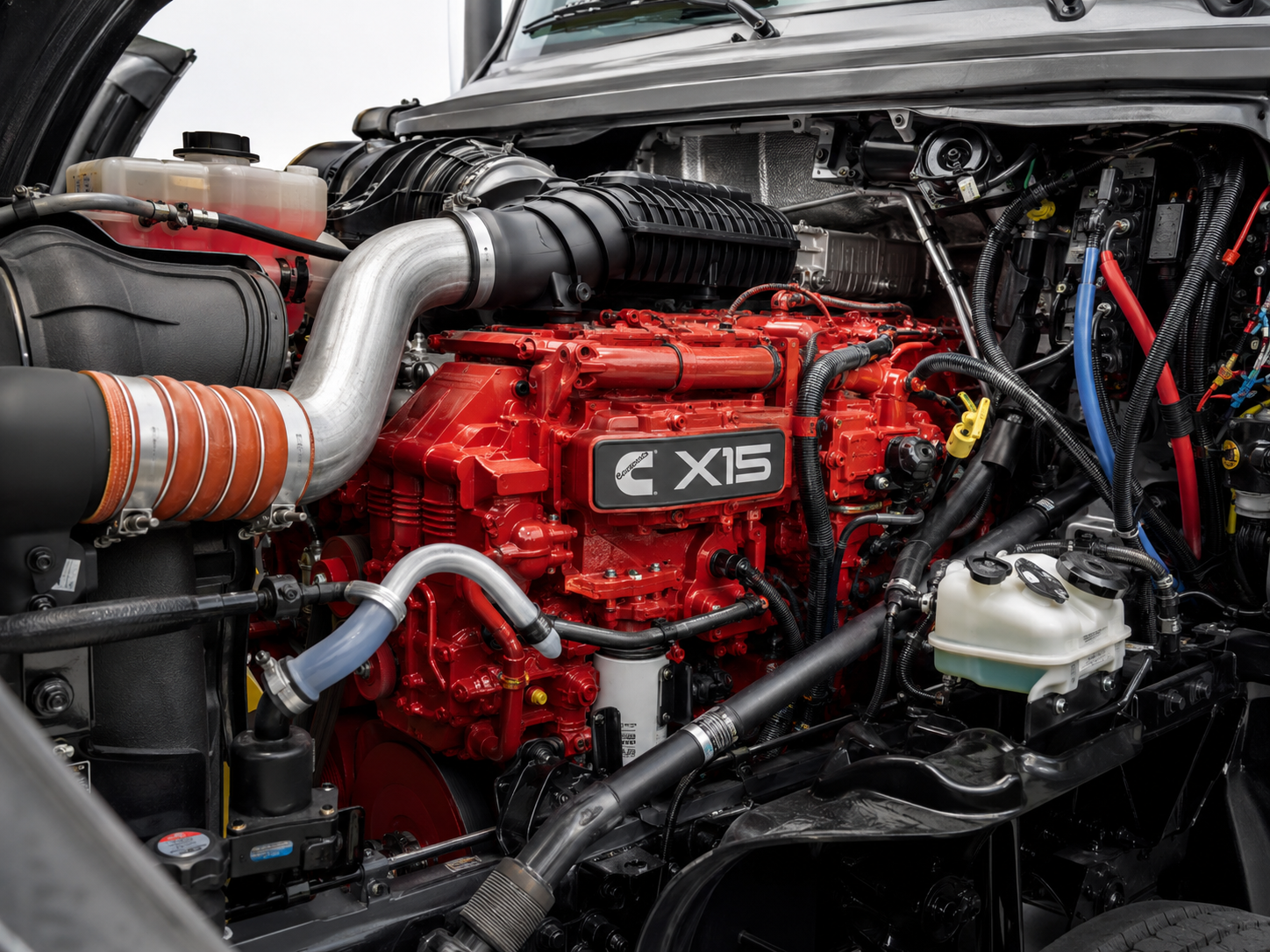
In the heavy-duty diesel world, the Cummins X15 has earned a dominant position thanks to its strong torque output and impressive fuel efficiency. However, to meet increasingly strict EPA17 and EPA21 emissions standards, its aftertreatment system has also become more complex than ever.
Unlike earlier ISX15 engines or lighter-duty 6.7L Cummins platforms, the X15 uses highly sensitive thermal management logic and sensor feedback loops. Even a small sensor drift or an abnormal DPF differential pressure reading can quickly trigger a derate or speed-limited protection mode.
To regain the level of reliability many expect from this engine, some owners choose to remove certain emissions-related components for off-road, competition, or non-highway applications where legally permitted. This buying guide is designed to help you avoid mismatched parts and make a more informed decision before choosing a Cummins X15 delete kit.
Important note: Emissions delete products may not be legal for on-road use in many regions. Always verify your local, state, and federal regulations before purchasing, installing, or operating any emissions-related components.
Why Delete a Cummins X15?
Many truck owners are used to dealing with common DPF clogging issues, but the X15’s failure logic is deeper and often more severe. The emissions architecture on this engine is extremely advanced, but that also makes it highly sensitive. The main problems usually show up in three areas:
- The “sludge effect” in the EGR system: Unlike light-duty diesel engines, the X15 has a very high exhaust gas recirculation rate. Once the EGR cooler develops even a tiny crack that is difficult to see with the naked eye, coolant can mix with heavy soot inside the intake manifold. The result is a thick, cement-like sludge. This buildup can clog sensors, restrict airflow, and increase wear on the valves and inside the cylinders.
- Zero-tolerance NOx monitoring: The X15 uses an advanced dual-NOx sensor setup. If the system detects even a small drop in catalytic efficiency after DEF injection, the ECM may determine that the SCR system is failing.
- Severe 5 MPH derate mode: Once one of these systems reports a serious fault, the X15 can enter a forced 5 MPH derate mode faster than many other engines. For a fully loaded truck on the highway, a sudden power restriction is not only expensive because of towing and downtime, but it can also create a serious safety concern.
What Is Included in a Cummins X15 Delete Kit?
- DPF/SCR replacement pipe: This replaces the heavy aftertreatment canister and helps restore a freer-flowing exhaust path.
- EGR delete plates and bypass components: These physically block the exhaust gas recirculation passages. A quality kit will also include proper coolant bypass lines.
- Sensor sealing plugs: These protect unused factory connectors after sensors are unplugged. Professional-grade kits usually include waterproof dummy plugs or sealed caps to prevent moisture intrusion.
- System rewriting or tuning components,: These tools are used to recalibrate the engine control system for the new hardware configuration.
How to Choose the Right Cummins X15 Delete Kit
When shopping for X15 delete hardware, it is important to avoid the mindset that “as long as the pipe fits, it will work.” The X15’s physical layout and electronic protocols demand a much higher level of accuracy than many similar diesel engines. To ensure stable performance and long-term durability after installation, pay close attention to the following three areas:
- VGT control and engine braking: The X15 relies heavily on its variable geometry turbocharger, or VGT, to deliver strong Jake Brake engine braking. Many low-cost kits can cause a major reduction in braking power after the delete, or even make the engine brake stop working properly. Before buying, confirm that the tuning can remap the VGT logic correctly so the truck remains safe during heavy downhill hauling.
- 304 stainless steel and exhaust bracket stability: The X15 produces high exhaust pressure and strong vibration. When choosing a DPF delete pipe, 304 stainless steel is strongly preferred for corrosion resistance. Just as important, check whether the kit includes reinforced mounting brackets. A straight pipe without proper support can vibrate heavily during long-haul use and may eventually cause exhaust manifold bolts to break.
- Weather-proof wiring harness plugs: The X15 has a very complex wiring harness. A high-quality kit should include a full set of sealed plugs to physically protect the sensor connectors after removal. Avoid any solution that requires cutting wires or simply wrapping connectors with tape. Moisture under the chassis can easily trigger CAN bus communication errors that are extremely difficult to diagnose later.
CM2350A vs. CM2450
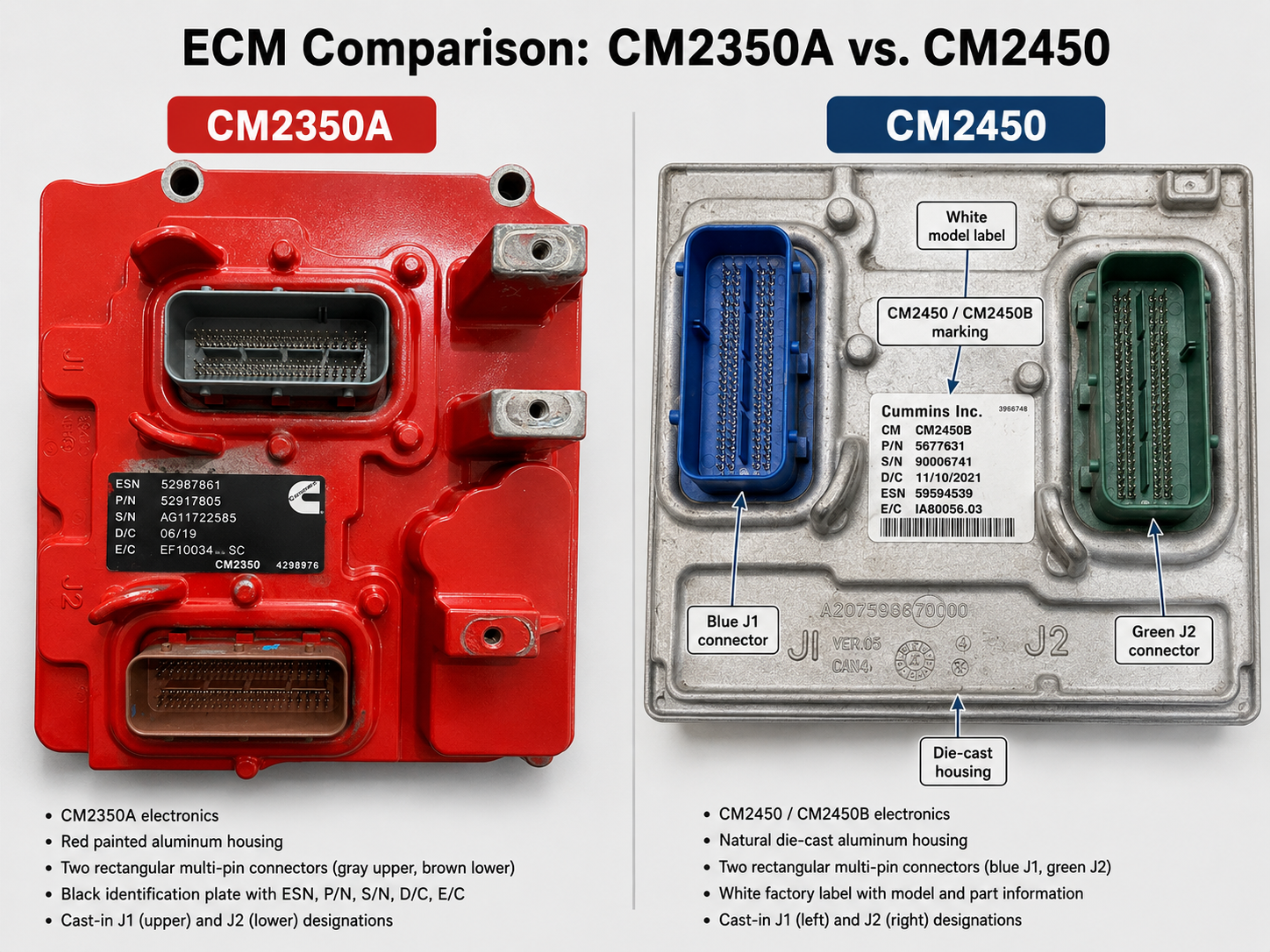
When choosing a Cummins X15 delete kit, the most important step is identifying your ECM, or engine control module. Although both engines may look like X15 platforms, the 2017–2019 models and the 2020–2026 models have major generational differences in their electronic protocols. This directly affects your budget, tuning method, and installation process.
| Feature | CM2350A (EPA17) | CM2450 (EPA21+) |
|---|---|---|
| Application Years | Approximately 2017–2019 | Approximately 2020–2026+ |
| Unlocking Method | OBDII direct flashing. The tuner can connect to the diagnostic port to read and overwrite the calibration. | Bench unlock. The ECM usually must be removed and sent to a lab or specialist for low-level unlocking before new files can be written. |
| Tuning Precision | More mature and generally more forgiving. | Extremely precise. Fuel pressure curves must be adjusted correctly, or severe injector knock may occur. |
| Cost Budget | Basic hardware plus software cost. | Hardware, software, and a more expensive physical ECM unlocking or cracking service. |
What Can You Expect After a Delete?
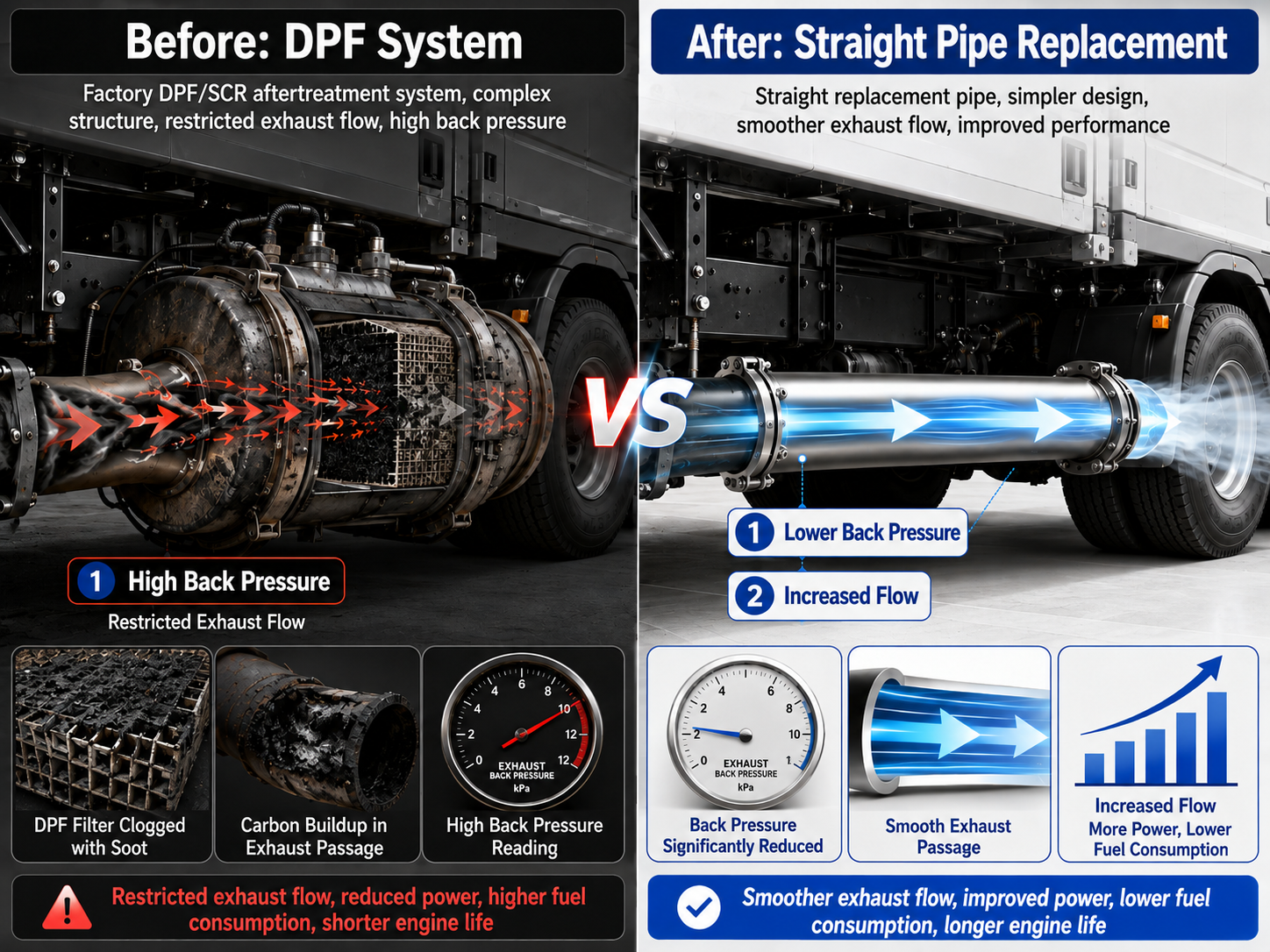
If you are still deciding whether this type of investment makes sense, the long-term gains for the X15 engine can be significant in the right use case. It is not only about eliminating the cost of DEF, which can be around 30 to 50 gallons for every 1,000 gallons of diesel fuel. It is also about reshaping the internal operating environment of the engine. Based on real-world operating data, owners often look for improvements in the following areas:
- Fuel economy: 15%–20% improvement
After removing the DPF, exhaust back pressure is significantly reduced. More importantly, the system no longer performs forced regeneration, which can consume extra fuel every 100 to 200 miles. For a heavy-duty truck averaging around 6 MPG, fuel economy may improve from 6.0 MPG to around 7.2 MPG or even higher, depending on load, route, tuning, and driving habits.
- Lower intake temperatures: 50°F–100°F reduction
After an EGR delete, the intake manifold no longer receives recirculated exhaust gas that can exceed 300°F. This “cooling effect” helps reduce thermal stress on the cylinder head. According to technical observations, this may help reduce unexpected X15 head gasket failures by around 40% and extend the time between major engine service intervals.
- Longer oil life and reduced metal wear
In the factory configuration, soot introduced through the EGR system can quickly increase carbon content in the engine oil. Data shows that after deleting the EGR system, soot content in the oil may drop by up to 80%. This means oil change intervals may be extended beyond 15,000 miles in some applications, while also reducing physical wear on crankshaft bearings, injectors, and other precision components.
- Stronger power delivery: 50–100 HP increase
With professional tuner calibration, the Cummins X15 can safely gain around 50 to 100 horsepower without changing major hard parts. For heavy-haul climbing, this can help the truck hold a higher gear for longer, reduce downshifting, and place less stress on the drivetrain.
Common Buying Mistakes to Avoid
- Check the physical ECM requirements for CM2450 models: If your truck is a 2020 or newer model, ask the seller whether an ECM bypass cable is required. The newer CM2450 platform is much more restrictive than the earlier CM2350A, so the unlocking and tuning process must be confirmed before purchase.
- Understand whether sensors are physically removed or retained: Kits on the market generally follow two different strategies. Some require the NOx sensors to remain connected while the signal is only disabled in the software. Others support complete sensor removal. In most cases, a complete-removal setup is preferred because it reduces confusion and avoids leaving unnecessary components exposed under the truck.
- Look for a full-color installation guide or video: The X15 has a tighter layout than a 6.7L Cummins engine, especially around the EGR cooler. Removal angles can be difficult, and access is often limited. A guide with clear torque specs, step-by-step photos, and installation diagrams can save your mechanic, or yourself, at least 3 to 5 hours of labor.
Conclusion
When buying a Cummins X15 delete kit, it is usually best to prioritize a full bundle that includes complete wiring protection, proper exhaust mounting hardware, and optimized VGT logic. Although the upfront investment can reach several thousand dollars, the potential 15%–20% fuel economy improvement and the ability to eliminate costly aftertreatment system repairs can help the setup pay for itself within about 12 months in certain applications.
Before taking action, always confirm your engine’s ECM model and consult a supplier with real technical support. The X15 is a powerful and capable diesel platform, but choosing the wrong delete kit, pipe, tuning device, or harness solution can create more problems than it solves.
Final reminder: Always confirm whether emissions-related modifications are legal for your intended use and location before purchasing or installing any Cummins X15 delete kit or related diesel performance components.











Comments