 Contents
- What Is the 2.8L Duramax LWN?
- 2.8 Duramax Engine Specs and Applications
- Most Common 2.8 Duramax Problems
- Is the 2.8 Duramax Reliable?
- How Long Does a 2.8 Duramax Last?
- 2.8 Duramax Maintenance Tips
- 2.8 Duramax Exhaust System and Aftermarket Options
- Should You Buy a Used 2.8 Duramax?
- Frequently Asked Questions
- Final Verdict: Is the 2.8 Duramax Worth It?
The 2.8L Duramax is a distinctive diesel engine for midsize pickup trucks. It doesn't produce as much power as the 6.6L Duramax, but it offers good low-end torque, strong highway fuel economy, and enough towing capability for everyday hauling and small to midsize trailers.
However, if you're considering a Chevrolet Colorado or GMC Canyon equipped with the 2.8 Duramax, you should understand its long-term reliability in addition to its fuel economy and towing capabilities.
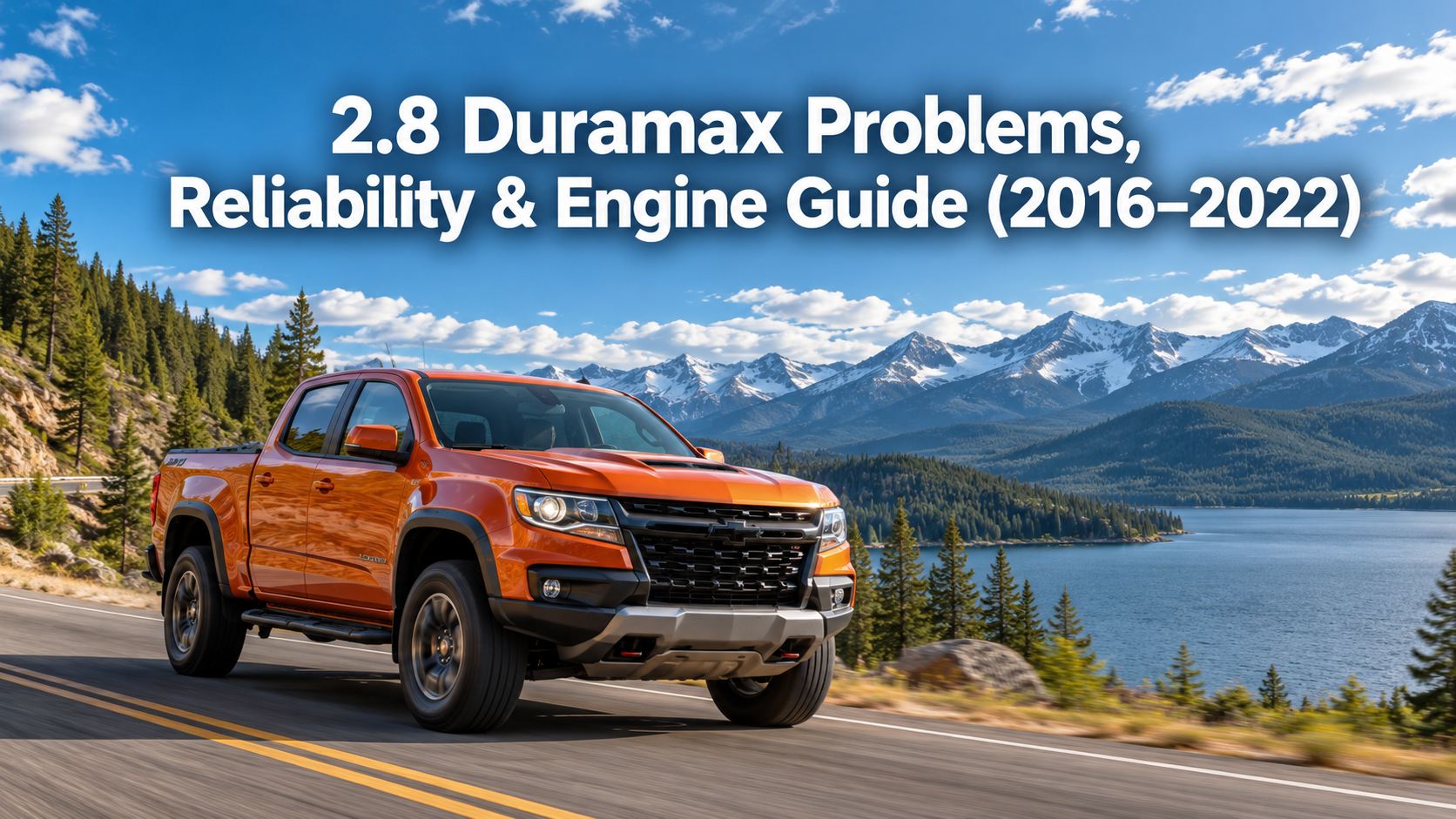
Many owners appreciate the engine's performance, but some have experienced DEF system failures, NOx sensor failures, DPF regeneration problems, and even expensive fuel injector repairs.
So, is the 2.8 Duramax reliable? What are its common problems? How many miles can it last? Is it suitable for daily commuting or towing?
This guide draws on owner repair experiences, manufacturer maintenance requirements, and real-world driving scenarios to help you decide whether this diesel engine is worth owning.
What Is the 2.8L Duramax LWN?

Inline-Four · Turbo Diesel · 2016–2022
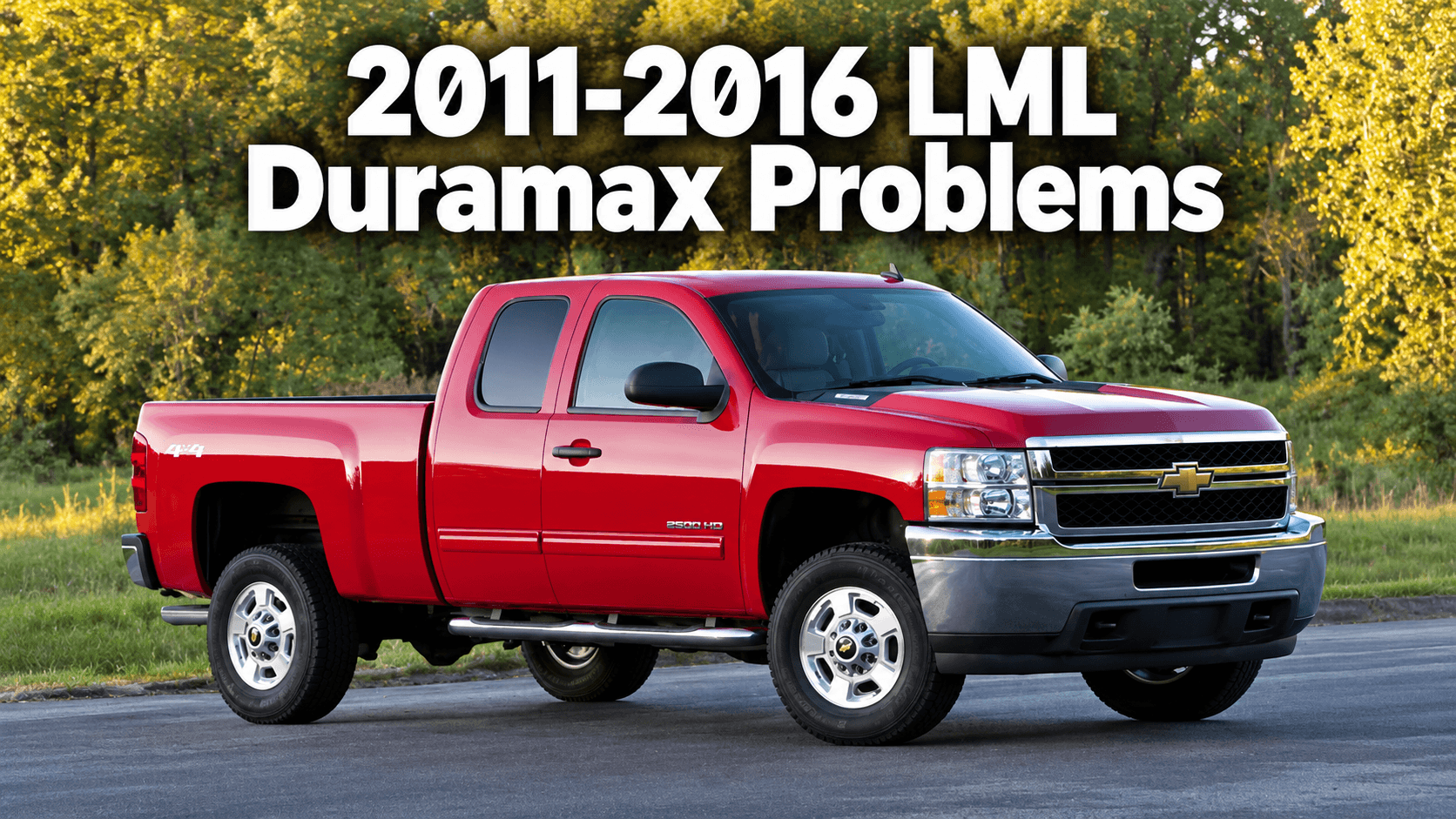
The 2.8L Duramax LWN, commonly known as the Baby Duramax, is a 2.8-liter turbocharged inline-four diesel engine developed by General Motors. It was primarily used in the 2016–2022 Chevrolet Colorado and GMC Canyon midsize pickup trucks.
Compared with traditional large-displacement American diesel engines, the 2.8L Duramax places greater emphasis on fuel economy, low-RPM torque, and everyday practicality.
It uses high-pressure common-rail fuel injection, a variable geometry turbocharger (VGT), and emissions control systems including EGR, DPF, and SCR/DEF.
These technologies help balance engine performance, efficiency, and emissions standards, but they also mean that long-term maintenance involves more sensors and emissions control components.
2.8 Duramax Engine Specs and Applications
2.8 Duramax Engine Specifications
| Specification | 2016–2022 U.S.-Spec LWN |
|---|---|
| Engine Displacement | 2.8L |
| Engine Configuration | Inline-Four |
| Fuel Type | Diesel |
| Maximum Horsepower | 181 hp @ 3,400 rpm |
| Maximum Torque | 369 lb-ft @ 2,000 rpm |
| Turbocharger | Variable Geometry Turbocharger (VGT) |
| Fuel Injection | High-Pressure Common-Rail Direct Injection |
| Transmission | 6-Speed Automatic |
| Maximum Towing Capacity | 7,700 lbs, depending on configuration |
| Highway Fuel Economy | Up to 30 MPG, EPA-estimated for 2WD models |
Producing 369 lb-ft of torque at just 2,000 rpm is one of this engine's biggest advantages.
This means it can provide good pulling power when starting, climbing hills, or towing loads without constantly revving to high RPM.
However, with 181 hp, this engine isn't designed for high-speed acceleration. When passing on the highway without a trailer or climbing long highway grades, the driving experience is noticeably different from that of larger diesel pickup trucks.
What Is the 2.8 Duramax Best Used For?


| Driving Scenario | Specific Uses and Loads | Recommendation |
|---|---|---|
| Daily Highway Commuting | 20–40 miles one way on highways or open suburban roads | Excellent |
| Long-Distance Commuting | 50–100 miles one way, primarily highway driving | Excellent |
| Short City Trips | 2–5 miles one way with frequent cold starts | Not Recommended |
| Fishing and Boating | Carrying fishing kayaks or towing small boats weighing 1,500–3,500 lbs | Excellent |
| Weekend Camping | Lightweight travel trailers weighing 3,000–4,500 lbs when loaded | Good |
| Interstate Camping Trips | Travel trailers weighing 4,000–5,000 lbs when loaded, with trips of 100–300 miles or longer | Good, but load calculations are required |
| Moving and Household Hauling | Furniture, appliances, renovation materials, and everyday cargo | Good |
| Occasional Equipment Transport | Towing work trailers weighing approximately 3,000–4,500 lbs when loaded | Good |
| Heavy Construction Hauling | Frequently towing equipment over 6,000 lbs with a fully loaded truck bed | Not Recommended as a First Choice |
| Performance Driving | Pursuing high-speed acceleration or high horsepower output | Not Its Strength |
For an average family, the 2.8 Duramax is particularly suitable for highway commuting, weekend fishing, towing small boats, and lightweight travel trailers.
For example, a non-ZR2 Colorado Duramax towing a travel trailer weighing approximately 4,000 lbs when loaded can generally handle weekend trips.
However, towing capability depends on more than engine torque. The vehicle's rated towing capacity, payload capacity, tongue weight, passenger weight, trailer brakes, and road conditions must all be considered.
If a travel trailer weighs 4,500 lbs when loaded, an estimated tongue weight of 12% would put approximately 540 lbs on the truck. There must also be enough remaining payload capacity for passengers and luggage.
Most Common 2.8 Duramax Problems
Based on long-term feedback from diesel truck owner forums, 2.8 Duramax repair problems generally fall into two categories.
The first category includes problems common to modern diesel trucks, such as DEF issues, NOx sensor failures, DPF regeneration problems, and EGR carbon buildup.
These aren't problems unique to the 2.8L Duramax. The 6.7L Cummins, 6.7L Powerstroke, and other diesel engines equipped with similar emissions systems can experience them as well.
However, there are quite a few complaints in the 2.8L LWN owner community about recurring emissions warnings, sensor replacements, and repair costs, making these issues worth paying particular attention to before buying.
The second category includes engine and component problems that deserve special attention, including fuel injector failures, injector wiring harness damage, and some reported cases of severe engine damage.
1. DEF System and NOx Sensor Problems

DEF and NOx sensor failures are among the recurring complaints in the 2.8 Duramax owner community.
Common symptoms include Check Engine warnings, Poor DEF Quality messages, reduced engine power, and speed restrictions. These may be associated with SCR efficiency issues such as P20EE trouble code.
These problems can be especially frustrating for long-distance drivers because the truck may still start and run normally but experience speed or power restrictions due to an emissions system fault. Related repairs are commonly reported at various points between approximately 30,000 and 100,000 miles.
For example, one owner of a 2018 Colorado 2.8L reported trouble codes P20EE and P11D5 at approximately 63,000 miles. The dealership recommended repairs involving the SCR catalyst, DEF injector, and NOx sensor, with a total estimate of approximately $3,500.
Another 2017 Colorado owner reported DEF quality warnings, NOx sensor problems, and particulate matter sensor issues, with a dealership repair estimate of approximately $3,000.
Emissions system problems sometimes involve more than replacing a single sensor. Multiple components and diagnostic labor may be required. At the same time, a Poor DEF Quality warning doesn't necessarily mean the DEF fluid itself is bad. It may also be related to sensors, the dosing system, or SCR efficiency.
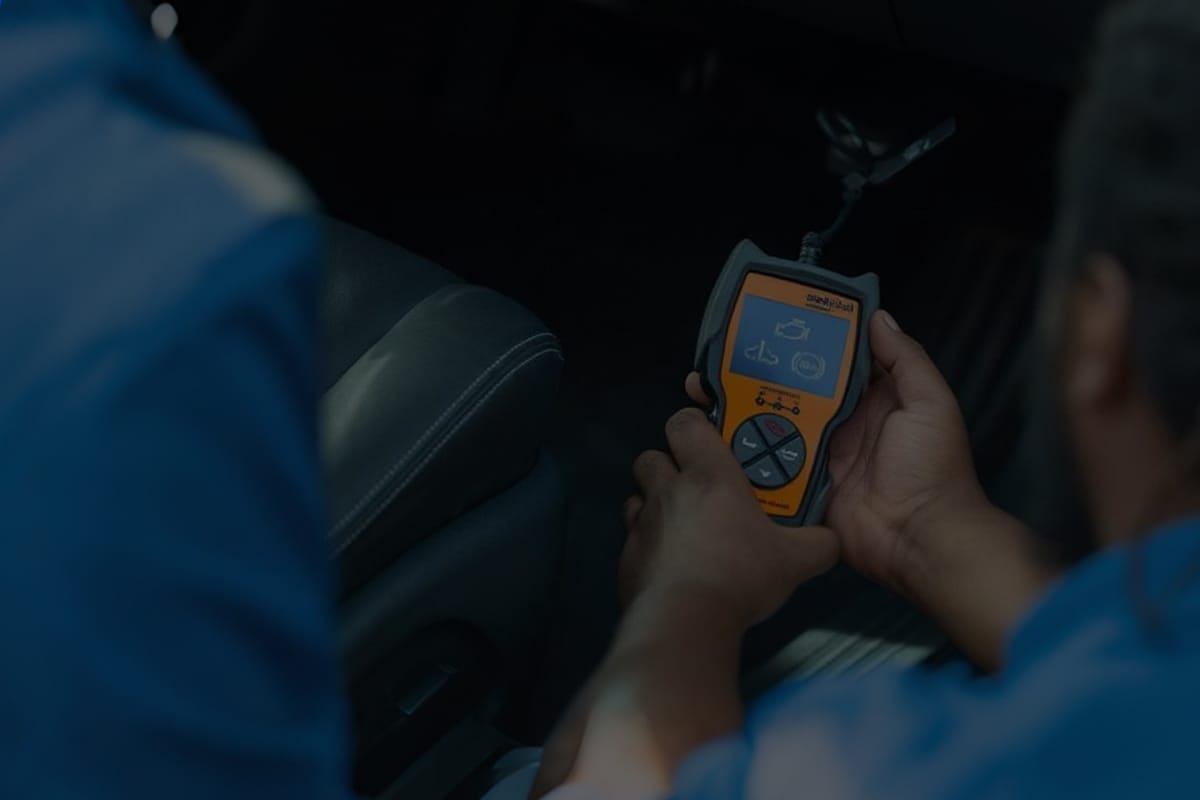
The proper approach is to read the trouble codes and identify the specific cause rather than replacing parts based only on dashboard warnings.
2. DPF Regeneration and Clogging Problems

The DPF (Diesel Particulate Filter) captures soot particles from engine exhaust and removes accumulated soot through regeneration. Frequent short trips, repeatedly interrupted regeneration, or other problems affecting combustion and the emissions aftertreatment system can cause abnormal regeneration.
Common symptoms include frequent regeneration cycles, reduced engine power, increased fuel consumption, and DPF-related trouble codes such as P2459 for regeneration frequency and P2463 for excessive soot accumulation.
Related problems can occur whether a truck is primarily used for short trips or frequently driven on highways. This is because the DPF has a limited service life, although how long it lasts varies.
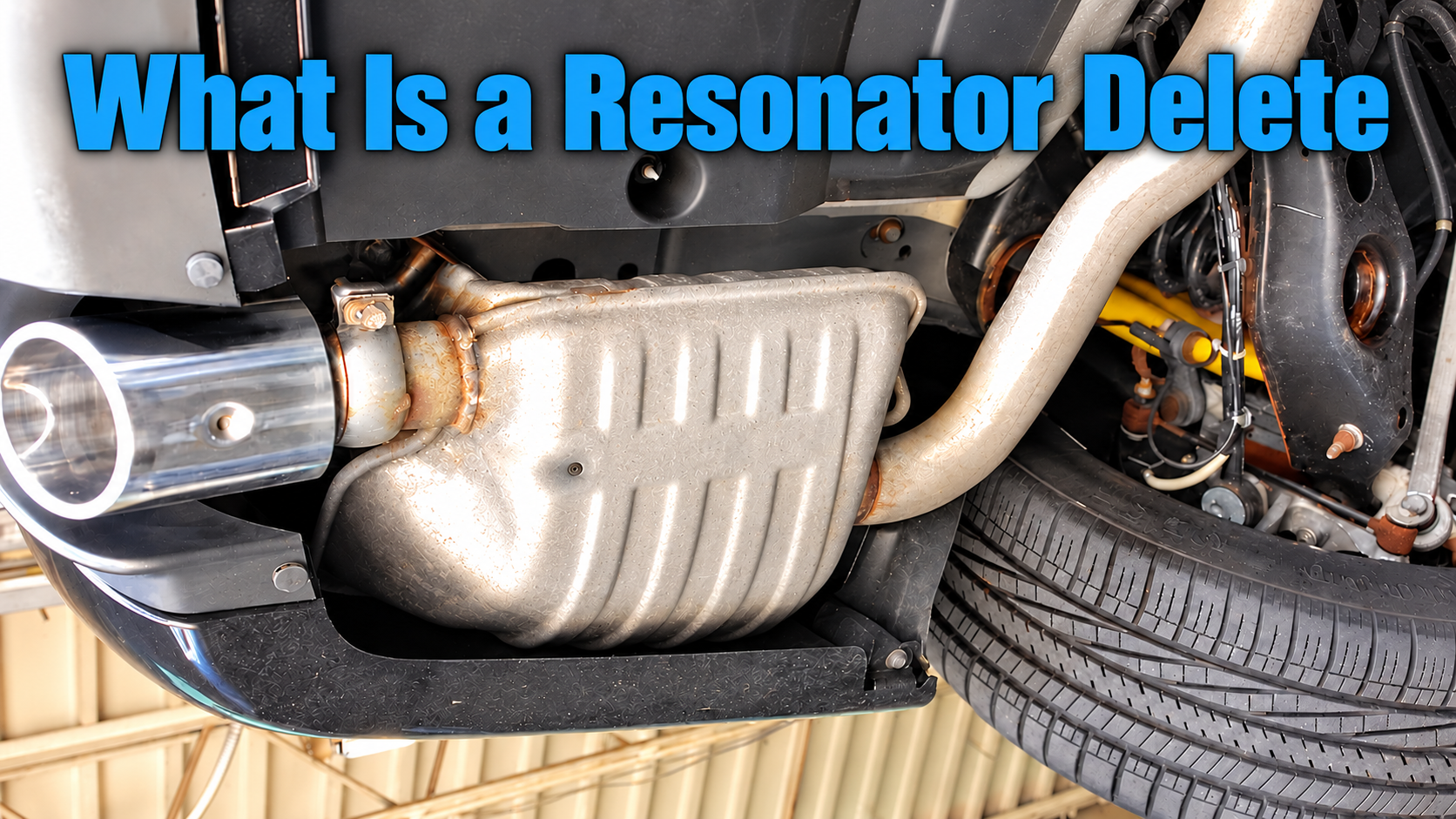
Therefore, if a truck repeatedly experiences regeneration problems, the DPF differential pressure sensor, exhaust temperature sensors, EGR system, and fuel injection system should also be checked. Another option is to remove the DPF to permanently resolve the problem.
3. Fuel Injector and Fuel System Problems

Compared with emissions system problems, fuel injector failures may be less frequent, but their consequences can sometimes be more serious.
Some owners have reported:
- Rough engine idle
- Difficulty starting in cold conditions
- Unusual knocking noises
- Sudden power loss
- Abnormal exhaust smoke
- Fuel injector-related trouble codes
In some severe cases, owners have reported piston damage or internal engine failure after fuel injector problems.
For example, one owner described a high-mileage Colorado that eventually suffered severe engine damage following fuel injector-related repairs.
If the engine suddenly runs noticeably rough, produces abnormal smoke, or develops a knocking noise, you should immediately stop putting additional load on it and have it professionally diagnosed.
One detail that is easily overlooked with fuel injector problems is that an injector-related trouble code doesn't necessarily mean the injector itself is damaged.
Some LWN-related repair information indicates that injector wiring harness wear and electrical faults can also trigger trouble codes such as P2146 and P2149.
Replacing injectors without checking the wiring first could result in expensive repair bills without actually solving the problem.
4. EGR Carbon Buildup and Intake System Problems

The EGR system redirects a portion of exhaust gas back into the intake system to reduce nitrogen oxide emissions.
Over time, soot particles and oil vapor in the exhaust can form carbon deposits, affecting the EGR valve and related intake components.
Common symptoms include rough idling, sluggish acceleration, reduced engine power, and the Check Engine Light. For more details, see our guide to bad EGR valve symptoms.
Carbon buildup deserves attention in diesel trucks that frequently operate at low speeds, idle for extended periods, or receive inadequate maintenance.
EGR carbon buildup isn't unique to the LWN, but if a used truck has more than 100,000 miles and has frequently been used for short-distance commuting, you should review its repair history and current operating condition before buying.
If EGR-related trouble codes appear, the valve body, related sensors, wiring, and actual flow should be checked before deciding whether cleaning or replacement is necessary.
5. Wiring Harness Problems

This is a type of problem that can easily be overlooked when repairing a 2.8 Duramax.
As a vehicle ages, engine vibration and repeated heating and cooling cycles can cause wiring to rub against nearby components, eventually damaging the insulation or creating poor electrical connections.
If the injector control wiring is affected, the truck may experience:
- Sudden rough engine operation
- A group of injectors failing to operate properly
- P2146 or P2149 trouble codes
- Significant power loss
- Difficulty starting
Related repair information and owner reports have highlighted the importance of checking for injector wiring harness wear.
Unlike an actual mechanical injector failure, a wiring problem can sometimes be resolved by repairing damaged wiring or connections, potentially at a much lower cost.
Therefore, before replacing expensive fuel injectors or the engine control module, it's important to inspect the wiring harness and connectors.
6. Turbocharger and Boost Pipe Problems

The 2.8 Duramax uses a turbocharged system. If boost pipes leak, connections come loose, or the turbocharger control system malfunctions, the truck may experience:
- Weak acceleration
- Low boost pressure
- Unusual air-leak noises
- Check Engine Light
- Noticeable power loss when towing
Owners who tow frequently may notice insufficient boost more easily because climbing hills and accelerating require greater sustained torque.
However, boost hoses, clamps, sensors, or emissions system problems can cause similar symptoms.
Before purchasing a replacement turbocharger, the actual boost pressure and the entire intake piping system should be inspected.
2.8 Duramax Common Problems Summary
| Problem | Owner-Reported Characteristics | Repair Cost Risk |
|---|---|---|
| DEF / NOx Sensor | Multiple owner reports, with some vehicles experiencing speed restriction warnings | Moderate to High |
| DPF Regeneration Problems | Related to driving conditions and system health | Moderate to High |
| Fuel Injector | Reported cases of severe mechanical damage | High |
| EGR Carbon Buildup | Accumulates over time, with varying severity | Low to Moderately High |
| Injector Wiring Harness | May cause injector control problems | Low to Moderate, potentially higher in severe cases |
| Turbo / Boost Leak | Power loss and abnormal boost pressure | Low to High |
For most owners, the problems that deserve the most attention are those that lead to repeated repairs, speed restrictions, or high repair bills, rather than simply how many times the Check Engine Light comes on.
Is the 2.8 Duramax Reliable?
The 2.8 Duramax engine's mechanical design has the potential for long-term use, but its overall reliability is significantly affected by the diesel emissions system and repair costs.
Based on long-term owner feedback, its low-end torque, highway fuel economy, and towing performance are generally well regarded.
Some owners remain satisfied with their engines after more than 100,000 miles, while others continue using them beyond 150,000–200,000 miles.
However, some owners have experienced DEF, NOx, DPF, or other system problems at much lower mileages.
What's the Difference Between Engine Reliability and Overall Truck Reliability?
- The engine delivers strong low-RPM torque.
- Highway fuel economy is one of its clear advantages.
- Modern diesel emissions systems increase long-term repair complexity.
- Fuel injector and internal engine damage aren't routine maintenance issues, but repair costs can be high when they occur.
- Whether the truck remains trouble-free over the long term depends heavily on its maintenance history and the quality of previous repairs.
Is the 2.8 Duramax Expensive to Repair?
Compared with a typical gasoline-powered midsize pickup, some diesel-specific systems on the 2.8 Duramax can be significantly more expensive to repair.
The following are approximate U.S. repair cost ranges, including common parts and labor expenses.
2.8 Duramax Repair Cost Comparison
Estimated U.S. repair costs including parts and labor.
Chart scale: $0–$4,000. The complete repair cost table follows.
| Repair Item | Estimated Cost (USD) |
|---|---|
| Engine Oil and Filter Change | $100–$200 |
| Diesel Fuel Filter Replacement | $120–$250 |
| NOx Sensor Replacement | $300–$900 |
| DEF Heater / Pump Repairs | $500–$1,500 |
| EGR Valve Replacement | $600–$1,000 |
| EGR Cleaning | $200–$600 |
| DPF Cleaning | $300–$800 |
| DPF Assembly Replacement | $1,500–$4,000+ |
| Single Fuel Injector-Related Replacement | $900–$1,500 |
| Injector Wiring Harness Repair | $150–$600 |
| Turbocharger Replacement | $2,000–$3,500 |
| Timing Belt Replacement | $900–$1,800 |
| Major Internal Engine Repairs | $5,000–$10,000+ |
These are broad ranges for budgeting purposes, not nationwide statistical averages for every 2.8L LWN repair. Some quotes are based on general Colorado repair estimates and may not distinguish diesel versions. Actual prices depend on the model year, extent of damage, OEM or aftermarket parts, and local labor rates.
For example, RepairPal estimates Chevrolet Colorado EGR valve replacement at approximately $647–$824. Its model-level estimate for fuel injector replacement on a 2018 Colorado is approximately $941–$1,232, although the specific diesel injector configuration requires a separate quote.
Some owners have reported repair estimates of approximately $3,000–$3,500 for jobs involving multiple DEF/SCR components.
If a used 2.8 Duramax has a low purchase price but unresolved SCR, DPF, or fuel injector problems, the repair costs that follow could offset the money saved on the purchase.
How Long Does a 2.8 Duramax Last?
How long a 2.8 Duramax lasts depends on its mechanical condition, maintenance history, driving environment, and whether it has previously experienced serious failures.
Based on owner reports, some trucks have reached 150,000–200,000 miles, with reports of even higher mileage.
For owners planning to keep their trucks long-term, inspections can be organized around different mileage stages:
Routine maintenance, fuel quality, early problems
Emissions systems, sensors, fuel injection system condition
Fuel system, turbocharger, and preparation for major maintenance
Timing belt replacement records, engine and boost system condition
Overall mechanical health, repair history, and the economics of continued use
These mileage stages are intended for inspection planning and do not mean failures will necessarily occur at those points. For a high-mileage 2.8 Duramax, maintenance records and actual vehicle condition are generally more useful than the mileage figure itself.
2.8 Duramax Maintenance Tips
Proper maintenance habits can help reduce unnecessary repairs and extend the vehicle's useful life.
The following are common maintenance interval references for the 2016–2022 Colorado / Canyon 2.8L Duramax.
2.8 Duramax Maintenance Schedule
| Maintenance Item | Normal-Use Reference Interval | Notes |
|---|---|---|
| Engine Oil and Filter | Approximately 5,000–7,500 miles, or no more than 12 months | Follow the Oil Life Monitor; service promptly when indicated |
| Fuel Filter | Approximately 37,500 miles or 2 years | Follow the model-year owner's manual and fuel filter life indicator |
| Engine Air Filter | 45,000 miles or 4 years | Inspect sooner in dusty conditions |
| Cabin Air Filter | Inspect around 22,500 miles or 2 years | Replace if dirty or airflow decreases |
| Tire Rotation and Routine Inspection | 7,500 miles | Check brake and tire condition at the same time |
| Transmission Fluid and Filter | Approximately 45,000 miles under severe operating conditions | Particularly important for frequent towing or heavy loads |
| Coolant | 150,000 miles or 5 years | Whichever comes first |
| Timing Belt | 150,000 miles | Important scheduled maintenance item |
| Accessory Drive Belt | Inspect regularly, with major attention at 150,000 miles | Replace if cracked or worn |
| DEF | Refill when the level indicator requires it | Use DEF that meets the required specifications |
The oil change interval deserves special attention. GM primarily uses the Oil Life Monitor to determine the actual oil change timing. The 5,000–7,500-mile range is a practical planning guideline and doesn't mean every truck must have its oil changed exactly every 5,000 miles. Do not exceed the maximum interval specified in the applicable owner's manual.
For trucks frequently used for towing, extended idling, extreme temperatures, or dusty driving, the appropriate severe-service maintenance requirements should be followed.
1. Change Engine Oil and Filters on Time
For normal driving, owners can generally plan oil changes around 5,000–7,500 miles while also following the Oil Life Monitor.
If you frequently tow, idle for long periods, or make short trips, pay closer attention to the oil life indicator.
Use diesel engine oil that meets the specifications in the Chevrolet owner's manual rather than selecting oil based only on viscosity.
2. Maintain the Fuel Filter
The 2.8 Duramax uses a high-pressure common-rail fuel system that requires clean fuel.
A common fuel filter maintenance interval for the Colorado/Canyon 2.8L is approximately 37,500 miles or 2 years, and it should also be adjusted according to the fuel filter life indicator.
If you frequently use biodiesel blends, encounter poor-quality fuel, or receive a fuel filter replacement warning, consider servicing it earlier.
3. Don't Miss the 150,000-Mile Timing Belt Replacement
The timing belt is an important long-term maintenance item on the 2.8L Duramax.
The official maintenance schedule specifies replacement at 150,000 miles.
If you're considering a high-mileage used truck, confirm whether this service has already been completed and include it in your purchase budget.
4. Monitor DPF Regeneration
Modern diesel trucks require DPF regeneration during normal operation.
Occasional short trips won't directly damage the DPF. However, frequent cold starts, low-speed driving, and repeatedly interrupted regeneration can increase the maintenance burden on the emissions aftertreatment system.
If the truck frequently displays DPF warnings, the actual cause should be diagnosed rather than simply trying to resolve every problem through extended highway driving.
5. Don't Ignore Emissions System Warnings
If a Poor DEF Quality, Reduced Power, or Check Engine warning appears, retrieve the trouble codes and identify the problem promptly.
For recurring faults, keep repair records to avoid having different repair shops repeatedly replace unrelated parts.
6. Pay Attention to Overall Vehicle Maintenance When Towing
If you frequently tow travel trailers, small boats, or work trailers, pay particular attention to the transmission, cooling system, brakes, tires, and trailer connections.
Transmission fluid maintenance is especially important for trucks regularly used under heavy loads.
2.8 Duramax Exhaust System and Aftermarket Options
In addition to reliability and maintenance, some 2.8 Duramax owners also consider upgrading their exhaust systems.
Different driving scenarios call for different exhaust configurations.
| Driving Scenario | Exhaust Configuration to Consider |
|---|---|
| Daily Commuting | A properly maintained factory exhaust and complete emissions system |
| Long-Distance Highway Driving | The factory configuration is generally sufficient |
| Occasional Boat or Travel Trailer Towing | Prioritize keeping the factory exhaust, cooling, and emissions aftertreatment systems in good condition |
| Changing Exhaust Sound | Consider compliant mufflers or rear exhaust configurations |
| Researching Nonstandard Performance Exhaust | Learn about race pipes, pipe diameter, design, fitment, and legal restrictions |
For a stock-powered 2.8 Duramax, occasional towing alone is not a sufficient reason to replace the entire exhaust system.
Exhaust pipe diameter and design do affect system characteristics, but installing larger piping doesn't necessarily increase rated towing capacity or produce noticeable horsepower gains.
SuncentAuto 2.8 Duramax Exhaust Product
SuncentAuto offers an exhaust product for the LWN 2.8L platform:
This product is a nonstandard exhaust configuration involving the removal of the factory DPF. It is not a compliant DPF replacement for ordinary road-going vehicles. It is a repair solution intended to permanently resolve DEF, DPF, or NOx-related problems, but is limited to race or off-road use.
For Colorado or Canyon trucks that still need to be driven on public roads, owners should choose repair and upgrade options that comply with emissions regulations.
Before purchasing any aftermarket exhaust product, verify the exact vehicle model, model year, connection points, and local regulations rather than determining compatibility based solely on engine displacement.
Should You Buy a Used 2.8 Duramax?
If you're looking for a used Chevrolet Colorado or GMC Canyon, the 2.8 Duramax is still worth considering.
It's particularly suitable for drivers who frequently commute on highways, tow small boats or lightweight travel trailers on weekends, and are willing to follow diesel-specific maintenance requirements.
However, not every used 2.8 Duramax is worth buying.
What Makes a Used 2.8 Duramax Worth Considering?
- The truck has complete maintenance and repair records.
- The engine starts normally when cold and idles smoothly.
- There are no unusual knocking noises, abnormal smoke, or noticeable power loss.
- The transmission shifts normally.
- The emissions equipment is intact and meets local registration and inspection requirements.
A truck with 100,000 miles and clear maintenance records, with previous problems properly repaired, may be a better purchase than one with only 60,000 miles but recurring unresolved issues.
When Should You Be Cautious About Buying a Used 2.8 Duramax?
If you notice any of the following when inspecting a truck, have it professionally checked before buying:
- A history of fuel injector problems without repair records.
- Unknown modifications to the emissions system.
- The seller cannot explain previous major repairs.
Be especially cautious with trucks priced significantly below market value that also have unresolved emissions system problems.
Saving a few thousand dollars on the purchase price could quickly be offset by later repair costs.
Frequently Asked Questions
Does the 2.8 Duramax Have a Timing Belt or Timing Chain?
The U.S.-spec 2.8L LWN uses a timing belt. The applicable vehicle maintenance schedule specifies replacement at 150,000 miles, so buyers of high-mileage trucks should ask for service records confirming replacement.
Does the 2.8 Duramax Require DEF?
Yes. The 2016–2022 U.S.-spec Colorado/Canyon 2.8L Duramax uses an SCR emissions aftertreatment system that requires diesel exhaust fluid (DEF).
DEF must not be added to the diesel fuel tank. It should only be filled through the dedicated DEF fill port according to the owner's manual.
Can the 2.8 Duramax Run on B20 Biodiesel?
This depends on the specific model year, official fuel requirements, and fuel quality.
When using biodiesel blends, owners should also pay attention to fuel filter maintenance and cold-weather performance.
Why Does My 2.8 Duramax Enter Reduced-Power Mode?
Possible causes include emissions aftertreatment system faults, sensor problems, fuel system issues, or abnormal boost pressure.
If Poor DEF Quality, Check Engine, or other warnings appear, read the trouble codes rather than assuming a specific component has failed based only on the power restriction.
Is the 2.8 Duramax Still Available in New Chevrolet Colorado Trucks?
The new-generation Chevrolet Colorado in the U.S. no longer offers the previous 2.8L LWN diesel engine.
Therefore, if you specifically want this engine, you'll mainly need to look for used 2016–2022 diesel models.
Final Verdict: Is the 2.8 Duramax Worth It?
The 2.8L Duramax LWN isn't the most powerful diesel engine, and it isn't necessarily the least expensive midsize pickup powertrain to maintain.
However, it offers clear advantages in highway commuting, fuel economy, low-end torque, and light-to-moderate towing.
For long-term ownership, the most important areas to watch are the DEF system, DPF, NOx sensors, fuel injection system, and routine maintenance.