 Contents
Contents
If you want your car to sound more aggressive and have a sharper throttle response, a straight pipe exhaust modification may be one of the first options that comes to mind. But how much does a straight pipe cost? Can it be done for a few hundred dollars, or should you prepare to spend more than a thousand? This article breaks down the true cost of a straight pipe exhaust, from modification types and cost components to pricing factors and legal risks.
Quick Answer: A straight pipe exhaust typically costs about $150 to $1,800+, depending on how much of the factory exhaust is replaced, the vehicle type, materials, labor, and whether ECU tuning is required.
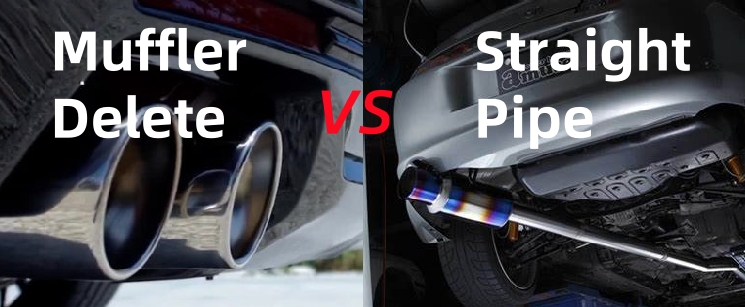
- Muffler delete: about $150–$500
- Muffler + resonator delete: about $250–$700
- Cat-back exhaust: about $300–$1,200+
- Full straight pipe: about $500–$1,800+
- Custom or tuned setups: can reach $2,000–$3,000+
For most basic car or truck exhaust work, parts and labor are the biggest costs. If the modification involves emissions equipment, additional tuning costs and legal risks can significantly increase the real total cost.

What Is a Straight Pipe?
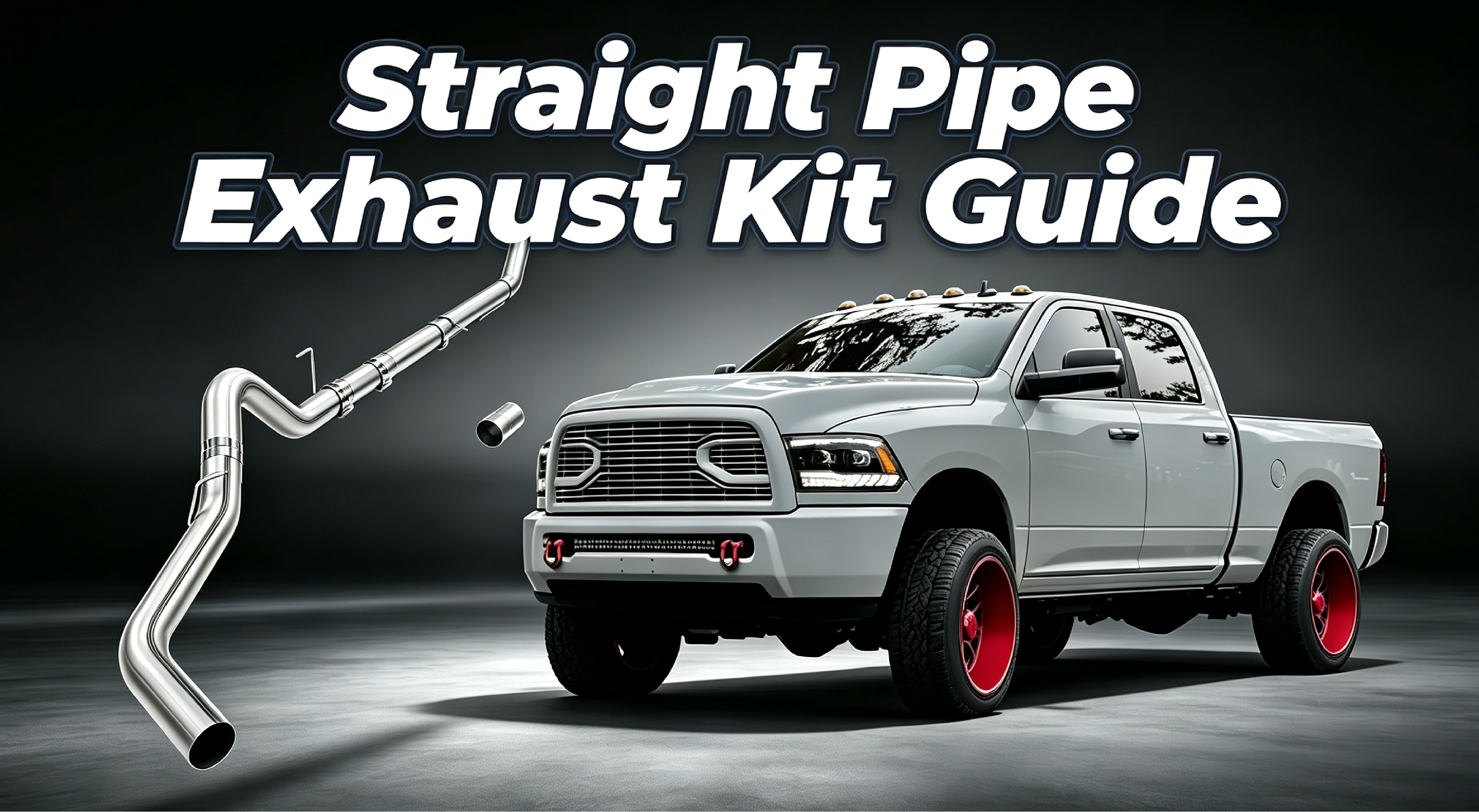
A straight pipe exhaust refers to an exhaust system that removes restrictive components from the factory exhaust system, such as the muffler, catalytic converter, or resonator, and replaces them with unrestricted metal piping. The goal is to allow exhaust gases to leave the engine as freely as possible.
Straight Pipe Types and Cost Comparison
| Modification Type | Components Removed | Tuning Cost (Estimated) | Total Cost (Estimated) | Best Use Case |
| Muffler Delete Only | Muffler only | Usually not required | $150 – $500 | Cheapest way to increase exhaust sound |
| Muffler + Resonator Delete | Muffler, resonator | Usually not required | $250 – $700 | More aggressive exhaust tone |
| Cat-back | Muffler + resonator only (catalytic converter retained) | Not required | $300 – $1,200+ | Legal way to improve sound and performance; most recommended for street use |
| DPF Delete | Diesel Particulate Filter (DPF) | $500 – $800 | $680 – $1,080 | Diesel vehicles, performance-focused, illegal |
| DPF + Cat Delete | DPF + catalytic converter | $500 – $800 | $785 – $2,555+ | Diesel vehicles, extreme performance, illegal |
| Turbo-back | All factory components from the turbo outlet onward, including the catalytic converter, muffler, resonator, etc. | Tuning required ($400-$1,000) | $1,300 – $3,000+ | Turbocharged gasoline vehicles, maximum performance, illegal |
| Full Straight Pipe | All mufflers, resonators, and catalytic converters | May be required | $500 – $1,800+ | Track use only, illegal for street use |
Core Cost Components of a Straight Pipe Exhaust Modification
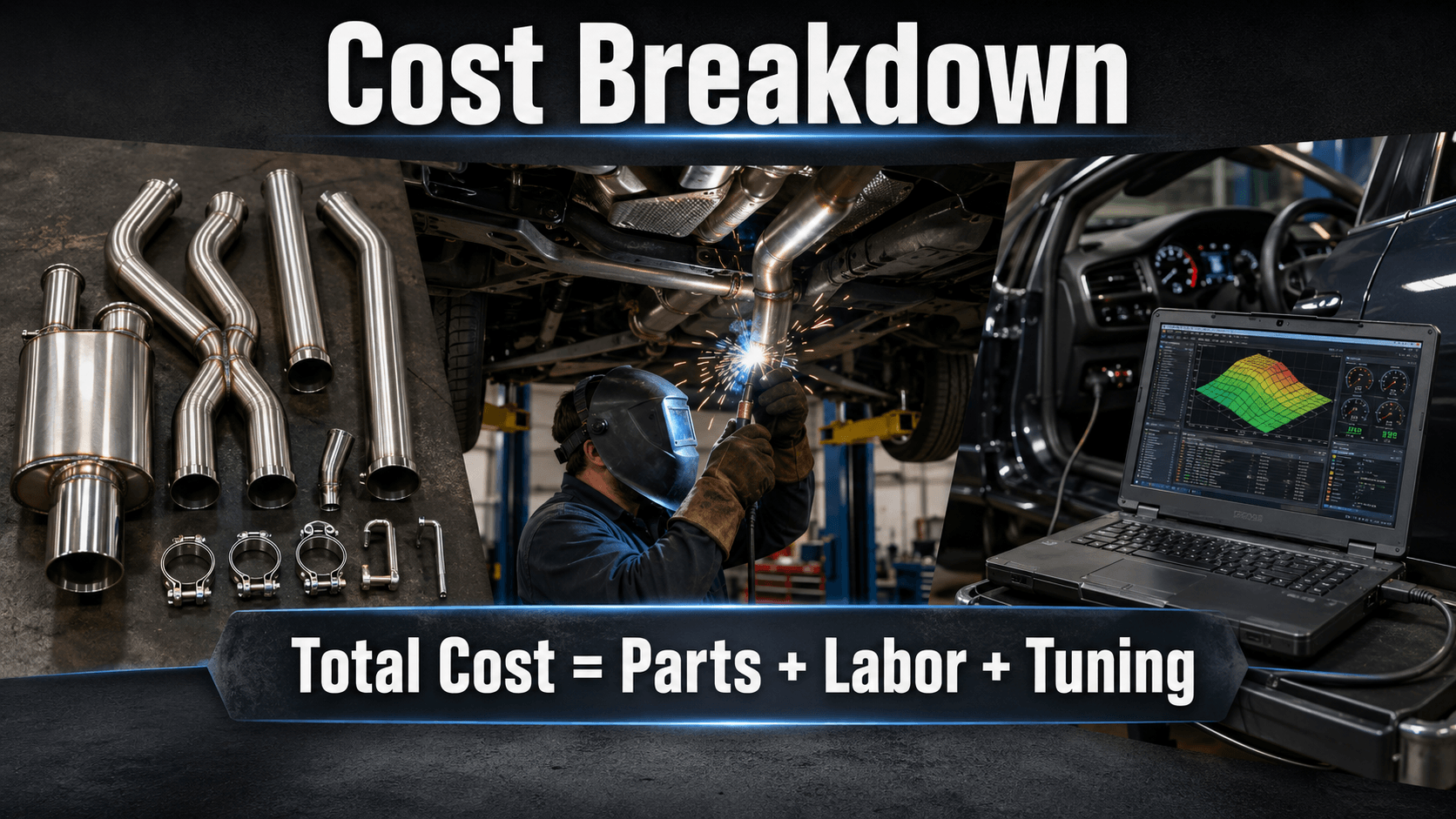
The cost of a straight pipe modification mainly consists of three parts: material cost + installation labor + ECU tuning cost, if applicable.
1. Exhaust Pipe Cost
This is the basic cost of the modification and mainly includes straight piping, clamps, hangers, gaskets, and other hardware. The price mainly depends on the scope of the modification and material choice.
Typical price range:
The most basic muffler delete kit costs about $150-$500, while a complete straight pipe system involving DPF or catalytic converter removal may cost more than $1,700 in materials alone.
2. Labor
Most vehicle owners choose to have the installation completed by a professional exhaust shop or repair shop. Labor cost mainly depends on the hourly labor rate and the amount of time required. Labor rates are typically $75 – $150 per hour, while shops in major cities or premium performance shops may charge more.
Typical price range:
Professional installation usually costs between $100 – $1,000, depending on the complexity of the modification.
3. Tuning Cost (If Required)
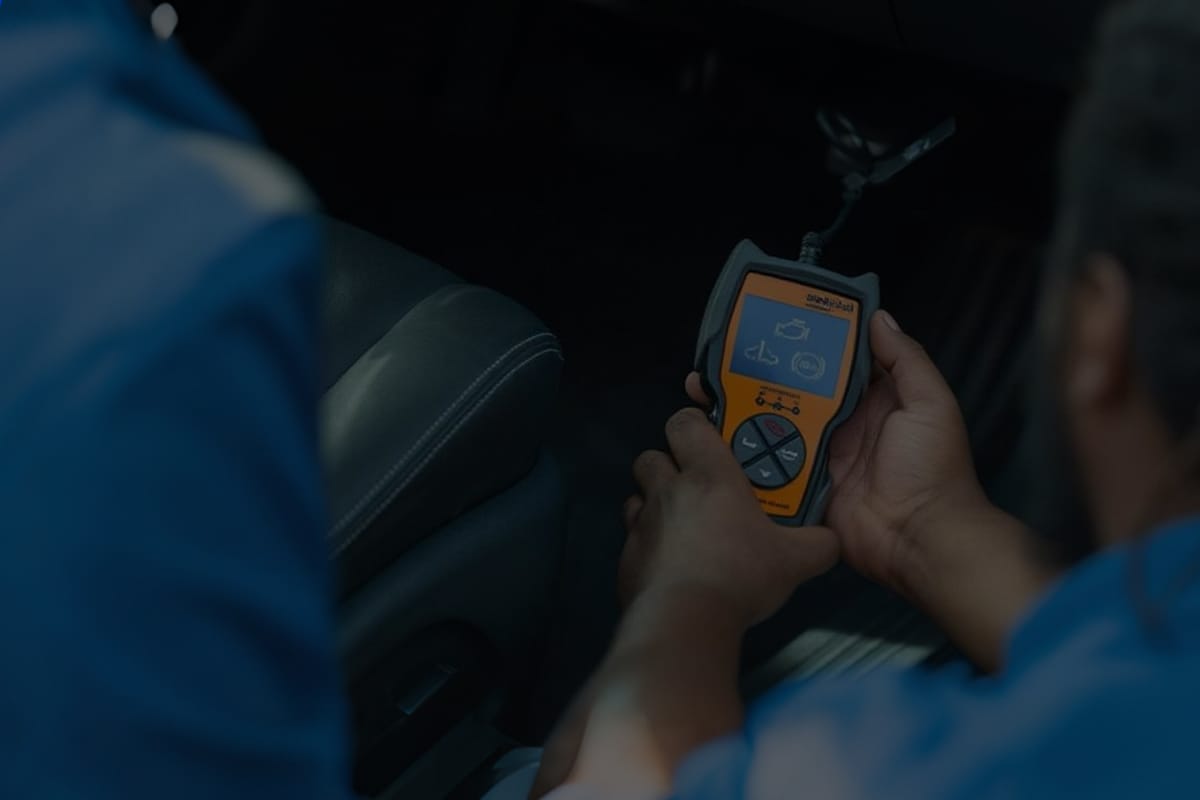
This is not required for every straight pipe modification, but once the catalytic converter or diesel particulate filter (DPF) is removed, tuning becomes mandatory. The reason is that after these emissions devices are removed, the oxygen sensors or differential pressure sensors will detect abnormal data, triggering the check engine light and potentially putting the vehicle into Limp Mode, which limits power output.
Through ECU tuning, commonly referred to as “flashing” or “tuning the ECU,” related fault codes can be disabled while the air-fuel ratio and ignition timing can be optimized to take advantage of the potential performance benefits of the straight pipe.
Typical price range: $300 – $1,000.
Key Factors That Affect the Price
1. Modification Depth
The more extensive the modification, the higher the price. A Muffler Delete is the cheapest option at $150-$500, while a full straight pipe setup including catalytic converter removal is the most expensive at $500-$1,800+.
2. Vehicle Type
- Four-cylinder sedans: The exhaust piping is shorter and the structure is simpler, so material and labor costs are relatively lower.
- V8 engines/trucks/diesel vehicles: These usually require larger-diameter piping, such as 4-5 inches, which requires more material and significantly increases the price. Truck modifications typically cost between $150-$800.
3. Material Choice
Common materials used in straight pipe systems mainly include:
Aluminized Steel
It is usually less expensive and suitable for budget-oriented exhaust systems, but long-term corrosion resistance depends on the environment and material quality.
Stainless Steel
The initial price is usually higher, but it offers better corrosion resistance and is more suitable for long-term use, especially in areas with heavy road salt or humid climates. If you only compare purchase price, standard steel piping is generally cheaper; however, if you consider several years of use, material durability should also be included in the total cost.
4. Regional Differences
- Major cities/high-cost areas: Labor rates are higher, and the total cost may increase by 5%-12%.
- Rural/low-cost areas: Prices are relatively lower, and some small shops may charge only $60-$120 for a simple straight pipe service.
5. Brand Reputation
Unbranded universal exhaust pipes are inexpensive but may require custom adjustment during installation. Well-known exhaust manufacturers charge more because they provide more precise fitment, professional acoustic design, and more complete warranty coverage.
Often-Overlooked Additional Costs
1. Cost of Returning the Vehicle to Stock
If you need to sell the vehicle in the future or pass an inspection, restoring the factory exhaust system may cost an additional $550-$1,800.
2. Vehicle Depreciation
Straight-piped vehicles are often harder to sell on the used market and may lose $1,000-$3,000 in value because most buyers do not want a vehicle that cannot pass emissions testing.
3. Potential Repair Costs
- Check Engine Light: After the catalytic converter is removed, the ECU may detect abnormal conditions and trigger fault codes such as P0420/P0430.
- Cabin Drone: Low-frequency noise during highway cruising can seriously affect driving comfort.
- Low-End Torque Loss: Excessively reducing exhaust backpressure may cause a loss of low-RPM torque.
Legal Risks - The Most Important Cost
Before modifying your vehicle’s exhaust system, be sure to consider the following key legal and practical factors:
Emissions Compliance: Removing the factory catalytic converter violates environmental regulations in most jurisdictions, such as those enforced by the U.S. Environmental Protection Agency (EPA) and corresponding international authorities. A vehicle without a catalytic converter will not pass local emissions testing.
Noise Regulations: Straight pipe exhaust systems often exceed municipal road-noise decibel limits, which may result in equipment violation tickets or mandatory state vehicle inspections.
Vehicle Resale and Warranty: Modifying emissions equipment often voids related powertrain warranty coverage and may reduce the vehicle’s resale value or dealer trade-in eligibility.
Conclusion
A basic straight pipe exhaust system, such as an axle-back setup or muffler delete, may cost only $100 to $300. However, a complete, high-quality stainless steel or custom-fabricated system—including labor, hardware, and necessary ECU tuning—typically costs $800 to $2,000 or more.
Therefore, when asking an exhaust shop, “How much does it cost to straight pipe my car or truck?”, it is better not to ask for only one total price. Ask the shop to break the quote down into:
Parts + Labor + Fabrication + Additional Hardware
This makes it easier to determine whether the quote is reasonable.