 Contents
Contents
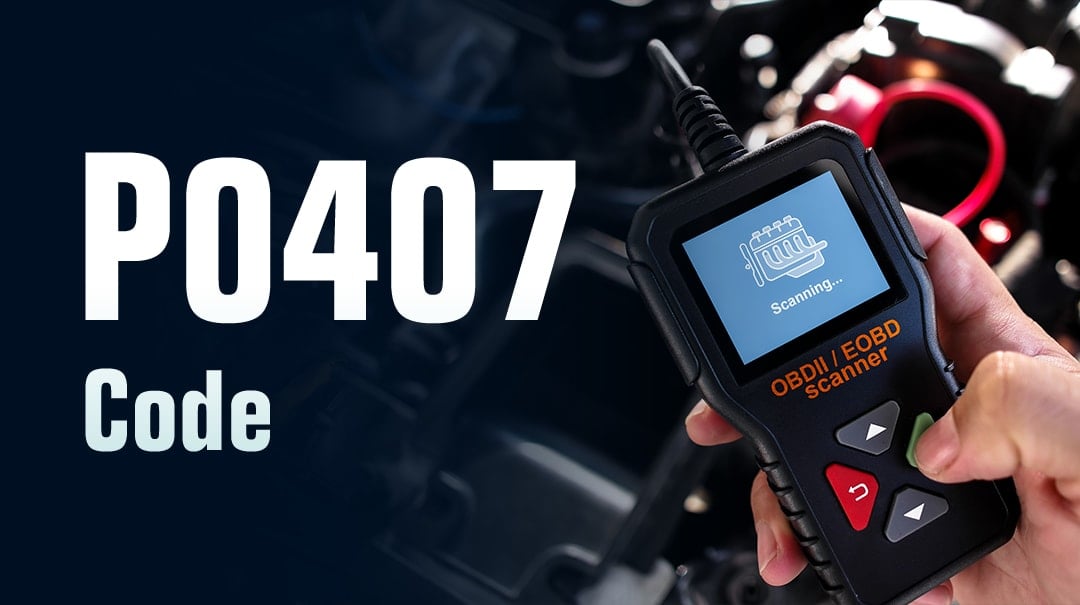
On a fine day, you're merging onto the highway when your Check Engine Light pops up. A quick scan shows P0407 – EGR Sensor B Circuit Low. You may want to ignore it as a random light, but taking it lightly can hurt performance, fuel efficiency, and even emissions compliance. In short, EGR sensor B is sending a lower-than-expected voltage signal to the ECM.
This guide dives deep into P0407, explaining its meaning, common symptoms, possible causes, diagnostic steps, repair solutions, affected vehicles, repair costs, preventive measures, and frequently asked questions. By following this article, you'll understand how to tackle this engine code P0407 effectively and keep your vehicle running smoothly.
If you want to check other OBD codes later, you can browse SuncentAuto's full OBD-II codes list.
- P0407 indicates a low signal from EGR Sensor B, impacting exhaust recirculation.
- Causes include faulty EGR sensors, wiring issues, clogged passages, or ECM glitches.
- Ignoring the code can trigger rough idle, reduced fuel economy, and potential engine damage.
- Diagnosis involves scanning for codes, checking sensor output, inspecting wiring, and testing EGR operation.
- Doing regular health-checks like EGR cleaning, proper fuel, and sensor inspections, reduces recurrence.
What Does P0407 Mean?
P0407, known as Exhaust Gas Recirculation (EGR) Sensor B Circuit Low, basically means your car isn't happy with what EGR Sensor B is telling it. The voltage coming from that sensor drops too low, and the ECM treats it as a red flag. Most newer engines use two EGR sensors, so when the second one starts giving lazy readings, the system knows something's off.
The EGR system's whole job is to route a bit of exhaust back into the intake to help control emissions. When Sensor B gives a lower-than-expected reading, the ECM records code P0407. Sometimes it's just soot in the passage slowing things down. Other times, it's a sign of frayed wiring or a sensor that's failing. If the low reading keeps happening, the Check Engine Light comes on.
Your car will usually keep running, but not smoothly. That's why spotting and addressing P0407 early can save you fuel, prevent rough idling, and avoid bigger repairs later.
Common Symptoms of P0407
When DTC P0407 appears, drivers might notice:
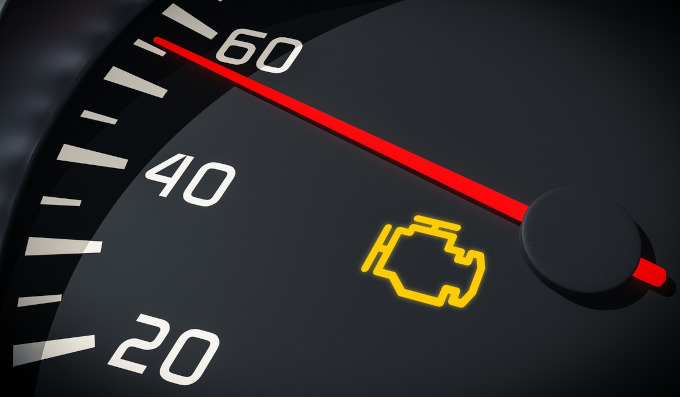
- Check Engine Light (CEL): Primary sign most people see first.
- Rough idle: Uneven engine rotation due to incorrect EGR flow.
- Reduced power: The engine may hesitate during acceleration.
- Poor fuel economy: Repeated improper combustion cycles lower MPG.
- Excessive exhaust smoke: Darker exhaust may be visible under load.
- Engine stalling: In severe cases, particularly at idle.
- Failed emissions test: EGR malfunction affects NOx emissions.
- Occasional surging: Some drivers feel a small "push-pull" sensation while cruising, especially when the EGR flow fluctuates.
Drivers on forums like Reddit r/MechanicAdvice report intermittent CEL with occasional rough idling, which usually worsens if not addressed promptly.
Possible Causes of P0407
Several issues can trigger code P0407, including:
- Faulty EGR Sensor B: A defective sensor reports incorrect voltage to the ECM.
- Clogged EGR passages: Carbon buildup restricts exhaust flow, causing low readings.
- Vacuum line leaks (if vacuum-controlled): Hoses cracked, disconnected, or leaking.
- Wiring issues: Frayed wires, corroded connectors, or short circuits.
- Exhaust leaks: Downstream leaks alter sensor readings.
- ECM software issues: Incorrect calibration or outdated software may misread the signal.
- Turbocharger problems: Poor boost or exhaust flow affects EGR function.
- Low-quality fuel: Increases soot formation, affecting sensor operation.
- Cold starts or short trips: Prevent complete EGR operation and sensor stabilization.
Often, more than one factor contributes, making a proper diagnosis essential. As per many mechanics, code P0407 might look simple at first, it can become a beast if the EGR passages are really clogged with carbon.
How to Diagnose P0407
Here's the step-by-step checklist technicians use to pinpoint the cause of P0407:
Tools Needed: OBD-II scanner, multimeter, vacuum pump (if vacuum-operated), infrared thermometer, flashlight, PPE.
Step 1: Scan for P0407 and related codes like P0406 or P0408.
Step 2: Record EGR sensor voltage readings at idle and load.
Step 3: Inspect wiring and connectors for frays, corrosion, or melting.
Step 4: Test EGR sensor B with a multimeter; ensure it matches manufacturer specs.
Step 5: Check for clogged EGR passages or carbon buildup.
Step 6: For vacuum systems, inspect hoses and solenoids.
Step 7: Perform a forced EGR test if safe and observe sensor response.
Step 8: Clear codes and recheck after 2–3 drive cycles.
If the wiring is damaged or the passages are deeply clogged, it's better to let a professional handle it. A simple cleaning is DIY-safe, but deep carbon removal can get messy.
Repair Solutions for P0407
If you're wondering how to fix engine code P0407, here's what usually works:
- Clean EGR passages: Removes soot and restores proper exhaust flow.
- Replace EGR Sensor B: Necessary if the sensor fails voltage or position tests.
- Repair or replace wiring/connectors: Fixes shorts, frays, or corrosion issues.
- Vacuum hose replacement: Restores proper valve operation.
- Exhaust leak repair: Ensures accurate sensor readings.
- ECM reflash: Corrects software misinterpretation of sensor data.
- Turbo inspection/repair: Ensures proper exhaust flow for EGR function.
- EGR delete kits: Off-road solutions reduce stress on the system.
For drivers running off-road builds, some choose to bypass the EGR system completely to avoid recurring soot issues. If someone wants an off-road setup, check out SuncentAuto's EGR delete kits.
Remember: These are strictly for off-road use, not highway or public road vehicles. If you’ve already dealt with EGR issues before, it helps to keep notes or photos of previous repairs — it makes future troubleshooting way easier and saves time at the shop.
Vehicles Commonly Affected by P0407
Code P0407 can appear on any vehicle with an EGR system that uses a secondary position sensor (Sensor B). While there’s no manufacturer-specific recall or formal list, some engines are more prone to EGR-related carbon buildup or sensor faults, which can indirectly lead to this code.
| Make / Engine | Notes |
| Chevy / GM 3.8L, 4.3L, 5.3L | EGR passages clog quickly; Sensor B readings low. |
| Ford 4.6L, 5.4L | Vacuum-controlled EGR prone to low voltage triggers. |
| Dodge / RAM 3.7L, 5.7L | Sensor B faults common after short city trips. |
| Buick / Cadillac 3800 Series | Intake passage buildup triggers P0407. |
| Pontiac & Saturn (older GM platforms) | Sensor B malfunction frequent due to carbon deposits. |
Note: While these models are commonly affected, any EGR-equipped vehicle may display P0407 if components degrade.
Repair Cost Estimate
Here's what drivers can expect for P0407 repairs, from DIY sensor swaps to professional overhauls:
| Repair | Estimated Cost |
| Scan & Diagnosis | $80–$150 |
| EGR Sensor B Replacement | $120–$350 |
| Wiring Repair | $50–$200 |
| Vacuum Hose Replacement | $30–$100 |
| EGR Passage Cleaning | $150–$400 |
| ECM Reflash | $100–$180 |
| Exhaust Leak Repair | $100–$400 |
DIY repairs like sensor swaps or wiring fixes are significantly cheaper. Labour-intensive tasks like valve cleaning or turbo service increase the cost. Timely maintenance prevents expensive secondary damage.
Prevention Tips for P0407
Keep your EGR system healthy and avoid repeat trouble code P0407:
1) Regular EGR cleaning
Prevents carbon buildup that triggers sensor low readings.
2) Inspect wiring & connectors
Check for corrosion, frays, or shorts.
3) Use high-quality fuel
Reduces soot and particulate accumulation.
4) Routine oil changes
Clean oil prevents sensor contamination.
5) Avoid excessive short trips
Ensure the EGR system reaches proper operating temperature.
6) Vacuum line inspection
Replace cracked or disconnected hoses.
7) Monitor turbo performance
Maintains proper exhaust flow.
8) Scan for codes periodically
Early detection avoids costly repairs.
9) Check ECM updates
Prevents false triggers due to outdated software.
10) EGR maintenance every 25k–40k miles
Clean or replace valves to maintain signal integrity.
FAQs About P0407
Conclusion
P0407 means your EGR Sensor B is reporting a low signal, usually because of soot buildup, wiring problems, or a failing sensor. It's not an emergency, but it's not something to ignore either. Performance, fuel economy, and emissions can take a hit if you leave it unresolved. Think of it as your engine telling you, "Hey, something feels off - can we handle this now?"
Fixing it usually comes down to cleaning the passages, repairing wiring, replacing the sensor, or updating the ECM. Off-road users who keep running into soot-related EGR issues often switch to delete kits or off-road pipes to avoid repeated failures, and these are available at SuncentAuto.
Stay on top of maintenance, catch symptoms early, and P0407 won't become a headache.