



 Contents
Contents
When you see the P2BAC code pop up on your diesel vehicle's dashboard, it's more than just a check engine light. The P2BAC code - "NOx Exceedance – Deactivation of EGR" - indicates a specific emissions issue that can affect performance, fuel efficiency, and your ability to pass inspection. Understanding what triggers this code and how to resolve it is crucial for any diesel vehicle owner, especially those driving heavy-duty trucks like the Dodge/RAM 6.7L Cummins. In this guide, we'll detail everything you need to know about DTC P2BAC, from causes and symptoms to fixes and preventative measures.
What Is the P2BAC Code?
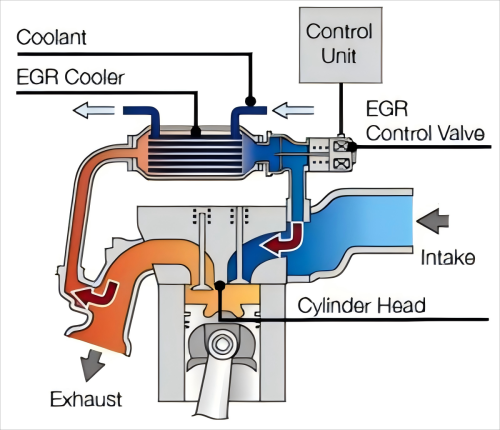
DTC P2BAC stands for " Exhaust Gas Recirculation (EGR) Deactivation Due to High NOx Emissions." This means your vehicle's ECM (Engine Control Module) has detected excessive nitrogen oxide (NOx) emissions and has shut down the EGR (Exhaust Gas Recirculation) system to protect the engine and emissions components.
Why Is the P2BAC Code Important?
- Emissions Compliance: This may cause your vehicle to fail emissions testing.
- Performance Loss: Shutting down EGR reduces power and throttle response.
- Decreased Fuel Efficiency: Without EGR, combustion chamber temperatures rise, increasing fuel consumption.
Commonly Affected Vehicles
- Dodge/RAM 6.7L Cummins (heavy-duty diesel trucks);
- Chrysler diesel models;
- Mercedes-Benz diesel engines;
- Volkswagen Crafter (uses similar emissions control technology).

Common Causes of the P2BAC Code
1. EGR System Malfunction
The most common EGR system malfunction is:
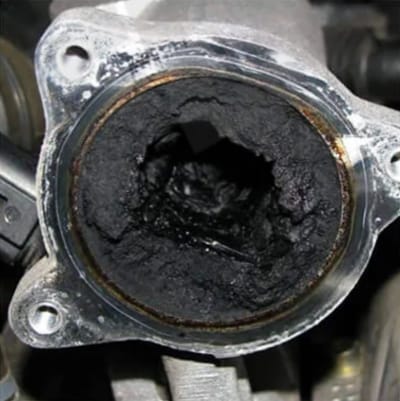
- Clogged or carbonized EGR cooler: Over time, soot buildup can restrict flow.
- Stuck EGR valve: The valve may not open or close properly, often due to carbon deposits or a sensor malfunction.
2. NOx Sensor Problem
NOx sensors can malfunction when exposed to harsh exhaust gases:
- Contamination or performance degradation: Contamination with oil, soot, or diesel exhaust fluid (DEF) can reduce sensor accuracy.
- Electrical problems: Broken, loose, or corroded wires/connectors can cause erroneous signals.
3. Exhaust or Intake System Problems
- Exhaust or intake system leaks: A cracked hose, cracked intercooler pipe, or a leaking EGR cooler can all cause erroneous sensor readings.
- DEF system problems: While less common, problems with DEF injection can cause abnormal NOx levels.
4. Software or Control System Malfunction
- Out-of-date ECM calibration: If the engine's control software is out-of-date, it can misinterpret sensor data.
- Inconsistent control logic: Rare, but may occur after DIY tuning or incomplete software updates.
Symptoms of a P2BAC Fault in Your Vehicle
If your diesel engine displays a P2BAC fault code, you may notice:
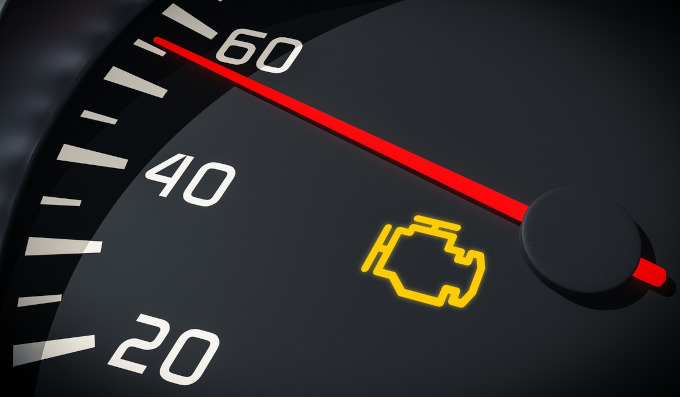
- The Check Engine Light (CEL) illuminates;
- Low power or limp-home mode activates;
- Weak acceleration and rough idling;
- Decreased fuel economy;
- Black smoke or an unusual odor;
- Emissions test failure or illumination of the red warning indicator light.
The severity of these fault codes can vary depending on the vehicle and the severity of the underlying problem.
How to Fix a P2BAC Code
Required Tools
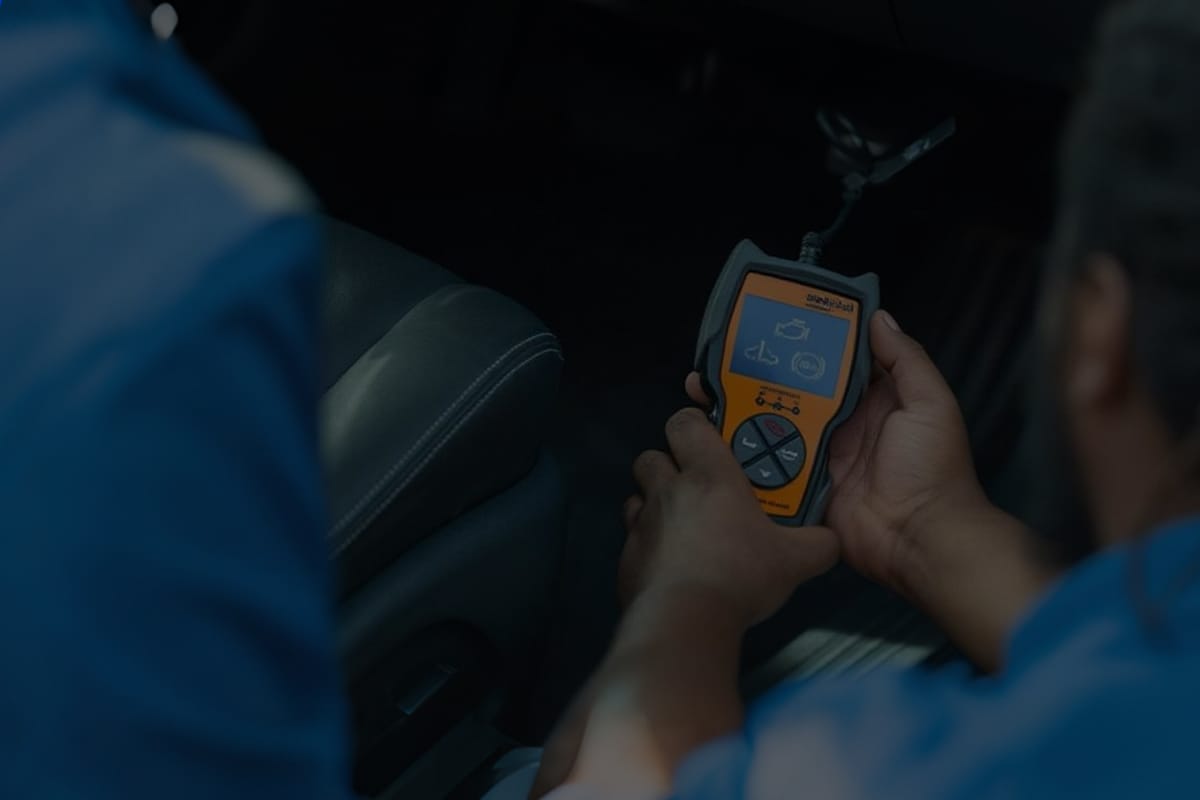
- OBD-II Scanner: For reading fault codes and freeze frame data.
- Multimeter: For checking circuit continuity.
- NOx Sensor Tester: For sensor diagnosis.
- Smoke Tester/Smog Machine: For detecting leaks in the exhaust and intake systems.
Step-by-Step Diagnostic Process
Before you begin repairs, it's helpful to check for other related trouble codes. Visit our complete OBD-II Trouble Code Library to understand what each code means and how to diagnose it step by step.
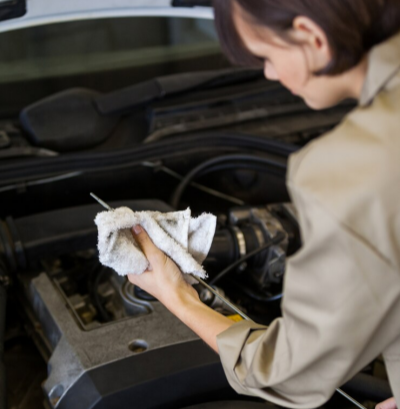
1. Check EGR Valve Operation
Observe EGR position and command data using real-time OBD-II readings. If the valve does not move as expected, disassemble and inspect for carbon deposits or mechanical failure.
2. Test the NOx Sensor
Measure the output voltage and response time. Compare the readings to OEM specifications (refer to the manufacturer's service information).
3. Check for Exhaust/Intake Leaks
Use a smoke machine or visual inspection to locate leaks in the intercooler ducting, EGR cooler, and related ducting.
4. Clean or Replace the EGR Assembly
Disassemble the EGR valve and cooler, remove carbon deposits, and ensure all passages are clear.
5. Check for ECM Updates
Visit your dealer or qualified repair shop to ensure your vehicle's ECM software is up to date.
EGR Delete Option
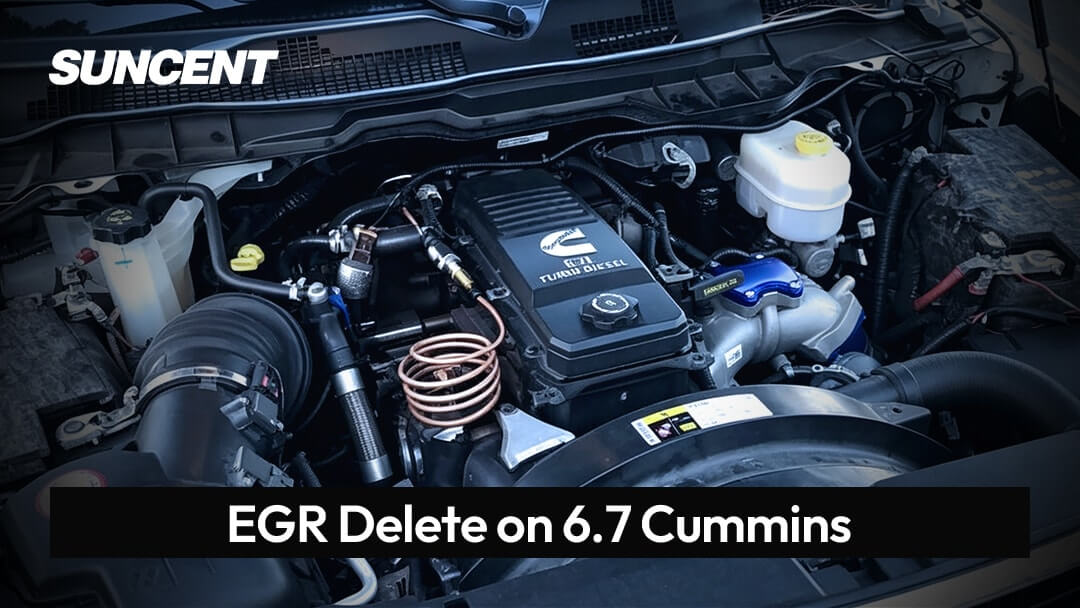
If you're looking for a long-term solution, and local regulations permit, EGR delete can help eliminate recurring P2BAC issues by completely removing the exhaust gas recirculation system. This not only prevents carbon buildup in the intake system but also improves engine performance and fuel efficiency.
At SuncentAuto, we offer high-quality EGR delete kits designed specifically for popular diesel engines, including the Dodge/RAM 6.7L Cummins. Our kits are durable, install precisely, and are affordable.
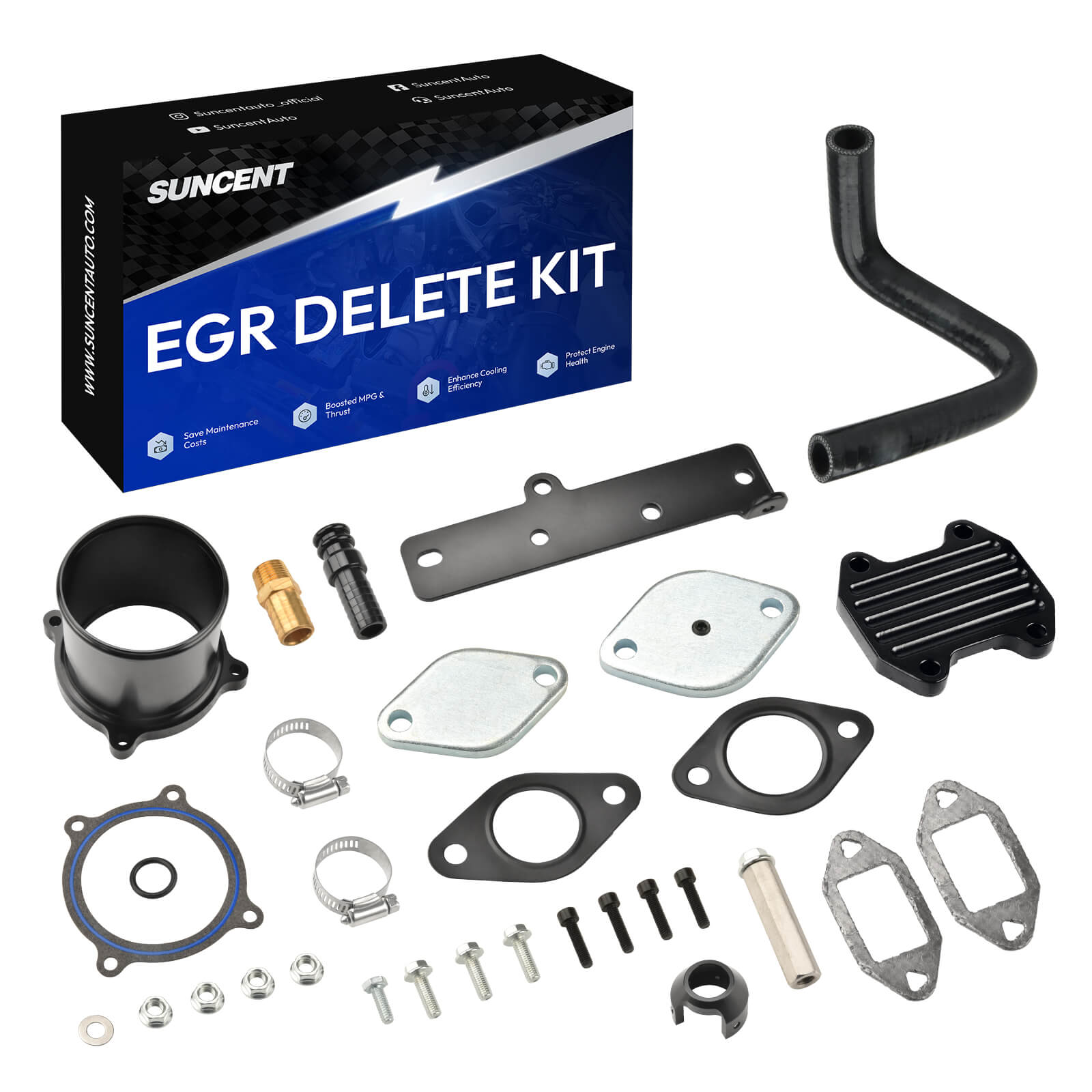
👉 Buy Cummins EGR Delete Kits at SuncentAuto
P2BAC Code on 6.7L Cummins Engine: Causes and Diagnosis
On a 6.7L Cummins engine, the P2BAC fault code is an "informational" alert indicating that the Engine Control Module (ECM) has detected excessive Nitrogen Oxides (NOx) and has disabled or limited the Exhaust Gas Recirculation (EGR) function. This is a common emissions control strategy in Dodge/RAM 2500 and 3500 diesel trucks (2007.5 and later).
Common Causes for 6.7L Cummins
For owners of these heavy-duty trucks, P2BAC is typically triggered by:
- EGR System: Carbon buildup leading to a sticking EGR valve or clogged cooler passages.
- Sensors: Faulty NOx sensors, slow response times, or damaged/corroded wiring.
- Airflow Issues: Exhaust leaks near the NOx sensor or intake boost leaks affecting combustion.
- Software: Outdated ECM calibrations or incomplete software updates following a repair or tune.
Step-by-Step Diagnostic Approach
- Check for Carbon: Inspect the EGR valve and crossover tube for heavy soot accumulation.
- Monitor Live Data: Use an OBD-II scanner to check real-time NOx sensor readings and EGR position.
- Leak Test: Perform a smoke test on the intake and exhaust systems to rule out "ghost" airflow issues.
- Verify Calibration: If the truck has been tuned or modified, ensure the ECM software aligns with the current hardware setup.
Real-World Case Study: The Hidden Fault
- Vehicle: 2011 RAM 2500, 6.7L Cummins.
- Issue: Repeated P2BAC codes with no other obvious MILs. The owner reported significant loss in turbo response and fuel economy.
- The Discovery: A professional-grade scan tool revealed a "hidden" U010C (Lost Communication with Turbocharger Control Module).
- The Fix: Once the communication circuit to the turbocharger was repaired, the combustion efficiency returned to normal, and the P2BAC code cleared automatically.
Note: For daily drivers, always repair components according to OEM specs and local emissions laws. For off-road or racing applications, some owners opt for EGR Delete Kits to eliminate soot-related issues permanently.
Special Case: Why P2BAC Appears Years After a "Full Delete"
Many diesel owners who have performed a DPF/EGR/SCR delete (hardware removal + ECM software tune) are surprised when a P2BAC code suddenly triggers after 5 or 10 years of trouble-free driving. This usually doesn't mean the "delete failed," but rather that the vehicle's aging electronics or software logic have been unexpectedly triggered.
Core Causes
- Software Logic "Leakage": As batteries age or voltage fluctuates, the masked factory logic within the ECU can re-activate due to Checksum errors or reset adaptation values.
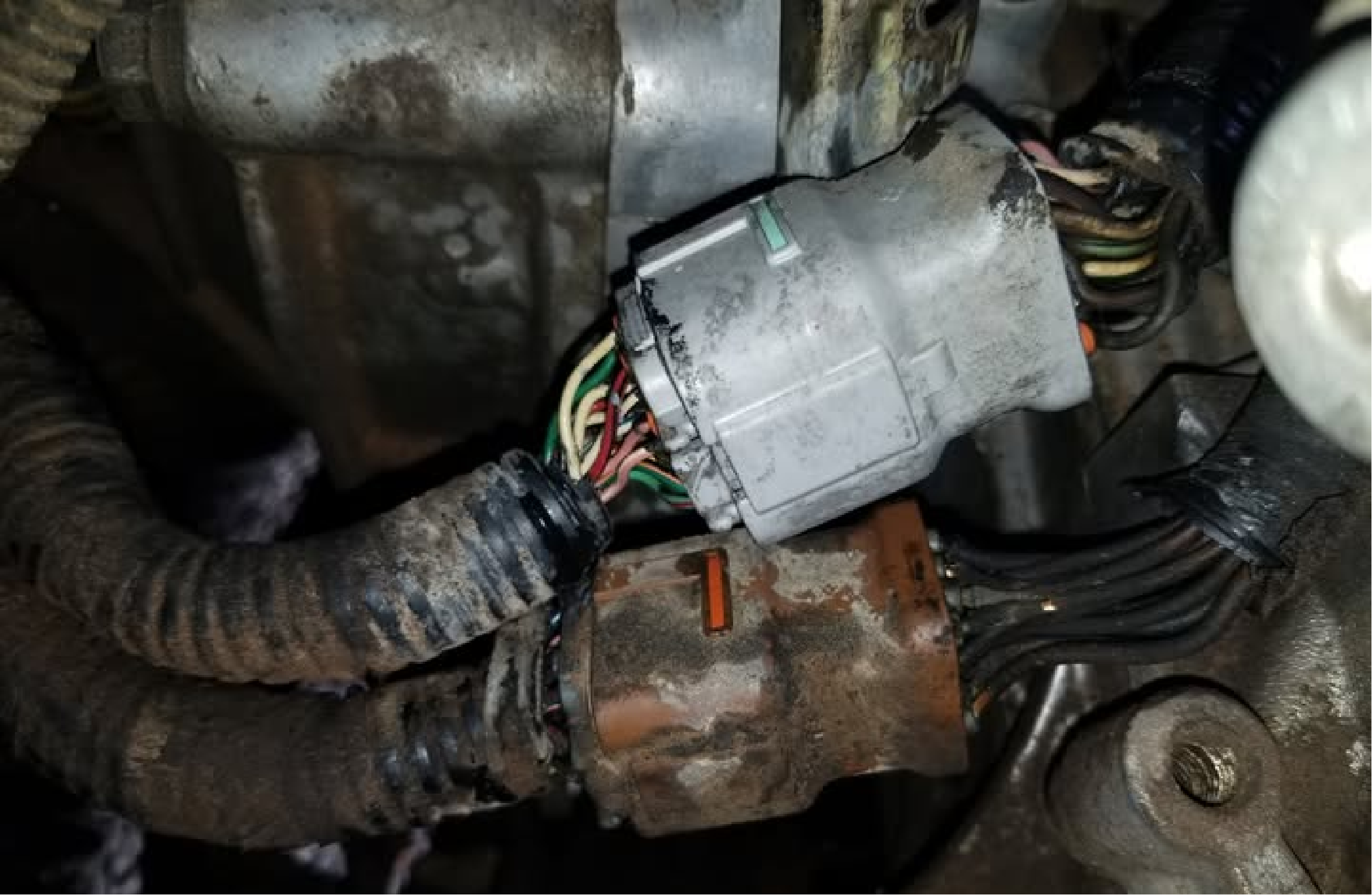
- Ghost Signals from Sensors: Even if hardware is removed, leftover NOx or pressure sensor harnesses can corrode over a decade. These faulty electrical signals (shorts or high resistance) can trick the ECU into triggering P2BAC.
- Unexpected Software Updates: If the vehicle was serviced and a factory diagnostic tool was used, the system may have been partially reset, re-enabling monitoring routines that were previously disabled.
Targeted Solutions (In Order of Priority)
1. Logic Reset (The "Flash-Back" Method)
Try a "Stock-to-Delete" cycle: Flash the vehicle back to the Stock (OEM) file, let it idle for 30 minutes to allow the ECU to complete its self-check, clear all codes, and then re-flash your Delete Tune. This often clears "stuck" ghost codes in the ECU's temporary memory.
2. Advanced Tune Optimization
Contact your tuner to perform a "Deep Disable" for P2BAC, P2BAB, and P2BAD. Ensure that the Regeneration Imbalance Monitoring routines are completely deactivated within the map (using software like WinOLS), rather than just hiding the Check Engine Light (CEL).
3. Physical Harness Isolation
Inspect the remaining sensor plugs under the chassis. After 10+ years, these connectors often suffer from water intrusion. Disconnect all disabled sensors and seal the plugs with waterproof heat-shrink or termination resistors to prevent signal noise from triggering the ECU.
Summary: Should You Be Concerned about P2BAC?
Absolutely. The P2BAC code warning indicates that your diesel engine is emitting excessive NOx and has temporarily disabled the EGR system. This can affect regulatory compliance, performance, and fuel economy. To avoid more expensive repairs, it's important to diagnose the root cause:
- ✔ Check for related codes
- ✔ Check the EGR system
- ✔ Test the NOx sensor
- ✔ Check for exhaust leaks
If any EGR-related fault codes persist, consider an EGR removal kit solution (for off-road use only).










{{ comments.total }} Comments