 Contents
Contents
In recent years, more and more diesel truck owners have started paying attention to DEF delete kits. Whether it's a 6.7 Cummins, Duramax, or 6.7 Powerstroke, discussions about DEF system problems continue to grow.
As diesel emissions systems become increasingly complex, many high-mileage diesel trucks begin experiencing issues such as frequent DPF regenerations, DEF crystallization blockages, and NOx sensor failures. After the warranty period ends, some owners are faced with repair bills that can easily cost thousands of dollars. They begin considering whether a diesel DEF delete kit can permanently solve these problems.
This article will help you gain a more comprehensive understanding of DEF Delete Kits by covering kit components, real-world pros and cons, costs, buying advice, and a repair vs. delete comparison.
What Is Included in a DEF Delete Kit?
DEF (Diesel Exhaust Fluid) is a solution made of 32.5% high-purity urea and 67.5% deionized water. It is primarily used in the SCR (Selective Catalytic Reduction) system of modern diesel vehicles. DEF is injected into the exhaust system to help convert harmful nitrogen oxides (NOx) into nitrogen and water vapor.
However, although the product is called a DEF Delete Kit, in the U.S. diesel performance market it usually involves much more than simply "removing the DEF system." Many products sold as DEF delete kits are actually part of a more complete diesel emissions delete setup. In other words, they often involve multiple emissions system components, including DEF, DPF, SCR, and EGR.
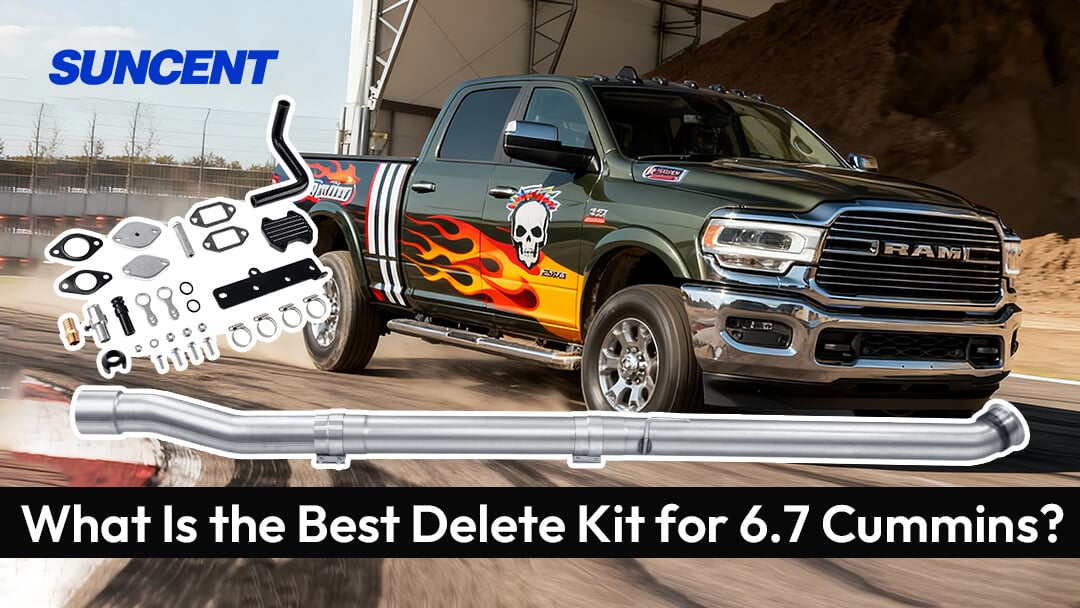
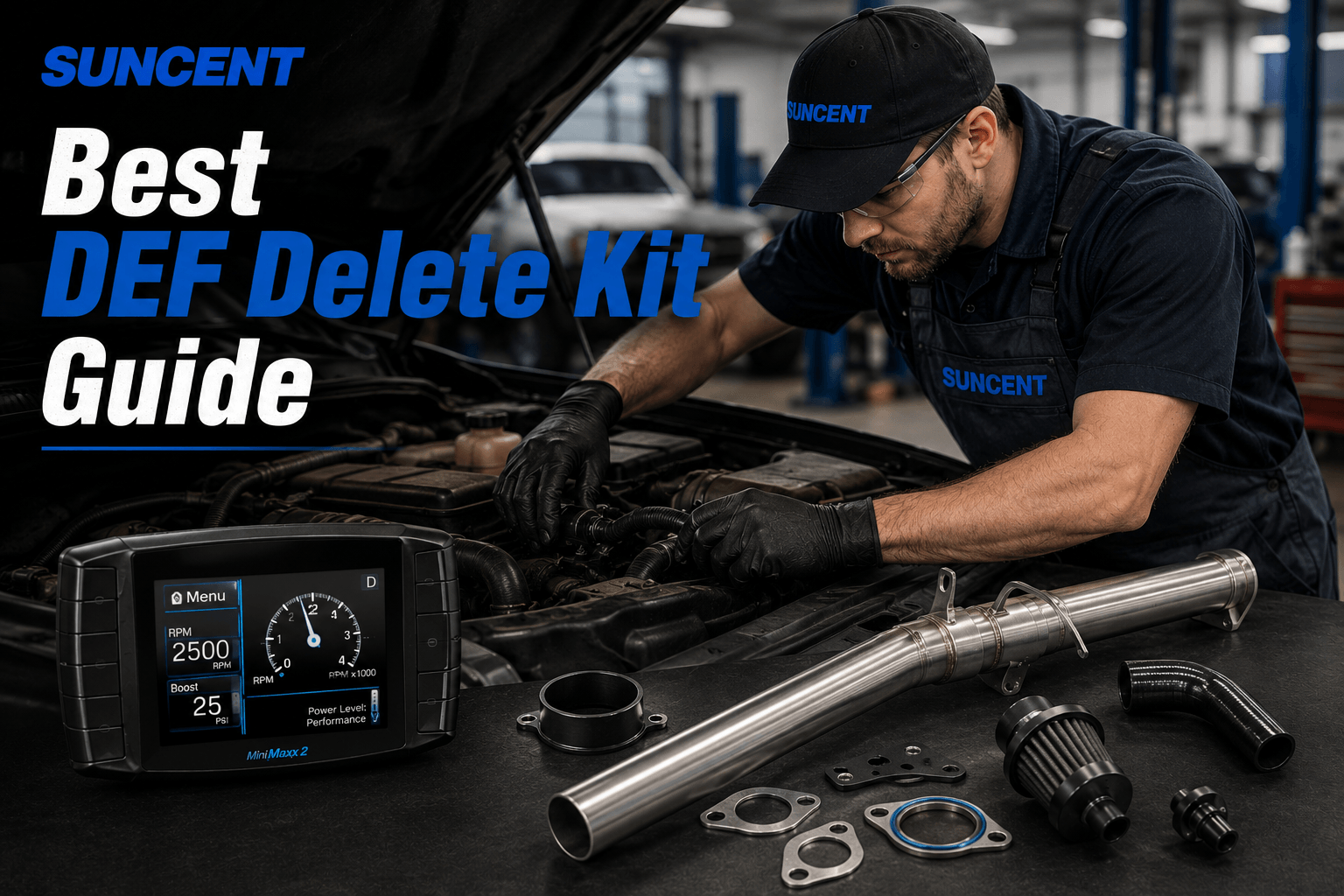
A more complete diesel DEF Delete Kit usually includes:

1. ECU Tuner
The tuner is one of the most important parts of the entire delete kit. It is used to recalibrate the vehicle's ECU so the engine computer no longer monitors DEF, DPF, SCR, or EGR-related logic. If the hardware is removed without proper tuning, the vehicle can easily experience fault codes, limp mode, or reduced power. Common platforms include EZ Lynk, Mini Maxx Tuner, and others.
2. DPF/SCR Delete Pipe
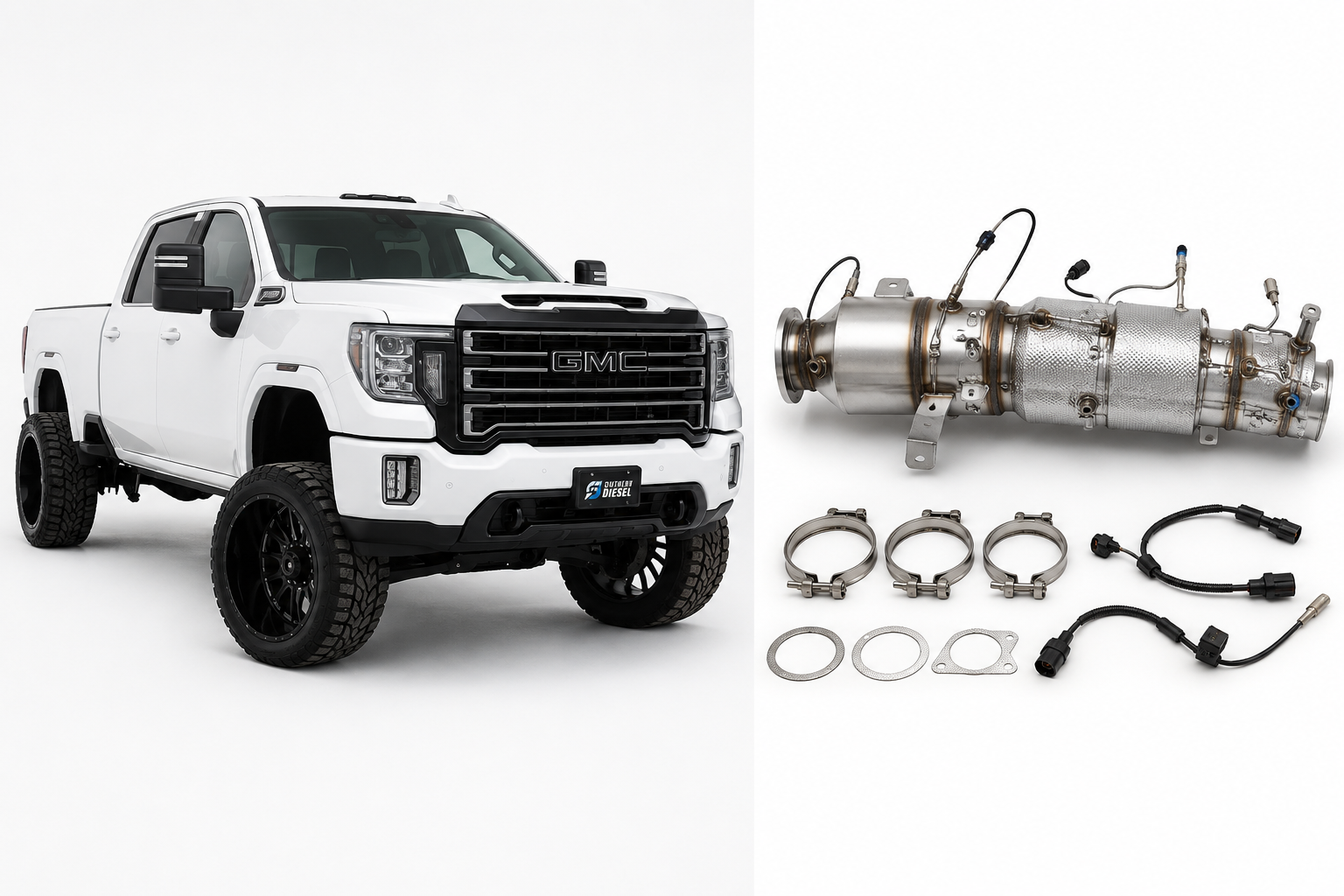
A DPF/SCR delete pipe is typically used to replace the factory DPF and SCR-related exhaust components. The DPF captures diesel particulate matter, while the SCR system works together with DEF fluid to reduce NOx emissions. Since these systems usually operate together with the DEF system, many DEF delete kits also include replacement exhaust piping.
3. EGR Delete Kit
Some complete kits also include an EGR delete kit. The EGR system redirects a portion of exhaust gas back into the intake system to lower combustion temperatures and NOx emissions. Over time, carbon soot and oil vapor can build up inside areas such as the intake passages, EGR valve, and intake manifold. The purpose of an EGR delete kit is to prevent exhaust gases from re-entering the intake system, thereby reducing carbon buildup.
(Some kits also include CCV crankcase ventilation modifications to help prevent oil vapor from entering the intake manifold and affecting intercooler efficiency.)
Why Do People Choose DEF Delete Kits? Pros and Cons
For a variety of practical reasons, many diesel truck owners begin considering emissions system deletes after the factory warranty expires. Below are the most common motivations, along with the potential downsides.
✅ Reduce Expensive Maintenance Costs
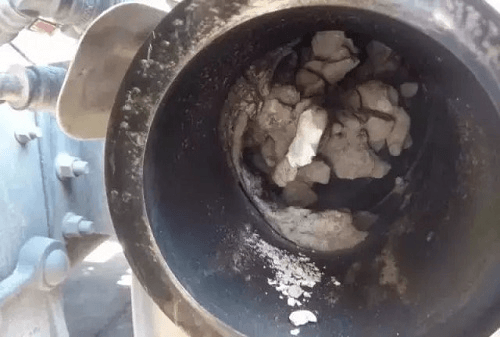
Emissions system components are some of the most failure-prone and expensive parts on modern diesel trucks. DEF systems are known for sensor failures and injector clogging in cold weather, while replacing a DEF pump can cost around $1,200 to $2,500. A full SCR system replacement can reach $5,000 to $7,000. In addition, OEM DPF replacement can cost anywhere from $3,000 to $8,000. EGR coolers frequently clog or crack, sometimes causing catastrophic coolant leaks. Removing these systems eliminates several major sources of expensive failures.
✅ Reduce Limp Mode and Downtime
Once the DEF or SCR system triggers fault codes, the vehicle may enter limp mode, limiting power, vehicle speed, or even preventing normal operation. For diesel trucks commonly used for towing or farming, downtime is often more frustrating than the repair costs themselves. Many owners choose DEF delete kits not purely for performance, but to reduce downtime and uncertainty caused by emissions system failures.
✅ Significant Power and Torque Gains
Factory emissions systems create substantial exhaust backpressure due to restrictions from the DPF and SCR systems. After removing these restrictions, exhaust flow improves significantly. Many owners report gains of 30 to 80 horsepower and noticeable torque increases when combined with proper ECU tuning.
✅ Improved Fuel Economy
After deleting the DPF, the vehicle no longer needs to burn extra fuel during DPF regeneration cycles. Many owners report real-world fuel economy improvements of 10% to 20% , especially in city driving conditions. However, these results are not guaranteed. Actual fuel economy changes depend on driving habits, load, tune quality, road conditions, and overall vehicle condition.
Although DEF delete kits may appeal to some off-road, race, or export-use users, they are not suitable for all vehicles, especially daily-driven street vehicles.
⚠️ Legal Risks
In the United States, removing or disabling factory emissions systems is generally not legal for public road use. Many regions have strict emissions regulations, and deleting emissions systems may result in fines or compliance issues.
⚠️ Emissions Inspection Failure
If your state or region requires emissions inspections, deleting DEF, DPF, SCR, or EGR systems may prevent the vehicle from passing inspection.
⚠️ Factory Warranty May Be Voided
For vehicles still under warranty, modifying emissions systems may affect engine, emissions, or powertrain warranty coverage.
⚠️ Future Repairs May Become More Difficult
Some dealerships and independent repair shops may refuse to service vehicles with deleted emissions systems due to compliance concerns. This can make finding repair support more difficult, especially during long-distance travel.
⚠️ Environmental Impact Cannot Be Ignored
After removing DPF, SCR, or DEF systems, diesel particulate emissions and NOx emissions may increase significantly. The DPF is designed to capture diesel soot, while the SCR/DEF system reduces NOx emissions. Removing these systems can negatively affect air quality and public health.
DEF Delete Kit Cost Breakdown
Overall, a complete DEF delete kit plus installation typically costs between $2,000 and $6,000. Below is a breakdown of common costs:
| Cost Item | Price Range | Description |
| Basic DEF Delete Kit | $600–$1,200 | Usually includes basic exhaust piping and simple tuning |
| Full DEF Delete Kit | $1,200–$3,000+ | Typically includes tuner, delete pipe, EGR delete components |
| Professional Installation | $500–$1,500+ | Depends on vehicle complexity and local labor rates |
| DIY Installation | $0–$300+ | Mainly tool costs; mechanical experience recommended |
If you only purchase basic hardware, the upfront cost may be lower. However, if you need full tuning, professional installation, and vehicle-specific components, the total cost can rise significantly. Before purchasing, it is recommended to confirm whether the kit includes tuning, delete pipes, EGR components, and all necessary installation hardware to avoid buying additional parts later.
How to Choose the Right DEF Delete Kit
Since this is an important decision involving both vehicle performance and legal compliance, the following factors should be considered in order of priority:
1️⃣ Determine Vehicle Usage and Location
Before purchasing, first determine whether the vehicle is intended for public road use. Many areas in the United States have strict regulations regarding emissions modifications, and deleting DEF, DPF, SCR, or EGR systems may result in inspection failure or legal issues. If the vehicle is used only for off-road, race, farm, construction, or export use, it is still recommended to verify local regulations and usage restrictions beforehand.
2️⃣ Match Engine Model and Year
Each diesel engine platform has a unique emissions system layout, so the kit must be specifically designed for your vehicle. At minimum, confirm the Year, Make, Model, and Engine before purchasing. Pay special attention to certain truck configurations, such as Cab & Chassis versions, which may have slight differences in exhaust connections or ECU setup.
3️⃣ Choose the Right Tuner and Tuning Setup
The tuner is one of the most critical components in a DEF delete kit. Common platforms include EZ Lynk, Mini Maxx, and others. The most important factor is not necessarily the tuner brand itself, but ensuring the tune file matches your vehicle year, engine, transmission, and fuel system. Before purchasing, confirm whether the kit includes a tuner, whether tune files are preloaded, and whether additional unlocks or credits are required.
4️⃣ Exhaust Pipe Material and Size
Exhaust material affects durability and corrosion resistance.
Generally speaking:
- T304 stainless steel: Best corrosion resistance and long-term durability
- T409 stainless steel: Better value for most users
- Aluminized steel: Lower cost but reduced long-term durability
In terms of pipe diameter, 4-inch systems are sufficient for most daily driving and towing applications, while 5-inch systems are more suitable for maximum airflow and performance builds.
5️⃣ Choose a Supplier With Clear Fitment Information and Support
It is best to choose sellers that clearly list fitment details , shipping policies , and after-sales support . This helps reduce the risk of purchasing the wrong kit, missing components, or installation compatibility issues. For DEF delete kits, reliable customer support is often more important than simply choosing the cheapest option.
Recommended SuncentAuto DEF Delete Kit
If you are looking for the right DEF Delete Kit for your Cummins, Duramax, or Powerstroke, SuncentAuto is worth considering. It is especially suitable for diesel truck owners who want a complete package solution while reducing fitment errors and additional parts purchases.
The main advantages of SuncentAuto DEF Delete Kits include:
- Wide vehicle coverage: Compatible with major American diesel platforms including GM Duramax, Ford Powerstroke, and Ram Cummins.
- Complete hardware packages: Includes DPF delete pipes, EGR delete parts, gaskets, bolts, and required installation hardware.
- Reliable materials: Uses T304/T409 stainless steel exhaust components for durability and value.
- Vehicle fitment tool: Helps confirm compatibility based on year, make, model, and engine.
- Better customer service: Offers free U.S. shipping and a 45-day refund policy.
Right now, you can use coupon code BLOG12 to receive 12% OFF on SuncentAuto DEF Delete Kits and diesel performance products. Limited quantities available.
DEF Delete Kit vs DEF System Repair: Which Is Better for You?
When DEF, DPF, SCR, or EGR systems fail, diesel truck owners typically face two choices: continue repairing the factory emissions system or choose a DEF Delete Kit. Each option has advantages and disadvantages depending on vehicle use, local regulations, and long-term budget.
| Comparison Item | DEF System Repair | DEF Delete Kit |
| Initial Cost | Varies by failed component | Typically around $2,000–$6,000 |
| DEF Pump Repair | Around $1,200–$2,500 | No longer needed |
| DPF Replacement | Around $3,000–$8,000 | No longer needed |
| SCR System Repair | Around $5,000–$7,000 | No longer needed |
| EGR / NOx Sensors | May continue failing | Fewer related failure points |
| DEF Fluid Cost | Ongoing expense | No longer needed |
| Legal Compliance | Better for road use | Usually limited to off-road / race / export use |
| Inspection & Resale | Easier to pass inspections and resell | May affect inspection, warranty, and resale |
Advantages of DEF System Repair
The biggest advantage of repairing the factory emissions system is better legal compliance. The vehicle can continue to be used on public roads, pass emissions inspections, retain warranty coverage, and maintain better resale value.
The downside is that repair costs may continue occurring over time. Even after repairing the DEF pump, future DPF clogging, NOx sensor failures, SCR issues, or EGR cooler failures may still occur.
Advantages of DEF Delete Kits
The main advantage of DEF Delete Kits is reducing emissions-related failure points. For off-road, farm, construction, race, or export-use vehicles, they may reduce long-term maintenance problems related to DEF, DPF, SCR, and EGR systems.
However, they also carry significant risks. On road-registered vehicles, deleting emissions systems may violate regulations, prevent emissions inspection compliance, void factory warranties, and reduce resale value.
Which Option Is Right for You?
If your vehicle is still under warranty, used for daily commuting, or located in a state with strict emissions inspections, DEF System Repair is usually the safer choice.
If the vehicle is used only for non-road applications such as farming, construction, off-road use, racing, or export use, and you want to reduce long-term emissions system failures, a DEF Delete Kit may be more suitable.
Before making a decision, always confirm local regulations, vehicle usage, and fitment compatibility.
Conclusion
DEF Delete Kits may help some diesel truck owners reduce emissions system failures, lower long-term maintenance costs, and improve vehicle performance. However, they also come with significant legal, warranty, inspection, and resale risks.
If the vehicle is used for daily road driving, repairing the factory DEF/DPF/EGR systems is generally the safer option. If the vehicle is intended only for farm, construction, off-road, race, or export use, a DEF Delete Kit may be worth considering.
SuncentAuto offers a wide range of diesel delete kits. Use coupon code BLOG12 to receive 12% OFF.
Before making any modifications, always consult diesel performance professionals and legal experts familiar with your local regulations. Using diesel vehicles legally and responsibly is important for both yourself and the environment.