 Contents
Contents
When you decide to unleash the full potential of the 6.7L Scorpion engine, you aren't just performing a physical hardware removal—you are performing open-heart surgery on your vehicle's "brain." In the 2026 diesel truck community, the debate between the Mini Maxx V2 and the EZ LYNK AutoAgent 3.0 remains more heated than ever.
Some owners demand a rugged, standalone physical device that functions without relying on smartphone Bluetooth or cloud stability. Others prioritize a best tuner for 6.7 Powerstroke that allows experts thousands of miles away to optimize shift points and performance in real-time.
"Extreme Convenience" vs. "Cutting-Edge Technology"—read on to discover which tuner is truly the right fit for your 6.7 Powerstroke.
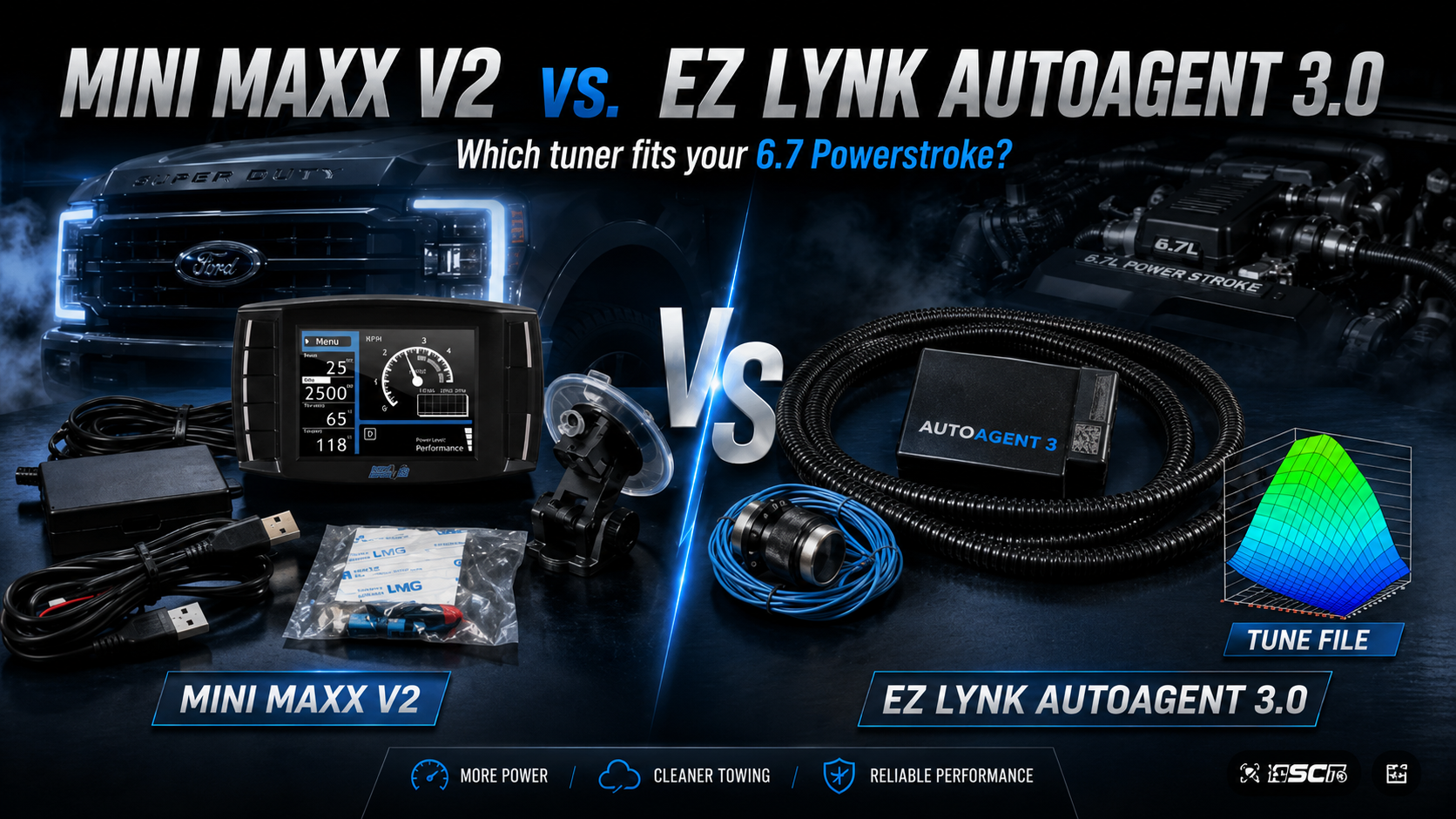
Mini Maxx V2 vs. EZ LYNK for 6.7 Powerstroke
Both devices offer distinct advantages tailored to specific user needs on the 6.7L platform. Understanding the 6.7 Powerstroke specs is crucial for choosing the device that complements your engine's generation.
1. Mini Maxx V2: The Analog Legend Reborn
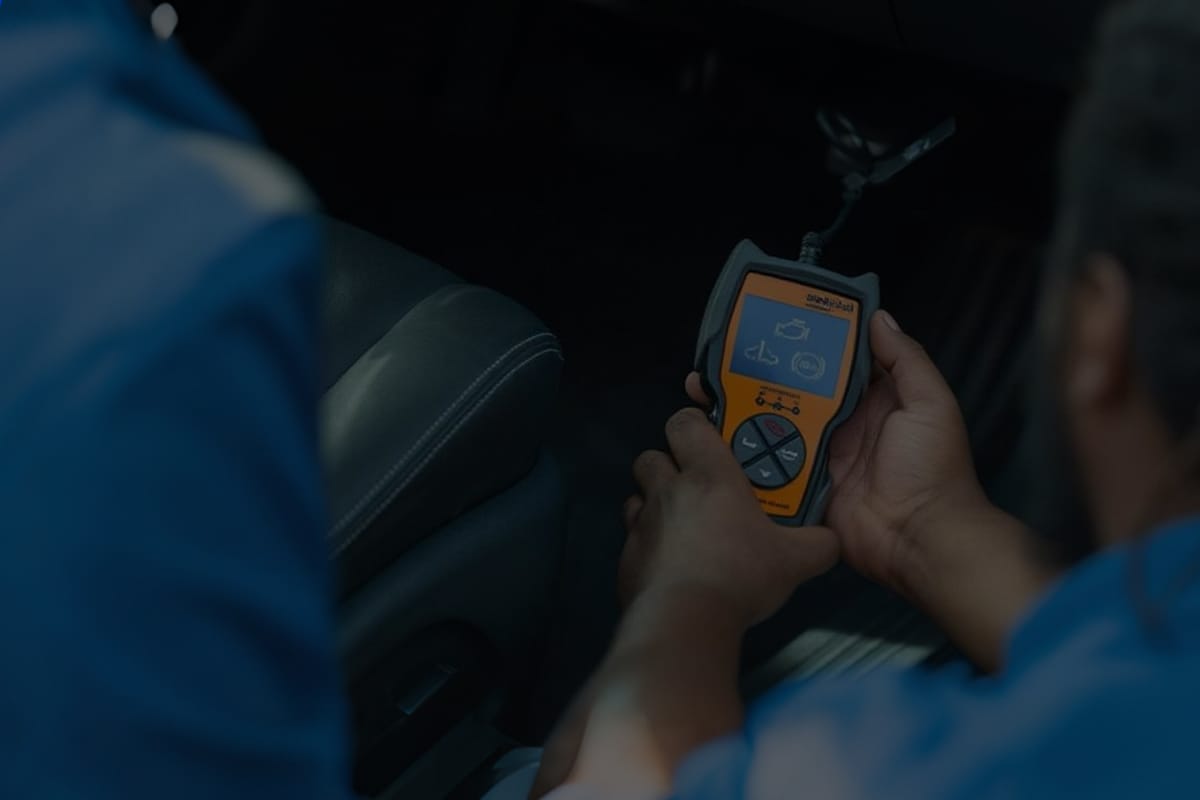
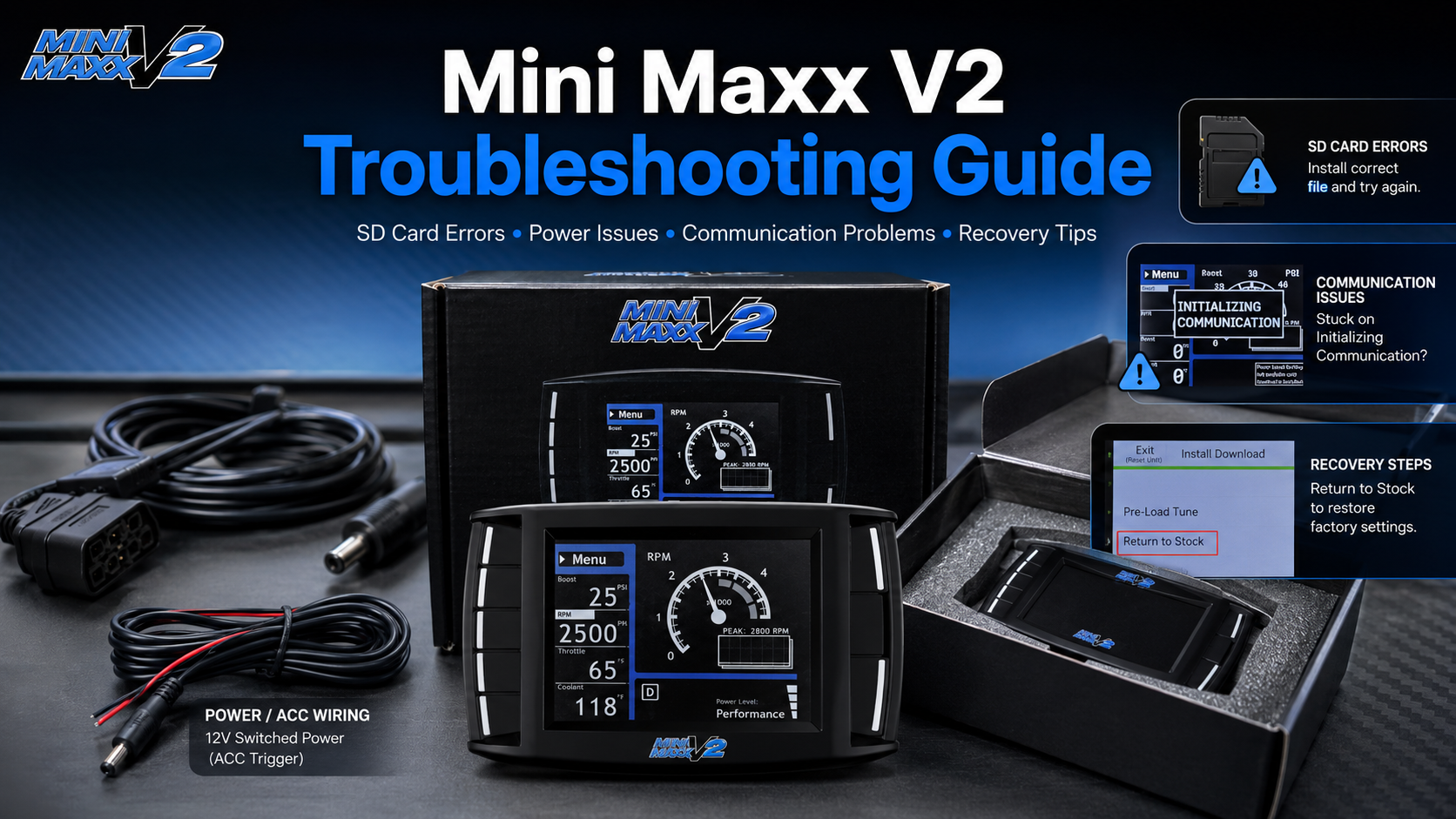
The Mini Maxx V2 maintains the classic physical display design. Its primary strength lies in its Preloaded Delete Tunes, which allow for a completely offline operation. This is the ultimate "set-it-and-forget-it" tool.

"In remote logging camps or signal dead zones (No Service), I trust the Mini Maxx implicitly. It doesn't need to connect to some damn cloud server just to let me finish a flash," says one veteran Powerstroke owner.
2. EZ LYNK AutoAgent 3.0: The Cloud-Connected Innovator
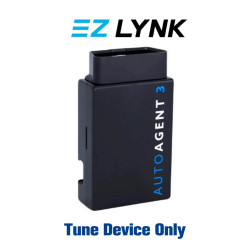
Conversely, the EZ LYNK AutoAgent 3.0 connects your truck to the digital world, providing unlimited monitoring and remote support through your smartphone or iPad. This is the gold standard for tuning after a DPF delete.
"If you're buying a 2023+ F-250 or F-350, don't hesitate—go straight for the EZ LYNK. That 10-speed transmission only truly comes alive once it receives a cloud-optimized TCM program," claims an EZ LYNK advocate.
Core Dimension Comparison: Finding Your Edge
To help you decide between these two heavyweights, we’ve broken down the practical differences that matter most to 6.7 Powerstroke owners. Whether you're towing heavy or racing, these specs define your driving experience.
| Comparison Dimension | Mini Maxx V2 (The Workhorse) | EZ LYNK AutoAgent 3.0 (The Specialist) |
|---|---|---|
| Device Form | Standalone physical display; suction cup mount acts as a permanent dashboard gauge. | Wireless OBDII module; displays via smartphone, tablet, or Android head unit. |
| Tuning Logic | Preloaded; all delete tunes are stored on an SD card—no internet required to flash. | Cloud-Based; tunes are stored online and pushed by a professional Tuner directly to your App. |
| Installation Difficulty | Moderate; requires routing the OBD cable to the dashboard for the physical screen. | Ultra-Low; plug-and-play OBD module with no wiring needed—perfect for a clean cab look. |
| Pricing Structure | One-time purchase; hardware includes all tuning licenses with no hidden costs. | Features tiered pricing; requires the AutoAgent hardware plus a separate custom tuning license (Support Pack) based on the access duration and power levels. |
| Power Gains (HP) | +50 to +150 HP; preset levels (Street, Performance) with immediate power delivery. | +50 to +200 HP+; supports custom tuning files optimized for specific hardware upgrades. |
| Night Driving Feel | Stable and traditional; physical screen provides real-time EGT and Boost. "Easy to switch tunes with gloves on in winter." | High-tech; iPad split-screen supports massive data graphing. "Painful if you forget your phone—you’re driving blind." |
| Smoke Control | Standard control; being a generic preload, it may produce more noticeable soot during rapid acceleration. | Precision Optimization; Tuners can use Data Logging to refine injection timing for a "cleaner" high-power run. |
| 10R140 Transmission Response | Limited improvement; optimizes line pressure but can feel stiff on 2020+ shift points. | Deep TCM Tuning; corrects "hunting" gears after a delete, making shifts buttery smooth via the cloud. |
How to Choose the Right 6.7 Powerstroke Tuner
Your truck's year of manufacture is the ultimate deciding factor in this high-stakes choice. The technical requirements for a 2011 "Scorpion" are worlds apart from the sophisticated ECU locks of a 2026 model.
2011-2019 Models: The Reliability King
For these generations, the Mini Maxx V2 offers unbeatable value. These trucks are highly compatible with delete kits, and the "Black Box" preloaded tunes provided by Mini Maxx are more than sufficient for daily hauling, heavy towing, and off-road adventures. It’s a proven solution that balances cost and performance perfectly.
2020-2026 Models: Taming the 10-Speed Beast
The EZ LYNK AutoAgent 3.0 is the only tool capable of perfectly taming the 10R140 transmission. Dealing with the complex ECU encryption of newer trucks, EZ LYNK allows top-tier tuners to monitor data logs in real-time, effectively eliminating potential system conflicts caused by EGR or DPF removal.
The Power of Synergy: Why Hardware and Software Matter Together
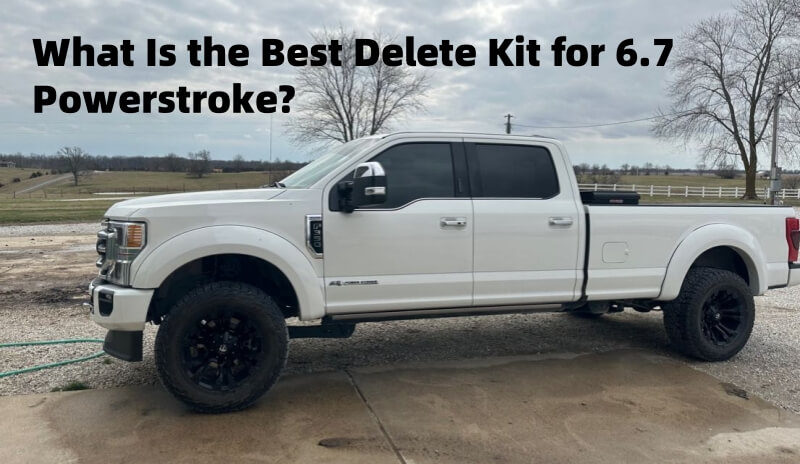
When upgrading your 6.7 Powerstroke, using the right hardware and software together is the only way to ensure you never see a limp mode or a check engine light again. Finding the what is the best delete kit for 6.7 Powerstroke often leads to a combination of physical parts and digital tuning.
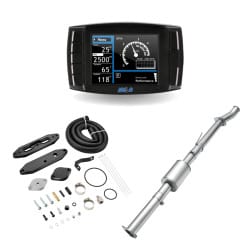
At SuncentAuto, you can purchase a complete 6.7 Powerstroke delete kit, which includes DPF-back exhaust piping, EGR removal plates, and your choice of tuner. Furthermore, we provide "white-glove" after-sales support and expert-level installation guides, featuring both detailed manuals and step-by-step videos to ensure your project is a success.
Conclusion: Making the Final Call
Whether you choose the Mini Maxx V2 or the EZ LYNK AutoAgent 3.0, the most important factor is choosing the tool that fits your specific driving environment and truck's generation. Investing in quality tuning not only unlocks power but also addresses long-term reliability—if you've ever wondered how long will a deleted 6.7 Powerstroke last, the answer usually lies in the quality of the calibration.
We want to hear from you! Do you prefer the rugged simplicity of a physical screen or the high-tech flexibility of the cloud? Leave your thoughts in the comments section below!