 Contents
Contents
- What Does It Mean to Delete a Diesel Truck?
- What Specific Parts Are Removed When Deleting a Truck?
- Why Do Owners Choose to Delete? (Benefits of Deleting a Diesel Truck)
- Is It Legal to Delete a Diesel Truck? Drawbacks and Risks
- Can Deleted Trucks Be Bought and Sold?
- Is Tuning Required?
- How Much Does It Cost to Delete a Diesel?
- Legal Alternatives (Improvements Without Deleting)
- Conclusion – Should You Delete Your Truck?
- FAQs
If you see terms like "Deleted" or "Delete" in diesel truck forums or owner communities, you may wonder: what does deleting a truck mean?
The simple and direct answer is: deleting a diesel truck means removing or bypassing the factory emissions control systems—primarily including the DPF (Diesel Particulate Filter), EGR (Exhaust Gas Recirculation system), and DEF (Diesel Exhaust Fluid / SCR system)—and pairing that with ECU tuning so the engine no longer operates under the restrictions of those emissions devices.
This type of modification is very popular among Cummins, Duramax, and Powerstroke owners, but it also comes with legal risks and controversy. In this article, we will fully break down: which parts are deleted, why some people do it, the benefits and risks, how much it costs, whether it is legal, and what alternatives exist if you choose not to delete.

What Does It Mean to Delete a Diesel Truck?
In the diesel truck world, "delete" usually refers to deleting the factory emissions control system so the engine can operate without relying on those emissions devices. A " deleted diesel truck" means that the diesel vehicle has already undergone this kind of modification.
Although diesel engines are well known for their high torque, strong power, and durability—making them ideal for towing, hauling, and long-distance use—they also produce more pollutants during combustion that need to be controlled. To comply with increasingly strict emissions regulations, manufacturers typically add multiple layers of emissions treatment devices to the engine and exhaust system. Therefore, a diesel delete essentially means bypassing, disabling, or removing those emissions systems so the vehicle can continue operating after altering the factory emissions configuration.
What Specific Parts Are Removed When Deleting a Truck?
"Deleting a truck" is not a single action, but a group of modification projects.
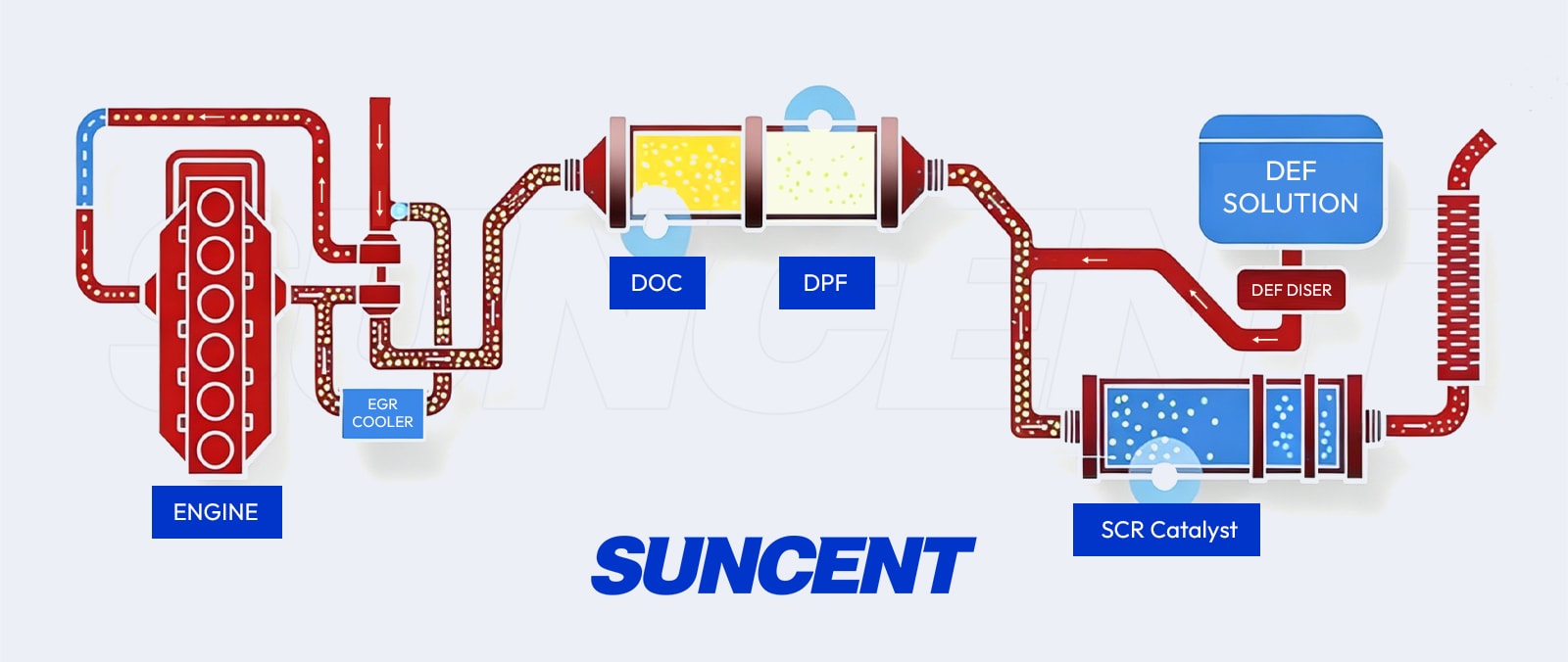
1. EGR (Exhaust Gas Recirculation)
EGR routes part of the exhaust gas back into the intake manifold to lower combustion temperatures and reduce nitrogen oxides. It causes carbon buildup disasters: sludge accumulation in the intake manifold and intercooler, EGR valve sticking, and more.
If EGR delete, stainless steel block-off plates are usually installed to block the exhaust passage, and the EGR cooler is removed. After deletion, the intake system stays cleaner, combustion becomes more complete, and horsepower increases slightly, but nitrogen oxide emissions rise, so tuning is needed to disable the related fault codes.
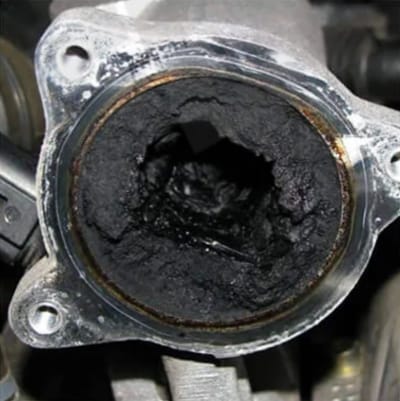
2. DOC (Diesel Oxidation Catalyst)
The DOC is located at the very front of the exhaust system. Its function is to oxidize carbon monoxide and hydrocarbons in the exhaust into harmless gases, while also helping the downstream DPF regenerate. The factory DOC increases exhaust backpressure and can easily fail if contaminated by engine oil or fuel. The DOC is often removed or replaced together with the DPF or the entire aftertreatment assembly.
3. DPF (Diesel Particulate Filter)
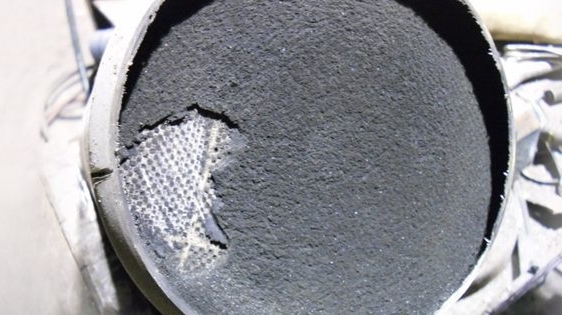
The DPF is a ceramic honeycomb filter used to trap carbon particles (black smoke) in the exhaust. When the filter accumulates to a certain level, the ECU starts a "regeneration" process—injecting extra diesel into the exhaust stream to burn the carbon particles into ash, thereby restoring filtration capacity. However, over time, there is always carbon buildup that cannot be removed. When the DPF becomes severely clogged, it requires professional cleaning ($500–$1,000) or replacement of the assembly ($3,000–$8,000), which is expensive.
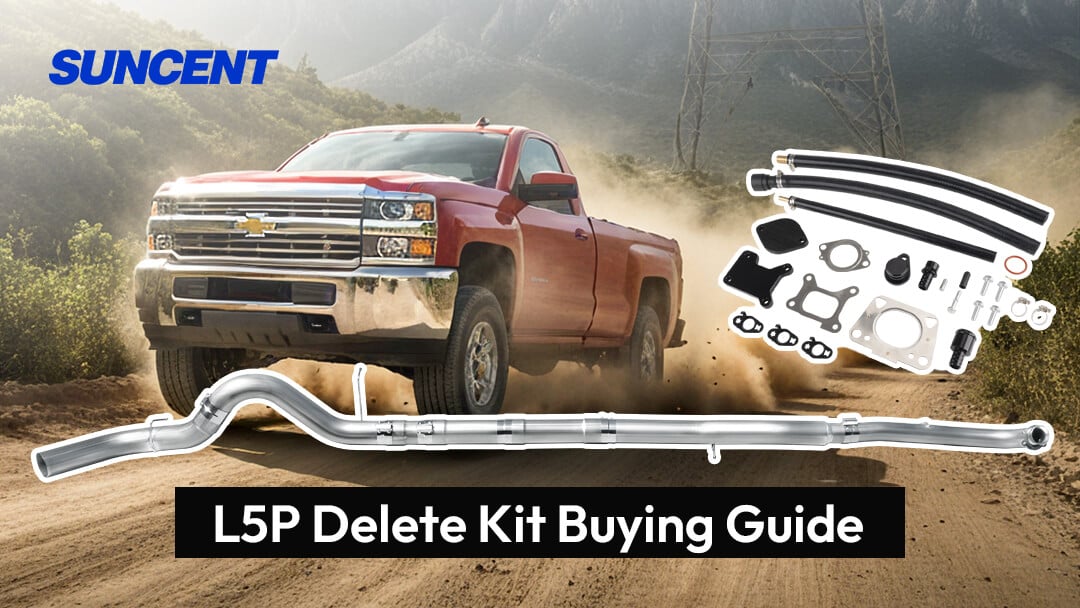
During deletion, the DPF is physically removed and then replaced with a hollow steel pipe, commonly known as a "straight pipe." After DPF deletion, exhaust backpressure is greatly reduced, the turbo spools faster, horsepower can increase by 20–50 hp, fuel economy improves by 1–3 MPG, and regeneration is no longer a concern. However, the delete tune must be flashed, otherwise the check engine light will come on and the vehicle will enter limp mode.
4. SCR (Selective Catalytic Reduction) and DEF (Diesel Exhaust Fluid)
The SCR is located downstream of the DPF and contains a catalyst inside. SCR uses DEF (urea) to convert nitrogen oxides into nitrogen and water. This system has many issues: urea crystallization clogging the nozzle, sensor failures, and the need to purchase additional DEF.
There are two ways to delete it: physically removing the SCR housing and unplugging all sensors, or installing a DEF simulator (a small electronic module) to trick the ECU. After deletion, DEF no longer needs to be added, exhaust flows more freely, but NOx emissions rise dramatically, the exhaust becomes irritating, and tuning must be used to fully disable the DEF system.
Why Do Owners Choose to Delete? (Benefits of Deleting a Diesel Truck)
Although deletion is controversial, many owners still consider doing it, mainly for the following reasons.
1. Reduced maintenance and downtime
What troubles many diesel owners most is not the engine itself, but the frequent fault codes, abnormal regenerations, sensor failures, and DEF system warnings caused by the aftertreatment system. When the DPF is clogged, EGR is carboned up, the DEF system throws codes, or the NOx sensor fails, repair costs can be very high.
In addition, for vehicles used in long-term heavy hauling, prolonged idling, construction sites, farms, or special operating conditions, once the truck enters torque reduction or derate mode because of emissions faults, it affects attendance and trip volume. For people who make money with their trucks, "whether the truck can stay on the road" is often more important than "the unit price of repairs," so some people see deleting emissions systems as a way to reduce downtime.
2. Performance improvement
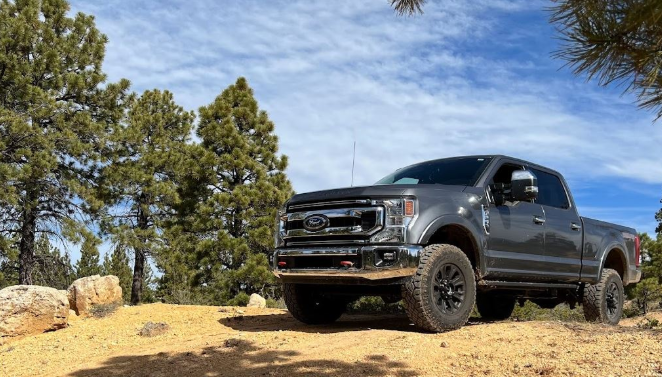
Removing physical restrictions in the exhaust system can theoretically lower exhaust backpressure and allow exhaust gases to flow more smoothly. Combined with tuning, it can usually add 80–150 horsepower and 150–300 lb-ft of torque . Some owners feel that throttle response becomes more direct, acceleration becomes quicker, and high-load operation becomes easier.
3. Improved fuel economy
There is no longer any need for DPF regeneration (the process of burning off soot consumes extra fuel), and EGR no longer dirties the intake. Owners commonly report fuel consumption dropping by 1–3 liters per 100 km (or highway MPG increasing by 1–3 miles per gallon), especially when towing heavy loads.
4. Lower exhaust gas temperatures (EGT)
After exhaust backpressure is reduced, temperatures before and after the turbo drop significantly. When towing an RV or climbing with heavy loads, EGT can drop by 100–200°F , greatly reducing engine heat load and extending turbo and piston life.
5. More aggressive exhaust sound
The deep, rough exhaust sound brought by a straight pipe, along with a more noticeable turbo whistle, is an effect many enthusiasts enjoy.
Is It Legal to Delete a Diesel Truck? Drawbacks and Risks
This is the most important part. Please read carefully.
Legality
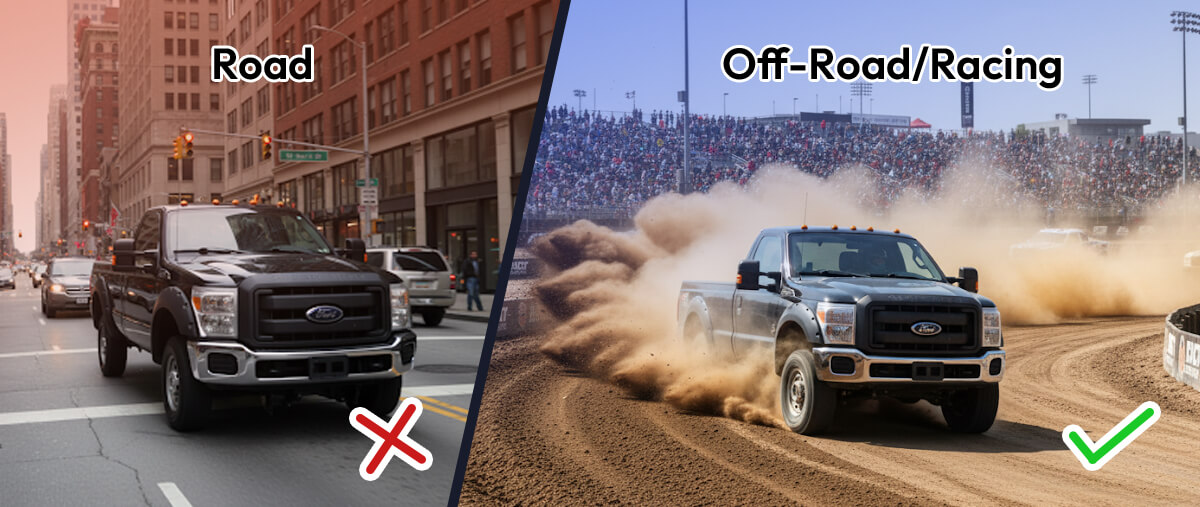
U.S. federal law (EPA) clearly states that any removal or disabling of emissions control devices on vehicles driven on public roads is illegal.
Which states enforce this most strictly? California (CARB), New York, Colorado, Maine, and other states with strict inspections and road testing. Even in states without emissions testing (such as Kentucky and Mississippi), federal law still applies; the only difference is that the chance of getting caught is lower.
See also: Is It Legal to Delete a Diesel Now in 2026?
Inspection
In most states with emissions testing, a deleted truck cannot pass inspection. The reason is that DPF/EGR components are visibly missing, and OBD scans will show readiness monitors not passed. Some owners reinstall factory parts before inspection.
Factory warranty
If the vehicle is still under factory warranty, deletion can usually lead to warranty disputes involving the powertrain, emissions system, and even related components.
Difficulty reselling
There are indeed some buyers specifically looking for "deleted trucks for sale" (for off-road or race use), but the overall market is small. Most ordinary buyers and used car dealers avoid deleted vehicles because they cannot be legally registered, cannot be transferred easily, and involve legal risks.
Can Deleted Trucks Be Bought and Sold?
Buying delete kits
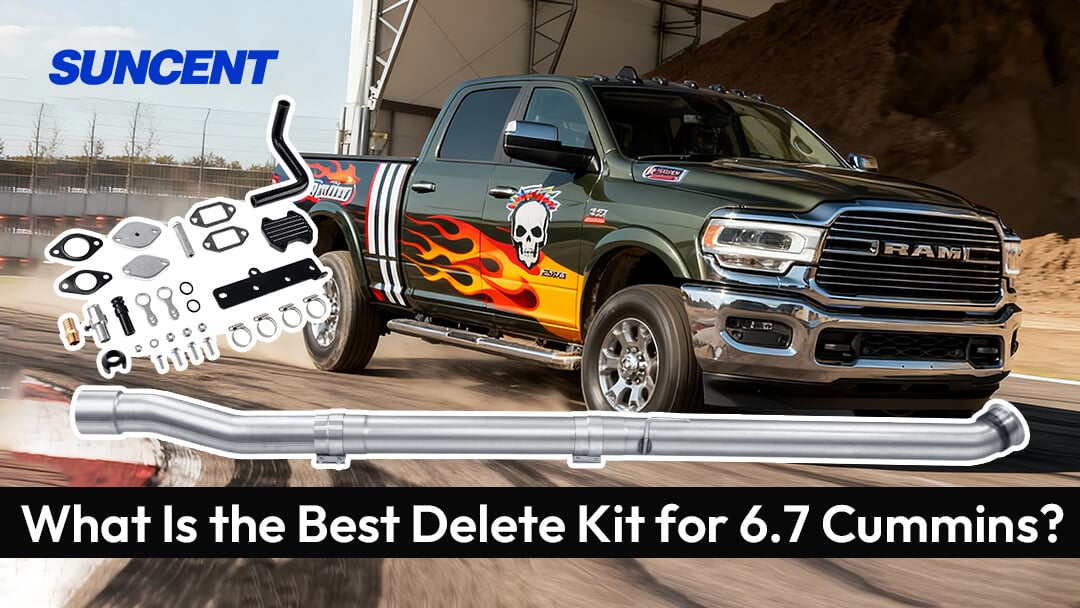
Although many major e-commerce platforms (such as eBay and Amazon) have restricted the sale of delete kits, professional modification brands still offer them. For example, SuncentAuto provides all-in-one delete kits for mainstream diesel engines such as Cummins, Duramax, and Powerstroke, including DPF delete pipes, EGR block-off plates, DEF bypasses, and matching tuners. All products are clearly marked for off-road / race use only.
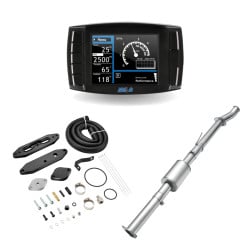
Advantages of SuncentAuto delete kits:
- Vehicle matcher, 100% fitment
- Complete kit, reducing secondary purchases
- Free shipping within the US, 45-day money-back guarantee
- Better suited for users looking for a "one-stop delete parts solution"
SuncentAuto is now offering readers an exclusive 12% discount! The coupon code is: BLOG12.
Buying and selling deleted trucks
Buy: Yes, you can buy one, but you need to be clear: this truck cannot be legally driven on public roads. If you only plan to use it on a private farm or off-road site, that is fine. If you try to register it for road use, it may be denied.
Sell: Yes, you can sell it, but you must truthfully inform the buyer that the vehicle has been deleted. Concealing this may constitute fraud. It is recommended to state "Off-Road Use Only" in the advertisement.
Is Tuning Required?
In most cases, yes.
This is because the emissions systems on modern diesel trucks do not exist independently; they are deeply integrated with ECU control logic. Simply removing the DPF/EGR/DEF hardware without flashing the ECU will cause:
- The check engine light (CEL) to stay on
- The vehicle to enter limp mode (very low power, unable to drive normally)
Therefore, any legal delete kit will come with a matching tuner, or you will need to purchase a program that supports delete functions separately. Tuning not only clears fault codes, but also allows the deleted setup to truly deliver performance.
How Much Does It Cost to Delete a Diesel?
The total cost is divided into three parts: hardware, tuning, and installation. Below is the approximate range in the U.S. market (USD):
| Item | Cost Range |
| DPF delete pipe / downpipe | $200 - $600 |
| EGR delete kit (block-off plates, cooler delete) | $150 - $400 |
| DEF bypass / delete module | $100 - $300 |
| Tuner with delete program | $500 - $1,200 |
| Professional installation (if not DIY) | $500 - $1,000 |
| Total (with tuning, without installation) | $950 - $2,500 |
| Full setup with installation | $1,500 - $3,500 |
It should be noted that this is only a reference range. Different models, years, part quality, whether tuning is included, and other factors will all affect the cost.
The truly money-saving approach is never to buy the cheapest kit, but to buy a solution with high fitment, good quality, and clear after-sales support. This is why many users prefer to look at brands like SuncentAuto that can provide more complete fitment solutions.
Legal Alternatives (Improvements Without Deleting)
If you do not want to take on legal risks but still hope to improve performance or solve factory emissions system issues, the following alternatives are worth considering:
| Option | Method | Effect | Legality |
| High-flow DPF-back exhaust | Replace the mid-pipe and tail section after the DPF with a larger straight-through pipe | Improves exhaust sound and slightly increases horsepower | ✅ Legal (retains DPF) |
| Cold air intake system upgrade | Replace with a certified high-flow cold air intake system | Improves intake efficiency and slightly improves throttle response | ✅ Legal, but EPA-certified products must be used |
| Replace with high-quality performance parts (such as turbo, intercooler, injectors) | Use factory-spec or certified high-performance replacement parts without removing or disabling any emissions system | Improves component durability, response speed, or cooling efficiency | ✅ Legal, as long as the parts meet the original technical parameters and do not trigger emissions fault codes |
| ECU optimized tuning (non-delete) | Optimize fueling and boost curves without changing hardware | Gains 20–40 horsepower and improves throttle response | ✅ Legal (retains all emissions equipment) |
Conclusion – Should You Delete Your Truck?
Situations suitable for deletion:
- Your truck is used 100% only on private off-road property, racetracks, or inside farms, and never drives on public roads.
- Your area has no inspections or emissions testing, and you do not plan to travel across states.
Situations where deletion is not recommended:
- This is your daily driver / work truck and needs to be on the road every day.
- You need to pass state emissions inspections.
- Your vehicle is still under factory warranty.
If you only want to solve a fault, first find out the root cause. If you really want to do a delete, prioritize a kit solution with high fitment, stable quality, and clear after-sales support. In this regard, SuncentAuto delete kits can serve as an important reference when screening products.