 Contents
Contents
- Introduction
- 2020-2022 vs Other 6.7 Power Stroke Years: Installation Differences
- What Is Included in a 2020-2022 6.7 Power Stroke Delete Kit?
- Tools and Preparation Before Installation
- Step 1: Tune the Truck Before Removing Components
- Step 2: Remove the Factory DPF System
- Step 3: Install the New Exhaust System
- Step 4: Remove the EGR Cooler
- Step 5: Install EGR Block-Off Plates
- Step 6: Reconnect Components and Final Inspection
- Common Installation Challenges on 2020-2022 6.7 Power Stroke
- FAQs
- Conclusion
Introduction
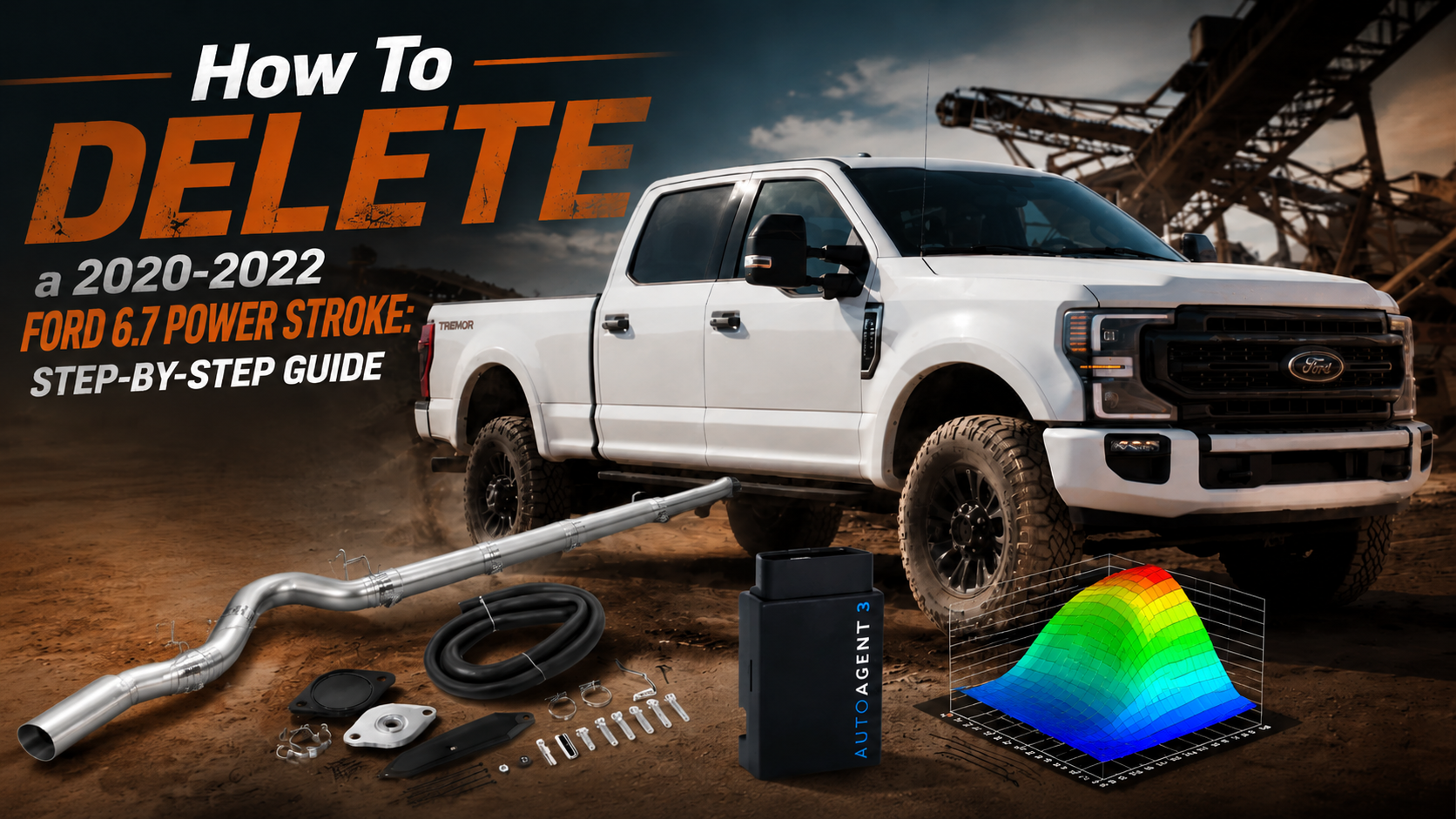
The 2020-2022 Ford 6.7 Power Stroke follows a similar overall delete installation process to other 6.7L Power Stroke trucks, but several steps require extra attention, including sensor removal, DEF line handling, exhaust fitment, and EGR cooler access.
This guide covers the installation process for 2020, 2021, and 2022 Ford 6.7 Power Stroke trucks, including tuning preparation, DPF removal, exhaust installation, EGR cooler removal, and final inspection.
Before starting the installation, make sure you choose a properly matched 6.7 PowerStroke delete kit designed for your truck’s year and configuration.
2020-2022 vs Other 6.7 Power Stroke Years: Installation Differences
Although Ford used the 6.7L Power Stroke diesel engine across multiple Super Duty model years, the delete installation process is not exactly identical for every truck.
The 2017-2019 and 2020-2022 models share a very similar installation process. Both require disconnecting exhaust sensors, removing the factory DPF system, replacing exhaust components, and removing the EGR cooler.
The biggest installation change appears with 2023+ models, where the downpipe design creates additional removal steps.
| Installation Area | 2017-2019 6.7 Power Stroke | 2020-2022 6.7 Power Stroke | 2023+ 6.7 Power Stroke |
|---|---|---|---|
| DPF removal | Disconnect exhaust sensors, DEF-related connections, and remove the DPF assembly. | Similar process. Carefully disconnect sensors, DEF line connections, and wiring attached around the exhaust system. | Similar process, but downpipe design adds additional removal steps. |
| Sensor handling | Remove rear exhaust sensors and wiring, including connectors near the frame rail and spare tire area. | Similar sensor management. Pay attention to connector locks, DEF-related connections, and frame rail wiring. | Similar sensor removal, with additional attention required during downpipe removal. |
| Exhaust installation | Install replacement exhaust sections and adjust hangers and clamps. | Same basic process. Check clearance carefully when installing larger exhaust systems. | Similar exhaust installation, but downpipe access changes the removal sequence. |
| EGR cooler removal | Drain coolant, remove surrounding components, and remove seven cooler bolts. | Same basic procedure. Rear bolts and limited access are the main challenges. | Similar EGR cooler removal, but often handled before exhaust removal because of downpipe access. |
| Main installation challenge | Sensor access and EGR cooler bolts. | Sensor management, EGR cooler access, and exhaust clearance. | Downpipe removal and installation sequence. |
The purpose of this comparison is not to suggest that every model year requires a completely different installation method. Instead, it helps explain why choosing the correct year-specific components is important before starting the project.
What Is Included in a 2020-2022 6.7 Power Stroke Delete Kit?

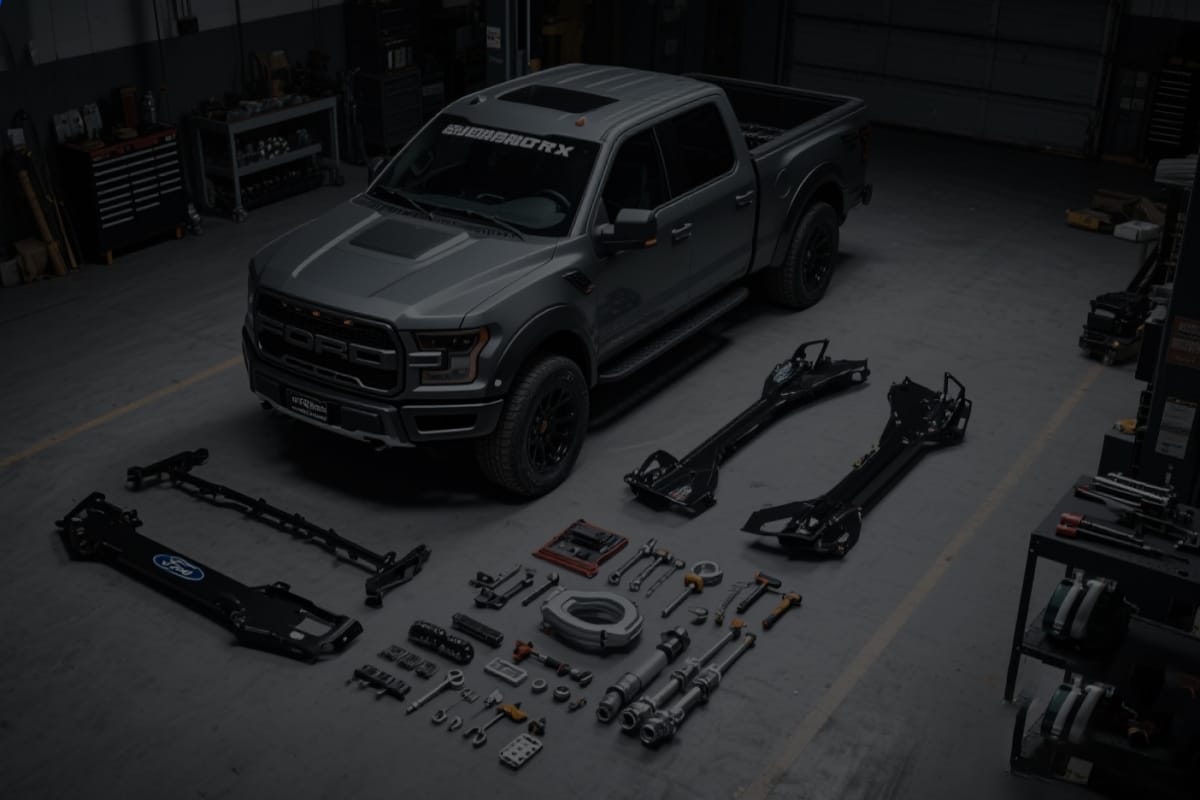
A complete 2020-2022 6.7 Power Stroke delete setup usually includes three major parts: exhaust replacement components, EGR-related parts, and tuning equipment.
Exhaust Replacement Components (DPF Delete Kits)
The exhaust portion typically includes:
- DPF replacement pipe or race pipe;
- Exhaust tubing;
- Clamps;
- Installation hardware.
Many owners choose between different exhaust configurations, such as straight pipe or muffler-equipped systems. The main differences come down to exhaust flow characteristics, sound level, and overall setup preference.
For more information about exhaust configuration differences, see our guide on muffler delete vs straight pipe .
EGR Delete Kit
The EGR portion usually includes:
- EGR cooler block-off plate;
- EGR pipe block-off plate;
- O-rings;
- Installation hardware.
After the EGR cooler is removed, the block-off plates seal the original connection points and allow the remaining components to be secured properly.
For more information about EGR-related considerations, see our guide on 6.7 Power Stroke EGR delete pros and cons .
Tuning Equipment
Tuning is an important part of the installation process because the truck needs the appropriate calibration before removing factory emissions components.
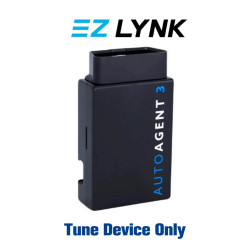
Different tuning devices have different setup procedures. Before installation, it is helpful to understand available options, including best tuner for 6.7 Power Stroke solutions.
For users interested in Mini Maxx devices, our Mini Maxx tuner guide covers additional information about features and setup.
Tools and Preparation Before Installation
Before beginning the installation, prepare the required tools and make sure you have enough workspace.
- Socket set;
- Extension bars;
- Swivel socket;
- Penetrating fluid;
- Pry bar;
- Exhaust hanger pliers;
- Coolant drain container;
- Zip ties;
- Electrical tape or connector protection plugs.
A lift makes the job easier, but ramps can also provide enough clearance for many home installations.
Before removing any components:
- Confirm that the kit matches your exact truck year;
- Complete the tuning process first;
- Allow the exhaust system to cool completely;
- Organize disconnected sensors and wiring.
For users looking for a complete package that combines major components together, a diesel delete kit can simplify component matching for a specific application.
Step 1: Tune the Truck Before Removing Components
The first step is completing the tune before physically removing the DPF and EGR components.
The recommended order is:
- Connect the tuner to the vehicle;
- Load the appropriate calibration;
- Confirm the truck starts and runs correctly;
- Begin removing the factory emissions components.
Starting with tuning helps ensure the vehicle calibration matches the planned hardware changes before the original components are removed.
Different tuning devices may have different setup procedures. Before installation, review the available options, including the Mini Maxx tuner guide and other tuning solutions for 6.7 Power Stroke applications.
Step 2: Remove the Factory DPF System
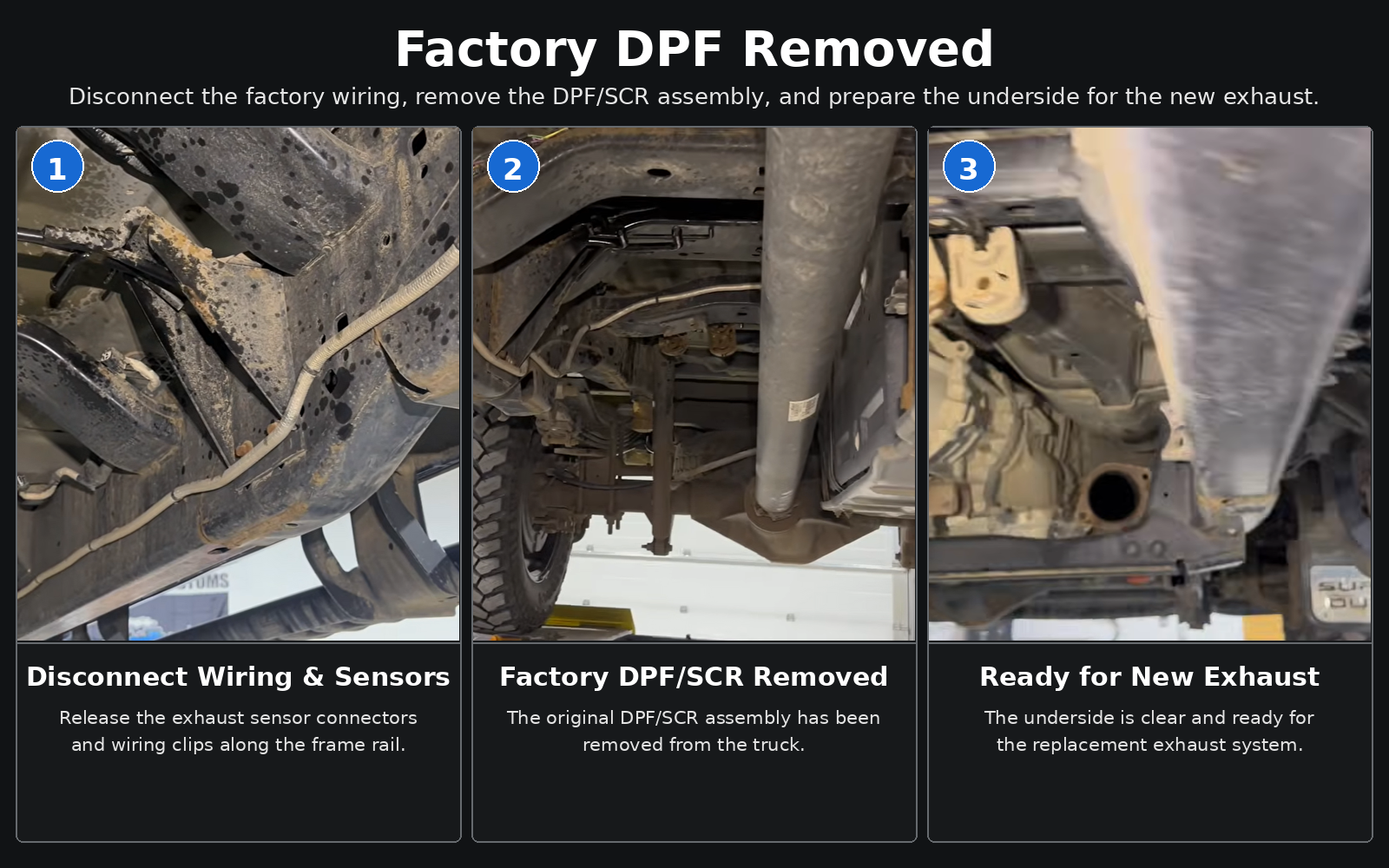
Removing the factory DPF system starts with disconnecting all related sensors and wiring before removing the exhaust assembly.
Disconnect Exhaust Sensors and Wiring
On 2020-2022 6.7 Power Stroke trucks, carefully disconnect:
- Exhaust sensors;
- NOx sensors;
- DEF-related connections;
- Wiring attached to the exhaust system.
Some connectors use locking tabs that must be released before removal. Avoid pulling directly on wiring because many connectors are secured with clips along the frame.
One commonly overlooked area is the sensor wiring near the rear axle and spare tire. Accessing these connectors may require lowering the spare tire first to reach the mounting clips and unplug the module.
Disconnect the DEF Line
The DEF line should be removed carefully before lowering the exhaust assembly.
Most connectors require:
- Releasing the locking mechanism;
- Pressing the connector tabs;
- Pulling the line away gently.
Avoid forcing the connection, as damaged DEF components can make reinstallation more difficult.
Remove the Factory DPF Assembly
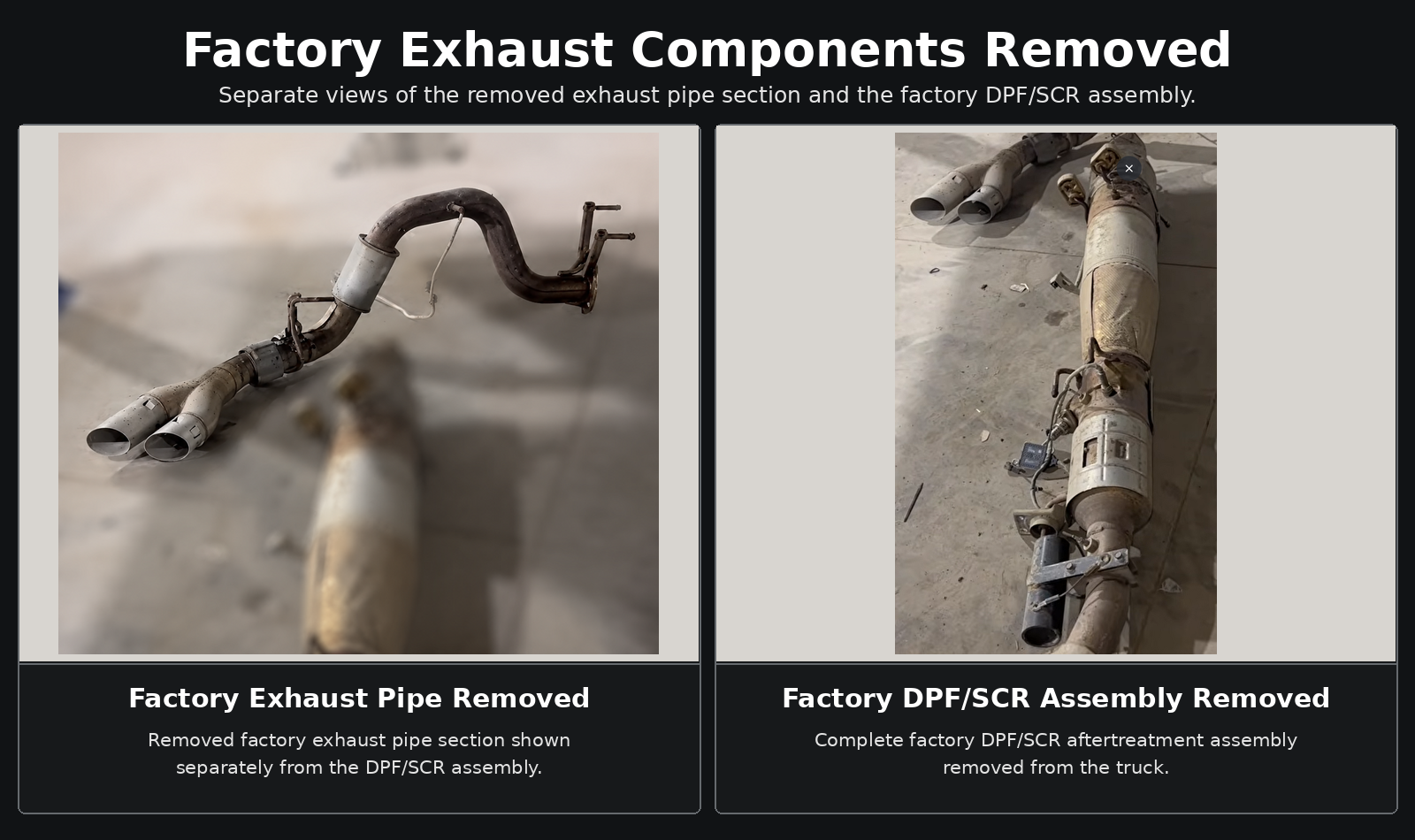
Once the sensors and wiring are disconnected, remove the factory exhaust components.
The typical removal sequence is:
1. Remove the Rear Exhaust Section
Start from the rear section and remove the exhaust hangers. Exhaust hanger pliers or a pry bar can make removing the rubber hangers much easier.
2. Remove the Over-Axle Pipe
Remove the exhaust section that passes over the rear axle. Depending on available space, additional clearance may be needed when removing this section.
3. Remove the DPF Assembly
The DPF assembly is large and heavy, so having another person help lower it is recommended.
After removal:
- Secure remaining sensor connectors;
- Protect open electrical connections;
- Zip tie wiring away from heat sources and moving parts.
Step 3: Install the New Exhaust System
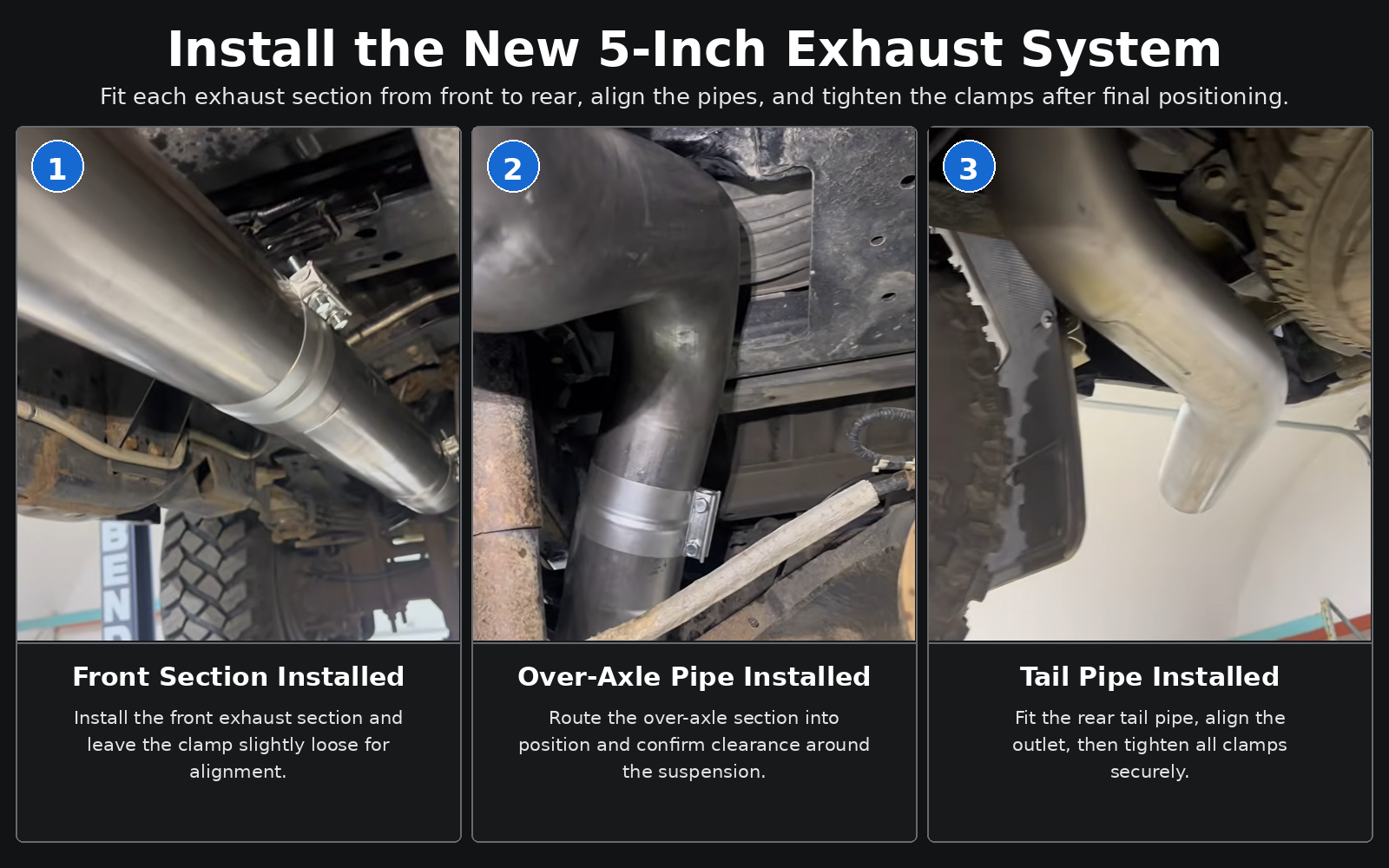
After removing the factory DPF system, install the replacement exhaust components. For a full exhaust system, installation usually starts from the front of the truck and moves toward the rear.
Install the Front Pipe
Begin by installing the front exhaust section and connecting it to the factory exhaust connection point.
Many 5-inch exhaust systems use a transition section that starts with a smaller diameter pipe before expanding into the larger 5-inch tubing.
Do not fully tighten the clamps at this stage. Leave enough movement for final alignment adjustments.
Install the Remaining Exhaust Sections
Continue installing the remaining exhaust components:
- Front exhaust section;
- Additional pipe sections;
- Over-axle pipe;
- Tail pipe.
Lubricating the exhaust hangers before installation can make the process easier, especially when installing larger-diameter exhaust systems.
Once all exhaust sections are positioned:
- Check pipe alignment;
- Confirm clearance around surrounding components;
- Tighten clamps from the front toward the rear.
Check 5-Inch Exhaust Clearance
One common issue when installing a 5-inch exhaust system is clearance around fifth-wheel mounting plates.
Because a 5-inch exhaust is larger than the factory exhaust, some trucks may have contact points around the fifth-wheel area.
If clearance becomes an issue:
- Identify the contact area;
- Remove the exhaust section if necessary;
- Adjust the pipe position before final tightening.
Always complete exhaust alignment before fully tightening all clamps. This helps prevent rattles, vibration, and unwanted contact during driving.
Step 4: Remove the EGR Cooler
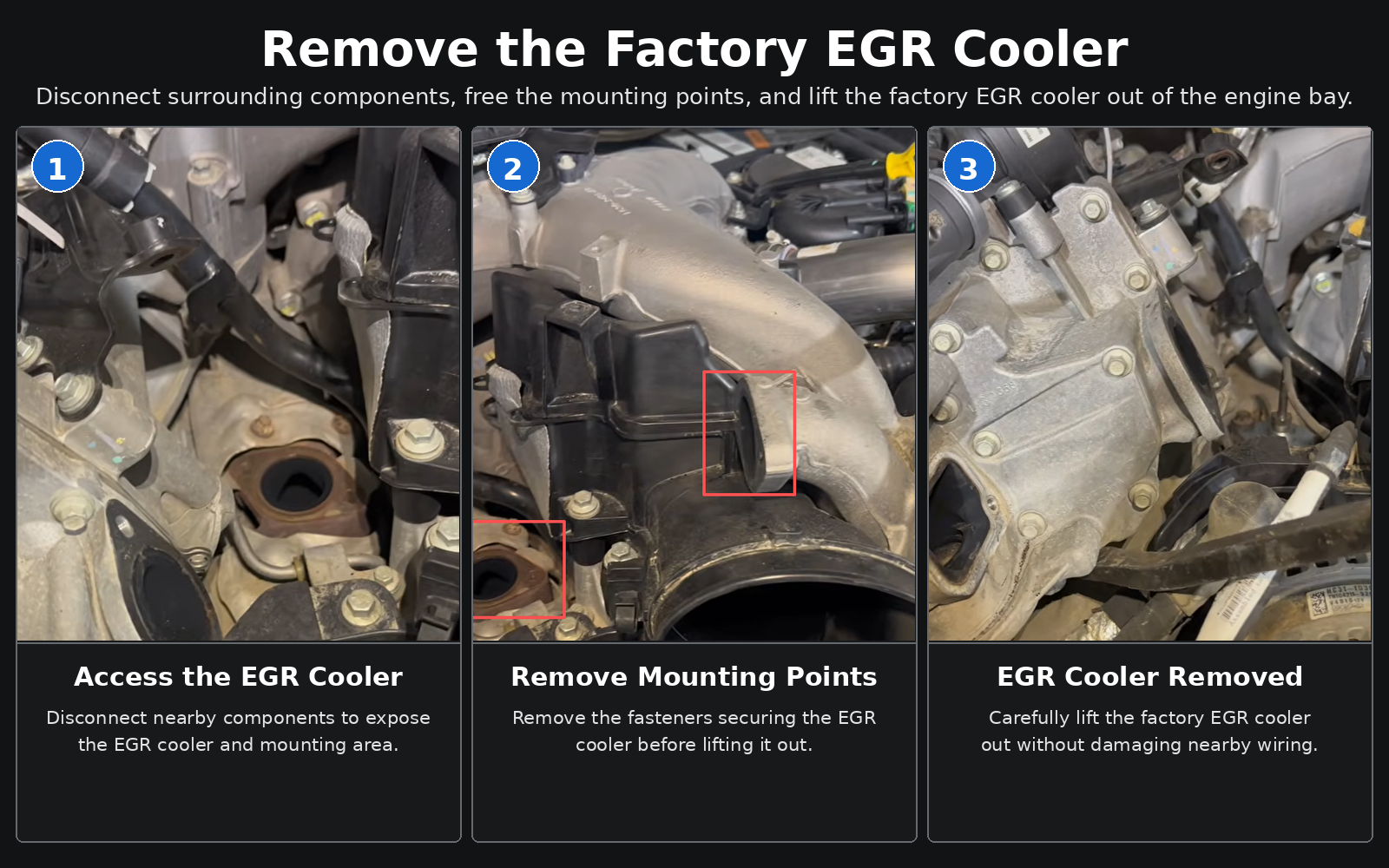
After the exhaust system is removed and the replacement exhaust is installed, the next major step is removing the factory EGR cooler.
On the 2020-2022 Ford 6.7 Power Stroke, the EGR cooler removal process is straightforward in concept, but access can be limited. The most time-consuming parts are draining the coolant, creating enough working space around the cooler, and removing the rear mounting bolts.
Drain the Coolant Before Removing the EGR Cooler
Before disconnecting any EGR cooler components, drain the engine coolant.
The 2020-2022 6.7 Power Stroke has two coolant reservoirs, one on the driver side and one on the passenger side. During the installation process, coolant is drained from the driver-side drain.
When draining coolant:
- Place a clean container under the drain;
- Open the coolant drain plug;
- Loosen the coolant reservoir cap to help the system drain faster.
Do not remove the EGR cooler before draining coolant, as remaining coolant inside the cooler and hoses can spill during removal.
Disconnect Coolant Hoses and Related Components
After draining the coolant, disconnect the components around the EGR cooler to create enough space for removal.
- Disconnect coolant hoses;
- Remove intake-related components that block access;
- Move wiring harnesses away from the cooler;
- Disconnect vacuum lines.
After the factory EGR components are removed, the remaining coolant hoses need to be properly connected and secured according to the delete kit design.
Remove the EGR Cooler Mounting Bolts
The EGR cooler on the 2020-2022 6.7 Power Stroke is secured by seven mounting bolts.
The bolt locations include:
- Three bolts along one side of the cooler;
- One center bolt;
- Three additional bolts on the opposite side.
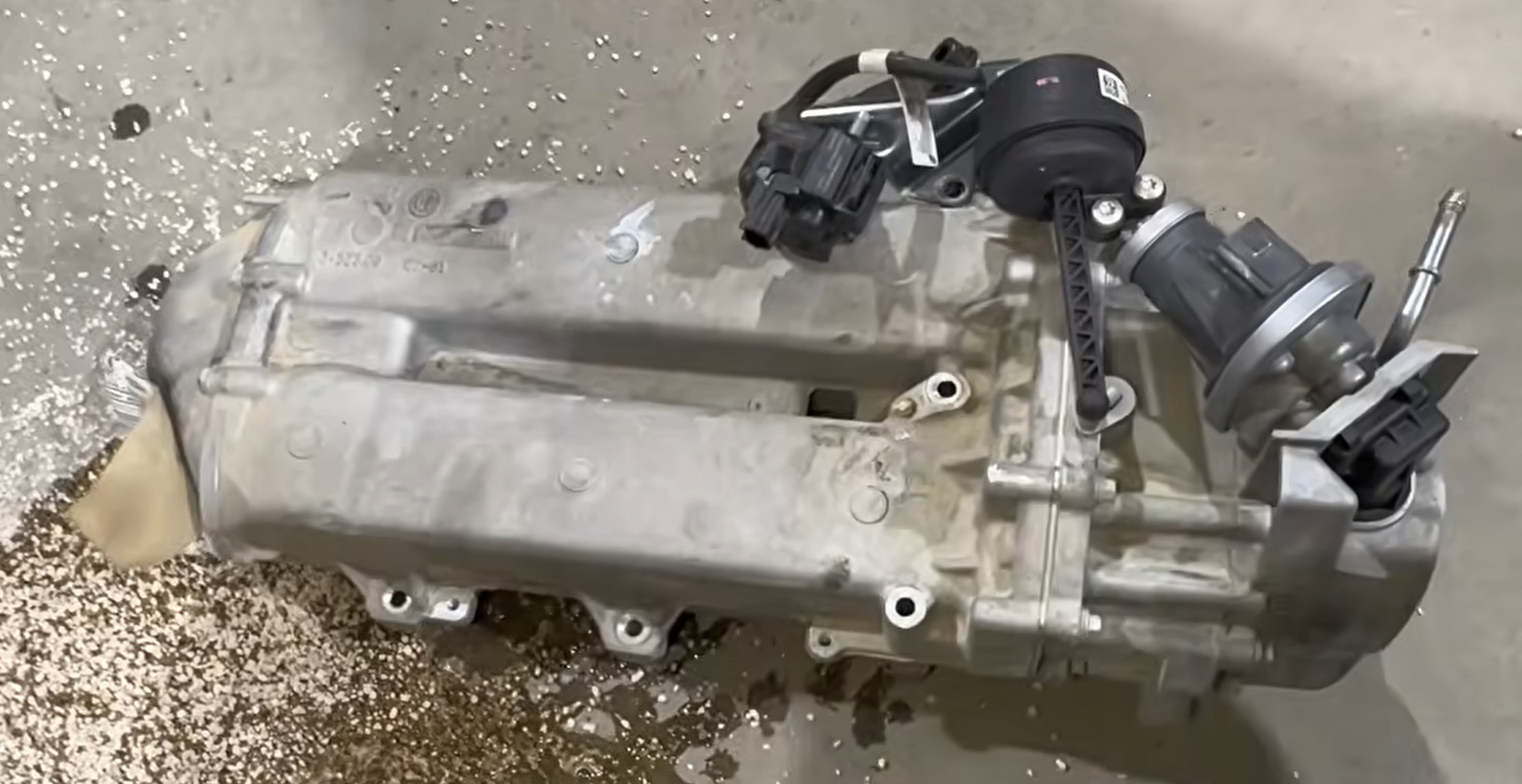
Most bolts are accessible, but the rear bolts require extra attention because of limited working space.
Recommended tools include:
- Long extension;
- Swivel socket;
- Flexible-head ratchet.
Take your time during this step. Using the wrong angle can damage bolt heads or surrounding components.
Remove the EGR Cooler
After all seven bolts are removed, the EGR cooler may still feel tight because it sits on alignment dowels.
To remove it:
- Carefully loosen the cooler with a pry tool;
- Move surrounding wiring and hoses out of the way;
- Slowly remove the cooler while avoiding nearby components.
Be careful around electrical connections near the alternator area. Contact between metal tools and electrical terminals can create sparks.
Step 5: Install EGR Block-Off Plates
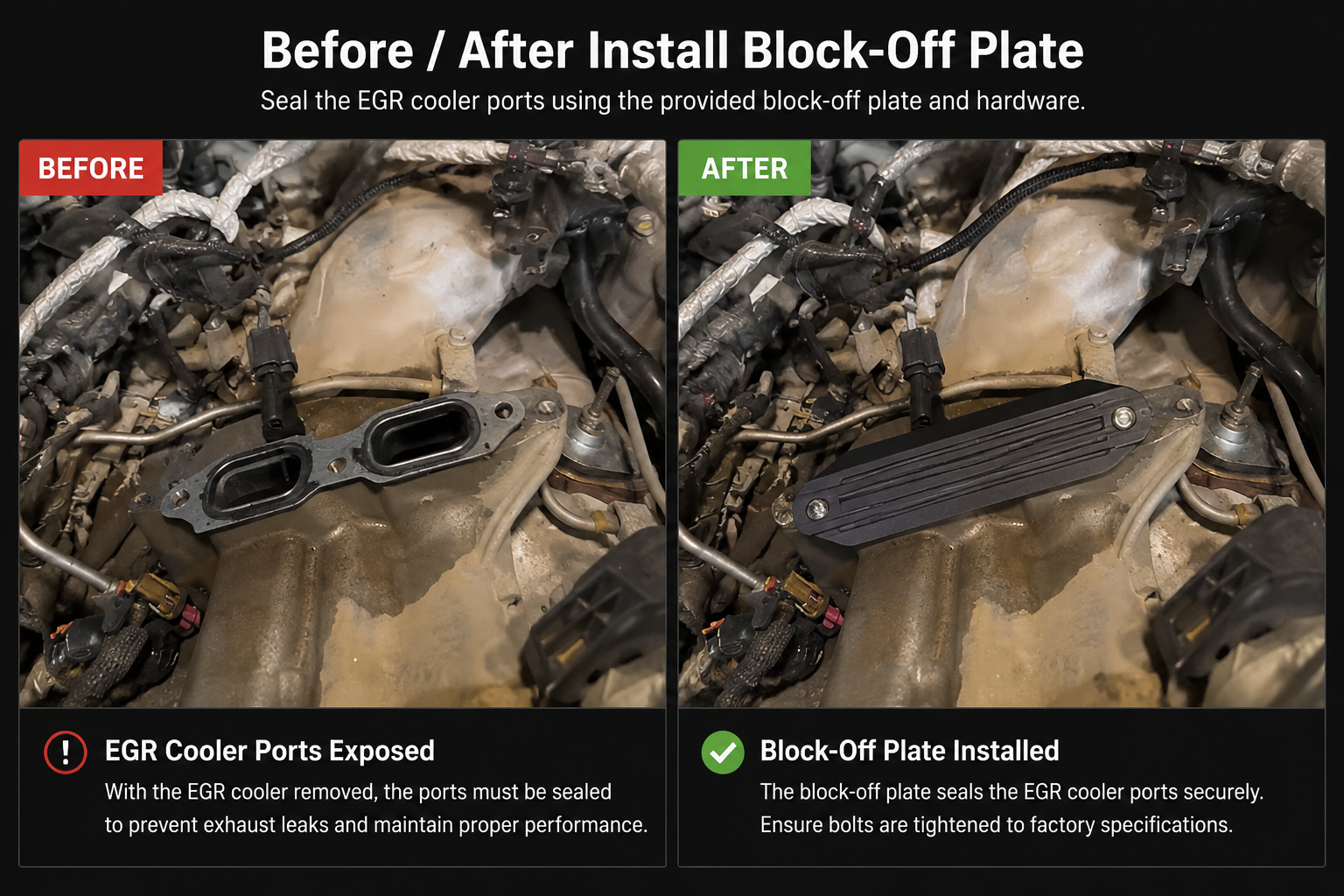
After removing the factory EGR cooler, install the block-off plates included with the kit.
The purpose of these plates is to seal the original EGR connection points after the cooler and related components have been removed.
Install the EGR Cooler Block-Off Plate
Before installation:
- Check the O-ring condition;
- Make sure the sealing surface is clean;
- Confirm the plate is positioned correctly.
Install the block-off plate using the supplied hardware. Avoid overtightening the bolts, as excessive force may damage the sealing surface.
Install the Additional Block-Off Plate
The second block-off plate closes the remaining factory connection point.
After installation:
- Secure loose wiring;
- Move connectors away from heat sources;
- Zip tie remaining hoses and harnesses neatly.
Step 6: Reconnect Components and Final Inspection
After the EGR components are removed and the block-off plates are installed, complete the final assembly and inspection.
Reconnect Coolant Lines and Wiring
Before adding coolant back, check:
- Coolant hose connections;
- Vacuum line routing;
- Sensor connectors;
- Wiring placement.
Make sure no wiring is hanging near:
- Exhaust pipes;
- Turbo components;
- Moving engine parts.
Refill Coolant and Check for Leaks
After confirming all connections:
- Tighten the coolant drain plug;
- Refill coolant;
- Start the truck;
- Check for leaks.
During the first heat cycle, air may leave the cooling system, causing the coolant level to drop. After the truck reaches operating temperature, allow it to cool and recheck the coolant level.
Check the Exhaust System
Before completing the installation, inspect the exhaust system:
- Confirm all exhaust clamps are tight;
- Check for exhaust leaks;
- Make sure pipes are not contacting nearby components;
- Verify exhaust hangers are properly positioned.
Common Installation Challenges on 2020-2022 6.7 Power Stroke
1. Managing Exhaust Sensors and Wiring
The hardest part of DPF removal is often not removing the exhaust itself, but properly handling the sensors and wiring.
Common issues include:
- Hidden connectors near the spare tire;
- Frame-mounted wiring clips;
- Locked electrical connectors;
- DEF line connections.
Before removing the exhaust completely:
- Confirm every connector is unplugged;
- Secure remaining wiring;
- Protect open connectors from moisture.
2. Removing the Rear EGR Cooler Bolts
The EGR cooler itself is straightforward, but limited access around the rear bolts makes this step time-consuming.
Using the correct tools helps:
- Extension bars;
- Swivel sockets;
- Flexible ratchets.
3. Exhaust Clearance Issues With 5-Inch Systems
A larger exhaust system can create clearance issues around:
- Fifth-wheel mounting plates;
- Frame areas;
- Exhaust hangers.
Always complete final alignment before fully tightening all clamps.
FAQs
Conclusion
The 2020-2022 Ford 6.7 Power Stroke follows the same general delete installation process as other 6.7L Power Stroke trucks, but several details require careful attention during the job.
The most important steps include:
- Completing tuning before removing factory components;
- Properly disconnecting DPF sensors and DEF-related connections;
- Installing the exhaust system with correct clearance;
- Removing the EGR cooler carefully using the correct tools;
- Checking coolant and exhaust connections after installation.
Compared with earlier 6.7 Power Stroke trucks, the overall procedure is familiar, but choosing year-specific components and paying attention to installation details can make the process much smoother.